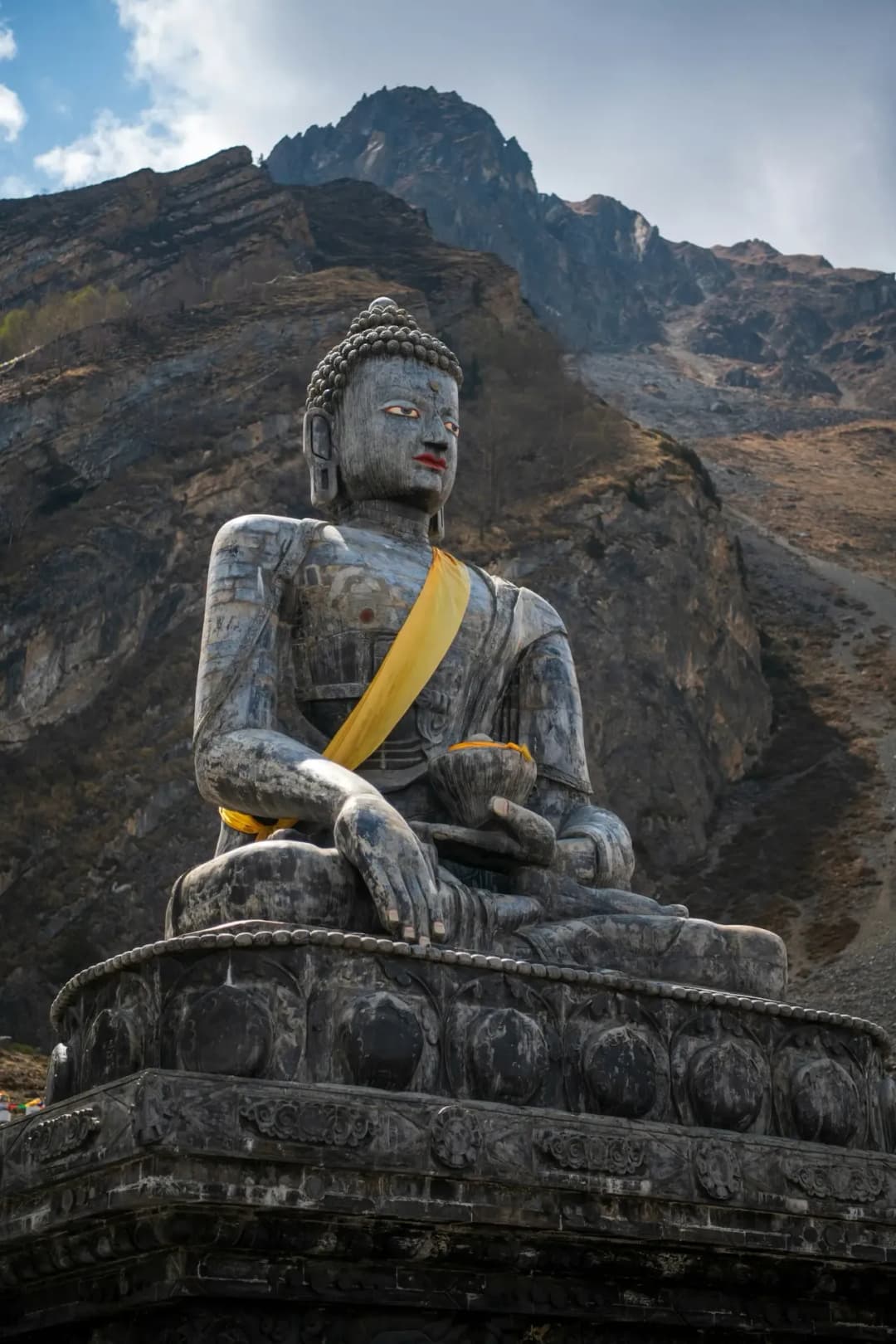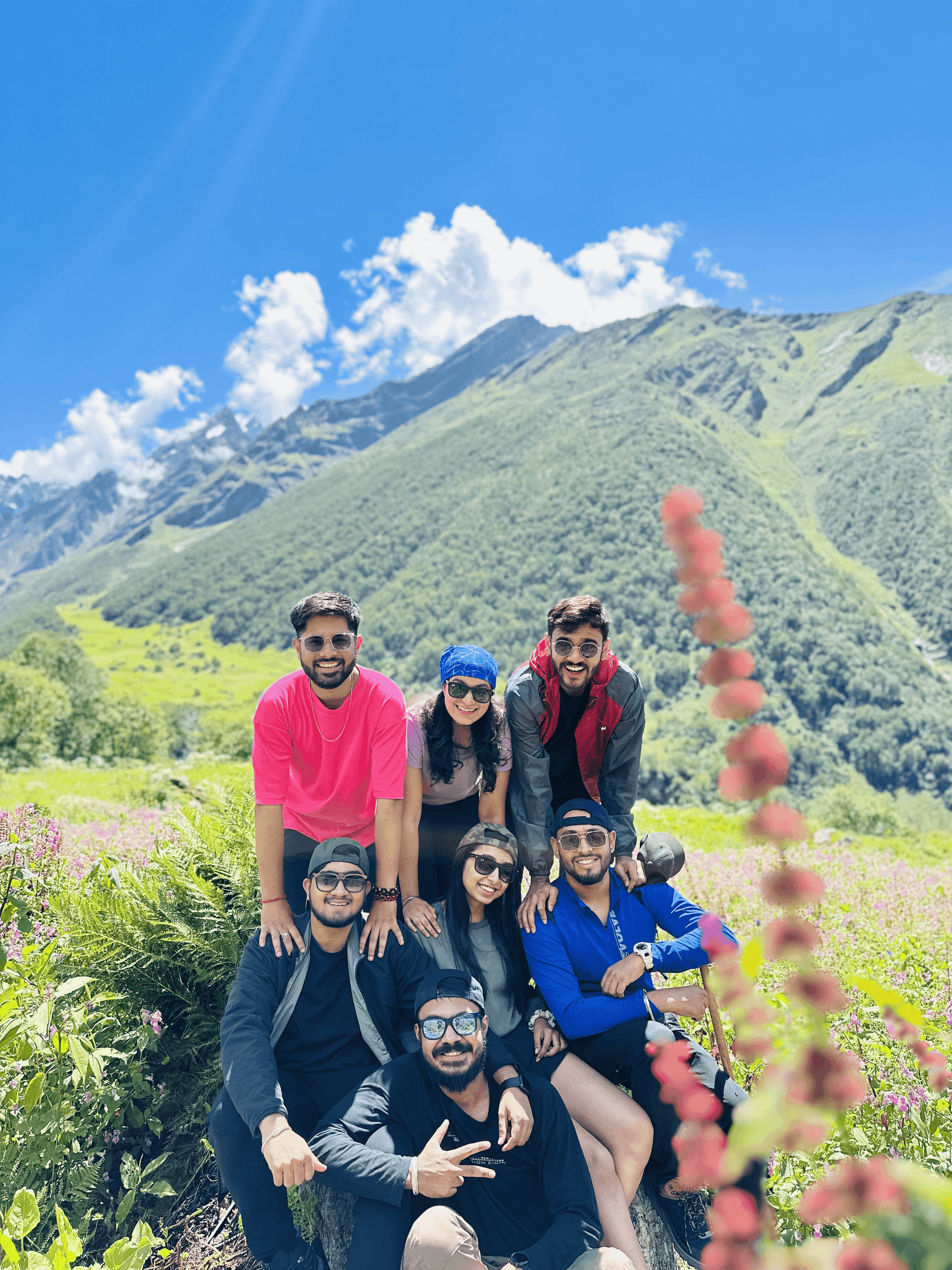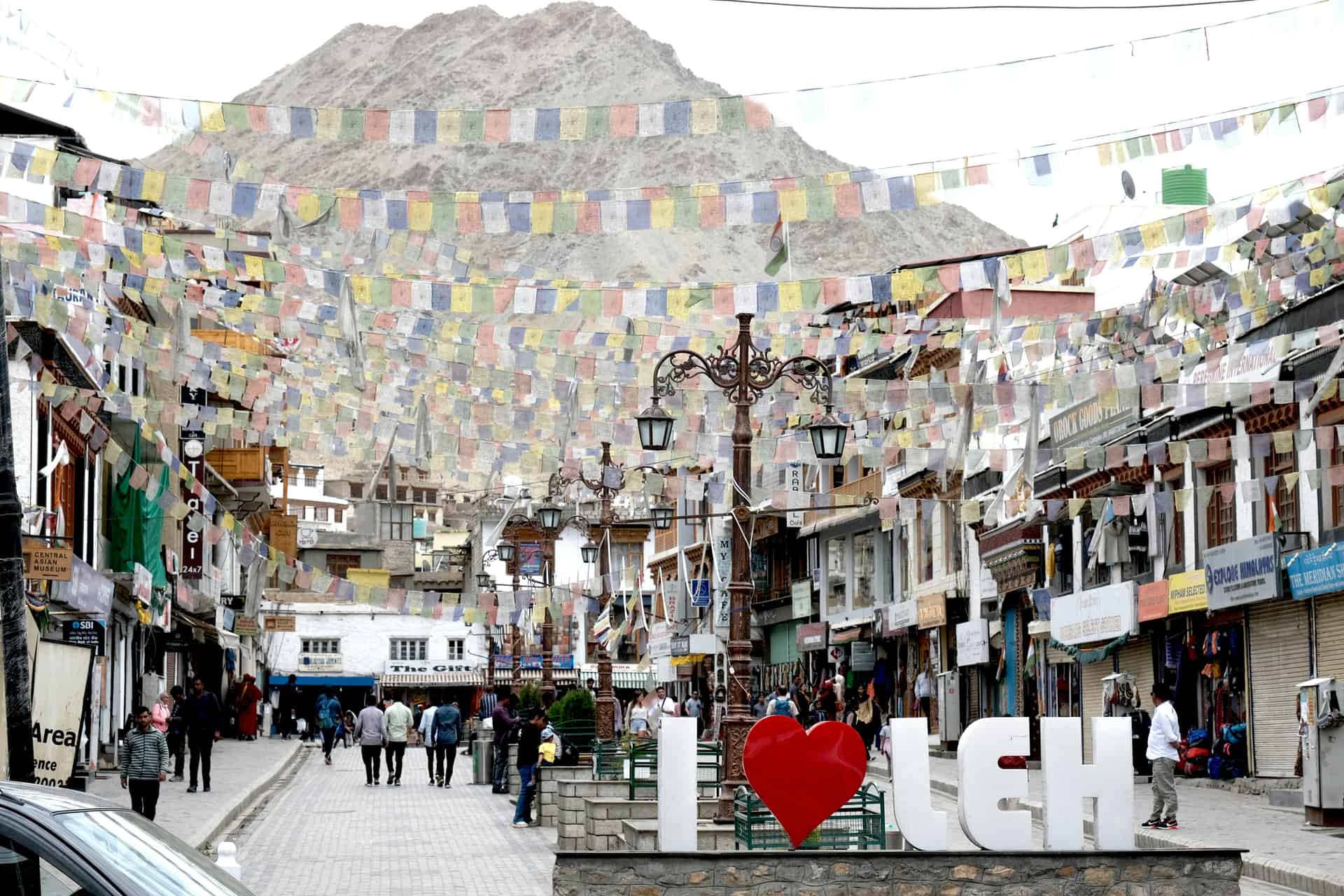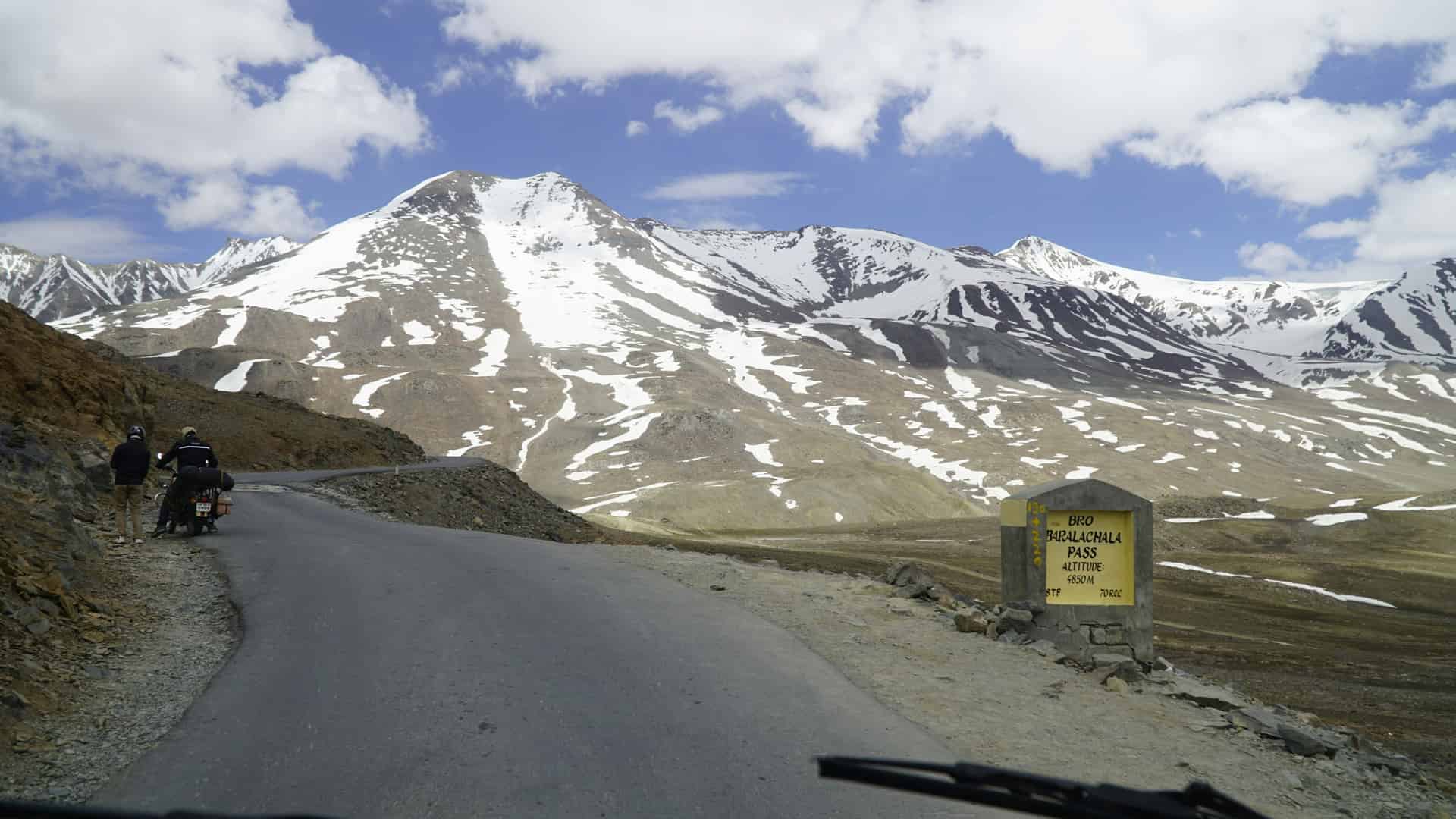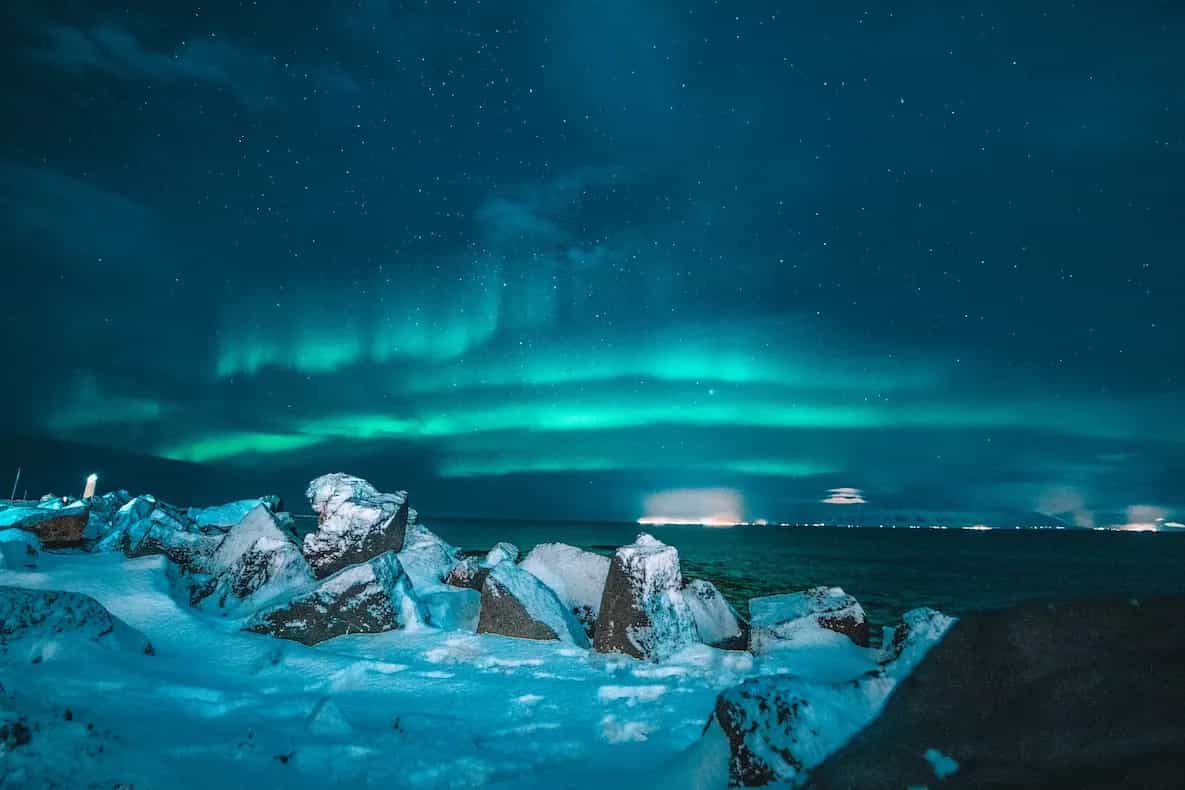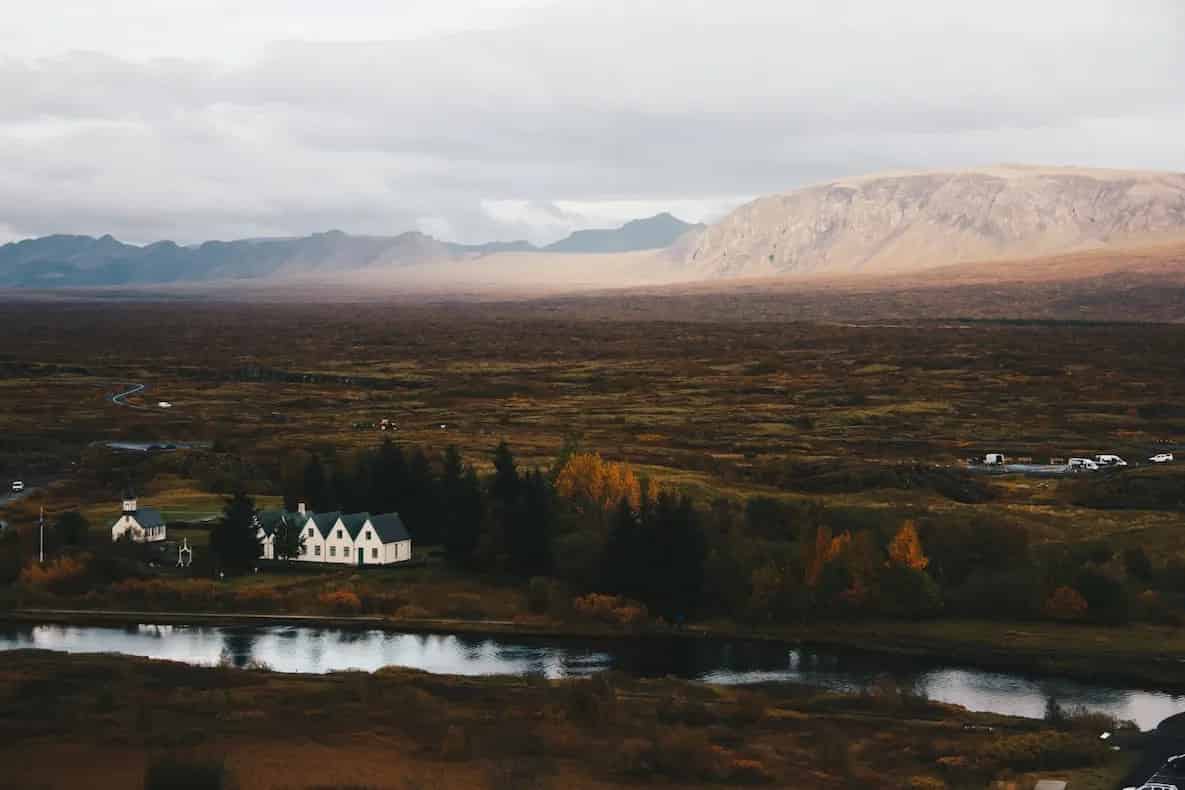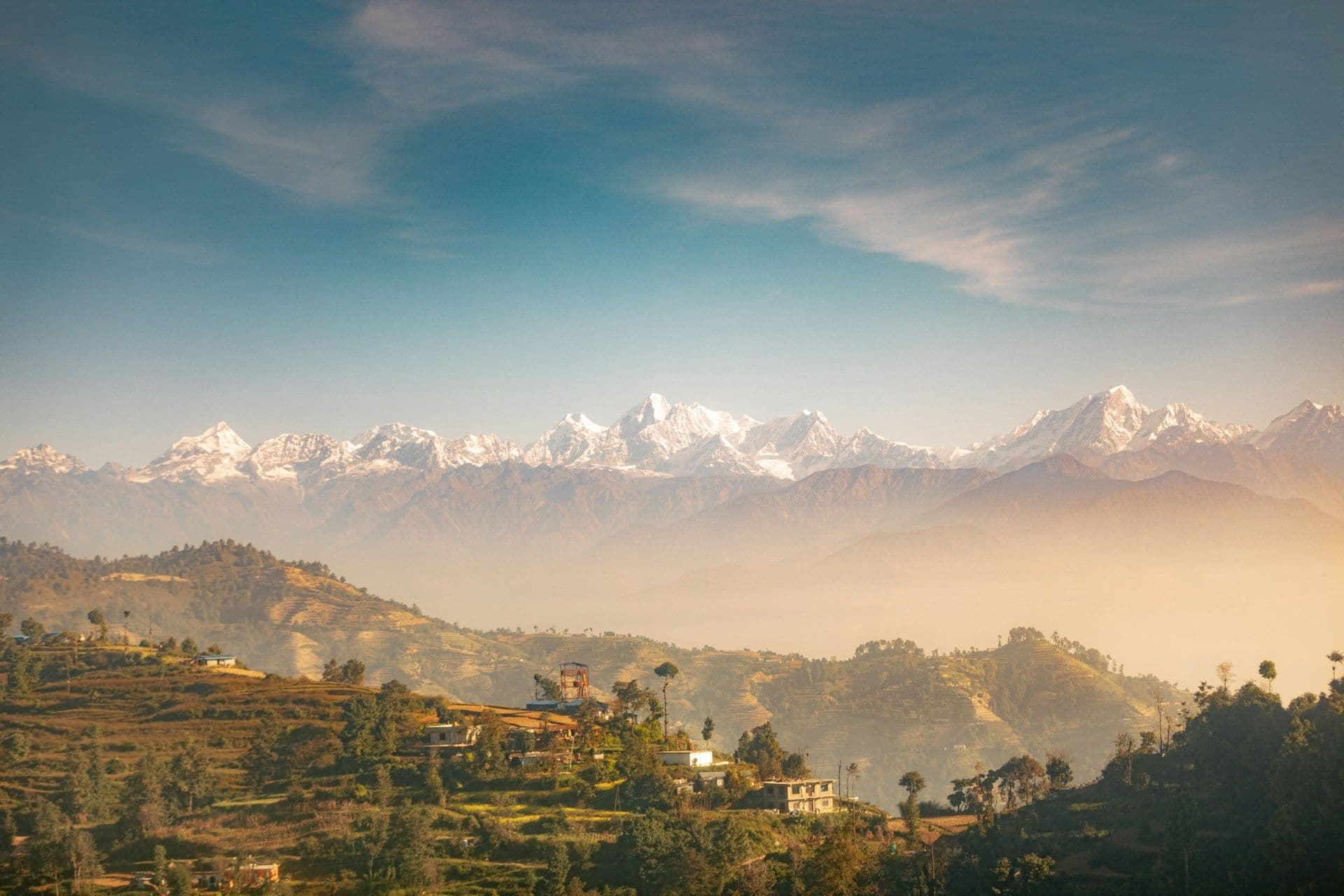
Nepal does not feel like the same destination throughout the year.
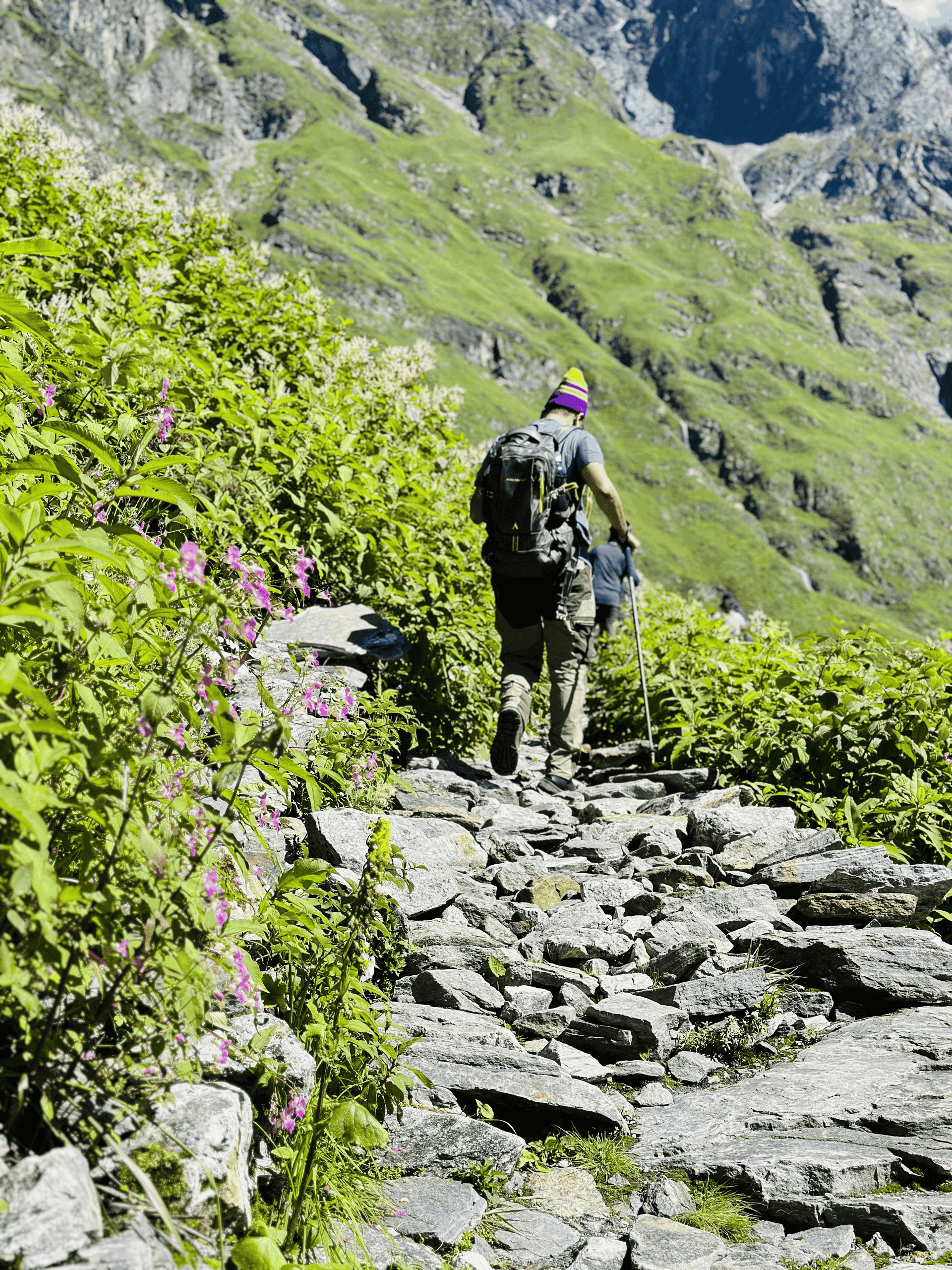
Autumn brings clear Himalayan views and active trekking trails. Winter feels quieter, colder and more peaceful. Spring adds greenery and rhododendron blooms across the mountains, while monsoon transforms Nepal into a slower, rain-soaked landscape filled with mist, clouds and dramatic scenery.
This is why there is no single “perfect” time to visit Nepal.
The best season depends entirely on the kind of experience you want from the trip.
Some travelers visit Nepal for:
- trekking
- mountain views
- peaceful Pokhara cafés
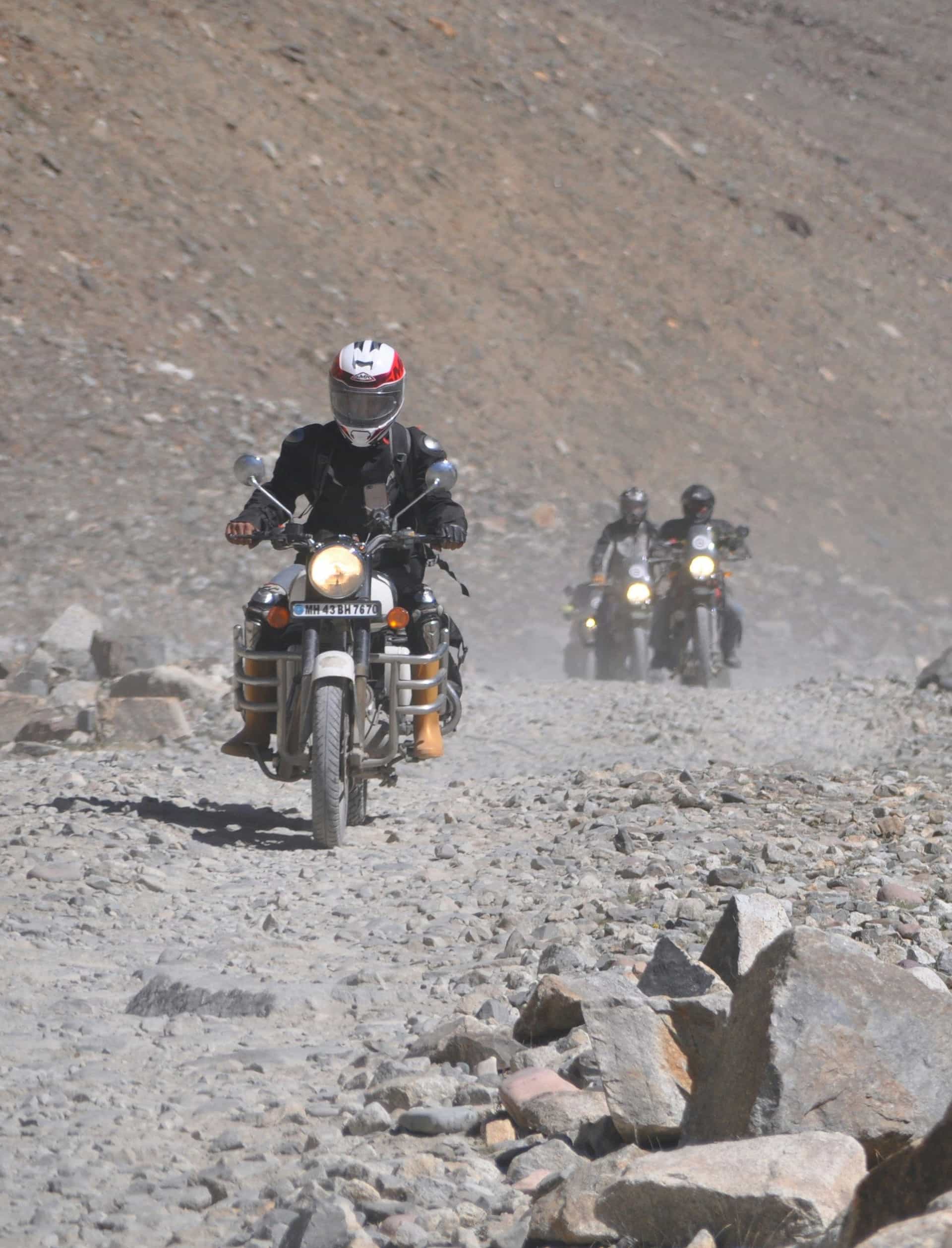
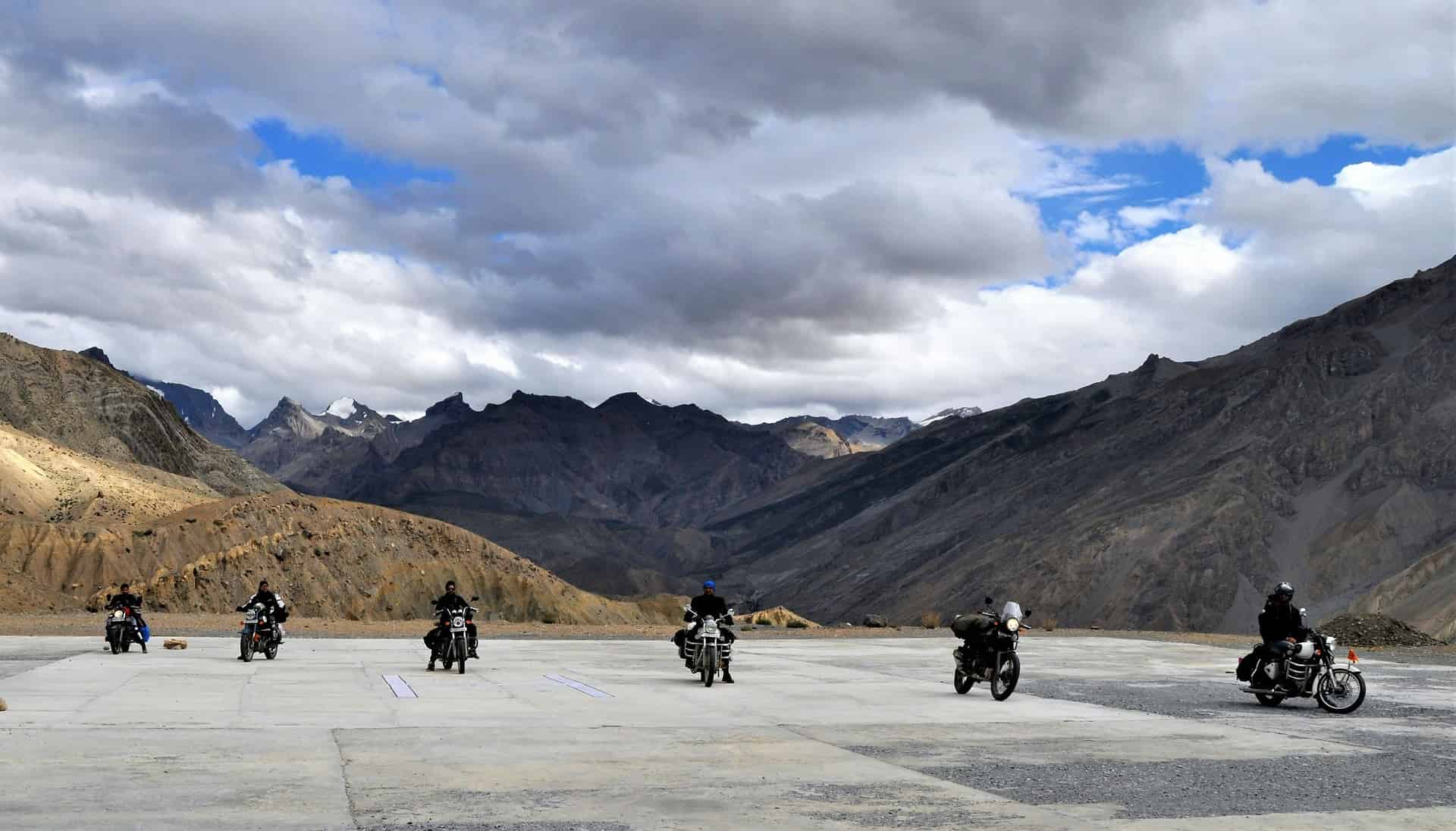
- road trips
- snowfall
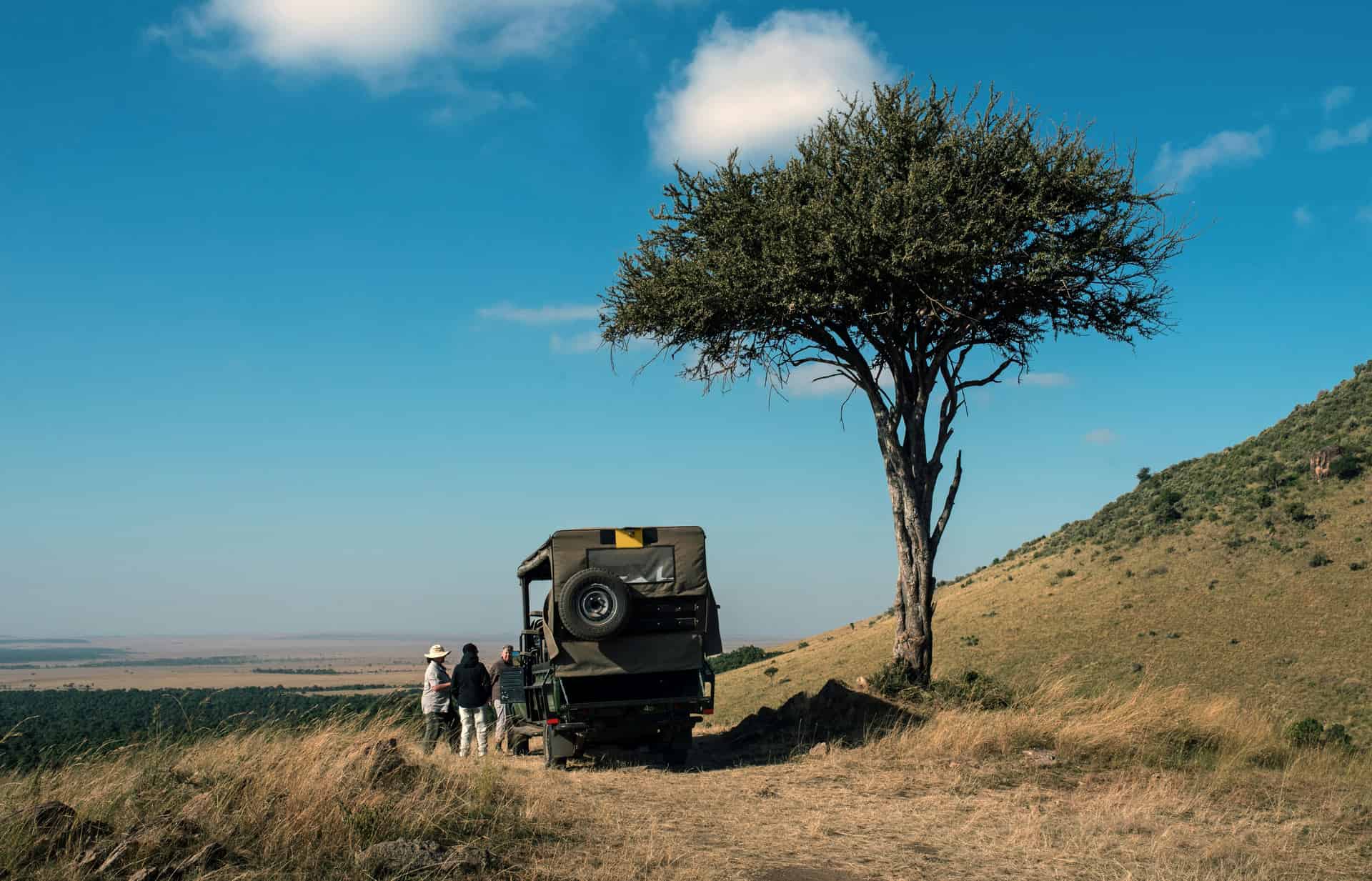
- wildlife
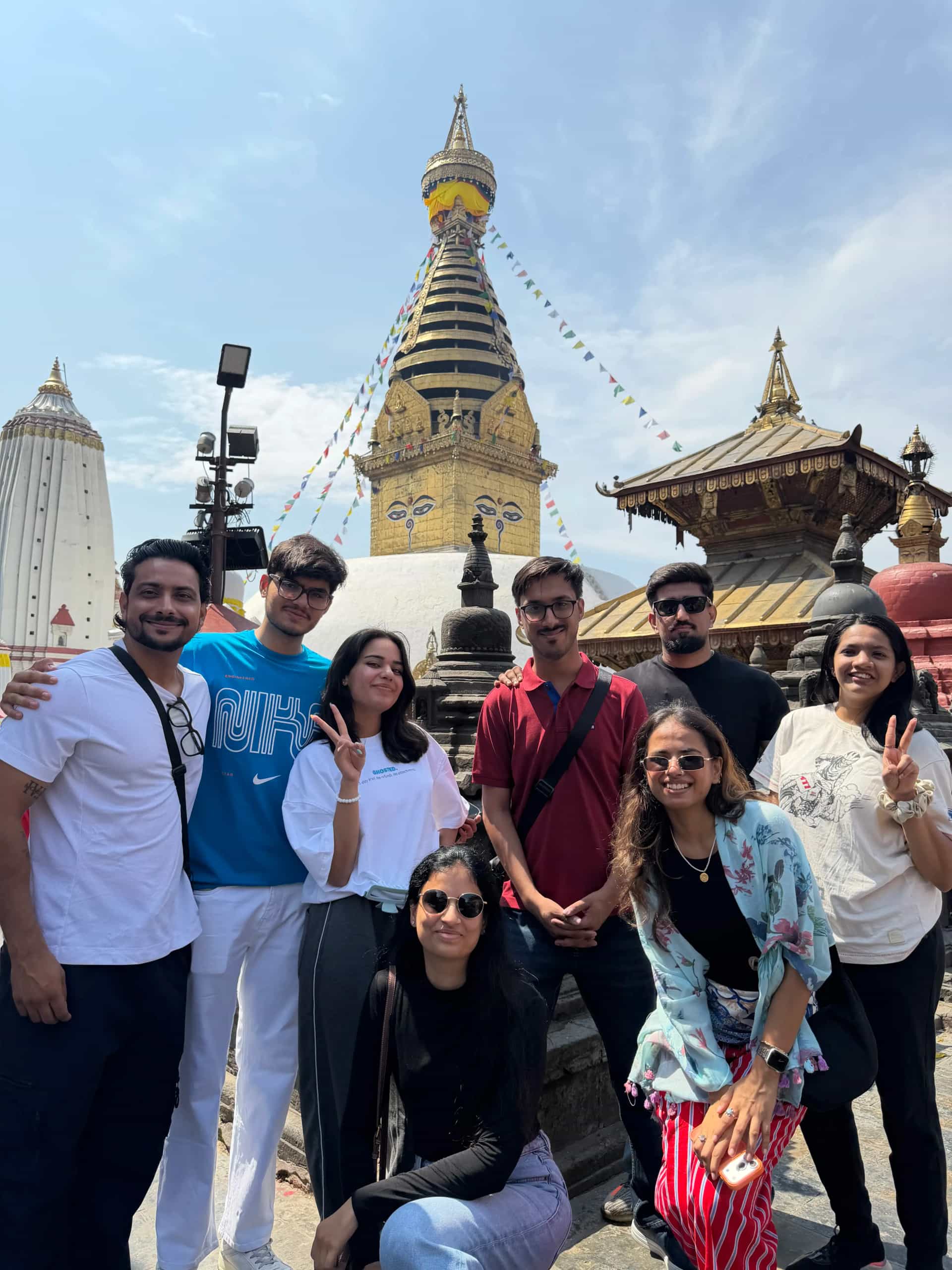
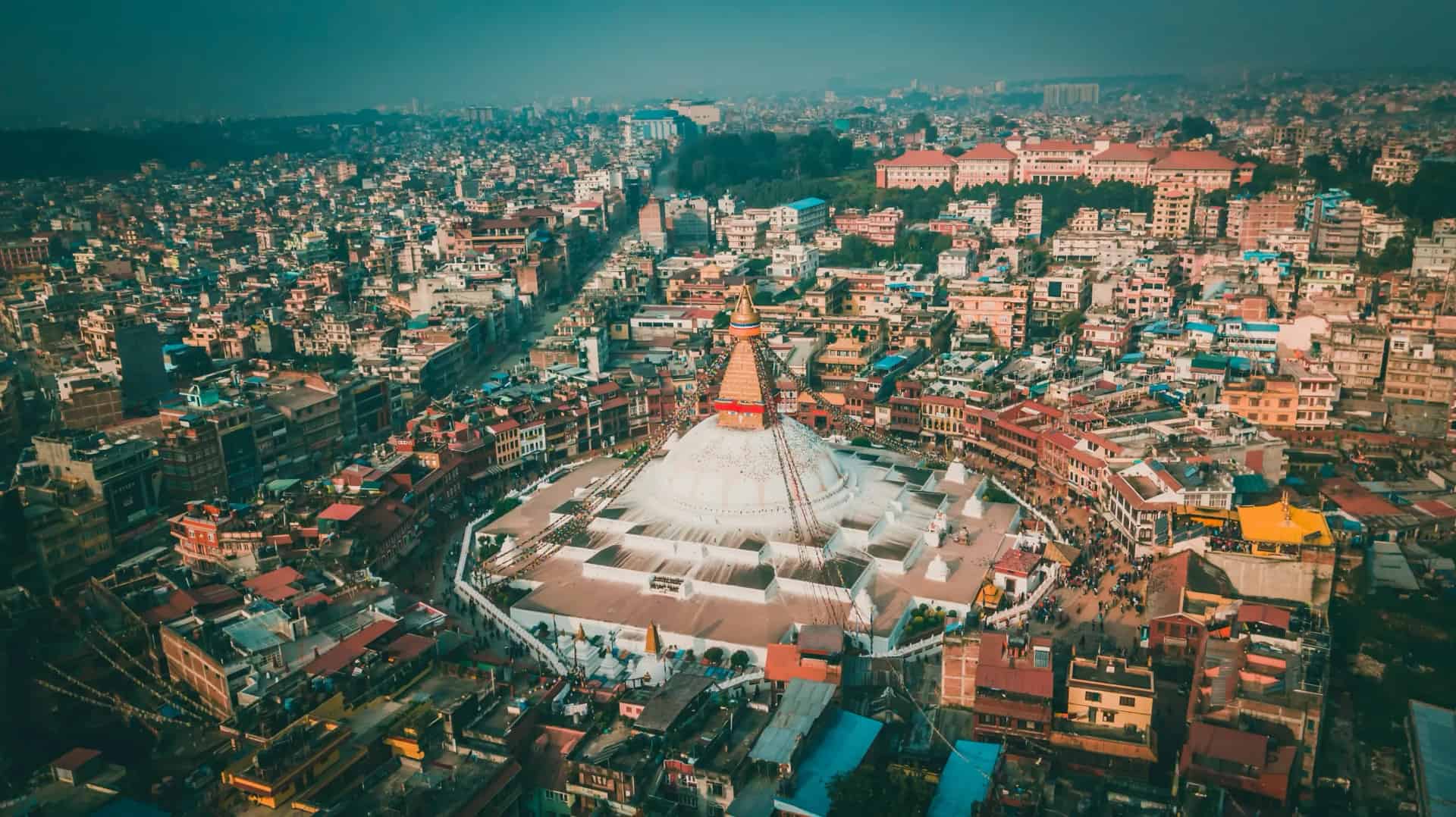
- spiritual journeys
And each experience works best during different months.
Whether you are planning a trekking route, a honeymoon, a road trip, or a relaxed mountain vacation, this guide will help you choose the season that matches your travel style best.
Nepal Weather Quick Facts
Topic | Best Time |
| Best Overall Weather | October to November |
| Best Trekking Season | October–November & March–April |
| Best Snowfall Experience | December to February |
| Cheapest Time to Visit | Monsoon season (June–August) |
| Best for Green Landscapes | July–September |
| Best for Pokhara Cafés & Relaxed Travel | October–March |
| Best Wildlife Season (Chitwan) | October–March |
Different seasons also change how Nepal itineraries actually work. Our Nepal Itinerary Guide explains the best route combinations, pacing, and travel flow for 5, 7 and 10-day Nepal trips.
Understanding Nepal’s Travel Seasons
Nepal is usually divided into four major travel seasons:
Season | Months | Travel Experience |
| Autumn | September–November | Clear skies, trekking, best Himalayan visibility |
| Winter | December–February | Cold mornings, snowfall, fewer crowds |
| Spring | March–May | Rhododendrons, trekking, pleasant weather |
| Monsoon | June–August | Rain, greenery, landslides, lower tourist crowds |
Each season changes:
- trekking conditions
- road travel
- mountain visibility
- hotel pricing
- crowd levels
- domestic flight reliability
This is why understanding Nepal’s weather matters far more than simply searching “best month.”
Visibility vs Crowd Levels in Nepal (Season Comparison)
Season | Himalayan Visibility | Crowd & Pricing | Road & Flight Reliability | Best For |
| October–November | Excellent panoramic visibility | Peak crowds & highest prices | Stable weather & reliable movement | Trekking, first-time Nepal trips |
| December–February | Good visibility with occasional fog | Lower crowds & better hotel pricing | Winter fog can affect some flights | Slow travel, winter cafés, peaceful trips |
| March–April | Good visibility & spring landscapes | Moderate crowds & balanced pricing | Generally stable conditions | Trekking, greenery, rhododendrons |
| May | Hazy visibility in many regions | Moderate crowds | Warm weather but pre-monsoon haze | Higher-altitude trekking, quieter travel |
| June–September | Low visibility during monsoon | Lowest crowds & cheapest pricing | Rainfall and landslides affect routes | Green landscapes, relaxed budget travel |
What is the Best Month to Visit Nepal for Clear Mountain Views?
For most travelers:
October and November
offer the best overall mountain visibility in Nepal.
The monsoon rains help clear:
- dust
- pollution
- atmospheric haze
which creates dramatically sharper Himalayan views across:
- Pokhara
- Nagarkot
- Annapurna region
- Everest region
This period usually brings:
- stable weather
- crisp blue skies
- comfortable temperatures
- better photography conditions
- reliable trekking visibility
For first-time Nepal travelers, October and November usually create the smoothest overall experience because weather, visibility and transport conditions remain more predictable.
However, this is also Nepal’s busiest tourism season.
Flights, hotels, trekking routes and tourist areas become much more crowded during:
- October
- November
Travelers visiting during peak autumn months should ideally book:
- flights
- hotels
- trekking permits
- guides
well in advance.
If you are budgeting your Nepal trip during peak season, our Nepal Trip Cost Guide explains how seasonal pricing affects flights, hotels and trekking costs.
Best Time to Visit Nepal for Trekking
Trekking seasons in Nepal depend heavily on:
- visibility
- rainfall
- snow conditions
- temperature
- trail safety
For most trekkers:
October–November
and
March–April
are considered the best trekking periods.
Autumn Trekking Season (October–November)
This is Nepal’s most popular trekking season.
Best for:
- Everest Base Camp
- Annapurna Base Camp
- high-altitude trekking
- photography
- clear Himalayan scenery
The skies usually remain much clearer after monsoon rains, which improves long-distance mountain visibility dramatically.
Autumn also feels more energetic and social across Nepal’s trekking regions because trails, cafés, tea houses and mountain towns become much more active.
Travelers planning Himalayan routes can also explore our Everest Base Camp Trek Guide and Annapurna Base Camp Trek Guide for route-specific preparation.
Spring Trekking Season (March–April)
Spring offers:
- moderate weather
- blooming rhododendrons
- greener landscapes
- comfortable trekking temperatures
Some trekkers actually prefer spring because the trails feel:
- more colorful
- greener
- slightly softer compared to late autumn and winter
Mountain views can occasionally feel less sharp than in autumn, but many travelers enjoy the more vibrant atmosphere and milder trekking conditions.
The May Haze Reality Most Travelers Do Not Expect
May is technically still considered part of Nepal’s spring season.
However, many travelers are surprised by how much mountain visibility can be reduced during this period.
Pre-monsoon conditions often bring:
- dust
- agricultural burning
- humidity buildup
- atmospheric haze
This can occasionally reduce Himalayan visibility significantly in places like:
- Pokhara
- Kathmandu Valley
- Nagarkot
Travelers whose main goal is clear mountain scenery usually prefer:
October–November
or
March–April
instead of late May.
However, trekkers heading into higher-altitude regions may still enjoy rewarding mountain conditions during this period.
Where and When to See Snowfall in Nepal
Travelers looking for cold mountain weather and snowfall experiences usually prefer:
December to February
During winter:
- mornings become colder
- higher-altitude areas receive snowfall
- mountain regions feel quieter
- trekking routes become more challenging
Popular winter experiences include:
- snowy mountain viewpoints
- peaceful Pokhara mornings
- quieter trekking regions
- cozy cafés and mountain stays
Winter in Nepal feels calmer and more reflective compared to the busier autumn season.
However, travelers should also expect:
- colder mornings
- occasional weather disruptions
- harsher trekking conditions at altitude
Snowfall mainly affects:
- trekking regions
- mountain viewpoints
- higher Himalayan areas
rather than central Kathmandu or Pokhara itself.
Winter Morning Fog: A Reality Many Travelers Underestimate
Winter in Nepal can still offer beautiful mountain views.
However, travelers should also know that:
Morning fog becomes common
during:
- December
- January
- early February
especially around:
- Kathmandu Valley
- Chitwan
- Terai regions
This fog can occasionally affect:
- domestic flights
- road visibility
- sunrise viewpoints
- early-morning mountain visibility
In many cases, skies improve significantly later in the afternoon.
Travelers planning mountain flights or domestic movement during winter should ideally keep:
- flexible timing
- buffer hours
- realistic expectations
especially for early-morning schedules. Our Nepal Transport Guide explains road conditions, domestic flights, tourist buses and realistic travel times across different regions of Nepal.
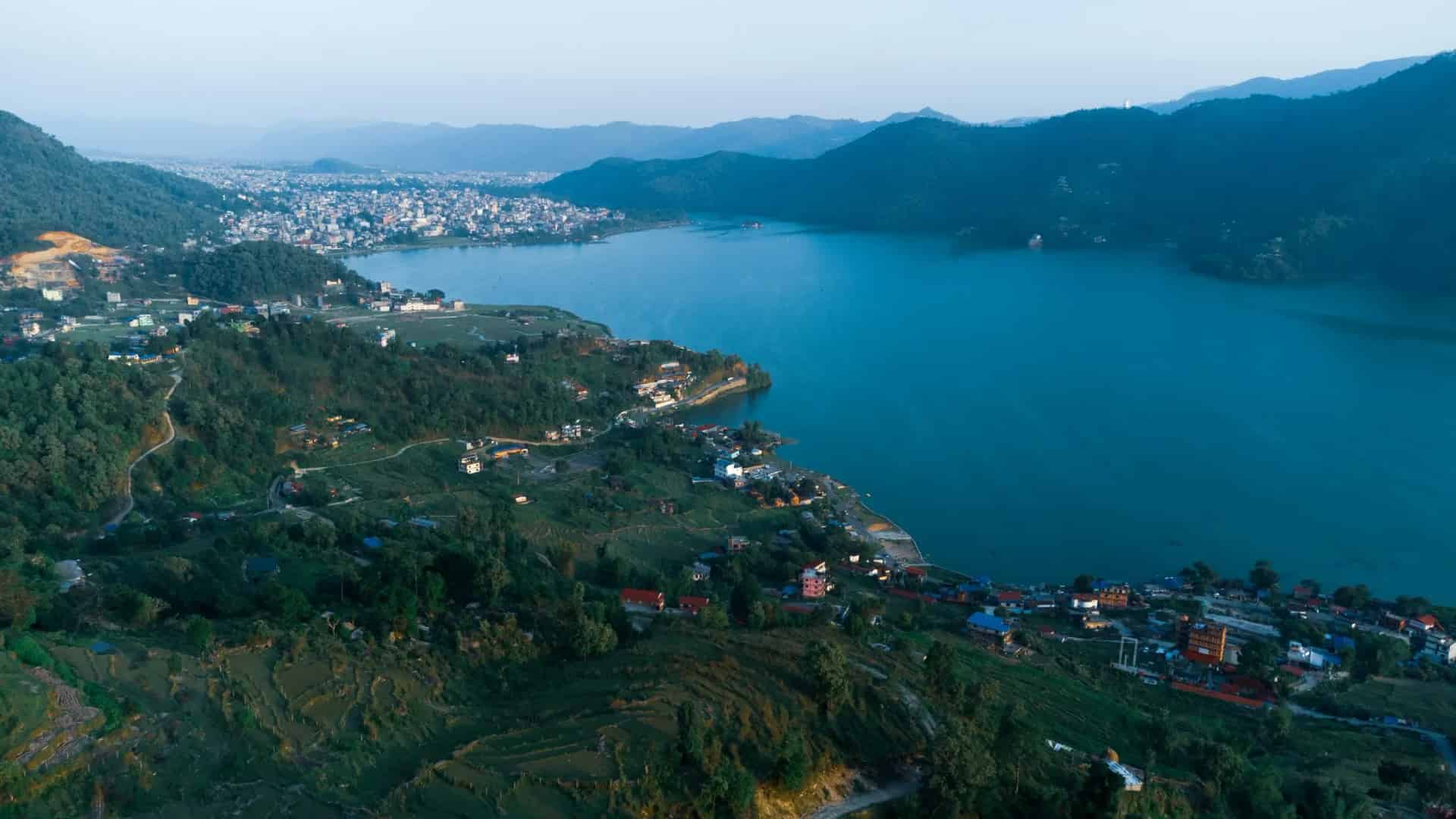
Best Time to Visit Pokhara
Pokhara remains one of Nepal’s most flexible year-round destinations.
However:
October to March
usually offers the most comfortable experience.
This period brings:
- clearer mountain scenery
- pleasant weather
- comfortable café culture
- peaceful lakeside mornings
- better visibility around Phewa Lake
Pokhara feels less about “checking attractions” and more about the atmosphere.
Many travelers remember:
- mountain-view cafés
- relaxed mornings
- bakeries
- lakeside evenings
- slower pacing
far more than structured sightseeing itself.
During monsoon season, Pokhara feels completely different again.
Instead of sharp Himalayan views, the city becomes:
- greener
- moodier
- quieter
- slower
Pokhara during rainy months often feels less like a sightseeing destination and more like a mountain retreat centered around cafés, rain, and atmosphere.
Travelers wanting a deeper understanding of stay areas, cafés, viewpoints and experiences can also explore our Pokhara Travel Guide.
Best Time to Visit Kathmandu
Kathmandu works well during:
October to March
This period offers:
- comfortable daytime weather
- better heritage exploration
- lower humidity
- clearer skies compared to monsoon months
Kathmandu can feel physically exhausting during heavy rain periods because of:
- traffic
- muddy roads
- urban congestion
- reduced visibility
Travelers interested in:
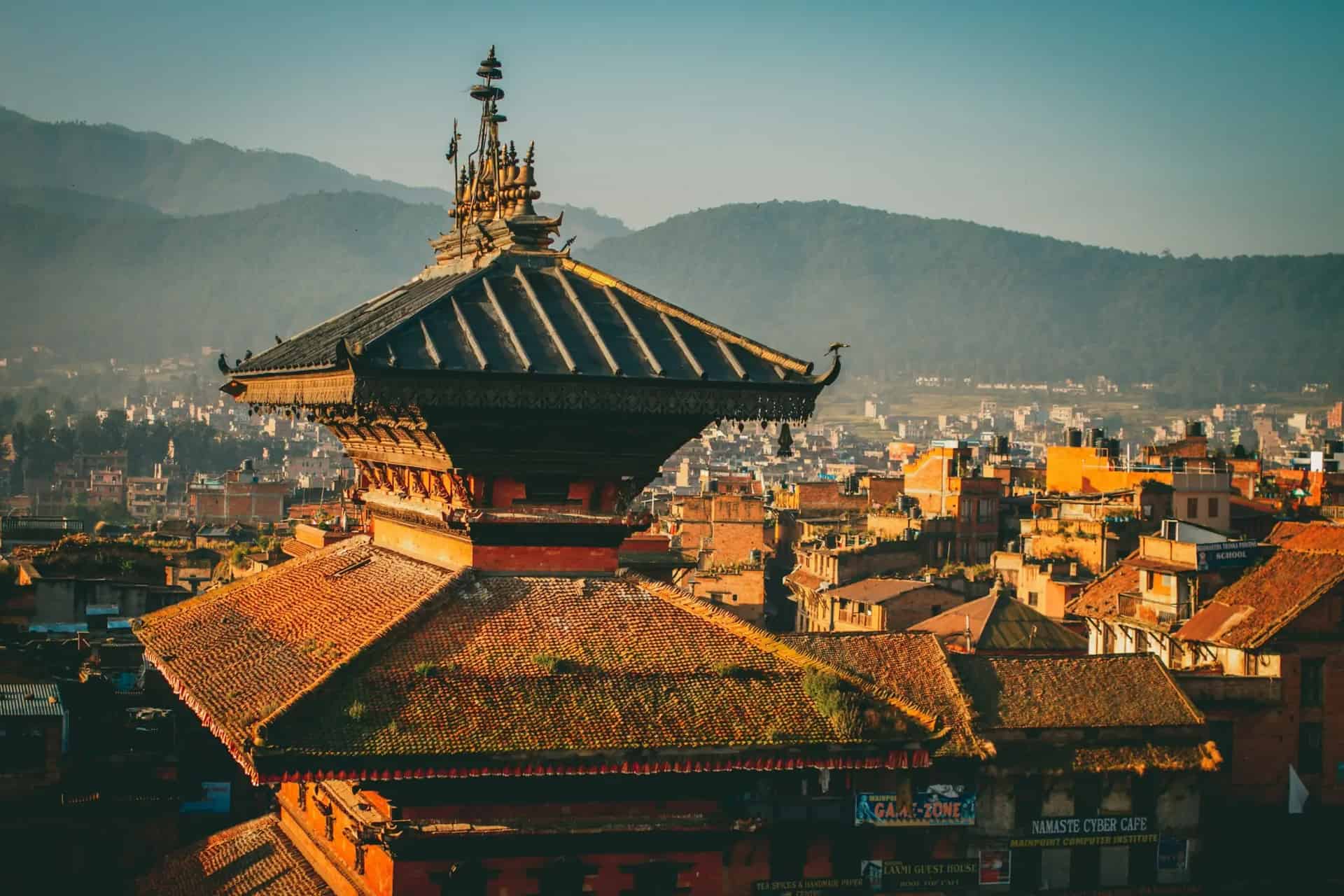
- heritage sites
- spiritual experiences
- local cafés
- cultural exploration
usually find autumn and winter much more comfortable.
For stay areas, local experiences, and city planning tips, our Kathmandu Travel Guide covers the city in much more detail.
Best Time to Visit Chitwan National Park
The best time for Chitwan safaris is usually:
October to March
This period offers:
- more comfortable safari conditions
- better wildlife visibility
- lower humidity
- pleasant jungle experiences
Summer and monsoon months can feel:
- extremely humid
- rainy
- uncomfortable for long safari activity
Travelers combining wildlife with mountains often prefer adding Chitwan during autumn or winter itineraries.
Is it Worth Visiting Nepal During the Monsoon Season (June to August)?
Monsoon season in Nepal usually runs from:
June to August
This becomes Nepal’s least predictable travel period.
During monsoon:
- heavy rainfall becomes common
- landslides can affect roads
- mountain visibility reduces
- flight delays increase
- trekking conditions become difficult in many regions
However, the monsoon also transforms Nepal visually.
The landscapes become:
- intensely green
- quieter
- less crowded
- more cinematic
This season works better for:
- slower travel
- café-focused vacations
- relaxed Pokhara stays
- budget travelers
- repeat visitors
Travelers planning aggressive movement-heavy itineraries during the monsoon often face more disruptions.
For first-time Nepal travelers focused mainly on sightseeing and mountain visibility, the monsoon usually feels less rewarding compared to autumn or spring.
Cheapest Time to Visit Nepal
The most affordable period to visit Nepal is usually:
monsoon season (June–August)
During this time:
- hotel prices drop
- flights can become cheaper
- tourist crowds reduce
- trekking demand decreases
However, cheaper pricing comes with:
- weather unpredictability
- transport delays
- lower mountain visibility
- road complications in some regions
Travelers choosing budget-focused Nepal trips should balance:
cost savings
with
Overall experience quality.
Major Nepal Festivals That Affect Travel Planning
Dashain (Usually October)
Dashain is Nepal’s biggest festival season.
During this period:
- transport demand increases massively
- buses and flights become crowded
- ticket availability reduces quickly
- some local businesses close temporarily
Travelers visiting Nepal during Dashain should ideally book:
- hotels
- buses
- flights
well in advance.
However, the cultural atmosphere during Dashain can also feel incredibly vibrant and memorable.
Tihar / Deepawali (Usually October–November)
Tihar transforms many parts of Nepal with:
- lights
- decorations
- celebrations
- festive evenings
Kathmandu and Pokhara especially feel lively and visually beautiful during this period.
Shivaratri (February–March)
Shivaratri attracts large numbers of pilgrims and sadhus to:
Pashupatinath Temple
during late winter.
Travelers visiting Kathmandu during this period should expect:
- larger crowds
- heavy temple activity
- spiritual gatherings around Pashupatinath
Travelers interested in spiritual routes can also explore our Nepal Pilgrimage Guide covering Pashupatinath, Muktinath and Janakpur.
Best Time to Visit Nepal for Couples
For most couples:
October to March
works best.
This period offers:
- comfortable weather
- clearer mountain scenery
- cozy Pokhara stays
- café culture
- romantic lakeside atmosphere
- better overall travel comfort
Many couples prefer:
- slower itineraries
- fewer destinations
- mountain-view hotels
- relaxed pacing
instead of overly packed sightseeing schedules.
Best Time for Nepal Road Trips
Road trips in Nepal work best during:
October to April
These months generally offer:
- better road visibility
- more stable driving conditions
- reduced landslide risk
- more predictable mountain travel
Monsoon road trips can become physically tiring because of:
- muddy roads
- construction zones
- delays
- landslide-prone sections
Travelers planning self-drive or bike journeys can also explore our detailed guide on driving an Indian car or bike to Nepal.
Nepal Weather by Month (Quick Breakdown)
Month | Travel Experience |
| January | Cold, peaceful, winter travel |
| February | Clear weather, fewer crowds |
| March | Spring begins, trekking improves |
| April | Rhododendrons, trekking season |
| May | Warmer weather with increasing haze |
| June | Monsoon begins |
| July | Heavy rain, greenery, fewer tourists |
| August | Rain continues, lush landscapes |
| September | Weather starts improving |
| October | Best overall weather |
| November | Excellent Himalayan visibility |
| December | Winter atmosphere, mountain views |
Important Seasonal Realities Travelers Should Know
Nepal Weather Changes Quickly
Mountain conditions can shift unexpectedly even during peak season.
Travelers should always keep some flexibility in their itinerary.
Winter Does Not Mean Constant Snowfall Everywhere
Snowfall mainly affects:
- higher-altitude regions
- trekking routes
- mountain viewpoints
Kathmandu and Pokhara usually remain manageable during winter.
Peak Season Means Higher Prices
Flights, hotels, and trekking services often become more expensive during:
- October
- November
- spring trekking season
Monsoon Does Not Ruin Every Nepal Experience
Pokhara cafés, slower travel, greenery, and quieter mountain atmospheres can still feel rewarding during rainy months.
Which Nepal Season Is Best for You?
Choose Autumn (Sept–Nov) If:
- you want clear Himalayan views
- trekking is a priority
- this is your first Nepal trip
- you want the most balanced weather
Choose Winter (Dec–Feb) If:
- you prefer fewer crowds
- you enjoy colder weather
- you want peaceful mountain experiences
- you enjoy slower travel
Choose Spring (Mar–May) If:
- you want trekking + greenery
- you enjoy moderate weather
- you want colorful landscapes
Choose Monsoon (Jun–Aug) If:
- you prioritize budget travel
- you enjoy greenery
- you prefer fewer tourists
- your itinerary is flexible
Final Thoughts
The best time to visit Nepal is not always the busiest season.
Some travelers fall in love with Nepal during crisp autumn mornings.
Others remember rainy Pokhara cafés, peaceful winter mountain views or slower spring journeys through greener Himalayan landscapes.
Nepal feels emotionally different in every season.
The right time depends less on “perfect weather” and more on the kind of experience you want from the journey.
If you are still exploring destinations, transport, routes, and overall travel planning, our complete Nepal Travel Guide covers everything you should know before planning your trip.
If you are planning your Nepal trip, you can also explore our Nepal tour packages for trekking routes, relaxed mountain vacations, couple trips, road journeys, pilgrimage routes and customized itineraries designed around different seasons and travel styles.