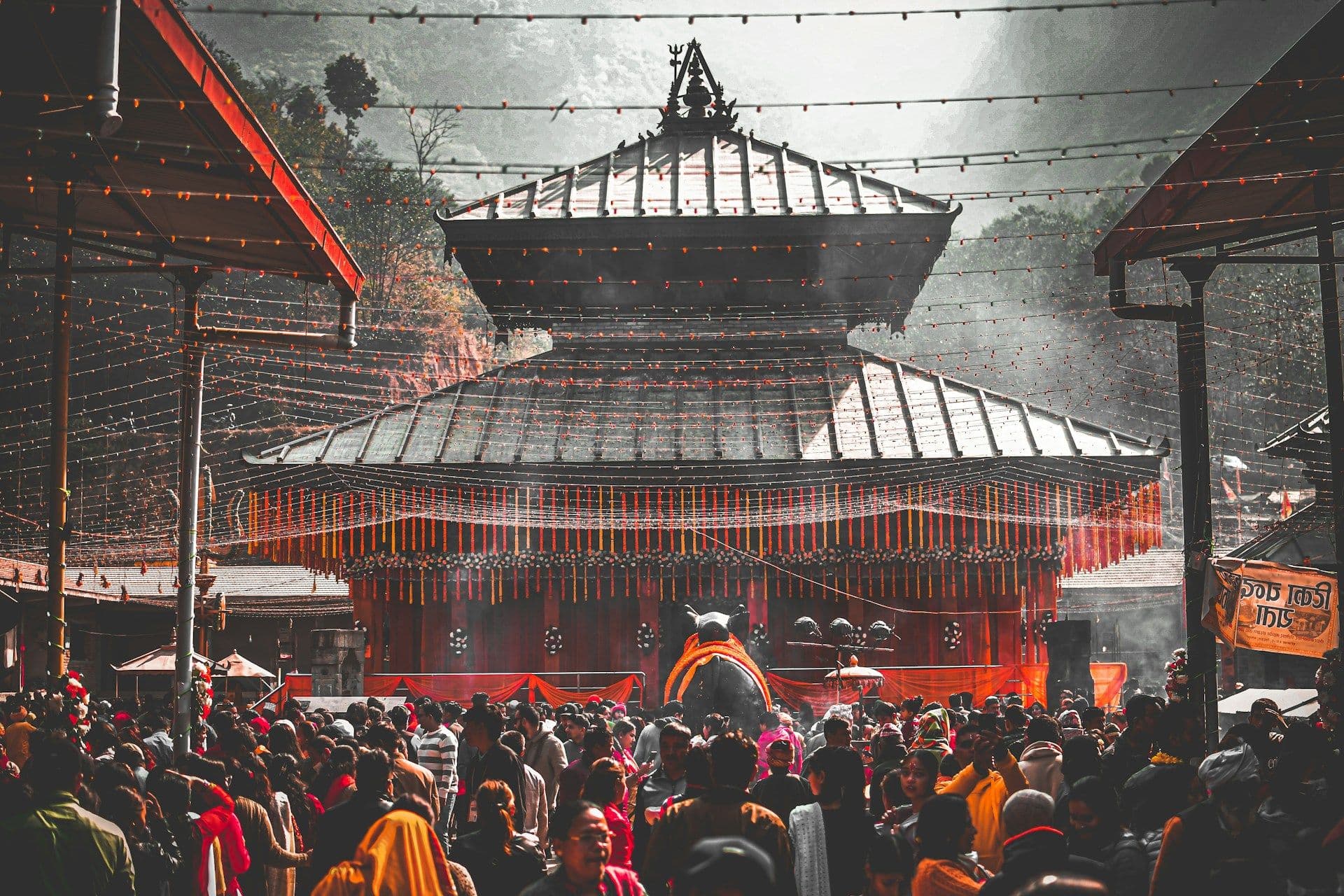
Nepal is more than mountains, trekking trails, and heritage cities. It is a country where festivals are woven into everyday life, transforming streets, temples, monasteries and entire communities into vibrant celebrations.
From the colorful chaos of Holi and the family reunions of Dashain to the illuminated nights of Tihar and the ancient chariot processions of Indra Jatra, festivals offer one of the most rewarding ways to experience Nepal beyond sightseeing.
For travelers, festivals provide a chance to witness living traditions, local food, community rituals, music, dance and cultural practices that have been preserved for generations.
Whether you're planning your first Nepal trip or looking for a reason to return, this guide covers the best festivals in Nepal, where to experience them and how to make the most of your visit.
Why Festivals Are So Important in Nepal
Nepal is home to dozens of ethnic communities, languages, religions and cultural traditions.
As a result, festivals are not limited to one region or one religion.
Across the year, you'll find celebrations linked to:
- Hindu traditions
- Buddhist traditions
- Newari culture
- Sherpa culture
- Indigenous communities
- Seasonal changes
- Harvest cycles
For many travelers, experiencing a festival becomes the highlight of their Nepal journey because it offers a deeper connection to local life than any museum or monument.
Nepal Festival Calendar at a Glance
Season | Major Festivals |
| Spring (March–May) | Holi, Buddha Jayanti, Bisket Jatra, Tiji Festival |
| Summer (May–August) | Rato Machhindranath Jatra |
| Autumn (September–November) | Indra Jatra, Dashain, Tihar, Mani Rimdu |
| Winter (November–February) | Yomari Punhi, Sonam Lhosar and regional celebrations |
For festival-focused travel planning, our Best Time to Visit Nepal guide can help you align your itinerary with seasonal celebrations.
Dashain: Nepal's Biggest Festival
If there is one festival that defines Nepal, it is Dashain.
Celebrated across the country, Dashain symbolizes the victory of good over evil and brings families together regardless of where they live.
For many Nepalis, it is the most important time of the year.
What Makes Dashain Special?
During Dashain:
- Families reunite
- Homes are decorated
- Elders bless younger family members
- Traditional food is prepared
- Communities celebrate together
The atmosphere is less about public events and more about family gatherings and cultural traditions.
What Travelers Should Know About Dashain
Many travel blogs only discuss the celebrations.
However, travelers should also understand the practical side of visiting Nepal during Dashain.
Demand for Travel Increases
As people return to their hometowns and villages:
- Flights become busier
- Tourist buses fill quickly
- Popular routes experience increased demand
Booking transport in advance is highly recommended.
Kathmandu Feels Different
Unlike most festivals that make cities busier, Dashain often makes Kathmandu quieter as many residents travel home.
For some travelers, this creates a unique opportunity to experience a calmer city.
Animal Sacrifice Awareness
Certain rituals during Maha Ashtami include animal sacrifices at specific temples and religious sites.
While these ceremonies remain an important cultural tradition for many communities, some visitors may find them uncomfortable.
Being aware of this beforehand allows travelers to decide whether they wish to witness these rituals or avoid them.
Where to Experience Dashain
Best places:
- Kathmandu
- Patan
- Bhaktapur
- Local villages across Nepal
Related reading:
Tihar: Nepal's Festival of Lights
If Dashain is Nepal's biggest festival, Tihar is often considered its most beautiful.
Known as the Festival of Lights, Tihar transforms homes, temples and streets with lamps, candles, decorations and colorful rangoli patterns.
Many travelers consider Tihar the most photogenic festival in Nepal.
Why Travelers Love Tihar
Highlights include:
- Illuminated homes
- Colorful street decorations
- Traditional music
- Community celebrations
- Beautiful night photography opportunities
The atmosphere is especially magical in Kathmandu Valley.
Kukur Tihar: Nepal's Famous Dog Festival
One of the most internationally recognized days of Tihar is Kukur Tihar.
On this day:
- Dogs receive tika blessings
- Flower garlands are placed around their necks
- Special food is offered
- Both pets and stray dogs are honored
This tradition celebrates the loyalty and companionship of dogs and has attracted global attention for its uniqueness.
For photographers and animal lovers, Kukur Tihar is often one of the most memorable cultural experiences in Nepal.
Where to Experience Tihar
Best locations:
- Kathmandu
- Patan
- Bhaktapur
- Pokhara
Holi: Nepal's Most Colorful Festival
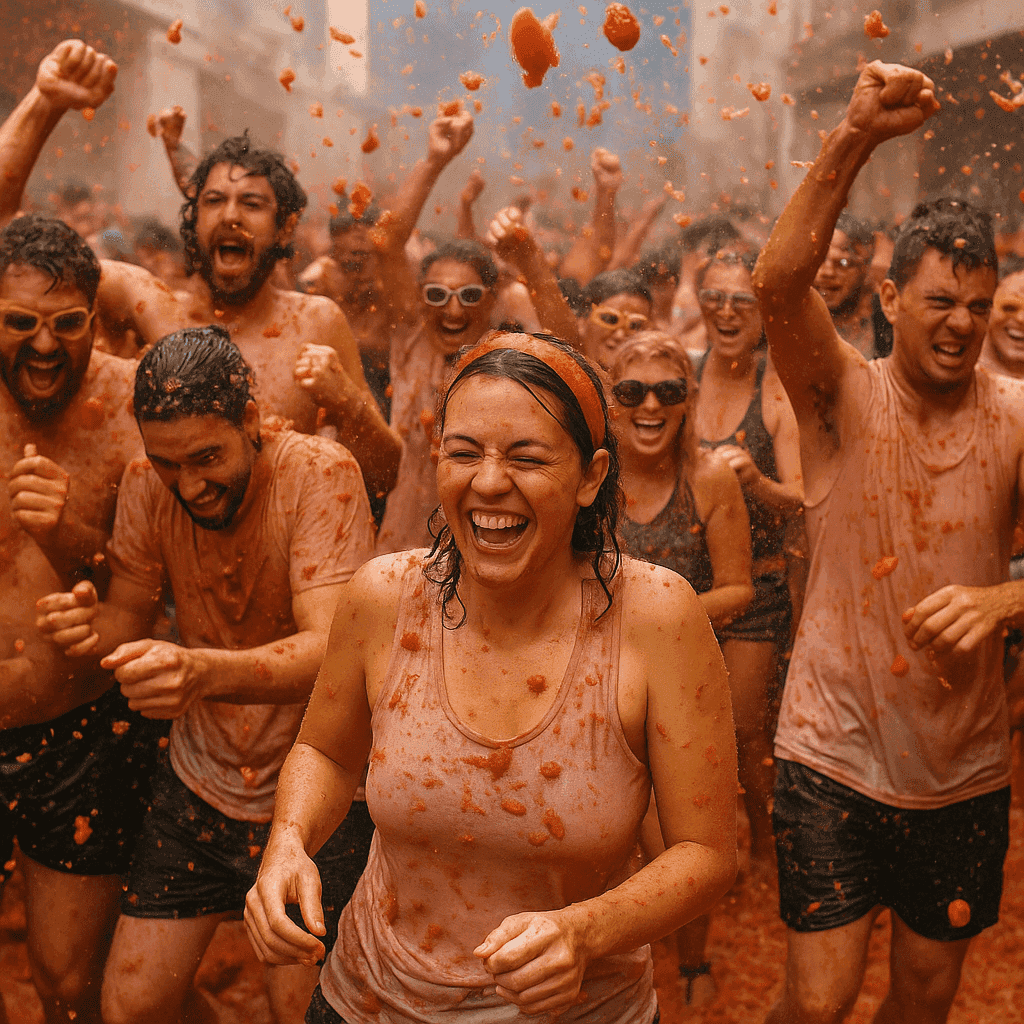
Holi is one of Nepal's most energetic celebrations.
Known as the Festival of Colors, it marks the arrival of spring and brings people together through music, dancing and colorful powder throwing.
What to Expect During Holi
Expect:
- Vibrant colors
- Street celebrations
- Music
- Dancing
- Large crowds
It is one of the most interactive festivals in Nepal.
Visitors often become part of the celebration rather than simply observing it.
Travel Tips for Holi
Before heading out:
- Wear clothes you don't mind staining
- Protect cameras and phones
- Use sunglasses
- Be prepared for crowds
Holi is especially popular among younger travelers and photographers.
Where to Experience Holi
Best places:
- Kathmandu
- Pokhara
Related reading:
Indra Jatra: Kathmandu's Most Spectacular Festival
Indra Jatra is one of the most important cultural festivals in Kathmandu.
Celebrated primarily by the Newar community, it transforms the historic core of Kathmandu into a massive public celebration.
Why Indra Jatra Is Unique
Highlights include:
- Traditional dances
- Religious processions
- Masked performers
- Chariot parades
- Kumari appearances
It is one of the best opportunities to witness the living Newari culture.
The Living Goddess Kumari
One of the festival's biggest attractions is the public appearance of Kumari, Nepal's Living Goddess.
Her ceremonial procession draws both locals and visitors from around the world.
Where to Experience Indra Jatra
Best place:
- Kathmandu Durbar Square
Bisket Jatra: Bhaktapur's Most Exciting Festival
Bisket Jatra is among Nepal's most dramatic festivals.
Held in Bhaktapur, it marks the Nepali New Year and is famous for its enormous chariot processions.
Why Visit Bisket Jatra?
Highlights include:
- Massive wooden chariots
- Traditional rituals
- Community participation
- Historic Newari culture
- Intense festival atmosphere
Unlike many festivals where spectators watch from the sidelines, Bisket Jatra feels immersive and highly energetic.
Where to Experience Bisket Jatra
Best place:
Buddha Jayanti: Celebrating Buddha's Birth
Buddha Jayanti commemorates the birth of Gautama Buddha and is one of Nepal's most significant Buddhist festivals.
The atmosphere is peaceful, reflective and spiritual.
Why Travelers Should Experience Buddha Jayanti
Highlights include:
- Prayer ceremonies
- Butter lamps
- Monastery celebrations
- Spiritual gatherings
- Cultural performances
Compared to Holi or Indra Jatra, the atmosphere is much calmer.
Best Places to Experience Buddha Jayanti
- Lumbini
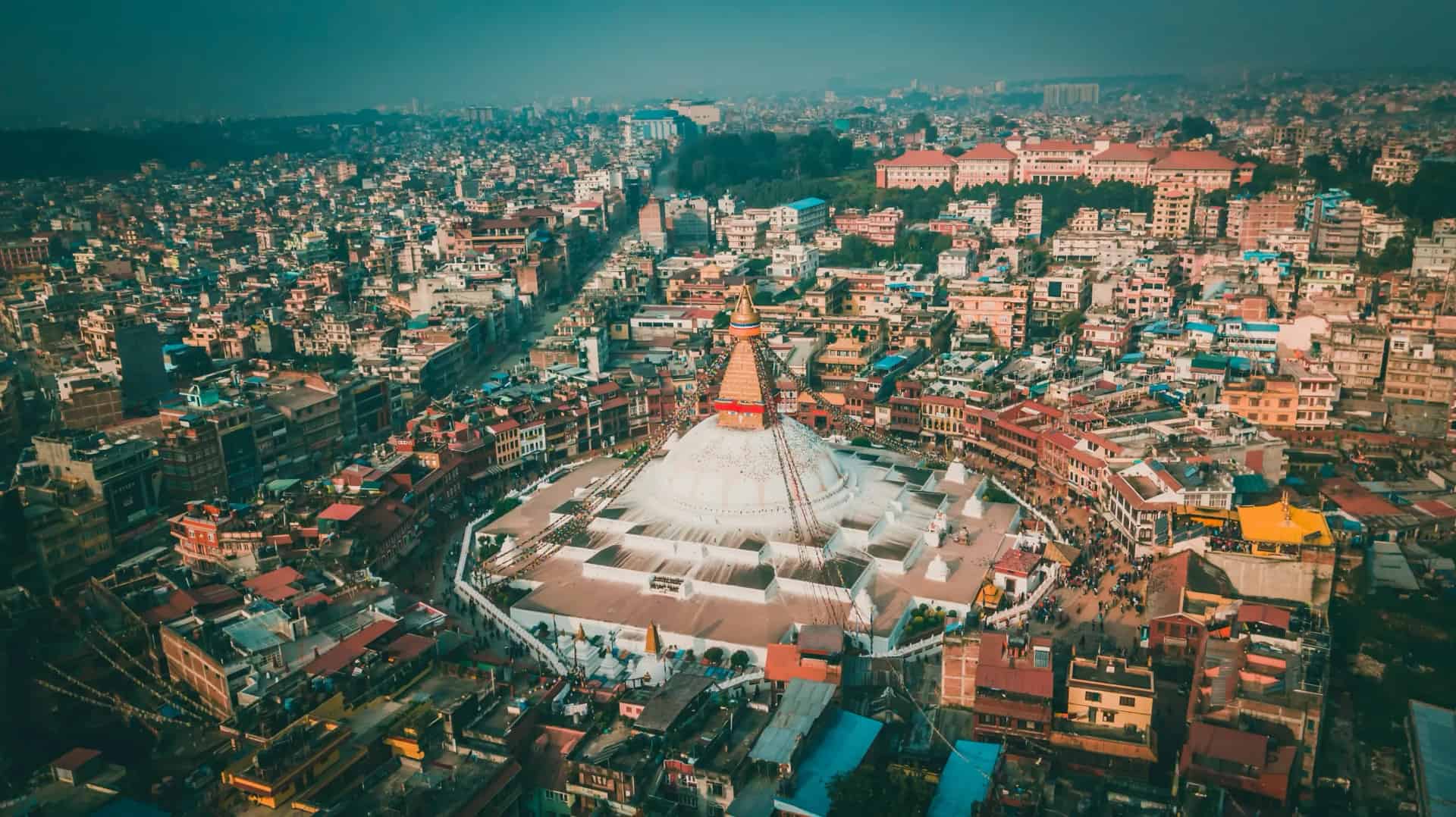
- Boudhanath
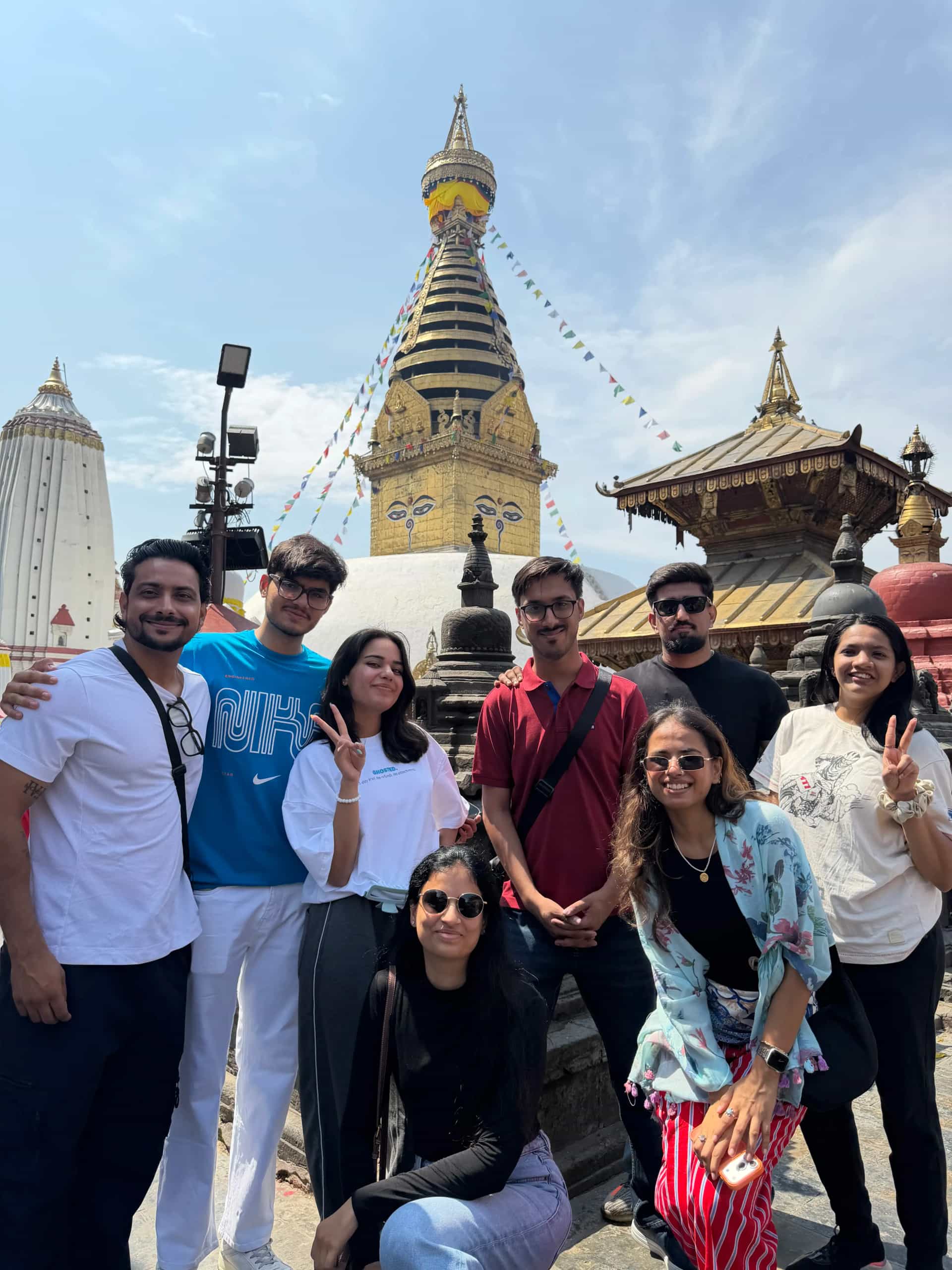
- Swayambhunath
Related reading:
Rato Machhindranath Jatra: Nepal's Longest Chariot Festival
Rato Machhindranath Jatra is one of the most important festivals in the Kathmandu Valley and a cornerstone of Newari culture.
The festival centers around a towering wooden chariot carrying the deity Rato Machhindranath through various neighborhoods of Patan over several weeks.
Why Experience Rato Machhindranath Jatra?
Highlights include:
- Massive handcrafted chariot
- Traditional Newari rituals
- Community celebrations
- Historic streets of Patan
- Living cultural traditions
Unlike many festivals that last a few days, Rato Machhindranath unfolds gradually, giving visitors multiple opportunities to witness different parts of the celebration.
Where to Experience It
Best place:
- Patan (Lalitpur)
Tiji Festival: Upper Mustang's Most Fascinating Celebration
If you're looking for one of Nepal's most unique cultural experiences, the Tiji Festival belongs at the top of your list.
Held in the remote walled city of Lo Manthang in Upper Mustang, Tiji is a Tibetan Buddhist festival featuring colorful masked dances and centuries-old rituals.
Because of its remote location, attending Tiji often feels like stepping into another world.
Why Travelers Love Tiji Festival
Highlights include:
- Traditional Tibetan Buddhist ceremonies
- Spectacular costumes
- Mask dances
- Ancient monasteries
- Himalayan desert landscapes
The festival attracts photographers, cultural travelers and trekkers seeking experiences beyond mainstream Nepal tourism.
Who Should Attend?
Tiji is ideal for:
- Adventure travelers
- Photographers
- Culture enthusiasts
- Upper Mustang trekkers
Where to Experience Tiji
Best place:
- Lo Manthang, Upper Mustang
Related future content:
Mani Rimdu: Everest Region's Most Famous Festival
Mani Rimdu is one of Nepal's best-known mountain festivals.
Celebrated in monasteries across the Everest region, it combines Buddhist teachings, masked dances, prayers and community gatherings.
For trekkers visiting the Everest region, witnessing Mani Rimdu can become an unforgettable part of the journey.
Why Experience Mani Rimdu?
Highlights include:
- Sacred monastery ceremonies
- Traditional masked dances
- Sherpa culture
- Himalayan scenery
- Spiritual atmosphere
Unlike urban festivals, Mani Rimdu feels deeply connected to the mountains and monastic life.
Where to Experience Mani Rimdu
Best places:
- Tengboche Monastery
- Everest Region
Related reading:
- Everest Base Camp Trek Guide for Beginners
- Everest Base Camp Trek Cost from India
- Everest Base Camp Trek Difficulty
Which Nepal Festival Is Right for You?
Not every traveler is looking for the same experience.
Here's a quick guide.
Traveler Type | Recommended Festival |
| First-Time Visitor | Tihar |
| Photographer | Tihar |
| Culture Lover | Indra Jatra |
| Family Traveler | Dashain |
| Spiritual Traveler | Buddha Jayanti |
| Trekker | Mani Rimdu |
| Adventure Traveler | Tiji Festival |
| Festival Enthusiast | Bisket Jatra |
Best Nepal Festivals for First-Time Visitors
If you're visiting Nepal for the first time, these festivals offer the most accessible and rewarding experiences.
Tihar
Beautiful, welcoming and easy to enjoy as a visitor.
Indra Jatra
Ideal for travelers wanting a major cultural event in Kathmandu.
Holi
Perfect for energetic travelers who enjoy interactive celebrations.
Buddha Jayanti
A great option for slower, more spiritual travel experiences.
Festival Foods You Should Try
Festivals and food go hand in hand in Nepal.
Many traditional dishes appear primarily during specific celebrations.
Sel Roti
A ring-shaped rice bread commonly prepared during Dashain and Tihar.
Crispy on the outside and soft inside, Sel Roti is one of Nepal's most iconic festival foods.
Yomari
A steamed rice-flour dumpling filled with molasses and sesame seeds.
Traditionally associated with Newari celebrations and winter festivals.
Festival Sweets
Many festivals feature:
- Homemade sweets
- Seasonal treats
- Traditional snacks
Food is often one of the easiest ways for travelers to connect with local celebrations.
Related reading:
Festival Etiquette & Photography Tips
Nepal's festivals are welcoming, but respectful behavior is essential.
Dress Modestly
When visiting temples, monasteries, and religious events:
- Cover shoulders
- Cover knees
- Wear respectful clothing
Ask Before Taking Close-Up Photos
Many people are happy to be photographed.
However, asking permission first is always appreciated.
Respect Religious Ceremonies
Avoid:
- Interrupting rituals
- Blocking processions
- Standing in sacred areas
Observe respectfully and follow local guidance.
Walk Clockwise Around Buddhist Sites
When visiting:
- Boudhanath
- Swayambhunath
- Monasteries
Always move clockwise around sacred structures.
Where to Experience Nepal's Festivals
Many of Nepal's most famous festivals are strongly connected to specific destinations.
Festival | Best Place |
| Indra Jatra | Kathmandu |
| Dashain | Kathmandu Valley & Villages |
| Tihar | Kathmandu, Patan, Bhaktapur, Pokhara |
| Bisket Jatra | Bhaktapur |
| Rato Machhindranath Jatra | Patan |
| Buddha Jayanti | Lumbini |
| Mani Rimdu | Tengboche |
| Tiji Festival | Upper Mustang |
This makes festival travel a great way to explore different regions of Nepal.
Planning a Festival Trip to Nepal
A little preparation goes a long way.
Book Transport Early During Major Festivals
Demand increases significantly around celebrations such as Dashain and Tihar.
If you're planning to travel between cities, booking in advance is wise.
Keep Your Itinerary Flexible
Festival schedules can occasionally shift based on local traditions and lunar calendars.
Allow some flexibility in your travel plans.
Stay Longer Than One Day
Many festivals involve multiple days of celebrations.
An extra day often leads to a much richer experience.
Combine Festivals With Destination Travel
Some excellent combinations include:
- Kathmandu + Indra Jatra
- Bhaktapur + Bisket Jatra
- Lumbini + Buddha Jayanti
- Patan + Rato Machhindranath Jatra
- Everest Base Camp Trek + Mani Rimdu
Final Thoughts
Nepal's festivals are not performances staged for tourists. They are living traditions that shape everyday life across the country.
Whether you're watching the illuminated streets of Tihar, joining Holi celebrations, witnessing the chariot processions of Indra Jatra, exploring the spiritual atmosphere of Buddha Jayanti or traveling deep into the Himalayas for Tiji or Mani Rimdu, festivals offer an experience that goes far beyond sightseeing.
If you want to understand Nepal's culture, history, communities and traditions, there is no better way than experiencing the country during one of its great celebrations.
For travelers planning their journey, aligning your trip with a festival can transform a great Nepal itinerary into an unforgettable one.