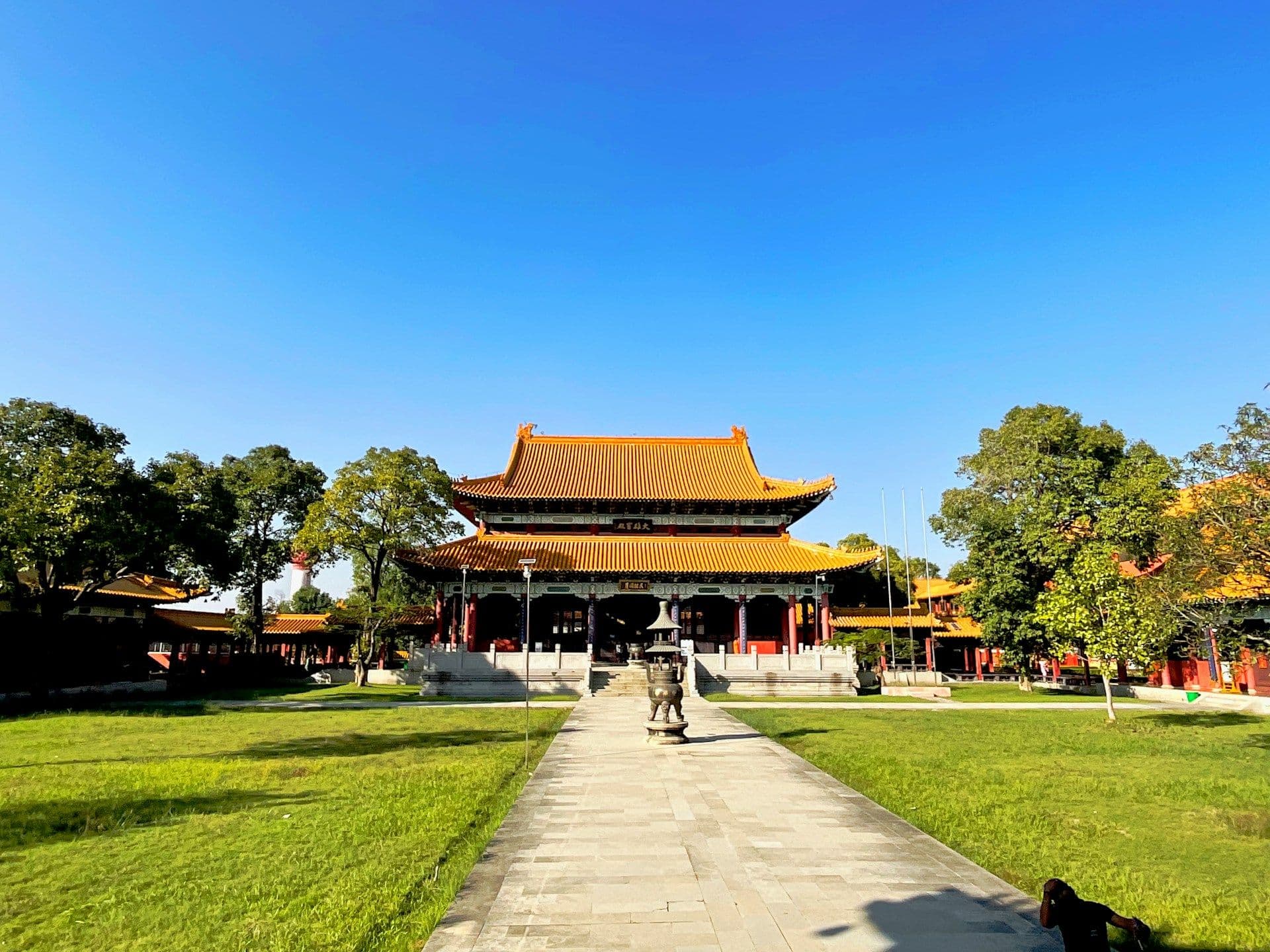
Lumbini is one of the most important spiritual destinations in the world and a place that attracts pilgrims, history enthusiasts, and curious travelers from across the globe. Recognized as the birthplace of Siddhartha Gautama—the Buddha—Lumbini is far more than a religious site. It is a peaceful UNESCO World Heritage Site where history, culture, architecture and spirituality come together.
Unlike Kathmandu's bustling streets or Pokhara's mountain scenery, Lumbini offers a slower and more reflective experience. Travelers visit to see the exact location where Buddha was born, explore monasteries built by different countries and experience one of the most significant pilgrimage sites in the world.
Whether you're a Buddhist pilgrim, a cultural traveler or simply exploring Nepal beyond its mountains, this guide covers everything you need to know before visiting Lumbini.
Where Is Lumbini?
Lumbini is located in Nepal's southern Terai region, close to the India-Nepal border.
The destination sits approximately:
- 27 km from the Sonauli border crossing
- 22 km from Bhairahawa (Siddharthanagar)
- 280 km from Kathmandu
- 200 km from Pokhara
Unlike Nepal's hill and mountain destinations, Lumbini lies in the flat plains of the Terai, which means temperatures can be significantly warmer, especially between April and September.
Many travelers combine Lumbini with other destinations such as Chitwan, Pokhara and Kathmandu. If you're planning a broader Nepal itinerary, our Nepal Travel Guide and Nepal Itinerary Guide can help you build a well-balanced route.
Why Is Lumbini Famous?
Lumbini is globally recognized as the birthplace of Siddhartha Gautama, who later became known as Buddha.
For Buddhists, it is one of the most sacred pilgrimage destinations in the world.
Lumbini is famous for:
- The birthplace of Buddha
- Maya Devi Temple
- Sacred Garden
- Ashoka Pillar
- International Monastic Zone
- UNESCO World Heritage status
- Global Buddhist pilgrimage significance
Today, visitors from dozens of countries come to experience its peaceful atmosphere and explore the international monasteries that represent different Buddhist traditions.
Is Lumbini Worth Visiting?
Yes.
Even for travelers who are not Buddhist, Lumbini offers a unique experience that cannot be found elsewhere in Nepal.
Unlike destinations focused on adventure or sightseeing, Lumbini provides:
- Historical significance
- Spiritual atmosphere
- Beautiful monastery architecture
- Cultural diversity
- Peaceful surroundings
- UNESCO heritage attractions
Many visitors are surprised by how calm and reflective the destination feels compared to Nepal's busier cities.
If you're interested in history, culture, architecture or spirituality, Lumbini is absolutely worth adding to your Nepal itinerary.
Visit the Maya Devi Temple
The Maya Devi Temple is the most important attraction in Lumbini and the spiritual heart of the entire complex.
According to tradition and archaeological evidence, this marks the exact location where Siddhartha Gautama was born.
Inside the temple, visitors can see:
- The sacred Marker Stone identifying the birthplace
- Ancient archaeological remains
- Historical ruins
- The Nativity Sculpture depicting Buddha's birth
The atmosphere inside the temple is quiet and respectful, with visitors from around the world gathering for prayer and reflection.
Important Visitor Tips
Visitors should be aware that the temple is a sacred site.
A few practical guidelines include:
- Dress modestly
- Maintain silence inside the temple
- Follow photography restrictions where applicable
- Remove footwear before entering sacred areas
A useful tip for warmer months is to carry a pair of clean socks. The stone pathways surrounding the temple can become extremely hot during the afternoon, while socks remain acceptable in most shoe-free areas.
Explore the Sacred Garden
Surrounding the Maya Devi Temple is the Sacred Garden, one of the most peaceful areas in Lumbini.
This beautifully maintained zone contains:
- Ancient ruins
- Archaeological remains
- Meditation spaces
- Walking paths
- Historic monuments
The Sacred Garden encourages visitors to slow down and absorb the significance of the site rather than rushing between attractions.
Many travelers consider this area the most memorable part of their visit.
See the Ashoka Pillar
Located near the Maya Devi Temple is the famous Ashoka Pillar.
The pillar was erected by Emperor Ashoka in 249 BCE during his pilgrimage to Lumbini.
The inscription on the pillar is one of the strongest historical pieces of evidence confirming Lumbini as the birthplace of Buddha.
Today it remains one of the most important historical landmarks within the complex.
For history enthusiasts, the Ashoka Pillar helps connect the spiritual significance of Lumbini with its documented historical record.
Explore the International Monastic Zone
After visiting the Sacred Garden, most travelers head to Lumbini's International Monastic Zone.
This area is one of the most unique attractions in Nepal.
Different countries have constructed monasteries that reflect their own Buddhist traditions and architectural styles.
Visitors can explore monasteries representing:
- Thailand
- Myanmar
- Sri Lanka
- China
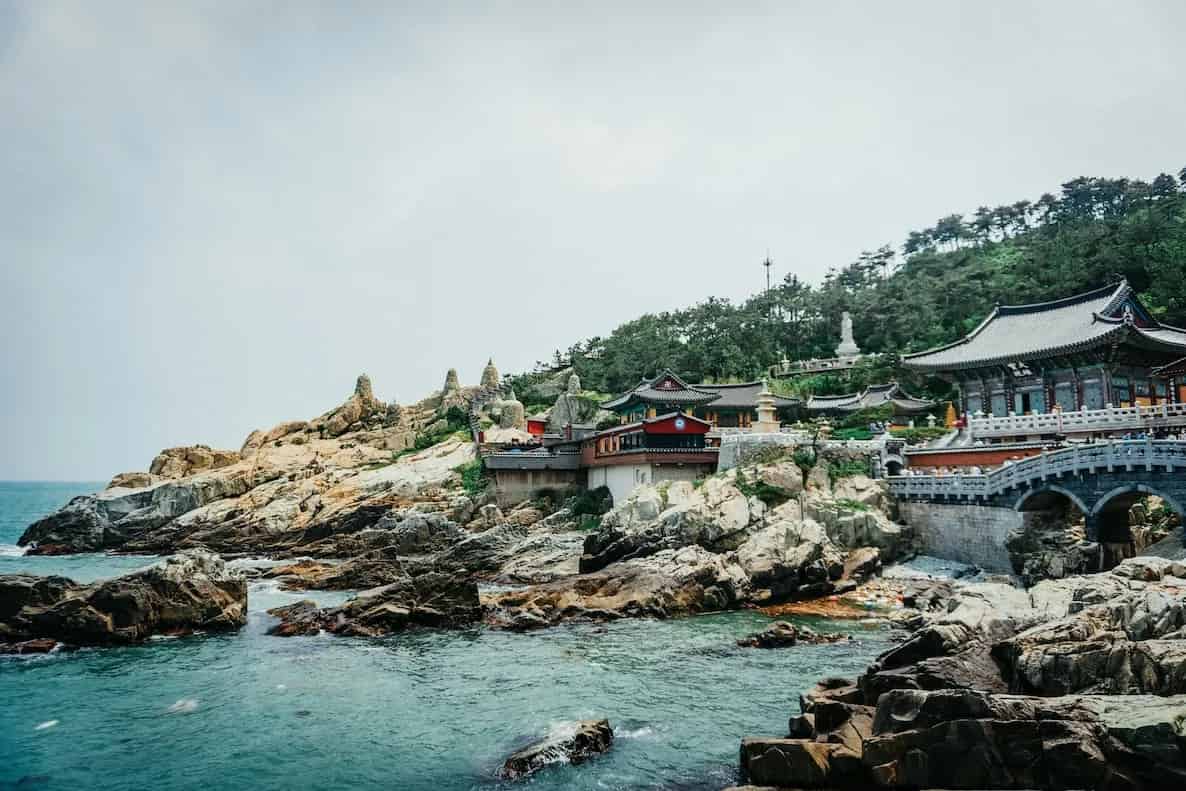
- South Korea
- Japan
- Germany
- France
- Vietnam
- Cambodia
Rather than focusing on a single monument, the experience here comes from observing how Buddhism has evolved and been interpreted across different cultures.
The contrast between architectural styles makes this one of the most fascinating parts of Lumbini.
Lumbini for Non-Buddhists
One of the most common questions travelers ask is:
"Is Lumbini worth visiting if I'm not Buddhist?"
The answer is yes.
You do not need to follow Buddhism to appreciate what Lumbini offers.
Non-Buddhist visitors often enjoy:
- World-class heritage sites
- International architecture
- Historical significance
- Peaceful gardens
- Cultural experiences
- Photography opportunities
Many travelers compare the experience to visiting places such as the Vatican, Jerusalem or Bodh Gaya—not necessarily because of personal religious beliefs, but because of their historical and cultural importance.
Approaching Lumbini with curiosity and respect is all that is required.
Walking, Cycling, or E-Rickshaw: How to Explore Lumbini
One of the biggest surprises for first-time visitors is the sheer size of the Lumbini Development Zone.
Many attractions are spread across a large area, and walking the entire complex can take several hours.
Visitors typically choose between three options:
Walking
Best for:
- Short visits
- Cooler months
- Travelers focused mainly on the Sacred Garden
Walking allows visitors to absorb the peaceful atmosphere but can become tiring during warmer weather.
Bicycle Rentals
A popular option for independent travelers.
Benefits include:
- Affordable transportation
- Flexibility
- Easy access to the Monastic Zone
- More coverage than walking
Many visitors consider cycling one of the most enjoyable ways to explore Lumbini.
E-Rickshaws
E-rickshaws provide a convenient way to explore the complex, particularly during the hotter months.
They are especially useful for:
- Families
- Senior travelers
- Pilgrims
- Visitors with limited time
Because temperatures in the Terai can become extremely high during parts of the year, e-rickshaws offer a comfortable alternative to long walks in the sun.
Sunrise & Sunset Experience in Lumbini
While many visitors focus on the major landmarks, one of the most rewarding experiences in Lumbini is simply being there during the early morning or late evening.
Sunrise in Lumbini
Early mornings offer:
- Cooler temperatures
- Fewer visitors
- Peaceful surroundings
- Beautiful light for photography
The Sacred Garden feels especially serene during sunrise, making it one of the best times for reflection and quiet exploration.
Sunset in Lumbini
As the day winds down, the atmosphere becomes calm and tranquil.
Many visitors enjoy:
- Walking through the Monastic Zone
- Watching the evening light on the monasteries
- Relaxing near the Sacred Garden
- Experiencing Lumbini's peaceful environment
If your schedule allows, try to experience both sunrise and sunset during your visit.
How Many Days Do You Need in Lumbini?
The ideal duration depends on your interests.
Half Day in Lumbini
Suitable if you want to:
- Visit Maya Devi Temple
- See the Ashoka Pillar
- Explore the Sacred Garden
However, you may need to skip much of the Monastic Zone.
One Day in Lumbini
Ideal for most travelers.
A full day allows time to:
- Visit all major attractions
- Explore several monasteries
- Experience the Sacred Garden
- Learn about the site's history
Most visitors find one day sufficient.
Two Days in Lumbini
Best for:
- Pilgrims
- Photographers
- Slow travelers
- Meditation enthusiasts
Two days allow for a more relaxed experience and deeper exploration of the Monastic Zone.
Best Time to Visit Lumbini
Lumbini can be visited year-round, but some seasons offer a more comfortable experience.
Autumn (September–November)
Autumn brings:
- Pleasant weather
- Clear skies
- Comfortable sightseeing conditions
Many travelers combine Lumbini with destinations featured in our Best Time to Visit Nepal guide.
Winter (December–February)
Winter is one of the best times to visit.
Advantages include:
- Cooler temperatures
- Comfortable walking conditions
- Better sightseeing weather
If you're planning a seasonal trip, our Nepal in Winter guide may be helpful.
Spring (March–May)
Spring remains a good time to visit, although temperatures gradually increase.
Expect:
- Warm days
- Clear mornings
- Comfortable sightseeing during early hours
Monsoon (June–August)
Monsoon brings lush greenery but also heavy rainfall and humidity.
Visitors should expect:
- Occasional travel disruptions
- Wet conditions
- Higher humidity
For more seasonal insights, see our Nepal During Monsoon guide.
Visiting Lumbini From India
Lumbini is one of the easiest destinations in Nepal for Indian travelers to access.
Many visitors enter Nepal through the Sonauli border crossing, which is located close to Lumbini.
Indian travelers often combine Lumbini with other important Buddhist destinations in India, creating a broader pilgrimage circuit.
Before traveling, it is worth reviewing:
- How to Travel to Nepal from India
- Nepal Without Passport for Indians
- Nepal Pilgrimage Guide for Indians
These guides cover documentation, transportation options and practical travel tips.
Lumbini From Kathmandu
Many travelers visit Lumbini as part of a larger Nepal itinerary.
From Kathmandu, visitors can reach Lumbini by:
- Domestic flight via Bhairahawa
- Tourist bus
- Private vehicle
Travelers often begin their journey in Kathmandu before exploring destinations such as Chitwan, Pokhara, and Lumbini.
If you're planning time in the capital, our Kathmandu Travel Guide can help you make the most of your visit.
Chitwan or Lumbini: Which Should You Choose?
Travelers with limited time sometimes find themselves choosing between Chitwan and Lumbini.
The right choice depends on your interests.
Choose Lumbini If You Want
- Spiritual experiences
- Buddhist heritage
- Historical sites
- Peaceful surroundings
- Cultural exploration
Choose Chitwan If You Want
- Wildlife encounters
- Jungle safaris
- Rhino sightings
- Birdwatching
- Outdoor nature experiences
Many travelers include both destinations in their itinerary because they offer completely different experiences.
If wildlife is a priority, our Chitwan National Park Guide can help you decide.
Suggested Lumbini Itinerary
One-Day Lumbini Itinerary
Morning
- Visit Maya Devi Temple
- Explore the Sacred Garden
- See the Ashoka Pillar
Afternoon
- Explore the International Monastic Zone
- Visit selected monasteries
- Learn about different Buddhist traditions
Evening
- Enjoy sunset around the Sacred Garden
- Reflect on the day's experiences
Two-Day Lumbini Itinerary
Day 1
- Maya Devi Temple
- Sacred Garden
- Ashoka Pillar
- Evening exploration
Day 2
- International Monastic Zone
- Meditation spaces
- Cultural exploration
- Photography and leisurely sightseeing
Exploring More of Nepal
Lumbini is often just one part of a larger Nepal journey.
Discover Nepal's Cultural Side
Continue exploring with our:
These destinations showcase Nepal's rich heritage, temples and traditional architecture.
Experience Nepal's Natural Beauty
For mountain scenery and adventure, consider:
Together, these destinations provide a well-rounded Nepal experience.
Final Thoughts
Lumbini is far more than a religious landmark. It is a destination where history, spirituality, culture and global heritage come together in a uniquely peaceful setting.
Whether you visit for pilgrimage, historical curiosity, architecture or cultural exploration, Lumbini offers an experience unlike any other destination in Nepal. The combination of the Maya Devi Temple, Sacred Garden and International Monastic Zone creates a journey that remains meaningful long after the visit ends.