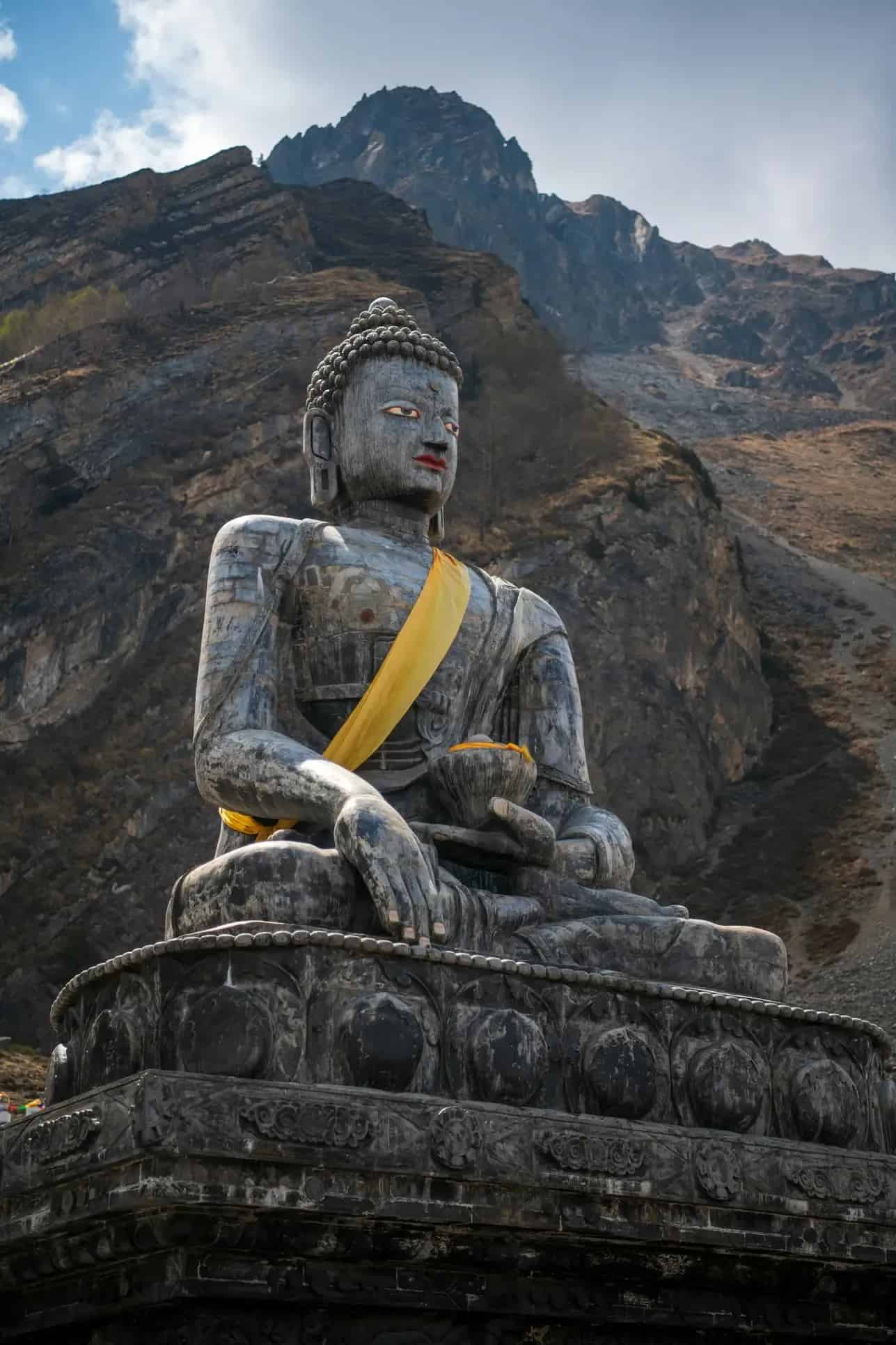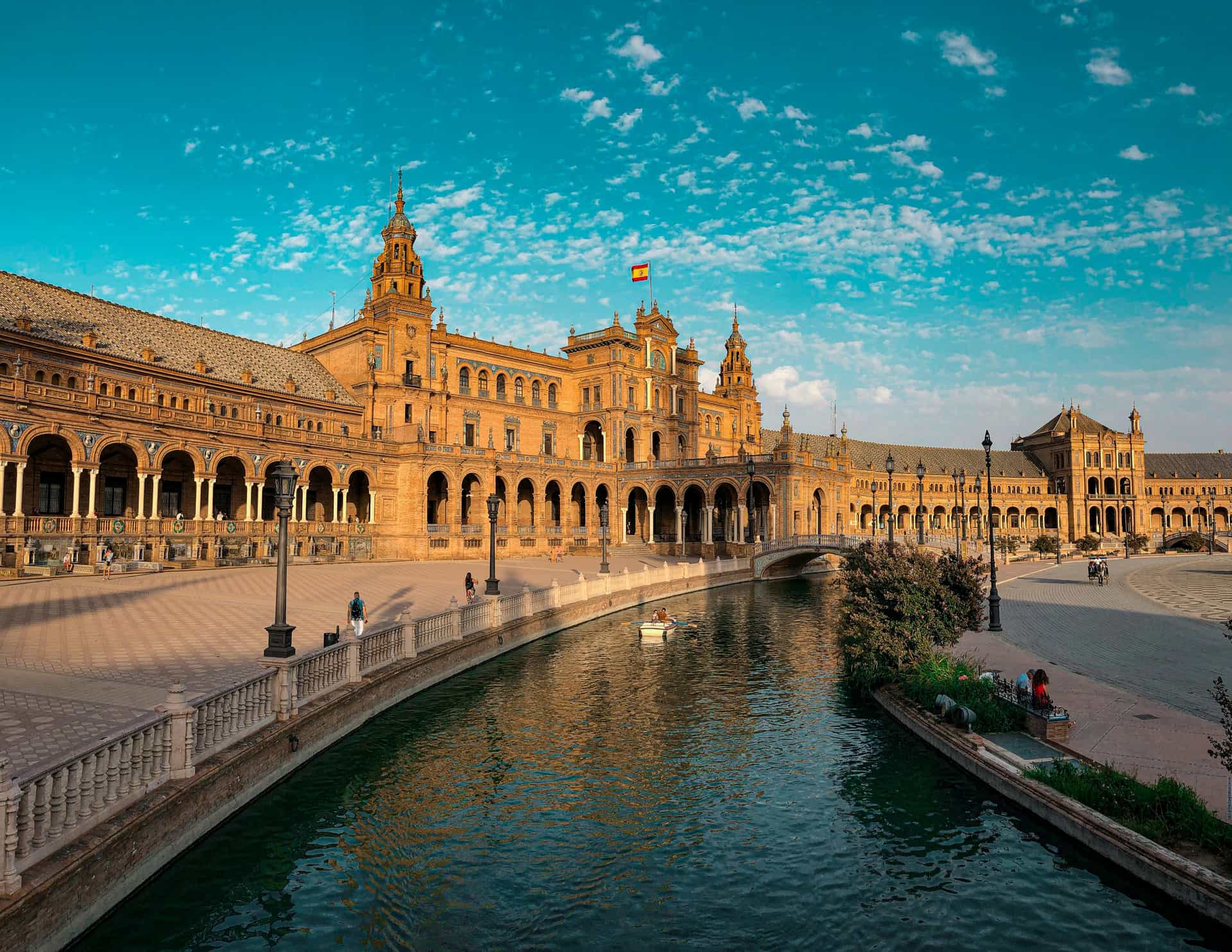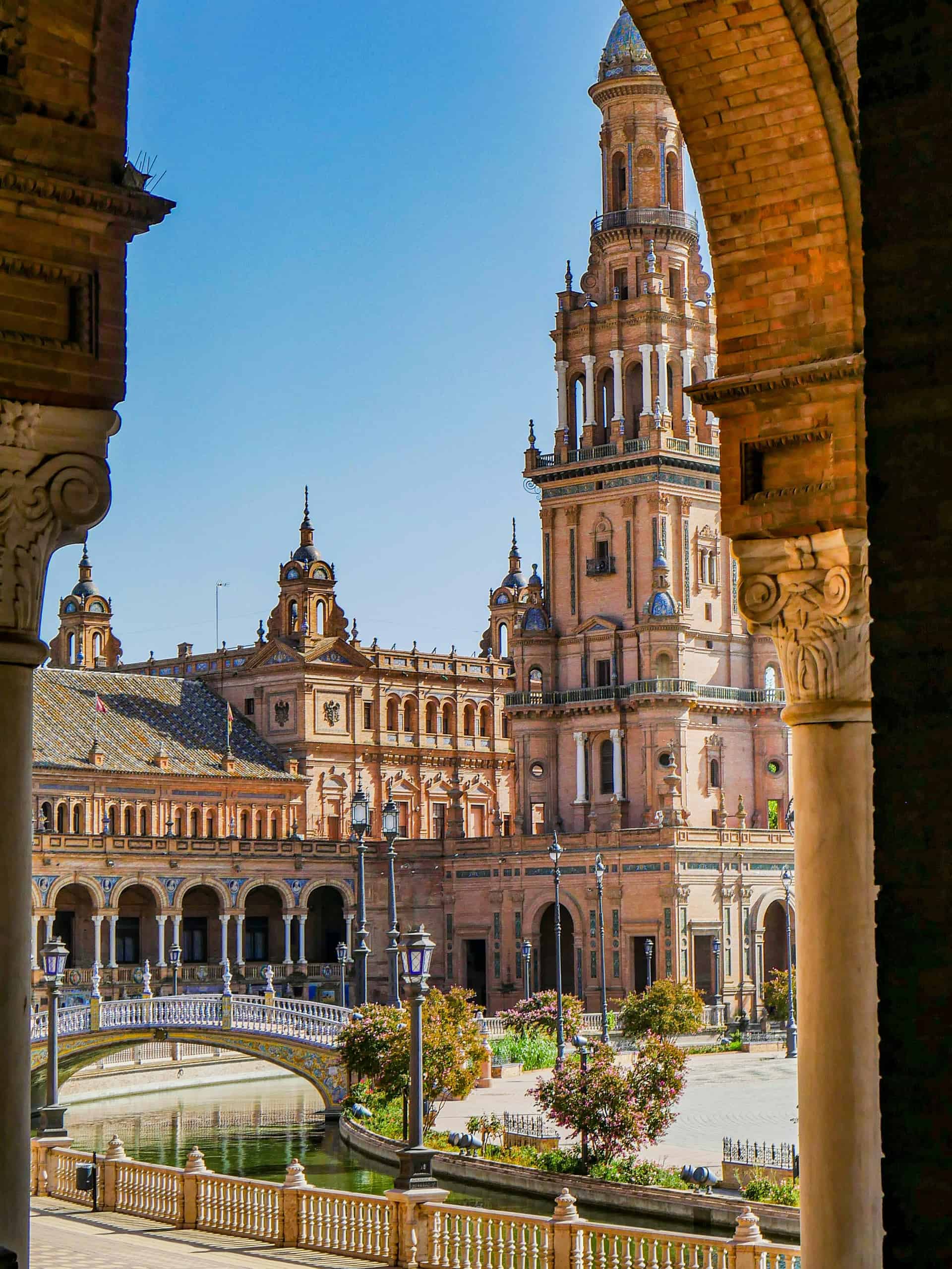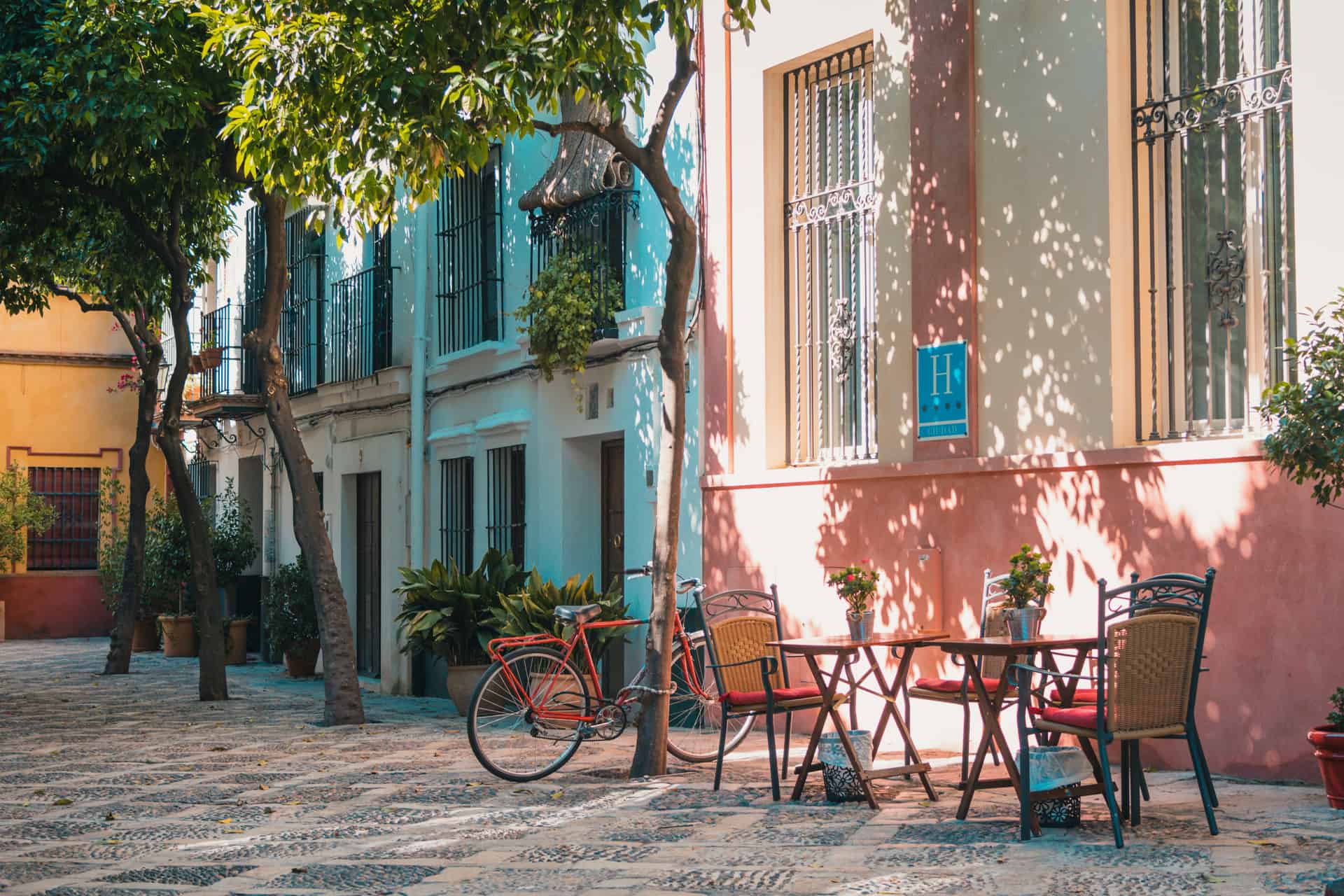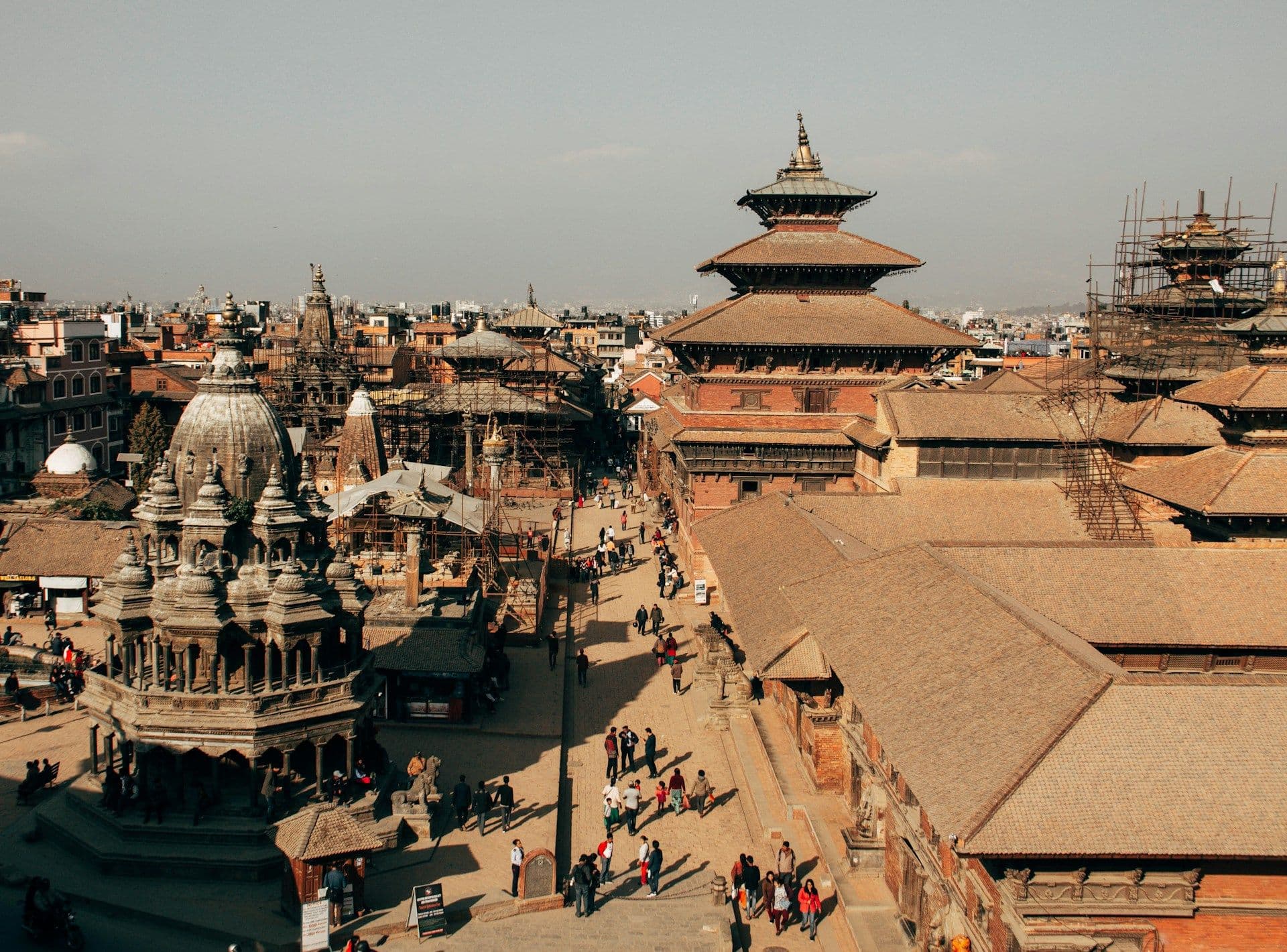
Patan, also known as Lalitpur, is one of Nepal's most rewarding cultural destinations. Famous for its stunning temples, traditional Newari architecture, artisan workshops and beautifully preserved courtyards, Patan offers travelers a deeper and more relaxed experience of the Kathmandu Valley.
While Kathmandu is known for its bustling energy and Bhaktapur for its medieval atmosphere, Patan is often considered the artistic and cultural heart of the valley. The city is home to master metalworkers, woodcarvers, traditional craftsmen and some of Nepal's finest examples of religious architecture.
Whether you're planning a day trip or exploring the Kathmandu Valley over several days, this Patan Guide covers everything you need to know before visiting.
Where Is Patan?
Patan, officially known as Lalitpur, is located directly south of Kathmandu.
It forms one of the three historic royal cities of the Kathmandu Valley:
Because of its proximity to Kathmandu, Patan is easy to visit as a half-day or full-day trip and is often included in broader Kathmandu Valley itineraries.
Why Is Patan Famous?
Patan is famous for its artistic heritage, traditional Newari craftsmanship, UNESCO-listed monuments and centuries-old artisan traditions.
For generations, the city has been a center for metalworking, woodcarving, religious art and temple architecture. Even today, visitors can watch artisans practicing traditional skills in workshops throughout the old city.
This enduring connection to art and craftsmanship is what makes Patan distinct from other destinations in the Kathmandu Valley.
Best Places to Visit in Patan
Explore Patan Durbar Square
Patan Durbar Square is the city's most important attraction and one of the finest historic squares in Nepal.
Highlights include:
- Ancient temples
- Royal courtyards
- Traditional Newari architecture
- Bronze statues
- Intricate carvings
The square represents some of the finest craftsmanship in Nepal and is the cultural centerpiece of Patan.
Patan Durbar Square Entry Fee
Visitors entering Patan Durbar Square are required to pay a heritage entry fee.
Different rates generally apply to:
- International visitors
- SAARC nationals
- Other eligible categories
The ticket also includes access to attractions within the heritage complex, including the Patan Museum.
As fees and visitor policies may change, always verify the latest information before your visit.
Visit Patan Museum
If you only visit one museum in Nepal, make it Patan Museum.
Widely considered one of the country's finest museums, it provides valuable context for understanding the temples, artwork, symbolism and religious traditions seen throughout the Kathmandu Valley.
The museum covers:
- Nepalese art
- Buddhist traditions
- Hindu iconography
- Traditional craftsmanship
Its thoughtful presentation makes it enjoyable even for visitors with little prior knowledge of Nepalese history or religion.
Visit the Golden Temple (Hiranya Varna Mahavihar)
Hidden within Patan's narrow lanes, the Golden Temple is one of the city's most beautiful Buddhist sites.
Visitors come to admire:
- Intricate metalwork
- Decorative courtyards
- Buddhist shrines
- Peaceful atmosphere
It remains one of Patan's most rewarding hidden gems.
Explore Mahabouddha Temple
Often called the "Temple of a Thousand Buddhas," Mahabouddha Temple is famous for its terracotta architecture and thousands of detailed Buddha images.
Its distinctive design makes it one of the most unique temples in the Kathmandu Valley.
Visit Kumbeshwar Temple
Kumbeshwar Temple is one of Patan's oldest Hindu temples.
The complex includes:
- Traditional pagoda architecture
- Sacred ponds
- Religious shrines
- Active places of worship
Visitors interested in Nepal's religious traditions often find this temple particularly interesting.
Visit the Patan Kumari House
One of Patan's most fascinating cultural experiences is visiting the Patan Kumari House.
The Kumari tradition centers around a young girl revered as the living embodiment of the goddess Taleju in Newari culture.
Compared to Kathmandu's more crowded Kumari experience, Patan's version often feels quieter and more personal.
Visitors should remain respectful, follow local guidance and observe any photography restrictions that may apply.
Explore Patan's Traditional Courtyards
Some of Patan's most memorable experiences happen away from the main monuments.
Walking through the city's courtyards and narrow lanes reveals:
- Traditional homes
- Local shrines
- Artisan workshops
- Everyday community life
These quieter areas showcase the city's living heritage.
Discover Patan's Artisan Heritage
Patan's reputation as Nepal's artistic capital comes alive beyond the main tourist streets.
Travelers interested in traditional craftsmanship should explore:
- Hakha Tol
- Oko Bahal
These neighborhoods are known for workshops where generations of Newari craftsmen continue producing religious statues, metalwork, and traditional artwork.
Exploring these areas provides a deeper appreciation for the skills that have shaped Patan's identity for centuries.
Try Local Food and Café Culture
Patan combines cultural heritage with one of the Kathmandu Valley's most enjoyable café scenes.
Popular local foods include:
- Bara
- Chatamari
- Yomari
- Traditional Newari thali
The area around Patan Durbar Square also features excellent cafés and rooftop restaurants that blend heritage views with modern dining experiences.
What to Buy in Patan
Patan is one of Nepal's best destinations for shopping for traditional handicrafts.
Popular purchases include:
- Metal statues
- Singing bowls
- Handcrafted jewelry
- Religious artwork
- Traditional handicrafts
Buying directly from artisan workshops helps support local craftsmen and preserves traditional skills.
Suggested Patan Walking Route
A recommended route for first-time visitors is:
Patan Durbar Square
↓
Patan Museum
↓
Golden Temple
↓
Mahabouddha Temple
↓
Traditional Courtyards
↓
Kumbeshwar Temple
↓
Hakha Tol & Oko Bahal
↓
Local Café Stop
This route comfortably fills a half-day or full-day visit.
Is One Day Enough for Patan?
Yes.
Most travelers can comfortably experience Patan in a single day.
Half-Day Visit
Ideal for:
- Patan Durbar Square
- Patan Museum
- Golden Temple
- Café stop
Full-Day Visit
Ideal for:
- Museums
- Artisan neighborhoods
- Kumari House
- Courtyards
- Food experiences
- Photography
A full day offers the best overall experience.
Best Photography Spots in Patan
Patan is one of Nepal's most photogenic cities.
Top photography locations include:
- Patan Durbar Square
- Golden Temple
- Mahabouddha Temple
- Traditional courtyards
- Artisan workshops in Hakha Tol
Early mornings and late afternoons generally provide the best light for photography.
Experience Rato Machhindranath Jatra
One of Patan's most important festivals is Rato Machhindranath Jatra.
The festival features:
- Massive chariot processions
- Religious ceremonies
- Community celebrations
- Traditional cultural practices
It is one of the most significant festivals in the Kathmandu Valley and offers a unique glimpse into Newari traditions.
Patan vs Bhaktapur
Patan and Bhaktapur are both exceptional destinations, but they offer different experiences.
Patan
Best for:
- Museums
- Art and craftsmanship
- Café culture
- Religious architecture
- Artisan workshops
Bhaktapur
Best for:
- Medieval atmosphere
- Historic squares
- Pottery traditions
- Traditional city experience
- Photography
Many travelers visit both cities to experience different sides of Newari culture.
Is Patan Worth Visiting?
Absolutely.
Patan offers a combination of culture, architecture, art, craftsmanship and local life that is difficult to find elsewhere.
Reasons to visit include:
- UNESCO World Heritage attractions
- Outstanding museums
- Traditional craftsmanship
- Walkable historic center
- Excellent food
- Authentic cultural experiences
For travelers interested in Nepal beyond trekking, Patan is one of the country's most rewarding destinations.
Best Time to Visit Patan
Spring (March–May) and autumn (September–November) generally offer the most pleasant weather and sightseeing conditions.
These seasons provide:
- Comfortable temperatures
- Clear skies
- Good visibility
- Festival atmosphere
If you're planning to combine cultural sightseeing with a Himalayan adventure, see our Best Time for Trekking in Nepal guide.
How to Reach Patan
Patan is easily accessible from Kathmandu by:
- Taxi
- Ride-sharing services
- Private vehicle
Travel time is usually between 15 and 30 minutes, depending on traffic conditions.
Exploring More of Nepal
Looking for More Cultural Experiences?
Travelers interested in Kathmandu Valley heritage should also explore Bhaktapur, another historic royal city known for its medieval architecture and traditional atmosphere.
Planning a Trek in Nepal?
Popular options include:
- Annapurna Base Camp Trek Guide
- Everest Base Camp Trek Guide for Beginners
If you're deciding between Nepal's two most famous trekking experiences, see our Everest Base Camp vs Annapurna comparison guide.
Final Thoughts
Patan offers a unique blend of history, art, architecture and living culture that makes it one of Nepal's most rewarding destinations. While it may not receive as much attention as Kathmandu or the Himalayas, many travelers leave Patan feeling that it provided one of the most authentic and memorable experiences of their trip.
Whether you're exploring Patan Durbar Square, visiting museums, discovering artisan workshops, enjoying traditional Newari cuisine or wandering through hidden courtyards, Patan rewards travelers who take the time to slow down and appreciate its details.
For anyone interested in Nepal's cultural heritage, Patan deserves a place on the itinerary.