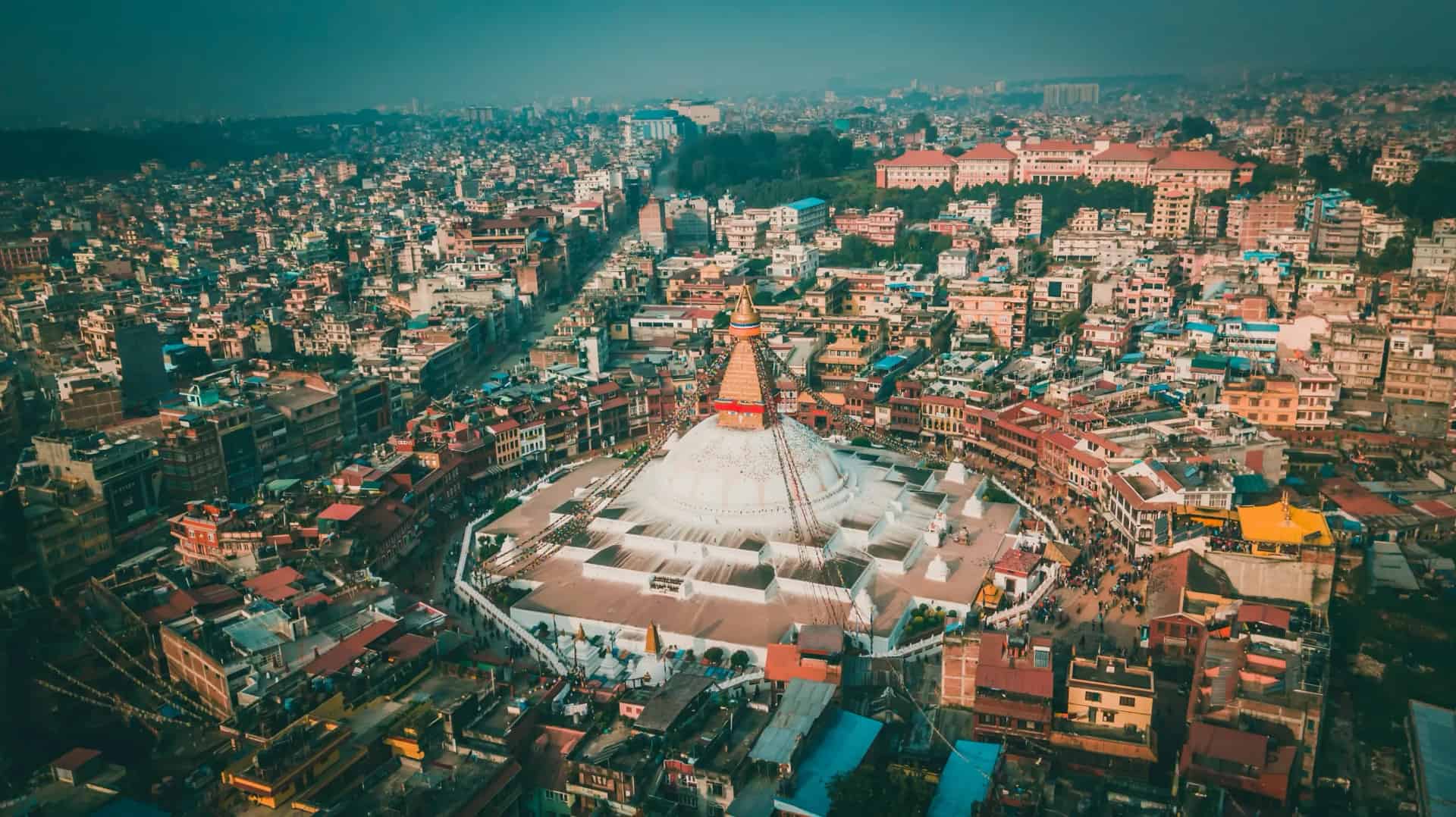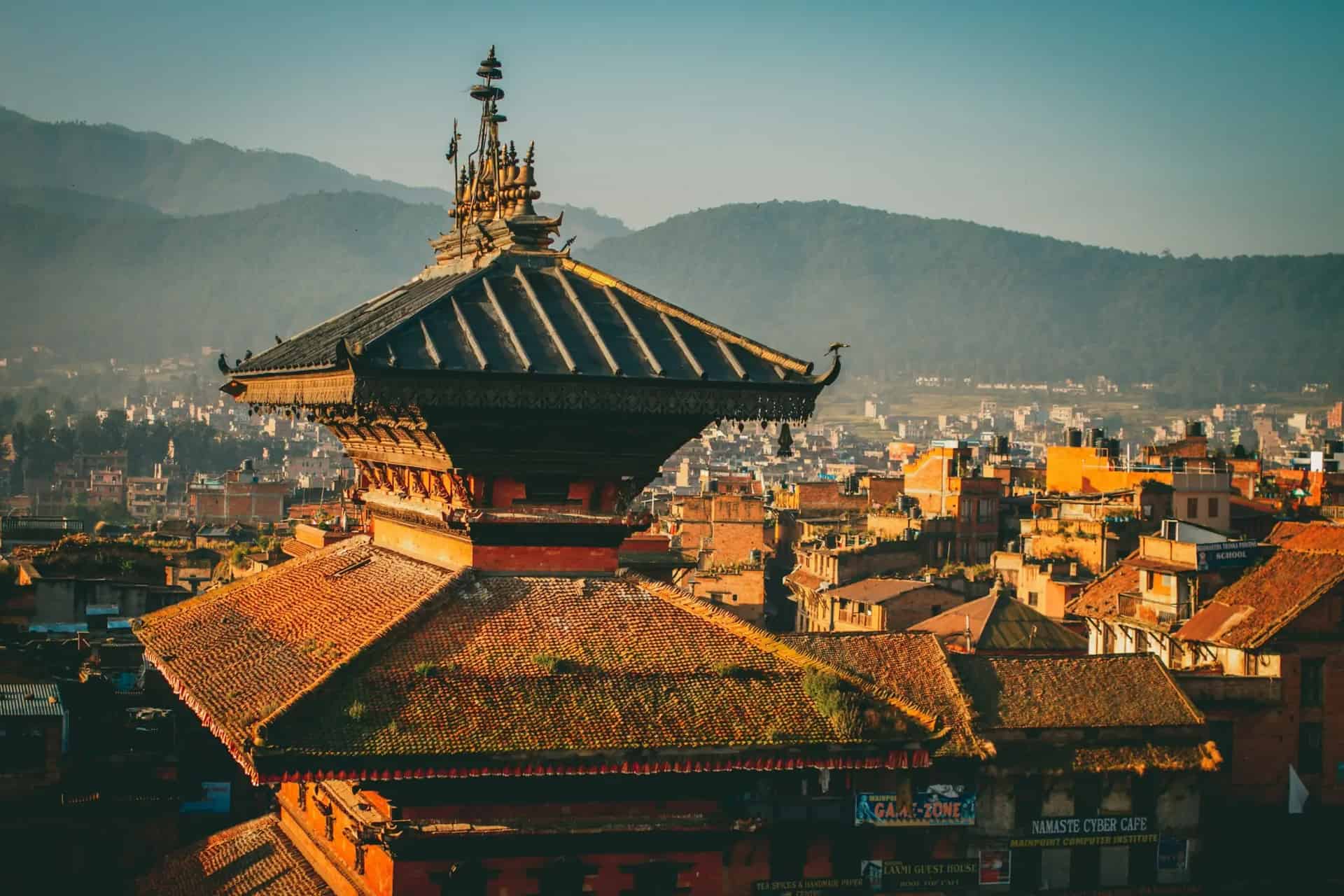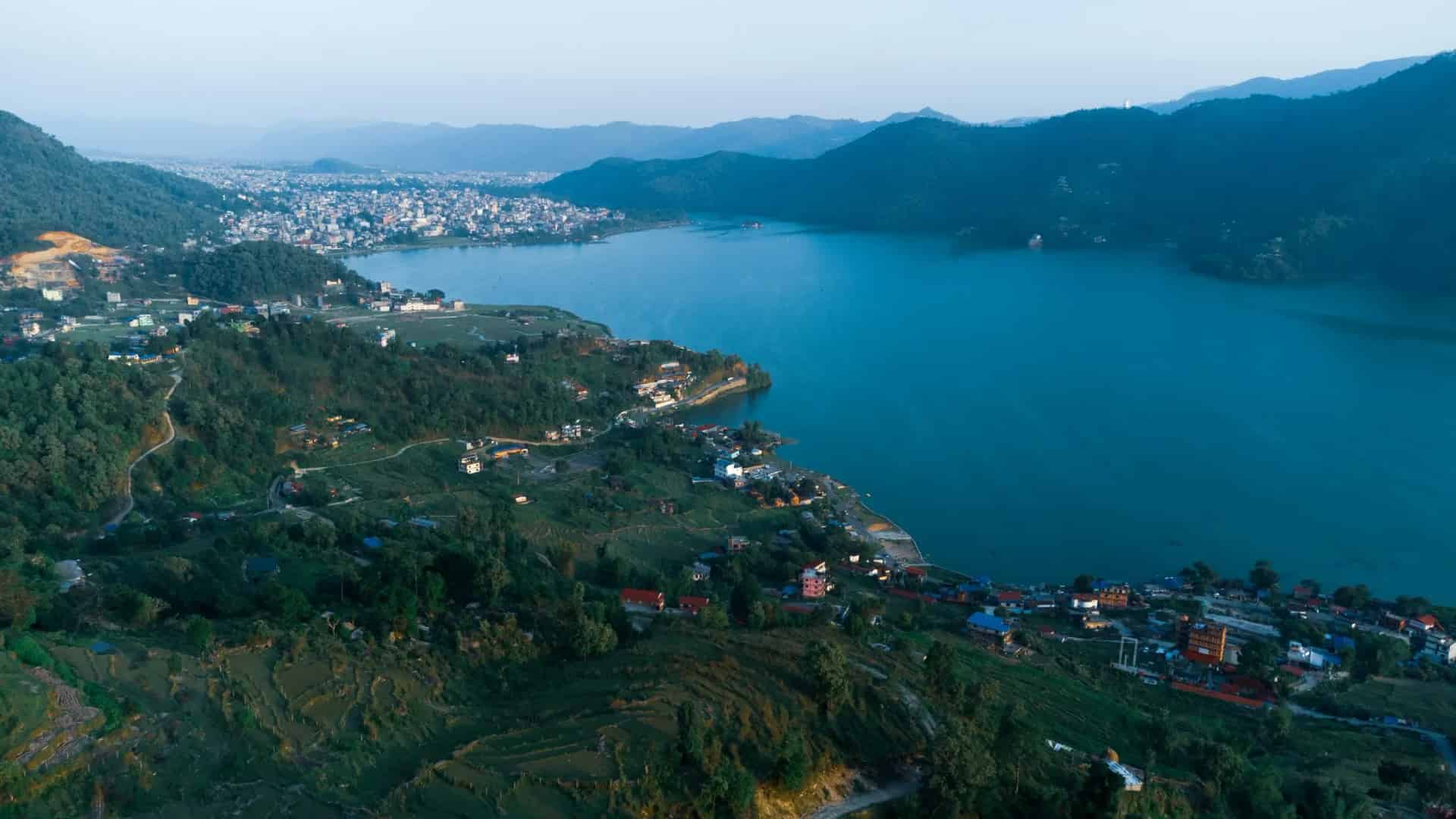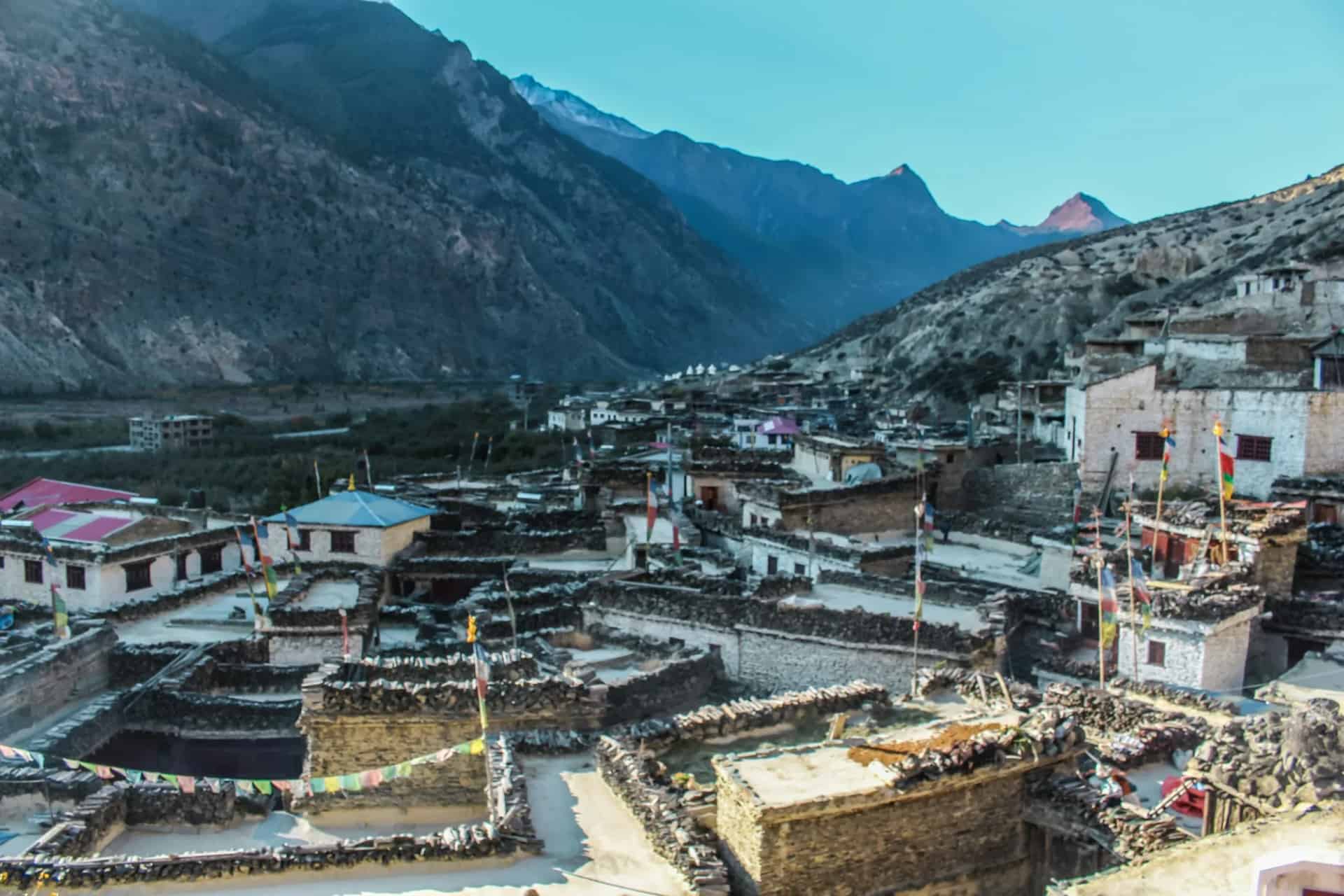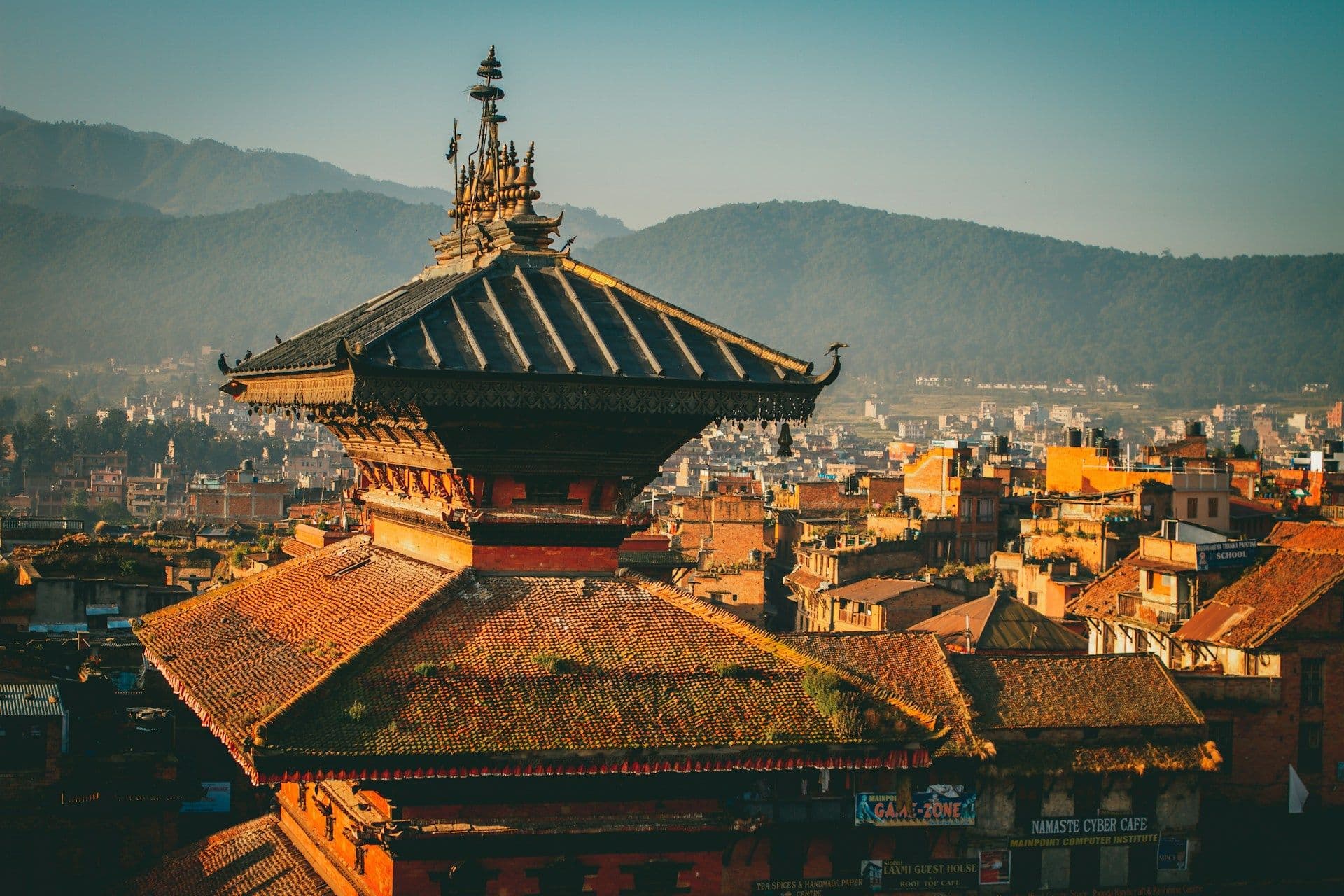
Bhaktapur is one of Nepal's most fascinating cultural destinations, offering travelers a chance to experience a city that has preserved much of its medieval character. Known for its historic squares, traditional Newari architecture, ancient temples and vibrant local culture, Bhaktapur is often considered one of the most rewarding places to visit in the Kathmandu Valley.
Unlike the busy streets of Kathmandu, Bhaktapur offers a slower pace and a stronger connection to Nepal's cultural heritage. Whether you're exploring UNESCO-listed monuments, watching artisans at work, or sampling traditional Newari food, the city provides an experience that feels very different from modern urban Nepal.
This Bhaktapur guide covers the best things to do, places to visit, practical travel tips and everything you need to know before planning your trip.
Where Is Bhaktapur?
Bhaktapur is located approximately 13 kilometers east of Kathmandu in the Kathmandu Valley.
The city is one of the valley's three historic royal cities:
- Kathmandu
- Patan (Lalitpur)
- Bhaktapur
Because of its proximity to the capital, Bhaktapur is one of the most popular day trips in Nepal and can usually be reached within 30–60 minutes from central Kathmandu.
Why Is Bhaktapur Famous?
Bhaktapur is famous for its exceptionally preserved Newari architecture, UNESCO World Heritage monuments, traditional craftsmanship and vibrant cultural heritage.
Unlike many historic cities, Bhaktapur remains a living community where local traditions, festivals, crafts and daily life continue within a remarkably well-preserved medieval setting.
Best Places to Visit and Things to Do in Bhaktapur
Explore Bhaktapur Durbar Square
Bhaktapur Durbar Square is the city's most famous attraction and the centerpiece of its UNESCO World Heritage designation.
Highlights include:
- 55-Window Palace
- Golden Gate
- Lion Gate
- Vatsala Temple
- Historic courtyards
The square showcases some of Nepal's finest examples of traditional Newari architecture and craftsmanship.
For most visitors, this is the highlight of Bhaktapur.
Visit Nyatapola Temple
Located in Taumadhi Square, Nyatapola Temple is the tallest traditional pagoda-style temple in Nepal.
Visitors come here to admire:
- Five-story pagoda architecture
- Massive guardian statues
- Historic stone stairway
- Views over Taumadhi Square
Walk Through Taumadhi Square
Taumadhi Square is one of Bhaktapur's liveliest public spaces and an excellent location for photography, people-watching, and exploring traditional architecture.
Explore Pottery Square
Pottery Square remains one of Bhaktapur's most unique cultural attractions.
Visitors can:
- Watch pottery being made
- Observe clay drying in the sun
- Purchase handmade souvenirs
- Learn about traditional craftsmanship
Visit Dattatreya Square
Dattatreya Square offers a quieter and more traditional atmosphere than Durbar Square.
Highlights include:
- Dattatreya Temple
- Traditional Newari houses
- Woodcarving workshops
- Historic courtyards
One of the area's most famous attractions is the Peacock Window, widely regarded as one of the finest examples of traditional Newari woodcarving in Nepal.
Wander Through the Historic Backstreets
Some of Bhaktapur's most memorable experiences happen away from the major monuments.
Walking through the city's narrow lanes allows visitors to discover:
- Hidden courtyards
- Local shrines
- Traditional homes
- Everyday community life
Suggested Bhaktapur Walking Route
If you're visiting Bhaktapur for the first time, a simple walking route can help you see the city's major highlights efficiently.
A recommended route is:
Bhaktapur Durbar Square
↓
Taumadhi Square
↓
Nyatapola Temple
↓
Pottery Square
↓
Dattatreya Square
↓
Traditional Newari Food Stop
↓
Historic Backstreets
This route comfortably fills a half-day or full-day visit while covering the city's most important attractions.
Visit Bhaktapur's Museums
Travelers interested in art, architecture and local history may want to include a museum visit in their itinerary.
Popular options include:
- National Art Museum
- Woodcarving Museum
- Brass and Bronze Museum
These museums provide additional context about Bhaktapur's artistic traditions and cultural heritage.
Try Traditional Newari Food
Bhaktapur is one of the best places in Nepal to experience authentic Newari cuisine.
Juju Dhau (King Curd)
The city's most famous food is Juju Dhau, a rich and creamy yogurt often called "King Curd."
Its smooth texture and slightly sweet flavor make it a must-try local specialty.
Other Newari Foods to Try
While exploring Bhaktapur, look for:
- Bara
- Chatamari
- Yomari (seasonal)
- Traditional Newari thali meals
Food lovers often find Bhaktapur just as rewarding for its cuisine as for its architecture.
Bhaktapur Entry Fee
Visitors entering Bhaktapur's historic core are required to pay a heritage entry fee.
Different rates generally apply to:
- International visitors
- SAARC nationals
- Other eligible categories
Because ticket prices and visitor policies can change, it is always advisable to verify the latest fees before your visit.
Keep your ticket with you throughout your stay, as it may be required when moving between heritage areas.
Can You Visit Bhaktapur in One Day?
Yes.
Most travelers visit Bhaktapur as a day trip from Kathmandu and successfully see the city's major attractions in a single day.
A full day generally provides enough time to:
- Visit the main squares
- Explore temples
- Try local food
- Visit museums
- Walk through the historic streets
However, travelers seeking a slower and more immersive experience may prefer an overnight stay.
Day Trip or Overnight Stay?
Most visitors choose a day trip, but staying overnight offers a very different perspective on the city.
Day Trip
Best for:
- Limited schedules
- Quick sightseeing
- First-time visitors
Overnight Stay
Best for:
- Photography enthusiasts
- Slow travel
- Cultural immersion
- Experiencing quieter streets
In the evening, after many day visitors leave, Bhaktapur becomes noticeably calmer and more atmospheric. Early mornings are particularly rewarding for photography and exploring before crowds arrive.
Bhaktapur After the 2015 Earthquake
The 2015 Nepal earthquake caused significant damage across the Kathmandu Valley, including several important monuments in Bhaktapur.
However, Bhaktapur's restoration efforts have been remarkable. Many damaged structures have been carefully rebuilt using traditional Newari construction techniques while preserving their original architectural character.
Today, visitors can explore most of the city's major attractions and also witness how heritage conservation continues to protect Nepal's cultural legacy.
For many travelers, Bhaktapur's restoration story is as impressive as its monuments themselves.
Best Time for Photography in Bhaktapur
Bhaktapur is one of Nepal's most photogenic destinations.
Its brick-paved streets, historic temples, traditional courtyards and daily local life create endless photography opportunities.
Early Morning
The best time for photography is shortly after sunrise.
Benefits include:
- Soft natural light
- Fewer tourists
- Peaceful streets
- Better architectural photography
Early mornings are particularly rewarding around:
- Bhaktapur Durbar Square
- Taumadhi Square
- Dattatreya Square
Golden Hour
Late afternoon provides warm lighting that enhances Bhaktapur's red-brick architecture.
Golden-hour photography works especially well for:
- Temple silhouettes
- Street photography
- Architectural details
- Courtyard scenes
Photographers often find sunrise and sunset more rewarding than the busy midday hours.
Experience Bisket Jatra
One of Bhaktapur's most famous cultural celebrations is Bisket Jatra, an annual festival celebrated during the Nepali New Year.
The festival is known for:
- Traditional chariot processions
- Community celebrations
- Religious ceremonies
- Cultural performances
- Historic local traditions
During the festival, Bhaktapur becomes one of the most vibrant destinations in Nepal.
If your travel dates align with Bisket Jatra, it can offer an unforgettable glimpse into Newari culture and community life.
Is Bhaktapur Worth Visiting?
Absolutely.
Many travelers consider Bhaktapur one of the most rewarding cultural destinations in Nepal.
Unlike some heritage sites that can feel heavily commercialized, Bhaktapur continues to function as a living city where local traditions remain an important part of everyday life.
Reasons to visit include:
- UNESCO World Heritage monuments
- Traditional Newari architecture
- Historic squares and temples
- Authentic local culture
- Traditional crafts
- Excellent food experiences
- Walkable streets
- Outstanding photography opportunities
For travelers interested in culture, architecture, history and local experiences, Bhaktapur is well worth including in a Nepal itinerary.
Bhaktapur vs Kathmandu
Both destinations deserve a place on a Nepal itinerary, but they offer very different experiences.
Kathmandu
Best for:
- Major temples and stupas
- Diverse attractions
- Urban experiences
- Restaurants and nightlife
- Broader sightseeing options
Bhaktapur
Best for:
- Historic architecture
- Traditional atmosphere
- Walking exploration
- Cultural immersion
- Photography
- Newari heritage
Many travelers exploring the Kathmandu Valley choose to visit both Bhaktapur and Patan, as the two cities showcase some of Nepal's finest examples of Newari architecture, traditional craftsmanship and cultural heritage.
Best Time to Visit Bhaktapur
Bhaktapur can be visited throughout the year, but some seasons provide more comfortable sightseeing conditions.
Spring (March–May)
Spring offers:
- Pleasant temperatures
- Comfortable walking conditions
- Flowering landscapes
- Clear views
This is one of the most popular times to visit Nepal.
Autumn (September–November)
Autumn is considered by many travelers to be the best season for visiting Nepal.
Benefits include:
- Clear skies
- Excellent visibility
- Pleasant weather
- Festival season atmosphere
Spring and autumn are also the most popular seasons for exploring the rest of Nepal. If you're planning to combine cultural sightseeing with a Himalayan adventure, see our Best Time for Trekking in Nepal guide for a complete seasonal breakdown.
How to Reach Bhaktapur From Kathmandu
Bhaktapur is easily accessible from Kathmandu.
Taxi
A convenient option for travelers seeking flexibility and comfort.
Private Vehicle
Suitable for families and groups.
Local Bus
A budget-friendly option used by both locals and visitors.
Depending on traffic conditions, travel time is usually between 30 and 60 minutes.
Exploring More of Nepal
Bhaktapur is often one stop on a broader Nepal itinerary. Many travelers begin by exploring the cultural highlights of the Kathmandu Valley before continuing to Nepal's mountains, trekking routes and rural landscapes.
Looking for More Cultural Experiences?
If you enjoy Bhaktapur's traditional architecture, historic squares, and Newari culture, consider visiting Patan, another historic royal city in the Kathmandu Valley known for its temples, courtyards, museums and artisan traditions.
Planning a Trek in Nepal?
Many visitors combine Kathmandu Valley sightseeing with a Himalayan adventure.
Popular options include:
If you're still deciding which trekking experience is right for you, see our Everest Base Camp vs Annapurna comparison guide.
Final Thoughts
Bhaktapur offers a side of Nepal that many travelers remember long after their trip ends. Its beautifully preserved architecture, traditional crafts, local cuisine and vibrant cultural heritage create an experience that feels distinct from both Kathmandu and Nepal's famous trekking regions.
Whether you're visiting for a few hours, spending a full day exploring or staying overnight to experience the city at a slower pace, Bhaktapur rewards travelers who take the time to appreciate both its famous monuments and its everyday local life.
For anyone interested in Nepal's history, culture, architecture, food and photography, Bhaktapur deserves a place on the itinerary.