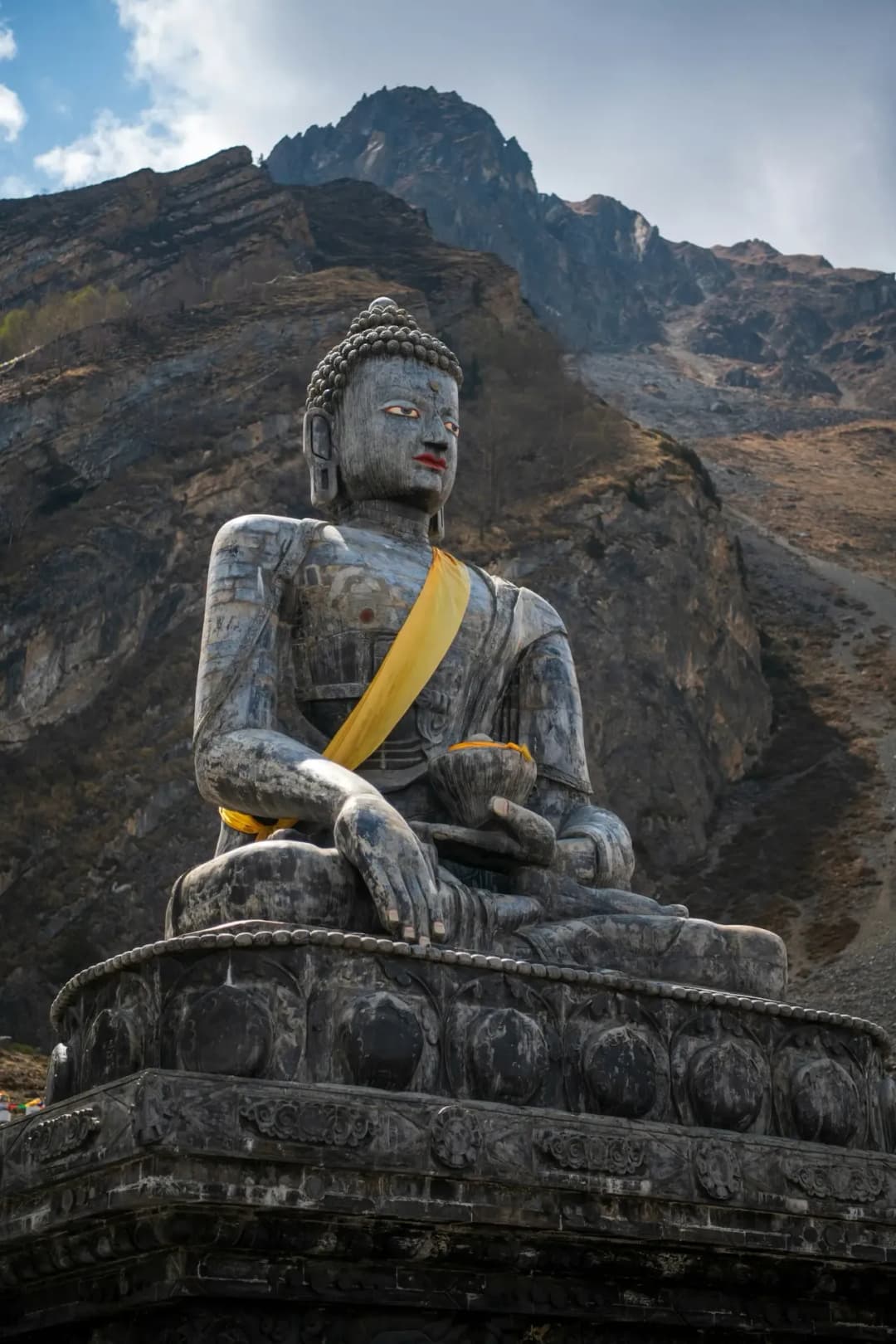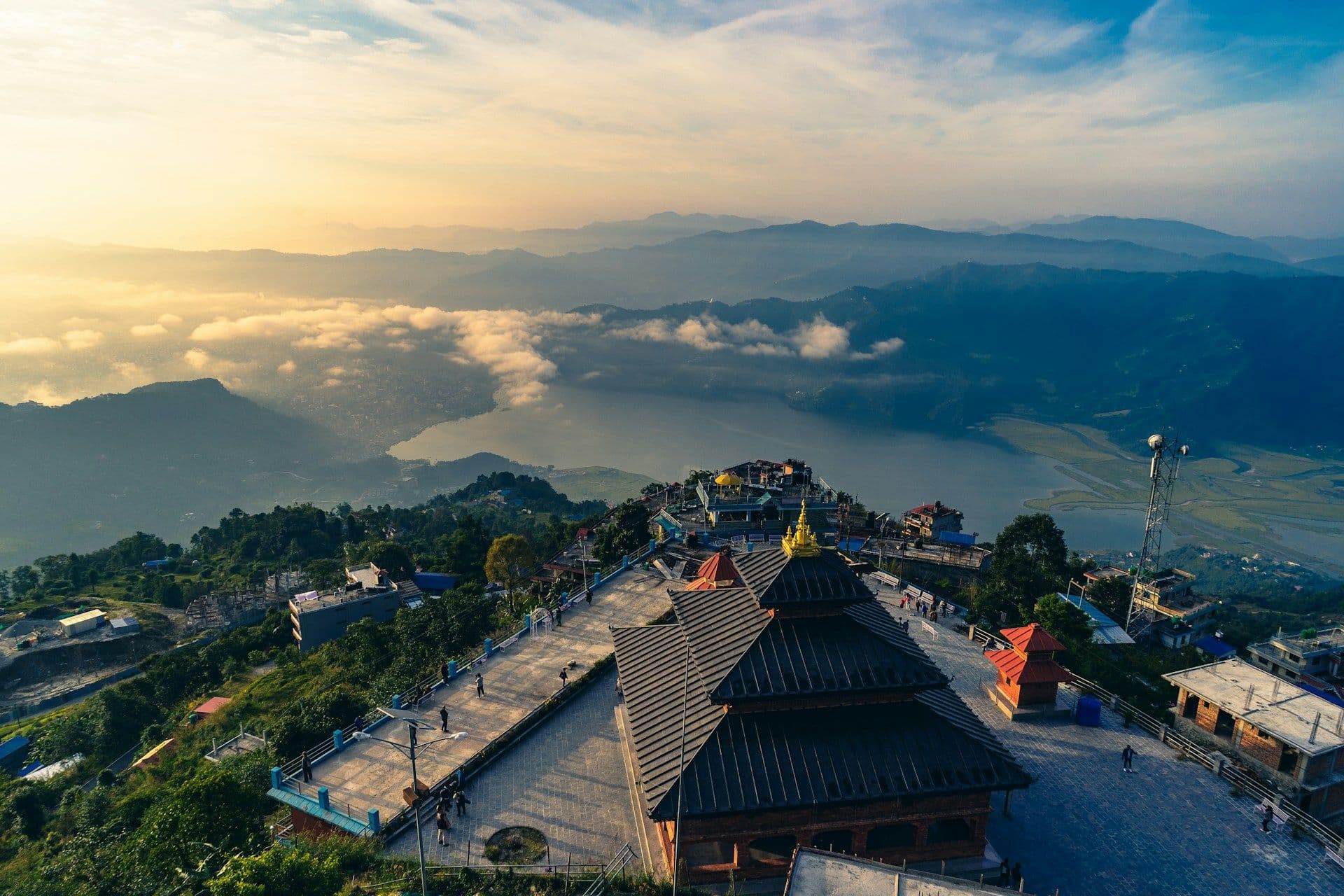
For many Indian travelers, Nepal is not just another international trip. It is a journey built around temples, mountain routes, ancient traditions and places that have carried spiritual importance for centuries.
From the evening aarti at Pashupatinath to the Himalayan journey towards Muktinath, pilgrimage travel in Nepal feels very different from a rushed temple circuit. The experience is slower, more scenic and deeply connected to both spirituality and the landscape itself.
At the same time, Nepal pilgrimage travel is not always as simple as first-time travelers expect. Mountain roads, changing weather, altitude and longer travel timings can affect the journey, especially for families and elderly travelers.
This guide covers the most important pilgrimage places in Nepal for Indians, along with practical travel tips, route planning, budgeting, permits and the realities you should know before planning your yatra.
Why Nepal Is a Major Pilgrimage Destination for Indians
Nepal holds immense religious importance for both Hindus and Buddhists. Many pilgrimage sites are directly connected to ancient scriptures, mythology, meditation traditions and centuries-old spiritual practices followed across India.
For Indian travelers, Nepal pilgrimage tours are especially popular because:
- Indians do not require a visa
- cultural familiarity makes travel easier
- pilgrimage routes can be combined with sightseeing
- temple towns feel spiritually immersive rather than overly commercialized
- both family-friendly and high-altitude pilgrimage circuits are available
Unlike rushed temple tourism, Nepal pilgrimage travel often feels slower, calmer and more experience-oriented.
If this is your first visit, reading a complete Nepal Travel Guide before planning temple routes can help you better understand transport, weather, budgeting and regional travel realities.
Non-Negotiable Documents & Nepal Entry Rules for Indians
Indian citizens do not require a visa to enter Nepal. However, carrying proper physical identification is extremely important.
Accepted Identity Documents for Indians
You should carry either:
- a valid Indian Passport
- an original Voter ID card
These are the most widely accepted travel documents across airports, immigration checkpoints and border crossings.
Aadhaar Card Is Not a Valid Nepal Travel Document
Aadhaar Cards, PAN Cards, and Indian Driving Licenses are generally not accepted as official travel identity documents by Nepal immigration authorities.
If you are flying to Kathmandu, airlines may deny boarding if you only carry an Aadhaar card.
Important Advice for Families & Elderly Travelers
Children and elderly travelers should also carry proper physical identity documents while entering Nepal.
Digital copies on phones should not be treated as primary travel proof.
Travelers planning overland entry should also read a detailed India to Nepal Road Trip Guide before crossing the border.
Best Pilgrimage Places to Visit in Nepal
1. Pashupatinath Temple, Kathmandu
Pashupatinath Temple is the most important Hindu pilgrimage site in Nepal and one of the holiest Shiva temples in the world.
Located on the banks of the Bagmati River, the temple attracts thousands of Indian pilgrims throughout the year, especially during:
- Maha Shivaratri
- Shravan month
- Teej
- Kartik festivals
The atmosphere around Pashupatinath feels deeply spiritual, especially during the evening aarti when chants, temple bells, incense, and oil lamps light up the riverfront.
Important Things to Know Before Visiting Pashupatinath
- Only Hindus are allowed inside the main temple complex
- Morning visits are usually less crowded
- Photography is restricted in some temple areas
- Expect walking, stairs, and uneven pathways
- Festival periods become extremely crowded
Elderly Accessibility at Pashupatinath
While Pashupatinath is easier to access than Himalayan pilgrimage destinations, elderly travelers should still prepare for:
- crowded temple lanes
- longer walking sections
- standing during aarti timings
Planning slower itineraries makes the experience much more comfortable for senior family members.
Best Time to Visit
October to March generally offers the most comfortable weather for temple visits and sightseeing. Travelers visiting during colder months should also read Nepal in Winter: What Actually Changes for realistic seasonal expectations.
2. Muktinath Temple
Muktinath Temple is one of the most spiritually important pilgrimage destinations in Nepal for both Hindus and Buddhists.
Situated at an altitude of around 3,760 meters in the Mustang region, Muktinath is associated with spiritual liberation and salvation. For many Indian pilgrims, this becomes the highlight of their Nepal yatra.
However, Muktinath is also the part of the trip most travelers underestimate.
Muktinath Travel Reality: What First-Time Pilgrims Should Know
Muktinath is not a standard city temple visit.
Travel may involve:
- mountain flights
- rough Himalayan roads
- unpredictable weather
- altitude exposure
- long driving hours
- basic mountain infrastructure
This becomes especially important for:
- elderly travelers
- families with children
- travelers with breathing issues
- first-time Himalayan visitors
Common Muktinath Routes
Most Indian travelers follow:
- Kathmandu → Pokhara → Jomsom → Muktinath
or - Kathmandu → Pokhara → Mustang road route
Helicopter pilgrimage tours are also becoming increasingly popular among elderly travelers and shorter spiritual groups.
Travelers combining Pokhara with pilgrimage travel can also explore a detailed Pokhara vs Kathmandu comparison to understand how both cities offer completely different Nepal experiences.
Important Permit Information for Muktinath Pilgrims
Because Muktinath lies within the Annapurna region, travelers may need permits depending on their route and travel style.
These can include:
- ACAP Permit (Annapurna Conservation Area Permit)
- TIMS-related registration in certain trekking or independent travel situations
Travelers should verify the latest permit requirements in Kathmandu or Pokhara before departure.
If you are planning mountain routes beyond pilgrimage travel, reading Best Time for Trekking in Nepal can help you better understand seasonal Himalayan conditions.
Elderly Travel Reality at Muktinath
Families traveling with elderly pilgrims should prepare carefully for the final stretch near Muktinath.
The route from the Ranipauwa parking area to the temple involves:
- uphill walking
- colder temperatures
- stone pathways
- thinner air at high altitude
Pony & Doli Services
Local pony and doli services are commonly available near Ranipauwa for pilgrims who may struggle with the climb.
These services can make the journey significantly easier for senior citizens.
The 108 Water Spouts (Muktidhara)
The sacred water spouts at Muktinath use freezing Himalayan water. Elderly travelers should avoid rushing into ritual baths without proper preparation because temperatures can become extremely cold even during relatively pleasant seasons.
Warm clothing and slower movement are extremely important at this altitude.
Travelers visiting during rainy months should also understand the realities covered in Nepal During Monsoon: Worth It or Not before planning Mustang-region travel.
3. Janaki Temple, Janakpur
Janaki Temple is one of the most important pilgrimage destinations connected to Goddess Sita.
Janakpur is believed to be the birthplace of Sita and remains deeply significant for Hindu pilgrims from India.
Compared to Himalayan pilgrimage destinations, Janakpur is:
- easier to access
- suitable for elderly travelers
- culturally familiar for North Indian pilgrims
- ideal for shorter pilgrimage trips
Why Indian Pilgrims Visit Janakpur
- Ramayana connection
- marriage ceremony traditions
- religious festivals
- Mithila culture
- spiritual tourism circuits
4. Lumbini
Lumbini is the birthplace of Lord Buddha and one of the most important Buddhist pilgrimage destinations in the world.
Unlike crowded temple towns, Lumbini feels calmer, quieter and more meditation-focused.
Major Attractions in Lumbini
- Maya Devi Temple
- international monasteries
- meditation zones
- Buddhist heritage areas
Many Indian travelers combine:
- Kathmandu
- Pokhara
- Lumbini
into one spiritual and cultural Nepal itinerary.
Travelers interested in Nepal’s café culture and slower travel experiences can also explore Nepal Café Guide and Nepal Food Guide while planning longer itineraries.
Best Nepal Pilgrimage Circuits for Indians
Classic Hindu Pilgrimage Circuit (5–7 Days)
Ideal for:
- first-time travelers
- families
- senior citizens
Suggested route:
- Kathmandu
- Pashupatinath Temple
- Janakpur
This route is easier, culturally immersive, and suitable for slower-paced travel.
Muktinath Spiritual Circuit (8–12 Days)
Ideal for:
- experienced travelers
- spiritual groups
- Himalayan pilgrimage seekers
Suggested route:
- Kathmandu
- Pokhara
- Jomsom
- Muktinath
This route involves altitude travel and requires better planning.
Nepal Buddhist Spiritual Circuit
Ideal for:
- Buddhist pilgrims
- meditation-focused travelers
- cultural exploration
Suggested route:
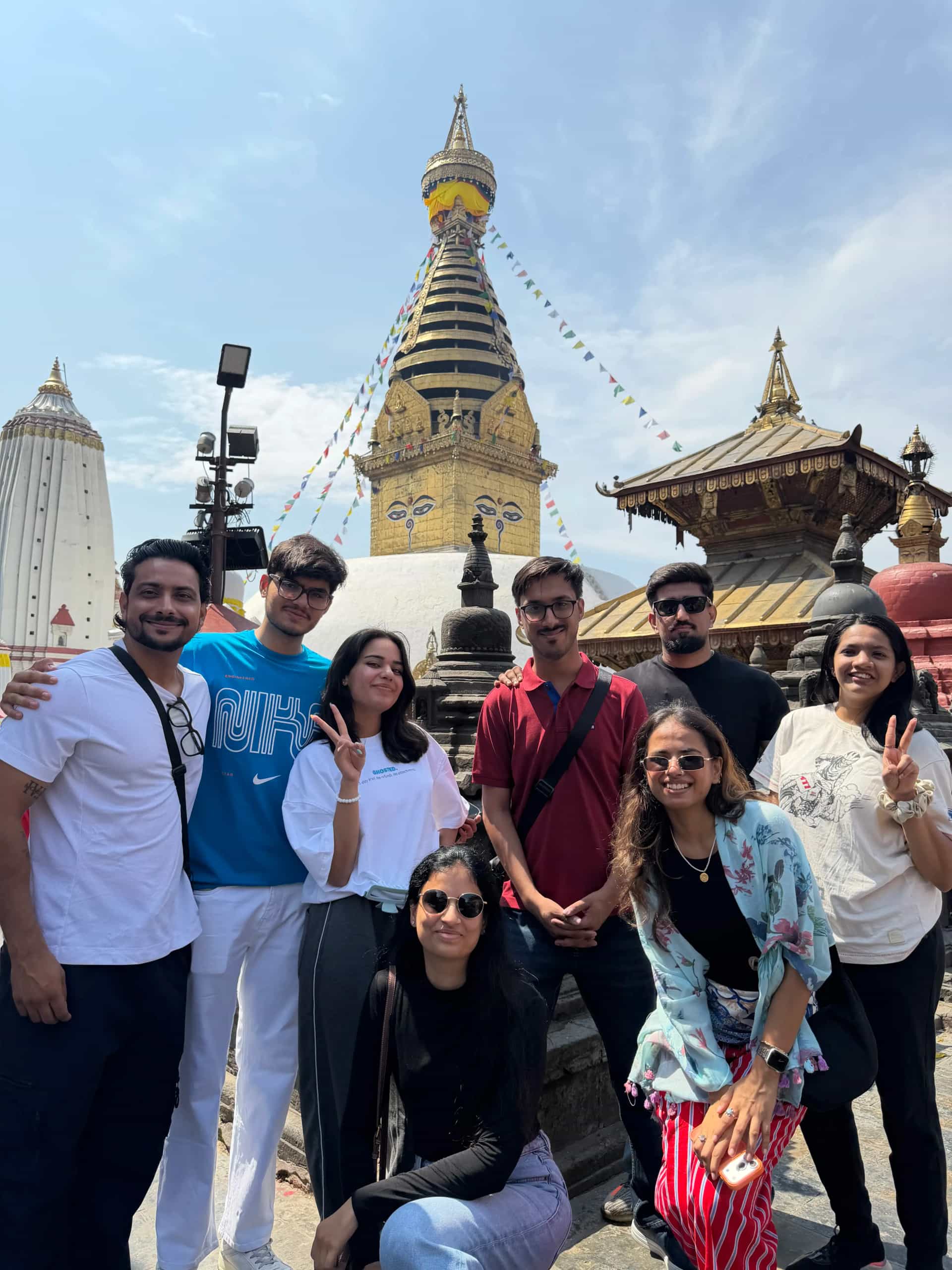
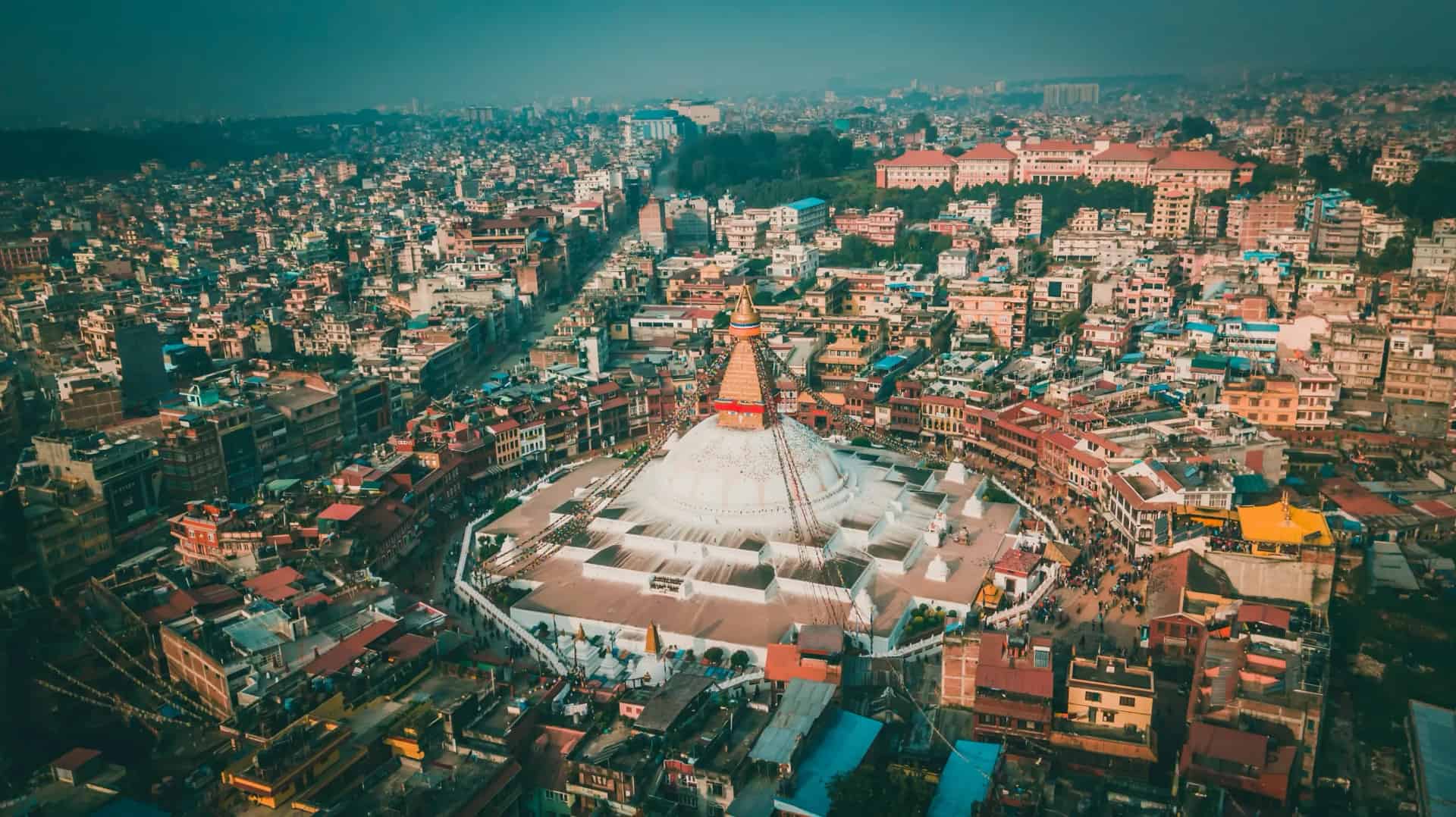
- Kathmandu
- Boudhanath
- Swayambhunath
- Lumbini
Best Time for Nepal Pilgrimage Travel
The best season depends on which pilgrimage destinations you plan to include.
October to March
Best for:
- Pashupatinath
- Janakpur
- Lumbini
- comfortable sightseeing
- festival atmosphere
March to May
Best for:
- Muktinath
- mountain visibility
- moderate Himalayan weather
Monsoon Season (June to September)
Possible challenges include:
- landslides
- delayed transport
- road blockages
- cloudy mountain views
However, Kathmandu temple visits remain possible during the monsoon.
Travelers confused about weather patterns should also read Best Time to Visit Nepal before finalizing their itinerary.
Nepal Currency Rules, Cash & UPI Usage for Indians
Financial planning is an important part of Nepal pilgrimage travel, especially for families visiting mountain regions.
Carry Enough Cash for Smaller Towns
While digital payments are expanding in Nepal, smaller pilgrimage towns and mountain regions may still rely heavily on cash transactions.
Indian Currency Usage in Nepal
Indian currency is commonly accepted in many Nepal tourist areas, especially:
Travelers should still verify the latest RBI and Nepal customs guidelines before departure, especially while carrying larger cash amounts.
UPI & QR Payments in Nepal
UPI-based QR payments are becoming more common in larger Nepal cities and tourist zones.
Some hotels, cafés, and shops now support:
- PhonePe
- Google Pay
- BHIM-linked QR payments
However, physical cash remains essential in remote pilgrimage regions.
Travelers planning longer trips should also understand mobile connectivity realities through a detailed Nepal SIM Card Guide.
How Much Does a Nepal Pilgrimage Trip Cost From India?
Your Nepal pilgrimage budget depends on:
- transport type
- hotel category
- family size
- whether Muktinath is included
- helicopter vs road travel
- private vs shared transport
Budget Travelers
Approximate range:
- ₹15,000–₹30,000 per person
Mid-Range Family Trips
Approximate range:
- ₹35,000–₹70,000+ per person
Muktinath Helicopter or Premium Trips
Costs can rise significantly for:
- helicopter tours
- private vehicles
- premium hotels
- customized pilgrimage packages
Travelers looking for detailed budgeting should also read the Nepal Trip Cost Guide before finalizing their route.
Common Mistakes First-Time Nepal Pilgrims Make
Underestimating Nepal Road Travel
Road journeys in Nepal are often slower and longer than expected due to mountain terrain and road conditions.
Overloading Itineraries
Trying to cover too many pilgrimage destinations in limited days can make the trip exhausting, especially for elderly travelers.
Ignoring Altitude Conditions
Muktinath is located at a high altitude and many travelers underestimate how physically tiring the journey can become.
Depending Only on Digital Payments
Remote mountain regions may still rely heavily on cash transactions.
Not Keeping Buffer Days
Weather delays around Jomsom and Mustang are common, especially during mountain travel seasons.
Important Nepal Pilgrimage Tips for Indian Travelers
- Plan slower itineraries instead of rushing temple visits.
- Carry warm clothing even during relatively comfortable seasons.
- Respect temple rules and photography restrictions.
- Stay hydrated during mountain travel.
- Keep buffer days for weather delays in the Himalayan regions.
- Avoid aggressive schedules while traveling with elderly family members.
Is Nepal Safe for Indian Pilgrimage Travelers?
Nepal is generally considered safe and welcoming for Indian travelers.
Most pilgrimage-related difficulties are logistical rather than safety-related.
The biggest challenges usually involve:
- mountain weather
- road conditions
- altitude adjustment
- transport delays
With practical planning and realistic pacing, Nepal pilgrimage travel can be smooth, meaningful and family-friendly.
Final Thoughts
A Nepal pilgrimage is usually remembered as much for the journey as the temples themselves. Whether it is attending the evening aarti at Pashupatinath, driving through Himalayan roads towards Muktinath or exploring the spiritual atmosphere of Janakpur and Lumbini, the experience feels very different from a typical vacation.
The best Nepal pilgrimage trips are rarely the most rushed ones. Slower itineraries, realistic planning, and comfortable pacing, especially for families and elderly travelers, make the experience far more meaningful.
With the right preparation, Nepal offers one of the most rewarding spiritual and cultural travel experiences for Indian travelers.