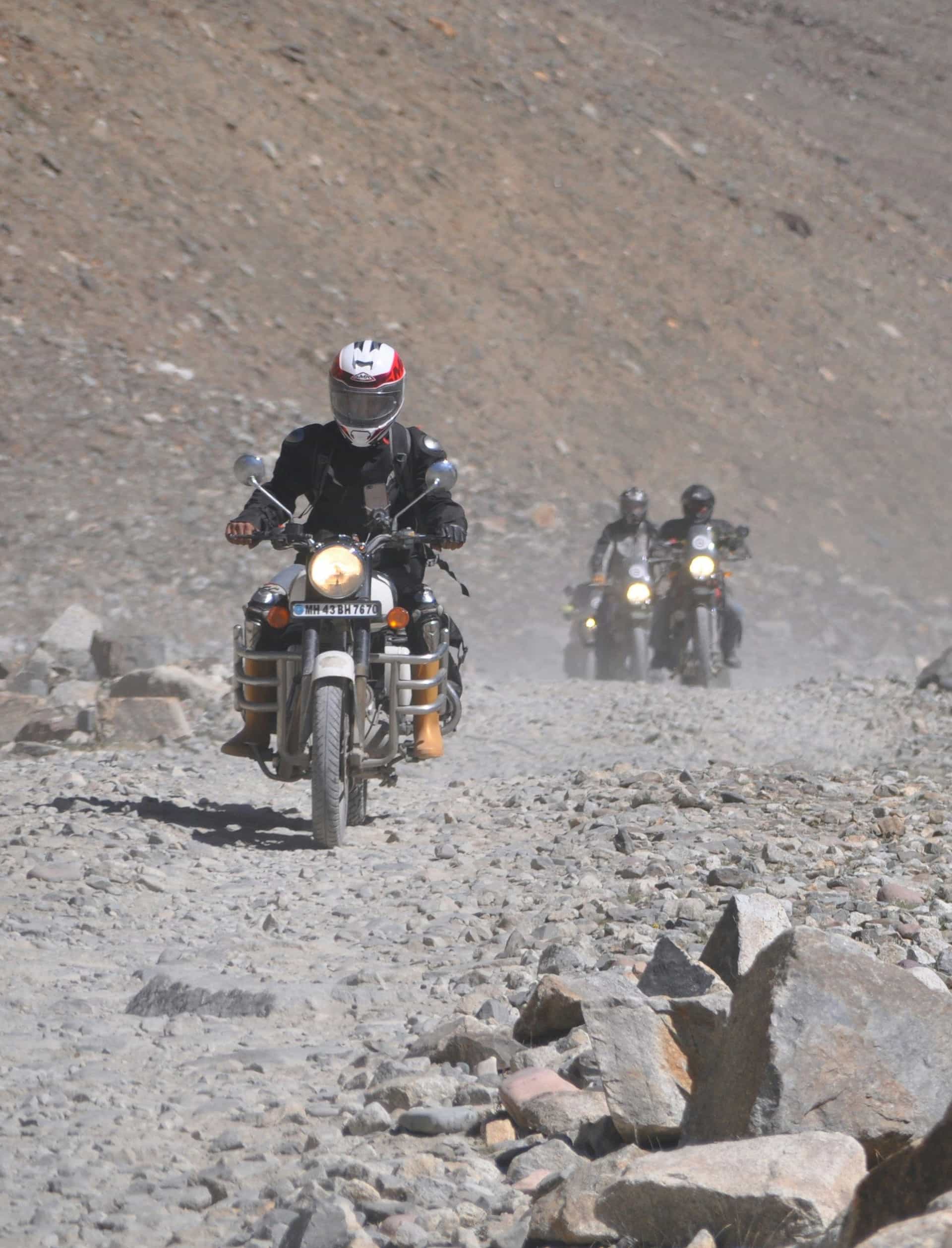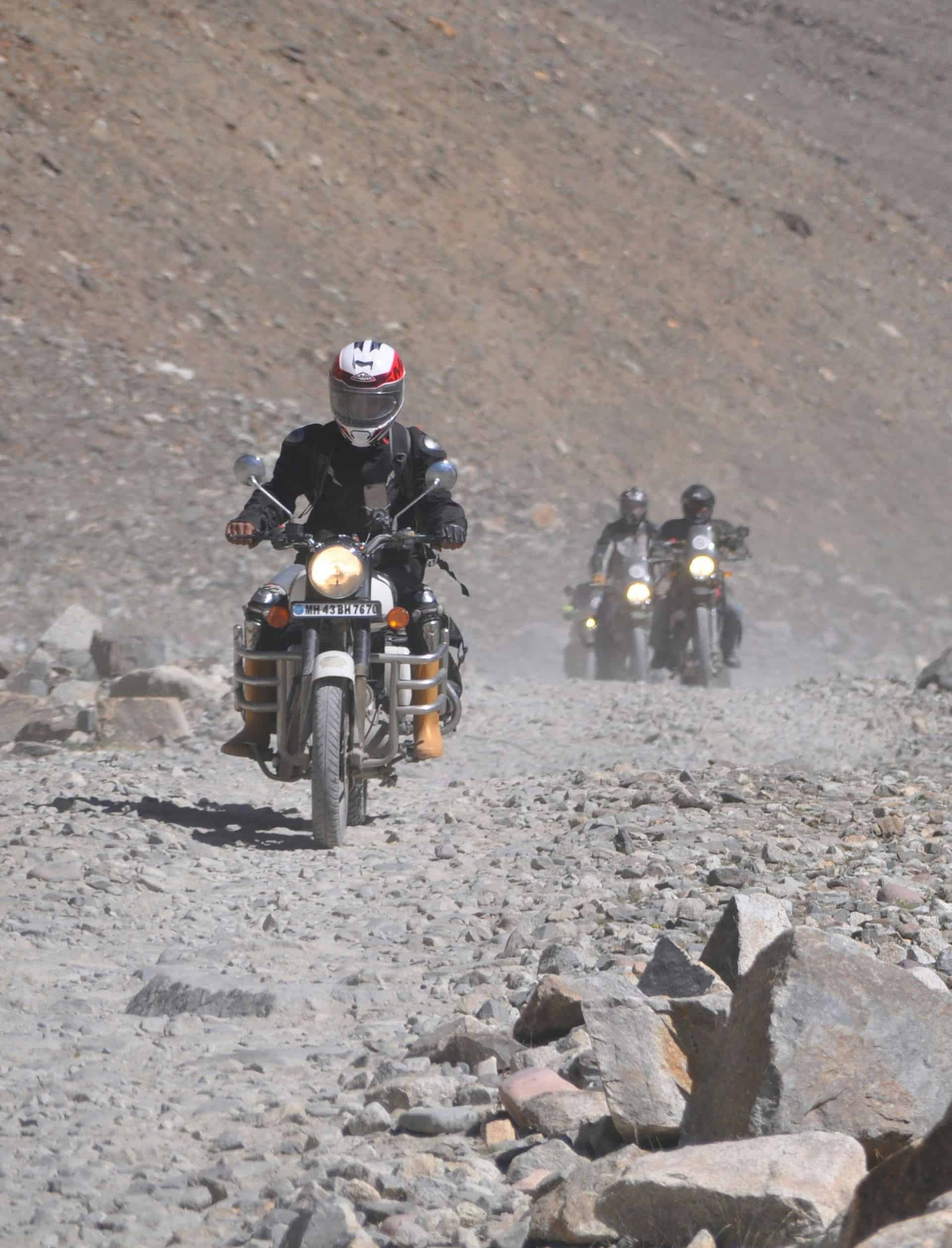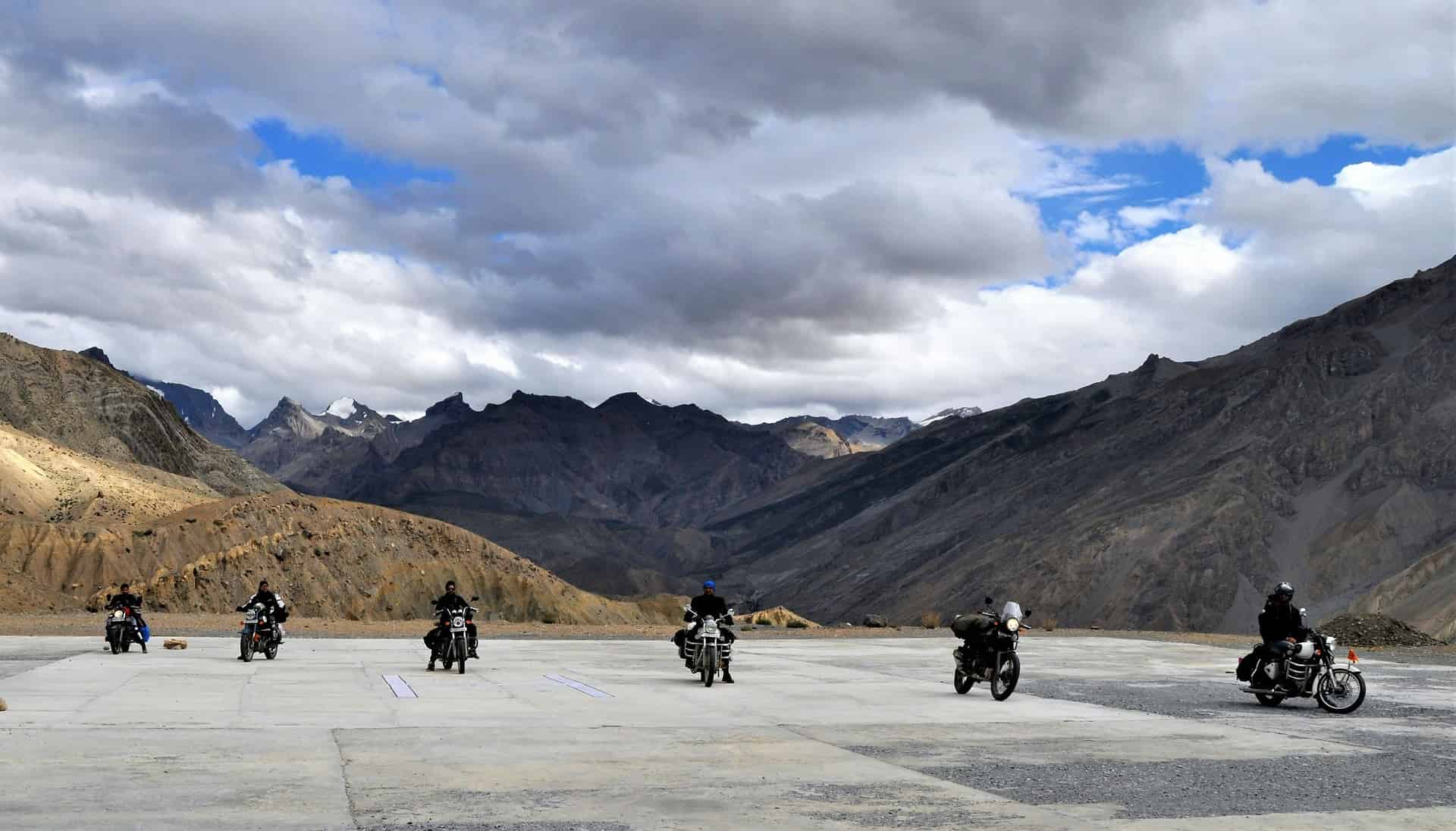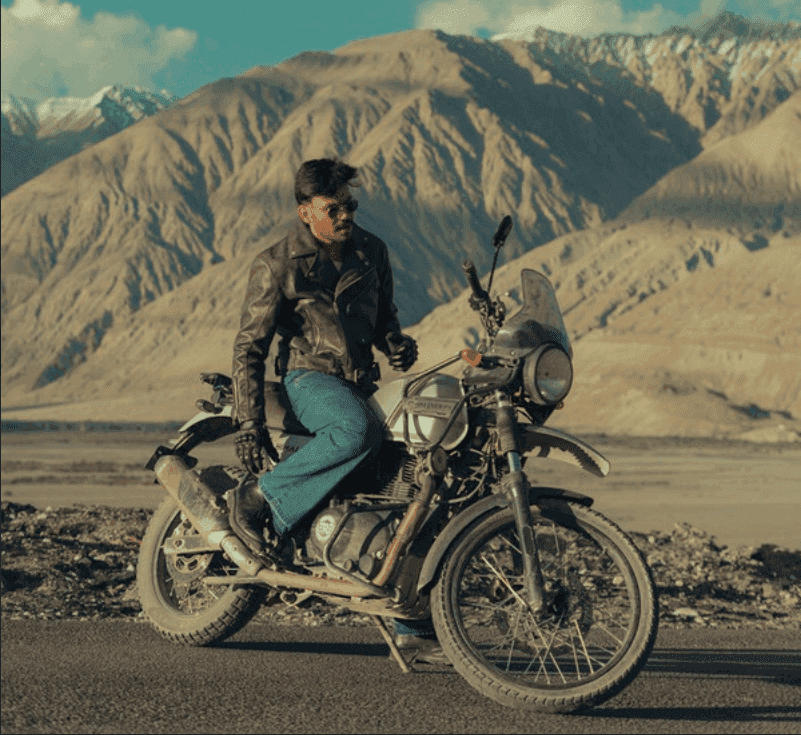
Driving from India to Nepal has become increasingly popular among road-trip travelers, bikers, families and overland travelers looking for a more flexible way to explore the country.
For many travelers, entering Nepal by road offers advantages that flights cannot:
- flexibility
- scenic routes
- easier luggage handling
- spontaneous stops
- access to smaller destinations
However, many first-time travelers are confused about:
- Bhansar permits
- customs rules
- required documents
- border procedures
- Indian vehicle validity
- road conditions inside Nepal
Nepal has also introduced major digital changes to its border-entry system in recent years, making it important for travelers to understand the latest permit process before arriving at the border.
This guide explains what Indian travelers actually need to know before taking a car or bike into Nepal, including permits, documents, border procedures, road conditions, common mistakes and practical travel tips.
Can Indians Take Their Car or Bike to Nepal?
Yes. Indian citizens can legally take private cars and bikes into Nepal for tourism purposes.
However, vehicles entering Nepal temporarily require:
- customs clearance
- a temporary vehicle permit
- Bhansar documentation
This process applies to:
- Indian cars
- motorcycles
- scooters
- SUVs
- touring bikes
The process is usually straightforward if travelers carry the correct documents and understand the border procedures beforehand.
Travelers planning longer Nepal road trips should also explore the Nepal Travel Guide before finalizing their route.
Nepal's Digital Vehicle Entry System
Nepal has significantly modernized its border-entry process for foreign vehicles through the TIV (Temporary Import Vehicle) online system under the Nepal National Single Window framework.
This means many travelers can now:
- pre-register vehicle details online
- upload documents digitally
- pay permit charges online
- receive QR-code-based border clearance
before reaching the Nepal border.
At major checkpoints, border officers may scan the generated QR code and verify physical vehicle details before approving entry.
While manual assistance still exists at many borders, travelers using the online process can often reduce paperwork delays and long queues.
What Is a Bhansar Permit?
A Bhansar permit is a temporary customs permit required for foreign vehicles entering Nepal.
For Indian travelers, this permit allows:
- temporary entry of a vehicle
- legal movement within Nepal
- road travel for tourism purposes
The permit is typically issued after document verification and payment of applicable fees.
Without a valid Bhansar permit, an Indian vehicle cannot legally travel inside Nepal.
The 30-Day Annual Limit Travelers Should Know
One of the most important rules many travelers overlook is Nepal's annual vehicle-entry limit.
Indian private vehicles are generally allowed to remain inside Nepal for a cumulative maximum of 30 days within a calendar year.
These days:
- can be used in one trip, or
- split across multiple entries
Once the annual limit is exhausted, travelers may face:
- heavy overstay penalties
- customs complications
- entry restrictions
Because regulations may occasionally change, travelers should verify the latest rules before departure.
Daily Bhansar Charges for Indian Vehicles
Bhansar charges are generally calculated on a per-day basis.
Approximate Daily Charges
Motorcycles & Scooters
Around NPR 200 per day
Cars, SUVs & Jeeps
Around NPR 600 per day
Fees can vary depending on:
- vehicle category
- duration
- customs updates
- border location
Travelers should carry enough Nepalese currency or accepted Indian currency for border payments.
What Is the Nepal Suvidha Pass?
Travelers visiting only nearby Nepal border-market areas may sometimes receive a temporary short-duration "Suvidha Pass."
This pass is generally meant for:
- short shopping visits
- local border-market access
- brief crossings
and usually requires travelers to return within the permitted timeframe on the same day.
Because rules can differ between border crossings, travelers should confirm local conditions directly at the customs point.
Documents Required for Indian Vehicles in Nepal
Travelers should carry original physical documents along with multiple photocopies.
Identity Documents for Travelers
Indian travelers should carry either:
- a valid Indian passport, or
- an original Indian Voter ID card
Important Clarification
Aadhaar Cards are generally NOT accepted as valid proof of citizenship for Nepal immigration purposes.
Indian driving licenses alone are also not considered valid nationality proof for border entry.
Travelers relying only on Aadhaar cards may face entry refusal or delays at the border.
Documents Required for Cars
Carry:
- vehicle registration certificate (RC)
- valid driving license
- pollution certificate
- valid insurance papers
- passport or Voter ID
- passport-size photographs (recommended)
If the vehicle:
- belongs to a family member,
- is financed, or
- is company-owned,
Travelers may also need a signed authorization letter or No Objection Certificate (NOC).
Documents Required for Bikes
Bike travelers generally need:
- RC
- driving license
- pollution certificate
- insurance papers
- passport or original Voter ID
For touring motorcycles, carrying extra photocopies is highly recommended because checkpoints may occasionally request them.
Does Indian Vehicle Insurance Work in Nepal?
Many travelers assume Indian vehicle insurance automatically remains fully valid inside Nepal, but this is not always guaranteed.
Coverage rules can vary depending on:
- insurance provider
- policy type
- border requirements
Before departure, travelers should confirm:
- cross-border validity
- accidental coverage
- third-party liability applicability
with their insurance company.
Keeping printed insurance documents is strongly recommended during road trips.
Major India-Nepal Border Crossings for Vehicles
Several India-Nepal border crossings allow private vehicle entry.
Sunauli Border
One of the busiest and most popular crossings for travelers heading toward:
- Pokhara
- Kathmandu
- Lumbini
Popular among:
- bikers
- tourists
- road trippers
Raxaul Border
Frequently used by travelers entering from:
- Bihar
- Eastern India
Provides strong connectivity to Kathmandu.
Panitanki Border
Commonly used by travelers from:
- West Bengal
- Northeast India
Useful for eastern Nepal access.
Banbasa Border
Popular among travelers entering from:
- Uttarakhand
- North India
Often considered less crowded than some larger border points.
What Border Crossings Actually Feel Like
First-time travelers are often surprised that Nepal border crossings can feel busy, informal and occasionally chaotic during peak hours.
Travelers should realistically expect:
- queues during tourist seasons
- document verification delays
- local agents offering assistance
- crowds near customs offices
- limited parking space around checkpoints
Morning crossings are often smoother than late-evening arrivals.
Most major borders also have:
- photocopy shops
- currency exchange counters
- local food stalls
- small convenience stores
near the customs area.
Patience and realistic expectations usually make the process much easier.
Step-by-Step: How the Nepal Vehicle Entry Process Works
While procedures can vary slightly between border crossings, the overall process usually follows these steps.
Step 1: Reach the Border Crossing
Travelers first complete Indian-side exit formalities if required.
Step 2: Complete Immigration Verification
Travelers may need to:
- verify identity
- provide travel details
- complete entry formalities
Step 3: Visit Nepal Customs Office
This is where the Bhansar process begins.
Officials usually verify:
- RC
- driving license
- ID proof
- insurance papers
Step 4: TIV Registration & Payment
Travelers may:
- complete online TIV registration beforehand, or
- complete formalities at the border
Permit fees are then calculated based on:
- vehicle category
- duration of stay
- customs rules
Step 5: QR Code & Permit Verification
Travelers using the digital system may receive a QR-code-based permit confirmation.
Border officials may:
- scan the QR code
- verify chassis details
- confirm documents
- approve temporary entry
Travelers should keep both digital and printed copies safely during the trip.
Can You Drive Anywhere in Nepal With an Indian Vehicle?
Most major tourist destinations in Nepal are accessible with Indian vehicles.
Popular routes include:
- Kathmandu
- Pokhara
- Lumbini
- Chitwan
- Bandipur
However, some restricted or sensitive regions may require:
- additional permits
- local permissions
- trekking-area approvals
Travelers should always verify route conditions before long drives, especially during the monsoon and winter seasons.
Road Conditions in Nepal: What Changes After Crossing the Border?
Road conditions in Nepal can feel very different from driving in India.
Travelers should expect:
- mountain roads
- sharp turns
- slower traffic movement
- occasional landslides
- narrower highways
- changing weather conditions
Drive times are often significantly longer than map estimates suggest.
A route that appears short on maps may still take several hours because of:
- terrain
- road quality
- traffic
- weather
Travelers planning longer journeys should also review the Nepal Transport Guide for realistic travel expectations.
Fuel Availability in Nepal
Fuel stations are widely available on major tourist routes connecting:
However, travelers driving into:
- remote hill regions
- mountain areas
- smaller towns
should avoid letting fuel levels get too low.
Some smaller fuel stations may:
- prefer cash payments
- have limited operating hours
- experience occasional supply delays
Planning fuel stops in advance becomes especially important during long mountain drives.
Important Nepal Driving Rules Travelers Forget
Many first-time road travelers underestimate how different driving conditions can feel in Nepal.
Important things to remember include:
- avoid aggressive overtaking on mountain roads
- avoid unnecessary night driving in hill regions
- keep fuel levels reasonably high in remote areas
- carry cash for tolls and local expenses
- expect occasional police and permit checks
Driving patiently is usually much safer than trying to maintain high average speeds.
Is Nepal Safe for Indian Road Trips?
In general, Nepal is considered safe for:
- family road trips
- group travel
- solo bikers
- couple road trips
However, safety largely depends on:
- driving experience
- weather conditions
- route selection
- realistic planning
Mountain driving requires significantly more caution than highway driving in Indian plains.
During monsoon season, travelers should stay updated about:
- landslides
- road closures
- weather disruptions
Travelers visiting during colder months should also review the upcoming Nepal in Winter: What Actually Changes? guide before planning mountain routes.
Emergency & Breakdown Preparedness
Road-trip travelers should prepare for situations where:
- mobile networks become weaker in remote areas
- towing assistance may take longer
- repair shops are less common outside cities
Basic preparation can help significantly during long drives.
Travelers should consider carrying:
- offline maps
- power banks
- puncture kits for bikes
- emergency contact numbers
- basic medicines
For remote mountain drives, avoiding overly tight schedules is also important.
Best Nepal Destinations for Indian Road Trips
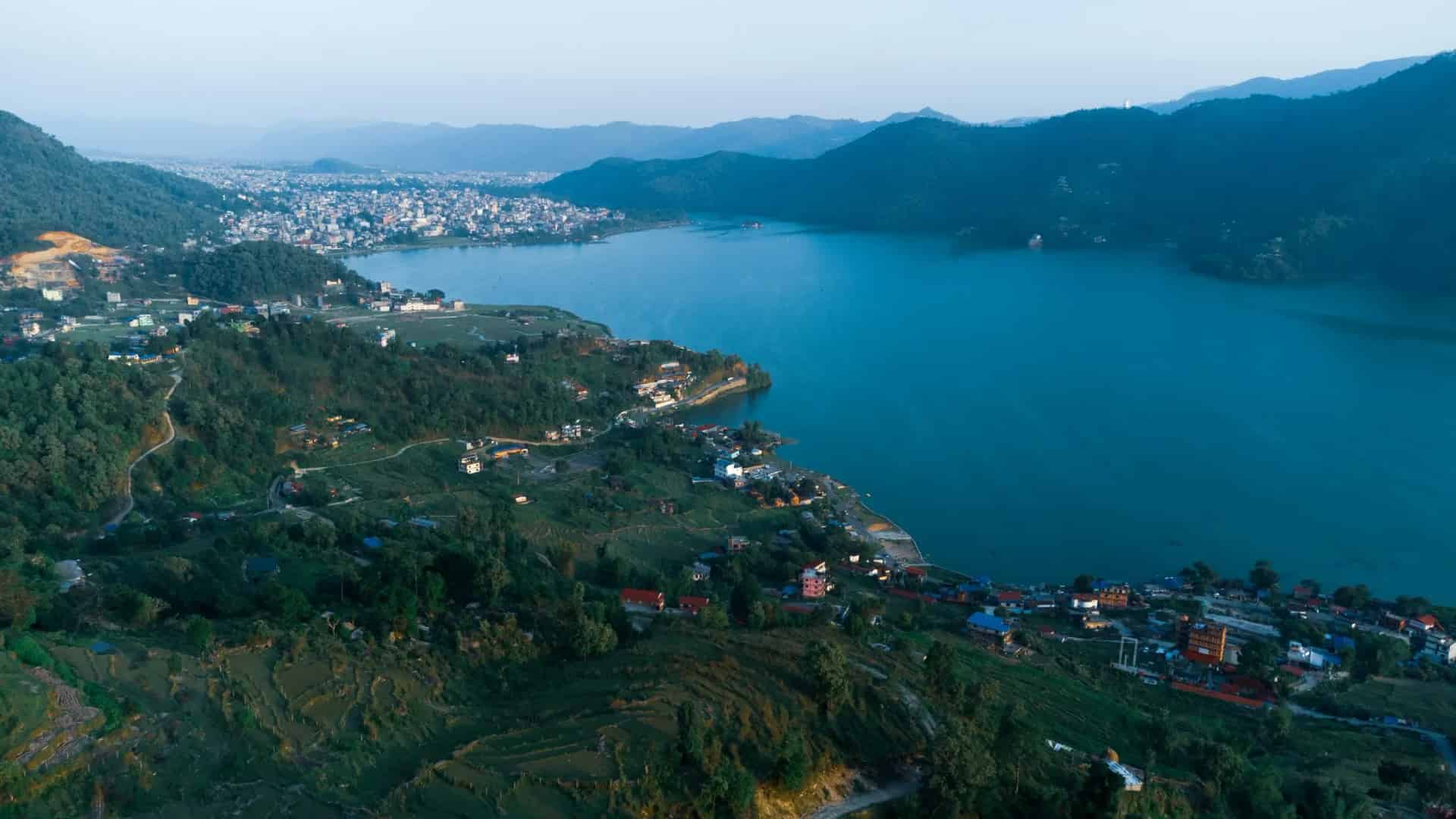
Pokhara
One of Nepal's most popular road-trip destinations thanks to:
- lakeside atmosphere
- mountain scenery
- cafés
- relaxed travel pace
Travelers can also explore the Nepal Café Guide and Nepal Food Guide before visiting.
Bandipur
Excellent for:
- slower travel
- scenic drives
- peaceful stays
Chitwan
Popular for:
- wildlife experiences
- jungle stays
- family-friendly travel
Lumbini
Important for:
- spiritual tourism
- Buddhist pilgrimage travel
Travelers interested in spiritual destinations should also explore the upcoming Nepal Pilgrimage Guide for Indians.
Costs Travelers Should Expect
Travelers should plan for:
- Bhansar permit charges
- fuel expenses
- parking charges
- tolls
- accommodation
- food
Overall trip costs depend heavily on:
- vehicle type
- trip duration
- destinations
- accommodation style
For broader budgeting guidance, travelers should also refer to the upcoming Nepal Trip Cost Guide.
Common Mistakes Indian Travelers Make at Nepal Borders
Some of the most common issues include:
- carrying incomplete documents
- missing photocopies
- insufficient cash
- underestimating travel times
- relying only on Aadhaar cards
- not checking weather conditions
- confusion regarding permit validity
Travelers should also avoid rushing through mountain drives after long border-crossing hours.
Reviewing the Biggest Mistakes First-Time Nepal Travelers Make guide before departure can help avoid unnecessary problems.
Car vs Bike: Which Is Better for Nepal?
The answer depends on travel style.
Cars Work Better For:
- families
- comfort-focused travel
- monsoon trips
- carrying luggage
- longer stays
Bikes Work Better For:
- flexibility
- adventure travel
- scenic riding
- solo or group road trips
Both can work extremely well if travelers plan realistically.
Best Time for Nepal Road Trips
The best seasons for driving into Nepal are generally:
October to December
Best for:
- clear skies
- mountain visibility
- stable road conditions
March to April
Good for:
- pleasant temperatures
- comfortable driving conditions
Monsoon Season
Road trips during the monsoon can become difficult because of:
- landslides
- poor visibility
- slippery roads
Travelers should review both the upcoming Best Time to Visit Nepal guide and Nepal During Monsoon: Worth It or Not? before planning a rainy-season road trip.
Final Thoughts
Driving an Indian car or bike into Nepal can be one of the most flexible and rewarding ways to explore the country.
Whether it's a scenic ride toward Pokhara, a family road trip through Nepal's hill towns, or a longer overland journey across multiple destinations, traveling by road allows visitors to experience Nepal at their own pace.
The key is realistic planning.
Understanding Bhansar permits, carrying proper documents, preparing for mountain driving conditions, and understanding Nepal's updated digital border-entry system can make the experience significantly smoother.
Travelers planning a longer multi-city road trip can also explore a Nepal Tour Package for route ideas covering destinations like Kathmandu, Pokhara, Chitwan and Lumbini.