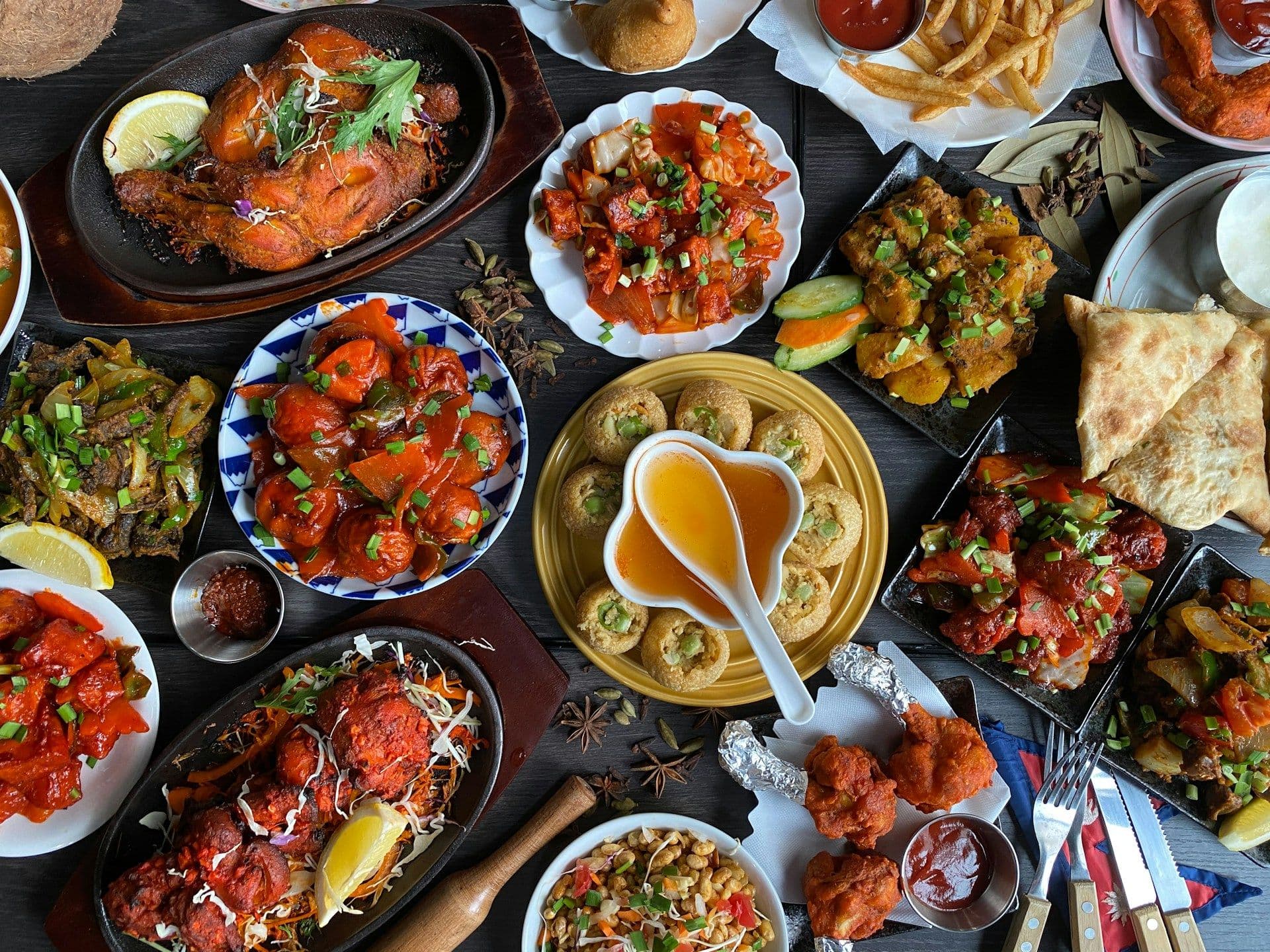
Food becomes a much bigger part of the Nepal travel experience than many first-time visitors initially expect.
Some travelers arrive expecting food similar to North Indian hill stations, while others assume Nepal revolves only around momos and basic trekking meals. In reality, the country offers a much wider mix of:
- local comfort food
- Newari cuisine
- mountain meals
- café culture
- bakeries
- street food
- trekking-route food experiences
The food experience also changes significantly between places like Kathmandu, Pokhara, trekking regions and smaller mountain towns.
This guide explains what food in Nepal actually feels like for travelers, including local dishes, café culture, budgeting expectations, vegetarian options and practical food realities across different parts of the country.
What Food in Nepal Actually Feels Like
Nepali food often feels simpler and more comfort-oriented than many travelers initially expect.
The cuisine is influenced by:
- mountain geography
- Tibetan food culture
- Newari traditions
- local agriculture
- neighboring Indian flavors
But Nepal’s food culture still develops its own distinct identity through:
- cooking style
- spice balance
- meal structure
- ingredients
- regional differences
For many travelers, Nepal slowly becomes less about “trying famous dishes” and more about settling into:
- café routines
- local meals
- tea breaks
- bakery culture
- slower food experiences
This becomes especially noticeable during longer Nepal workation stays or slower travel itineraries.
Momos: Nepal’s Most Popular Comfort Food
Momos are easily the most recognizable food associated with Nepal.
You’ll find them almost everywhere:
- local cafés
- restaurants
- roadside stalls
- trekking routes
- tea houses
- tourist-heavy areas
They are usually served:
- steamed
- fried
- chili-coated
- in soup-based versions
with fillings like:
- vegetables
- chicken
- buff (buffalo meat)
- paneer
While travelers often compare momos to dumplings, Nepal’s versions usually feel:
- more filling-heavy
- more spice-oriented
- more comfort-focused
than many East Asian dumpling styles.
In cities like Kathmandu, travelers often end up eating momos repeatedly because they are:
- affordable
- easy to find
- quick
- satisfying after long travel days
The Different Types of Momos Travelers Should Try
Beyond standard steamed momos, Nepal also has several regional and street-style variations that travelers encounter frequently.
Jhol Momo
Jhol Momo is especially popular around the Kathmandu Valley.
In this version, momos are served inside a flavorful soup-like achar made from:
- sesame
- tomatoes
- peanuts
- spices
- herbs
The broth feels:
- tangy
- slightly nutty
- warming during colder evenings
and becomes one of the most memorable foods that many travelers try in Nepal.
C-Momo (Chili Momo)
C-momo or chili momo, is one of Nepal’s most popular spicy street-food variations.
The momos are usually:
- fried first
- then tossed in a spicy chili sauce
along with:
- onions
- bell peppers
- green chilies
This version feels:
- heavier
- spicier
- more street-food oriented
than traditional steamed momos.
Kothey Momo
Kothey momo sits somewhere between steamed and fried styles.
The dumplings are pan-fried on one side while the upper portion remains soft and steamed, creating a mix of crispy and softer textures together.
Dal Bhat: The Meal That Defines Nepal Travel
If there is one meal that genuinely defines Nepal travel, it is dal bhat.
A traditional dal bhat meal usually includes:
- rice
- lentil soup
- vegetables
- pickles
- curry
- greens
and sometimes:
- chicken
- buff
- fish
Depending on the region and restaurant.
For many travelers, dal bhat becomes:
- the most reliable meal
- the most filling option
- the easiest long-term everyday food during Nepal travel
especially during:
- trekking
- mountain stays
- longer itineraries
One reason dal bhat becomes so common across Nepal is that it works well for:
- colder weather
- physically demanding travel
- mountain regions
- slower daily routines
Travelers exploring major trekking routes in Nepal quickly notice how central dal bhat becomes across tea houses and mountain lodges.
Thakali Thali: Nepal’s Most Famous Full Meal Experience
Many travelers eventually discover that some of the best dal bhat experiences come through a Thakali thali.
Originally connected to the Thakali community from Nepal’s Mustang region, Thakali meals usually include:
- richer
- more balanced
- more flavor-focused
than simpler everyday dal bhat plates.
A traditional Thakali thali may include:
- black lentils
- ghee
- rice
- curried vegetables
- spiced potatoes
- pickles
- greens
- meat curries
- fermented side dishes
Ingredients like Jimbu, Timur, Gundruk and Lapsi pickle also appear commonly in more traditional preparations across Nepal.
For many travelers, trying a proper Thakali thali becomes one of the standout food experiences in both Kathmandu and Pokhara.
Newari Food: One of Nepal’s Most Distinct Food Cultures
One of the biggest food surprises for many travelers is Newari cuisine.
The Newar community, especially around Kathmandu Valley, has one of Nepal’s richest and most distinctive food traditions.
Newari meals often include:
- spiced meat dishes
- beaten rice
- fermented flavors
- grilled items
- local snacks
- traditional sweets
The food feels:
- richer
- heavier
- more flavor-dense
than standard tourist-oriented meals.
Travelers exploring:
- Patan
- Bhaktapur
- local Kathmandu neighborhoods
usually encounter Newari food more naturally than those staying only around Thamel.
Trying local Newari food often becomes one of the more memorable cultural experiences in Kathmandu.
Samay Baji: A Traditional Newari Food Experience
One of the best-known Newari platters is Samay Baji.
This traditional meal usually combines:
- beaten rice
- grilled meat
- spicy potatoes
- roasted soybeans
- lentil patties
- pickles
- local side dishes
Items like:
- Choila
- Bara
- Bhatmas
commonly appear within Newari meals and snack platters.
For many travelers, Samay Baji feels very different from the softer everyday style associated with dal bhat because the meal focuses more on:
- stronger spices
- smoked flavors
- dry textures
- heavier local seasoning
Café Culture in Nepal Is Bigger Than Many Travelers Expect
One thing that surprises many travelers is how strong café culture has become in Nepal, especially in:
- Kathmandu
- Pokhara
- workation-heavy areas
Many cafés now function as:
- social spaces
- remote-work spots
- bakery cafés
- relaxed slow-travel environments
rather than just quick coffee stops.
In Pokhara, café culture becomes especially central around the Lakeside area, where travelers spend hours:
- working remotely
- reading
- relaxing
- café hopping
- meeting other travelers
Pokhara’s food experience often feels less about deep culinary exploration and more about slower café routines connected to lakeside travel culture.
Many travelers in Kathmandu and Pokhara also settle into café breakfast routines built around:
- coffee
- eggs
- pancakes
- pastries
- bakery cafés
- slower mornings
This calmer café rhythm becomes a major part of the Nepal experience for:
- backpackers
- remote workers
- long-stay travelers
- slower itineraries
Nepal’s café culture also connects strongly with the country’s growing slow travel in Nepal trend.
Trekking Food in Nepal Is Simpler Than Many Travelers Expect
Food changes noticeably in trekking regions.
As elevation increases, menus often become:
- simpler
- more repetitive
- more expensive
because transporting ingredients into mountain regions becomes harder.
However, trekking routes still usually offer:
- dal bhat
- noodles
- soups
- fried rice
- momos
- pancakes
- eggs
- tea
- potatoes
Tea-house food often feels:
- basic
- warm
- practical
- filling
rather than highly culinary.
Tea culture also becomes a major part of daily travel routines in Nepal, especially during colder mountain stays and longer trekking journeys.
For many trekkers, food in mountain regions becomes more about:
- energy
- warmth
- comfort
- routine
than restaurant-style dining.
Is Food in Nepal Good for Vegetarian Travelers?
Yes, Nepal is generally very comfortable for vegetarian travelers.
Vegetarian meals are widely available across:
- cities
- tourist zones
- trekking routes
- cafés
- local restaurants
In fact, many everyday Nepali meals already revolve heavily around:
- lentils
- rice
- vegetables
- potatoes
- greens
which naturally supports vegetarian travel.
This is one reason Nepal often feels easier for Indian vegetarian travelers compared to some other international destinations.
Buff Meat Confuses Many First-Time Travelers
One thing many Indian travelers do not initially realize is that “buff” in Nepal usually refers to buffalo meat.
Buff is extremely common across:
- momo fillings
- Newari dishes
- local restaurants
Travelers who avoid buffalo meat should check menus carefully before ordering.
Most tourist-heavy restaurants usually offer:
- chicken
- paneer
- vegetarian alternatives
as well.
Bakery Culture in Nepal Is Surprisingly Strong
Kathmandu and Pokhara both have a surprisingly strong bakery and café scene.
Travelers can easily find:
- croissants
- sourdough bread
- pastries
- cheesecakes
- breakfast cafés
- coffee shops
especially around:
- Thamel
- Patan
- Lakeside Pokhara
This is one reason Nepal works well for:
- slower travel
- café routines
- longer stays
- workation lifestyles
Many travelers eventually settle into familiar cafés during longer Nepal itinerary journeys.
Street Food in Nepal
Street food exists across Nepal, but it usually feels:
- smaller-scale
- calmer
- less aggressive
than major Indian street-food environments.
Popular street snacks often include:
- momos
- chatpate
- samosas
- fried snacks
- local sweets
- noodles
Kathmandu generally offers the widest variety of street food experiences, especially around:
- local markets
- busier neighborhoods
- evening food areas
However, travelers should still use normal food precautions regarding:
- hygiene
- water
- uncooked ingredients
- roadside stalls
especially during monsoon periods.
Is Food Expensive in Nepal?
Nepal can still feel relatively affordable for food, especially outside premium cafés and upscale restaurants.
Budget travelers can eat comfortably through:
- local restaurants
- dal bhat cafés
- tea houses
- smaller eateries
while tourist-heavy cafés and imported-food restaurants cost noticeably more.
Building realistic Nepal trip costs before the trip helps travelers balance:
- local food
- café culture
- trekking expenses
- tourist restaurants
more comfortably.
Food in Kathmandu vs Pokhara
The food experience feels quite different between Kathmandu and Pokhara.
Kathmandu generally offers:
- stronger local food diversity
- Newari cuisine
- more street food
- denser café culture
- wider restaurant range
Pokhara usually feels:
- slower
- more café-oriented
- more relaxed around lakeside dining
- more international-traveler focused
Many travelers enjoy:
- eating in Kathmandu
but - lingering in Pokhara cafés longer.
This difference reflects the overall contrast between Pokhara vs Kathmandu as travel experiences.
Food Safety and Practical Travel Tips
Most travelers eat comfortably in Nepal without major issues, but basic precautions still help significantly.
Useful habits include:
- drinking filtered or bottled water
- avoiding untreated tap water
- eating freshly prepared meals
- carrying basic stomach medication
- being cautious with raw street food during the monsoon
Travelers adjusting to mountain travel and changing food routines may also experience temporary digestion changes during longer Nepal trips.
Final Thoughts
Food in Nepal becomes much more connected to the overall travel rhythm than many first-time visitors initially expect.
Some meals feel deeply local and traditional, while other parts of the country revolve heavily around cafés, bakeries, tea houses and slower food routines connected to mountain travel and long stays.
Most travelers eventually realize Nepal’s food culture is less about chasing famous dishes and more about the comfort, routine and atmosphere that develops around everyday meals during the journey.