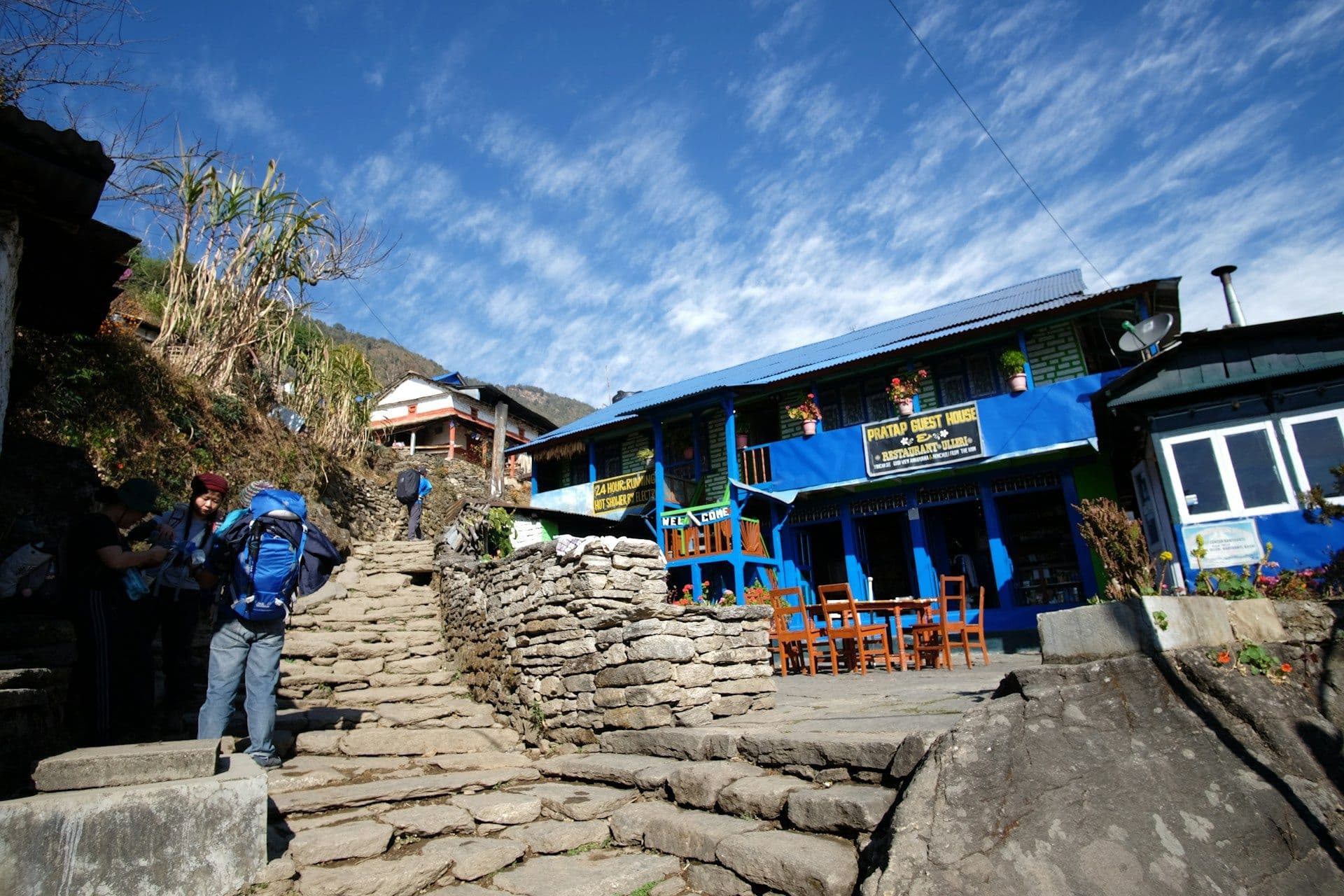
Nepal is no longer just a short trekking or sightseeing destination for many travelers. More people now spend longer periods in places like Pokhara and Kathmandu while balancing remote work, slower travel, cafés and flexible itineraries.
The country works surprisingly well for slower travel because different regions offer completely different rhythms. Some places feel calm and scenic around lakes and mountains, while others feel more cultural, social and creatively energizing.
This guide explores the best places in Nepal for workation and slow travel based on atmosphere, connectivity, café culture, travel pace, weather, affordability and overall long-stay comfort.
Why Nepal Works Well for Slow Travel
Nepal naturally encourages slower movement.
Road travel takes longer, mountain weather changes frequently, and many destinations feel better when travelers stay longer instead of rushing through short itineraries.
Unlike heavily commercialized fast-tourism destinations, Nepal still allows travelers to:
- slow down
- spend longer in cafés
- work remotely with mountain views
- take flexible travel days
- build calmer itineraries
For many travelers, Nepal becomes more enjoyable once the trip stops feeling like a checklist.
This is especially true for travelers building a longer Nepal itinerary instead of trying to cover multiple destinations quickly.
Compared to many international workation destinations, Nepal still remains relatively affordable for longer stays, especially outside luxury travel segments.
Pokhara: Nepal’s Best Workation Destination
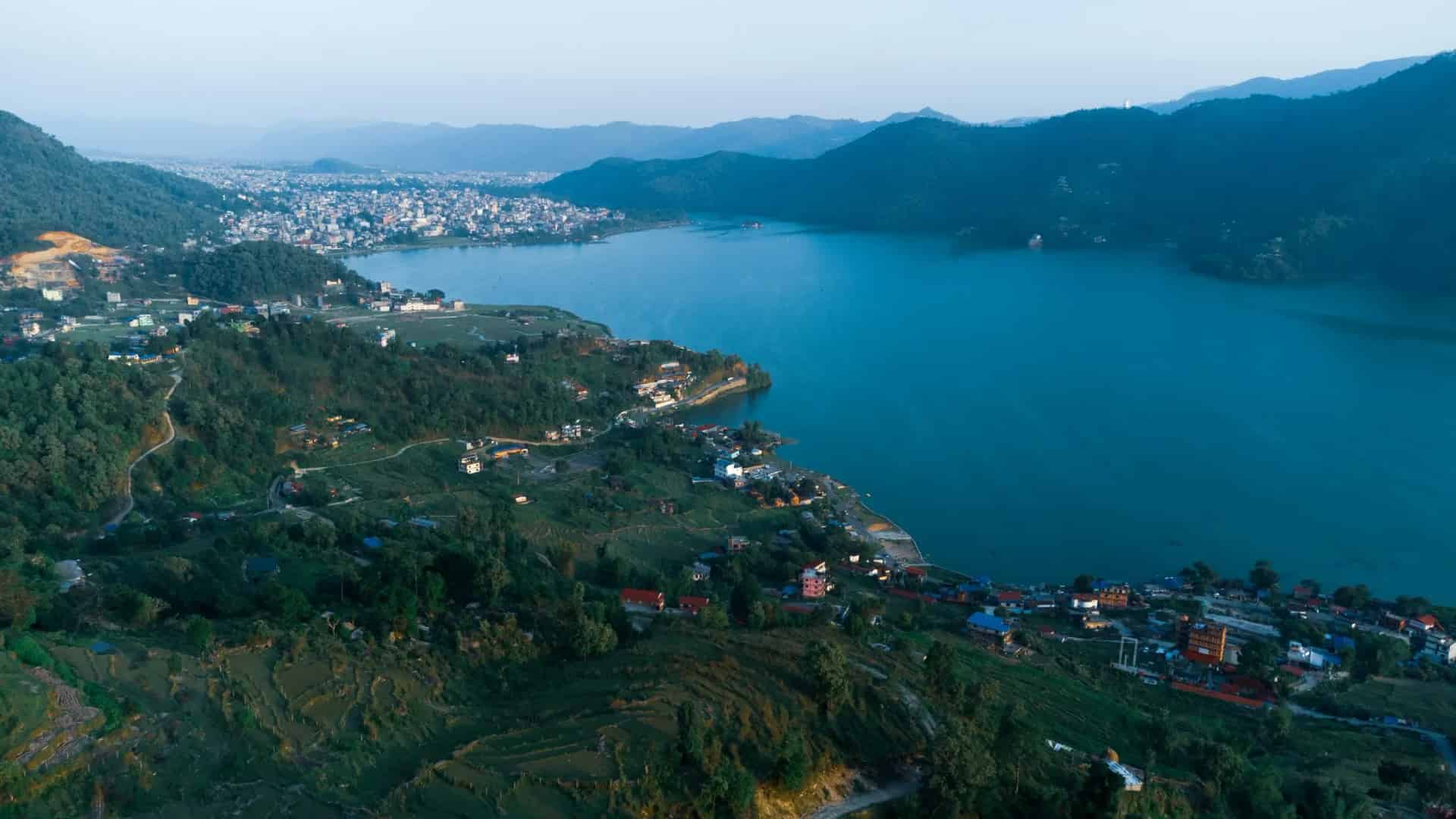
For most travelers, Pokhara is the easiest and most comfortable place in Nepal for workation and slow travel.
The city naturally supports:
- flexible mornings
- café culture
- relaxed work routines
- long lakeside walks
- remote work schedules
- quieter evenings
The Lakeside area especially works well because many cafés, stays, restaurants and coworking-friendly spaces are concentrated close together.
Pokhara also feels:
- calmer
- cleaner
- easier to navigate
- less mentally exhausting than Kathmandu
which matters significantly during longer stays.
The city also supports a comfortable daily routine with cafés, bakeries, lakeside restaurants and relaxed evening culture concentrated around the tourist areas.
Why Travelers Stay Longer in Pokhara Than Planned
Many travelers initially plan Pokhara as a short stop before trekking or sightseeing.
But the city often turns into the longest stay of the trip because of:
- mountain atmosphere
- café culture
- flexible daily rhythm
- easier routines
- relaxed social environment
Workation travelers commonly spend time:
- working from cafés
- taking evening lakeside walks
- visiting viewpoints
- balancing work with short hikes and outdoor activities
Pokhara also works especially well for travelers interested in:
- flexible travel
- creative work
- burnout recovery
- lower travel intensity
The Digital Nomad Infrastructure in Pokhara
Pokhara’s workation infrastructure has improved noticeably in recent years, especially around the Lakeside area.
Coworking spaces like BROWNDESK Co-working Space and Sarowar Flex have become increasingly popular among longer-stay travelers looking for more stable work setups than cafés alone.
Most workation-friendly areas in Pokhara now offer:
- fiber internet
- long-stay apartments
- café workspaces
- coworking environments
- easier daily convenience for remote work routines
Internet quality is generally good in tourist-heavy areas, though occasional weather disruptions and localized power cuts can still affect connectivity temporarily.
When booking long-stay accommodation, remote workers should still check whether the property has:
- inverter backup
- generator support
- router backup during power interruptions
because short outages can occasionally affect internet access.
Understanding realistic transportation in Nepal also matters because reaching Pokhara by road can still take most of the day from Kathmandu.
Kathmandu: Better for Energy, Culture, and Creative Stimulation
While Pokhara feels calmer, Kathmandu often works better for travelers who enjoy:
- city energy
- cultural movement
- café hopping
- social atmosphere
- photography
- urban exploration
The city feels much more layered and stimulating than Pokhara.
Areas like:
- Thamel
- Patan
- Jhamsikhel
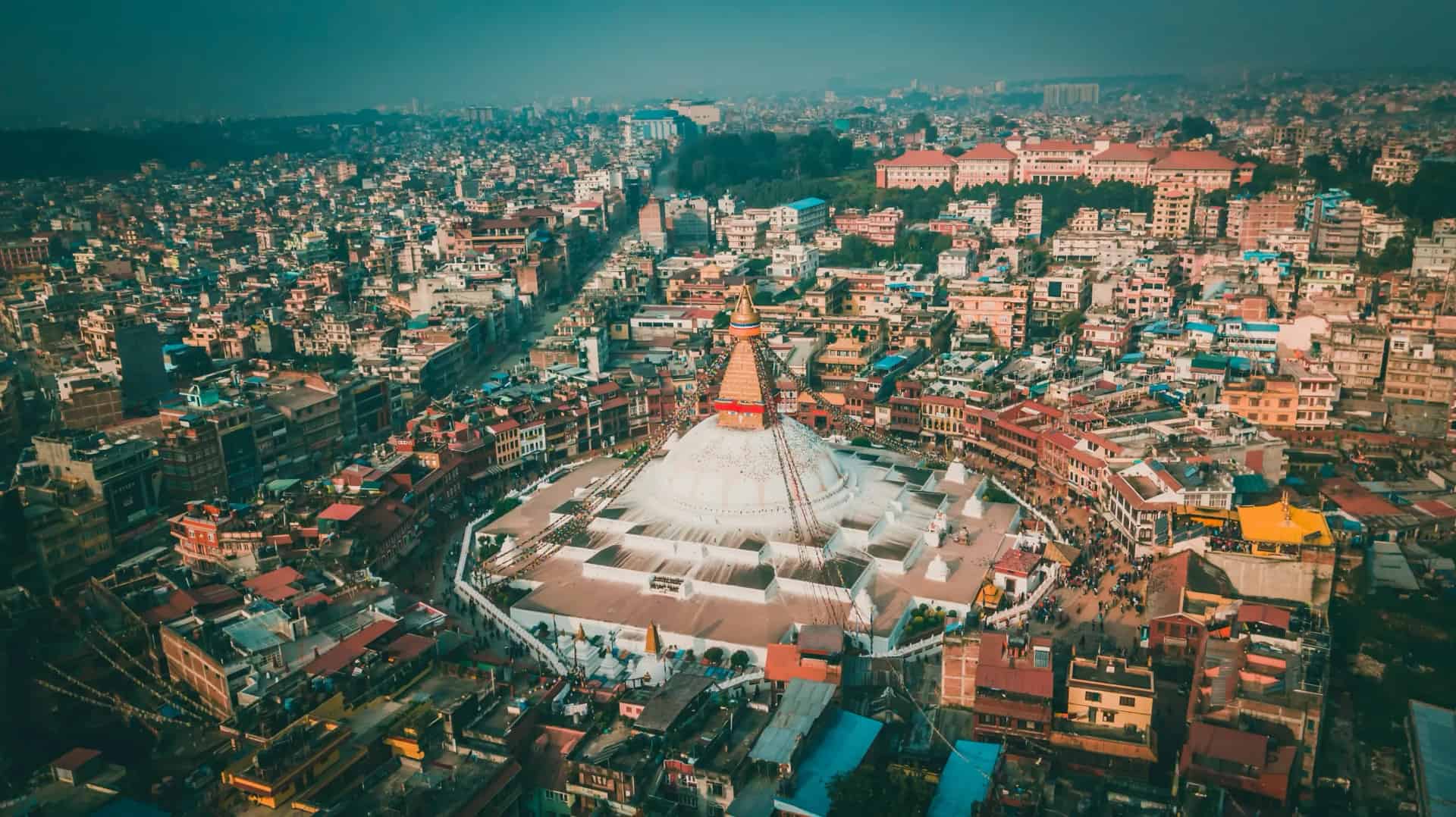
- Boudhanath
offer very different experiences within the same city.
Kathmandu also has Nepal’s strongest mix of:
- cafés
- bakeries
- local restaurants
- coworking-friendly spaces
- international food
- creative atmosphere
This makes it attractive for:
- freelancers
- content creators
- photographers
- long-term backpackers
- travelers mixing work with exploration
Many travelers who initially find Kathmandu overwhelming later realize it becomes one of the most memorable parts of the Nepal experience.
Kathmandu’s Coworking and Remote Work Scene
Kathmandu’s coworking scene has expanded steadily, with spaces like Raya Space and Rem. Work HQ is becoming increasingly popular among freelancers, startups and longer-stay remote workers.
The city also offers:
- stronger café diversity
- better delivery infrastructure
- wider accommodation options
- more networking opportunities
than quieter mountain destinations.
However, Kathmandu feels more mentally tiring over time because of:
- traffic
- noise
- denser movement
- urban intensity
For many travelers, Kathmandu works best in shorter phases compared to Pokhara.
A common Nepal workation rhythm becomes:
- Kathmandu for culture and stimulation
- Pokhara for recovery and a softer daily pace
This balance usually creates a much smoother overall Nepal experience.
Bandipur: One of Nepal’s Most Underrated Slow Travel Destinations
Bandipur fits perfectly into the slower-travel side of Nepal.
The town feels:
- quieter
- less commercial
- less hurried
- more peaceful than larger tourist hubs
Unlike Pokhara or Kathmandu, Bandipur is not built around fast tourism movement.
Instead, travelers come here for:
- mountain views
- hill-town atmosphere
- slower days
- traditional architecture
- relaxed walking experiences
Bandipur works especially well for:
- writers
- couples
- slower travelers
- people wanting quieter mountain stays
The destination feels more reflective and less socially busy than Nepal’s larger tourist centers.
Nagarkot: Better for Short Quiet Retreats
Nagarkot works best as:
- a short slow-travel escape
- a mountain-facing retreat
- a quieter break from Kathmandu
The area is popular for:
- sunrise mountain views
- peaceful stays
- short hikes
- calmer mornings
However, Nagarkot usually works better for:
- shorter stays
rather than long workation periods.
The atmosphere feels scenic and restorative, but daily variety is more limited compared to Pokhara or Kathmandu.
Dhulikhel: A Slower Alternative Near Kathmandu
For travelers wanting slower travel without going too far from Kathmandu, Dhulikhel offers a strong balance.
The area feels:
- quieter
- greener
- less chaotic
- more spacious
while remaining relatively accessible from the capital.
Dhulikhel works well for:
- slower weekends
- shorter work retreats
- flexible remote work stays
- travelers wanting mountain surroundings without long transfers
The softer atmosphere becomes especially appealing after spending time inside Kathmandu's traffic and tourist-heavy areas.
Which Nepal Destination Is Best for You?
Travel Style | Best Destination |
| Café workation | Pokhara |
| Creative city energy | Kathmandu |
| Quiet mountain retreat | Bandipur |
| Short peaceful escape | Nagarkot |
| Slower stay near Kathmandu | Dhulikhel |
| Trekking + remote work mix | Pokhara |
| Cultural slow travel | Kathmandu |
For many travelers, the best Nepal experience comes from combining:
- Kathmandu’s energy
with - Pokhara’s calmer rhythm.
Internet, SIM Cards and Connectivity Reality
Nepal works surprisingly well for remote travel overall, but expectations should still remain realistic.
Tourist-heavy areas generally offer:
- decent WiFi
- cafés with internet
- coworking-friendly environments
- mobile data access
However:
- mountain weather
- power fluctuations
- remote geography
It can still affect connectivity at times.
Setting up a local Nepal SIM card usually makes long stays significantly easier, especially for:
- maps
- ride apps
- hotspot usage
- transport coordination
Ncell vs Nepal Telecom (NTC) for Workation Travelers
Most remote workers and slow travelers in Nepal usually rely on:
- Ncell
or - Nepal Telecom (NTC)
for mobile connectivity.
Ncell generally works better inside:
- Kathmandu
- Pokhara
- major tourist areas
and is often considered easier for short-term travelers.
Nepal Telecom (NTC) usually offers wider coverage in:
- hill regions
- smaller towns
- slower-travel destinations outside major cities
Many longer-stay travelers keep local mobile data as a backup even when accommodation provides WiFi, especially during work calls or weather-related network fluctuations.
The 150-Day Stay Reality for Indian Travelers
Nepal remains one of the easiest international destinations for Indian travelers because of the open-border relationship between the two countries.
However, travelers planning very long stays or repeated slow-travel visits should still keep track of:
- entry records
- hotel registrations
- cumulative stay duration
Longer workation stays become much smoother when travelers stay aware of evolving immigration and accommodation requirements instead of assuming unlimited informal stays.
Travelers researching how to travel to Nepal from India should also understand identity-document and entry-process expectations before long-duration travel.
Best Time for Workation and Slow Travel in Nepal
The weather affects slow travel experiences heavily in Nepal.
For most travelers:
- October to early December
and - March to April
usually offer the best balance between:
- mountain visibility
- comfortable weather
- stable travel conditions
Monsoon season can still work for café-focused stays and quieter travel periods, especially in Pokhara, but mountain views often disappear for long periods because of cloud cover.
Understanding the best time to visit Nepal helps travelers choose destinations more realistically, depending on the experience they want.
Slow Travel in Nepal Works Better Than Fast Itineraries
One of the biggest mistakes first-time travelers make is trying to move too quickly across Nepal.
The country usually feels more rewarding when travelers:
- stay longer
- reduce destination hopping
- leave buffer days
- allow more flexible movement
This becomes especially important for travelers booking flexible Nepal tour package itineraries or combining remote work with sightseeing.
Nepal often feels less like a destination to “cover” and more like a place to settle into gradually.
Final Thoughts
Nepal works surprisingly well for travelers looking for slower movement, longer stays and more flexible travel rhythms.
Some destinations feel socially energetic and culturally layered, while others feel calmer and more restorative around mountains, cafés and quieter daily routines.
For most travelers, the best Nepal workation experience comes from balancing both styles instead of constantly rushing between destinations.
For a complete overview of routes, destinations, budgets, and travel planning, refer to our Nepal Travel Guide before finalizing your itinerary.
The country usually becomes far more memorable once travelers stop trying to optimize every day and allow space for slower travel experiences to develop naturally.