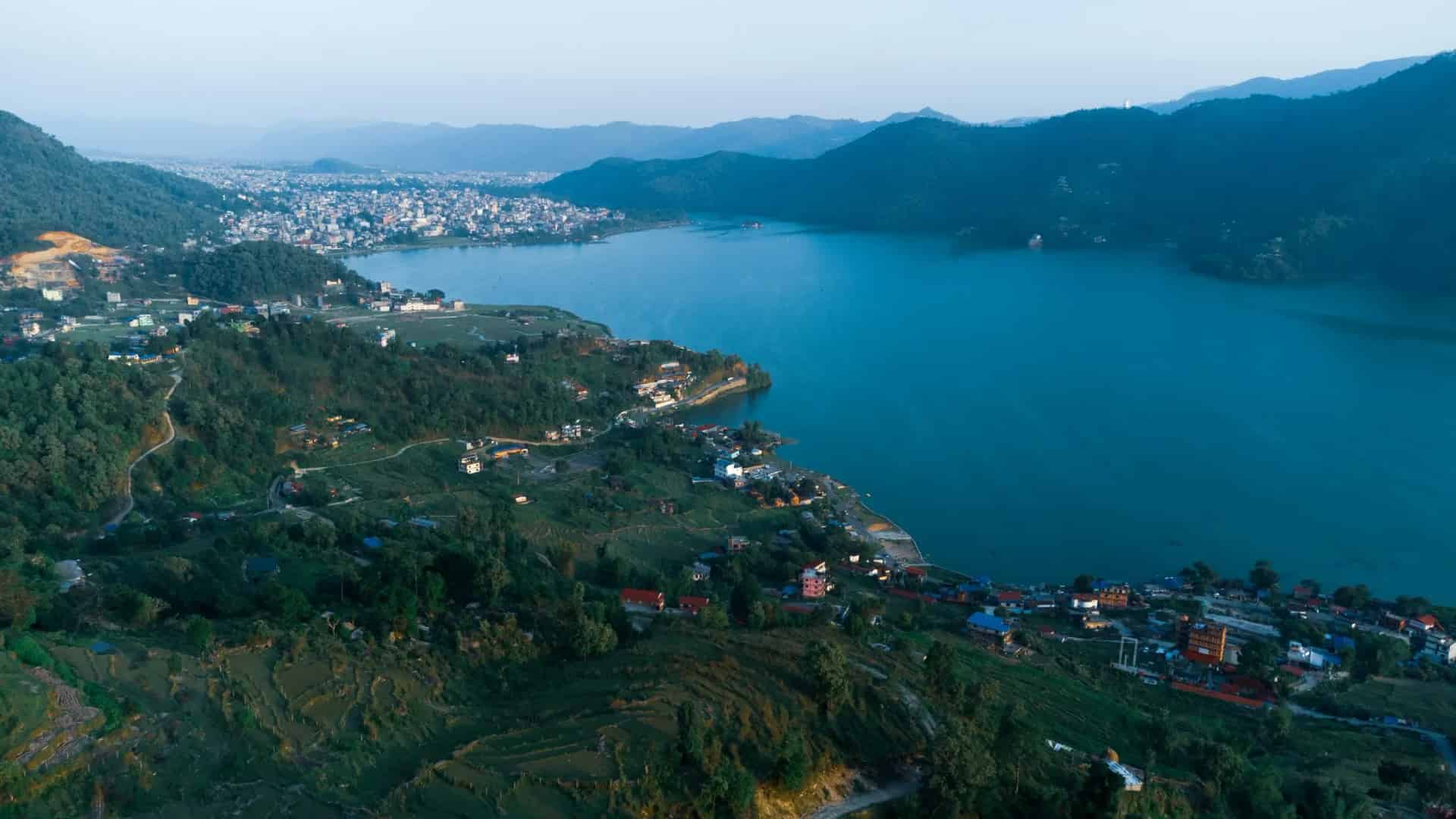
Pokhara feels very different from the rest of Nepal.
After crowded streets, long road journeys, temple areas and busy movement across Kathmandu, Pokhara often feels like the place where the trip finally slows down.
Mornings begin quietly near Phewa Lake. Cafés slowly fill with trekkers, remote workers, couples and travelers watching the mountains appear through changing clouds. Some days are built around boating, short hikes or paragliding. Other days pass almost entirely inside lakeside cafés, bakeries, rooftop restaurants and long evening walks.
And that is exactly why so many travelers end up staying longer than originally planned.
Pokhara is not only about sightseeing or adventure activities.
It is a city built around atmosphere, mountain views, slower pacing and the kind of travel experience that feels difficult to rush.
Whether you are planning a relaxed mountain vacation, a honeymoon, a workation or the beginning of an Annapurna trek, Pokhara usually becomes one of the most memorable parts of Nepal.
Pokhara Travel Snapshot
Topic | Quick Answer |
| Ideal Stay Duration | 2–5 Days |
| Best Time to Visit | October–March |
| Best Area to Stay | Lakeside |
| Main Experience | Mountains, cafés, relaxation, adventure |
| Closest Trekking Gateway | Annapurna Region |
| Best For | Couples, slow travelers, trekkers, café lovers |
| City Personality | Calm, scenic, slower-paced |
Different travel styles also change how Pokhara fits into a Nepal route. Our Nepal Itinerary Guide explains how Pokhara works within 5, 7 and 10-day Nepal travel plans.
What Pokhara Actually Feels Like
Pokhara feels softer and calmer compared to Kathmandu.
The experience here is less about rushing between attractions and more about atmosphere.
Morning light slowly appears over the mountains. Boats move quietly across Phewa Lake. Trekkers prepare for Annapurna routes while cafés fill with travelers spending hours doing very little.
Many travelers arrive expecting Pokhara to simply be:
- a sightseeing destination
OR - a trekking stop
But the city usually becomes something slower and more personal.
Pokhara works especially well for travelers who enjoy:
- mountain cafés
- quiet mornings
- lakeside walks
- scenic downtime
- flexible travel days
rather than aggressive sightseeing schedules.
If you are still planning your overall Nepal journey, our Nepal Travel Guide explains routes, seasons, budgeting and destination planning across the country.
Is Pokhara Worth Visiting?
Yes — for many travelers, Pokhara becomes the emotional highlight of Nepal.
The city works especially well for:
- couples
- café lovers
- trekkers
- photographers
- digital nomads
- travelers recovering after long road journeys or Himalayan treks
Unlike Kathmandu, Pokhara feels far less chaotic and physically exhausting.
Many people visit Pokhara expecting:
- adventure activities
- mountain views
but end up remembering:
- peaceful mornings
- café conversations during rain
- evenings near the lake
- rooftop breakfasts with Himalayan views
- slower days after trekking
much more strongly.
Travelers wanting Nepal’s cultural and spiritual intensity often connect more deeply with Kathmandu.
But Pokhara offers the calmer side of Nepal.
Travelers comparing both cities can also explore our Kathmandu Travel Guide to understand how differently the two destinations feel.
Best Time to Visit Pokhara
The best time to visit Pokhara is usually:
October to March
This period generally offers:
- clearer Himalayan visibility
- pleasant temperatures
- comfortable café weather
- better sunrise conditions
- more reliable mountain views
October and November feel especially rewarding because post-monsoon weather improves visibility dramatically.
Winter mornings can become cold, but the atmosphere feels especially peaceful around lakeside cafés and mountain-view hotels.
Monsoon transforms Pokhara completely.
The mountains often disappear behind clouds, but the city becomes:
- greener
- quieter
- moodier
- more atmospheric
Pokhara, during rain often feels less like a sightseeing destination and more like a mountain town built for slowing down.
Many travelers surprisingly enjoy Pokhara during rainy months because the experience shifts toward:
- cafés
- books
- conversations
- bakeries
- relaxed indoor spaces
Travelers wanting a deeper understanding of Nepal’s seasonal travel patterns can also explore our Best Time to Visit Nepal Guide.
Pokhara Does Not Always Have Clear Mountain Views
One common misconception is that the Himalayas remain constantly visible from Pokhara.
In reality, mountain visibility changes heavily depending on:
- weather
- haze
- clouds
- season
- humidity levels
Some travelers arrive expecting uninterrupted Annapurna views throughout the day and become disappointed when clouds cover the mountains completely.
October to November usually offers the clearest visibility.
Pre-monsoon haze and monsoon clouds can reduce mountain visibility significantly, especially in the afternoons.
This is one reason many travelers stay longer in Pokhara — weather changes constantly and the mountains often appear unexpectedly after rain, early in the morning, or during short clear-weather windows.
Best Areas to Stay in Pokhara
Choosing the right area changes the Pokhara experience significantly.
Lakeside (Best for Most Travelers)
Lakeside is Pokhara’s main tourist area and usually the best choice for first-time visitors.
The area feels relaxed and walkable, filled with:
- cafés
- bakeries
- restaurants
- bike rentals
- yoga spaces
- rooftop stays
- mountain-view hotels
Most travelers stay here because:
- Phewa Lake remains nearby
- cafés and restaurants are accessible on foot
- tourist transport becomes easier
Lakeside works especially well for:
- couples
- café-focused travelers
- honeymoon trips
- long stays
- remote workers
Evenings around Lakeside feel especially memorable when café lights reflect across the lake and mountain air starts cooling the city after sunset.
Sarangkot Area (Mountain Views & Quiet Stays)
Sarangkot sits above Pokhara and offers:
- wider Himalayan views
- quieter stays
- sunrise experiences
- slower mountain atmosphere
This area works well for travelers prioritizing:
- mountain scenery
- peaceful stays
- photography
rather than constant café access and city movement.
Travelers interested in viewpoints and mountain stays can also explore our upcoming Sarangkot Guide.
Top Places to Visit in Pokhara
Pokhara is best experienced without overpacking the itinerary.
The city rewards slower pacing far more than aggressive sightseeing schedules.
Phewa Lake
The emotional center of Pokhara.
Many travelers spend hours here simply:
- boating
- walking
- sitting inside lakeside cafés
- watching changing mountain light across the lake
Sunrise and sunset hours feel especially rewarding.
Sarangkot
One of the most famous viewpoints near Pokhara.
Best known for:
- Himalayan sunrise views
- Annapurna visibility
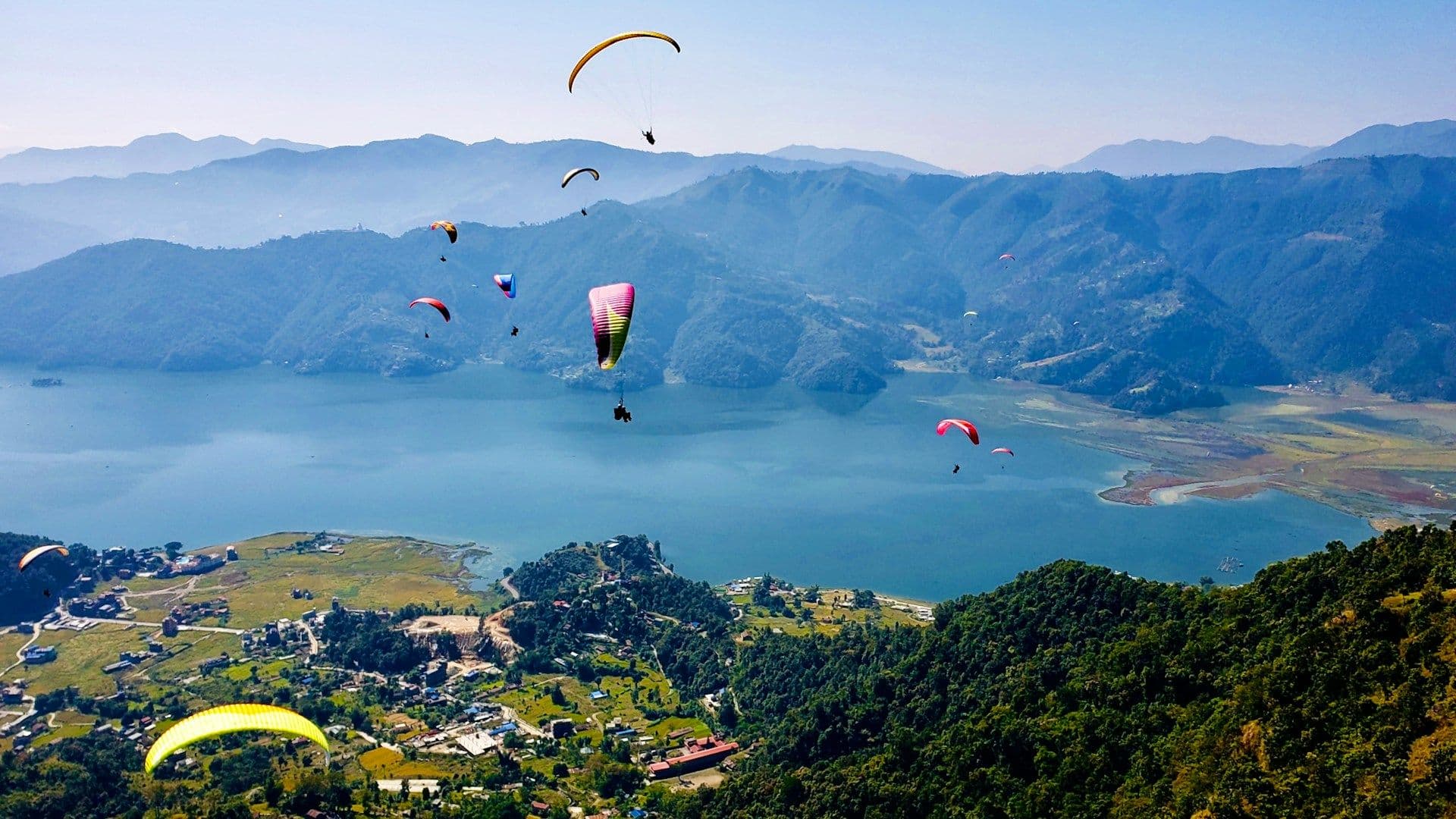
- paragliding experiences
Early mornings usually offer the clearest mountain scenery.
World Peace Pagoda
A peaceful viewpoint overlooking:
- Pokhara city
- Phewa Lake
- surrounding mountains
The atmosphere here feels calmer and quieter compared to the busy lakeside area.
Davis Falls & Gupteshwor Cave
Popular sightseeing stops are located close together.
These places work better as shorter local experiences rather than full standalone attractions.
Lakeside Walks & Café-Hopping
For many travelers, this becomes the best part of Pokhara itself.
Some of the city’s most memorable experiences happen during:
- slow morning walks
- café breaks during rain
- rooftop dinners
- relaxed evenings after trekking
rather than while trying to “cover” attractions quickly.
Pokhara Café & Food Culture: One of the City’s Biggest Experiences
Pokhara’s café culture has become one of the biggest reasons travelers stay longer than originally planned.
The atmosphere feels:
- relaxed
- international
- creative
- mountain-focused
Many cafés overlook:
- Phewa Lake
- quiet streets
- mountain skylines
Unlike many busy tourist destinations, travelers here often spend hours:
- reading
- working remotely
- talking with trekkers
- journaling
- doing absolutely nothing
Many travelers also end up remembering:
- momo cafés after rainy walks
- rooftop breakfasts with Annapurna views
- lakeside bakeries
- warm post-trek meals
- quiet evening cafés with live music
far more than structured sightseeing itself.
Future travelers interested in cafés, bakeries, and work-friendly spaces can also explore our upcoming Pokhara Café Guide.
Pokhara Before & After Trekking
Pokhara is the main gateway to:
Annapurna trekking routes
Most trekkers pass through the city before or after:
- Annapurna Base Camp
- Mardi Himal
- Poon Hill
- Annapurna Circuit sections
Before trekking, travelers usually use Pokhara for:
- permits
- gear shopping
- café downtime
- rest
- final preparation
After trekking, Pokhara often becomes:
The recovery city.
Travelers spend days:
- resting
- eating well
- sitting beside the lake
- recovering from physically demanding mountain routes
Travelers planning Himalayan trekking routes can also explore our Annapurna Base Camp Trek Guide.
Adventure Activities in Pokhara
Although Pokhara feels calm overall, it also offers many adventure experiences.
Popular activities include:
- paragliding
- ziplining
- boating
- mountain biking
- ultralight flights
- short hiking routes
However, Pokhara works best when adventure activities are balanced with downtime.
Trying to overpack activities often removes the relaxed atmosphere that makes the city special.
The Guide to Paragliding in Pokhara: What Has Changed?
Paragliding remains one of Pokhara’s most iconic experiences, but the activity has changed in recent years because of the new airport airspace regulations.
While Sarangkot still remains associated with paragliding, many tandem operators now use alternative flight zones around areas like:
- Mandredhunga
- Chorepatan valleys
Instead of the older lakeside landing patterns, many travelers still expect from outdated blogs and videos.
A standard tandem paragliding experience usually lasts:
20–30 minutes
depending on weather and wind conditions.
Most flights generally cost:
NPR 8,000–12,000
depending on:
- operator
- season
- video/photo packages
Travelers should avoid booking random, heavily discounted flights from unverified street sellers around Lakeside.
Booking through trusted operators or verified tour partners is usually much safer.
How to Travel from Kathmandu to Pokhara: Flight vs Road
Travel between Kathmandu and Pokhara now requires more planning than many travelers expect because of ongoing highway expansion work along the:
Prithvi Highway
Option 1: Tourist Sofa Bus (Budget-Friendly)
Most travelers choose tourist buses between Kathmandu and Pokhara.
However:
avoid standard local buses
if possible.
Instead, travelers usually prefer:
- VIP sofa buses
- deluxe tourist buses
for significantly better comfort.
Buses generally depart:
- early morning from Kathmandu
- Pokhara Tourist Bus Park
The journey currently takes:
around 8–10 hours
depending on:
- road construction
- traffic
- weather
- landslides
The route still offers beautiful scenery, but travelers should realistically expect:
- dust
- bumps
- delays
- construction bottlenecks
Carrying:
- snacks
- water
- motion sickness medicine
usually makes the journey much easier.
Option 2: Domestic Flights (Fastest Option)
Daily flights operate between:
- Kathmandu (KTM)
- Pokhara International Airport
Major airlines include:
- Buddha Air
- Yeti Airlines
Flight duration is usually:
around 25 minutes
Many travelers prefer flying because it saves an entire day of road travel.
For mountain views:
- choose the right-side window while flying from Kathmandu to Pokhara
- choose the left-side window while returning
on clear-weather days.
Important Reality About Pokhara International Airport
Despite the name:
Pokhara International Airport still functions mostly as a domestic airport.
Most international travelers still enter Nepal through:
Kathmandu’s Tribhuvan International Airport
before taking:
- domestic flights
OR - road transport to Pokhara.
Getting Around Pokhara
Pokhara is significantly easier to navigate compared to Kathmandu.
Most travelers mainly use:
- walking
- taxis
- rental scooters
- bicycles
Lakeside remains highly walkable for:
- cafés
- restaurants
- shopping
- evening walks
Traffic exists, but movement usually feels calmer and less stressful compared to larger cities.
Travelers planning movement across Nepal can also explore our Nepal Transport Guide for realistic road travel expectations, tourist buses and domestic flight planning.
Taxi Reality in Pokhara: What Travelers Should Know
Traditional local taxis around Lakeside often quote inflated flat prices to tourists for short distances.
Many travelers now prefer using:
Pathao
for:
- transparent pricing
- easier ride booking
- avoiding negotiation stress
especially for shorter local movement.
Pokhara as a Workation & Slow-Stay Destination
Pokhara has increasingly become popular among:
- remote workers
- long-stay travelers
- digital nomads
- slow travelers
because of:
- relaxed pacing
- café culture
- affordable stays
- mountain atmosphere
Many travelers initially plan:
2–3 days
and unexpectedly extend their stay much longer.
How Many Days Do You Need in Pokhara?
Most travelers should ideally keep:
3–5 Days
This allows enough time for:
- sightseeing
- cafés
- mountain weather flexibility
- sunrise viewpoints
- relaxation
- slower travel pacing
Travelers rushing through Pokhara into a single overnight stop often miss what makes the city memorable.
Common Mistakes Travelers Make in Pokhara
Overplanning Every Day
Pokhara works best with:
- flexible pacing
- slower mornings
- downtime between activities
Expecting Constant Clear Mountain Views
Mountain visibility changes frequently depending on:
- season
- clouds
- weather conditions
Travelers should keep realistic expectations, especially during monsoon and haze periods.
Treating Pokhara Only as a Trekking Stop
Many travelers rush directly into trekking routes without properly experiencing the city itself.
Staying Too Far From Lakeside
For first-time travelers, staying near Lakeside usually improves the overall experience significantly.
Relying Completely on Traditional Taxis
Some local taxis quote inflated flat prices for tourists around Lakeside.
Using Pathao or agreeing on pricing beforehand usually creates a smoother experience.
Is Pokhara Safe for Travelers?
Yes, Pokhara is generally considered one of Nepal’s calmer and more comfortable destinations for travelers.
The atmosphere feels:
- slower
- safer
- less chaotic
compared to larger cities.
Most tourist areas around Lakeside remain comfortable for:
- solo travelers
- couples
- international backpackers
Basic travel awareness still matters, especially during late-night movement and adventure activities.
Pokhara Travel Cost Expectations
Pokhara can work for:
- backpackers
- mid-range travelers
- couples
- boutique luxury stays
- long-stay travelers
Costs mainly depend on:
- hotel type
- café spending
- adventure activities
- trekking plans
Many travelers find Pokhara surprisingly affordable compared to mountain destinations in other countries.
Travelers planning a detailed Nepal budget can also explore our Nepal Trip Cost Guide.
Who Should Prioritize Pokhara?
Pokhara Works Best For:
- couples
- café lovers
- trekkers
- mountain-view travelers
- honeymoon trips
- digital nomads
- travelers wanting a slower pace
Pokhara May Feel Less Exciting For:
- travelers wanting intense nightlife
- ultra-fast sightseeing styles
- culture-first travelers focused mainly on heritage and temples
Those travelers often connect more strongly with Kathmandu.
Final Thoughts
Pokhara is not the kind of destination people usually remember because of a single attraction.
They remember:
- slow mornings beside the lake
- mountains appearing after hours of clouds
- quiet cafés during rainfall
- rooftop dinners after trekking
- conversations that stretch late into the evening
- days that feel slower than the rest of the trip
And somewhere between the cafés, mountain views, lakeside walks and changing weather, Pokhara starts feeling less like a stop in Nepal and more like a place people genuinely do not want to leave.
If you are planning your Nepal journey, you can also explore our Nepal tour packages for trekking routes, honeymoon trips, mountain vacations, slow-travel experiences and customized Nepal itineraries.