Nepal is one of the easiest international destinations for Indian travelers, but first-time visitors still make a few common planning mistakes that affect comfort, budget and overall trip quality.
Most problems usually come from unrealistic itineraries, misunderstanding mountain travel, underestimating road conditions or assuming Nepal works exactly like India operationally.
This guide covers the biggest mistakes first-time Nepal travelers make and explains how to avoid them more practically while planning your overall Nepal trip and building a smoother Nepal travel guide for first-time travel.
Trying to Cover Too Many Places Too Quickly
This is probably the most common Nepal travel mistake.
Many first-time travelers try to fit:
- Kathmandu
- Pokhara
- Chitwan
- Lumbini
- trekking routes
into a very short itinerary because distances on maps appear manageable.
But Nepal travel moves much more slowly than most travelers initially expect.
Mountain roads, traffic bottlenecks, weather changes and construction work can turn relatively short distances into full-day travel experiences.
A much smoother Nepal trip usually comes from:
- fewer destination jumps
- longer stays
- realistic transfer days
- slower pacing
For most first-time visitors, building a balanced Nepal itinerary matters far more than trying to maximize destination count.
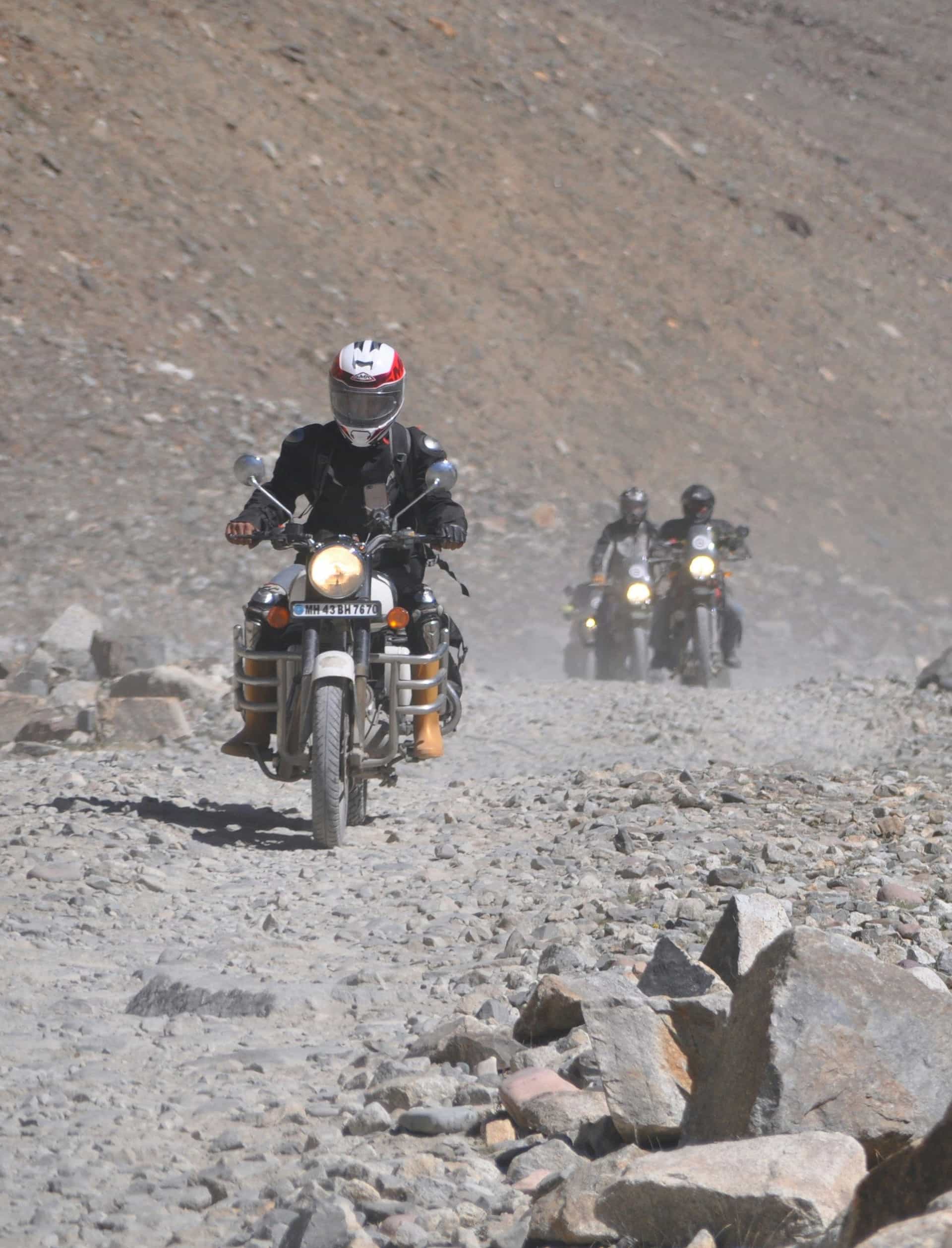
Underestimating Nepal’s Road Travel
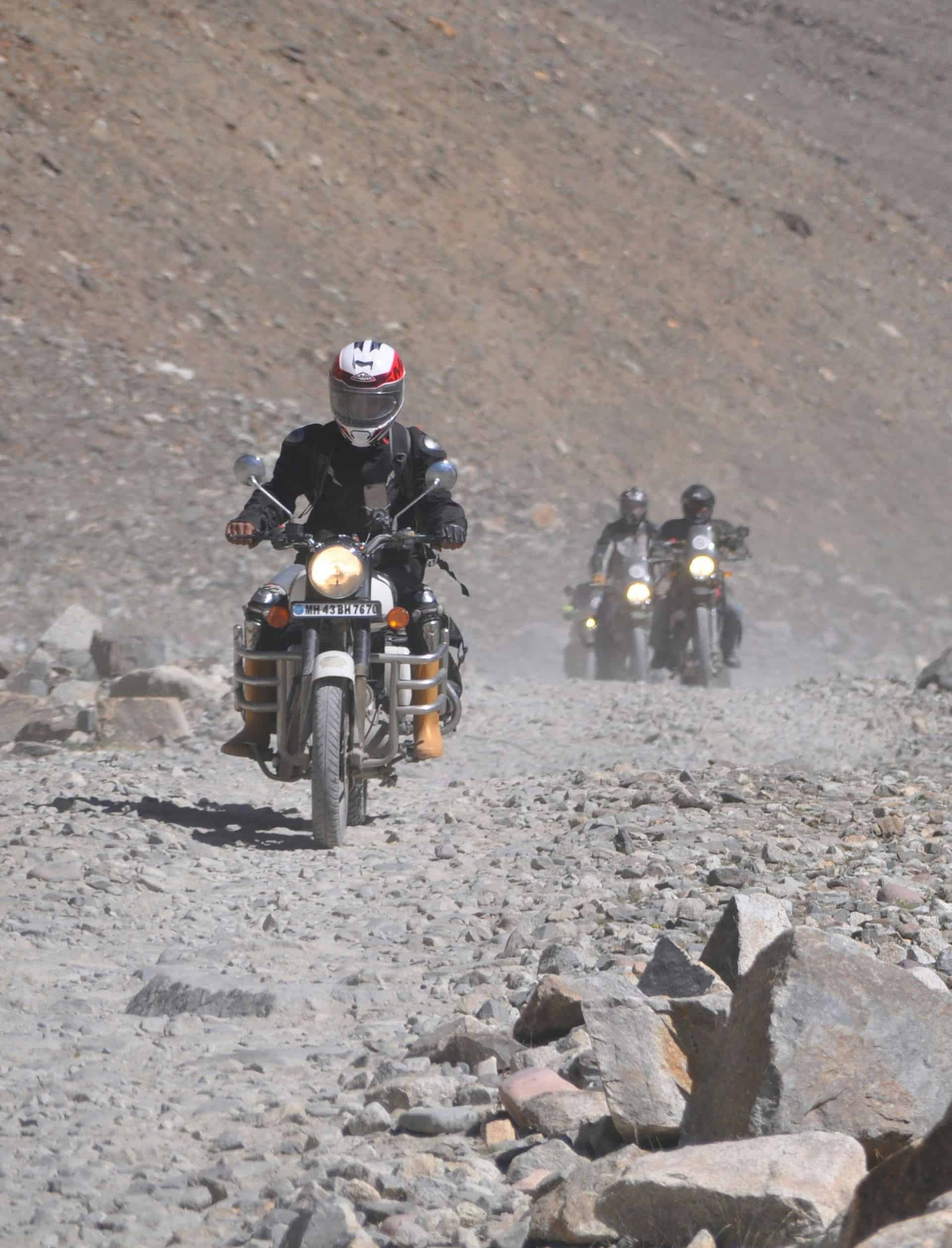
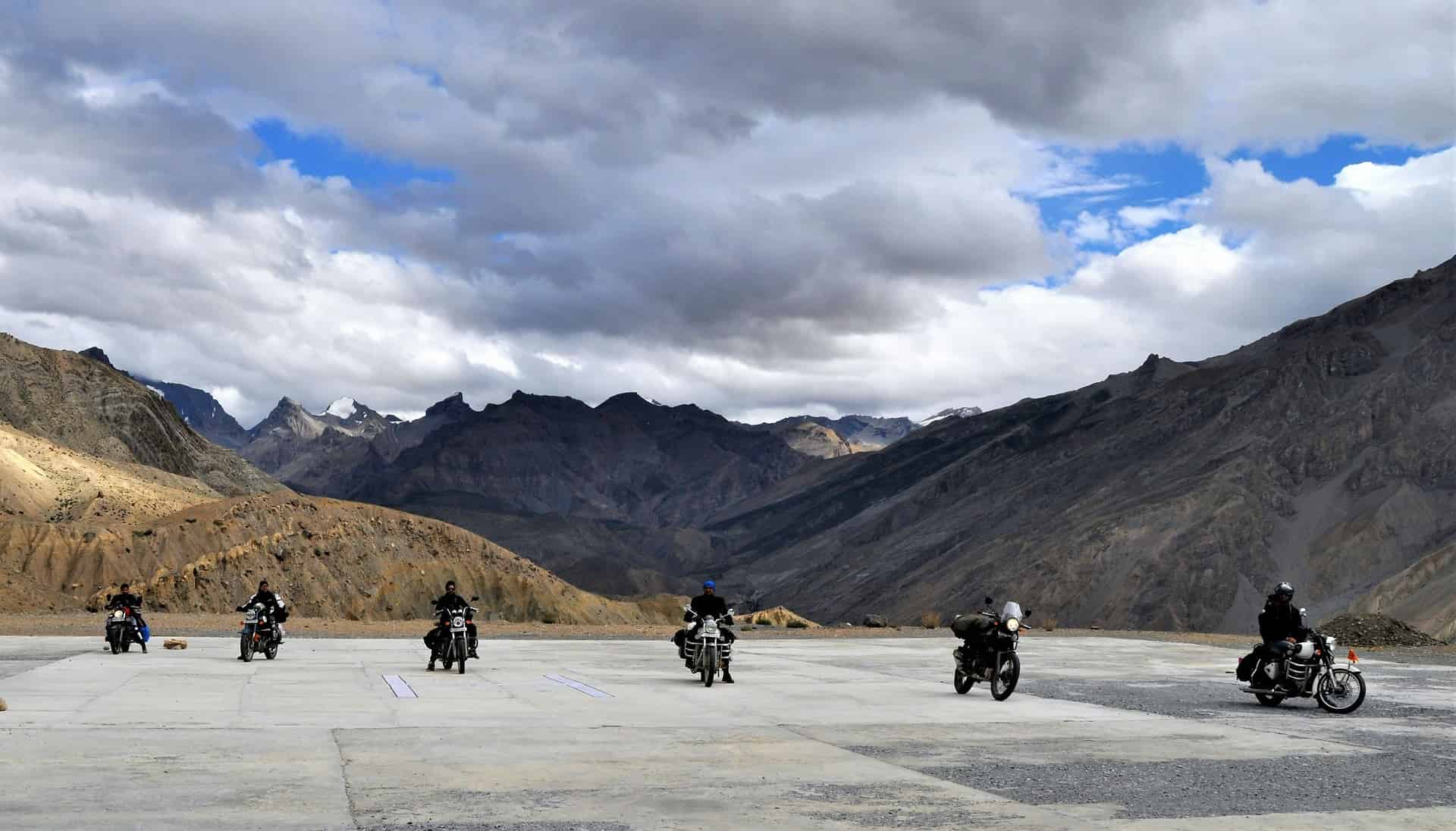
One overlooked part of Nepal planning is how physically tiring road travel can become across mountain routes.
Many travelers assume that Nepal road travel works similarly to highway travel in India.
In reality:
- mountain roads move slower
- weather affects travel frequently
- landslides can delay routes
- ongoing road construction is common
- travel fatigue builds faster
The Kathmandu–Pokhara route especially surprises many first-time visitors because the distance looks short online but road journeys can still take most of the day.
Understanding realistic transportation in Nepal before the trip helps avoid major planning mistakes.
Self-Drive Mistakes at the Nepal Border
Travelers entering Nepal with their own Indian-registered car or bike sometimes underestimate local border and traffic regulations.
Two common mistakes include:
- ignoring the temporary vehicle permit's validity
- Assuming Indian vehicle rules apply the same way in Nepal
Tinted window regulations are enforced much more strictly in Nepal, especially on cross-border routes and highway checkpoints.
Similarly, temporary vehicle permits issued at the border should always be checked carefully for their validity duration before continuing long road trips inside Nepal.
Ignoring Weather While Planning the Trip
The weather affects Nepal travel much more heavily than many first-time visitors initially expect.
This becomes especially noticeable during:
- monsoon season
- winter fog
- trekking months
Road conditions, visibility, domestic flights, and mountain views all depend heavily on seasonal timing.
For example:
- monsoon can increase landslide risks
- winter mornings can delay flights
- peak trekking months become more crowded and expensive
Choosing the right time to visit Nepal often improves the entire trip experience more than adding extra destinations.
Assuming UPI and Digital Payments Work Everywhere
Digital payments have improved significantly in Nepal, especially in:
- Kathmandu
- Pokhara
- larger tourist zones
But many first-time travelers still make the mistake of depending entirely on UPI or cards.
Smaller towns, roadside cafés, local taxis and mountain regions still rely heavily on cash in many situations.
Even where QR payments work, internet connectivity can occasionally affect transactions.
Understanding how digital payments in Nepal actually work helps travelers avoid unnecessary stress during the trip.
Forgetting to Activate International UPI Access
Many Indian travelers only realize after reaching Nepal that international UPI access may need activation inside their banking or payment app beforehand.
Apps like:
- PhonePe
- BHIM
- supported banking apps
may require enabling international UPI settings before international QR scans work properly.
Trying to configure payment apps later, using unstable roaming networks or delayed OTP access can become frustrating during the trip.
Setting this up before departure usually makes cross-border payments much smoother.
Booking Extremely Tight Itineraries
One delayed bus, weather-affected flight or landslide-related road slowdown can disrupt an entire tightly packed Nepal itinerary.
This is why ultra-aggressive schedules usually create more stress than efficiency.
A common mistake:
- arriving in Kathmandu
- immediately traveling long distance
- returning quickly
- trying to fit multiple transfers into consecutive days
Nepal usually feels much smoother when travelers keep:
- flexible buffer time
- slower movement days
- lighter daily schedules
This becomes even more important for families and first-time international travelers.
Not Researching Entry Requirements Properly
Nepal is easier than many international destinations for Indian travelers, but confusion around:
- passport rules
- voter ID usage
- border crossings
- permit requirements
still causes unnecessary stress.
Many travelers are surprised to learn that some routes and services may still ask for identity verification even when passport-free entry is allowed.
Understanding how to travel to Nepal from India before departure avoids last-minute confusion at airports and border points.
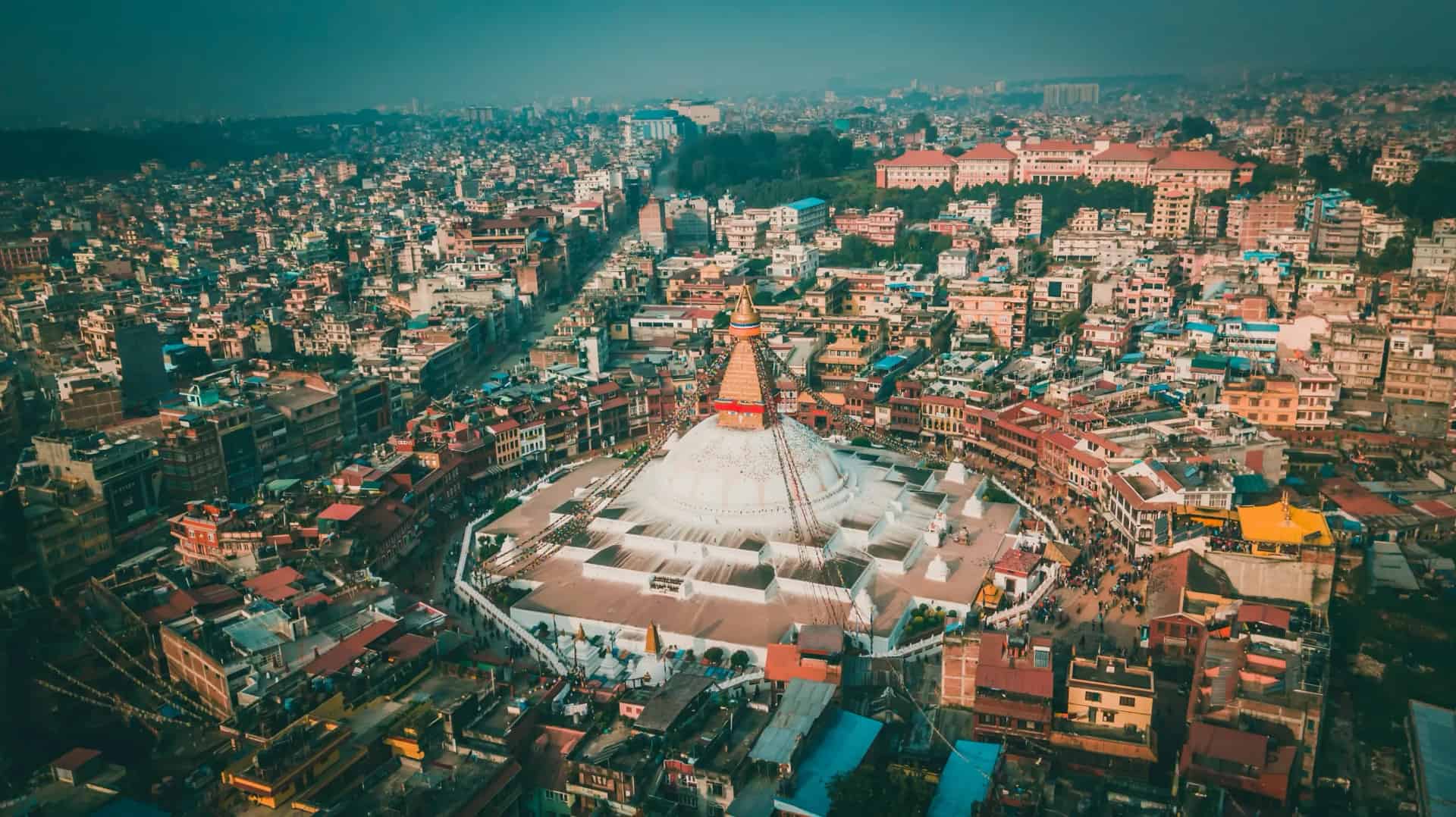
Treating Kathmandu Like Just a Transit City
A lot of first-time visitors rush through Kathmandu too quickly because they view it only as an arrival point before heading toward Pokhara or trekking regions.
But Kathmandu usually deserves more time than travelers initially expect.
The city offers:
- heritage areas
- café culture
- temples
- local markets
- food experiences
- slower neighborhood exploration
Spending at least a couple of days properly exploring Kathmandu often improves the overall Nepal experience significantly.
Overpacking the Trip Around Social Media Expectations
A common modern travel mistake is planning Nepal entirely around:
- Instagram spots
- viral reels
- fast itineraries
- “cover everything” travel content
Short-form travel videos often compress long road journeys, weather unpredictability, and slow travel days into quick highlight clips, creating unrealistic expectations around travel pace in Nepal.
Nepal works best when travelers leave space for:
- slower travel
- weather changes
- road delays
- flexible exploration
The experience often becomes better once travelers stop trying to optimize every hour of the trip.
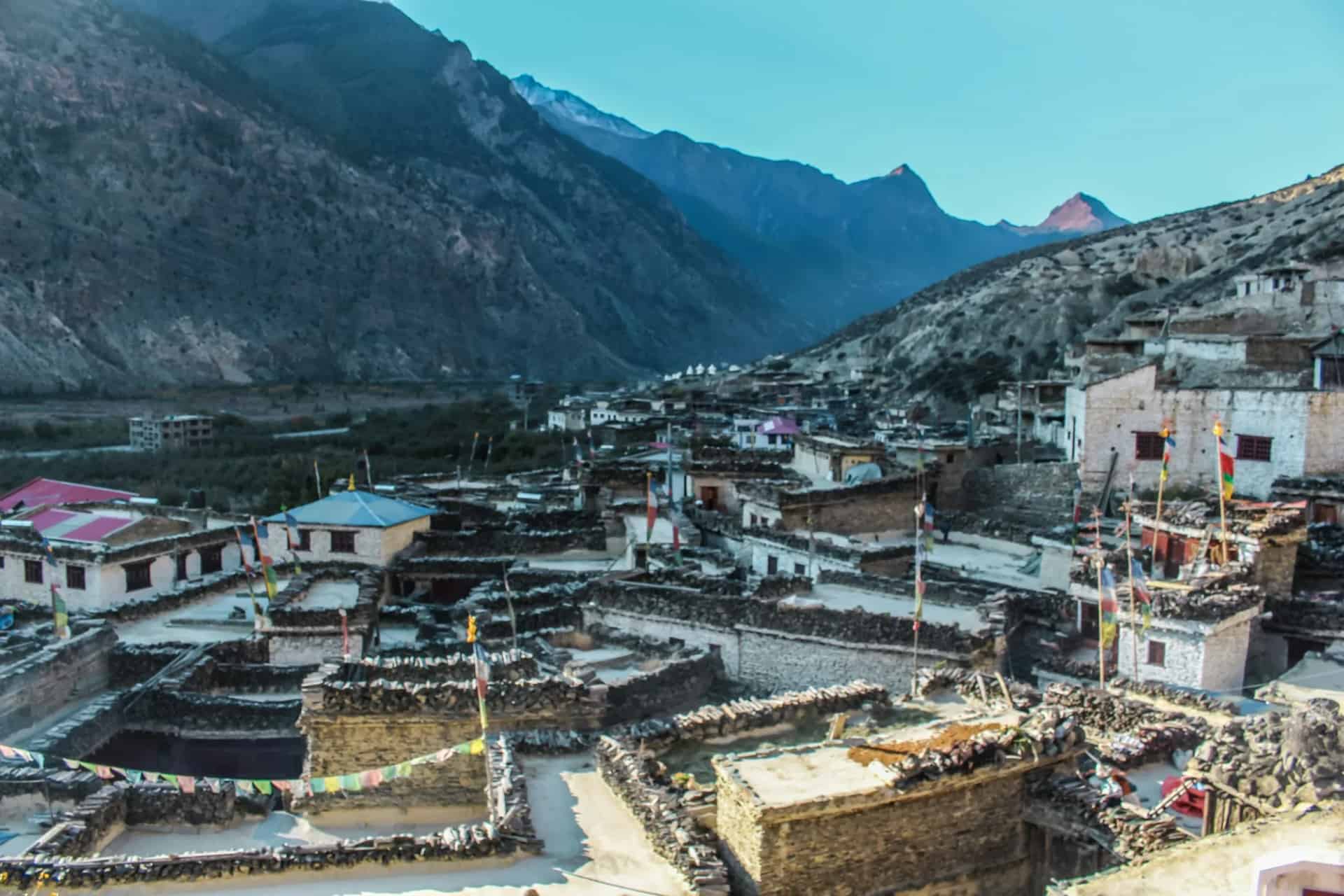
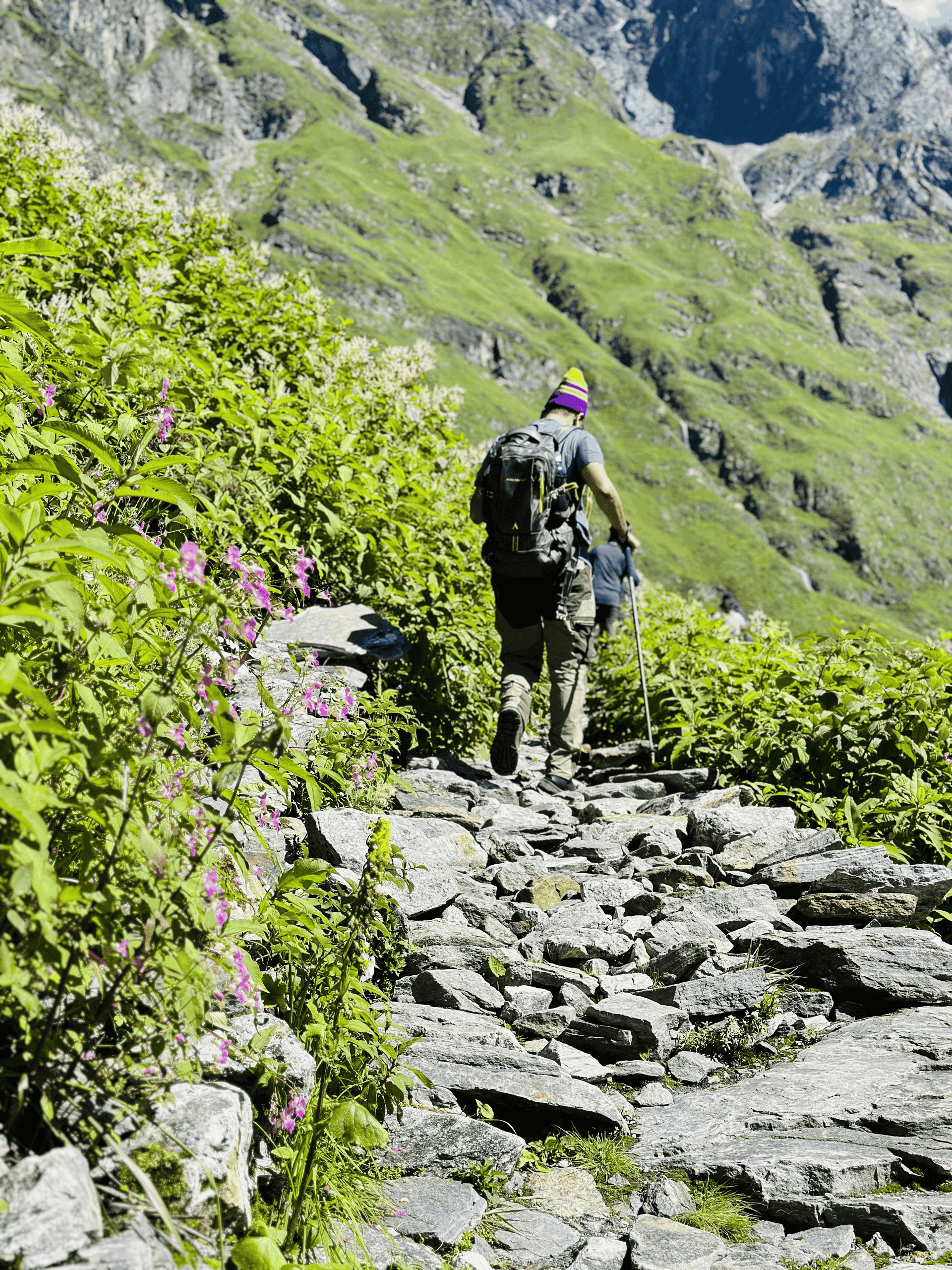
Not Preparing Properly for Mountain Regions
Travelers heading toward trekking areas or higher-altitude regions sometimes underestimate:
- weather shifts
- temperature drops
- connectivity limitations
- road accessibility
- physical fatigue
Mountain travel in Nepal often requires:
- slower pacing
- additional buffer time
- backup planning
- practical packing
Researching trekking routes in Nepal properly becomes important even for shorter beginner treks.
Ignoring Nepal’s Trekking Guide Rules
Many older blogs and backpacking forums still mention solo trekking freely across Nepal.
However, trekking regulations in several major trekking regions now require travelers to use registered guides or authorized agencies in many protected areas.
This especially affects routes around:
- Annapurna
- Langtang
- other popular trekking circuits
Depending entirely on outdated trekking information can create major planning problems after arriving in Nepal.
Checking updated trekking requirements before the trip is always safer, especially for first-time trekkers.
Ignoring SIM Card and Connectivity Planning
Many travelers assume their Indian network will work reliably throughout Nepal.
While roaming options exist, mobile connectivity quality can vary depending on:
- carrier
- mountain regions
- remote travel zones
Ride apps, digital payments, maps, hotel communication and bookings all become easier with stable local internet access.
Understanding local Nepal SIM card options before arrival makes travel smoother, especially for longer trips.
Expecting Nepal to Be Extremely Cheap Everywhere
Nepal is still relatively affordable compared to many international destinations, but not every part of the country feels “budget” anymore.
Tourist-heavy areas, premium stays, domestic flights, trekking logistics and peak-season pricing can increase overall costs quickly.
Many travelers underestimate:
- transport expenses
- flight costs
- café pricing
- trekking permits
- seasonal hotel rates
Building realistic Nepal trip costs before the trip helps avoid overspending and poor itinerary decisions later.
Not Leaving Space for Slow Travel
Some of the best Nepal experiences happen outside rigid planning.
Long café mornings in Pokhara, unexpected weather changes in the hills, relaxed evenings in Kathmandu or scenic roadside stops during mountain drives often become the most memorable parts of the trip.
Travelers who leave some flexibility in their schedule usually enjoy Nepal far more than those trying to optimize every movement.
Travelers booking a Nepal tour package also tend to enjoy the experience more when itineraries leave room for slower movement and flexible travel days instead of rushing continuously between destinations.
Final Thoughts
Most first-time Nepal travel mistakes happen because travelers underestimate how differently the country moves compared to typical fast-paced itineraries.
Road travel takes longer, weather affects plans more frequently and mountain regions require greater flexibility than many visitors initially expect. But once expectations become more realistic, Nepal usually feels easier and more rewarding to explore.
A slower itinerary, practical planning and some flexibility often lead to a much better Nepal experience than trying to optimize every destination or activity too aggressively.