Chitwan National Park offers a completely different side of Nepal from the Himalayan trekking routes and historic cities that dominate most travel itineraries. Located in the subtropical lowlands of southern Nepal, this UNESCO World Heritage Site is famous for its jungle safaris, one-horned rhinoceros sightings, rich birdlife and diverse wildlife experiences.
For many travelers, Chitwan becomes the perfect balance to destinations like Kathmandu and Pokhara. While the mountains showcase Nepal's dramatic landscapes and cultural cities highlight its heritage, Chitwan introduces visitors to the country's remarkable natural side.
Whether you're planning your first jungle safari or deciding if Chitwan deserves a place in your Nepal itinerary, this guide covers everything you need to know before visiting.
Where Is Chitwan National Park?
Chitwan National Park is located in Nepal's Terai region in the southern part of the country, close to the Indian border.
The park lies approximately:
- 160 km from Kathmandu
- 150 km from Pokhara
Most visitors stay in Sauraha, the primary tourism hub located on the edge of the national park. Sauraha serves as the starting point for safaris, canoe rides, wildlife excursions, and cultural experiences.
Because of its convenient location, Chitwan is commonly combined with destinations such as Kathmandu and Pokhara. If you're planning a multi-destination trip, our Nepal Travel Guide and Nepal Itinerary Guide can help you build an efficient route across the country.
Why Is Chitwan National Park Famous?
Chitwan National Park is Nepal's most famous wildlife destination and one of Asia's leading conservation success stories.
The park is renowned for:
- One-horned rhinoceros conservation
- Bengal tiger habitat
- Jungle safaris
- Rich birdlife
- Crocodile populations
- Tharu culture
- Diverse ecosystems
Unlike Nepal's mountain regions, Chitwan features grasslands, forests, wetlands and river systems that support a remarkable variety of wildlife.
For travelers looking to experience more than temples and mountains, Chitwan provides one of the most rewarding nature experiences in Nepal.
Chitwan National Park Entry Permit Awareness
Before booking activities, it's important to understand that many experiences inside the national park require an official park entry permit.
Activities that may require park access include:
- Jeep safaris
- Jungle walks
- Certain canoe excursions
- Wildlife observation activities
Permit policies, operating hours and fees can change over time, so visitors should always confirm the latest information with their accommodation provider or authorized tour operator before their trip.
If you're planning multiple safari activities, organizing them efficiently can help maximize your time inside the national park.
What Animals Can You Actually See in Chitwan?
One of the biggest reasons travelers visit Chitwan is the chance to see wildlife in its natural habitat.
However, it's important to approach a safari with realistic expectations.
Common Wildlife Sightings
Many visitors regularly encounter:
- One-horned rhinoceros
- Spotted deer
- Sambar deer
- Wild boar
- Marsh mugger crocodiles
- Monkeys
- Peacocks
- Kingfishers
- Various bird species
These sightings are relatively common and often become highlights of a Chitwan visit.
Less Common Wildlife Sightings
Some animals are present but considerably harder to spot:
- Bengal tigers
- Leopards
- Sloth bears
- Wild elephants
Whether you see these species often depends on:
- Season
- Weather
- Safari route
- Visibility conditions
- Luck
Many first-time visitors arrive hoping to see a tiger, but Chitwan's dense vegetation means even experienced guides cannot guarantee sightings.
Wildlife Expectations for First-Time Visitors
The best approach to Chitwan is to focus on the overall safari experience rather than one specific animal.
Most travelers leave with memorable encounters involving:
- Rhinos grazing in open grasslands
- Crocodiles along riverbanks
- Herds of deer
- Colorful birdlife
- Beautiful jungle landscapes
A successful safari is about experiencing the ecosystem as a whole rather than chasing a single sighting.
Best Things to Do in Chitwan National Park
Experience a Jeep Safari
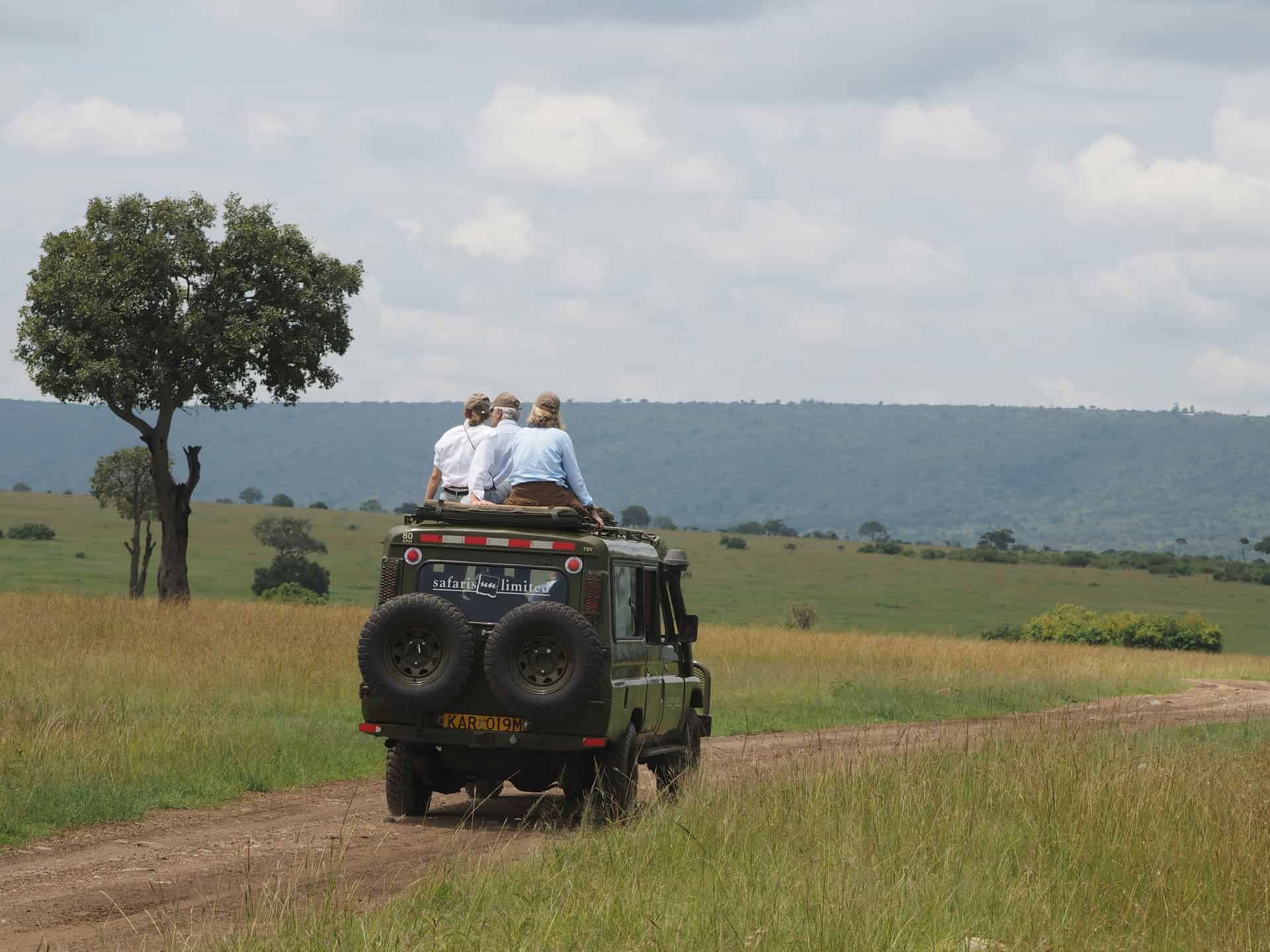
A jeep safari is the most popular way to explore Chitwan National Park.
It allows visitors to:
- Cover larger distances
- Access deeper sections of the jungle
- Increase wildlife viewing opportunities
- Explore multiple habitats in a single trip
For first-time visitors, a jeep safari is often the best introduction to Chitwan.
Take a Canoe Safari
A canoe safari provides a quieter and more scenic perspective of the park.
Highlights include:
- Peaceful river journeys
- Crocodile sightings
- Birdwatching opportunities
- Excellent photography conditions
Because of the slower pace, canoe rides are particularly popular among nature lovers and photographers.
Join a Guided Jungle Walk
Walking through the jungle with a trained naturalist offers a completely different experience from vehicle-based safaris.
Benefits include:
- Learning about animal tracks
- Understanding local ecosystems
- Observing plant life
- Experiencing the forest up close
All jungle walks should be conducted with authorized guides and follow park safety regulations.
Go Birdwatching
Chitwan is one of Nepal's premier birdwatching destinations.
The park supports hundreds of bird species, making it attractive to both dedicated birders and casual wildlife enthusiasts.
Birdwatching can be especially rewarding during cooler months when visibility improves and migratory birds are present.
Experience Tharu Culture
The indigenous Tharu community has lived in the Chitwan region for generations and remains an important part of the area's identity.
Visitors can experience:
- Traditional villages
- Local customs
- Cultural performances
- Regional cuisine
- Community traditions
If you're interested in discovering more local dishes during your Nepal trip, our Nepal Food Guide highlights some of the country's most popular culinary experiences.
Rhino Safari in Chitwan
If there is one wildlife experience that defines Chitwan, it is seeing the greater one-horned rhinoceros.
While tiger sightings often receive the most attention, rhinos are the true stars of the park.
Visitors frequently encounter rhinos:
- Grazing in grasslands
- Resting near rivers
- Feeding in wetlands
- Moving through forest corridors
Unlike many wildlife destinations where iconic animal sightings are rare, rhino encounters in Chitwan are relatively common.
For many travelers, seeing a wild rhinoceros becomes one of the highlights of their entire Nepal journey.
Can You See Tigers in Chitwan?
The short answer is yes.
Chitwan National Park is home to a healthy population of Bengal tigers and remains one of Nepal's best locations for potential tiger sightings.
However, visitors should maintain realistic expectations.
Why Tiger Sightings Are Difficult
Unlike open safari destinations, Chitwan contains:
- Dense forests
- Thick vegetation
- Tall elephant grass
- Riverine woodland
These habitats provide excellent cover for wildlife but make visual sightings much harder.
A tiger may be extremely close to your safari route without ever becoming visible.
When Are Tiger Sightings More Likely?
Wildlife visibility generally improves between late winter and early spring.
During this period:
- Vegetation becomes less dense
- Visibility improves
- Water sources become more concentrated
- Animal movement becomes easier to observe
Although no season guarantees tiger sightings, these conditions can improve viewing opportunities.
The Right Safari Mindset
The best way to approach a Chitwan safari is to appreciate every wildlife encounter.
A day that includes rhinos, crocodiles, deer, birds, and beautiful jungle scenery is still an exceptional wildlife experience—even if a tiger remains hidden.
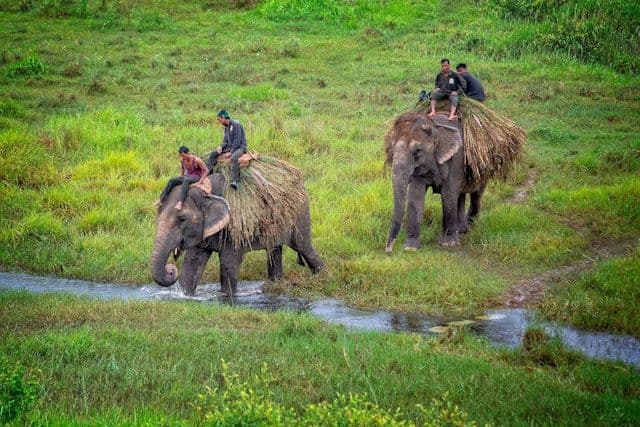
The Ethical Elephant Tourism Debate
Travelers researching Chitwan often encounter discussions about elephant tourism and wildlife ethics.
In recent years, many visitors have become more conscious of animal welfare and increasingly prefer wildlife experiences that minimize impact on animals.
As a result, many travelers now choose:
- Jeep safaris
- Guided jungle walks
- Canoe safaris
- Responsible wildlife observation
over elephant-back riding activities.
Sustainable Alternatives
If your goal is to experience Chitwan responsibly, consider:
- Open jeep safaris
- Guided nature walks
- Birdwatching excursions
- River-based wildlife viewing
- Community-led cultural experiences
These activities allow visitors to enjoy Chitwan's wildlife while supporting more sustainable tourism practices.
Chitwan Safari Options Compared
Activity | Best For | Experience Style |
| Jeep Safari | First-time visitors | Wildlife-focused |
| Canoe Safari | Birdwatchers & photographers | Relaxed and scenic |
| Jungle Walk | Nature enthusiasts | Immersive |
| Cultural Program | Families & cultural travelers | Local experiences |
Most visitors find that combining two or more activities provides the most rewarding Chitwan experience.
How Many Days Do You Need in Chitwan?
Most travelers spend between two and three days in Chitwan, which provides enough time to enjoy the main wildlife experiences without feeling rushed.
One Day in Chitwan
A one-day visit is possible if you're short on time, but you'll need to prioritize activities carefully.
You can typically fit in:
- A jeep safari or canoe ride
- A cultural program
- Sunset by the Rapti River
While enjoyable, a single day limits your chances of seeing a variety of wildlife.
Two Days in Chitwan
For most travelers, two days is the ideal duration.
This allows time for:
- A jeep safari
- Canoe safari
- Jungle walk
- Tharu cultural experience
- Birdwatching opportunities
Two days offers a good balance between wildlife experiences and overall travel plans.
Three Days in Chitwan
Three days or more is ideal for:
- Wildlife enthusiasts
- Photographers
- Birdwatchers
- Slow travelers
Longer stays often lead to more rewarding wildlife encounters and a deeper appreciation of the region.
Where to Stay in Chitwan
Most visitors stay in Sauraha, the main tourism hub located near the national park entrance.
Sauraha is popular because it offers:
- Easy safari access
- Restaurants and cafés
- Cultural programs
- Riverside accommodation
- Transportation connections
For first-time visitors, Sauraha is generally the most convenient and practical base.
Chitwan From Kathmandu or Pokhara?
Chitwan is commonly visited as part of a broader Nepal itinerary and pairs particularly well with Kathmandu and Pokhara.
Visiting Chitwan From Kathmandu
Many travelers visit Chitwan after exploring Nepal's capital city.
Kathmandu offers:
- UNESCO World Heritage Sites
- Historic temples
- Local markets
- Cultural experiences
If you're planning time in the capital before heading into the jungle, our Kathmandu Travel Guide covers everything you need to know.
Visiting Chitwan From Pokhara
Chitwan and Pokhara complement each other exceptionally well.
Many travelers spend time in Pokhara enjoying:
- Phewa Lake
- Mountain views
- Adventure sports
- Relaxed cafés
before heading to Chitwan for wildlife experiences.
If Pokhara is part of your trip, our Pokhara Travel Guide can help you plan your stay.
Chitwan vs Pokhara: Which Should You Choose?
Many travelers with limited time find themselves choosing between Chitwan and Pokhara.
The good news is that both destinations offer completely different experiences.
Choose Chitwan If You Want
- Wildlife encounters
- Jungle safaris
- Nature experiences
- Birdwatching
- Rhinos and other animals
Choose Pokhara If You Want
- Mountain views
- Lakeside relaxation
- Adventure sports
- Cafés and nightlife
- Easy access to trekking routes
For most travelers, the ideal Nepal itinerary includes both destinations.
If you're comparing Nepal's major destinations, our Pokhara vs Kathmandu guide may also help with your planning.
Best Time to Visit Chitwan
Chitwan can be visited throughout the year, but certain seasons provide better wildlife viewing opportunities.
Autumn (September–November)
Autumn offers:
- Pleasant temperatures
- Green landscapes
- Comfortable weather
This is one of the most popular times to visit Nepal overall.
For broader seasonal planning, see our Best Time to Visit Nepal guide.
Winter (December–February)
Winter is often considered one of the best seasons for wildlife viewing.
Benefits include:
- Clear mornings
- Comfortable daytime temperatures
- Better visibility in the forest
- Excellent birdwatching conditions
If you're considering a winter trip, our Nepal in Winter guide provides additional insights.
Spring (March–May)
Spring brings warmer temperatures and good wildlife activity.
This period is particularly attractive for:
- Nature lovers
- Birdwatchers
- Wildlife photographers
Monsoon (June–August)
The monsoon transforms Chitwan into a lush green landscape.
However, visitors should expect:
- Heavy rainfall
- Muddy conditions
- Reduced visibility in some areas
If you're planning a rainy-season trip, our Nepal During Monsoon guide explains what to expect.
Is Chitwan Worth Visiting?
Absolutely.
Chitwan offers an experience that is completely different from the mountain-focused image many travelers associate with Nepal.
Reasons to visit include:
- Rhino sightings
- Jungle safaris
- Rich biodiversity
- Birdwatching opportunities
- Tharu culture
- Family-friendly activities
- Unique wildlife experiences
Chitwan is also a fantastic addition to honeymoon itineraries, offering a peaceful nature escape after exploring cities or mountain destinations. Couples planning a romantic Nepal trip may also find our Nepal Honeymoon Guide useful.
Whether you're a wildlife enthusiast or simply looking to experience a different side of Nepal, Chitwan is one of the country's most rewarding destinations.
Suggested Chitwan Itinerary
2-Day Chitwan Itinerary
Day 1
- Arrive in Sauraha
- Explore the local area
- Enjoy a Tharu cultural program
- Watch sunset along the Rapti River
Day 2
- Morning jeep safari
- Canoe ride
- Wildlife observation
- Departure
3-Day Chitwan Itinerary
Day 1
- Arrival in Sauraha
- Village walk
- Cultural experience
Day 2
- Jeep safari
- Canoe safari
- Birdwatching
Day 3
- Guided jungle walk
- Relaxation
- Departure
Exploring More of Nepal
Chitwan is often one stop on a larger Nepal journey.
After your wildlife adventure, consider exploring some of Nepal's other remarkable destinations.
Discover Nepal's Cultural Heritage
Continue your journey with our Kathmandu Travel Guide, where you'll find temples, markets, and UNESCO World Heritage Sites.
You can also explore the historic cities covered in our Bhaktapur Travel Guide and Patan Travel Guide, both known for their Newari architecture and rich cultural heritage.
Head to the Mountains
If you're interested in mountain scenery and adventure, our Pokhara Travel Guide is the perfect next step.
Trekkers can also explore:
- Everest Base Camp Trek Guide for Beginners
- Annapurna Base Camp Trek Guide
- Annapurna Circuit Trek Guide
Final Thoughts
Chitwan National Park proves that Nepal is much more than mountains and trekking trails. From rhino sightings and jungle safaris to birdwatching and cultural experiences, the park offers a side of Nepal that many travelers don't expect.
Whether you're exploring the jungle by jeep, gliding along the river in a canoe or simply watching wildlife in its natural habitat, Chitwan delivers memorable experiences that complement the country's famous Himalayan destinations.
For travelers seeking nature, wildlife and a different perspective on Nepal, Chitwan National Park is absolutely worth adding to the itinerary.