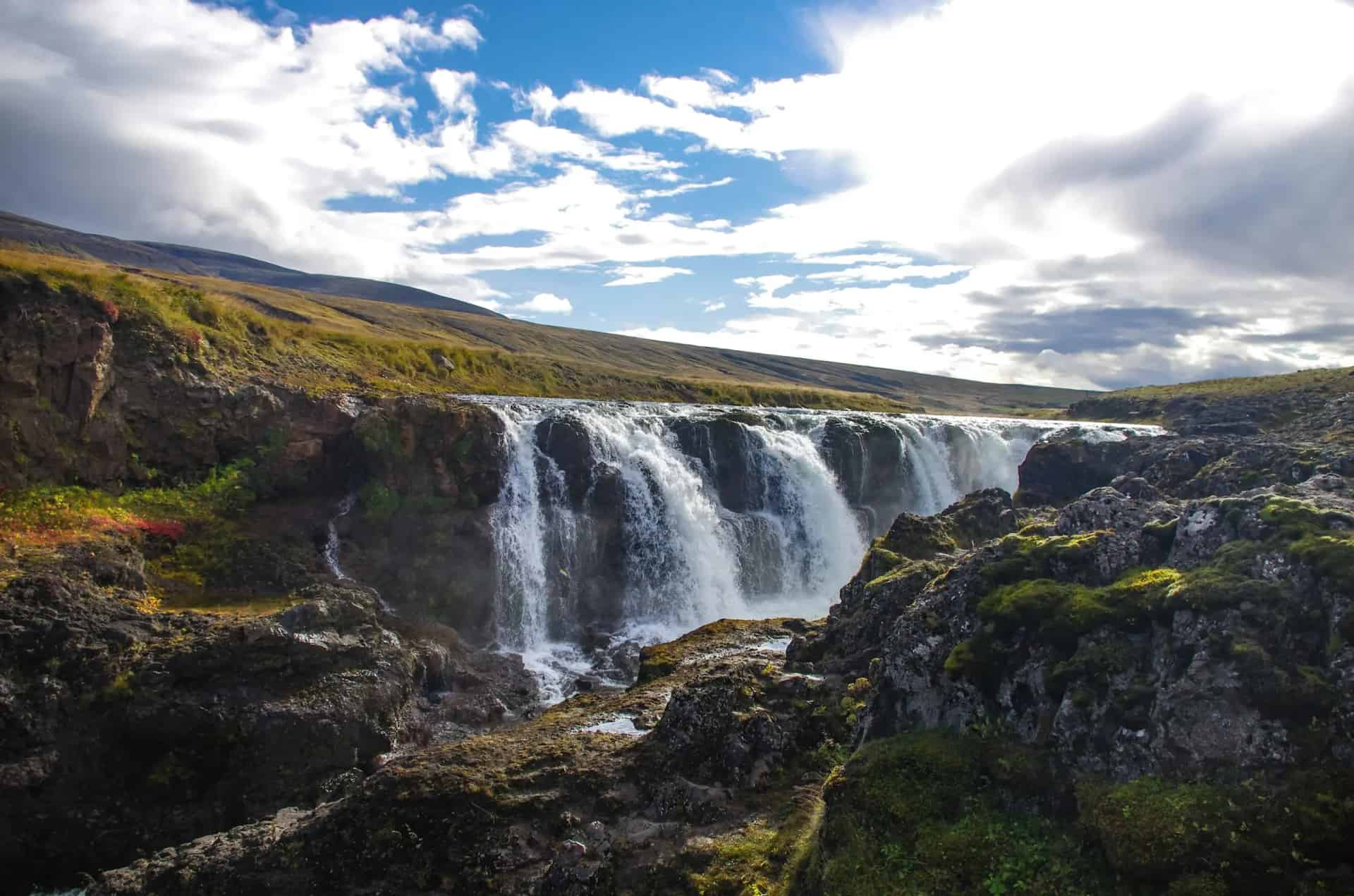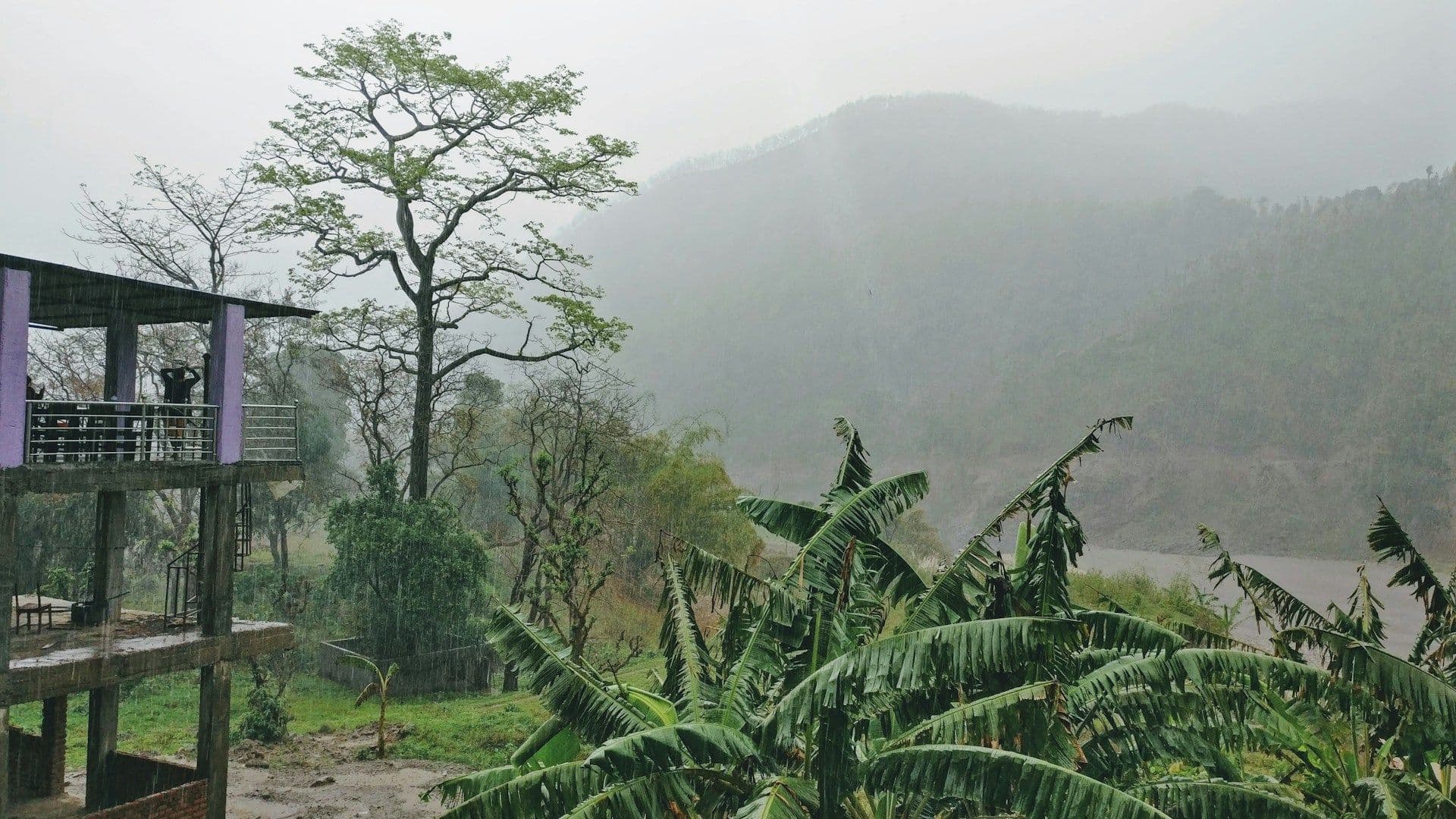
Monsoon changes Nepal completely. The mountains disappear behind clouds, roads become slower, waterfalls grow stronger, forests turn intensely green and cities like Pokhara begin to feel quieter compared to the busy trekking seasons.
For some travelers, this becomes the worst time to visit Nepal. For others, the monsoon ends up becoming one of the most peaceful and underrated ways to experience the country.
The reality is that Nepal, during the monsoon, is neither completely “bad” nor magically perfect. It simply becomes a very different travel experience. Trekking conditions change, transport delays become more common, visibility drops in many regions and weather starts affecting itineraries far more than most first-time travelers expect.
At the same time, monsoon also brings:
- fewer crowds
- greener landscapes
- quieter cafés
- dramatic waterfalls
- lower hotel prices
- slower and calmer travel experiences
This guide explains what actually changes in Nepal during the monsoon, including weather realities, transport conditions, trekking challenges, landslides, visibility, costs, packing advice and whether visiting Nepal during the rainy season is genuinely worth it for your travel style.
When Is Monsoon Season in Nepal?
Monsoon season in Nepal usually lasts from:
- mid June
- July
- August
- early September
Rainfall intensity varies significantly depending on:
- altitude
- region
- mountain exposure
- proximity to the southern plains
Compared to winter, monsoon creates a much wetter, slower and less predictable travel environment across large parts of Nepal.
Travelers comparing seasonal travel should also read:
is before finalizing their itinerary.
What Actually Changes in Nepal During Monsoon?
1. Mountain Visibility Drops Dramatically
This is the biggest change most travelers notice immediately.
During monsoon:
- clouds build up quickly
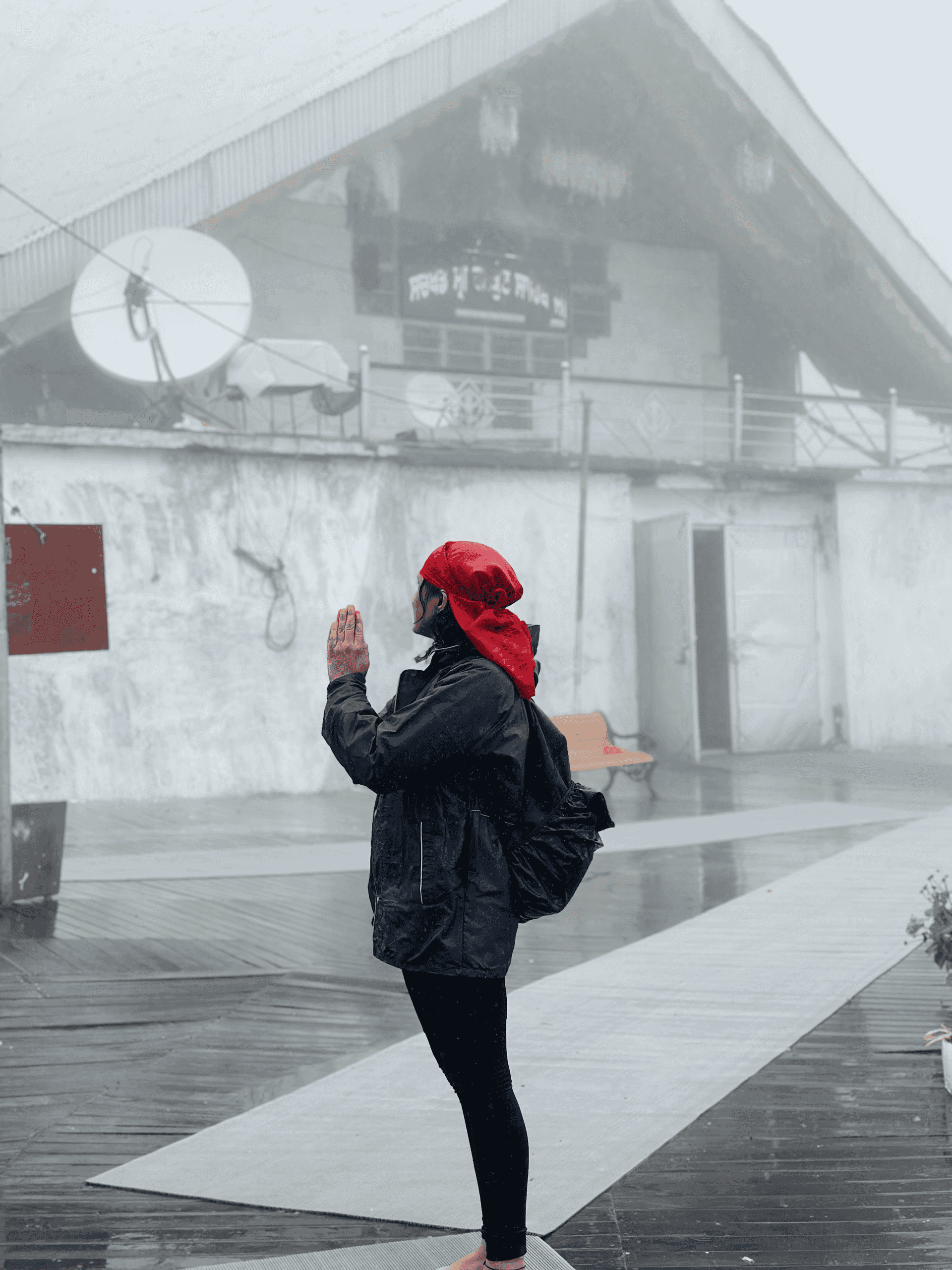
- mountain ranges disappear for long periods
- sunrise viewpoints become unpredictable
- flights get affected by visibility
In places like:
- Pokhara
- Sarangkot
- Nagarkot
You may spend days without clear Himalayan views.
This becomes especially important for travelers visiting Nepal mainly for:
- mountain photography
- scenic viewpoints
- Everest flights
- Himalayan visibility
Travelers comparing city experiences can also explore Pokhara vs Kathmandu before deciding whether monsoon travel matches their expectations.
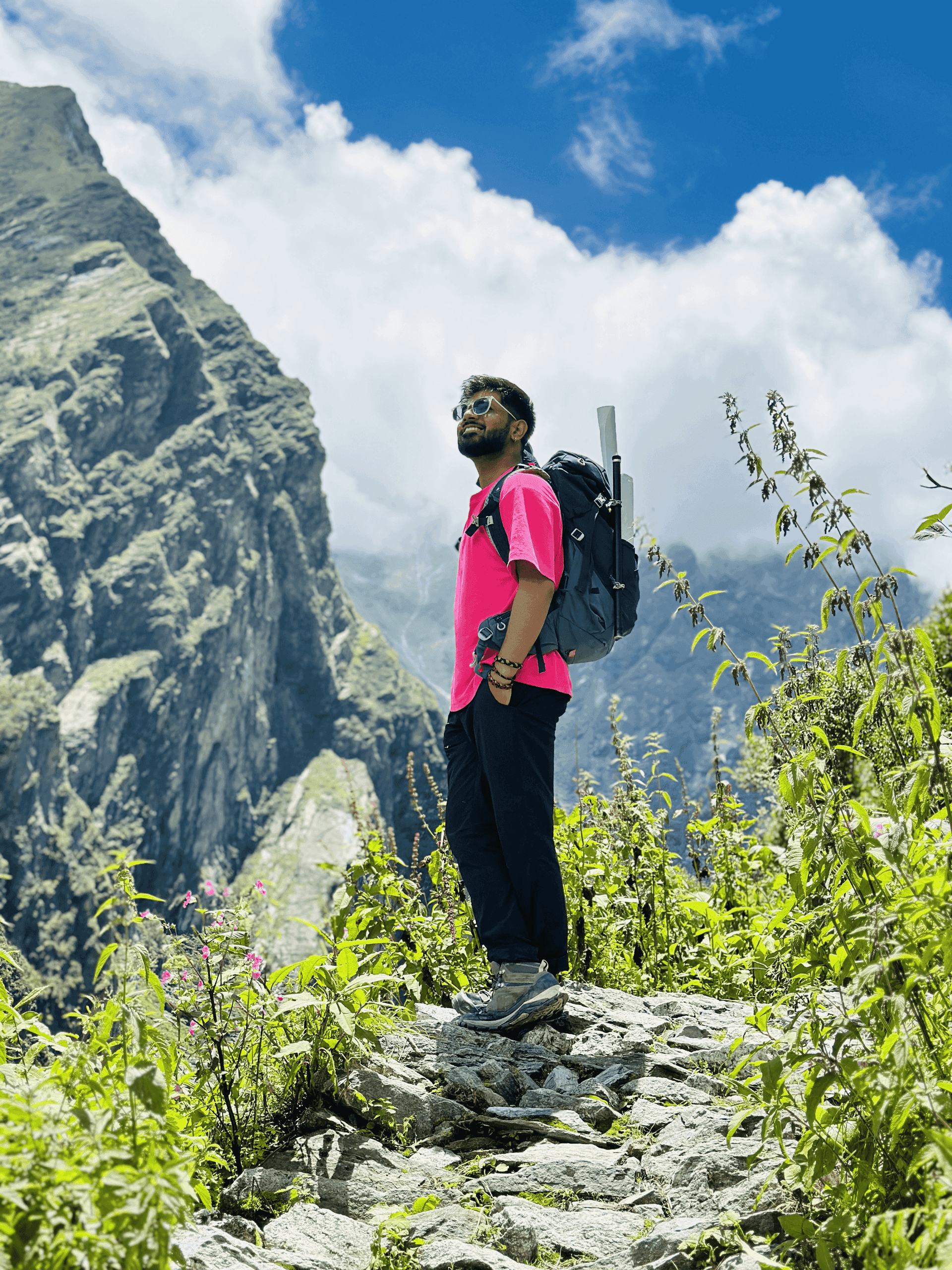
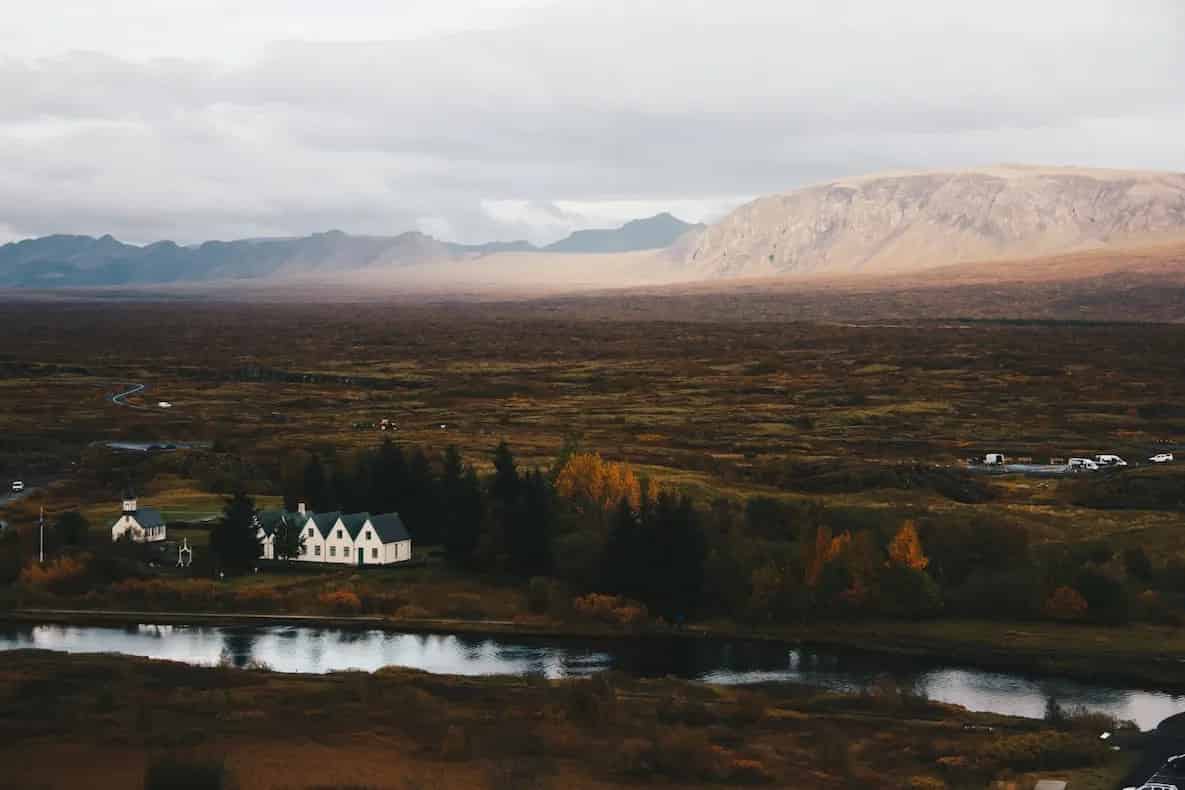
2. Nepal Becomes Intensely Green
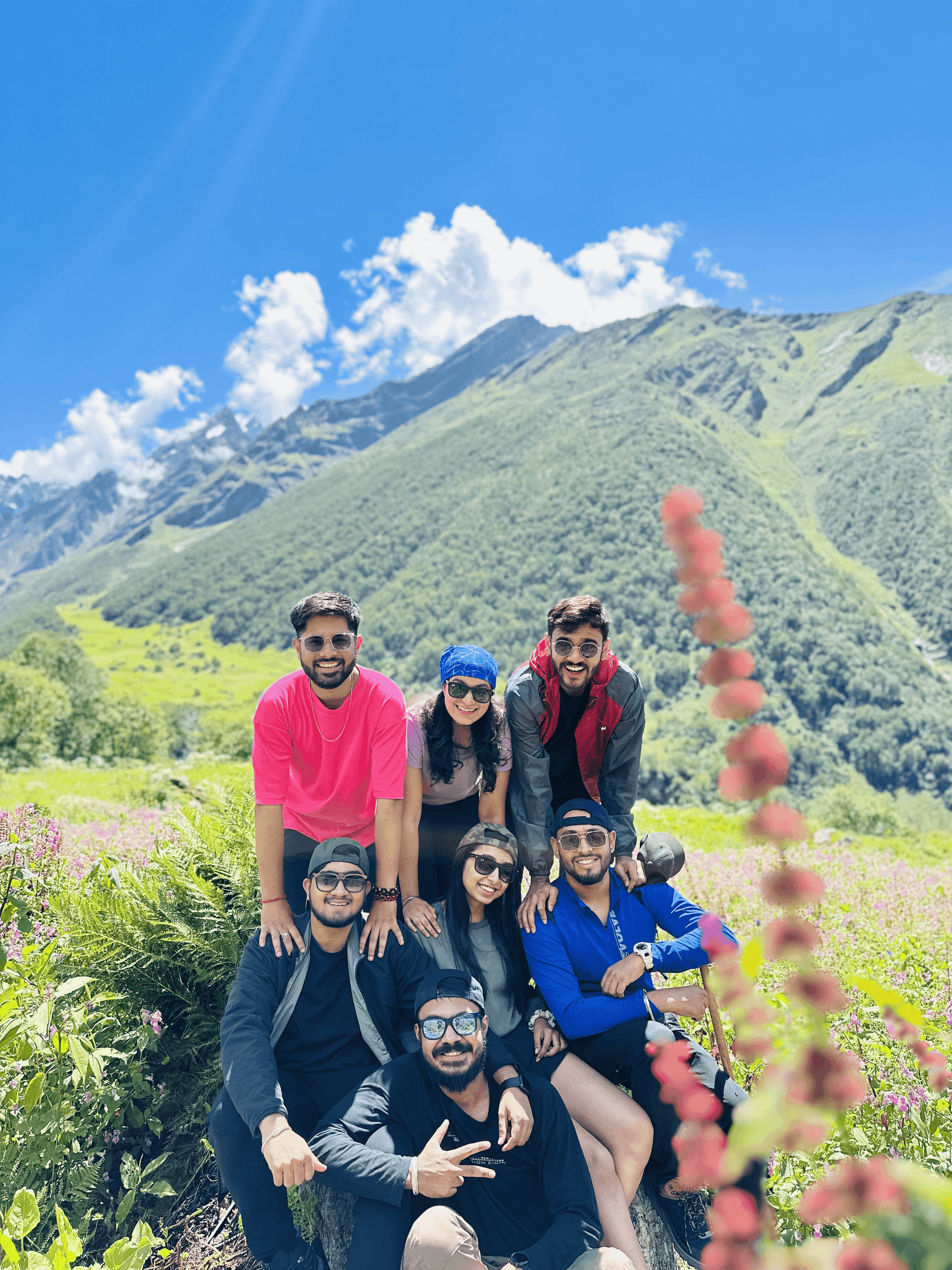
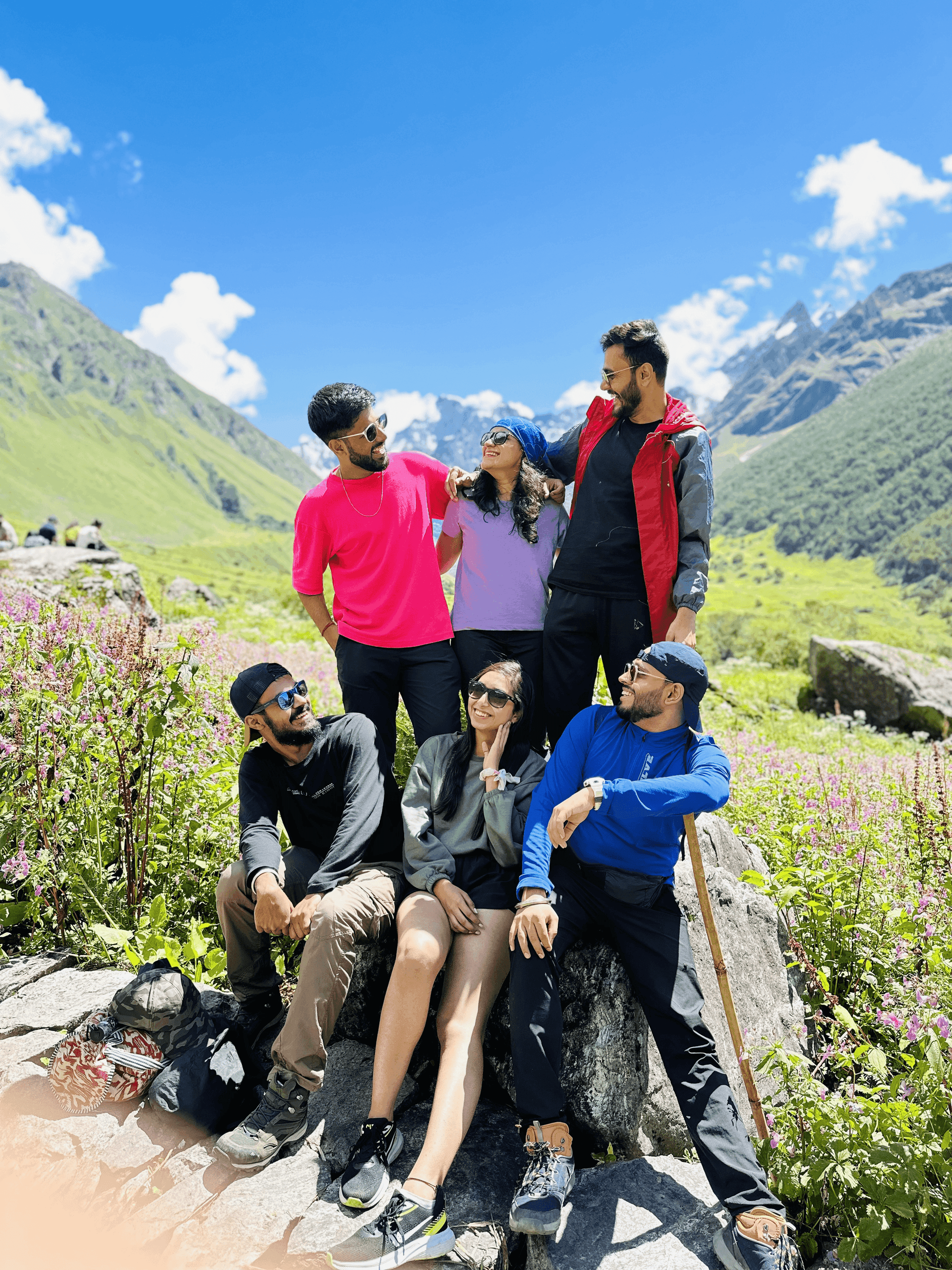
While visibility drops, Nepal becomes visually dramatic in a completely different way during the monsoon.
During the rainy season:
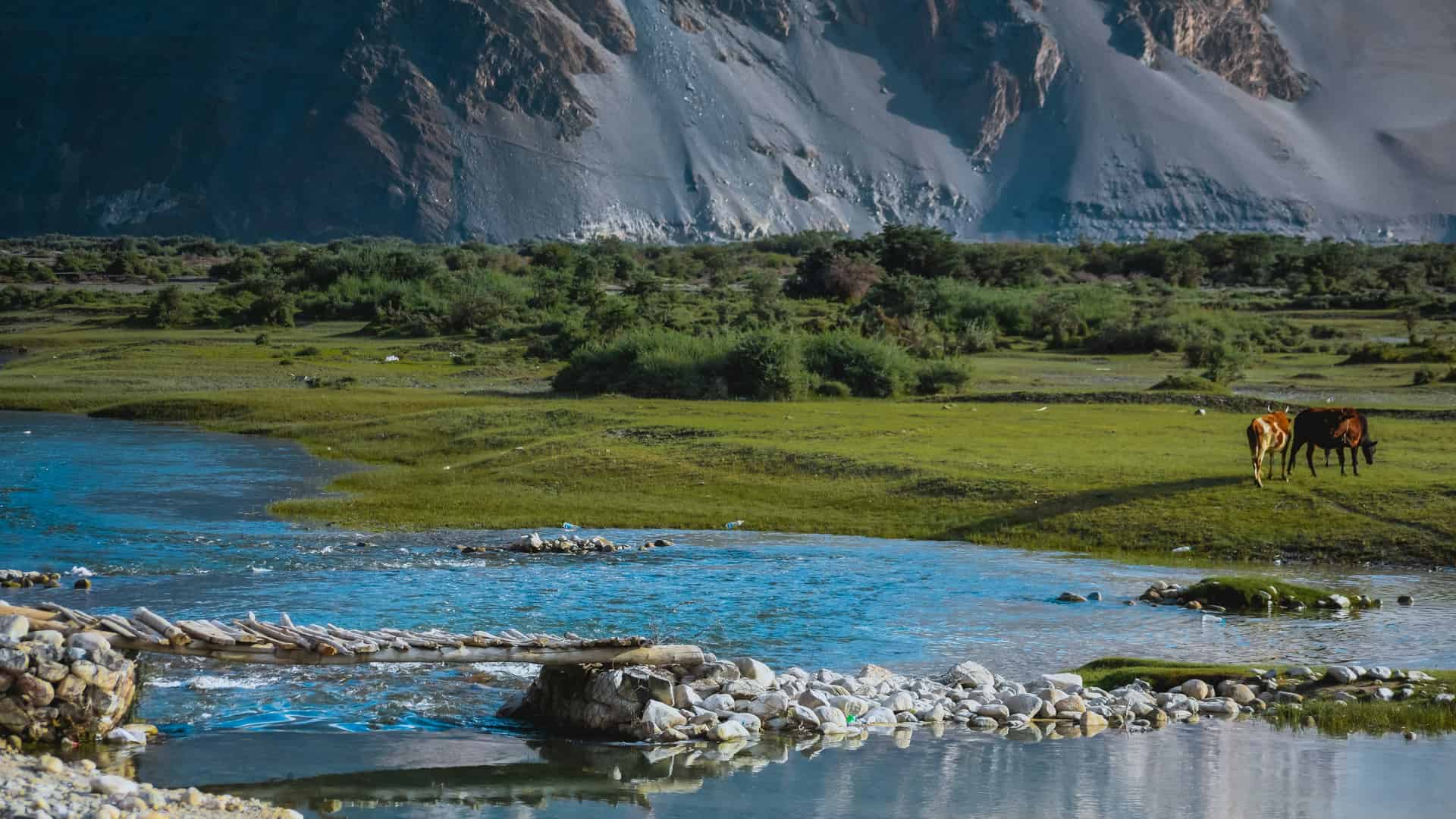
- hills turn intensely green
- rivers grow larger
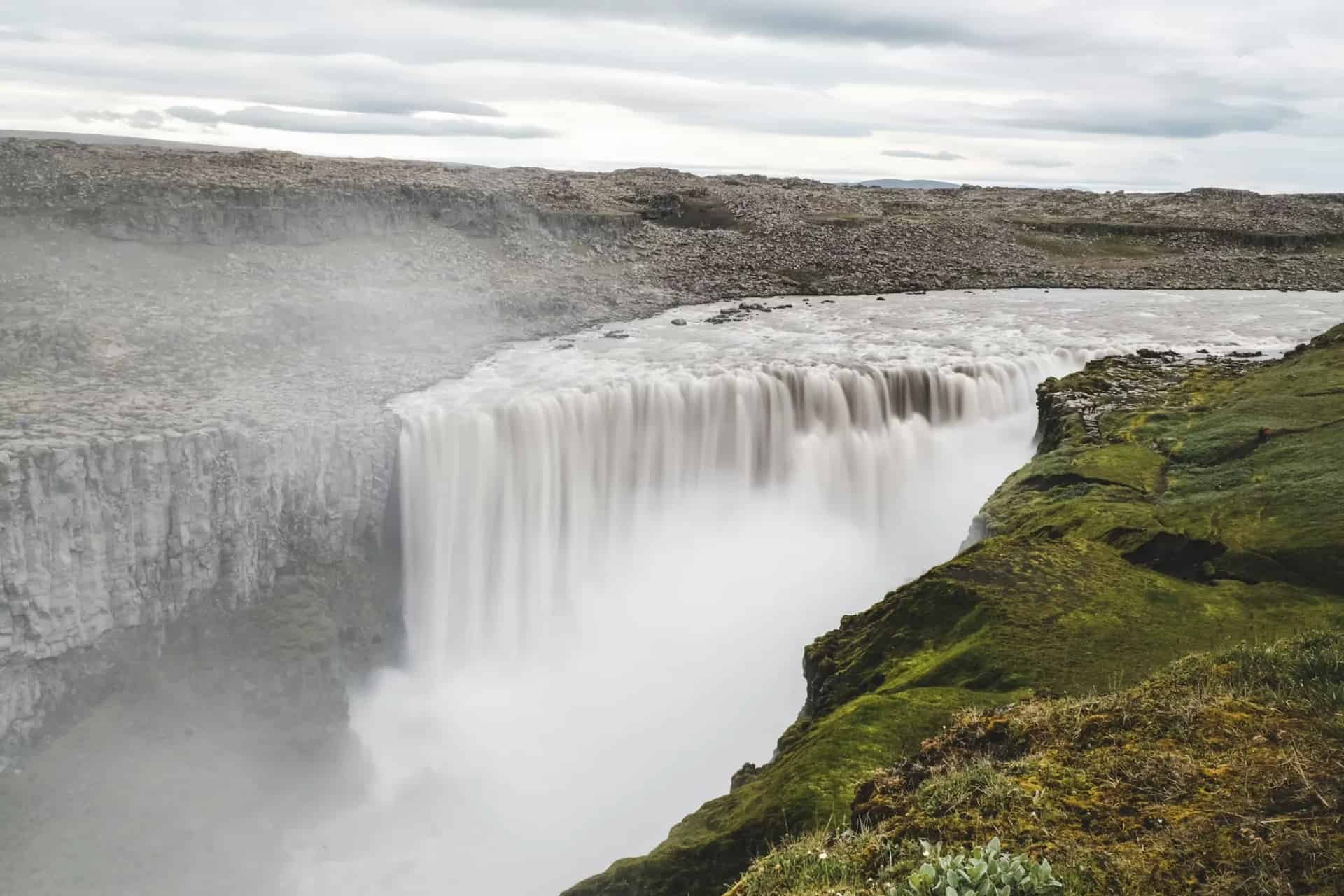
- waterfalls become stronger
- forests feel more alive
- rice terraces look spectacular
Roadside landscapes across central Nepal often feel completely transformed compared to the dry months.
Regions around:
- Pokhara
- Bandipur
- Dhulikhel
- Chitwan
It can feel incredibly atmospheric during the monsoon, especially when clouds move slowly across the hills after rainfall.
This is one of the reasons many repeat travelers actually enjoy Nepal during the rainy season despite reduced mountain visibility.
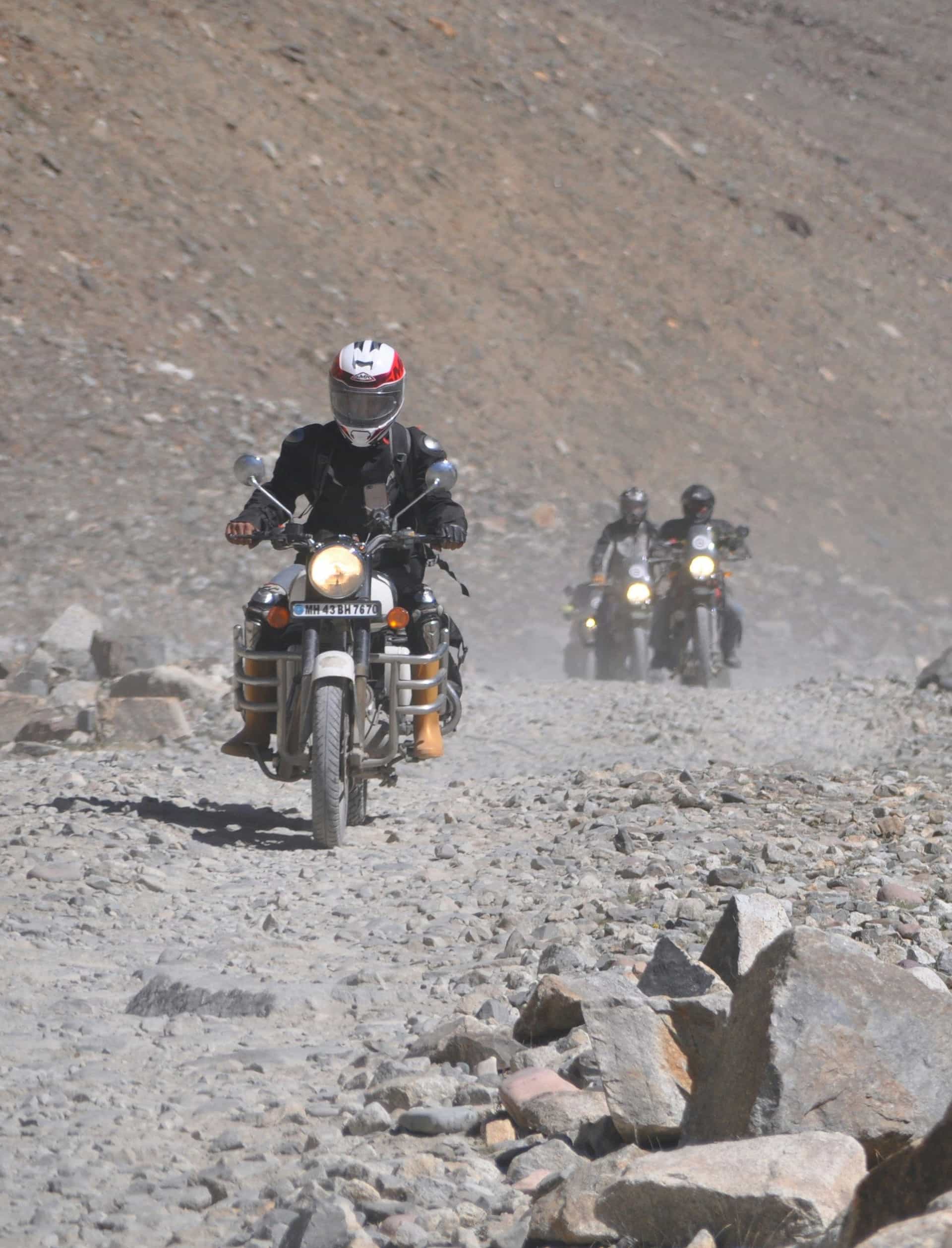
3. Road Travel Becomes Much More Unpredictable
Monsoon heavily affects Nepal's road conditions.
But in Nepal, rainy-season road travel is not just about slower driving. Mountain highways can become highly unstable during prolonged rainfall.
Major routes like:
- Narayanghat–Mugling Highway
- Prithvi Highway
Often experience:
- landslides
- mud-covered roads
- long traffic jams
- road widening disruptions
- temporary closures
- one-way traffic systems
Heavy rainfall can sometimes leave buses and private vehicles delayed for many hours in mountain sections.
Inside Kathmandu, waterlogging and poor drainage can also slow city travel significantly during heavy rain.
Routes between:
- Kathmandu and Pokhara
- Kathmandu and Chitwan
- Pokhara and Mustang
become especially unpredictable during peak monsoon periods.
At the same time, rainy evenings, roadside tea stops, misty valleys, and greener hillsides create a completely different road-trip atmosphere compared to Nepal’s drier seasons.
Travelers planning overland journeys should also read the Nepal Transport Guide before monsoon travel.
4. Domestic Flights Face More Delays
Monsoon weather creates major aviation challenges in Nepal.
Common issues include:
- poor visibility
- delayed takeoffs
- canceled mountain flights
- unstable landing conditions
Flights to:
- Lukla
- Jomsom
- Bharatpur
- mountain regions
become especially unpredictable during heavy rainfall periods.
At the same time, the southern plains and Terai regions often experience dense fog and low visibility during heavy monsoon weather.
Travelers planning Everest-region routes should also read the Everest Base Camp Trek Guide for Beginners before booking monsoon itineraries.
5. Trekking Conditions Change Completely
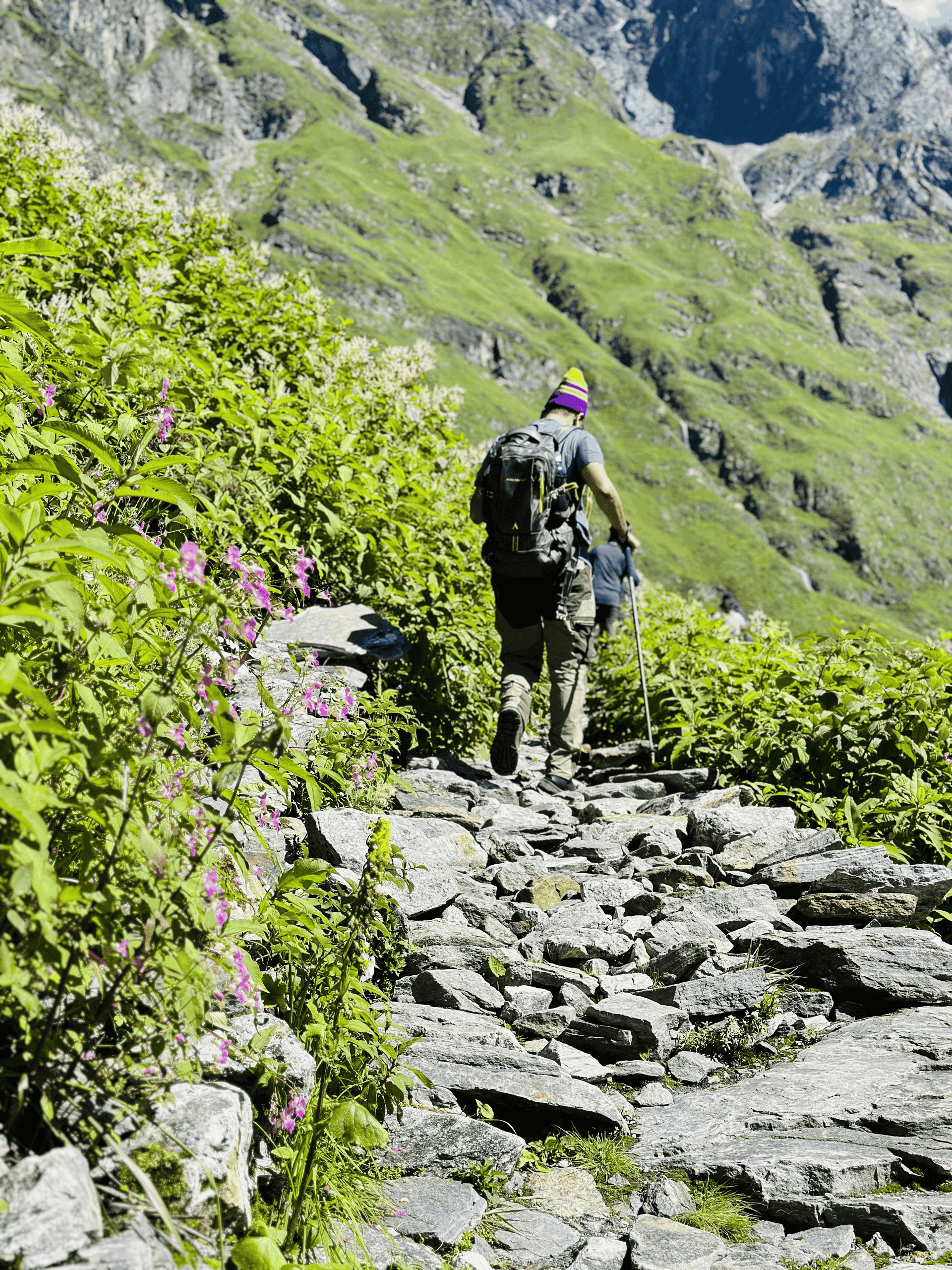
Monsoon is not ideal for most classic Nepal trekking routes.
During the rainy season:
- trails become muddy
- leeches become common in forest regions
- landslide risk increases
- mountain visibility reduces
- tea house movement slows in some areas
Treks like:
- Annapurna Circuit
- Everest Base Camp
- Langtang Valley
become much more weather-dependent during the monsoon.
The Leech Reality on Monsoon Trails
In lower forest regions below roughly 3,500 meters, monsoon trekking often brings heavy leech activity.
This becomes especially common in:
- Annapurna lower forests
- Langtang trails
- subtropical trekking sections
Experienced trekkers often carry:
- salt packets
- tobacco powder
- strong insect repellent
- trekking gaiters
to deal with leeches during rainy-season hikes.
For many first-time trekkers, this becomes one of the most unexpected parts of monsoon trekking in Nepal.
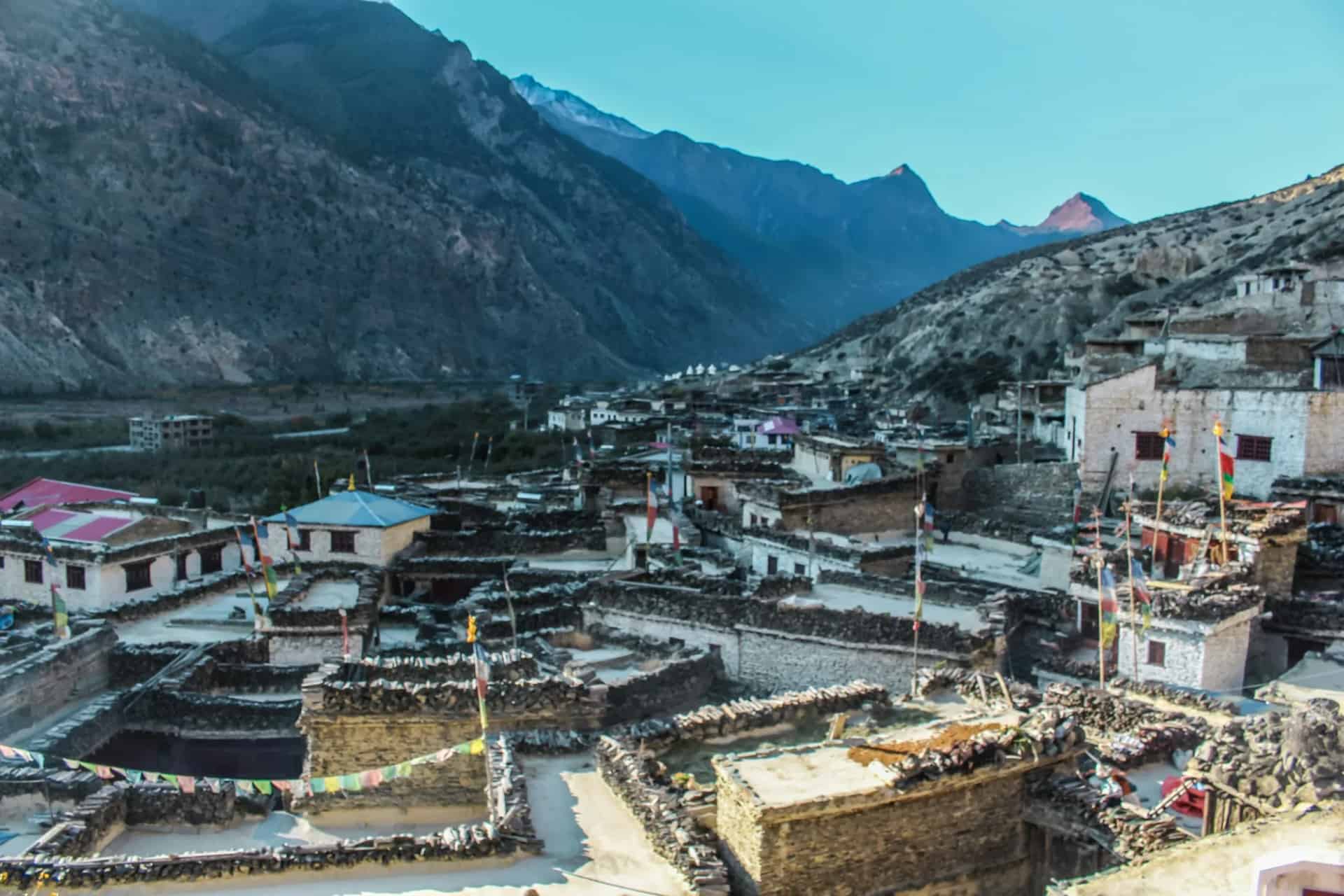
6. Upper Mustang & Rain-Shadow Regions Become More Valuable
One of the biggest monsoon exceptions in Nepal is the Himalayan rain-shadow region.
Areas like:
- Upper Mustang
- Upper Dolpo
- Nar Phu
receive much lower rainfall because they lie behind the main Himalayan rain barrier.
This means:
- drier trekking conditions
- clearer mountain visibility
- more stable weather
- easier trail movement
When central Nepal experiences continuous rainfall, these regions may still remain relatively dry.
Travelers planning mountain routes should also read Best Time for Trekking in Nepal before choosing rainy-season treks.
7. Cities Feel Quieter & Less Crowded
One of the biggest advantages of monsoon travel is the reduced crowd pressure.
During monsoon:
- cafés feel calmer
- hotels are easier to book
- sightseeing areas become quieter
- tourist traffic reduces significantly
Places like:
- Pokhara Lakeside
- Bhaktapur
- Kathmandu cafés
often feel far more relaxed compared to autumn tourist season.
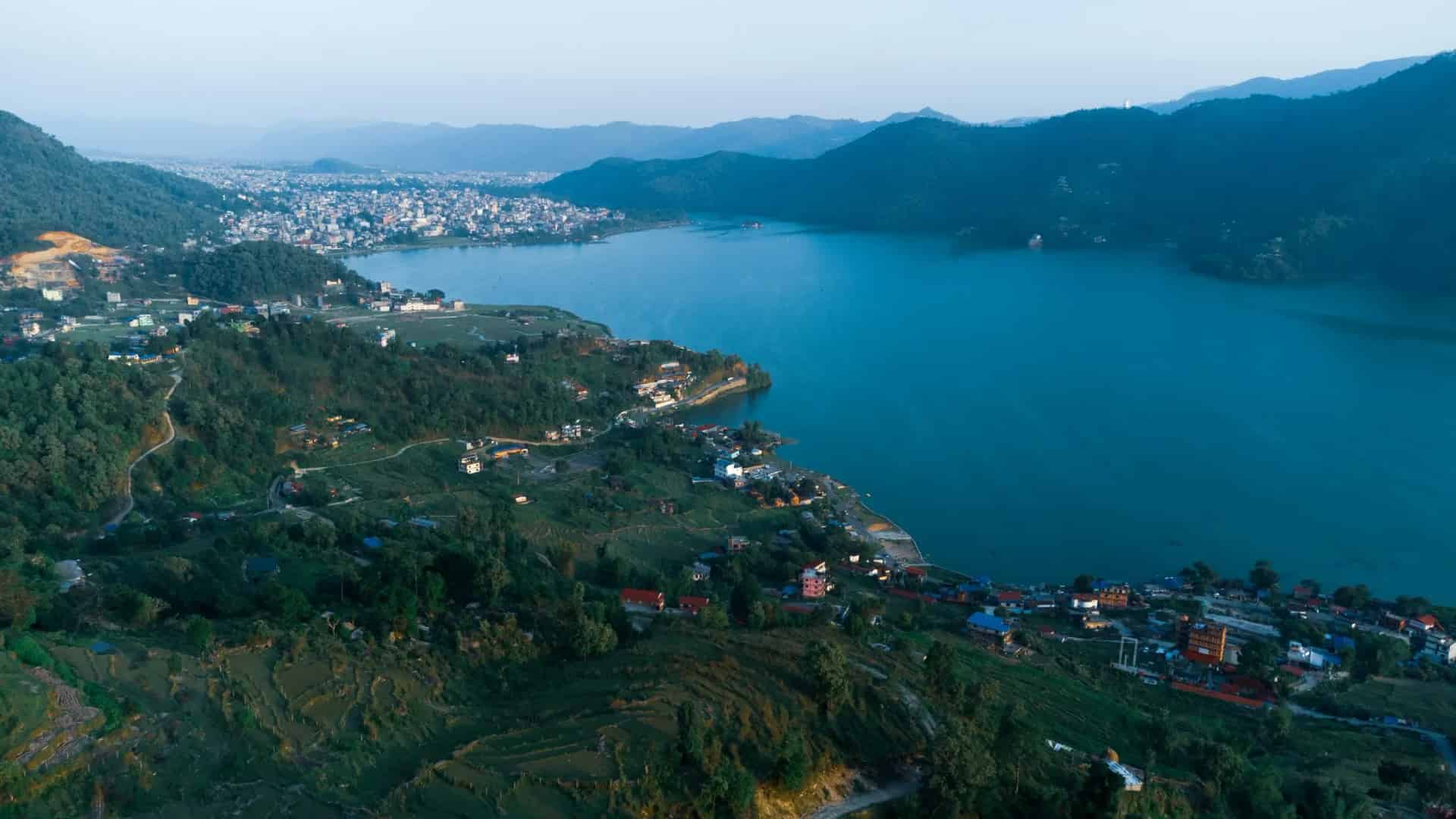
In Pokhara especially, rainy mornings beside the lake, quieter cafés, and cloud-covered hills create a slower atmosphere that many long-stay travelers genuinely enjoy.
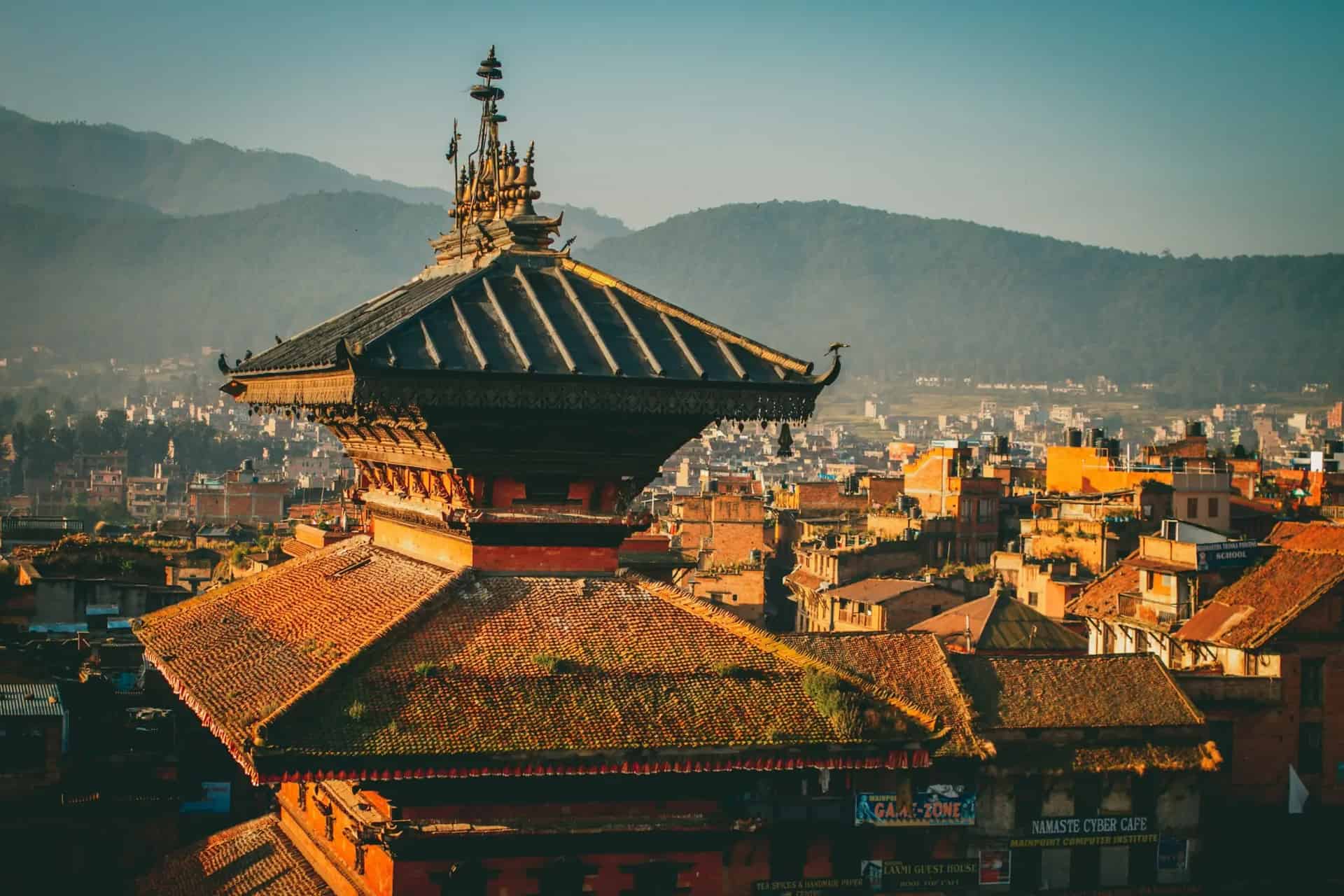
Kathmandu also feels very different during the monsoon. Rain-soaked heritage streets, quieter courtyards around Durbar areas and slower evenings in Thamel create a softer side of the city that many travelers miss during peak season.
Travelers interested in quieter city experiences can also explore:
while planning longer stays.
8. Monsoon Is Also Festival Season in Nepal
One thing many travelers do not realize is that monsoon overlaps with some of Nepal’s most culturally vibrant festivals.
During the rainy season, Kathmandu Valley especially becomes lively with:
- street celebrations
- religious processions
- traditional performances
- local cultural festivals
Important festivals often include:
- Ropain Festival
- Gai Jatra
- Indra Jatra
For travelers interested in culture rather than mountain visibility alone, the monsoon can actually become one of the most interesting times to experience Nepal.
9. Hotel Prices Often Become Lower
Monsoon is generally considered an off-season for tourism in Nepal.
This can lead to:
- better hotel deals
- easier upgrades
- discounted stays
- lower crowd pressure
Budget travelers and long-stay travelers often find the monsoon more affordable compared to peak trekking months.
However, luxury mountain properties and premium resorts may not reduce prices significantly.
Why Monsoon Works Surprisingly Well for Slow Travel
Monsoon in Nepal is often far better for slow travel than most travelers expect.
The reduced tourist rush makes it easier to:
- stay longer in one place
- work remotely from cafés
- explore cities slowly
- spend quieter evenings around Lakeside or Thamel
- travel without peak-season pressure
For workation travelers, writers, photographers and repeat Nepal visitors, the monsoon often feels calmer and more immersive than Nepal’s busiest travel months.
What Monsoon Feels Like in Different Parts of Nepal
Kathmandu During Monsoon
Kathmandu becomes:
- wetter
- greener
- less crowded
- slower-paced
Rain usually arrives in bursts rather than nonstop all-day storms.
Traffic congestion and waterlogging can still become frustrating during heavy rainfall.
Pokhara During Monsoon
Pokhara experiences some of the strongest monsoon effects in Nepal.
During the rainy season:
- clouds frequently cover mountain views
- lakeside areas become quieter
- waterfalls become dramatic
- rain intensity increases significantly
Pokhara feels calmer during the monsoon, but travelers expecting daily Annapurna views may feel disappointed.
Chitwan During Monsoon
Monsoon transforms Chitwan into a lush jungle environment.
However:
- safari conditions become unpredictable
- jungle movement becomes harder
- insects increase significantly
- humidity rises sharply
Wildlife visibility may also become less consistent during heavy rain periods.
Mustang During Monsoon
Unlike most of Nepal, Mustang lies in a rain-shadow region.
This means:
- rainfall remains lower
- trekking conditions stay relatively better
- visibility can improve compared to central Nepal
This is one of the reasons Upper Mustang becomes popular during the monsoon months.
Travelers planning spiritual routes should also read the Nepal Pilgrimage Guide for Indians before planning Muktinath-region travel.
Who Will Actually Enjoy Nepal During Monsoon?
Monsoon in Nepal is usually best for:
- repeat Nepal travelers
- slow travelers
- café & workation travelers
- budget-conscious travelers
- travelers who enjoy greenery and quieter cities
- people less focused on mountain visibility
- culture-focused travelers visiting during festival season
However, monsoon may feel frustrating for:
- first-time Himalayan travelers
- people expecting clear Everest views
- aggressive trekkers
- travelers with tightly packed itineraries
- people are uncomfortable with weather uncertainty
Is Nepal Cheaper During Monsoon?
In many cases, yes.
Monsoon often brings:
- lower hotel prices
- better availability
- discounted stays
- reduced tourist pressure
However:
- transport unpredictability may increase costs indirectly
- flight cancellations can affect budgets
- road delays may increase travel time significantly
The savings are usually strongest in:
- city hotels
- mid-range stays
- long-duration bookings
Money, UPI & Cash Reality During Monsoon
UPI usage in Nepal continues growing rapidly, especially in:
- Kathmandu
- Pokhara
- tourist cafés
- larger hotels
Many businesses now support:
- PhonePe
- Google Pay
- BHIM-linked QR payments
At the same time, smaller towns and mountain regions still rely heavily on physical cash.
Travelers carrying Indian currency should always verify the latest Nepal currency regulations before departure, especially regarding cash limits and accepted denominations.
Travelers planning longer stays should also read Nepal SIM Card Guide before monsoon travel.
The Monsoon Health Reality: Dengue & Mosquitoes
One of the most overlooked monsoon travel realities in Nepal is dengue risk.
During rainy season, mosquito-related illnesses increase significantly in:
- Kathmandu Valley
- Pokhara
- Chitwan
- Terai regions
Travelers should carry:
- strong mosquito repellent
- full-sleeve clothing for evenings
- basic medicines
- hydration support
This becomes especially important for:
- long stays
- jungle travel
- workations
- slower monsoon itineraries
What to Pack for Nepal During Monsoon
Important monsoon essentials include:
- waterproof jackets
- quick-dry clothing
- waterproof backpack covers
- trekking sandals or waterproof footwear
- power banks
- extra socks
- rain covers for electronics
- mosquito repellent
Travelers visiting trekking regions should also prepare for:
- muddy trails
- damp clothing
- slippery roads
Common Monsoon Travel Mistakes in Nepal
Expecting Clear Himalayan Views Every Day
Mountain visibility becomes highly unpredictable during monsoon.
Overloading Itineraries
Rain delays and landslides can disrupt tightly packed schedules quickly.
Ignoring Road Conditions
Monsoon can significantly increase highway travel time across Nepal.
Packing for “Light Rain”
Nepal monsoon often involves intense and continuous rainfall.
Underestimating Flight Delays
Mountain-region flights become highly weather-dependent during rainy season.
Monsoon Travel Tips for Nepal
- Keep buffer days for flights and road travel.
- Start road journeys early in the morning.
- Carry waterproof bags and covers.
- Avoid overloading trekking itineraries.
- Confirm cancellation policies before booking flights.
- Prepare for slower travel across mountain regions.
Travelers planning winter travel should also compare seasonal realities through Nepal in Winter: What Actually Changes? before choosing the best season for their trip.
Final Thoughts
Nepal during monsoon is less about perfect mountain views and more about experiencing a slower, greener, and quieter side of the country. While rain, landslides and weather delays can affect travel plans, monsoon also brings calmer cities, dramatic landscapes, lower crowds, and a completely different atmosphere across places like Pokhara, Kathmandu, and Mustang.
For travelers who stay flexible and travel with realistic expectations, the monsoon can still become a surprisingly rewarding time to explore Nepal.
If you are planning a broader Nepal itinerary, you can also explore our Nepal Tour Packages for route planning, seasonal travel experiences and customized Nepal trips.