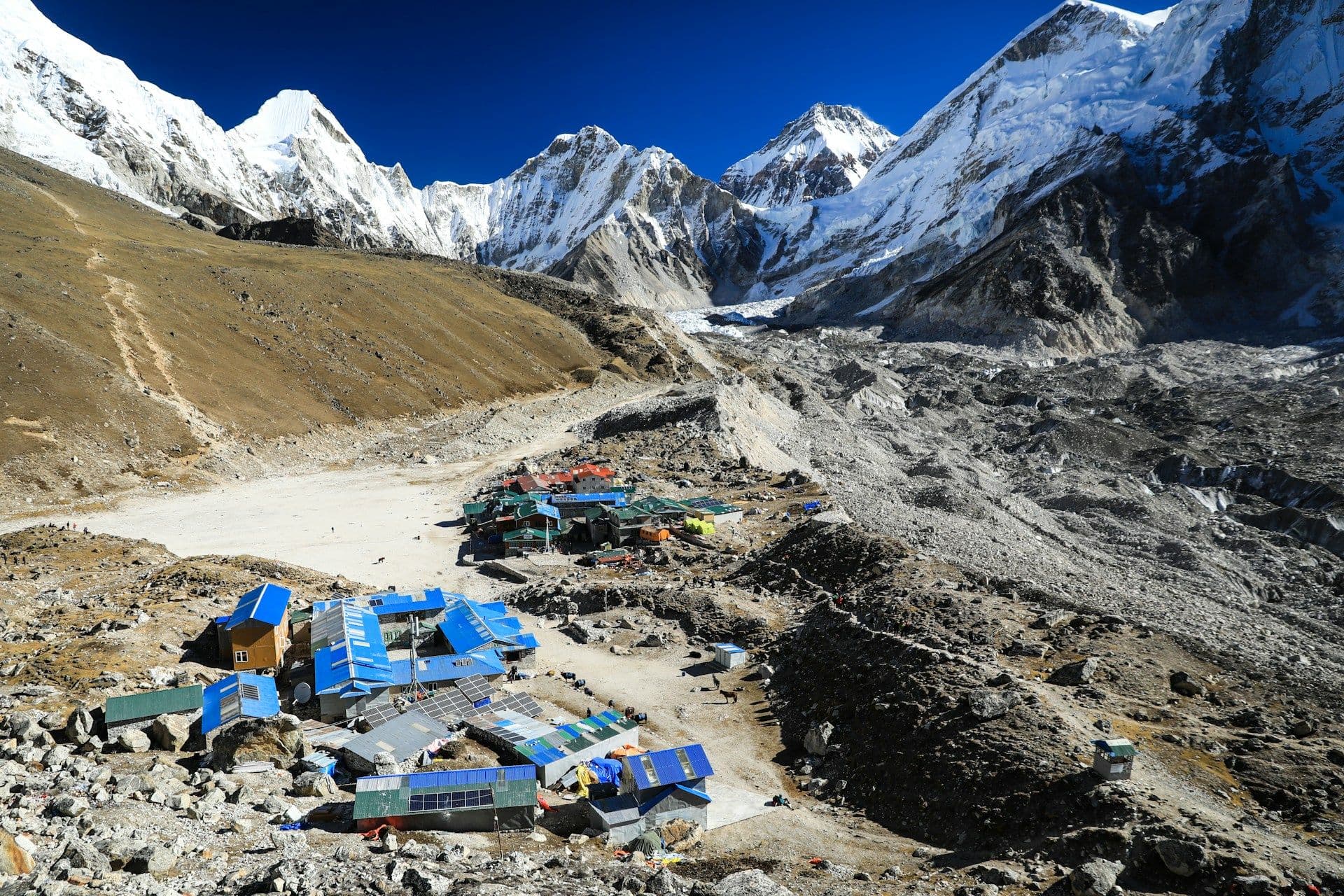
Everest Base Camp is one of the most iconic trekking adventures in the world, but for many Indian travellers, the biggest question is simple: how much does the trek actually cost?
The answer depends on several factors, including flights, Lukla transfers, permits, guides, accommodation, food and your preferred level of comfort. Some trekkers complete Everest Base Camp on a relatively modest budget, while others spend significantly more on guided packages and premium services.
This guide breaks down the major expenses involved so you can estimate a realistic Everest Base Camp budget from India and avoid costly surprises along the way.
Quick Answer: How Much Should You Budget for Everest Base Camp?
Most Indian travellers should budget between ₹1.2 lakh and ₹2 lakh for a comfortable guided Everest Base Camp trek, including flights, permits, accommodation, meals and local support.
Budget-conscious travellers can sometimes complete the trek for under ₹1 lakh, while premium trekking experiences can cost significantly more.
Travel Style | Approximate Cost |
| Budget Trek | ₹80,000–₹1.2 Lakh |
| Guided Group Trek | ₹1.2–₹2 Lakh |
| Premium Trek | ₹2 Lakh+ |
Most first-time trekkers choose guided departures because permits, logistics, accommodation and local support are already arranged.
Everest Base Camp Cost Breakdown
Understanding where your money goes makes it easier to plan a realistic budget.
India to Nepal Travel Cost
Your budget starts before the trek begins.
Approximate return airfare ranges:
- Delhi to Kathmandu: ₹12,000–₹25,000+
- Mumbai to Kathmandu: ₹18,000–₹35,000+
- Bangalore to Kathmandu: ₹20,000–₹40,000+
- Kolkata to Kathmandu: ₹15,000–₹30,000+
Prices depend on:
- travel season
- booking window
- airline choice
- holiday demand
Travellers looking for cheaper alternatives can also consider overland routes into Nepal. Our Nepal Transport Guide explains flights, buses, border crossings and other ways to travel between India and Nepal.
Lukla Flight Cost
The Lukla flight is one of the biggest trekking expenses.
Things to consider:
- seasonal fare fluctuations
- weather-related delays
- baggage restrictions
- additional transport requirements
Many trekkers underestimate how much reaching Lukla can add to the overall budget.
The Hidden Cost of Reaching Lukla
During peak trekking seasons, many Lukla flights operate from Ramechhap (Manthali Airport) instead of Kathmandu.
This can add:
- road transfer costs
- additional hotel nights
- early morning departures
- extra meals and transport expenses
Lukla flights also have strict baggage limits and excess luggage may result in additional charges.
Travellers carrying camera equipment, winter clothing or additional trekking gear should keep a small budget buffer for baggage-related expenses.
When planning your Everest Base Camp budget, it is wise to keep a contingency fund for Lukla-related transportation and weather disruptions.
Everest Base Camp Permit Costs
Every trekker requires permits for the Everest region.
The main permits generally include:
Khumbu Pasang Lhamu Rural Municipality Permit
Required for entering the Khumbu region.
Sagarmatha National Park Permit
Required for entering the national park area.
Permit fees can change periodically, so always verify current rates before departure.
Many organised trekking packages already include permit costs.
When Is Everest Base Camp Most Expensive?
The season you choose can have a noticeable impact on your overall budget.
Spring (March–May)
Spring is one of the busiest trekking seasons in Nepal.
Expect:
- higher flight demand
- busier tea houses
- greater package demand
However, weather conditions are usually excellent for trekking.
Autumn (September–November)
Autumn is often considered the most popular trekking season.
Because of high demand:
- flights can be more expensive
- accommodation fills quickly
- package prices may increase
Reading our Best Time for Trekking in Nepal guide can help you understand how trekking seasons affect both trail conditions and overall costs.
Winter (December–February)
Winter can sometimes offer lower accommodation costs and fewer crowds.
However:
- temperatures are significantly colder
- some services may be limited
- weather disruptions can occur
Travellers considering a winter trek should also read Nepal in Winter: What Actually Changes?
Monsoon (June–August)
Monsoon can occasionally reduce travel costs, but weather-related disruptions create additional risks.
Flight delays, muddy trails, and reduced visibility can affect both the trekking experience and your budget.
Before considering an off-season trek, read Nepal During Monsoon: Worth It or Not?
Guide and Porter Costs
Many first-time trekkers hire a guide or join organized groups because managing logistics in the Everest region becomes much easier with local support.
A guide can help with:
- route assistance
- accommodation coordination
- local expertise
- emergency support
- altitude monitoring
For beginners, a guide often provides confidence and peace of mind beyond simple navigation.
Porters help reduce physical strain by carrying a significant portion of your luggage, making long trekking days much more comfortable.
Most trekkers consider a porter one of the most worthwhile expenses on the trek, especially above Namche Bazaar.
If you're still deciding whether Everest Base Camp is suitable for you, our Everest Base Camp Trek Guide for Beginners covers fitness requirements, altitude challenges and what first-time trekkers should realistically expect.
Accommodation Costs
Tea houses are the standard accommodation along the Everest Base Camp route.
At lower elevations:
- more accommodation choices
- better facilities
- lower costs
At higher elevations:
- prices generally increase
- facilities become more basic
- heating becomes limited
Most tea houses provide simple but comfortable accommodation designed for trekkers rather than luxury travellers.
Travellers seeking premium experiences can find upgraded lodges in selected villages, but these significantly increase the overall trip cost.
Food and Drink Costs
Food becomes one of the largest daily expenses during the trek.
Popular options include:
- Dal Bhat
- noodles
- fried rice
- soups
- eggs
- tea and coffee
One of the biggest surprises for first-time trekkers is how food prices increase with altitude.
This happens because supplies must be transported into increasingly remote mountain regions.
The higher you go, the more expensive everyday meals and drinks become.
For many trekkers, meals become one of the biggest ongoing expenses after flights, permits and guide services.
Sample Everest Base Camp Budget Breakdown
A typical Everest Base Camp budget is usually spread across several major expense categories.
Expense Category | Estimated Share of Budget |
| India–Nepal Travel | 15–25% |
| Lukla Flights | 15–25% |
| Permits | 5–10% |
| Accommodation | 10–15% |
| Food & Drinks | 10–20% |
| Guide & Porter | 15–25% |
| Miscellaneous Expenses | 5–10% |
For most trekkers, international flights, Lukla flights, guide services, accommodation and food account for the largest share of the overall budget.
Actual costs vary depending on travel style, season and level of comfort.
Can Indians Use UPI During the Everest Base Camp Trek?
One of the biggest advantages for Indian travellers today is the growing acceptance of UPI payments in Nepal.
Many tourism-related businesses now accept payments through:
- PhonePe
- Google Pay
- BHIM
UPI can be useful in cities such as Kathmandu and in many tourism-focused businesses.
However, trekkers should not rely entirely on digital payments.
At higher altitudes:
- internet connectivity can be unreliable
- many tea houses still prefer cash
- smaller businesses may not accept digital payments
A combination of UPI and cash remains the most practical approach.
Before leaving India, make sure you understand mobile connectivity options in Nepal. Our Nepal SIM Card Guide explains local SIM cards, data plans and network coverage across major travel destinations and trekking regions.
Hidden Costs Most Trekkers Forget
Many trekkers budget for flights and permits but forget smaller daily expenses that can add up over the course of the trek.
Common hidden costs include:
- Wi-Fi access
- phone charging
- camera charging
- hot showers
- snacks
- bottled water
- bakery items
- tips for guides and porters
- gear rental
- extra hotel nights
- travel insurance
While these expenses may seem minor individually, together they can have a noticeable impact on your final budget.
Unexpected Lukla Delays
Weather disruptions are common in the Everest region.
Flight cancellations or delays can result in:
- additional hotel nights
- extra meals
- rebooking costs
- transport changes
- itinerary adjustments
Keeping a contingency budget can prevent these unexpected expenses from disrupting your trip.
Many experienced trekkers recommend keeping both extra cash and additional buffer days in your itinerary.
Smart Ways Indians Can Save Money on the Everest Base Camp Trek
If you're trying to reduce costs without compromising the overall experience, consider the following strategies:
- book flights well in advance
- join group departures instead of private treks
- rent trekking gear in Kathmandu when practical
- avoid last-minute equipment purchases
- travel during shoulder seasons when conditions allow
- use UPI where accepted
- carry a reusable water bottle
- create a realistic budget before departure
Small savings across multiple categories can significantly reduce the total trip cost.
Budget vs Guided vs Premium Trek
Choosing the right trekking style has the biggest impact on your overall Everest Base Camp budget.
Budget Trek
Best for:
- experienced travelers
- flexible itineraries
- minimal comfort expectations
Pros
- lower overall cost
- greater flexibility
- independent planning
Cons
- more logistical responsibility
- limited local support
- less assistance during emergencies
Guided Group Trek
Best for:
- beginners
- solo travelers
- first-time Himalayan trekkers
Pros
- logistics handled
- guide support
- easier planning
- local expertise
- emergency assistance
Cons
- slightly higher cost
- less flexibility than independent trekking
For most Indian travellers, this offers the best balance between cost, convenience and safety.
Premium Trek
Best for:
- travelers seeking additional comfort
- private departures
- customized itineraries
- luxury trekking experiences
Pros
- greater comfort
- personalized service
- private support teams
- flexible itineraries
Cons
- significantly higher overall cost
Is Everest Base Camp Cheaper With a Package?
In many cases, yes.
When travellers calculate the cost of:
- permits
- Lukla flights
- accommodation
- guide services
- porter support
- local logistics
The difference between a self-organised trek and a package is often smaller than expected.
Packages also reduce planning complexity and can help avoid costly mistakes, especially for first-time trekkers.
Many travellers find that organised trekking programs offer better value than arranging every component separately.
If you're comparing options, our Nepal Tour Packages page can help you understand different trekking and travel styles available in Nepal.
Can Indians Do Everest Base Camp Under ₹1 Lakh?
Yes, but compromises are usually necessary.
A sub-₹1 lakh Everest Base Camp trek often requires:
- budget flight deals
- careful daily spending
- minimal comfort upgrades
- independent planning
- strict expense management
Travellers attempting to stay under this budget typically need to monitor costs closely throughout the trip.
For comparison, our Nepal Trip Cost Guide explains how travel expenses vary across different destinations and travel styles in Nepal.
While a sub-₹1 lakh trek is possible, many travellers find that budgeting slightly above this range provides a much more comfortable and flexible experience.
Common Budget Mistakes to Avoid
Underestimating Food Costs
Many trekkers budget carefully for flights and permits but overlook how much daily meals can add to the total cost.
Ignoring Weather Delays
Flight disruptions around Lukla can create additional accommodation and transportation expenses.
Forgetting Gear Costs
Quality trekking equipment can become a significant expense, particularly if purchased shortly before departure.
Not Carrying Enough Cash
Even with growing digital payment acceptance, cash remains important throughout much of the Everest region.
Choosing Only on Price
The cheapest option is not always the best value when safety, support, reliability and overall trekking experience are considered.
Is Everest Base Camp Worth the Cost?
For many travellers, Everest Base Camp is a once-in-a-lifetime experience.
The trek combines:
- Himalayan scenery
- Sherpa culture
- mountain villages
- personal achievement
- world-famous trekking routes
- unforgettable views
While the overall cost may seem significant during the planning stage, many trekkers feel the experience justifies the investment.
The memories, challenges and sense of accomplishment often remain long after the trek is complete.
Final Thoughts
Everest Base Camp can cost anywhere from under ₹1 lakh to several lakhs, depending on your travel style, comfort preferences, and level of support on the trail. Understanding the major expenses beforehand helps you plan realistically, avoid unexpected costs and choose a trekking experience that fits your budget and expectations.
Whether you're planning a budget-friendly adventure or a fully guided trekking experience, having a clear cost breakdown makes the journey far easier to organise.