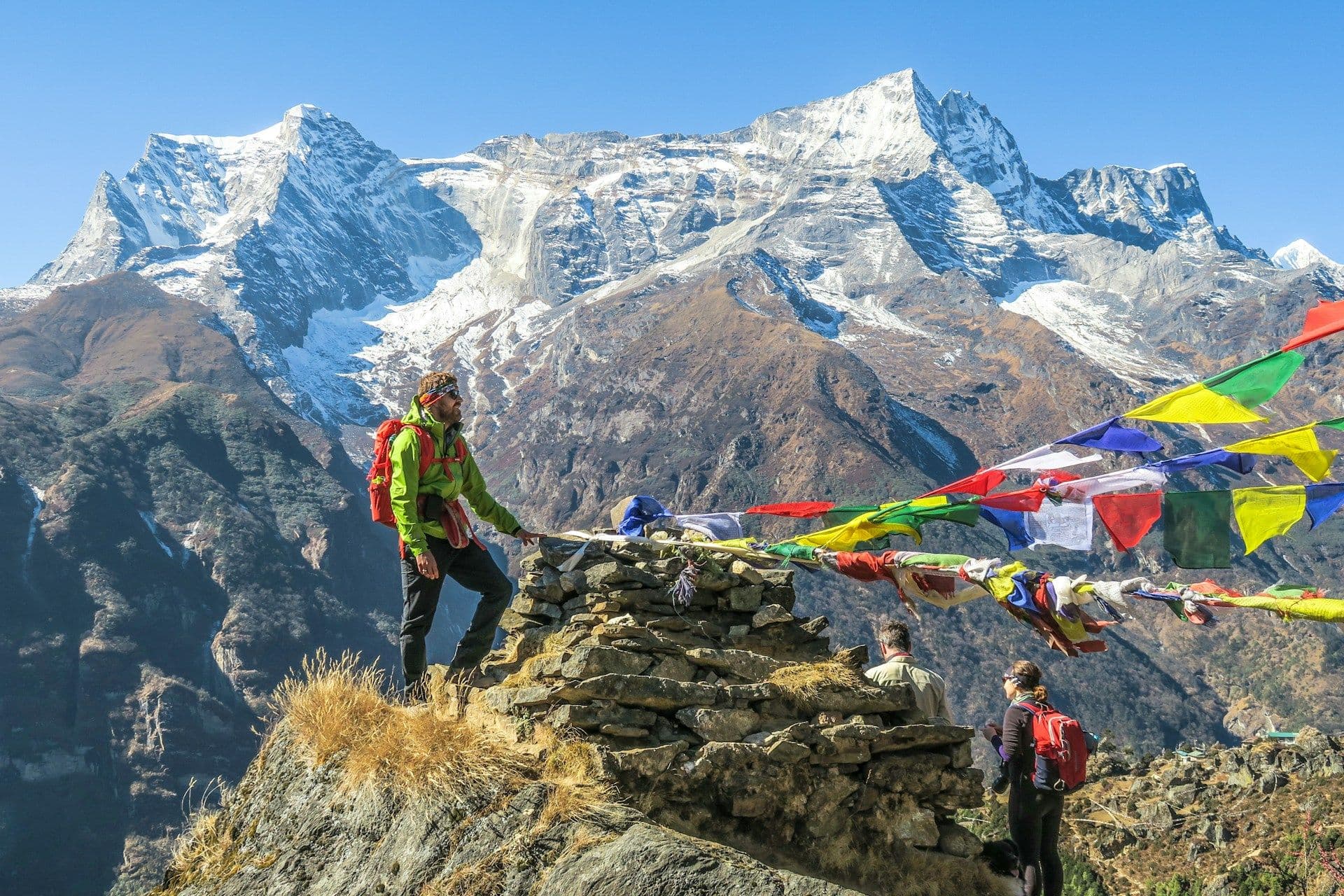
Everest Base Camp has a reputation for being one of the world's toughest trekking adventures. Yet every year, thousands of ordinary travelers successfully complete the trek without any mountaineering experience.
So, how difficult is the Everest Base Camp Trek really?
The answer depends on what type of challenge you're talking about. Everest Base Camp is not a technical climb and you don't need ropes, ice axes or climbing skills. However, altitude, consecutive trekking days, changing mountain conditions and limited comforts can make the experience far more demanding than many first-time trekkers expect.
This guide breaks down what is genuinely difficult about the Everest Base Camp Trek, what is easier than people assume and whether the trek is realistic for the average traveler.
Everest Base Camp Difficulty at a Glance
If you're looking for a quick answer, here's how most trekkers would rate the challenge.
Difficulty Factor | Rating |
| Physical Difficulty | 7/10 |
| Altitude Difficulty | 9/10 |
| Technical Difficulty | 2/10 |
| Mental Difficulty | 7/10 |
| Navigation Difficulty | 3/10 |
The trek is challenging primarily because of altitude and endurance rather than technical terrain.
Most people who prepare properly can complete the trek, but very few find it easy.
Quick Answer: Is Everest Base Camp Difficult?
Yes, Everest Base Camp is difficult, but it is not extreme.
For most trekkers, the challenge comes from:
- trekking for multiple consecutive days
- walking at high altitude
- recovering in thinner air
- adapting to colder conditions
- dealing with occasional weather disruptions
The good news is that Everest Base Camp does not require technical climbing experience.
Thousands of beginners complete the trek every year with proper preparation, realistic expectations and enough time for acclimatization.
Why Do People Think Everest Base Camp Is So Difficult?
The name "Everest" creates a powerful impression.
Many travelers assume that anything associated with the world's highest mountain must be reserved for elite athletes or experienced climbers.
In reality, Everest Base Camp is a trekking route rather than a mountaineering expedition.
People often overestimate the difficulty because of:
- Mount Everest's reputation
- stories about altitude sickness
- images of extreme Himalayan landscapes
- concerns about fitness
- social media content that focuses on the toughest moments
While the trek is certainly demanding, it is much more achievable than many first-time trekkers imagine.
What Makes the Everest Base Camp Trek Difficult?
Several factors combine to make Everest Base Camp one of the more challenging treks in Nepal.
Altitude Is the Biggest Challenge
If there is one factor that makes Everest Base Camp difficult, it is altitude.
As trekkers gain elevation:
- oxygen levels decrease
- recovery becomes slower
- sleep quality may be affected
- physical effort feels harder
This is why even fit travelers sometimes struggle during the trek.
Many people arrive expecting steep trails to be the biggest challenge, only to discover that walking at high altitude is significantly more demanding than walking the same distance at sea level.
If you're still deciding whether Everest Base Camp is right for you, our Everest Base Camp Trek Guide for Beginners explains acclimatization, trekking expectations and what first-time trekkers should know before starting.
The Hidden Challenge: Khumbu Cough
Most beginners prepare for altitude sickness, but far fewer know about a common trekking issue known as the Khumbu Cough.
As you climb higher into the Everest region:
- the air becomes colder
- humidity levels drop significantly
- breathing becomes heavier
- mountain dust becomes more noticeable
The combination of cold, dry air and long days of trekking can irritate the throat and respiratory system, leading to persistent coughing.
While usually not dangerous, it can be uncomfortable and exhausting, especially at night.
Many experienced trekkers reduce the risk by using:
- a buff or neck gaiter
- face coverings during dusty sections
- proper hydration
- warm layers around the neck and face
It's a small detail, but one that many first-time trekkers only learn about after arriving in the mountains.
Consecutive Days of Trekking
The challenge of Everest Base Camp is rarely one difficult day.
Instead, it is the accumulation of effort over nearly two weeks.
Most trekkers walk:
- 5–8 hours per day
- for 10–14 trekking days
- with limited recovery time
Even if each individual day feels manageable, fatigue gradually builds as the trek progresses.
This is especially noticeable above Namche Bazaar, where altitude begins to affect recovery.
Why Rushing the Trek Makes It Much Harder
One of the biggest mistakes trekkers make is focusing on reaching Base Camp as quickly as possible.
Altitude does not care how fit you are.
Your body needs time to adapt to thinner air, which is why acclimatization days are built into most Everest Base Camp itineraries.
The two most important acclimatization stops are usually:
- Namche Bazaar
- Dingboche
Trekkers who rush through these sections often experience:
- headaches
- fatigue
- poor sleep
- altitude-related symptoms
A slower itinerary may feel frustrating at first, but it dramatically improves the chances of reaching Everest Base Camp successfully.
In many cases, a trek becomes difficult not because the route is hard, but because the itinerary is too aggressive.
Why Recovery Gets Harder at Altitude
Most people focus on walking. Fewer people think about recovery.
At lower elevations, a good night's sleep is usually enough to prepare for the next day.
At higher elevations, recovery becomes more challenging because:
- oxygen levels are lower
- sleep quality often decreases
- appetite can change
- dehydration becomes more common
This means that even after a full night's rest, many trekkers wake up feeling less recovered than expected.
Understanding this helps set realistic expectations for the second half of the trek.
The goal is not to feel stronger every day. The goal is to manage energy levels effectively while allowing your body time to adapt.
Cold Weather and Mountain Conditions
As the trek progresses, temperatures become noticeably colder.
Trekkers can experience:
- freezing mornings
- cold nights
- strong winds
- occasional snowfall
- rapidly changing weather
While Everest Base Camp is not a winter survival expedition, the environment is far less comfortable than many first-time trekkers expect.
Simple tasks such as getting out of a warm sleeping bag or washing up in the morning can feel surprisingly difficult at higher elevations.
The physical challenge is often less about extreme weather and more about dealing with these conditions day after day.
Limited Comforts Along the Route
The Everest region has one of the best trekking infrastructures in the Himalayas, but comfort levels decrease as you gain altitude.
At higher elevations, trekkers should expect:
- basic accommodation
- limited heating
- paid charging facilities
- expensive Wi-Fi
- simple bathroom facilities
For travelers accustomed to comfortable hotels and modern conveniences, adapting to this lifestyle can be a challenge in itself.
Interestingly, many trekkers find that adjusting to the lack of comforts is harder than the actual walking.
Weather Uncertainty
Mountain weather does not always follow your itinerary.
Even during peak trekking seasons, weather can affect:
- Lukla flights
- visibility
- temperatures
- daily trekking schedules
Unexpected delays can test patience and flexibility.
This is one reason experienced trekkers often include buffer days in their travel plans.
Understanding seasonal weather patterns can help set realistic expectations. Our Best Time for Trekking in Nepal guide explains how different seasons affect trekking conditions throughout the country.
What Is Easier Than Most People Expect?
Despite its reputation, several parts of Everest Base Camp are easier than many first-time trekkers assume.
This is important because many travelers focus only on the difficulties and overlook the factors that make the trek achievable.
No Technical Climbing Required
One of the biggest misconceptions about Everest Base Camp is that it involves climbing Mount Everest.
It does not.
Trekkers do not need:
- ropes
- crampons
- ice axes
- mountaineering experience
The route is a trekking trail rather than a climbing expedition.
For most people, this comes as a huge relief.
The Route Is Well Established
Everest Base Camp is one of the most popular trekking routes in the world.
The trail passes through:
- established villages
- tea houses
- suspension bridges
- trekking checkpoints
Compared to many remote wilderness treks, the route is relatively straightforward to follow.
While local guides are valuable, navigation is generally not the most difficult aspect of the trek.\
Strong Tea House Network
The Everest region has a well-developed tea house system.
Throughout the trek, travelers can find:
- accommodation
- meals
- drinks
- charging facilities
- basic supplies
This infrastructure significantly reduces the logistical challenges compared to remote trekking destinations.
Thousands of Ordinary Travelers Complete It Every Year
Many people assume Everest Base Camp is only for elite athletes.
The reality is very different.
Every year, the trail welcomes:
- office workers
- students
- photographers
- retirees
- first-time trekkers
Most are not professional hikers.
Preparation, patience, and realistic expectations matter far more than extraordinary fitness levels.
Can an Average Person Complete Everest Base Camp?
Yes.
This is probably the most important question many prospective trekkers ask.
The average healthy traveler can complete Everest Base Camp, provided they:
- prepare physically
- allow proper acclimatization
- trek at a sensible pace
- listen to their body
You do not need to be a marathon runner.
You do not need mountaineering experience.
You do not need elite fitness.
What you do need is consistency, patience and the willingness to walk for several hours each day.
Many travelers are surprised to discover that altitude management is often more important than raw fitness.
How Difficult Is Everest Base Camp for Different Travelers?
The answer depends on your starting point.
For Beginners
Difficulty Level: Moderate to Challenging
First-time trekkers often find the altitude, long days and recovery process more demanding than expected.
However, beginners who prepare properly regularly complete the trek successfully.
If you're completely new to Himalayan trekking, our Everest Base Camp Trek Guide for Beginners is a good place to start.
For Active Travelers
Difficulty Level: Moderate
People who regularly exercise, hike, run or participate in outdoor activities usually adapt more comfortably to the physical demands of the trek.
Altitude remains a challenge, but the daily walking tends to feel more manageable.
For Experienced Trekkers
Difficulty Level: Moderate
Experienced trekkers often handle the terrain comfortably.
However, altitude remains the great equalizer.
Even highly experienced hikers can struggle if they ascend too quickly or ignore acclimatization principles.
Why Most Trekkers Still Reach Base Camp
After reading about altitude, cold weather and long trekking days, some travelers begin to wonder whether Everest Base Camp is simply too difficult.
The reality is much more encouraging.
Thousands of trekkers successfully reach Base Camp every year because:
- the route is well established
- tea houses are available throughout the trek
- acclimatization days are built into itineraries
- guides and porters are readily available
- emergency support exists in many areas
The trek is challenging, but it is designed to be achievable for ordinary travelers who approach it with realistic expectations.
Is Everest Base Camp Harder Mentally or Physically?
The answer varies from person to person.
Many trekkers expect the physical challenge to be the hardest part.
Instead, they discover that the mental side of the journey can be equally demanding.
Mental challenges often include:
- waking up in cold conditions
- trekking despite fatigue
- dealing with altitude symptoms
- adjusting to basic facilities
- remaining patient during delays
Physically, the trek is demanding.
Mentally, it requires persistence.
Most successful trekkers learn to focus on one day at a time rather than constantly thinking about the final destination.
The Final Stretch Is Harder Than Many Expect
Many sections of the Everest Base Camp route follow clear and established trails.
However, the final approach from Gorakshep to Everest Base Camp feels very different.
This section often involves:
- rocky terrain
- glacial moraine
- uneven surfaces
- loose stones
- increased fatigue from altitude
At this point, trekkers are already above 5,000 meters, where even simple movements require more effort.
The terrain itself is not technically difficult, but the combination of altitude, accumulated fatigue and rougher ground can make the final push feel much harder than the distance suggests.
Many trekkers consider this section one of the most rewarding parts of the entire journey because reaching Base Camp finally feels within reach.
Which Day of the Everest Base Camp Trek Is Usually the Hardest?
The answer varies between trekkers, but most people identify one of the following days as the most difficult.
Lobuche to Gorakshep to Everest Base Camp
This is often considered the toughest day of the trek because it combines:
- high altitude
- long trekking hours
- rocky terrain
- accumulated fatigue
By this stage, trekkers are already above 4,900 meters, where every step requires noticeably more effort.
Kala Patthar Summit Morning
Many experienced trekkers actually consider the Kala Patthar climb harder than reaching Everest Base Camp itself.
The climb usually involves:
- pre-dawn temperatures
- steep uphill sections
- thin air above 5,500 meters
- tired legs from previous days
However, the sunrise views of Everest often make it one of the most memorable moments of the entire journey.
Everest Base Camp Difficulty Compared to Other Popular Treks
Many trekkers compare Everest Base Camp with other well-known Himalayan routes before deciding which adventure to pursue.
Trek | Physical Difficulty | Altitude Difficulty | Technical Difficulty |
| Everest Base Camp | Moderate-Challenging | High | Low |
| Annapurna Base Camp | Moderate | Moderate | Low |
| Annapurna Circuit | Moderate-Challenging | Moderate-High | Low |
Generally speaking:
Everest Base Camp
Most challenging because of the altitude.
Annapurna Base Camp
Often considered slightly easier because of the lower elevations.
Annapurna Circuit
Similar overall challenge but with different terrain and acclimatization requirements.
If you're deciding between the two routes, our upcoming Everest Base Camp vs Annapurna comparison guide will help you understand the key differences.
Who May Struggle With Everest Base Camp?
Although many ordinary travelers successfully complete the trek, some people are more likely to face difficulties.
This includes travelers who:
- arrive without physical preparation
- rush through acclimatization days
- underestimate altitude
- expect luxury travel conditions
- ignore hydration and recovery
The trek becomes significantly harder when preparation is neglected.
Many unsuccessful attempts are caused not by lack of fitness, but by poor planning and unrealistic expectations.
Who Is Most Likely to Succeed?
The trekkers who perform best are usually not the fastest or strongest.
They are the ones who:
- walk at a steady pace
- respect altitude
- stay hydrated
- allow proper acclimatization
- remain flexible when plans change
Patience often matters more than athletic ability.
Is Everest Base Camp Worth the Challenge?
For many travelers, the answer is yes.
The trek offers a combination of experiences that are difficult to find elsewhere:
- Himalayan landscapes
- Sherpa culture
- mountain villages
- suspension bridges
- personal achievement
- views of the world's highest mountain
The challenge is part of what makes the experience memorable.
Reaching Base Camp after days of effort creates a sense of accomplishment that many trekkers remember for years.
Final Thoughts
Everest Base Camp is challenging, but not because of technical climbing or dangerous mountaineering skills. For most trekkers, altitude, consecutive walking days, recovery and mountain conditions are the real tests.
The good news is that thousands of ordinary travelers complete the trek every year. With realistic expectations, proper preparation, and enough time for acclimatization, Everest Base Camp is an achievable goal for many first-time Himalayan trekkers.
If you're planning your adventure, explore our Nepal Tour Packages to find trekking experiences that match your fitness level, travel style and goals.