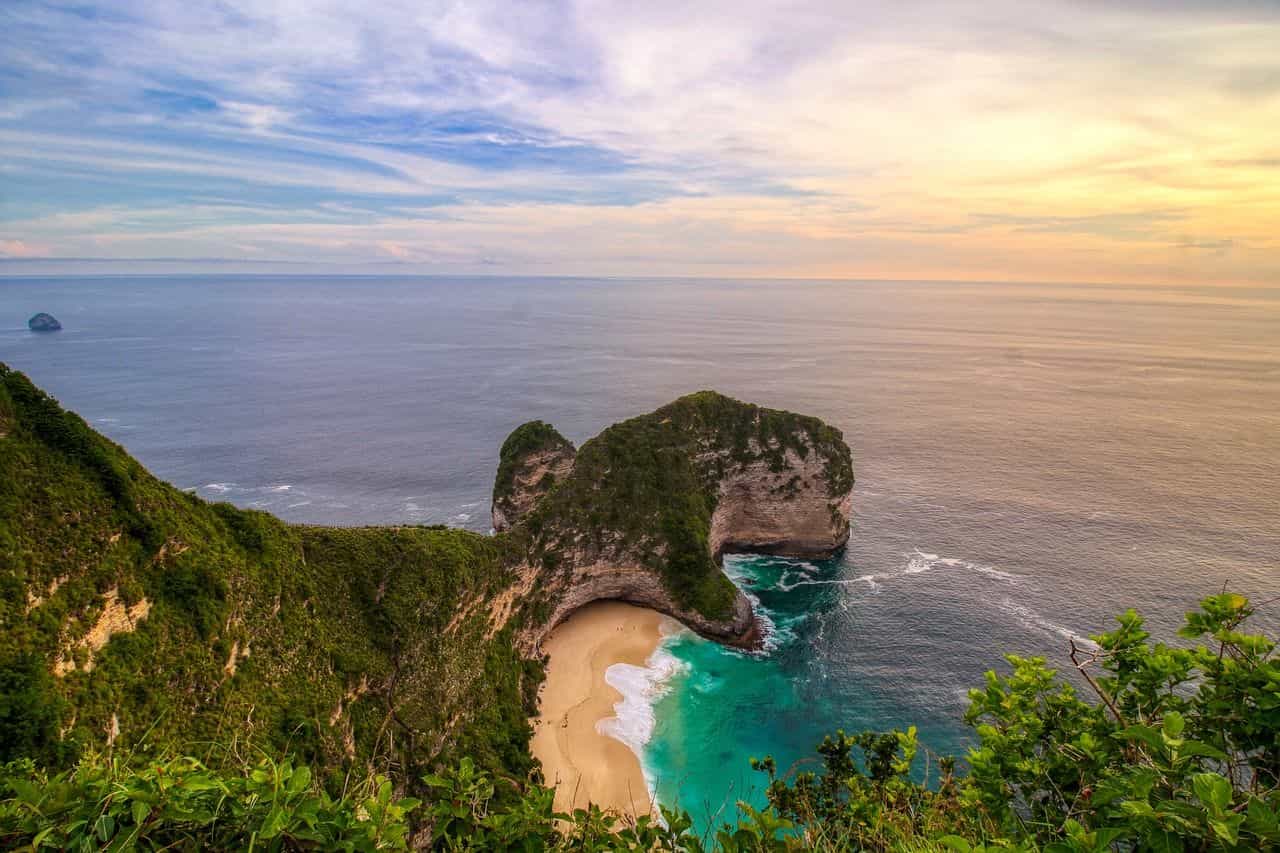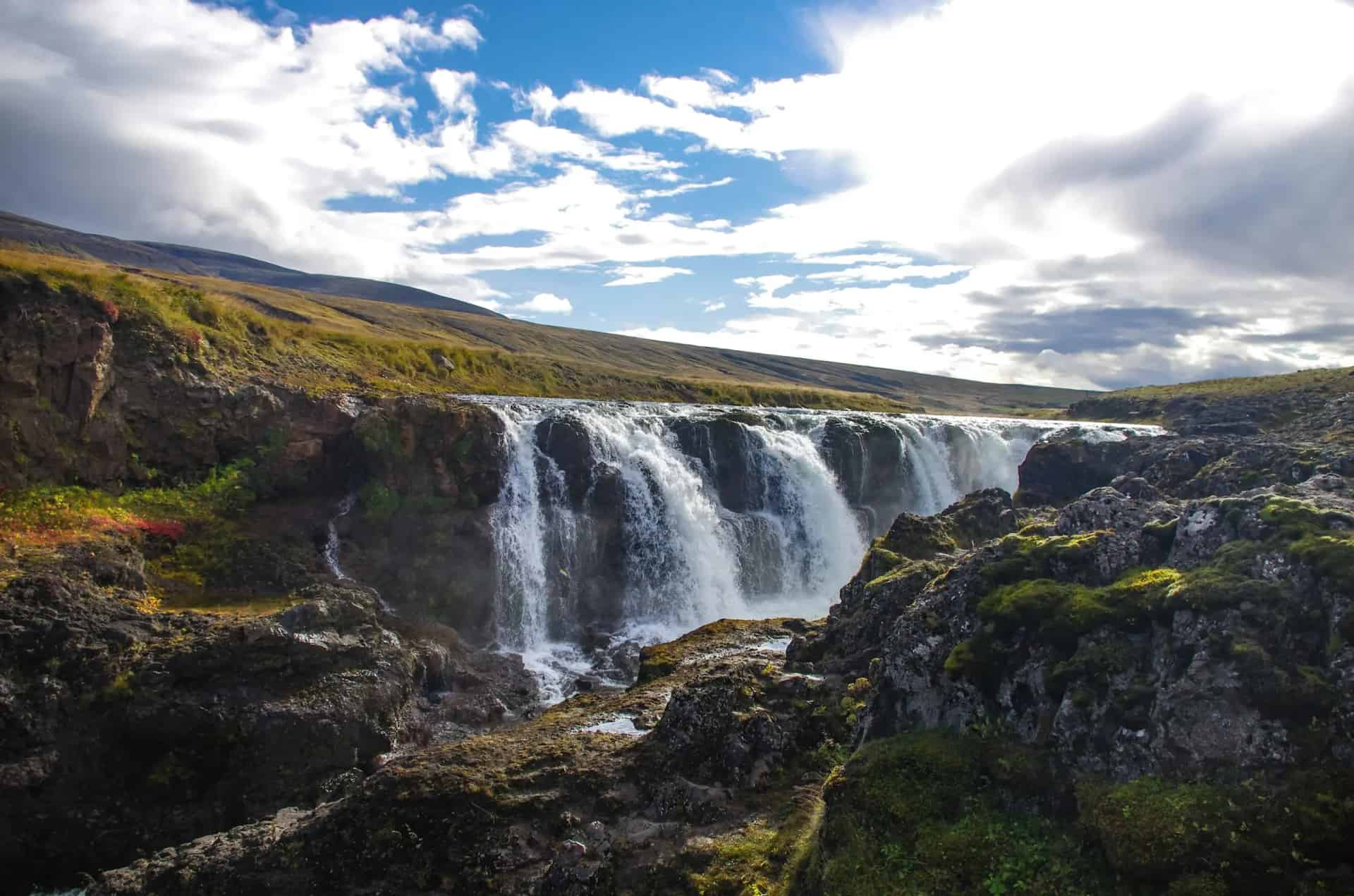
Bali is a destination you can visit throughout the year, but the best time to go depends on the type of holiday you're planning. Some travellers visit for sunny beach days and island hopping, while others prefer fewer crowds, lower hotel prices or lush tropical landscapes during the quieter months.
Unlike destinations with four distinct seasons, Bali has a tropical climate with two main seasons: the dry season and the rainy season. Understanding how these seasons affect the weather, crowds and travel costs can help you choose the right time for your trip.
In this guide, you'll learn what Bali's weather is typically like throughout the year, how the dry and rainy seasons differ, and which months are best for different travel styles and experiences.
If you're planning a longer holiday, our 10-Day Bali Itinerary can help you make the most of your time on the island.
Quick Answer: When Is the Best Time to Visit Bali?
For most travellers, May to September is considered the best time to visit Bali. These months generally offer sunny weather, lower humidity and ideal conditions for beaches, sightseeing and outdoor activities.
However, the best time ultimately depends on what you want from your trip. Travellers looking for lower prices and fewer crowds may find the quieter months just as rewarding.
Best Time to Visit Bali by Travel Style
Travel Style | Best Months | Typical Weather |
| First-Time Visitors | May–June | Sunny, warm and less humid |
| Honeymoon | May–September | Mostly sunny with comfortable humidity |
| Beach Holiday | June–September | Dry, sunny and ideal for outdoor activities |
| Wellness & Relaxation | April–June | Warm with lush green landscapes |
| Budget Travellers | February–April, October–November | Warm with occasional tropical showers |
| Families | June–August | Sunny, dry and pleasant for sightseeing |
If you're looking for the best balance of pleasant weather, manageable crowds and good value, May, June and September are often considered the ideal months to visit Bali.
Understanding Bali's Climate
Because Bali lies close to the equator, temperatures remain relatively consistent throughout the year. Rather than dramatic seasonal changes, the biggest differences are rainfall, humidity and visitor numbers.
Average daytime temperatures typically range between 27°C and 31°C, while sea temperatures remain warm throughout the year, making Bali suitable for swimming, snorkelling and other water activities in every season.
Bali's climate is generally divided into two travel seasons:
- Dry Season: Usually from April to October
- Rainy Season: Usually from November to March
The dry season is typically sunnier with lower humidity, making it the most popular time for outdoor activities. The rainy season is warmer and more humid, with tropical rainfall that varies depending on the month.
While many rainy-season showers are brief, January and February often experience heavier rainfall, higher humidity and occasional localised flooding, which can affect beach days, outdoor sightseeing and boat schedules.
Coastal Weather vs Highland Weather
One important thing many travellers don't realise is that Bali's weather isn't identical across the island.
While the overall season remains the same, local geography creates noticeable weather differences between coastal destinations and higher-altitude regions.
Coastal areas such as Seminyak, Canggu, Uluwatu, Sanur and Nusa Dua are generally warmer, sunnier and less humid.
Higher-altitude destinations like Ubud, Bedugul and Munduk are typically cooler and can receive more rainfall, even during the dry season. Mornings and evenings are often noticeably fresher than along the coast.
If your itinerary includes both beaches and central Bali, packing lightweight clothing along with a light jacket for cooler highland mornings is usually a good idea.
Dry Season vs Rainy Season
Both seasons offer different experiences, and the best choice depends on your travel priorities.
Feature | Dry Season (April–October) | Rainy Season (November–March) |
| Typical Weather | Sunny, warm and lower humidity | Warm, humid with tropical rainfall |
| Beaches | Excellent conditions | Good, but weather can be unpredictable |
| Outdoor Activities | Ideal for sightseeing and island tours | Best planned with some flexibility |
| Crowds | Higher | Lower |
| Hotel Prices | Generally higher | Often more affordable |
| Ideal For | Beaches, adventure and first-time visitors | Budget trips, wellness holidays and quieter travel |
The dry season is generally preferred for beaches, island hopping, waterfalls and outdoor adventures because weather conditions are more predictable.
The rainy season offers a different perspective of Bali. The island becomes greener, popular attractions are usually less crowded and accommodation often provides better value. However, travellers should be prepared for greater weather variability, particularly during January and February.
Bali Weather by Month
The table below provides a quick overview of Bali's weather, crowd levels and the type of travel experience each month generally offers.
Month | Typical Weather | Crowds | Travel Cost | Best For |
| January | Warm, humid with frequent tropical rain | Low | Lower | Wellness retreats and quieter holidays |
| February | Warm, humid with regular rainfall | Low | Lower | Budget-conscious travellers |
| March | Warm with improving weather | Moderate | Moderate | Nature and relaxed holidays |
| April | Mostly sunny with lower humidity | Moderate | Moderate | First-time visitors |
| May | Sunny, warm and comfortable | Moderate | Moderate | Sightseeing and beaches |
| June | Dry, sunny and pleasant | High | Higher | Outdoor adventures |
| July | Sunny with low humidity | Very High | Higher | Families and beach holidays |
| August | Dry, sunny and breezy | Very High | Higher | Surfing and island hopping |
| September | Mostly sunny and comfortable | Moderate | Moderate | Couples and honeymoon |
| October | Warm with occasional showers | Moderate | Moderate | Balanced travel experience |
| November | Warm, humid with scattered rain | Lower | Lower | Budget-friendly holidays |
| December | Warm with tropical showers | High | Higher | Christmas and New Year holidays |
Best Time to Visit Bali by Travel Style
Although Bali can be visited throughout the year, some months are better suited to specific types of holidays. The table below provides a quick overview to help you choose the right travel period.
Travel Style | Best Time | Why? |
| First-Time Visitors | May–June | Pleasant weather, moderate crowds and excellent sightseeing conditions. |
| Honeymoon | May–September | Ideal for beaches, romantic sunsets and outdoor dining. |
| Beach Holiday | June–September | Dry weather and plenty of sunshine. |
| Wellness & Relaxation | April–June | Comfortable weather and lush green surroundings. |
| Families | June–August | Dry conditions during school holiday periods. |
| Budget Travellers | February–April, October–November | Better hotel availability and more competitive prices. |
Remember that these are general recommendations. Weather patterns can vary slightly from year to year, so checking the forecast closer to your departure date is always advisable.
Important Travel Notice: Nyepi (Day of Silence)
If you're planning to visit Bali during March, it's important to check whether your travel dates coincide with Nyepi, Bali's annual Day of Silence.
For approximately 24 hours:
- Ngurah Rai International Airport closes.
- Roads remain empty.
- Most shops and businesses do not operate.
- Visitors are expected to remain within their hotel or villa.
The evening before Nyepi features the famous Ogoh-Ogoh parades, where large ceremonial statues are carried through the streets before the island enters its day of silence.
Because the date changes each year, it's worth checking the official Nyepi calendar before confirming your travel plans.
Seasonal Things to Know Before You Book
Besides weather, a few seasonal factors can influence your overall travel experience.
West Coast Beaches During the Rainy Season
Between December and February, seasonal ocean currents can wash natural debris and marine waste onto some west coast beaches, including parts of Kuta, Legian, Seminyak and Canggu.
If you're travelling during this period and your priority is spending time on clean beaches, eastern coastal areas such as Sanur and Nusa Dua are often better choices.
Fast Boat Services
If you're planning day trips to Nusa Penida or onward travel to the Gili Islands, be aware that rough sea conditions during the peak rainy season can occasionally delay or cancel fast boat services.
Building some flexibility into your itinerary is recommended, particularly if you're travelling during January or February or have an international flight shortly afterwards.
Surf Conditions Change Throughout the Year
Bali is one of the world's most popular surfing destinations, and the best conditions vary depending on the season.
Generally:
- West coast beaches provide the best surf during the dry season.
- East coast beaches become more favourable during the rainy season.
Even if you're not a surfer, this seasonal wind pattern can influence beach conditions throughout the year.
Mount Batur Sunrise Treks
If a Mount Batur sunrise trek is part of your itinerary, the drier months generally offer clearer views and more comfortable hiking conditions.
During the wetter months, trails can become slippery and cloud cover may reduce visibility at the summit.
When Is Bali Most Crowded?
Bali experiences its busiest travel periods during:
- June to August
- Christmas and New Year
- Major international and Indonesian public holidays
During these periods, flights and accommodation are generally more expensive, and popular attractions may experience longer waiting times.
If you prefer a quieter holiday while still enjoying favourable weather, May, September and October are often excellent alternatives.
What's the Cheapest Time to Visit Bali?
Travellers looking for better value usually find the most competitive prices during:
- February
- March
- October
- November
These months often offer lower hotel rates and occasional flight deals compared with the peak tourist season.
Although the weather may be less predictable than during the dry season, many travellers consider the savings worthwhile, particularly if their itinerary focuses on sightseeing, cafés, cultural attractions and wellness experiences rather than spending every day at the beach.
If you're estimating your overall holiday budget, our Bali Trip Cost from India guide breaks down the typical costs of flights, accommodation, food, transport and sightseeing to help you plan more confidently.
Conclusion
Bali is a destination that offers something in every season. Whether you're looking for sunny beach days, a romantic honeymoon, a wellness retreat or a budget-friendly escape, choosing the right time to visit can make a significant difference to your overall experience.
For most travellers, May to September provides the most reliable weather for sightseeing and outdoor activities. If you don't mind occasional tropical rain, travelling during the quieter months can reward you with fewer crowds, greener scenery and better value.
Once you've decided when to visit, the next step is choosing the right itinerary and planning a realistic travel budget.
Explore our Bali Tour Packages to discover carefully planned itineraries, handpicked stays and unforgettable experiences across the Island of the Gods.