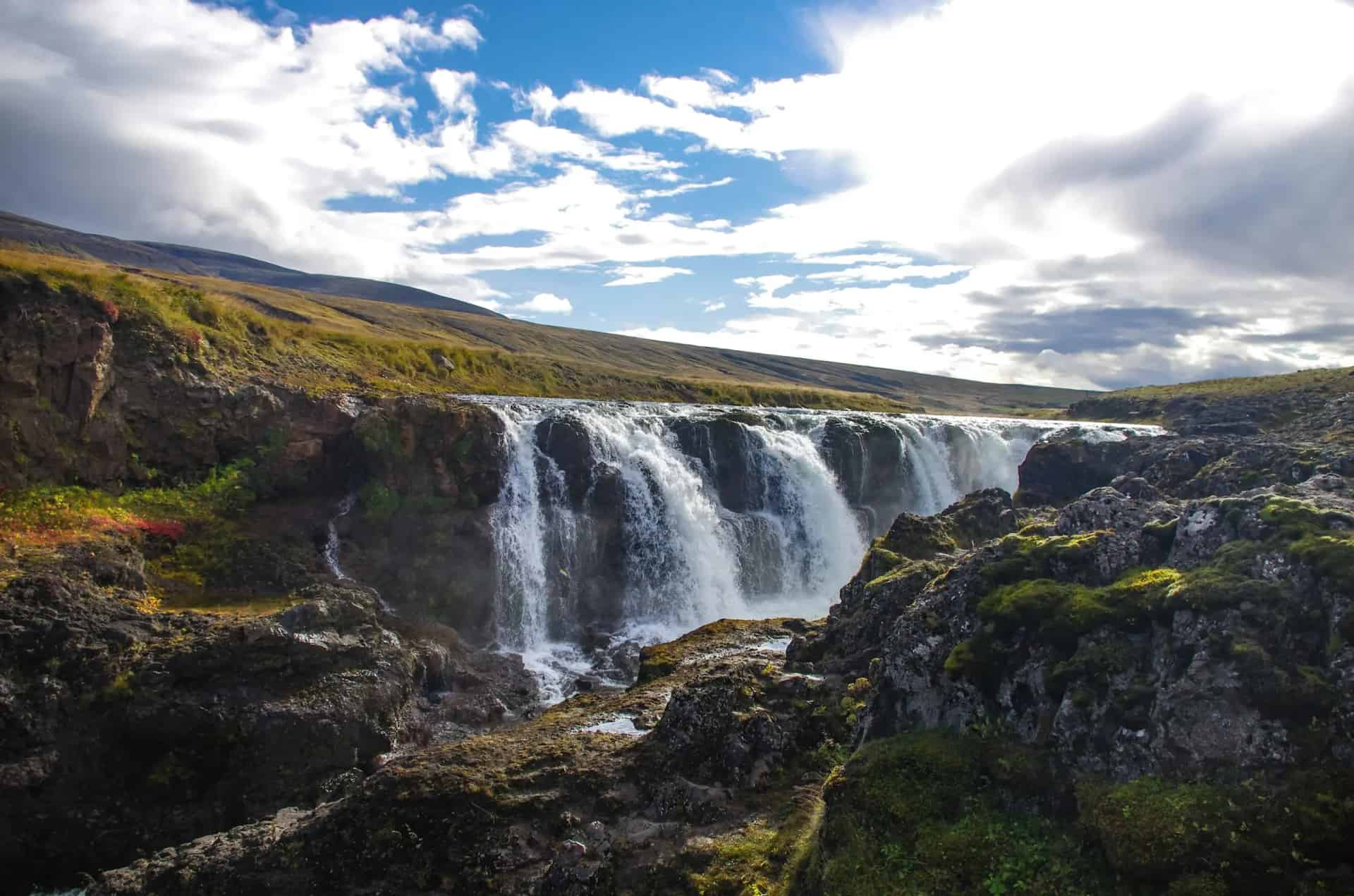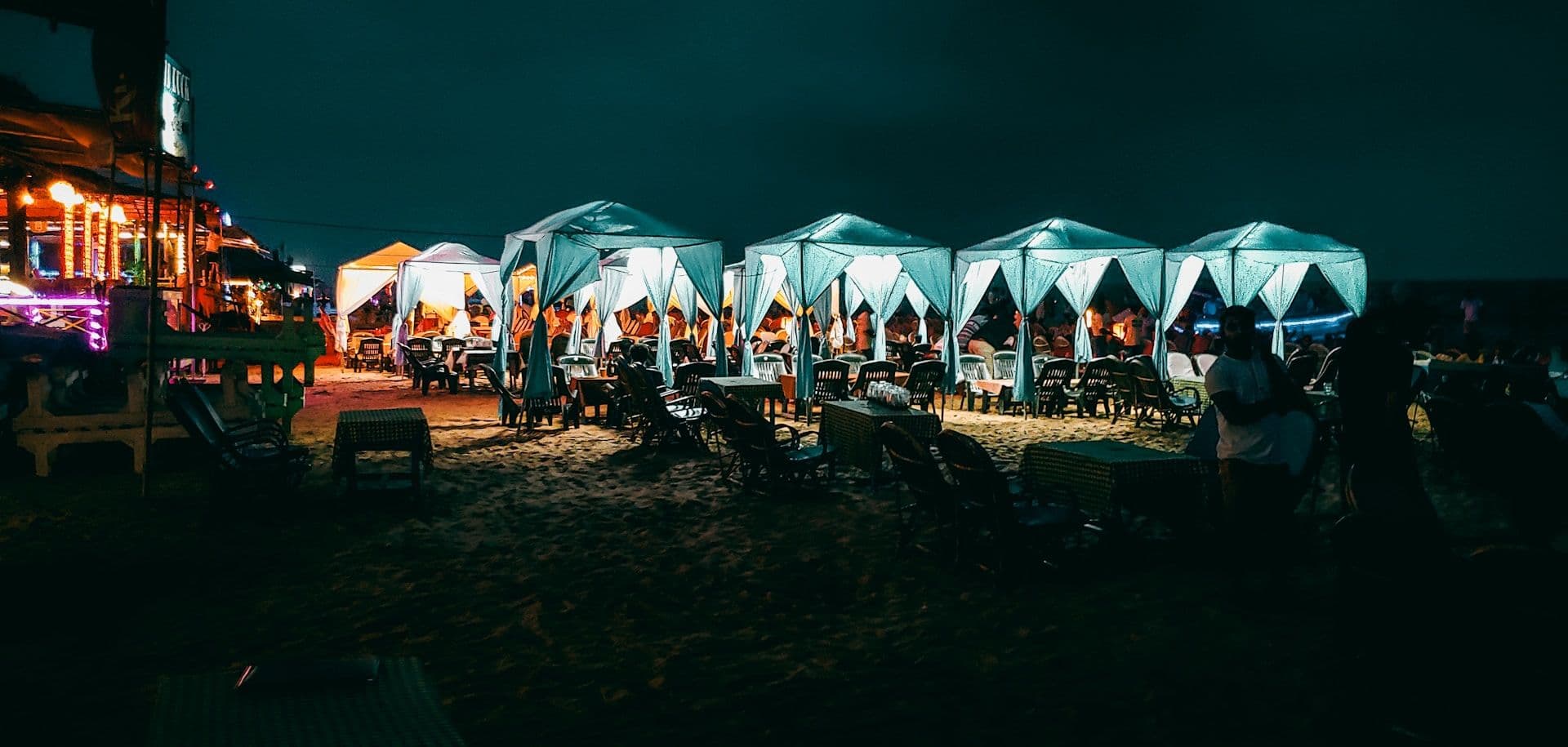
Goa has two very different personalities. In the dry season, the beaches are active, restaurants and nightlife are in full swing, and the weather is suited to spending long days outdoors. During the monsoon, the same state becomes quieter and much greener, with waterfalls, rain-soaked landscapes and a completely different atmosphere.
That is why the best time to visit Goa depends less on the calendar and more on the experience you want. If you want the classic beach-and-nightlife Goa, one part of the year stands out. If you want fewer crowds, lower-season travel or a monsoon escape, other months can make more sense.
This guide breaks down Goa's seasons, weather, crowds, prices, beach conditions, festivals and activities so you can choose when to visit based on the trip you actually want.
Goa Weather at a Glance
Period | Typical Conditions | What to Expect |
| October to February | Mostly dry and more comfortable | Beach days, sightseeing, nightlife and outdoor activities |
| March to May | Hot and increasingly humid | Quieter travel and slower-paced holidays |
| June to September | Heavy monsoon and frequent rain | Waterfalls, greenery, festivals and a quieter Goa |
Goa has a tropical climate for most of the year. The monsoon generally arrives in June and continues through September, while May is typically the hottest month. The cooler winter period falls mainly between mid-December and February.
The important thing is that weather changes what you can realistically do in Goa. The dry season favors conventional beach holidays, while the monsoon shifts the focus toward greenery, waterfalls and cultural or indoor experiences.
October to February: The Classic Goa Season
If your idea of Goa involves beaches, outdoor sightseeing, restaurants, nightlife and spending long hours outside, October to February is the strongest period to consider.
October marks the transition out of the monsoon. Rain gradually decreases, the landscape remains green and outdoor conditions begin improving.
By November, Goa moves closer to its main tourist season, while December to February brings the most reliable conditions for a traditional Goa holiday.
October and November
October is a transition month. Humidity can still be noticeable and occasional rain is possible, but conditions generally become more favorable as the month progresses.
November is a stronger choice if you want a combination of drier weather, beach time and fewer crowds than the Christmas-New Year period.
It can be particularly useful for travelers who want the classic Goa experience without visiting during the busiest holiday weeks.
December
December brings Goa's biggest holiday atmosphere.
Christmas celebrations, year-end events and increased tourist activity make popular parts of Goa especially lively. The trade-off is higher demand for accommodation, transportation and popular restaurants and venues.
If you are planning to travel around Christmas and New Year, book well in advance and expect significantly higher demand than in the shoulder months.
January and February
January and February continue to offer generally comfortable conditions for beaches, sightseeing and outdoor activities.
January remains a busy month, while February can offer a good balance between favorable weather and slightly less holiday-season pressure.
February is also useful for travelers interested in Goa's cultural calendar, with events such as Carnival often taking place around this period.
March to May: The Hot Pre-Monsoon Season
March to May marks Goa's hottest period of the year, with temperatures and humidity increasing as the monsoon approaches.
This does not make Goa off-limits during these months. It simply works better with slower days, flexible sightseeing and accommodation where you can comfortably escape the midday heat.
March and April
March begins the hotter season, while April becomes noticeably warmer.
Outdoor activities are still possible, but early mornings and late afternoons are more comfortable than the middle of the day. These months can work well if you want to avoid the main winter rush and are comfortable adjusting your plans around the heat.
April can also suit travelers looking for a more relaxed resort-focused holiday rather than an itinerary packed with sightseeing.
May
May is generally the hottest part of the year, with high humidity making the heat feel more intense.
A May trip is better suited to a relaxed resort or beach stay than an itinerary packed with full-day outdoor activities. Plan sightseeing for cooler parts of the day and leave the hottest hours for relaxing, dining or indoor experiences.
As June approaches, the weather changes dramatically with the arrival of the monsoon.
June to September: Goa During the Monsoon
The monsoon changes the experience of Goa more than any other season. Rain becomes a major part of daily travel, the landscape turns intensely green, and the focus shifts away from the conventional beach holiday toward waterfalls, forests, villages and cultural experiences.
This is also when Goa feels considerably quieter than during the main tourist season.
June and July
These are among the wettest months, with frequent heavy rain affecting beaches, roads and outdoor plans.
Beach days become less predictable, while rough sea conditions can make swimming and water activities unsuitable. Instead, travelers can focus on Goa's greener inland landscapes, local food, heritage areas and monsoon experiences.
August and September
The landscape remains lush, and waterfalls and forest areas can become particularly attractive.
Rain can still disrupt travel plans, so flexibility is important when planning inland excursions. September gradually moves toward the post-monsoon transition, although significant rainfall can continue.
What Changes During the Monsoon?
The biggest difference is that Goa stops being primarily a beach destination.
Temporary beach shacks are seasonal and many do not operate during the monsoon. Some water activities are also suspended or restricted depending on sea conditions, while coastal areas become considerably quieter.
At the same time, waterfalls, greenery and the hinterland become much more appealing.
North and South Goa can also feel different during this period. Some North Goa areas retain more activity through permanent cafes, restaurants and other year-round businesses, while several South Goa coastal areas become noticeably quieter.
If you are visiting Goa specifically for beaches and water activities, June to September is generally not the strongest choice. If you want to experience Goa's green landscapes, waterfalls and monsoon atmosphere, it can be a rewarding time to visit.
Festivals and Events That Can Influence Your Travel Dates
Goa's festival calendar can make certain periods busier, but it can also give you a reason to visit outside the main beach season.
Christmas and New Year
Late December is one of Goa's busiest travel periods.
Christmas celebrations, parties and year-end events create a particularly lively atmosphere across popular tourist areas. Accommodation and transportation demand also rises sharply around this period.
If you want the festive atmosphere, book well in advance. If you want similar winter weather without the peak holiday rush, consider traveling earlier in December or after the New Year period.
Carnival
Goa Carnival generally takes place around February or March and brings parades, music, costumes and street celebrations to different parts of the state.
It can be a good reason to visit if you want to combine comfortable winter weather with one of Goa's most recognizable cultural celebrations. Festival dates vary each year, so check the schedule before planning specifically around Carnival.
Shigmo
Shigmo is one of Goa's major traditional festivals and is generally celebrated around February or March.
Colorful processions, folk performances and local celebrations make this a particularly interesting period for travelers who want to experience a more traditional side of Goa.
Sao Joao
Celebrated on June 24, Sao Joao takes place during the monsoon and is known for its distinctive local traditions, music and community celebrations.
It offers a completely different experience from Goa's peak winter season and can be an interesting reason to visit during the rainy months.
Plan Your Goa Trip
For a classic beach holiday with comfortable weather, November to February remains the strongest period. October and early November can work well if you want the post-monsoon transition without the busiest holiday crowds, while March and April suit travelers who are comfortable with hotter conditions.
If waterfalls, greenery and monsoon experiences are the priority, June to September offers a completely different side of Goa.
Once you've decided when to go, explore our Goa Travel Guide for help with where to stay, what to see, transportation and trip planning.
If you are ready to turn your plans into a holiday, explore our Goa tour packages.