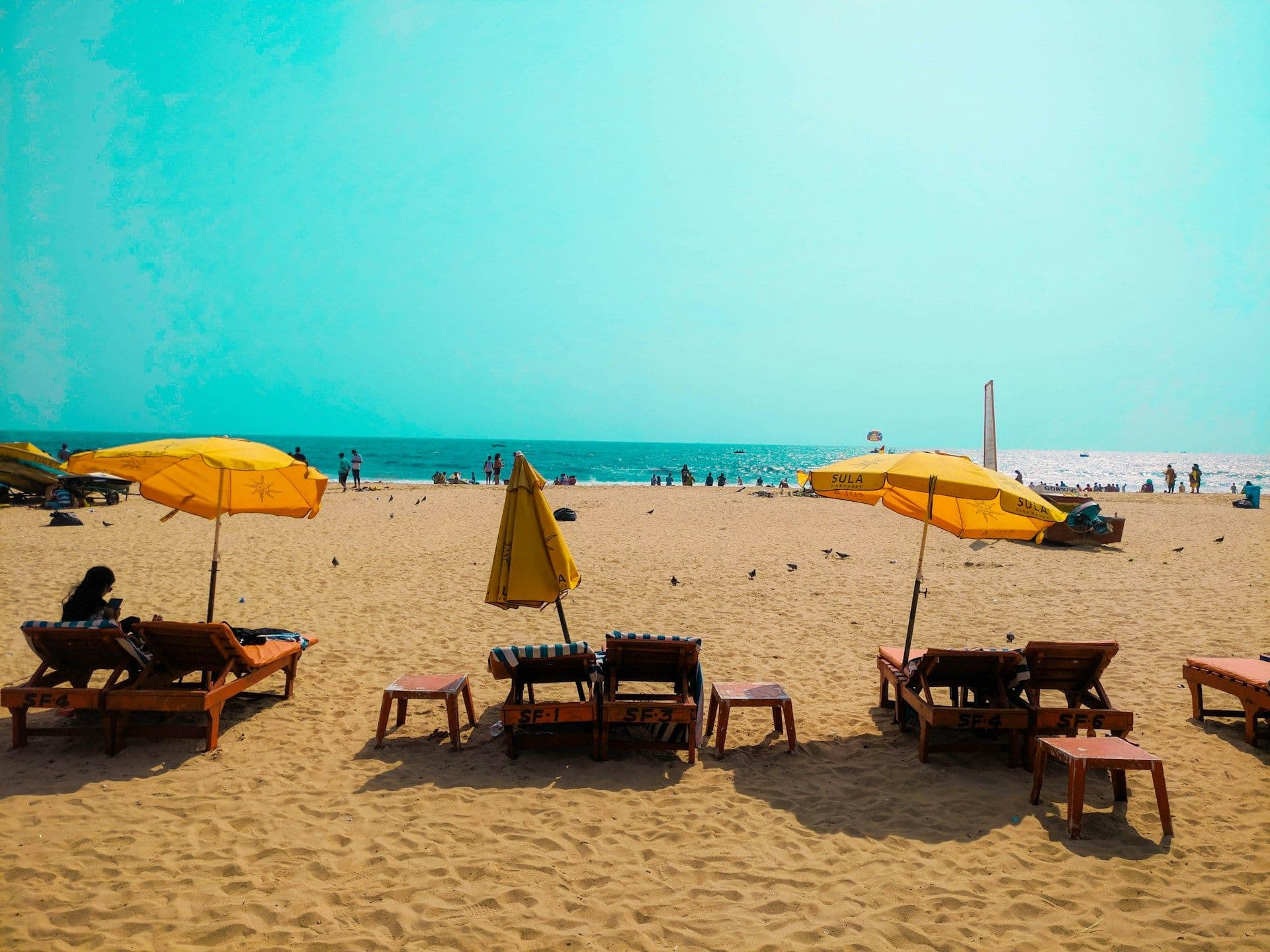
Goa can be the kind of trip where you spend three days doing almost nothing and still feel like you had a great holiday. It can also become surprisingly tiring when too much of the trip is spent traveling between beaches, restaurants and attractions.
That difference usually comes down to how you plan your stay. North Goa has a very different atmosphere from South Goa, while the quieter inland areas reveal a side of Goa that many short trips miss.
Whether you are planning a beach getaway, a trip with friends, a family holiday or a honeymoon, choosing the right area and pace can make a bigger difference than trying to fit more places into your itinerary.
This guide focuses on the practical side of planning Goa, from choosing where to stay and when to visit to understanding costs, transport and the local details that can affect your trip.
Goa Travel Guide at a Glance
Travel Factor | Quick Answer |
| Ideal duration | 3 to 5 days for a first trip |
| Best time | October to May for a traditional beach holiday |
| Monsoon | June to September for a greener, quieter experience |
| Best for nightlife | North Goa |
| Best for quieter beaches | South Goa |
| Best for couples | South Goa and selected quieter areas |
| Best for first-time visitors | North Goa with selected South Goa experiences |
| Main airports | Mopa and Dabolim |
| Main transport | Scooter, car, taxi and local buses |
Is Goa Worth Visiting?
Yes, especially if you want a destination where a short trip can combine beaches, food, nightlife, heritage and nature.
Goa works for very different types of travelers. Friends may prefer a more active holiday, while couples and families may want quieter beaches and comfortable stays. Travelers interested in culture can explore historic areas, while nature-focused trips can include waterfalls, plantations and inland experiences.
The destination also gives you flexibility. You can plan a beach-focused getaway, mix sightseeing with relaxation or build a trip around food, nightlife and local experiences.
The right choice depends largely on which part of Goa fits your travel style.
Which Part of Goa Should You Visit?
Goa can broadly be divided into North Goa, South Goa and the hinterland. Each works better for a different type of trip.
North Goa
North Goa is generally the better choice if you want a more active and social holiday.
It offers a wider concentration of popular beaches, restaurants, cafes, nightlife, shopping and activities. It can work particularly well for first-time visitors, groups of friends and travelers who want plenty of options close to their accommodation.
South Goa
South Goa is better suited to travelers looking for a quieter coastal holiday.
It has more relaxed beach areas and resort-style stays, making it a good option for couples, families and travelers who prefer a slower pace rather than a nightlife-focused trip.
Hinterland Goa
Away from the main coastal areas, the hinterland offers a different side of Goa through villages, plantations, forests, waterfalls, temples and local experiences.
It is worth considering if you want to add nature, culture or rural experiences to a beach-focused holiday.
If you are deciding between the two main coastal regions, read our North Goa vs South Goa comparison before choosing where to stay.
How Many Days Do You Need for a Goa Trip?
For a first trip, 3 to 5 days is a practical range. The ideal duration depends on whether you want a quick beach getaway or enough time to explore different parts of Goa.
Trip Duration | Best Approach |
| 3 Days | Focus on one region with a few beaches, local food and selected activities |
| 4 Days | Add more sightseeing while keeping enough time for the beaches |
| 5 Days | Combine more of Goa, including selected North and South Goa experiences |
For practical day-by-day routes, see our Goa Itinerary.
Best Places to Visit in Goa
Goa offers much more than beaches. Depending on your interests, you can combine coastal areas with heritage sites, forts, churches, waterfalls and inland experiences.
Beaches
Different beach areas suit different travel styles:
- Baga and Calangute: Busy, commercial and activity-focused
- Anjuna and Vagator: Sunset views, cafes and nightlife
- Ashwem, Morjim and Arambol: More relaxed and alternative
- Palolem and Agonda: Scenic and quieter
- Colva and Benaulim: Convenient and more developed
Heritage and Culture
For a change from the coast, consider:
- Old Goa
- Basilica of Bom Jesus
- Fort Aguada
- Reis Magos Fort
- Fontainhas in Panaji
Fontainhas is particularly worth visiting for its Portuguese-influenced architecture and heritage character.
Nature and Inland Experiences
You can also add:
- Dudhsagar Waterfalls
- Forest and waterfall areas
- Spice plantations
- Wildlife experiences
- Villages and quieter inland areas
For a more detailed list and help deciding which places fit your itinerary, explore our Best Places to Visit in Goa guide.
Best Time to Visit Goa
Goa works differently across the year, so the best time depends on whether you want comfortable beach weather, fewer crowds or a greener monsoon experience.
Season | Months | What to Expect | Best For |
| Peak season | October to February | Pleasant weather, busy beaches and higher demand | Beach holidays, sightseeing and nightlife |
| Summer | March to May | Hotter days and fewer crowds | Quieter stays and budget-conscious trips |
| Monsoon | June to September | Heavy rain, lush landscapes and active waterfalls | Nature and a different side of Goa |
For a detailed seasonal breakdown, see our Best Time to Visit Goa guide.
How Much Does a Goa Trip Cost?
A Goa trip can fit different budgets depending on your accommodation, travel season, transportation and activities.
For a typical 3 to 5-day trip, a rough planning range is:
Travel Style | Approximate Cost per Person |
| Budget | ₹8,000–₹12,000 |
| Mid-range | ₹12,000–₹20,000 |
| Premium | ₹25,000+ |
These are broad planning ranges rather than fixed prices. Peak periods, beachfront stays, private transfers, premium dining, activities and nightlife can increase the total significantly.
For a detailed breakdown of accommodation, food, transport, activities and different trip durations, see our Goa Trip Cost guide.
How to Reach Goa
Goa is well connected by air, rail and road. The best option depends on your starting point and where you plan to stay.
By Air
Goa has two airports, and the choice can make a noticeable difference to your transfer time.
Manohar International Airport (Mopa) is in North Goa and is more convenient for travelers staying in northern areas.
Dabolim Airport is closer to central and South Goa, making it more convenient for destinations in those regions.
If your accommodation is in South Goa, compare the total transfer time before choosing a flight to Mopa simply because the airfare is cheaper.
By Train
Goa is connected to major cities through the railway network and can be a practical option for travelers coming from Mumbai, Pune, Bengaluru and other cities.
By Road
Buses and private vehicles connect Goa with several cities across western and southern India. Road travel can be useful if you want more flexibility, but compare the total journey time with flying or taking a train.
How to Get Around Goa
Your choice of local transport can affect both your budget and how easily you can explore.
Scooter
Scooters are a popular option for travelers who want flexibility, particularly when exploring nearby beaches and attractions.
If you rent one, make sure you have the required driving documents, wear a helmet and follow local traffic rules. Do not choose a scooter simply because it is inexpensive if you are not comfortable riding in unfamiliar traffic.
Car
A rental car can be more convenient for families, groups or travelers carrying luggage. It can also make longer journeys between different parts of Goa more comfortable.
Taxis
Taxis are useful for airport transfers and longer journeys when you do not want to drive. App-based taxi services are also available, but availability and fares can vary, so check current options before relying on one for an important transfer.
Local Buses
Local buses can be economical along established routes, but they are less convenient if you plan to visit several scattered attractions in one day.
Goa Travel Rules and Practical Tips
A few practical details can make your Goa trip easier, particularly if you plan to rent a scooter or visit during the monsoon.
- Carry the required driving documents if you rent a scooter or car, and follow local traffic rules.
- Wear a helmet when riding a two-wheeler and avoid riding if you are not comfortable with Goa's traffic and unfamiliar roads.
- Use licensed establishments for alcohol and do not assume that Goa's relaxed reputation means drinking is allowed in every public place.
- Do not walk along railway tracks to Dudhsagar. Use the permitted access arrangements and check current conditions before visiting.
- Expect weather-related changes during monsoon. Heavy rain can affect roads, beaches, waterfalls and outdoor activities.
These are small details, but knowing them beforehand can prevent unnecessary problems during the trip.
What Should You Eat in Goa?
Goan food is an important part of the experience, particularly if you want to explore something beyond the beaches.
Some dishes worth trying include:
- Fish curry rice
- Chicken or fish cafreal
- Goan xacuti
- Pork vindaloo
- Fresh seafood
- Bebinca
You can experience Goan food in different settings. Local restaurants are good for traditional meals, while beach shacks offer casual seafood by the coast. Panaji and heritage areas also have restaurants serving Goan-Portuguese dishes, while North Goa has a broader cafe and international food scene.
You do not need to turn food into a separate itinerary. Simply include a few local dishes during your stay to experience a different side of Goa.
Plan Your Goa Trip
A good Goa trip does not require a packed schedule. Once you have chosen the right area, season and trip duration, the rest of the planning becomes much simpler.
Before booking, keep these points in mind:
- Choose your base according to the areas you actually want to explore.
- Check whether Mopa or Dabolim is more convenient for your stay.
- Keep peak-season demand in mind when booking accommodation.
- Allow extra travel time when moving between different parts of Goa.
- Check weather and local conditions before planning outdoor activities.
If you prefer a planned holiday instead of arranging accommodation, transport and sightseeing separately, explore our Goa tour packages.