Quick Answer
The best time to visit Iceland depends on your travel goal.
- June to August is best for road trips and easy travel
- September to March is best for Northern Lights
- April, May, and October offer fewer crowds and lower costs
There Is No Single Best Time to Visit Iceland
Most travelers look for one perfect month.
But Iceland is not a one-season destination. The experience changes completely depending on when you go.
Summer brings long daylight and smooth travel conditions, while winter transforms the country into a snow-covered landscape with Northern Lights. Shoulder seasons sit in between, offering a mix of both with fewer crowds.
The real question is not when Iceland is best. It is what kind of experience you want.
To understand how timing connects with planning, start with the Iceland travel guide, then decide on your season.
What Is the Best Time to Visit Iceland for Different Experiences?
Choosing the right time depends on what you want from your trip, not just the weather.
If your goal is a road trip, June to August is the most reliable period. Roads are fully accessible, and long daylight hours make travel comfortable.
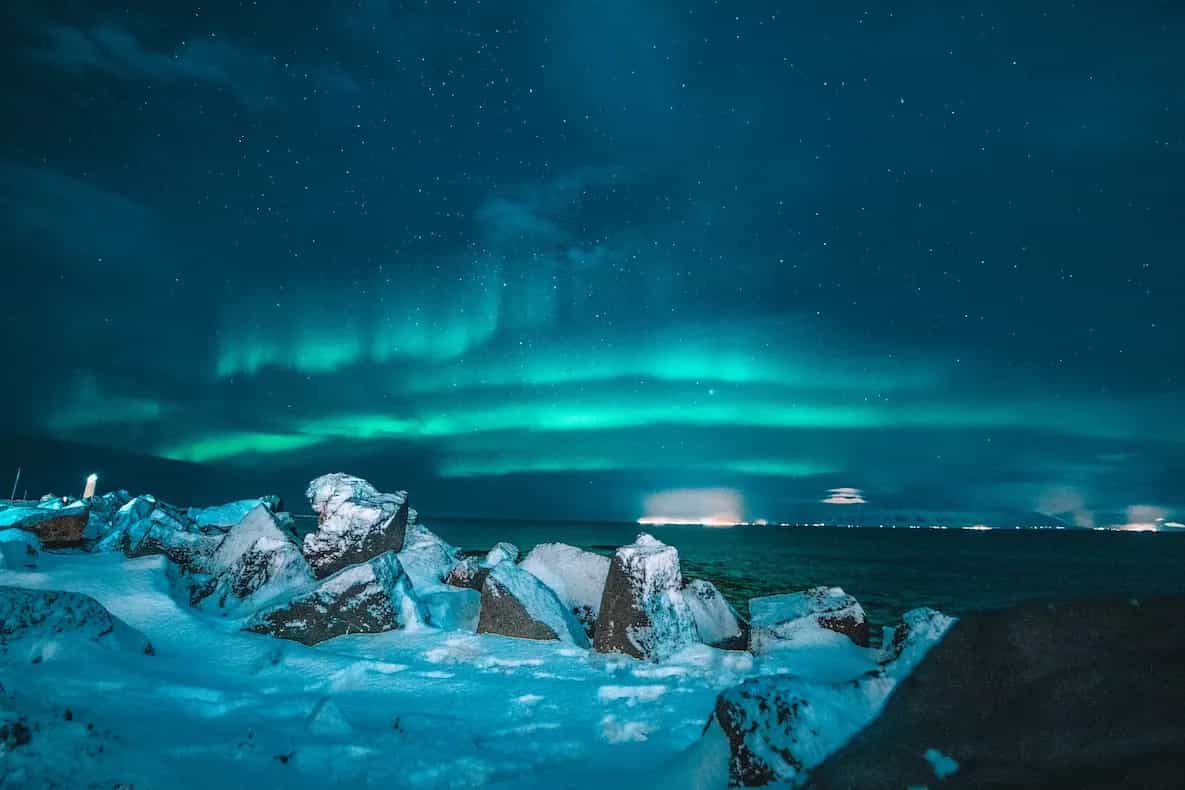
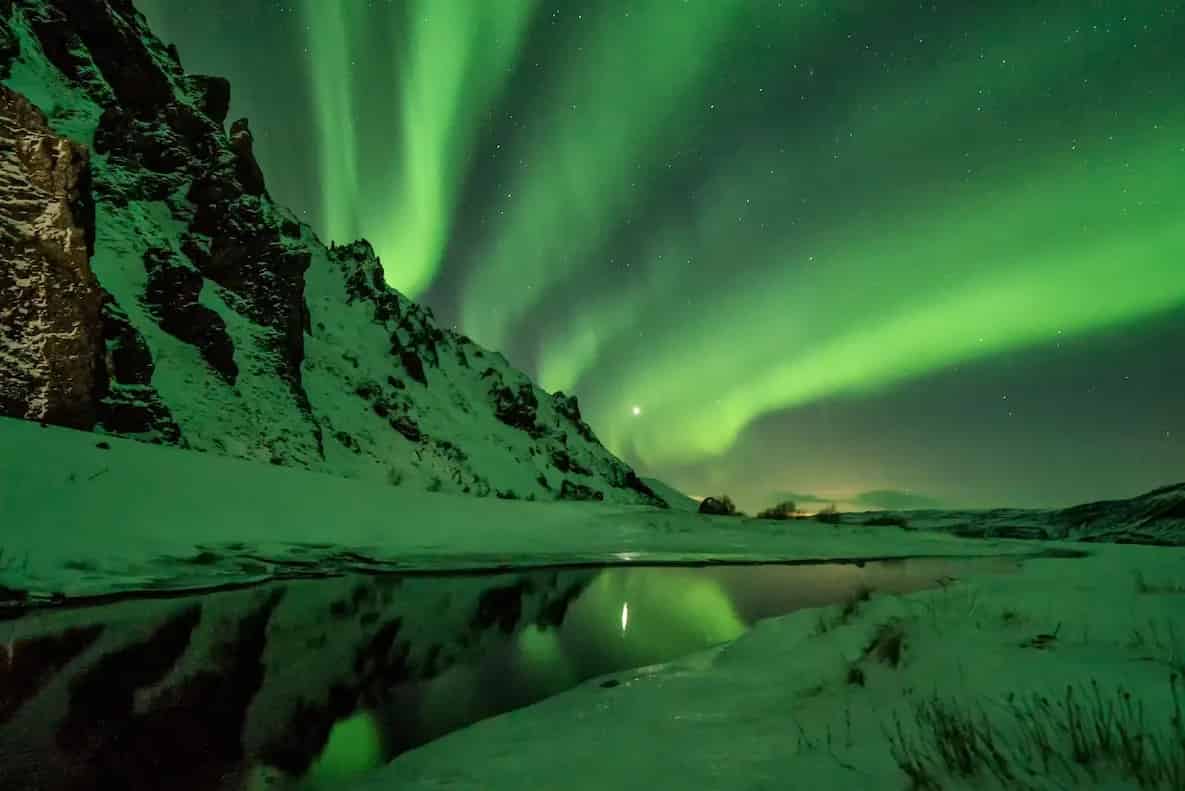
For Northern Lights, darker skies are essential, which is why September to March is the ideal window.
If budget is your priority, April, May and October offer better pricing with fewer crowds, though weather can be slightly unpredictable.
For snow and winter landscapes, November to February is when Iceland feels the most dramatic.
Iceland Weather by Month: What to Expect Throughout the Year
Summer (June to August)
Summer is the easiest time to explore Iceland. With long daylight hours and relatively stable weather, it allows you to cover more places without rushing.
- temperatures: 10°C to 15°C
- long daylight hours
- best road conditions
Best for first-time travelers and full itinerary coverage.
Shoulder Season (April to May, September to October)
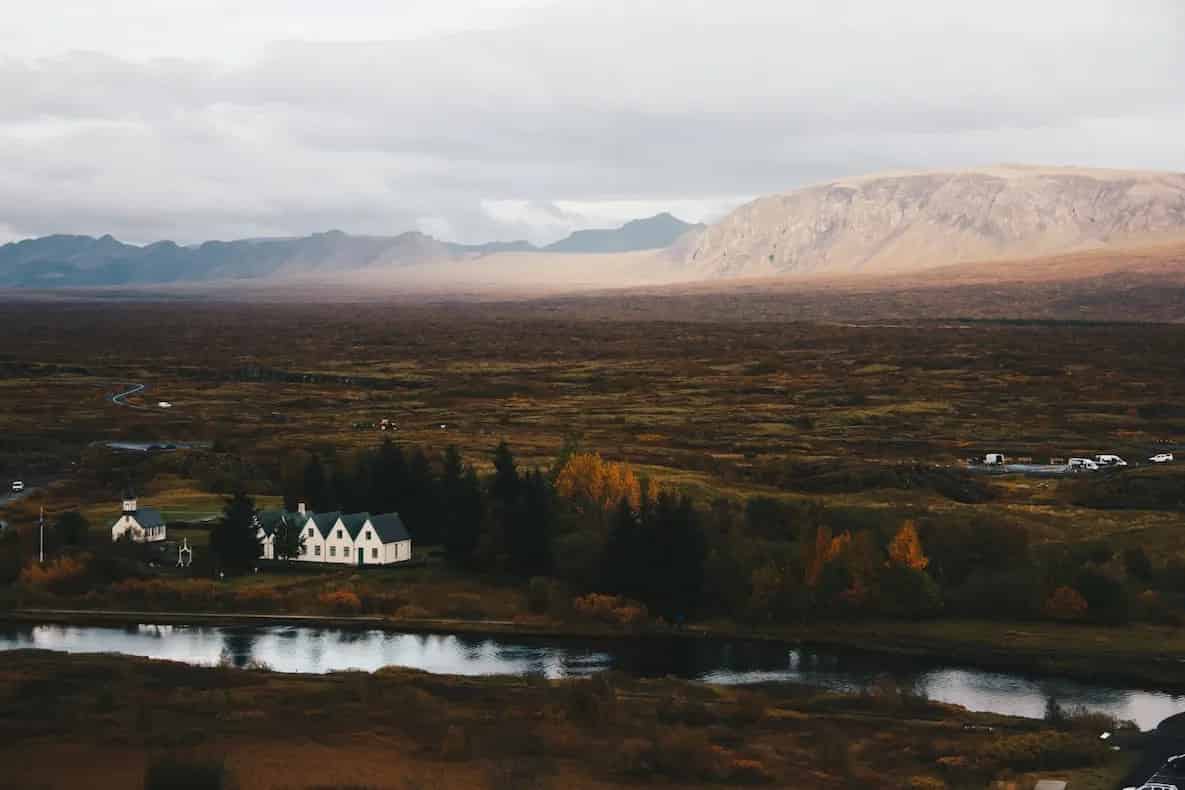
These months offer a balance between experience and cost. You avoid peak crowds while still getting decent accessibility.
- fewer tourists
- better pricing
- mixed weather conditions
Best for travelers who want a mix of affordability and experience.
Winter (November to March)
Winter changes Iceland completely. The landscapes become more dramatic, but travel becomes slower and more dependent on the weather.
- temperatures: -1°C to 5°C
- limited daylight
- snow-covered landscapes
Best for Northern Lights and winter experiences.
When Can You See Northern Lights in Iceland?
Northern Lights are visible between September and March, when nights are long enough for dark skies.
However, visibility depends on more than just the month. You need clear skies, low light pollution and some patience. This is why staying outside major cities increases your chances significantly.
For detailed planning, see the Northern Lights Iceland guide.
When Is the Best Time for an Iceland Road Trip?
June to August is the most reliable period for road trips.
During this time, roads are open across the country, including remote regions. Long daylight hours also give you more flexibility, allowing you to travel at a comfortable pace without feeling rushed.
Use the Iceland itinerary (7 days) to plan your route effectively.
What Is the Cheapest Time to Visit Iceland?
April, May, September and October are the most budget-friendly months.
During these periods, accommodation prices are lower and availability is better. While the weather can be slightly unpredictable, the cost savings often make it worthwhile.
For detailed cost planning, check the Iceland trip cost from India guide.
When Does Iceland Have Snow?
Snowfall is most common from November to February, when Iceland turns into a winter landscape.
This is the time when you can experience frozen waterfalls, icy terrains and a completely different side of the country. However, travel requires more planning due to shorter days and weather conditions.
For winter planning, read the Iceland in winter guide.
Summer vs Winter in Iceland: Which Season Should You Choose?
Summer and winter offer completely different experiences.
Summer:
- easier travel
- green landscapes
- no Northern Lights
Winter:
- Northern Lights
- snow and ice landscapes
- more challenging travel
Your choice depends on whether you prefer comfort and accessibility or unique and dramatic experiences.
Important Iceland Travel Trends and Planning Insights
Travel patterns in Iceland continue to evolve and understanding them can help you make a better decision.
Northern Lights Activity Trends
Aurora activity varies over time, and during stronger activity phases, Northern Lights become more frequent and vibrant. This makes winter travel even more rewarding for those specifically visiting for this experience.
Seasonal Demand and Price Surges
Certain periods attract higher demand, especially peak summer months and major global travel events. During these times, accommodation and flights can become significantly more expensive.
Planning around these windows can help you avoid unnecessary costs.
Changing Travel Planning Factors
Recent travel trends show that planning plays a bigger role than before. Efficient routes, early bookings and choosing the right season can make a noticeable difference in both cost and experience.
Is There a Bad Time to Visit Iceland?
There is no completely bad time, but some periods are more challenging.
Peak winter months can bring harsh weather, while transition months may feel unpredictable.
With flexible planning, Iceland can still be experienced well during these periods.
How Timing Affects Your Iceland Trip Cost
Your travel season directly impacts your budget.
- summer → highest cost
- shoulder season → balanced pricing
- winter → variable pricing with potential savings
For full budgeting insights, refer to the Iceland trip cost from India guide.
Common Mistakes When Choosing to Visit Iceland
- choosing a season without understanding the experience
- expecting Northern Lights in summer
- underestimating winter travel conditions
- booking peak season without planning
So, When Should You Actually Visit Iceland?
If you want easy travel and maximum coverage, summer is the safest choice.
If Northern Lights are your priority, winter is the right season.
If you want a balance between cost and experience, shoulder months are ideal.
There is no perfect time. Only the right time based on how you want to experience Iceland.
Final Thoughts: Choosing the Right Iceland Experience
Iceland is one of the few destinations where timing completely changes the experience.
The same itinerary can feel entirely different depending on when you visit.
If you are unsure which season suits your travel style, Desh Videsh Travels offers Iceland tour packages designed around specific experiences such as Northern Lights trips, summer road trips and balanced seasonal journeys.
The goal is simple.
Choose the right time and Iceland will feel worth every moment.