Quick Answer
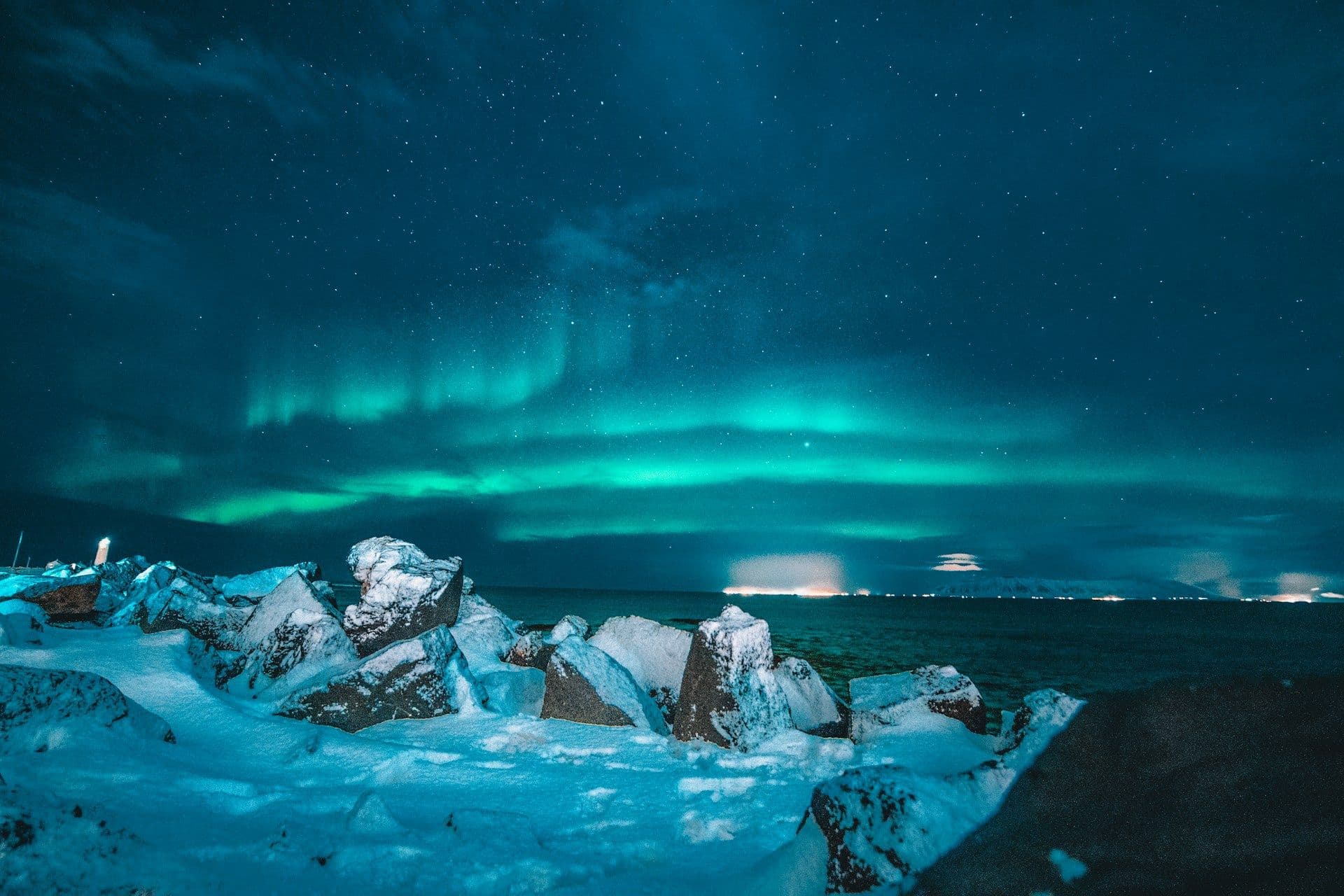
You can see the Northern Lights in Iceland from September to March, with the highest chances during winter. The best conditions require dark skies, clear weather and staying outside Reykjavik.
Many travelers assume that visiting Iceland in winter guarantees Northern Lights.
That’s not true.
The aurora depends on multiple factors such as solar activity, weather conditions and darkness. You could stay for several nights and not see them or witness them on your first evening.
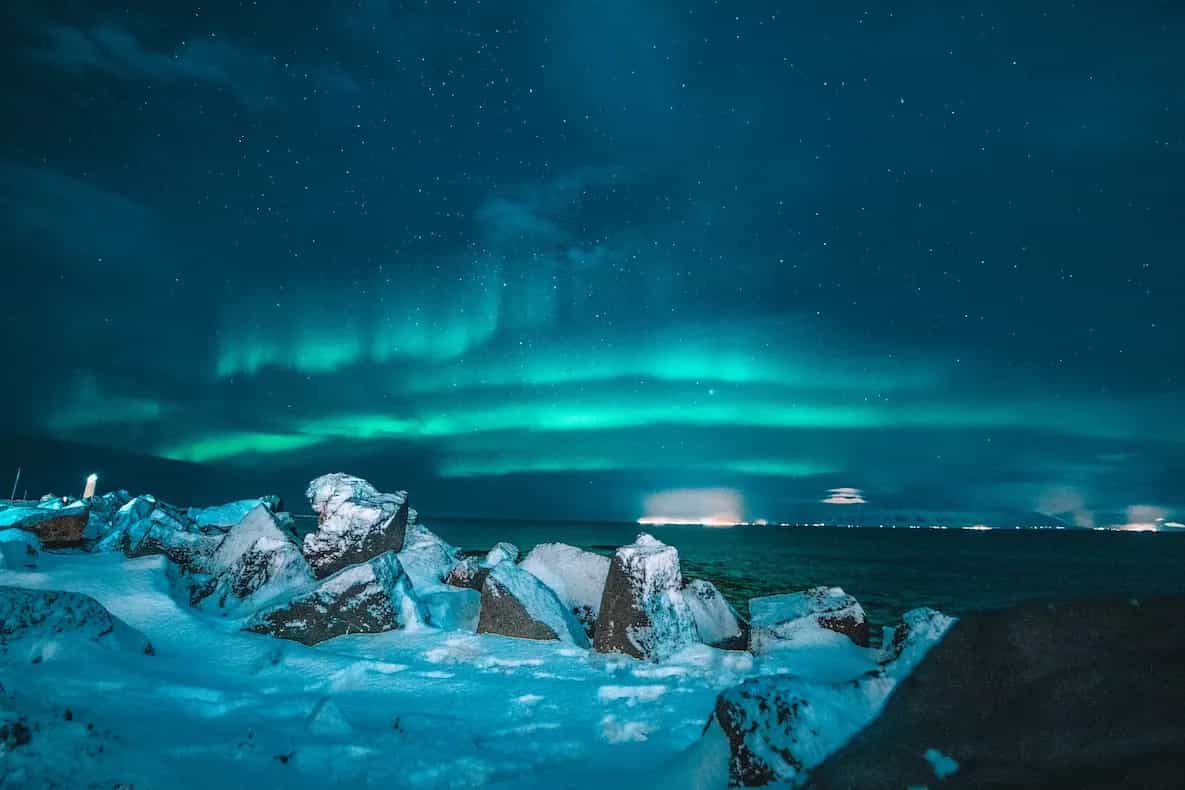
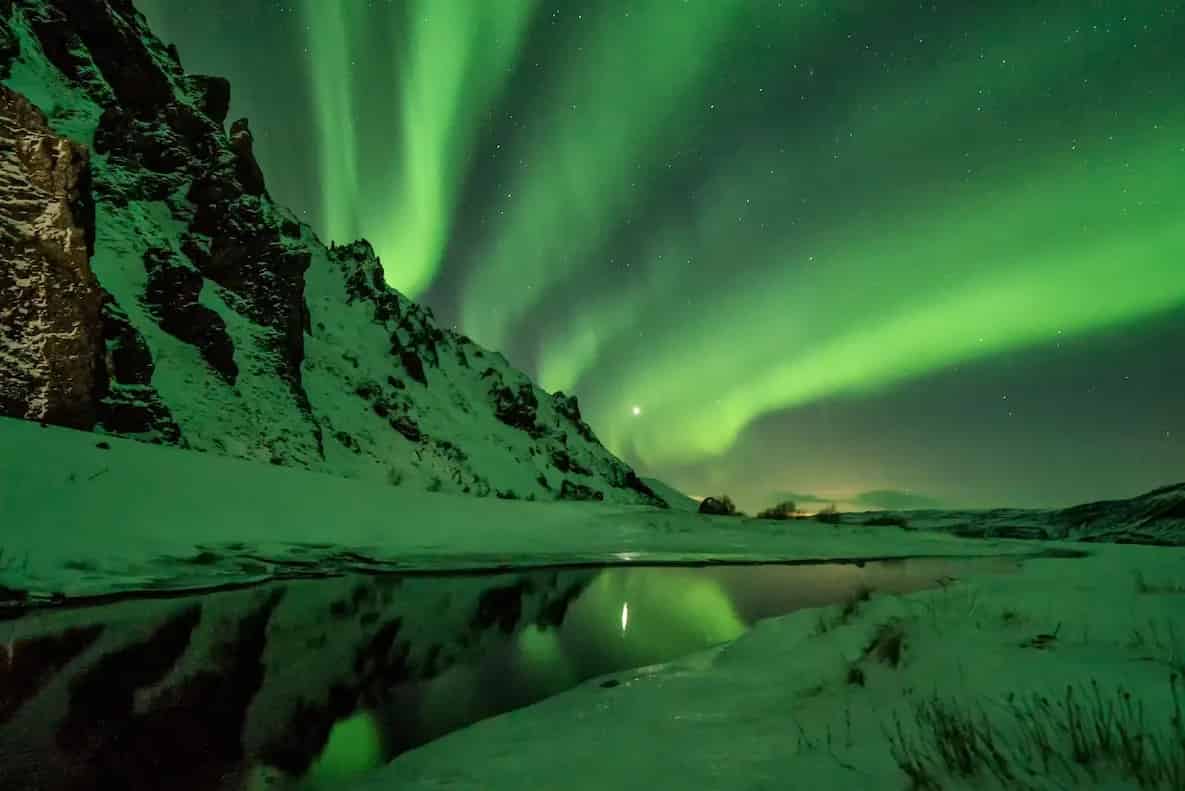
Seeing the Northern Lights for the first time is also not always like the photos. Sometimes they appear faint at first, almost like a moving cloud and only slowly become visible as your eyes adjust.
The difference is not just luck. It is preparation.
If you are planning your trip, start with the best time to visit Iceland to align your travel dates with the right season.
When Can You See Northern Lights in Iceland?
The Northern Lights season in Iceland runs from September to March, when nights are dark enough for visibility.
However, the month alone does not guarantee sightings. You also need clear skies and minimal light pollution. This is why winter months offer better chances, as nights are longer and darker.
What Is the Best Time to See Northern Lights in Iceland?
The best time depends on both the season and the time of night.
- best months: December to February
- good alternatives: September, October and March
- best viewing hours: 9 PM to 2 AM
On some nights, the aurora can appear suddenly and disappear within minutes. This is why staying alert late at night and keeping your evenings flexible are important.
While winter offers longer nights, early autumn and early spring often provide a balance between visibility and manageable weather conditions.
Where to See Northern Lights in Iceland (Best Locations)
To see the aurora clearly, you need to move away from city lights.
Some of the best locations include:
- Vik and South Coast
- Akureyri in North Iceland
- Snæfellsnes Peninsula
- rural areas outside Reykjavik
Reykjavik has higher light pollution, which can reduce visibility even when aurora activity is strong.
If you are following a structured route, the Iceland itinerary (7 days) already includes regions suitable for aurora viewing.
What Actually Increases Your Chances of Seeing Northern Lights?
Most travelers focus only on the season, but real visibility depends on multiple factors.
Clear skies are more important than the month itself. Even during peak winter, cloud cover can block the aurora completely. Staying for at least three to four nights significantly improves your chances. The Northern Lights are unpredictable, so more time increases the probability.
Choosing locations away from artificial light also makes a noticeable difference. Darker skies improve visibility and overall experience.
Planning flexible evenings instead of fixed schedules helps you respond to changing conditions.
Advanced Northern Lights Insights (What Most Guides Don’t Tell You)
Understanding a few deeper factors can greatly improve your chances.
Solar Activity and Aurora Intensity
Aurora visibility is influenced by solar cycles. During stronger phases, Northern Lights become more frequent and more intense, sometimes appearing with richer colors.
This is why some periods offer noticeably better experiences than others.
Why September and March Can Be Surprisingly Strong
While winter is darker, early autumn and early spring often experience stronger geomagnetic activity.
This is due to natural alignment between Earth’s magnetic field and solar winds during equinox periods, which increases the likelihood of aurora events.
These months can offer a combination of decent weather and strong aurora chances.
The Role of Weather and Darkness
Even with strong solar activity, visibility depends on:
- cloud cover
- sky darkness
- location
This is why multiple nights and flexible plans are essential.
Tools That Help Track Northern Lights
Instead of relying on guesswork, you can use:
- aurora forecast apps
- real-time visibility trackers
- weather apps
Tracking these factors improves your chances significantly.
Common Mistakes Travelers Make (That Reduce Their Chances)
- staying only in Reykjavik
- expecting guaranteed sightings
- planning very short trips
- ignoring weather forecasts
- relying completely on fixed tours
These are the most common reasons travelers miss the experience.
How Timing Affects Your Iceland Trip Cost
Traveling for Northern Lights can also influence your budget.
Winter travel can sometimes be more affordable than peak summer, but longer stays and guided tours can increase total cost.
For detailed budgeting, refer to the Iceland trip cost from India guide.
Is Seeing Northern Lights in Iceland Worth It?
It is worth it if you approach it with realistic expectations.
Go for it if you are willing to stay multiple nights, remain flexible and understand that sightings are not guaranteed.
It may not be ideal if you expect immediate results or have very limited time.
Final Thoughts: Plan for the Experience, Not Just the Sight
The Northern Lights are not something you can schedule.
They are something you prepare for.
The right season, the right location and enough time can significantly improve your chances.
When the sky finally clears and the aurora starts moving above you, it does not feel like a typical travel moment. It feels quiet, unexpected and completely different from anything you have seen before.
If you prefer a smoother and well-planned experience, Desh Videsh Travels offers Iceland tour packages designed around Northern Lights travel, including ideal locations, timing and flexible itineraries.
The goal is not just to visit Iceland. It is to give yourself the best possible chance to actually see the aurora.