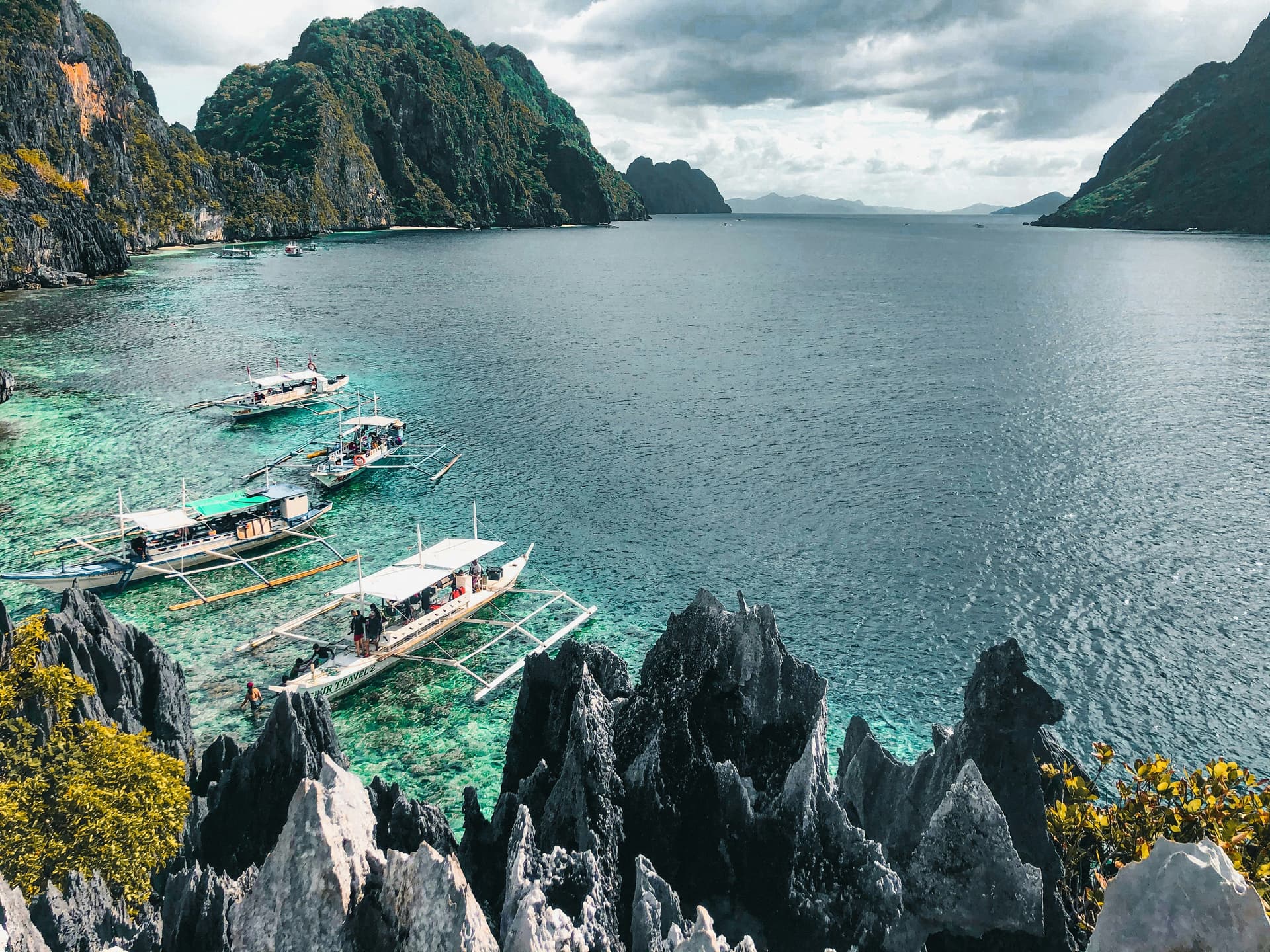
Choosing the best time to visit the Philippines isn’t about finding one perfect season. Weather conditions change across the country throughout the year and the right travel window depends on what you want to do, whether that’s island hopping, diving, surfing or simply avoiding heavy rain and crowds.
Many travelers make the mistake of planning around a simple “dry vs wet season” idea, but the reality is more nuanced. Some months are better for calm seas, others for surfing and certain regions follow slightly different weather patterns.
This guide breaks the seasons down in a practical, easy-to-understand way so you can quickly decide when to go. If you’re planning your overall route, our Philippines Travel Guide helps you choose the right islands and experiences.
Quick Answer: Best Time to Visit the Philippines
If you want a fast overview:
- Best overall months: December to May
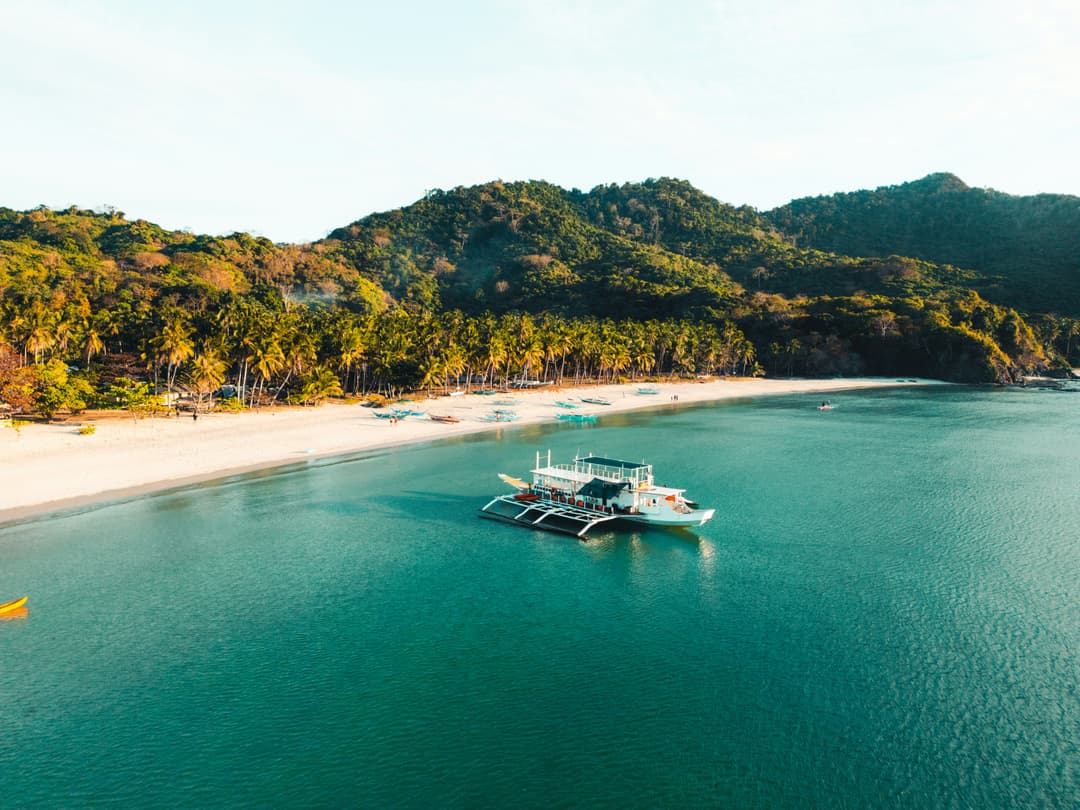
- Best for beaches & island hopping: January to April
- Best for surfing: September to November
- Best for diving: March to June
- Best for budget travel: June and November
Now let’s break everything down so you can plan with confidence.
2026 Weather Outlook
Current climate patterns indicate a transition from weak La Niña conditions toward neutral weather. In practical terms, this means the dry season remains reliable, but eastern regions such as Siargao or Samar may occasionally experience passing showers during the early part of the year.
This doesn’t usually affect travel plans significantly, but it helps explain why the weather may sometimes feel slightly unpredictable.
Understanding Seasons in the Philippines
Dry Season (December to May)
The dry season is generally considered the easiest and most comfortable time to visit, especially for first-time travelers. Skies are clearer, sea conditions are calmer and island transfers tend to run more smoothly. Beaches look their best during these months, and outdoor activities become easier to plan.
However, the dry season actually has two distinct phases that many travelers don’t realize.
Cool Dry Season (December to February)
These months offer mild temperatures and lower humidity, making them ideal for sightseeing and exploration beyond the beaches. Travelers who enjoy walking tours, cultural attractions or hiking often prefer this period because the weather feels pleasant throughout the day.
Hot Dry Season (March to May)
This is the Philippine summer. Days become noticeably hotter, especially in cities and northern regions, but sea conditions are excellent for island hopping and diving. Water visibility improves and beach experiences are often at their best, though planning outdoor activities earlier in the day helps avoid peak heat.
Wet Season (June to November)
The wet season doesn’t mean continuous rain. Showers are often short and intense, followed by clear skies. Landscapes turn greener, popular destinations feel quieter and accommodation prices usually soften.
Travel during these months works well for flexible travelers who don’t mind occasional weather changes and want fewer crowds.
Typhoon Season Reality
Typhoon activity typically peaks between July and October. That said, not every island is affected equally and travel doesn’t automatically stop during this period.
A few important things to remember:
- Weather conditions vary across regions.
- Forecast systems give early warnings.
- Small schedule changes are common, but full trip disruptions are rare with proper planning.
Keeping extra flexibility between destinations is the smartest approach during this season.
Regional Weather Cheat Sheet
Weather patterns vary across the country, so this quick table helps simplify planning:
| Destination | Best Time | Why |
|---|---|---|
| Palawan / Boracay | Dec – May | Calm seas and clear waters |
| Siargao | Jul – Nov | Peak surfing conditions |
| Cebu / Bohol | Year-round | Generally stable weather |
| Banaue / Sagada | Nov – Feb | Cooler trekking temperatures |
Month-by-Month Weather Guide
January and February are considered some of the safest months to travel, offering comfortable temperatures and reliable sunshine across most islands. March begins to feel warmer and by April the heat becomes more noticeable, although beach conditions are excellent.
April also includes Holy Week (Semana Santa), one of the busiest travel periods in the Philippines. Domestic flights often sell out quickly, prices increase and many locals travel home. Travelers visiting during this period should book early or avoid moving between islands.
May acts as a transition month toward wetter weather but still offers enjoyable travel conditions. June introduces the rainy season with mixed sunshine and showers. July through September usually brings more frequent rain, though this period also creates strong surfing conditions onthe eastern islands.
October marks a gradual improvement and November often feels like a hidden gem month with fewer crowds and improving weather. December marks the start of peak travel season, combining great conditions with festive energy.
Best Time to Visit by Traveler Type
Different travelers benefit from different seasons:
- Honeymoon travelers: January to April for calm seas and romantic beach conditions
- Families: December to May, when logistics are smoother
- Adventure travelers: Dry months for diving and trekking, later months for surfing
- Budget travelers: June and November for better deals and fewer crowds
Best Time by Activity
If your trip is activity-focused:
- Diving: March to June for warm water and visibility
- Surfing: September to November during peak waves
- Whale shark experiences: February to May
- Island hopping: December to May
- Budget travel: June or November
What Many Travelers Get Wrong About the Philippines Weather
A common misconception is that the dry season guarantees perfect sunshine and wet season means constant rain. In reality, tropical weather is more dynamic. Short showers can happen anytime, while wet-season days often include long sunny periods.
The weather also varies dramatically between islands, which is why choosing the right region is just as important as choosing the right month.
So, When Should You Go?
If you’re visiting the Philippines for the first time, December to April is usually the safest and easiest choice. Beach-focused travelers often prefer January to May, while surfers target later months for better waves. Travelers seeking quieter experiences and better value frequently choose shoulder months like June or November.
The best timing ultimately depends on your travel style and expectations. Travelers who prefer a ready-planned route often explore curated Philippines tour packages designed around seasonal weather patterns and smoother island combinations.
Travel Planning Tips
Keep these practical tips in mind when choosing your travel dates:
- Book domestic flights early during peak months.
- Leave flexibility between island transfers during wetter periods.
- Avoid packing too many islands into one itinerary.
- Expect occasional rain even during the dry season.
A slower, better-planned trip almost always leads to a more enjoyable experience.
Final Thoughts
The best time to visit the Philippines isn’t about chasing perfect weather. It’s about understanding seasonal patterns and matching them to your travel goals. Whether you want calm waters for island hopping, strong surf conditions or quieter off-season travel, choosing the right timing makes a noticeable difference.
Plan thoughtfully, stay flexible and the Philippines will reward you with an unforgettable island experience.