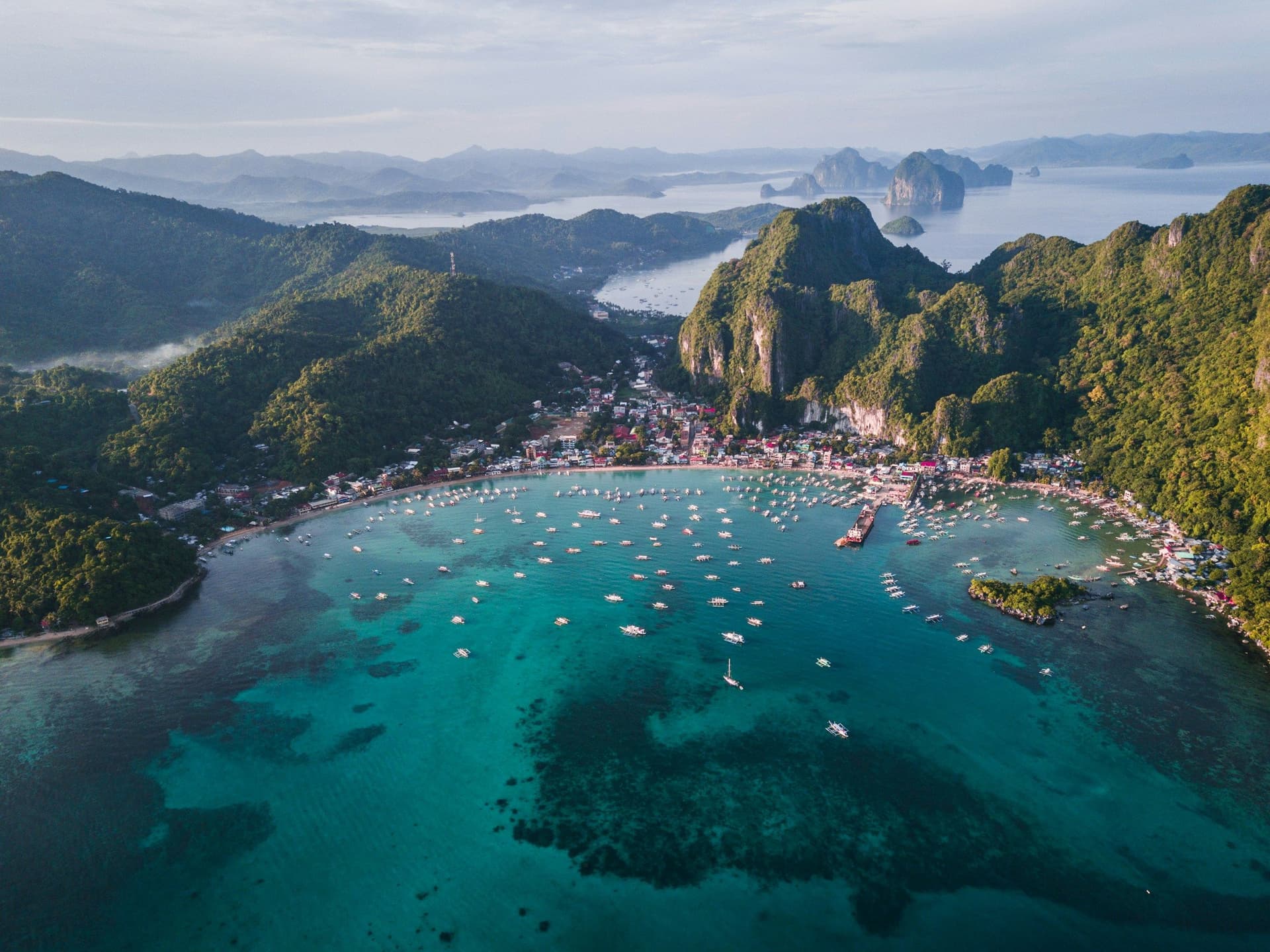
Planning a trip to the Philippines for the first time can feel exciting and overwhelming at the same time. With 7,641 islands, different weather patterns, long inter-island transfers and countless route combinations, choosing where to go is often the biggest challenge.
The good news is that a great Philippines trip is not about visiting as many islands as possible. It is about choosing the right islands, traveling during the right season and building an itinerary that matches your interests and available time.
Whether you're looking for island-hopping adventures, pristine beaches, surfing destinations, family-friendly escapes or a romantic getaway, this Philippines Travel Guide will help you understand where to go, how long to stay, what budget to expect and how to plan a smoother and more rewarding trip.
Why Visit the Philippines?
The Philippines is one of Southeast Asia's most diverse island destinations. Every region offers a different experience, allowing travelers to build a trip around their interests rather than follow a fixed tourist route.
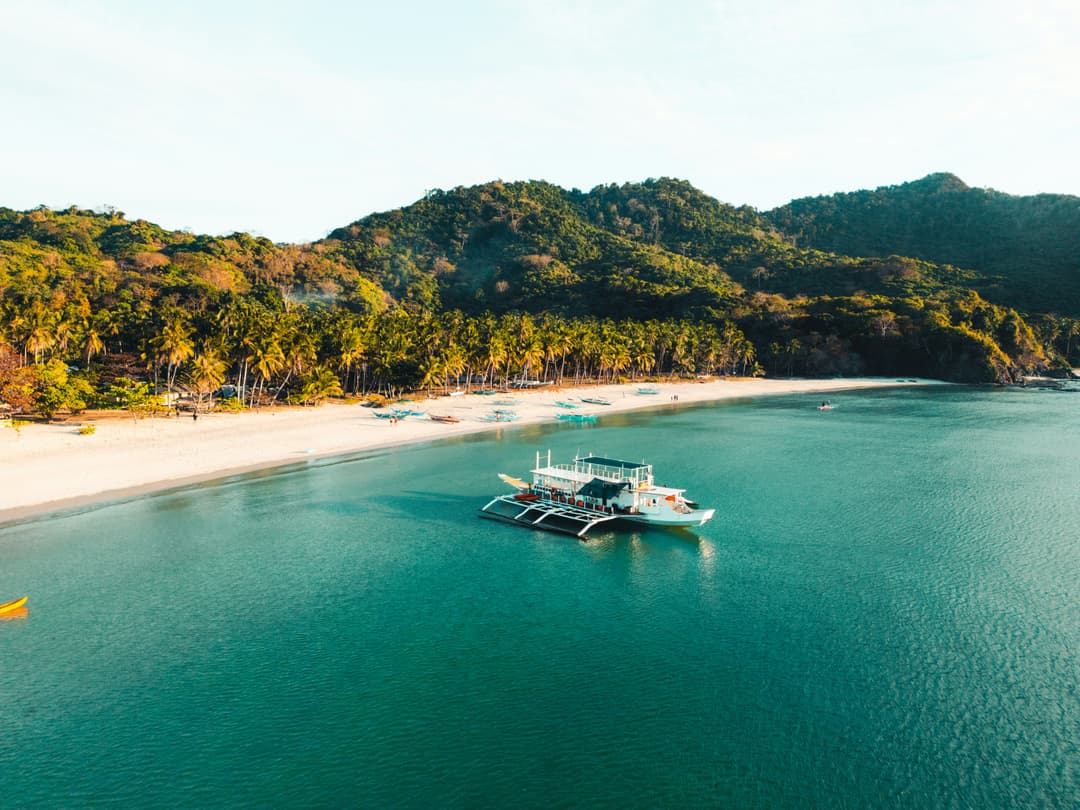
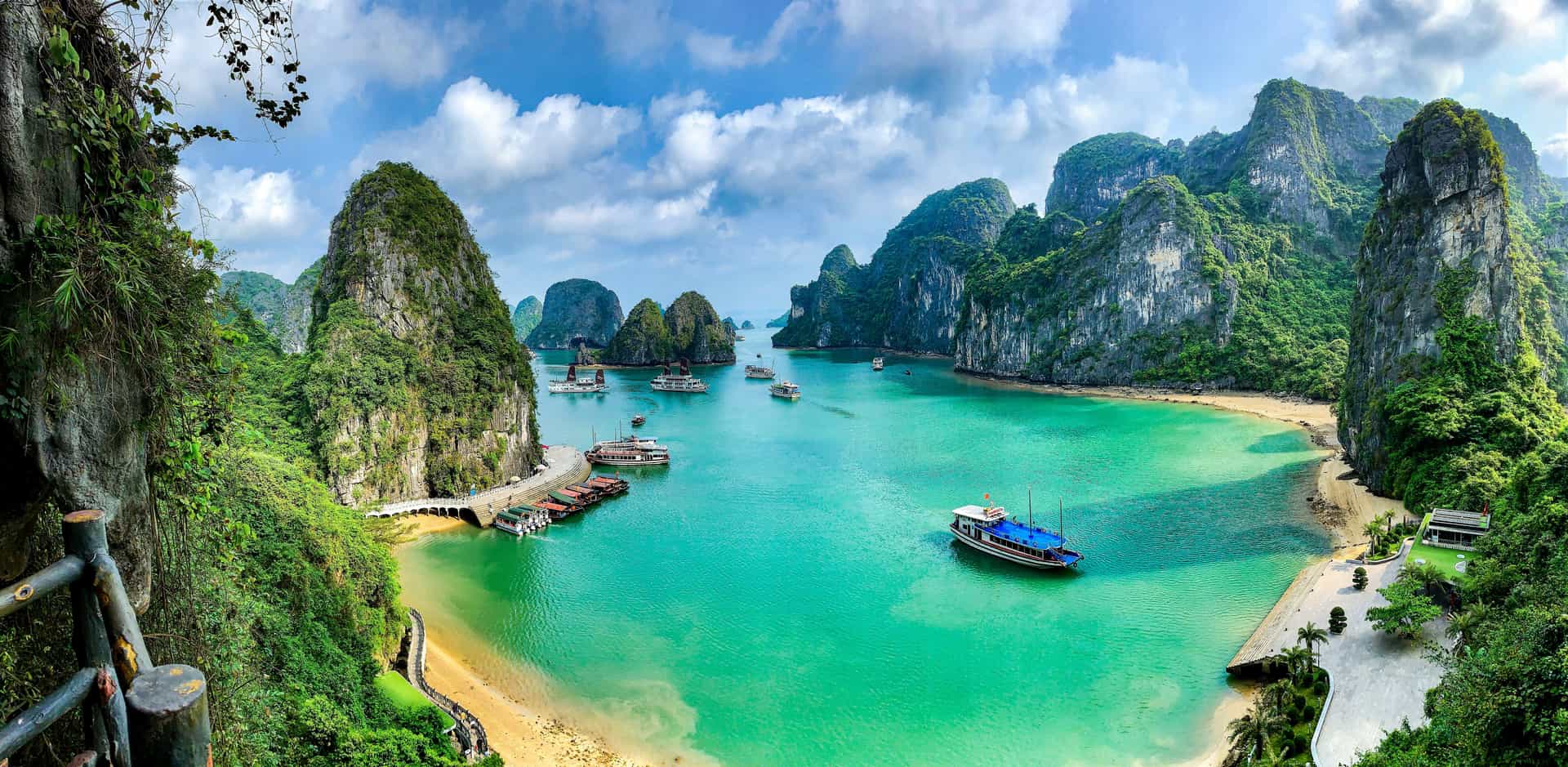
You can explore limestone lagoons in Palawan, relax on Boracay's famous beaches, discover waterfalls and marine adventures in Cebu, enjoy countryside landscapes in Bohol or embrace slow island living in Siargao.
This diversity makes the Philippines suitable for honeymoon travelers, families, adventure seekers, surfers and first-time international travelers alike.
Planning a Philippines Trip From India
For Indian travelers, the Philippines has become increasingly popular thanks to its island diversity, English-speaking population and relatively straightforward travel process.
Before booking your trip, focus on a few key decisions that will shape your entire experience.
Choose the Right Season
Weather influences island hopping, ferry schedules, diving conditions and overall travel comfort.
For a detailed seasonal breakdown, explore our Best Time to Visit the Philippines guide.
Understand Your Budget
Accommodation, domestic flights, island transfers and activities can significantly affect overall costs.
For a complete breakdown, read our Philippines Budget Travel Guide.
Decide How Many Islands to Visit
Many first-time travelers try to visit too many destinations in one trip.
A slower itinerary covering fewer islands usually creates a more enjoyable experience than constantly moving between destinations.
Prepare for Connectivity
Internet quality varies across the country.
Learn more in our guide to Internet Connectivity in the Philippines.
Understand Local Travel Conditions
Before departure, review our guide on Is the Philippines Safe for Travelers to better understand local travel conditions and practical considerations.
Entry Requirements for Indian Travelers
Indian travelers should always verify the latest entry requirements before departure.
The Philippines currently offers visa-free entry options for eligible Indian passport holders under specific conditions, including passport validity requirements and proof of onward or return travel. Entry policies can change, so travelers should always confirm the latest official requirements before booking.
Most visitors are also required to complete the official eTravel registration process before arrival. This digital declaration generates a QR code that may be requested during airline check-in and immigration procedures.
Completing travel documentation in advance can help make arrival smoother and reduce last-minute travel stress.
Philippines Travel Planning Snapshot
Planning Factor | Recommendation |
| Ideal Trip Length | 7–10 Days |
| First-Time Route | Palawan + Boracay |
| Adventure Route | Cebu + Bohol |
| Surfing Route | Siargao |
| Best Season | November to May |
| Number of Islands | 2–3 islands for most first-time travelers |
| Transportation | Domestic flights and ferries |
| Travel Style | Beaches, nature, diving, surfing, family travel |
Best Time to Visit the Philippines
Dry Season (November to May)
This is generally considered the best time to visit, offering clearer skies, calmer seas and ideal conditions for beaches, island hopping, diving, and snorkeling.
Wet Season (June to October)
Travelers can enjoy greener landscapes and fewer crowds, although weather-related disruptions occasionally affect transportation and outdoor activities.
Regional weather patterns vary considerably, making destination selection just as important as choosing travel dates.
For a detailed month-by-month breakdown, read our Best Time to Visit the Philippines guide.
How Many Days Do You Need in the Philippines?
5 Days
Best for focusing on a single island and nearby excursions.
7 Days
Ideal for exploring two destinations while keeping travel logistics manageable.
10 Days
One of the most balanced options for first-time visitors and allows enough time to experience multiple islands comfortably.
14 Days
Perfect for travelers who prefer a slower pace and deeper exploration.
Which Philippine Island Is Right for You?
Choosing the right islands is often more important than deciding how many islands to visit.
Travel Style | Recommended Destination |
| First-Time Visitors | Palawan + Boracay |
| Honeymoon Travelers | Palawan |
| Adventure Travelers | Cebu |
| Family Travelers | Bohol |
| Surf Lovers | Siargao |
| Slow Travelers | Siargao + Palawan |
As your planning becomes more specific, destination-focused guides can help you narrow down the best route and experiences.
Recommended Island Combinations
First-Time Travelers
Palawan + Boracay
A balanced combination of iconic island scenery, beach relaxation and beginner-friendly travel logistics.
Adventure Travelers
Cebu + Bohol
Perfect for waterfalls, marine activities, countryside exploration and active experiences.
Honeymoon Travelers
Palawan + Boracay
Combines romantic resorts, beautiful beaches, and unforgettable island landscapes.
Slow Travelers
Siargao + Palawan
Ideal for travelers who prefer fewer destinations and longer stays.
Top Places to Visit in the Philippines
Palawan
Known for limestone cliffs, turquoise lagoons, island-hopping adventures and some of the country's most spectacular natural scenery.
Boracay
Famous for powdery white beaches, sunsets, water sports and a balance of relaxation and nightlife.
Cebu
Popular for waterfalls, diving, marine encounters and adventure-focused experiences.
Bohol
Known for the Chocolate Hills, countryside attractions and family-friendly experiences.
Siargao
A laid-back island known for surfing, nature and slow-travel experiences.
Understanding Island Hopping and Transportation
The Philippines rewards travelers who plan transportation realistically.
Moving between islands often involves:
- Domestic flights
- Ferry connections
- Airport transfers
- Weather-dependent schedules
Many first-time travelers underestimate the time required for island transfers.
A practical approach is to spend more time enjoying fewer destinations rather than trying to visit every famous island in one trip.
Travelers should also note that destinations such as Boracay and parts of Palawan operate under environmental regulations and visitor management systems designed to protect local ecosystems. Booking accommodations and activities in advance is often recommended during peak travel periods.
Philippines Travel Planning Checklist
Before Booking
- Choose your travel season
- Decide how many days you have available
- Select islands that match your interests
- Set a realistic budget
- Research transportation requirements
Before Departure
- Verify entry requirements
- Complete eTravel registration
- Arrange travel insurance
- Plan internet connectivity
- Reserve accommodations and internal flights
After Arrival
- Activate your mobile data or eSIM
- Confirm transportation schedules
- Carry sufficient local currency for smaller establishments
- Allow flexibility for weather-related changes
Common First-Time Traveler Mistakes
- Trying to visit too many islands in one trip
- Underestimating transfer times between destinations
- Ignoring regional weather differences
- Booking internal flights too late
- Focusing only on costs rather than convenience
- Not completing required travel declarations before departure
Avoiding these mistakes can significantly improve your overall experience.
Explore Philippines Tour Packages
If you prefer a structured itinerary with planned transfers and carefully selected destinations, explore our Philippines tour packages designed around realistic island routes and smoother travel logistics.
Final Thoughts
The Philippines is one of the most rewarding island destinations in Southeast Asia, but it is also a destination where thoughtful planning makes a significant difference.
Choosing the right islands, understanding travel times, and building a realistic itinerary often matter more than trying to see everything in a single trip. A slower, well-planned route usually creates a far more memorable experience than an ambitious itinerary packed with constant transfers.
Start with the right season, choose destinations that match your travel style and focus on quality experiences rather than quantity. With the right preparation, the Philippines can become one of the most memorable island adventures you'll ever take.