Planning a trip to the Philippines often starts with excitement, but budgeting is where many travelers feel uncertain. The country has a reputation for being affordable, yet visitors are frequently surprised by how quickly costs can add up once domestic flights, island transfers and tours enter the picture.
The reality is simple: the Philippines can be very budget-friendly, but only if you understand where money actually goes. Day-to-day expenses like food and local transport are often inexpensive, while logistics between islands are where most travelers accidentally overspend.
This guide breaks down realistic costs, daily budgets, accommodation pricing, transport expenses, and hidden fees so you can plan with confidence instead of guessing. If you’re still shaping your overall trip, our Philippines Travel Guide helps connect budgeting decisions with the right islands and experiences.
Quick Budget Snapshot
Here’s a realistic overview of daily travel costs:
Travel Style | Daily Budget (PHP) | Approx (INR – 2026) |
| Budget Traveler | 2,000 – 3,500 | ₹3,200 – ₹5,500 |
| Mid-Range Traveler | 4,500 – 8,500 | ₹7,100 – ₹13,400 |
| Luxury Traveler | 12,000+ | ₹19,000+ |
These figures include accommodation, food, local transport and activities but exclude international flights.
Exchange Rate Note
As of early 2026, the exchange rate is approximately 1 PHP ≈ ₹1.58 (₹1 ≈ 0.63 PHP). Rates change over time, so your final spending may vary slightly depending on when you travel or exchange currency.
Is the Philippines Expensive or Affordable?
Compared to many Southeast Asian destinations, the Philippines sits somewhere in the middle. Daily expenses can feel affordable, especially when eating locally or using public transport. However, the moment you begin moving frequently between islands, costs can rise quickly.
A common reality check for travelers: The Philippines often feels cheap day-to-day, but logistics between islands are where most budgets stretch.
Staying longer in fewer destinations usually saves more money than rushing across multiple islands.
Budget vs Mid-Range vs Luxury Travel
Budget Travel
Budget travel is very achievable if you stay in hostels or simple guesthouses, rely on shared transport and eat at local eateries. Comfort levels are basic, but the overall experience remains rich and rewarding.
Mid-Range Travel
This is the most common travel style. Mid-range travelers often choose boutique hotels or comfortable resorts, mix local dining with restaurants and join guided tours for convenience. It offers strong value without sacrificing comfort.
Luxury Travel
Luxury travel includes premium beachfront resorts, private island tours and smoother transfers between destinations. The Philippines offers excellent high-end experiences, particularly in popular beach areas, though prices increase significantly during peak months.
Accommodation Costs
Accommodation is usually the largest portion of a traveler’s budget after transport. Prices vary based on island popularity, location and season.
Budget options include dorms and guesthouses found across most regions. Mid-range travelers will discover stylish boutique hotels offering strong value, while luxury travelers can choose private villas or premium beachfront resorts.
Prices tend to rise during peak travel months, so booking early is often the simplest way to save money.
Food Costs in the Philippines
Food is one of the easiest areas to manage spending. Local eateries and street food are affordable and flavorful, while casual restaurants remain reasonably priced compared to many global destinations.
Most travelers naturally balance their budget by combining inexpensive local meals with occasional beachfront dining experiences.
Transport Costs (And the 2026 Reality)
Transport is where planning matters most because the country is spread across many islands.
Domestic flights are often necessary for longer distances, while ferries connect nearby islands at affordable prices. Local transport such as jeepneys, tricycles and app-based rides keeps daily costs manageable.
Grab vs JoyRide/Angkas
Grab is widely used across major cities, but motorcycle taxi apps like JoyRide and Angkas are becoming extremely popular in places like Manila and Cebu.
For solo travelers:
- Motorcycle taxis are often cheaper than Grab Cars
- They move faster through heavy traffic
- Ideal for short urban transfers
A practical tip is to link your credit card to the Grab app before arriving to avoid cash-change issues with drivers.
Island Hopping Expenses (Often Underestimated)
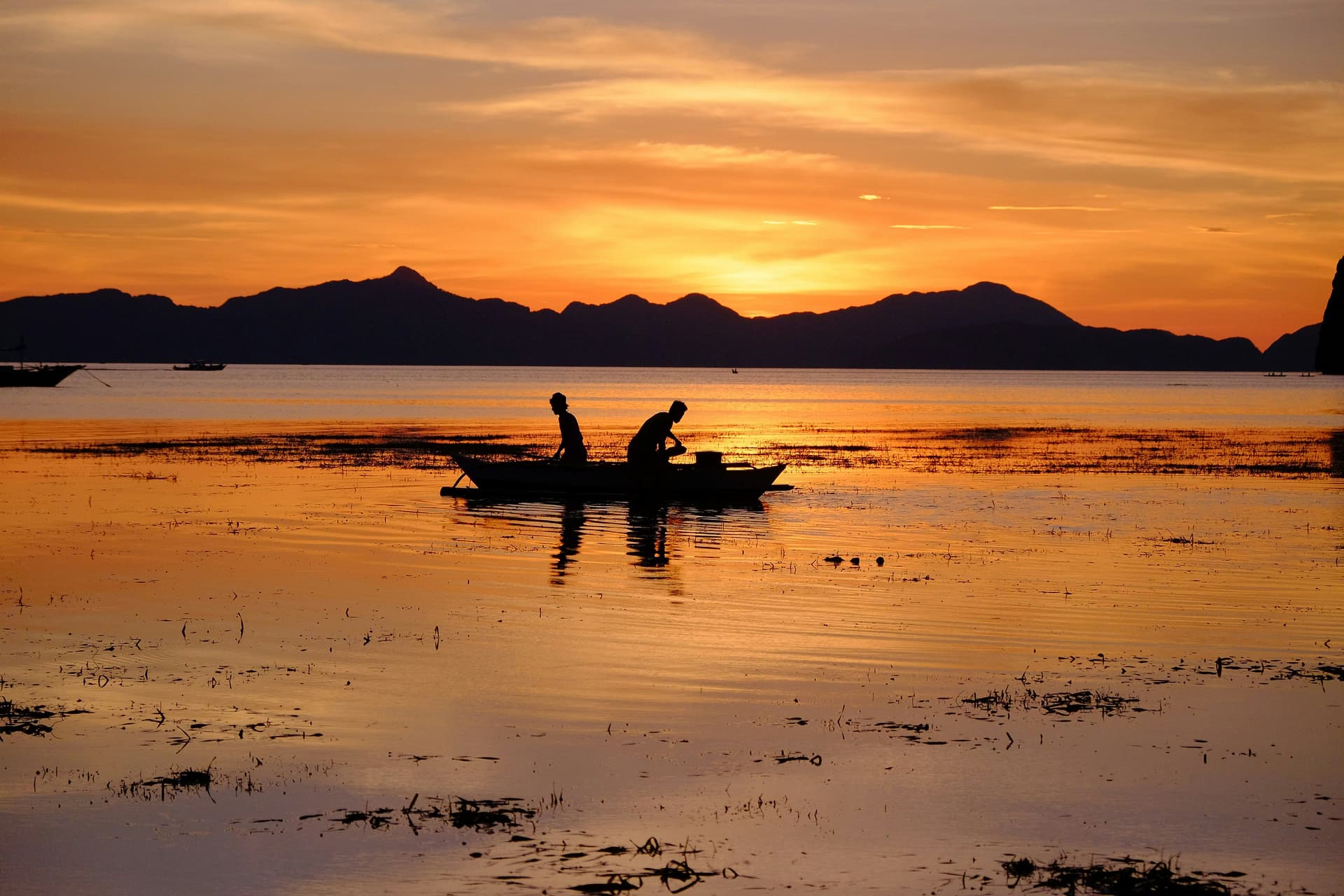
Island hopping is one of the most memorable parts of visiting the Philippines, but it’s also one of the biggest budget surprises.
Group tours are usually the most economical choice, while private boats cost more but provide flexibility. Environmental fees are common and sometimes paid separately before boarding.
Typical expenses include:
- Boat or snorkeling tours
- Environmental or conservation fees
- Equipment rental
- Optional guide upgrades
These small charges can add up quickly when visiting multiple islands.
The ATM & Cash Strategy
How you access money in the Philippines matters just as much as your daily budget.
Important things to know:
- Most ATMs charge around 250 PHP per withdrawal for foreign cards.
- HSBC ATMs (mostly in Manila and Cebu) are well known for offering higher withdrawal limits and occasionally lower fees.
- Cash is still essential on smaller islands where card acceptance may be limited.
Digital Wallet Shift
Digital wallets such as GCash and Maya are widely used locally and increasingly accepted by vendors. While foreign travelers may not always be able to fully activate these services, the shift toward cashless payments is noticeable in many areas.
Hidden Costs Travelers Often Miss
These are the small expenses that quietly impact your budget:
- Environmental fees are required at certain islands or tours
- Terminal fees at ferry ports
- Strict 7kg cabin bag limits on budget airlines like Cebu Pacific
- Extra baggage charges at the boarding gate
- ATM withdrawal fees and cash-only purchases
Adding a small daily buffer helps avoid surprises.
Smart Money Tips
A few practical choices make a big difference:
- Spend longer in fewer islands to reduce transfer costs.
- Book domestic flights early whenever possible.
- Join shared island hopping tours instead of private ones.
- Carry enough cash for smaller destinations.
- Travel slightly outside peak months for better accommodation value.
Pro Travel Tip
Multi-island transfers involving flights, ferries, and vans can quietly consume a large portion of your budget through separate fees. Many mid-range travelers find that pre-arranged itineraries help control costs because transfers and terminal fees are already bundled.
Sample Daily Budget Examples
Budget Traveler:
Simple guesthouse, local meals, shared transport and one main activity.
Mid-Range Traveler:
Comfortable hotel, mixed dining, guided tours and occasional private transfers.
Luxury Traveler:
Beachfront resorts, private experiences and flexible transport options.
These examples help set realistic expectations rather than strict spending limits.
Final Thoughts
Budgeting for the Philippines isn’t about spending less, it’s about planning smarter. The biggest difference in overall cost comes from how often you move between islands and how well you prepare for smaller logistics expenses.
When you slow down, plan transfers carefully, and understand where costs actually appear, the Philippines offers outstanding value for the kind of island experiences it delivers.