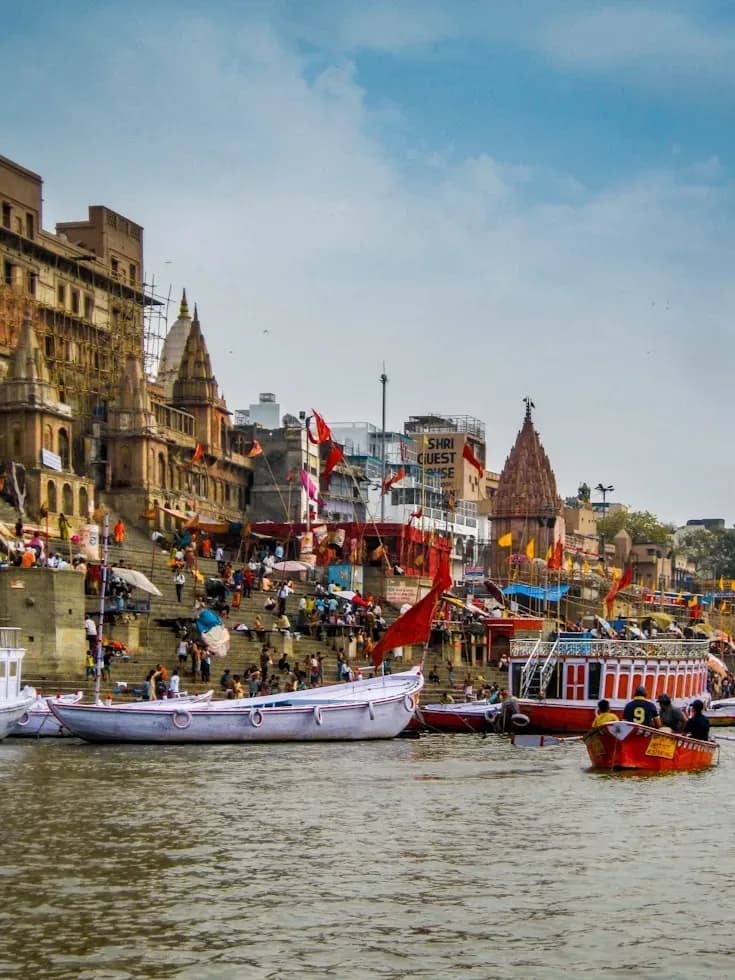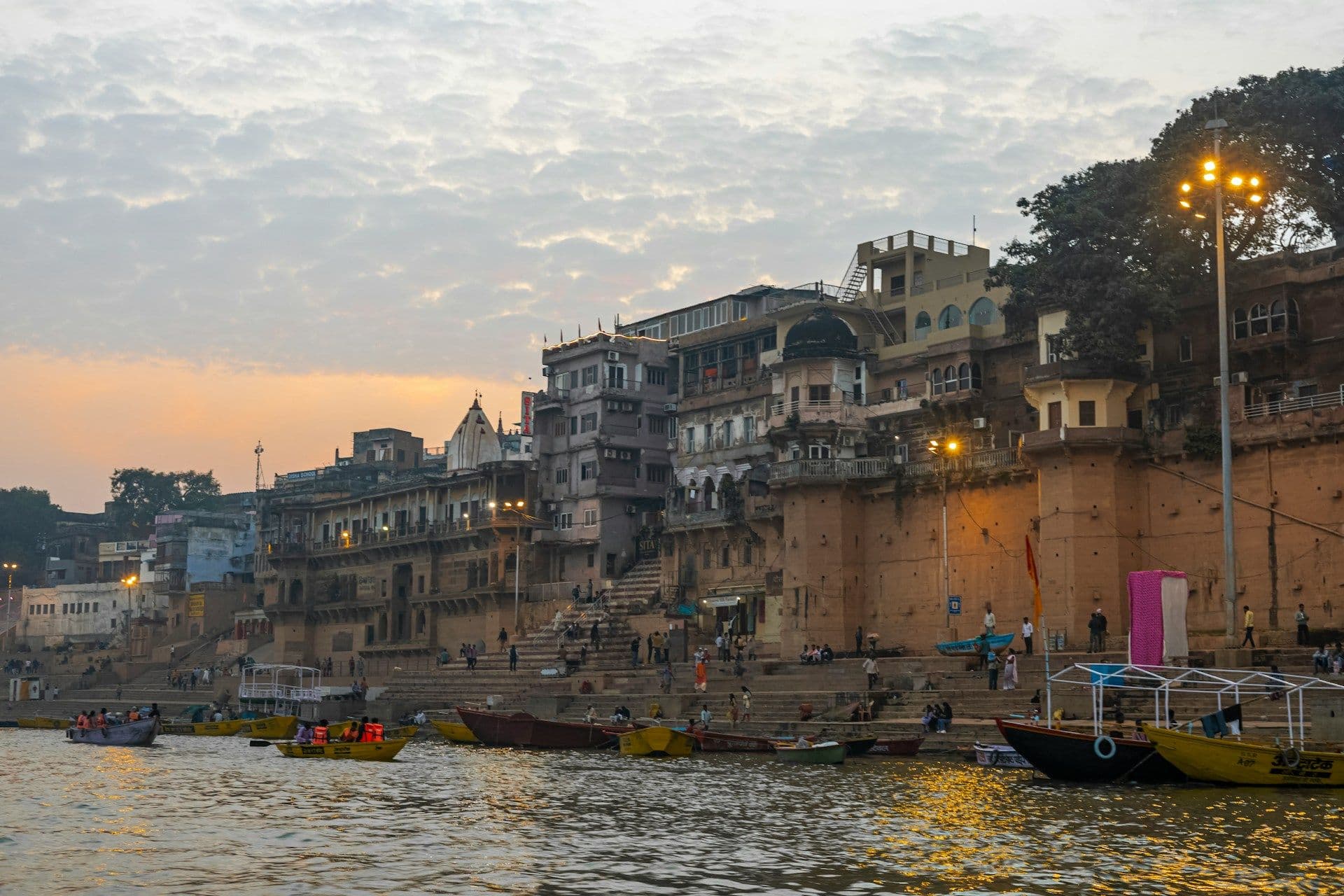
Planning your first trip to Varanasi? The best time to visit is generally October to March, when the weather is more comfortable for walking through the old city, exploring the ghats, visiting temples and spending time along the Ganges.
That said, the ideal month depends on what you want from the trip. October and February offer a good balance of comfortable weather and sightseeing, while November and December can be especially interesting for travelers planning around major festivals and the festive atmosphere along the ghats. January can bring cold mornings and fog, while April to June can be very hot. The July to September monsoon period brings humidity and rain, which can affect outdoor plans and riverfront activities.
If you are still planning the wider trip, our Varanasi Travel Guide covers how many days to spend, how to reach the city, where to stay, what to see and other practical planning details.
Quick Guide: When Should You Visit Varanasi?
Month | Typical Conditions | Travel Considerations | Best For |
| October | Warm days, more comfortable evenings | Good time to explore after the monsoon | Sightseeing, ghats, walking |
| November | Comfortable weather | Festive period can bring larger crowds | Festivals, sightseeing, photography |
| December | Cool, with colder mornings | Fog can affect early-morning plans | Ghats, temples, winter travel |
| January | Cold mornings and evenings | Fog may affect early starts and travel schedules | Winter atmosphere, temples |
| February | Pleasant and increasingly warmer | Generally comfortable for sightseeing | First-time trips, sightseeing |
| March | Warm days | Temperatures begin rising toward summer | Sightseeing, shorter outdoor plans |
| April | Hotter days | Afternoon sightseeing can become tiring | Early-morning and evening activities |
| May | Very hot | Strong heat makes midday exploration difficult | Early starts, short trips |
| June | Hot and increasingly humid | Heat and humidity can limit daytime plans | Travelers comfortable with heat |
| July | Rainy and humid | Rain can disrupt walking and outdoor plans | Travelers who do not mind monsoon weather |
| August | Rainy and humid | River and ghat conditions can vary with rainfall | Monsoon travel, flexible itineraries |
| September | Humidity begins easing | Weather gradually transitions toward the post-monsoon period | Flexible travelers, quieter periods |
For most first-time visitors, October to March is the easiest period to plan around. If your priority is comfortable sightseeing, focus on the cooler months. If your priority is experiencing a particular festival or seasonal atmosphere, choose your dates around that event rather than weather alone.
Planning tip: Varanasi's most memorable experiences often involve being outdoors early in the morning or around sunset. During winter, fog and cold can affect early starts, while summer heat makes midday sightseeing less comfortable. Build some flexibility into your daily schedule instead of planning every activity back-to-back.
Varanasi Weather by Season
Varanasi experiences three broad travel conditions across the year: a cooler and generally more comfortable period from around October to March, a hot summer from April to June, and a humid monsoon from July to September. Each season changes how comfortable it is to explore the city's temples, narrow lanes, ghats and riverfront.
October to March: The Most Comfortable Travel Period
October marks the transition out of the monsoon, with more comfortable conditions for exploring Varanasi. By November, December, January and February, mornings and evenings become noticeably cooler, making walking and sightseeing easier than during the summer months.
This is generally the most convenient period for a first Varanasi trip, particularly if you want to combine temple visits, ghat walks, boat rides and evening activities without dealing with intense daytime heat.
There is one important winter consideration: fog can affect early mornings, especially around December and January. If you are planning an early morning boat ride or traveling by train or flight, keep some flexibility in your schedule.
This period is particularly comfortable if you want to explore the city's places to visit and things to do in Varanasi, including the ghats, temples, old-city lanes and riverfront experiences.
April to June: Hot Summer Conditions
Summer can be challenging in Varanasi, particularly from May to June. Daytime heat can make long walks through the old city and extended sightseeing uncomfortable, especially during the afternoon.
A summer trip is still possible if these conditions do not bother you. The key is to structure your day around the heat. Start sightseeing early, take a break during the hottest part of the afternoon and plan outdoor activities for the morning or evening.
If comfortable daytime exploration is your priority, this is not the easiest period to choose.
If you are visiting during the hotter months, planning your sightseeing around morning and evening hours can make a big difference. Our Varanasi itinerary can help you organize the main experiences into a practical daily schedule.
July to September: Monsoon and Humidity
The monsoon brings rainfall and higher humidity to Varanasi. Rain does not necessarily prevent a trip, but it can make walking through the old city and along the ghats less predictable.
Riverfront conditions can also change with rainfall and rising water levels. Some lower ghat steps may become difficult or inaccessible and boat activities can be affected by weather and river conditions.
If you visit during the monsoon, keep your itinerary flexible and avoid planning too many outdoor activities back-to-back.
Festivals That Can Affect Your Varanasi Travel Dates
Weather is only one factor when deciding when to visit Varanasi. Major festivals can change the atmosphere around the ghats, temples and old city, while also bringing larger crowds and higher demand for accommodation and transportation.
If a particular festival is one of your main reasons for visiting, plan your travel dates around the festival first, then consider the expected weather and crowds. If you are planning around a busy festival period, it is also worth checking the expected Varanasi trip cost before finalizing your dates and bookings.
Dev Deepawali
Dev Deepawali is one of the most significant celebrations associated with Varanasi. It takes place on Kartik Purnima, around 15 days after Diwali, when the ghats are illuminated with thousands of lamps as part of the celebrations.
The riverfront can become exceptionally busy during this period, particularly around the most popular ghats. If you are visiting specifically for Dev Deepawali, book your accommodation and transportation well in advance and allow extra time for moving through crowded areas.
Maha Shivratri
Maha Shivratri is particularly significant in Varanasi because of the city's association with Lord Shiva and the Kashi Vishwanath Temple.
The festival brings increased activity around temples and pilgrimage areas, with large numbers of devotees visiting the city. If you plan to travel during Maha Shivratri, expect busier temple areas and allow additional time for sightseeing and local transportation.
Holi
Holi brings a different atmosphere to Varanasi, with celebrations taking place across the city. It can be an interesting time to experience local traditions, but the city does not operate like it would during a normal sightseeing period.
If you travel around Holi, keep your itinerary flexible and check local arrangements before planning temple visits, sightseeing and transportation for the day.
How Festivals Should Influence Your Dates
Festival travel and regular sightseeing offer different experiences. Major festival periods bring more activity, crowds and a stronger cultural atmosphere, while traveling outside major celebrations generally allows a more flexible sightseeing schedule.
Festival dates change each year, so check the dates for your intended travel year before booking flights, trains or accommodation.
Planning Your Varanasi Trip?
Once you have chosen your travel dates, the next step is planning where to stay, what to see and how to structure your days.
If you prefer a planned experience, explore our Varanasi tour packages for curated itineraries and trip options designed to make your Varanasi visit easier to organize.