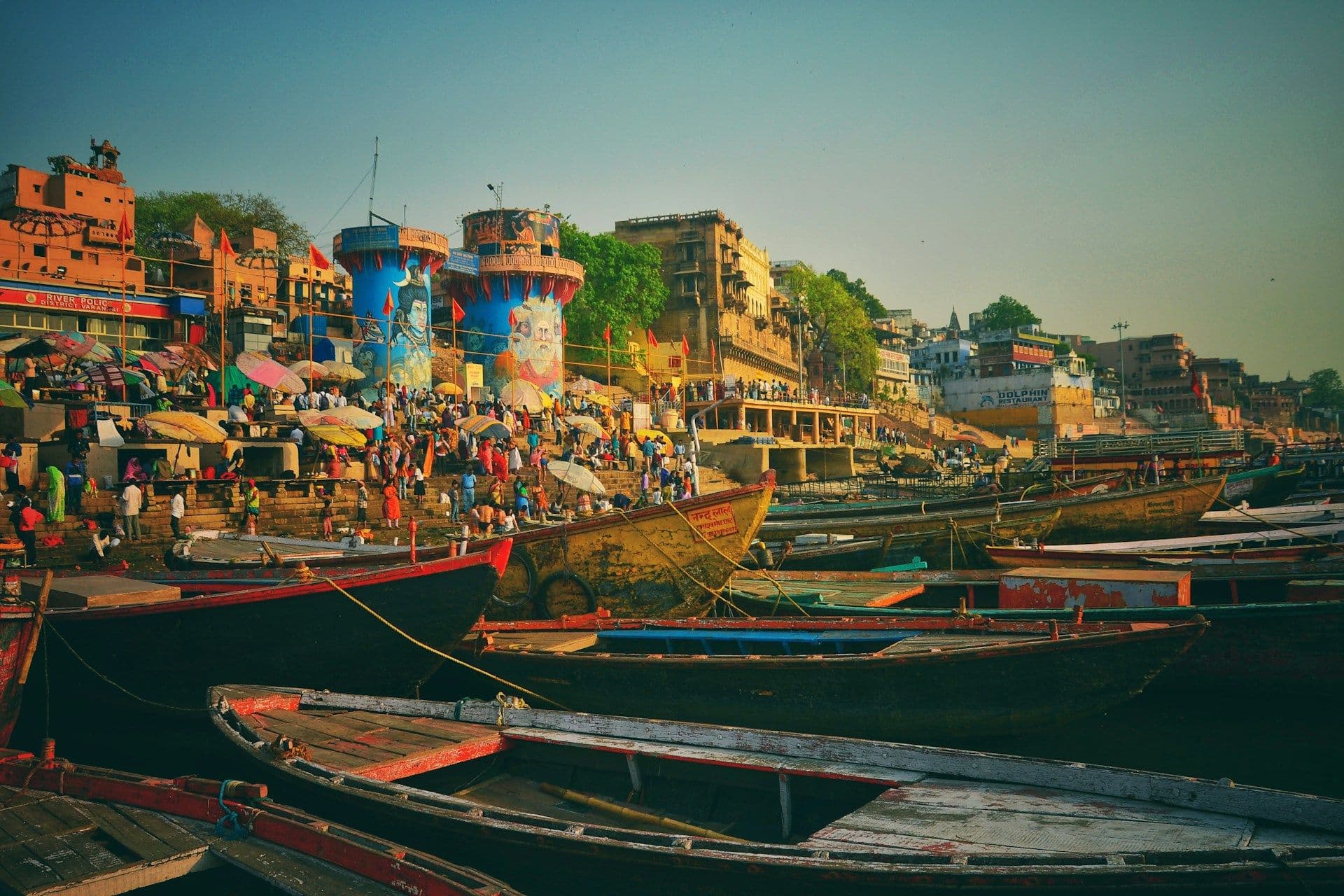
Varanasi is best experienced rather than simply seen. A sunrise along the Ganges, a walk through the old city, a temple visit, local food and the evening Ganga Aarti can all become part of the same day.
For a first trip, 2 to 3 days is usually enough to experience Varanasi's major highlights without rushing. The key is knowing which experiences to prioritize and how to plan your time around the city's ghats, temples, old lanes and riverfront.
This Varanasi travel guide brings together the practical information you need to plan your trip, from the best time to visit and how many days to stay to getting around, places to visit, costs, food and itinerary planning.
Why Visit Varanasi?
Varanasi, also known as Kashi or Banaras, is one of India's most distinctive cultural and pilgrimage destinations. Set along the Ganges, the city is known for its ghats, temples, religious traditions, old neighborhoods, local food, music and crafts.
What makes Varanasi different from a conventional sightseeing destination is the way its attractions and everyday life exist side by side.
You can watch the city come alive along the river in the morning, explore the old lanes and temples during the day, and return to the ghats in the evening for the Ganga Aarti. The atmosphere changes throughout the day, making the experience about more than simply visiting individual attractions.
What makes Varanasi worth visiting?
- The Ganges and its ghats: The riverfront is at the heart of the Varanasi experience, whether you explore it on foot or from a boat.
- Kashi Vishwanath Temple: One of India's most important Shiva temples and a major pilgrimage destination.
- Ganga Aarti: An evening riverfront ceremony that has become one of Varanasi's defining experiences.
- The old city: Its narrow lanes, temples, shops and everyday activity offer a very different experience from modern city sightseeing.
- Local food: Banarasi food is an important part of the trip, from kachori-sabzi and chaat to lassi and local sweets.
- Sarnath: Located close to Varanasi, Sarnath adds an important historical and Buddhist dimension to the trip.
- Arts and crafts: Varanasi is particularly known for its Banarasi silk weaving and long-standing cultural traditions.
The real appeal of Varanasi is the combination of these experiences. It is a destination where you can spend the same day exploring temples, walking along the river, trying local food and watching everyday life unfold around the ghats.
That is also why planning a Varanasi trip is less about fitting in as many attractions as possible and more about giving yourself enough time to experience the city at its own pace.
How Many Days Are Enough for Varanasi?
For most first-time visitors, 2 to 3 days is enough to experience the main highlights of Varanasi without rushing. One day works for a quick stop, while three days gives you more time for Sarnath, the old city and slower exploration.
Trip length | What you can realistically cover |
| 1 day | Main ghats, Kashi Vishwanath Temple, old city and Ganga Aarti |
| 2 days | Major temples and ghats, Ganga Aarti, old city, local food and additional sightseeing |
| 3 days | Main Varanasi experiences plus Sarnath and more relaxed exploration |
| 4+ days | A slower trip with deeper exploration or time for nearby destinations |
Best choice for most travelers: Plan 2 full days if you want to cover the major highlights, or 3 days if you prefer a more relaxed pace.
The exact number of days also depends on the season and whether Varanasi is your main destination or part of a larger North India trip. For a detailed day-by-day plan, see the Varanasi itinerary section later in this guide.
Which months are best for a Varanasi trip?
October to March is generally the best time to visit Varanasi, especially if you want comfortable conditions for walking around the ghats, exploring the old city, visiting temples, and sightseeing.
Period | What to expect |
| October to March | Cooler and generally more comfortable for sightseeing |
| April to June | Hot, especially during the afternoon |
| July to September | More humid and rainy, which can affect outdoor plans |
Crowds can be higher during major festivals and religious occasions, so travelers visiting during these periods should allow extra time for local movement and sightseeing.
For a detailed month-by-month breakdown, see our Best Time to Visit Varanasi guide.
How to Reach Varanasi
Varanasi is well connected by air, train and road, so it is easy to include in a North India itinerary.
By Air
Lal Bahadur Shastri International Airport (VNS) is the main airport serving Varanasi. It is located outside the main city area, with taxis and app-based cabs available for onward travel.
Flying is usually the most convenient option for travelers coming from distant cities.
By Train
Varanasi has multiple railway stations, with Varanasi Junction (BSB) and Banaras (BSBS) among the main options. The city is well connected by rail with major Indian cities, making overnight trains a practical choice for many travelers.
By Road
Varanasi is connected by road with several cities across Uttar Pradesh and neighboring states. Buses, taxis, and private vehicles are available, making road travel particularly useful if Varanasi is part of a larger North India trip.
Which option should you choose?
- Flight: Best when saving travel time is the priority.
- Train: A practical option for many major Indian cities, especially for overnight journeys.
- Road: Useful when combining Varanasi with nearby destinations.
Your arrival point also matters when choosing accommodation, particularly if you plan to stay around the ghats or in the old city.
How to Get Around Varanasi
Getting around Varanasi is a mix of walking, e-rickshaws, auto-rickshaws, cabs, and boats. The best option depends on where you are going.
Transport | Best for |
| Walking | Ghats, old city lanes, nearby temples and markets |
| E-rickshaw / auto | Short and medium-distance city travel |
| Cab | Airport, railway station, Sarnath and longer journeys |
| Boat | Exploring the Ganges and viewing the ghats from the river |
The old city and areas around the ghats are best explored on foot, as many lanes are narrow and unsuitable for vehicles. For boat rides, confirm the total fare, duration and whether the boat is shared or private before boarding.
For most trips, you will use a combination of walking and local transport rather than relying on one mode throughout your stay.
Where to Stay in Varanasi
The best area to stay in Varanasi depends on what you want from the trip. For a first visit, staying near the ghats or in the old city offers easy access to many of the city's key experiences, while areas farther from the river can be more convenient for road access and larger hotels.
Area | Best for | What to expect |
| Near the Ghats / Old City | First-time visitors and travelers focused on the Varanasi experience | Easy access to the riverfront, temples, markets, and old-city lanes |
| Godowlia / Dashashwamedh area | Sightseeing and Ganga Aarti | Central location with easy access to major attractions, but busy and crowded |
| Assi Ghat area | A more relaxed atmosphere | Popular with travelers looking for cafés, river views, and a less hectic base |
| Cantonment area | Families and travelers who prefer easier road access | More modern surroundings and convenient access to transport |
If you stay close to the ghats, remember that your accommodation may not have direct vehicle access. Some properties require a walk through narrow lanes, which is worth considering if you are traveling with heavy luggage.
Top Places to Visit and Things to Do in Varanasi
Varanasi is best experienced through a mix of temples, ghats, river experiences, old-city walks and nearby heritage sites. You do not need to visit every attraction to understand the city. For a first trip, focus on a few experiences that show different sides of Varanasi.
Visit Kashi Vishwanath Temple
The Kashi Vishwanath Temple is one of the most important temples in Varanasi and a major pilgrimage site dedicated to Lord Shiva.
Located in the old city near the Ganges, the temple can be combined with a walk through the surrounding lanes and nearby ghats.
The official temple system also offers Sugam Darshan, a paid queue-less darshan option. Availability, timings and rules can change, so check the official temple website before your visit.
Explore the Ghats
Walking along the ghats is one of the best ways to experience Varanasi. The riverfront changes from busy pilgrimage areas to quieter stretches, giving you a different view of the city as you move along the Ganges.
Dashashwamedh Ghat and Assi Ghat are among the most recognizable, but exploring beyond the busiest sections can give you a broader sense of the riverfront.
Take a Boat Ride on the Ganges
A boat ride offers a different perspective of Varanasi and its ghats. Sunrise is particularly popular, while an evening ride can offer views of the illuminated riverfront.
Prices vary depending on the boat, duration, time of day, demand, and whether you choose a shared or private ride. Before boarding, confirm the total price, duration and whether the boat is shared or private.
Attend the Ganga Aarti
The Ganga Aarti is one of the defining experiences of a Varanasi trip. The main public ceremony takes place at Dashashwamedh Ghat, while evening ceremonies are also held at other points along the river.
Arrive early if you want a good viewing position, particularly during busy periods and festivals.
Walk Through the Old City
The narrow lanes around Varanasi's major temples and ghats are part of the experience themselves.
Walking gives you the chance to discover small shrines, traditional shops, food stalls and everyday scenes that are easy to miss when traveling by vehicle.
Visit Sarnath
Located around 10 km from Varanasi, Sarnath is an important Buddhist and historical site and a worthwhile addition to a Varanasi itinerary.
It is particularly easy to include if you have at least two full days, as it offers a very different experience from the temples, ghats and old city.
For a first trip, Kashi Vishwanath Temple, the ghats, a boat ride, Ganga Aarti, the old city and Sarnath provide a well-rounded introduction to Varanasi.
How Much Does a Varanasi Trip Cost?
The cost of a Varanasi trip depends mainly on your accommodation, transportation, food and trip length. For most travelers, Varanasi can be planned across budget, mid-range and more comfortable travel styles.
Travel style | Typical daily budget per person | Suitable for |
| Budget | ₹1,500 to ₹2,500 | Basic stays, local food and simple sightseeing |
| Mid-range | ₹3,000 to ₹5,000 | Comfortable hotels, local transport and a wider range of experiences |
| Comfort | ₹6,000+ | Better hotels, private transfers and more comfortable dining |
These are planning estimates rather than fixed prices. Accommodation and transport costs can vary significantly depending on the season, festivals, location and how far in advance you book.
For a 2 to 3-day trip, your accommodation and transportation choices will usually have the biggest impact on the overall budget.
For a detailed breakdown of Varanasi trip costs, see our Varanasi Trip Cost guide.
How to Plan a Varanasi Itinerary
For a first trip, 2 to 3 days is a practical amount of time for Varanasi. Rather than trying to fit every attraction into the schedule, divide your time between the temples and old city, the Ganges and ghats and Sarnath.
Trip length | Suggested focus |
| 1 day | Kashi Vishwanath Temple, old city, key ghats and Ganga Aarti |
| 2 days | Main temples and ghats, boat ride, Ganga Aarti, old city and Sarnath |
| 3 days | The above experiences at a slower pace, with additional time for local exploration |
Your itinerary can be adjusted around your arrival time, temple plans, weather, and preferred pace.
For a detailed day-by-day schedule, see our Varanasi Itinerary guide.
What to Eat in Varanasi
Trying local food is part of the Varanasi experience, especially while exploring the old city and ghats.
Some local specialties worth trying include:
- Kachori-sabzi: A popular local breakfast.
- Banarasi chaat: A Varanasi-style take on India's popular street-food tradition.
- Tamatar chaat: A spicy and tangy local specialty.
- Lassi: A popular drink, particularly during warmer weather.
- Banarasi sweets: Traditional sweets found at local sweet shops across the city.
When trying street food, choose busy, well-established places with good turnover and use normal food-safety precautions.
For a first trip, you do not need to plan separate food tours. Exploring the old city and ghats naturally gives you plenty of opportunities to try local dishes along the way.
Plan Your Varanasi Trip
Varanasi is easier to enjoy when your stay, sightseeing, temple visits, and local experiences are planned around the pace of the city rather than packed into a tight schedule.
If you prefer a planned trip, explore our Varanasi tour packages for curated itineraries, accommodation, sightseeing and other trip arrangements.