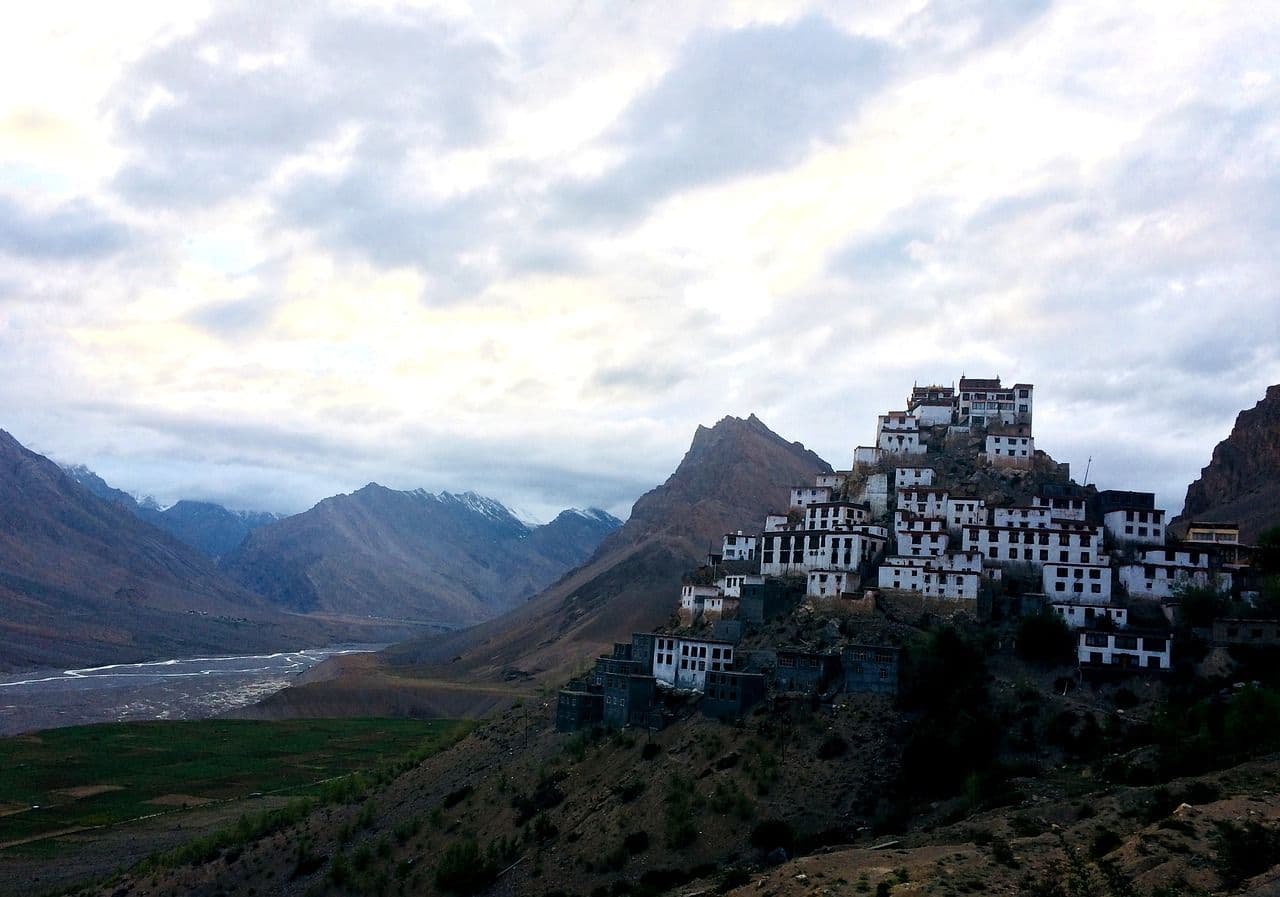
Key Monastery, also known as Kye Gompa, is one of the most important Buddhist monasteries in Spiti Valley, Himachal Pradesh. Perched high above the Spiti River near Kaza, the monastery is known for its distinctive hilltop architecture, Buddhist murals, thangkas, manuscripts and long-standing monastic traditions.
Located about 12 km from Kaza, Key Monastery is one of the most accessible major monasteries in Spiti Valley. Its unusual hilltop setting and centuries-old Buddhist traditions make it an important stop for travelers exploring the valley.
If you are planning a visit, this guide covers Key Monastery's history, height, location, how to reach it, the best time to visit, what to see and important things to know before you go.
Key Monastery at a Glance
Detail | Information |
| Also known as | Kye Gompa, Ki Monastery, Kee Monastery |
| Location | Spiti Valley, Himachal Pradesh |
| Distance from Kaza | About 12 km |
| Altitude | About 4,100 m (13,500 ft) |
| Buddhist tradition | Gelugpa |
| Known for | Murals, thangkas, manuscripts, prayer chambers and monastic traditions |
| Setting | Hilltop overlooking Kaza and the Spiti River |
Key Monastery is the largest monastery in Spiti Valley and continues to function as a center of Buddhist learning and religious training. Its distinctive structure consists of low rooms, narrow corridors, interconnected prayer chambers, staircases and small doorways built across a conical hill.
Key Monastery History: How Old Is Kye Gompa?
Key Monastery has a long and complex history, but its exact founding date is debated. Himachal Pradesh Tourism traditionally attributes its foundation to Dromtön (1008–1064 AD), a disciple of the Buddhist master Atisa. The monastery's own historical account, however, traces the establishment of the present Key Gompa to the early 15th century, under Sherap Zangpo, a follower of Je Tsongkhapa.
Because of these different accounts, it is more accurate to describe Key Monastery as an ancient Buddhist monastery with centuries of history rather than simply calling it a 1,000-year-old monastery.
The monastery has also experienced periods of conflict, fire and natural disasters, including damage from the 1975 earthquake. It was later restored and continues to function as an important center of Buddhist learning and religious training in Spiti Valley.
Today, Key Monastery is known for its historic murals, thangkas, manuscripts, religious paintings and distinctive monastic architecture, while monks continue their religious studies within the monastery.
Where Is Key Monastery?
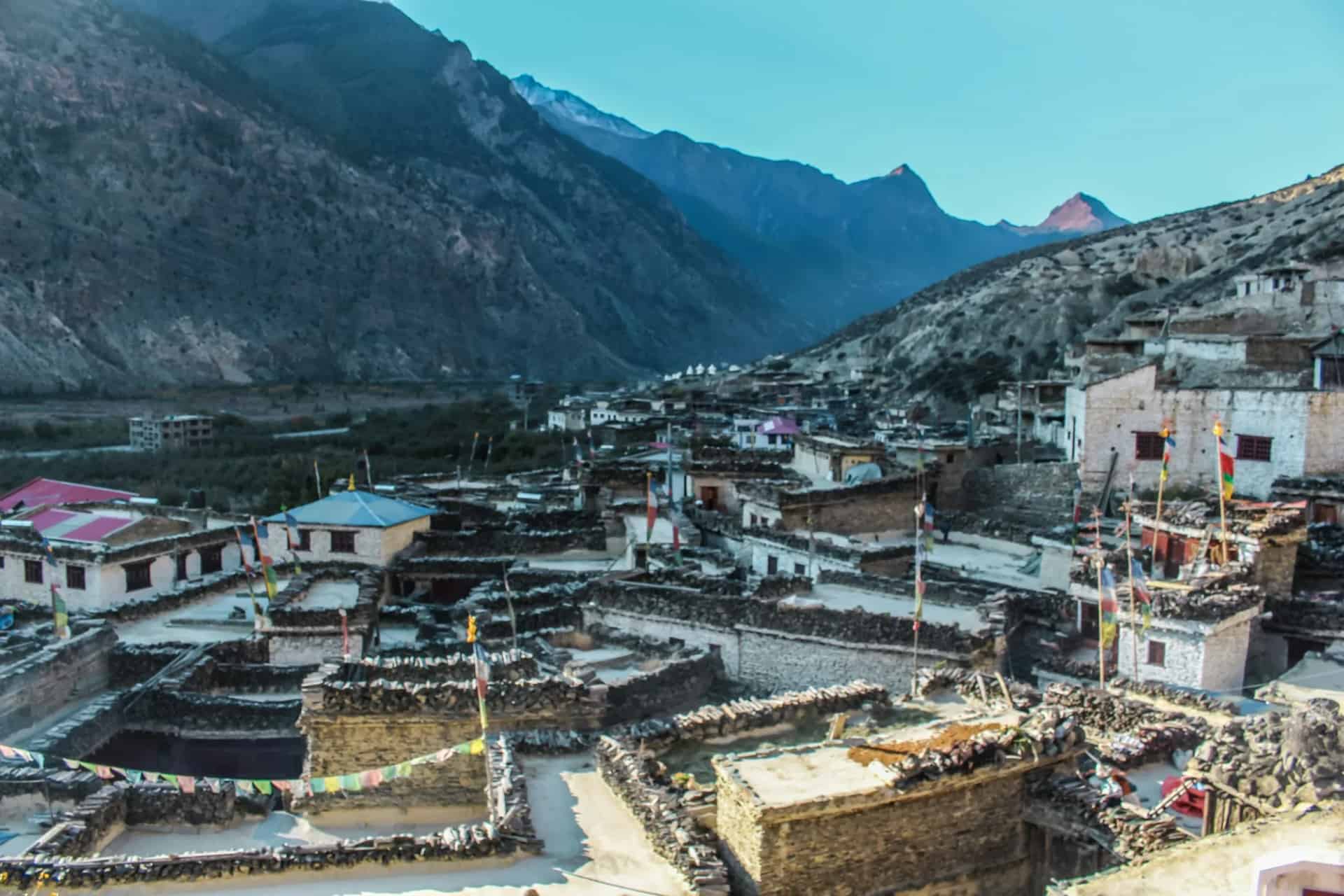
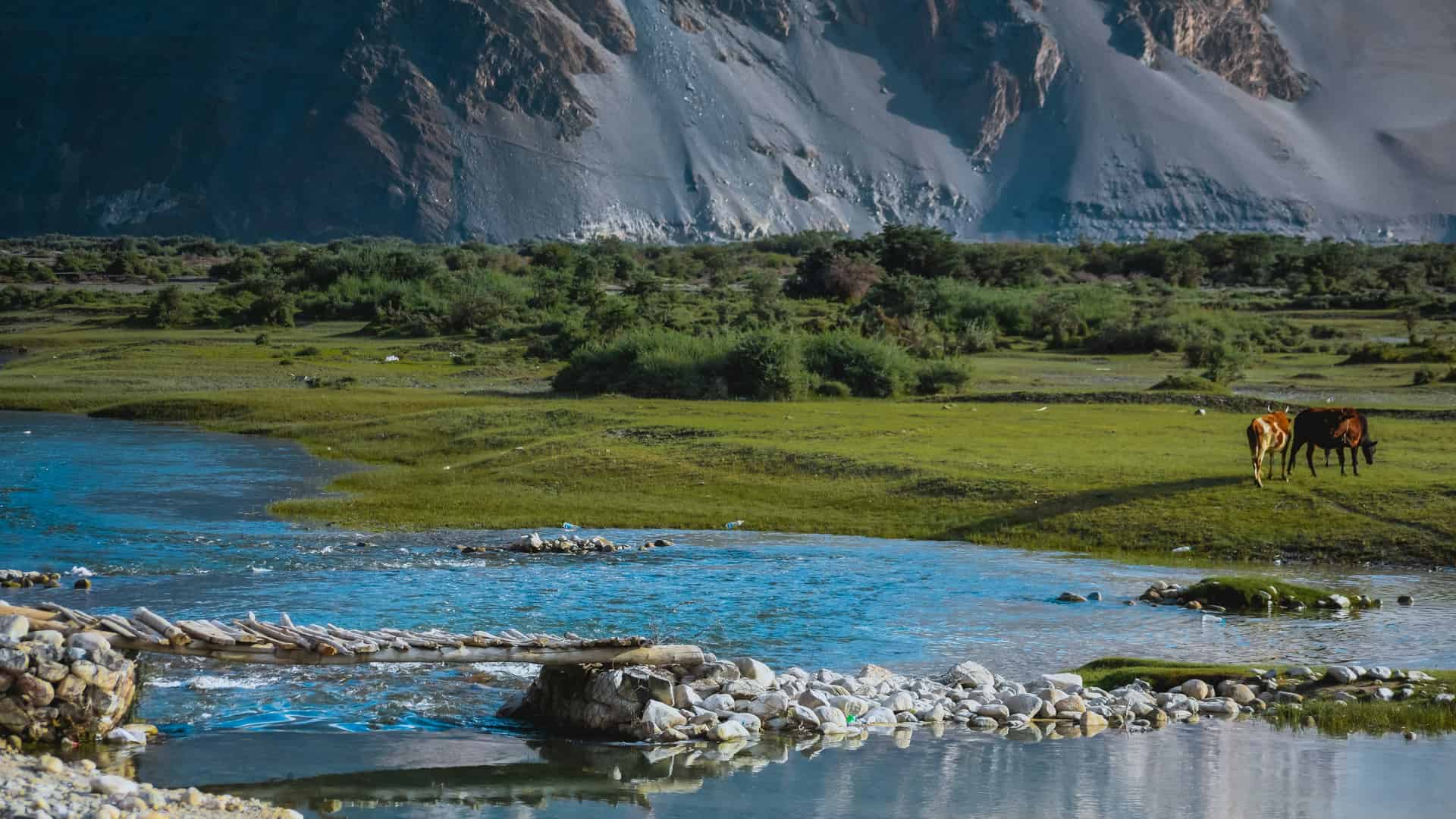
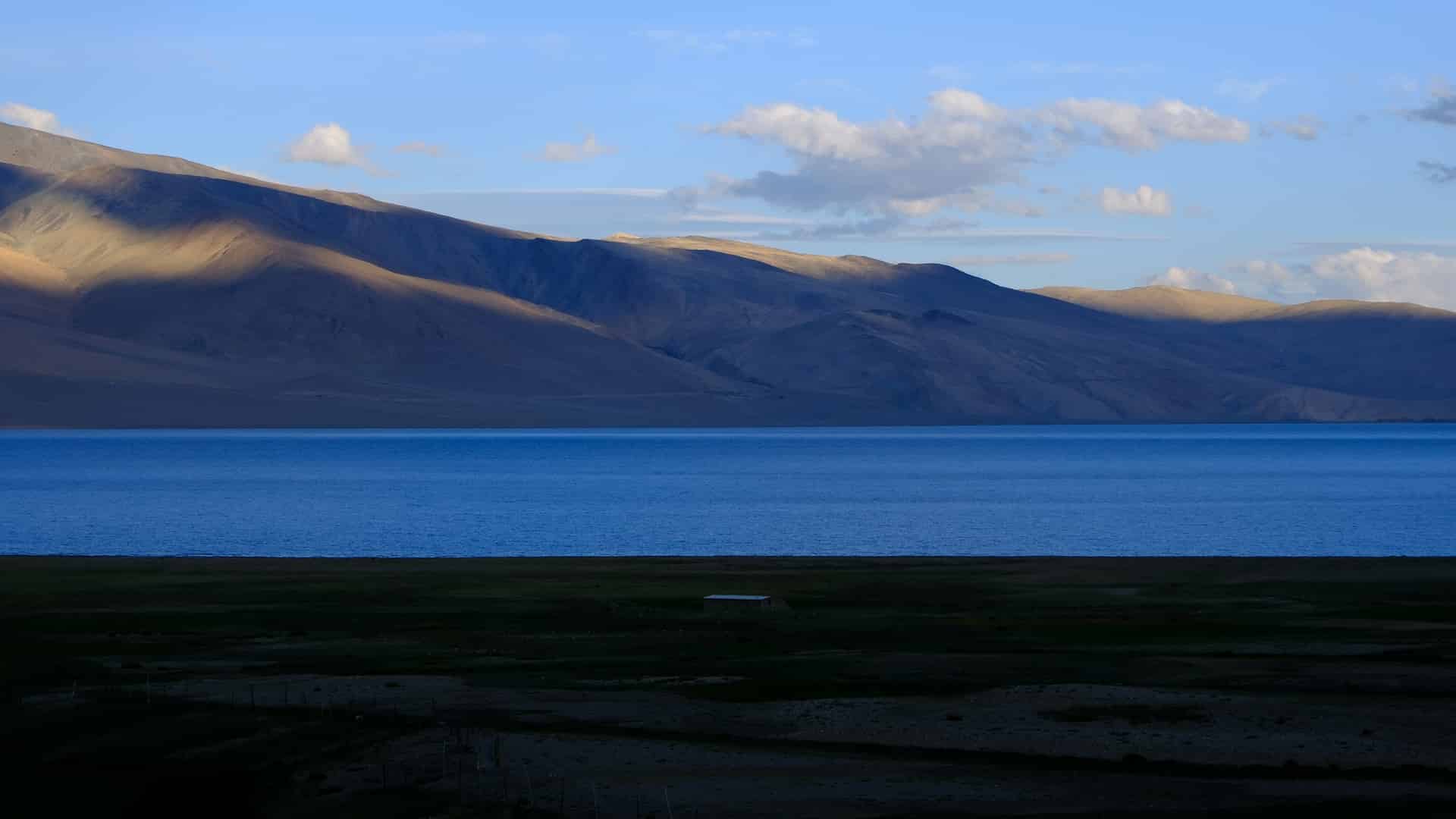
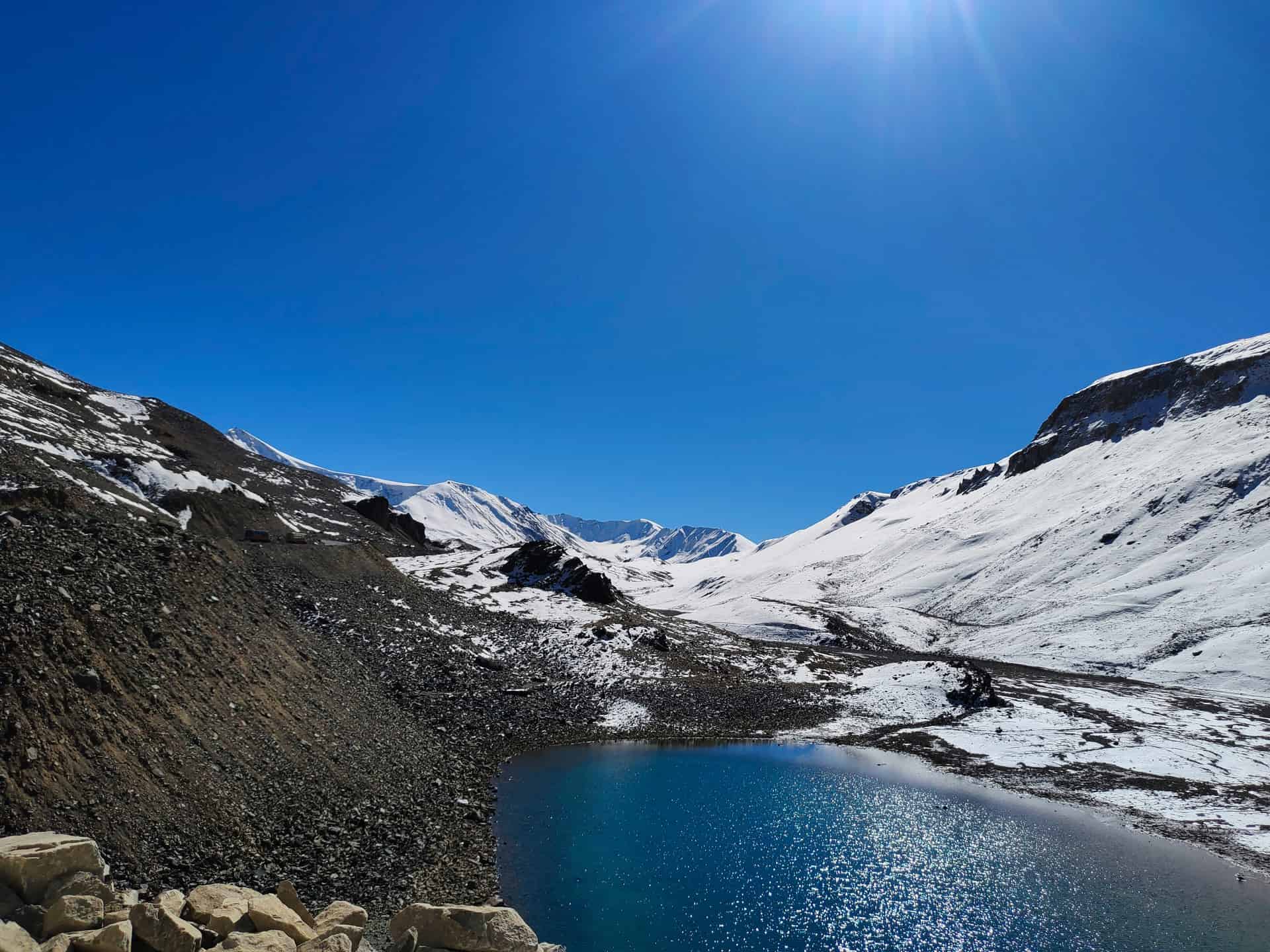
Key Monastery is located in Spiti Valley, Himachal Pradesh, about 12 km from Kaza. It sits on a hill above the Spiti River, with views across the surrounding valley and mountains.
The monastery is at an altitude of roughly 4,100 meters (13,500 feet) above sea level. Some official tourism sources list the elevation as 4,116 meters, so the approximate figure is more appropriate for travel planning.
Because Key Monastery is considerably higher than Kaza, acclimatization is important. If you have just arrived in Spiti, give yourself time to adjust to the altitude rather than treating the monastery visit as a quick stop.
How to Reach Key Monastery
Key Monastery is easiest to visit from Kaza, which is the main base for travelers exploring Spiti Valley. The monastery is about 12 km from Kaza and can be reached by road.
If you are planning a wider trip through the region, our Spiti Valley Travel Guide covers the broader route planning, places to visit, and practical information for planning your journey.
Starting Point | Route | What to Know |
| Kaza | Kaza → Key Monastery | About 12 km; the easiest and most common way to visit |
| Manali | Manali → Atal Tunnel → Lahaul → Kunzum Pass → Kaza → Key Monastery | A longer mountain journey; the Kunzum Pass route is seasonal and can close during winter |
| Shimla | Shimla → Kinnaur → Spiti Valley → Kaza → Key Monastery | A longer approach through Kinnaur; road conditions and travel times can vary |
If you are staying in Kaza, you can hire a local taxi or include Key Monastery in a sightseeing route covering nearby places.
Travelers coming from Manali should check the current status of the Kunzum Pass before starting the journey, as the route is affected by seasonal road conditions. The Shimla approach takes you through Kinnaur before reaching Kaza and then continuing to Key Monastery.
For either route, check local road and weather conditions before setting out, particularly during the beginning and end of the travel season.
What Is the Best Time to Visit Key Monastery?
The best time to visit Key Monastery is generally from May to October, when travel through Spiti Valley is more practical and road access is usually better. Conditions can vary each year, particularly at the beginning and end of the season.
Period | What to Expect |
| May to June | Days are suitable for sightseeing, although mornings and evenings can still be cold. |
| July to September | One of the more active travel periods, with better access to most parts of Spiti. Check local weather and road conditions before traveling. |
| October | Colder and quieter, with shorter daylight hours. Conditions can change quickly as winter approaches. |
| November to April | Winter conditions make travel more challenging, with severe cold and possible road disruptions. |
For most travelers, June to September is generally the most practical period to visit Key Monastery. If you prefer fewer visitors and do not mind colder conditions, May or October can also work, provided the roads are accessible.
Before traveling, check current road and weather conditions, especially if your route involves high mountain passes.
What to See at Key Monastery?
Key Monastery is worth exploring beyond its hilltop views. Its unusual architecture, religious artwork, and active monastic setting give the visit a different character from a typical sightseeing stop.
- Explore the distinctive architecture: The monastery is built across a conical hill, with interconnected rooms, narrow corridors, stairways and small doorways.
- See the Buddhist artwork: Inside, the monastery is known for its murals, thangkas, stucco images, manuscripts and other religious artifacts.
- Visit the prayer spaces: Key Monastery remains an active Buddhist institution, so its prayer chambers and religious spaces are part of everyday monastic life rather than simply preserved attractions.
- Take in the valley views: From its elevated position, the monastery offers views across the Spiti Valley and the surrounding mountains.
- Experience a living monastery: Monks continue to live and study here, allowing visitors to experience an active Buddhist tradition. During prayers or religious activities, visitors should remain quiet and follow the monastery's instructions.
Key Monastery Festivals and Buddhist Traditions
Key Monastery is not only a historic landmark but also an active center of Buddhist learning and practice. Monks continue to live and study here, and religious ceremonies remain part of the monastery's daily life.
Visitors may encounter:
- Chham: A traditional masked Buddhist dance performed during religious festivals, featuring colorful costumes, masks, music and ritual movements.
- Monastic learning: Monks continue their religious studies and training at Key Monastery, maintaining its role as an important center of Buddhist learning.
- Religious ceremonies: Depending on when you visit, you may see prayers or other monastery activities taking place.
If you are visiting during a festival or ceremony, keep noise low, maintain a respectful distance, and follow any instructions from the monks or monastery authorities. Festival dates can vary, so check locally if you are planning your trip around a particular event.
Things to Know Before Visiting Key Monastery
- Acclimatize first: Key Monastery sits at around 4,100 meters, so give yourself time to adjust to the altitude before visiting.
- Respect the religious space: Key Gompa is an active monastery. Keep noise low and avoid disturbing prayers or religious activities.
- Ask before taking photographs: Photography may be restricted inside certain religious spaces, so ask before photographing monks, prayer areas, or interior artwork.
- Be prepared for cold and strong sun: Carry warm layers, water, and sun protection even when visiting during the warmer months.
- Check local conditions: Mountain roads and weather can change quickly, particularly outside the main travel season.
Final Thoughts
Key Monastery is one of those places in Spiti Valley where the setting, history, architecture, and living Buddhist traditions come together. Its hilltop position above the Spiti River, distinctive monastic structure, and centuries of religious heritage make it worth including in a Spiti Valley trip.
If you are planning a longer journey through the valley, explore our Spiti Valley tour packages to find an itinerary that includes Key Monastery along with other major places in the region.