Why Most First Europe Trips Feel Rushed
Most first-time travelers try to cover too much in one trip. They move quickly between cities, chase famous landmarks and spend more time in transit than actually experiencing places.
By the end, the journey feels exhausting instead of memorable. The issue is not Europe itself, but how the plan is structured.
A well-designed itinerary focuses on flow, realistic pacing and connected experiences. It is not about how many places you visit, but how naturally your journey unfolds.
What Is a Practical 7–15 Day Europe Plan
A well-balanced plan for 7 to 15 days focuses on two to four nearby countries such as France, Switzerland, and Italy. Each major stop should ideally have two to three nights so you are not constantly moving.
This approach reduces fatigue and gives you time to actually experience each destination.
If you are still understanding how regions connect, you can explore our Europe travel guide for a complete overview of routes and regions.
How to Decide Trip Duration and Route Together
Trip Length | Max Countries | Recommended Route | Travel Style |
| 7 Days | 2 | Paris and Swiss Alps | Iconic and fast-paced |
| 10 Days | 2 to 3 | France, Switzerland, Italy | Classic first trip |
| 12 Days | 3 | Prague, Vienna, Budapest | Culture focused |
| 15 Days | 3 to 4 | Spain, France, Italy | Relaxed exploration |
This helps you align your expectations with reality before building your route.
How Schengen Travel Works for Indian Travelers
Travel across multiple countries in Europe is possible because of the Schengen system, but many travelers misunderstand how it works.
The European Union and the Schengen Area are not the same. Countries like Switzerland are part of Schengen even though they are not in the EU. This allows you to move across France, Switzerland and Italy with a single visa.
As of 2026, the visa process is largely digital, but planning is still essential. Applications should ideally be submitted two to three months in advance.
If you are new to this, read our step-by-step Europe planning guide for first-time travelers.
Common Mistakes That Make the Trip Exhausting
The most common mistake is trying to include too many countries in limited time. Europe is not one destination but a mix of cultures, landscapes and experiences.
When you overload your plan, the trip becomes rushed and tiring. Travelers often spend more time packing and moving than enjoying the destination.
A better approach is to choose one region, travel at a comfortable pace and allow time for experiences to unfold.
A 7–10 Day Route That Works for First-Time Travelers
For a short trip, one of the most practical and balanced routes is:
Paris to Switzerland to Italy
This combination gives you city life, natural beauty and cultural depth in a smooth flow.
What the Experience Feels Like
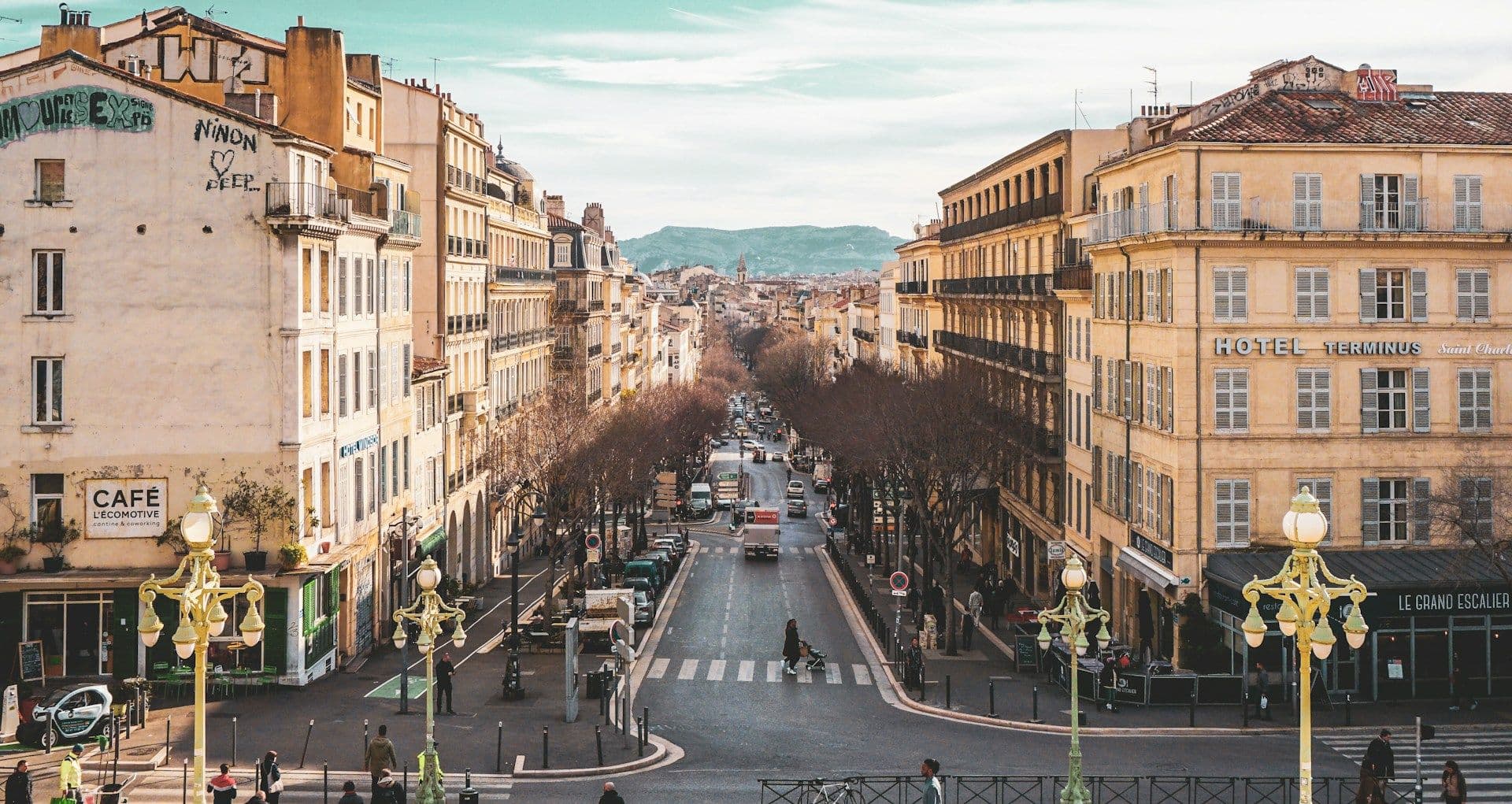
In Paris, your days are filled with cafés, historic streets and evening walks along the Seine. It feels lively but not overwhelming if paced well.
In Switzerland, the pace changes completely. You wake up to mountain views, take scenic train rides, and spend time simply enjoying the surroundings rather than rushing between attractions.
Italy brings energy back into the trip with architecture, food and vibrant streets, especially in cities like Rome or Florence.
Why This Route Works
- strong train connectivity
- logical movement without backtracking
- balanced mix of experiences
Paris has also become easier to explore in recent years with improved public transport and walkability.
A 10–15 Day Plan for a More Relaxed Journey
With more time, the focus should shift from covering more places to enjoying each destination better.
A smoother route could include:
- Amsterdam as your starting point
- Paris for city exploration
- Switzerland for landscapes
- Italy for cultural depth
This creates a natural progression without constant rushing.
Switzerland in particular is best experienced slowly. It is less about ticking attractions and more about enjoying the environment.
If you are unsure how long your trip should be, you can read our detailed guide on how many days you need for Europe.
How Many Countries Should You Include
Your trip duration should decide how many countries you include.
- 7 days usually works best with 2 countries
- 10 days allows 2 to 3 countries
- 15 days allows 3 to 4 countries
Trying to cover more often leads to fatigue and a disconnected experience.
Train vs Flight: What Actually Saves Time
Choosing the right mode of travel can make a big difference in your trip.
For shorter distances, trains are often more efficient than flights because they remove airport wait times and extra transfers.
Trains also offer:
- direct city-to-city connections
- more comfort
- scenic journeys that become part of the experience
What Does a 7–15 Day Trip Cost from India
Europe can be expensive, but smart planning makes it manageable.
For 2026, a realistic daily budget for a couple, excluding flights, is:
- €150 to €200 per day
This usually covers accommodation, food, transport, and basic experiences.
Your route plays a major role in cost, especially how frequently you move between cities.
For a detailed breakdown, check our complete Europe trip cost guide.
A Simple Flight Strategy That Saves Time
One of the easiest ways to improve your plan is by booking multi-city flights.
Instead of flying in and out of the same city:
- arrive in Paris
- depart from Rome
This avoids unnecessary backtracking and saves both time and effort.
Important Update for Italy Travel Plans
If your itinerary includes Venice, it is important to plan ahead. On certain peak days, entry needs to be booked in advance and a small access fee may apply. Planning this early ensures a smoother experience.
Who This Type of Plan Works Best For
This approach is ideal for travelers who want a balanced and comfortable experience.
- first-time travelers
- couples and honeymooners
- families
- travelers who prefer structured flexibility
When This Plan May Not Be Ideal
This approach may not suit everyone.
- slow travelers focusing on one country
- ultra-budget backpackers
- travelers looking only for offbeat destinations
What to Avoid While Planning
Avoid combining London with mainland Europe in a short trip. The UK requires a separate visa, which complicates planning and travel flow. It is better to plan London as a separate trip if your time is limited.
Practical Tips That Make the Trip Smoother
Small decisions can improve your experience significantly.
- stay near city centers or transport hubs
- avoid changing hotels every day
- book trains in advance
- keep one buffer day
These steps reduce stress and make your journey more enjoyable.
Final Thought
A Europe trip rarely goes wrong because of the destination. It usually goes wrong because of how everything is rushed into too little time.
When your route is simple, your pace feels comfortable, and each place has room to breathe, the experience becomes far more enjoyable. You are not constantly thinking about the next train or the next hotel check-in.
Instead, you start noticing the small things. A quiet street in Paris, a slow train ride through the Swiss Alps or an evening meal in Italy that stretches longer than planned.
That is what a well-planned itinerary does. It gives you space to experience the journey, not just complete it.
Need Help Structuring Your Trip
Planning Europe can feel overwhelming because of the number of decisions involved. Choosing the right route, balancing time & budget and avoiding common mistakes takes clarity.
If you want help building a Europe trip package that fits your style and avoids unnecessary complexity, Desh Videsh Travels helps you structure it simply and practically.