What Is Your First Safari Actually Going to Feel Like?
A safari is one of the few travel experiences where expectations and reality are often completely different.
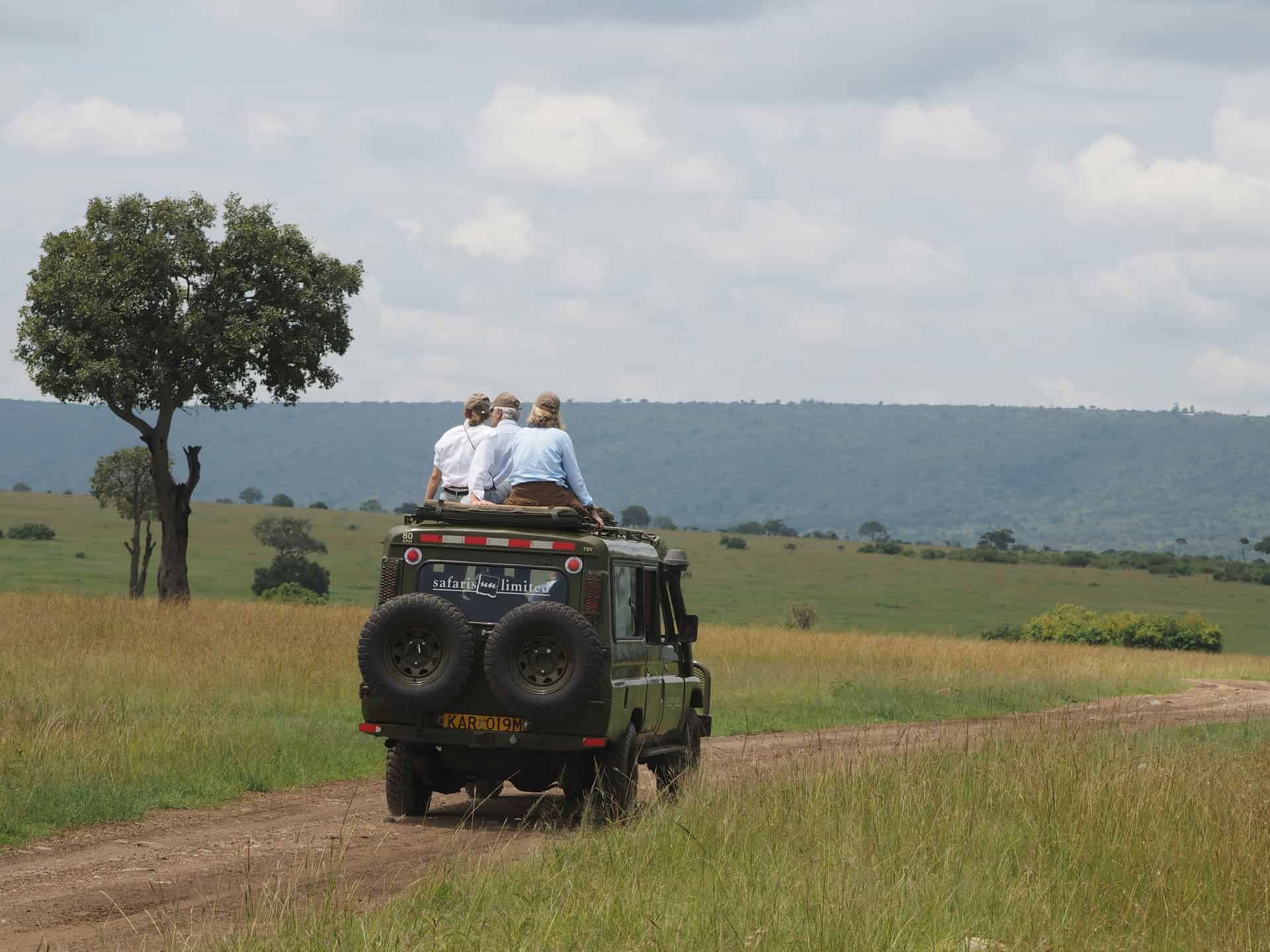
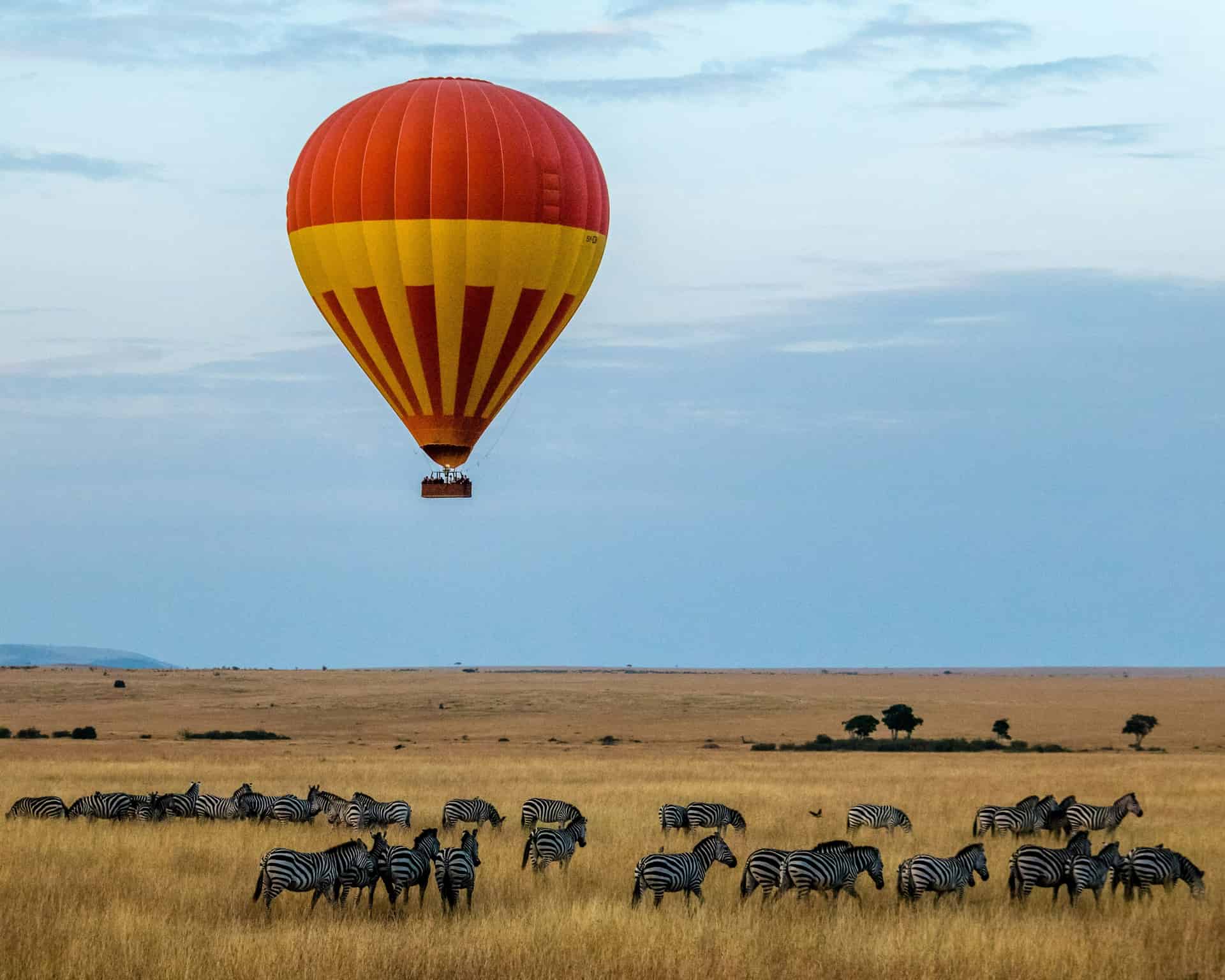
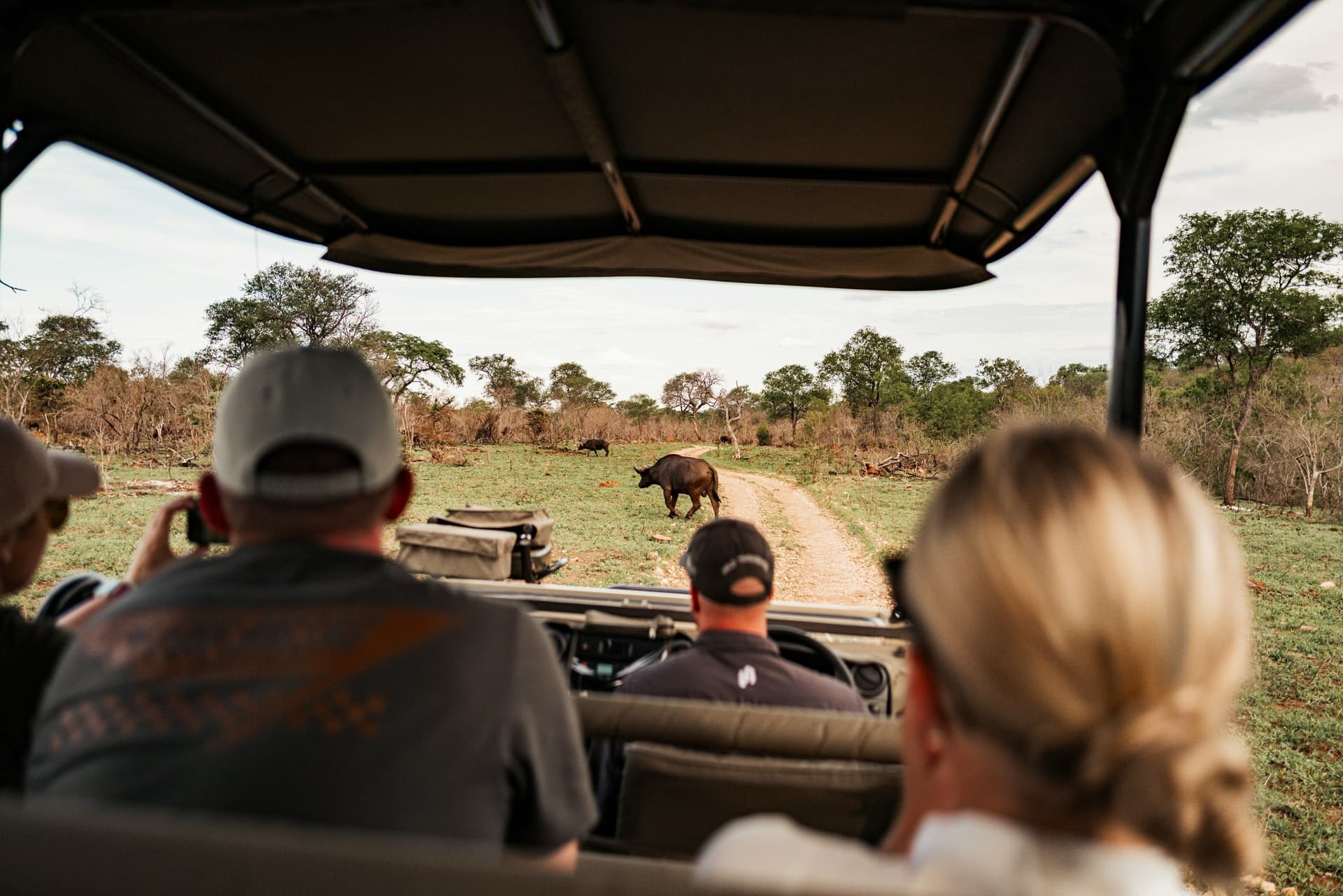
Many first-time travelers imagine constant wildlife sightings and non-stop action. In reality, you may spend an hour driving through open landscapes without seeing much, then suddenly find yourself watching elephants cross a river or a lion pride resting nearby.
That unpredictability is what makes a safari special.
Unlike a typical vacation built around attractions and schedules, a safari follows nature's rhythm. Understanding that rhythm before you arrive will help you enjoy the experience far more.
If you're still deciding where to go, start with our Africa Safari Guide, which compares destinations, safari styles, and travel experiences across the continent.
Quick Safari Preparation Checklist
Before your safari:
- Choose your travel season carefully
- Book accommodation early during peak wildlife periods
- Understand park entry and exit timing rules
- Pack neutral-colored clothing
- Confirm exactly what your safari package includes
- Check visa and entry requirements
- Review vaccination recommendations
- Verify luggage restrictions if your itinerary includes internal flights
What First-Time Safari Travelers Often Expect vs Reality
Most people imagine a safari as constant wildlife action.
The reality is different.
Wildlife sightings are unpredictable. Some drives may be quiet, while others produce unforgettable moments within minutes.
The longer you spend in the bush, the more your focus shifts away from simply seeing animals and toward observing behavior, movement and interactions.
That shift is what turns a safari into a meaningful experience rather than just a sightseeing trip.
Safari vs a Typical Vacation
Feature | Typical Holiday | First Safari |
| Pace | Fast-moving | Slow and immersive |
| Schedule | Flexible | Early mornings |
| Wildlife | Not applicable | Unpredictable |
| Connectivity | Usually available | Often limited |
| Experience | Planned | Nature-led |
| Focus | Attractions | Observation |
A Typical Safari Day
Most safari itineraries follow a similar structure.
Early Morning
- Wake-up call before sunrise
- Tea or coffee before departure
- Morning game drive when wildlife is most active
Midday
- Return to camp or lodge
- Breakfast or brunch
- Relaxation during the hottest hours
Afternoon & Evening
- Lunch and downtime
- Evening game drive
- Sunset viewing
- Dinner at camp
While every destination is different, this general rhythm remains consistent across most safari experiences.
For a real-world example, see our Masai Mara Itinerary Guide.
Which Safari Style Is Best for First-Time Travelers?
Not all safaris are the same.
Choosing the right safari style often has a bigger impact on your experience than choosing the destination itself.
Safari Type | Best For |
| Lodge Safari | First-time travelers seeking comfort and convenience |
| Luxury Safari | Premium accommodations and personalized service |
| Mobile Camping Safari | Adventure-focused travelers |
| Fly-In Safari | Travelers wanting to maximize wildlife time |
| Family Safari | Families with children and flexible schedules |
For most first-time travelers, a lodge-based safari offers the best balance between comfort, wildlife viewing, and ease of travel.
Best Safari Destinations for Beginners
If this is your first safari, these destinations are excellent starting points.
Masai Mara, Kenya
Known for exceptional wildlife density and the famous Great Migration, the Masai Mara is one of Africa's most popular safari destinations.
Serengeti, Tanzania
Offers vast landscapes, abundant wildlife and one of the world's most iconic safari experiences.
Amboseli, Kenya
Famous for large elephant herds and spectacular views of Mount Kilimanjaro.
Kruger National Park, South Africa
One of the easiest safari destinations for first-time international travelers, thanks to excellent infrastructure and accessibility.
What Animals Can You Expect to See?
One of the biggest misconceptions about safari travel is expecting guaranteed wildlife sightings.
While no animal can ever be guaranteed, many first-time travelers commonly see:
- Elephants
- Giraffes
- Zebras
- Buffalo
- Antelope species
- Hippos
- Crocodiles
Predator sightings such as lions, leopards, and cheetahs depend on location, timing and luck.
The best safaris focus on the overall experience rather than chasing a specific checklist of animals.
How Many Safari Days Do You Really Need?
One of the most common planning questions is safari duration.
Safari Length | Best For |
| 2–3 Days | Quick introduction |
| 4–5 Days | Ideal for most first-time travelers |
| 6–8 Days | Multiple parks and deeper wildlife experiences |
| 9+ Days | Extended safari journeys |
For most travelers, 4 to 5 days provides the best balance between wildlife sightings, comfort and cost.
When Is the Best Time to Go on Safari?
The best safari season depends on your priorities.
Season | Experience |
| Dry Season | Easier wildlife spotting, peak safari conditions |
| Green Season | Fewer crowds, greener landscapes, lower prices |
Many travelers plan around wildlife events such as the Great Migration, while others prioritize quieter periods and better value.
For detailed seasonal planning, explore our future Best Time for Safari Guide and Great Migration Guide.
Understanding Safari Costs
Many travelers focus only on package prices.
However, safari costs are influenced by:
- Destination
- Travel season
- Accommodation category
- Internal transport
- Park fees
- Length of stay
To understand how safari pricing works in detail, see our Masai Mara Safari Cost Guide.
Safari Luggage Rules: Why Soft Bags Matter
Safari logistics are often different from standard vacations.
Some itineraries include small aircraft transfers between parks and reserves. In these situations, soft-sided luggage is often preferred because it is easier to load and store.
Recommended
- Soft duffel bags
- Lightweight luggage
- Compact packing systems
Avoid
- Oversized rigid suitcases
- Excessively heavy luggage
- Unnecessary packing
Photographers should also remember that camera equipment may count toward overall baggage allowances.
Safari Tipping Etiquette
Tipping is common across many safari destinations.
Depending on the destination and lodge, travelers may choose to tip:
- Safari guides
- Camp staff
- Trackers and spotters
Exact expectations vary, so it is best to check local guidance provided by your operator before departure.
Common First-Time Safari Mistakes
Expecting Constant Wildlife Action
Nature operates on its own schedule.
Choosing Based Only on Price
The cheapest safari is not always the best value.
Overpacking
Safari travel is usually more comfortable with lighter luggage.
Ignoring Travel Seasons
Wildlife viewing conditions can vary significantly throughout the year.
Focusing Only on Animal Checklists
The best safari experiences often come from observing the environment as a whole.
What to Pack for Your First Safari
Essentials
- Neutral-colored clothing
- Comfortable shoes
- Lightweight layers
- Hat and sunglasses
- Sunscreen
- Reusable water bottle
- Power bank
Why Neutral Colors Matter
Neutral colors work best because they blend naturally into safari environments.
Recommended colors include:
- Khaki
- Olive
- Beige
- Light brown
Bright colors are generally discouraged, and dark blue or black clothing may attract insects in some safari regions.
Useful Extras
- Binoculars
- Camera or smartphone with zoom
- Spare batteries
- Lightweight rain jacket
Some safari destinations also maintain restrictions on single-use plastics, so check local regulations before departure.
Health Requirements Before a Safari
Health requirements vary by destination.
Before traveling:
- Review vaccination requirements
- Verify whether Yellow Fever documentation is needed
- Consult a travel clinic regarding malaria prevention
- Carry any essential medications
Always check official travel requirements before departure, as regulations can change.
Tips That Improve Your Safari Experience
Be Patient
Wildlife sightings cannot be scheduled.
Trust Your Guide
Experienced guides understand animal behavior and movement patterns.
Stay Present
The best moments often happen when you stop chasing sightings and simply observe.
Wake Up Early
Morning drives are often the most rewarding part of the day.
Important Travel Tips for Indian Travelers
Indian travelers should:
- Check visa or eTA requirements early
- Verify vaccination requirements
- Carry printed and digital travel documents
- Review baggage policies
- Understand what is included in their safari package
Many safari lodges can also accommodate Indian dietary preferences when informed in advance.
Final Thoughts
A successful first safari is less about how many animals you see and more about understanding how the experience works.
With realistic expectations, proper preparation, and the right destination, a safari becomes one of the most rewarding wildlife experiences in the world.
If you are planning your safari and want to explore structured options, you can also check out our Africa Tour Packages to understand different travel styles and routes.