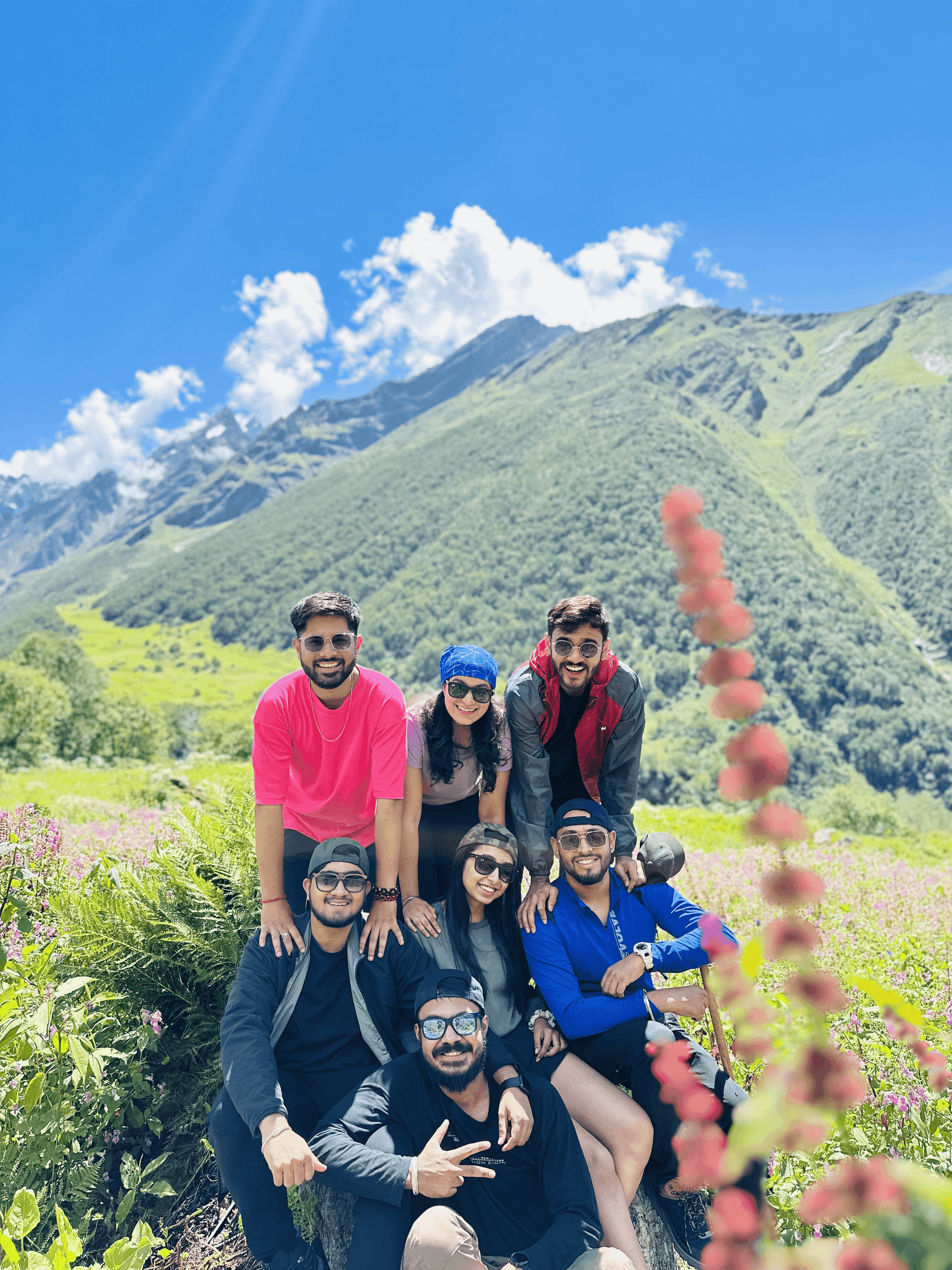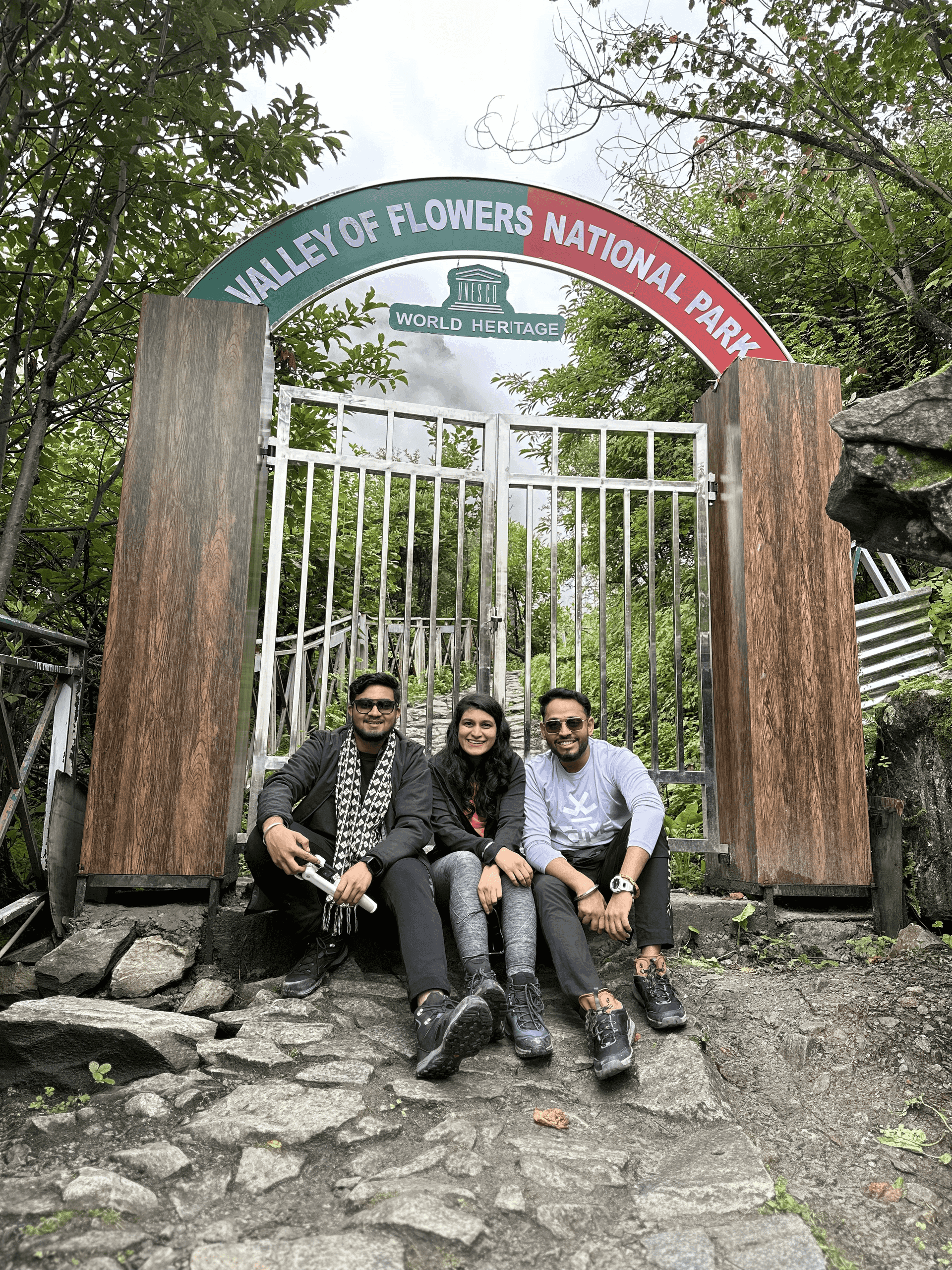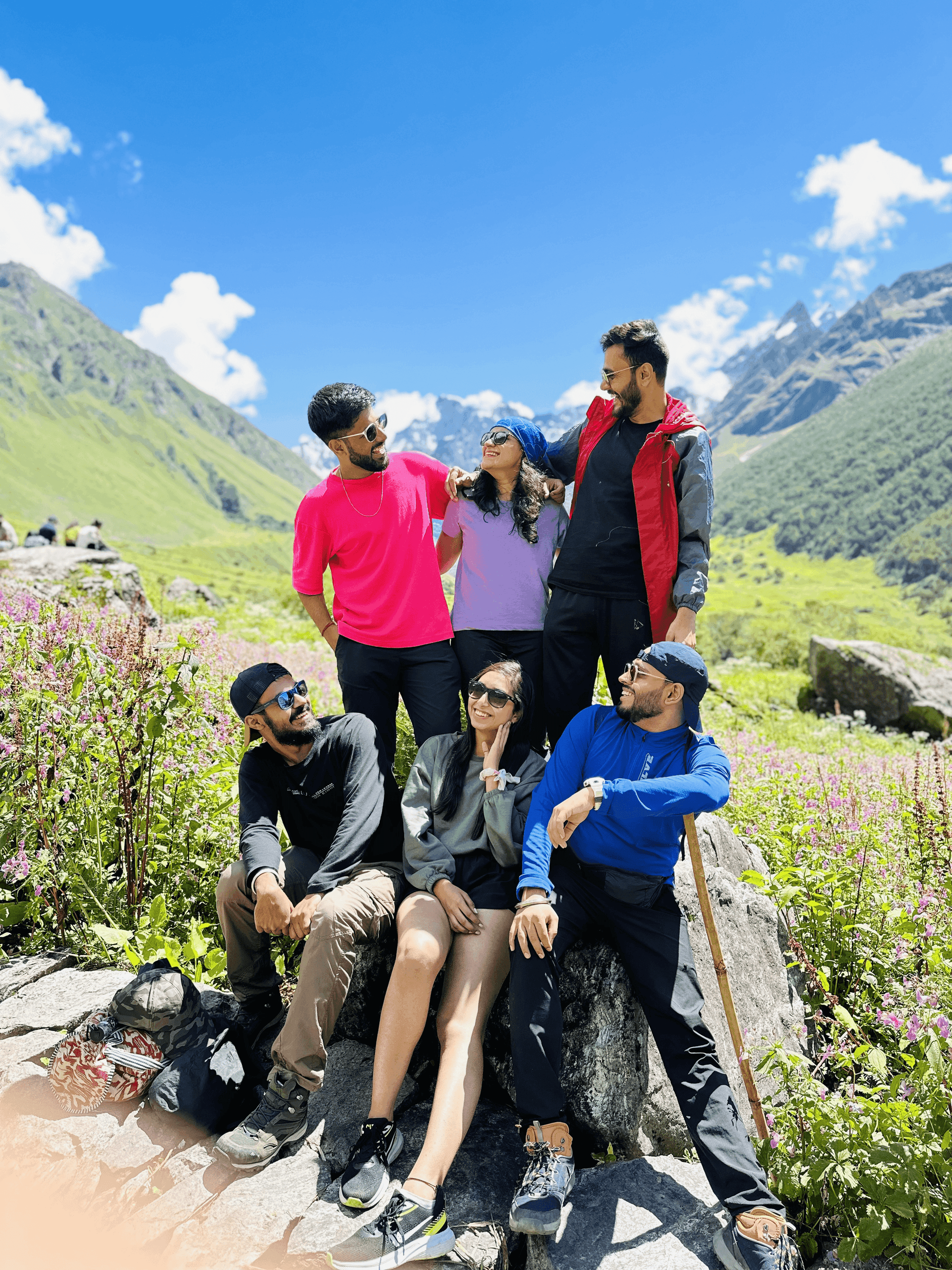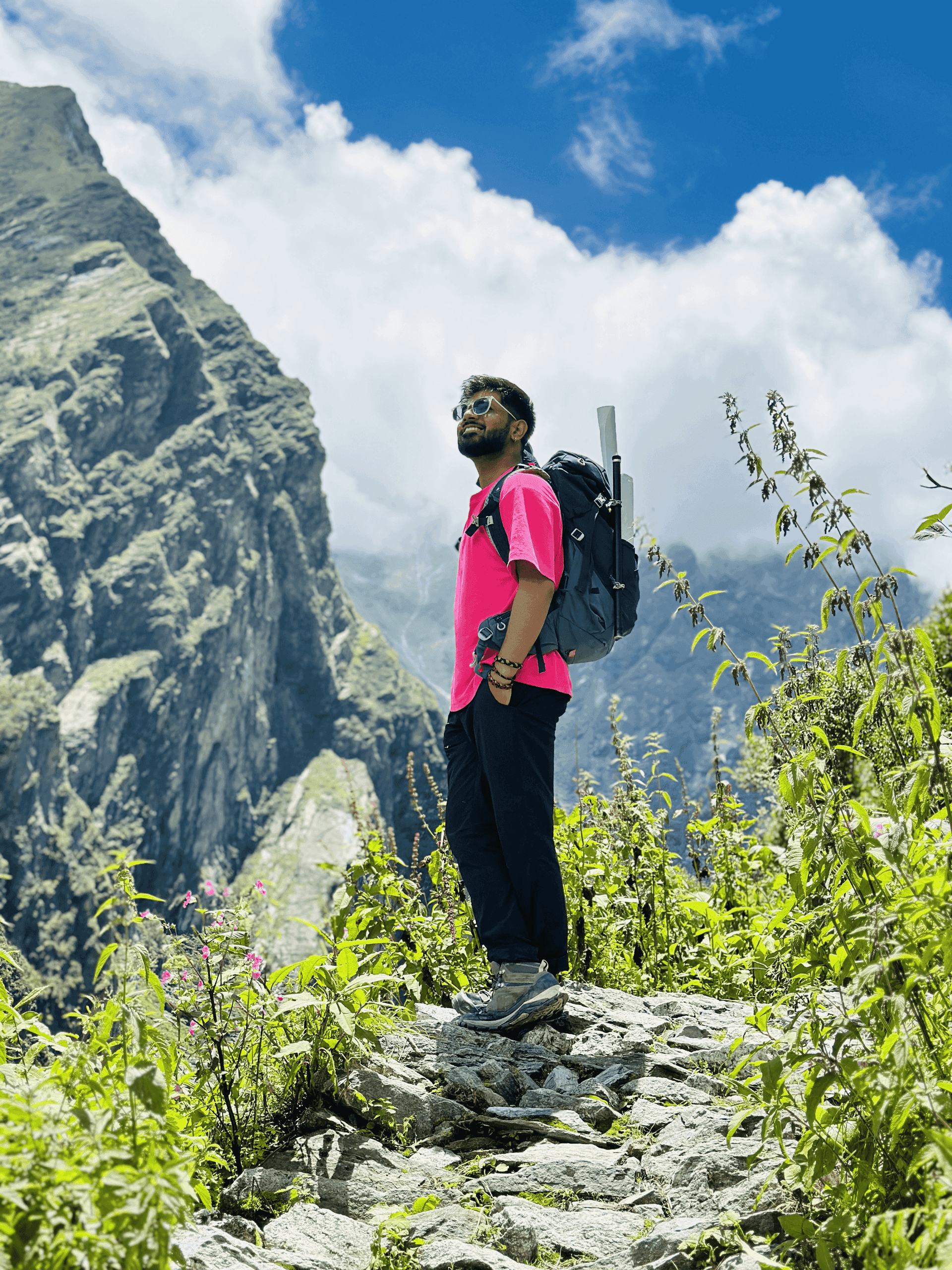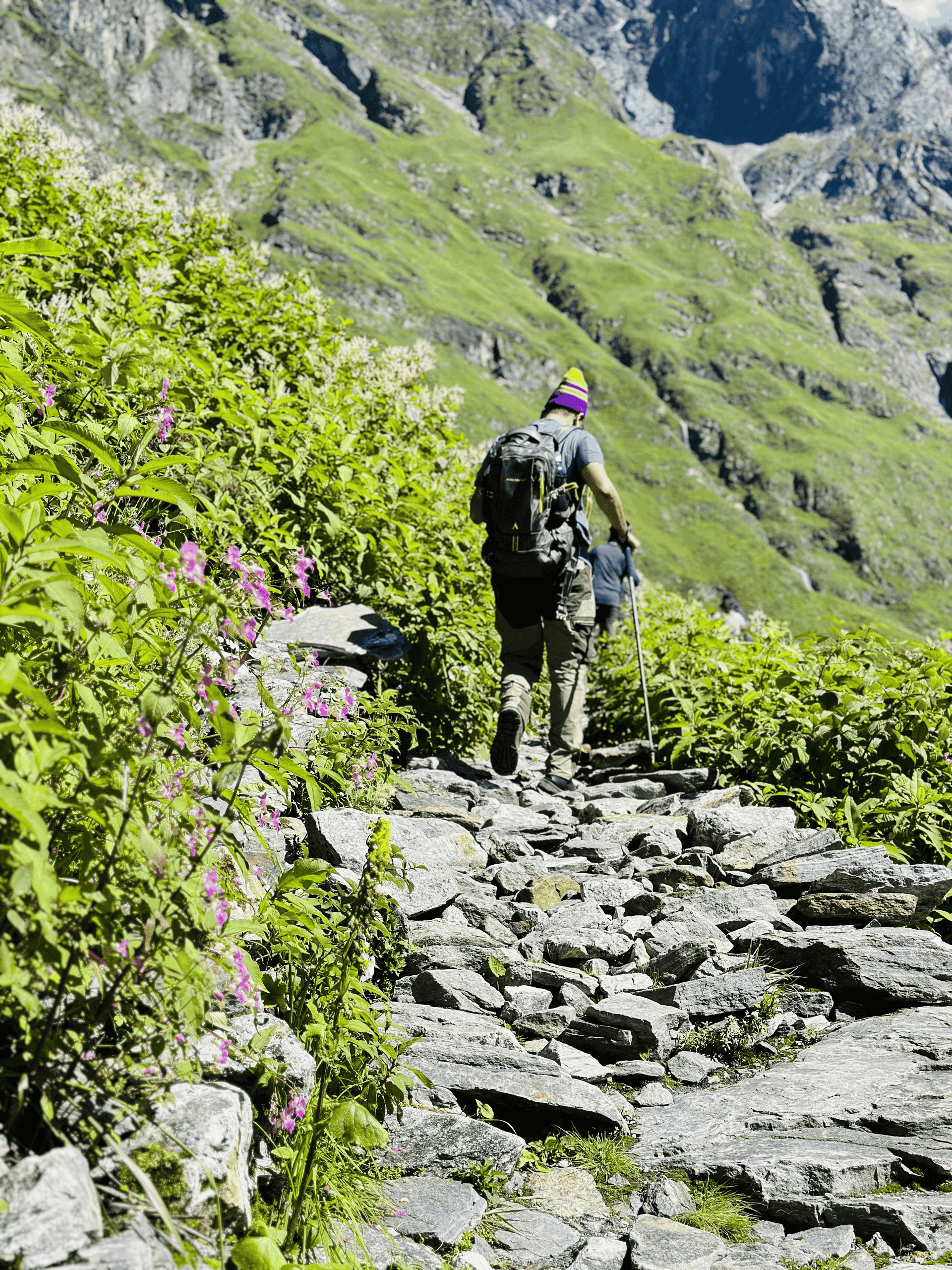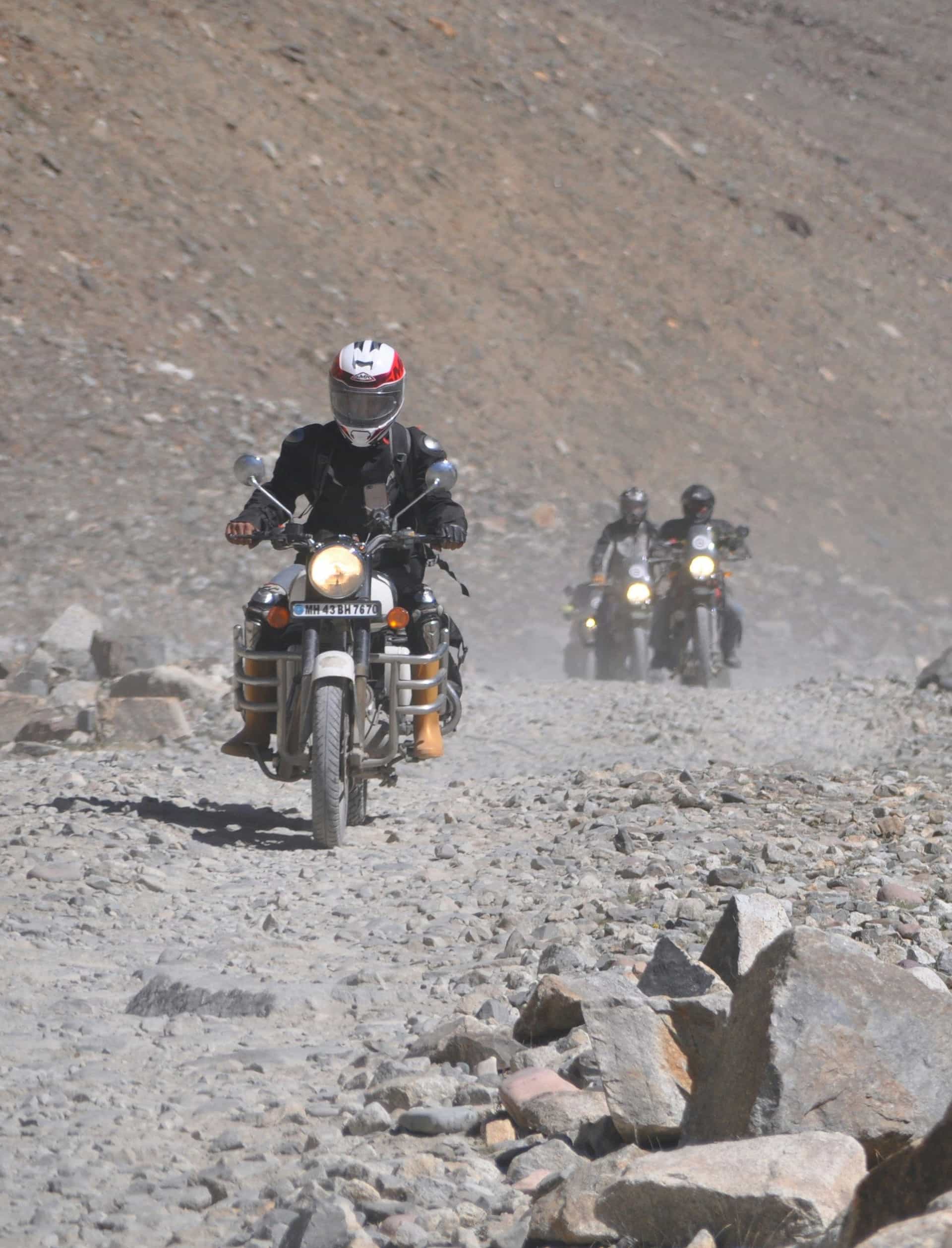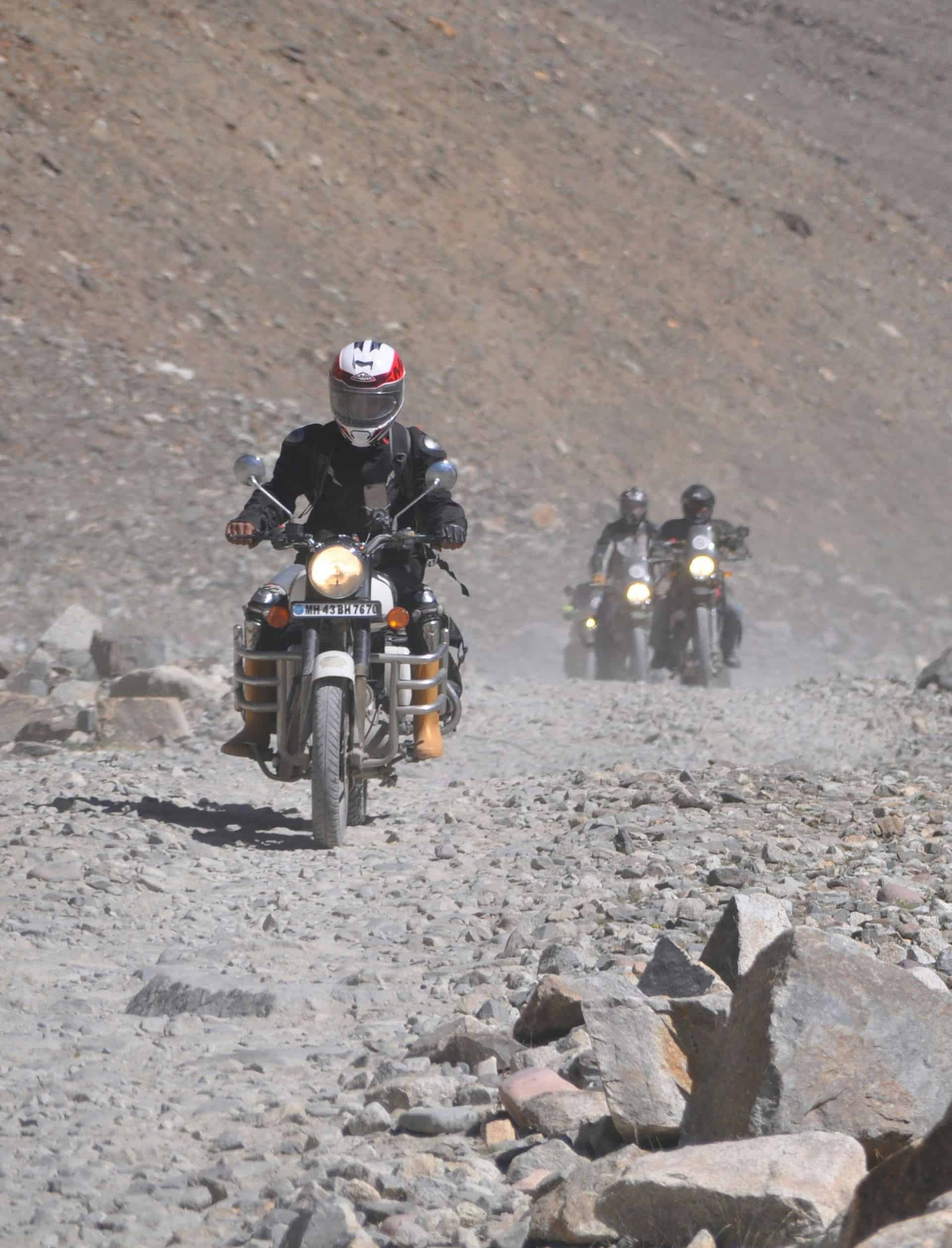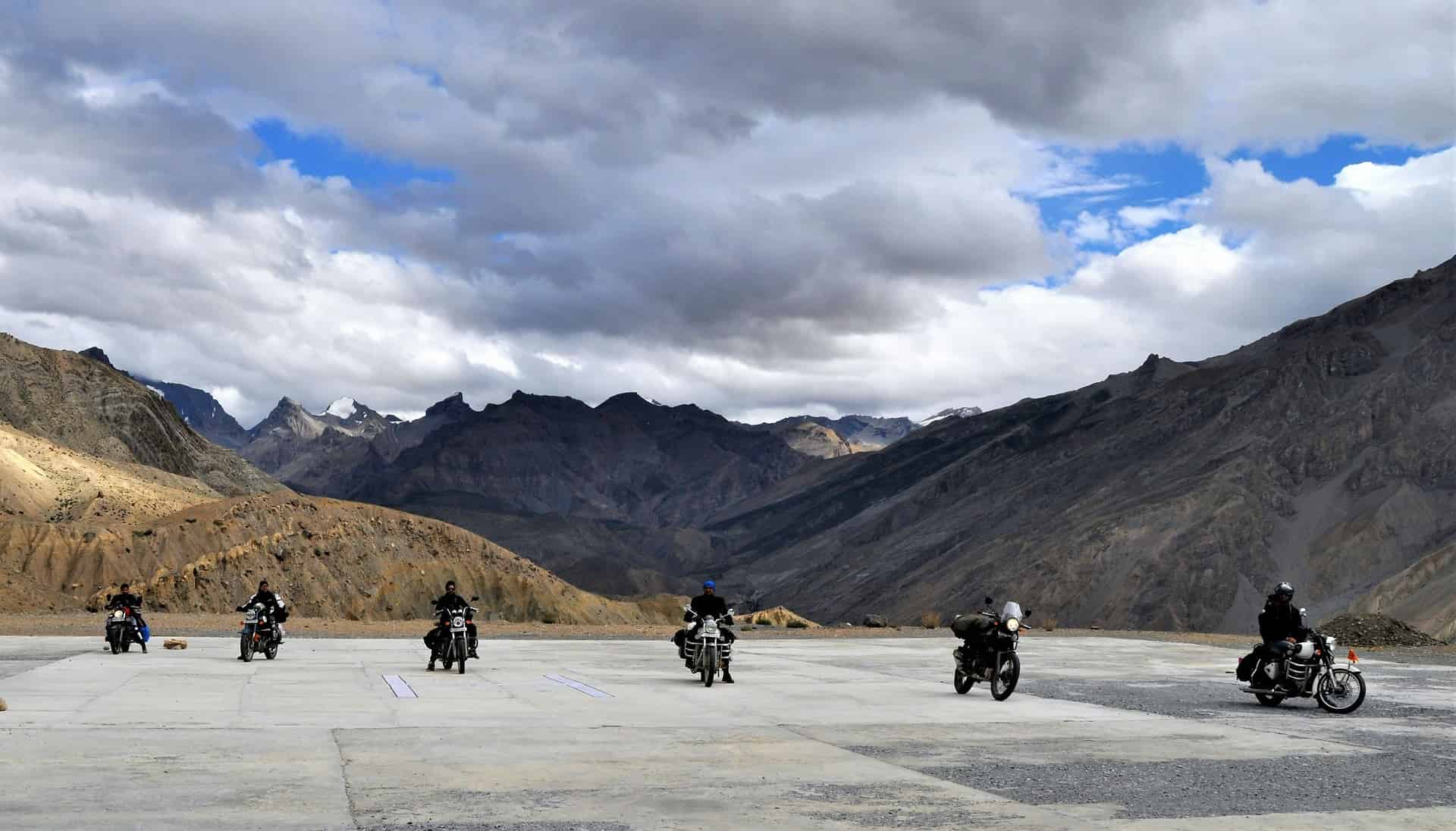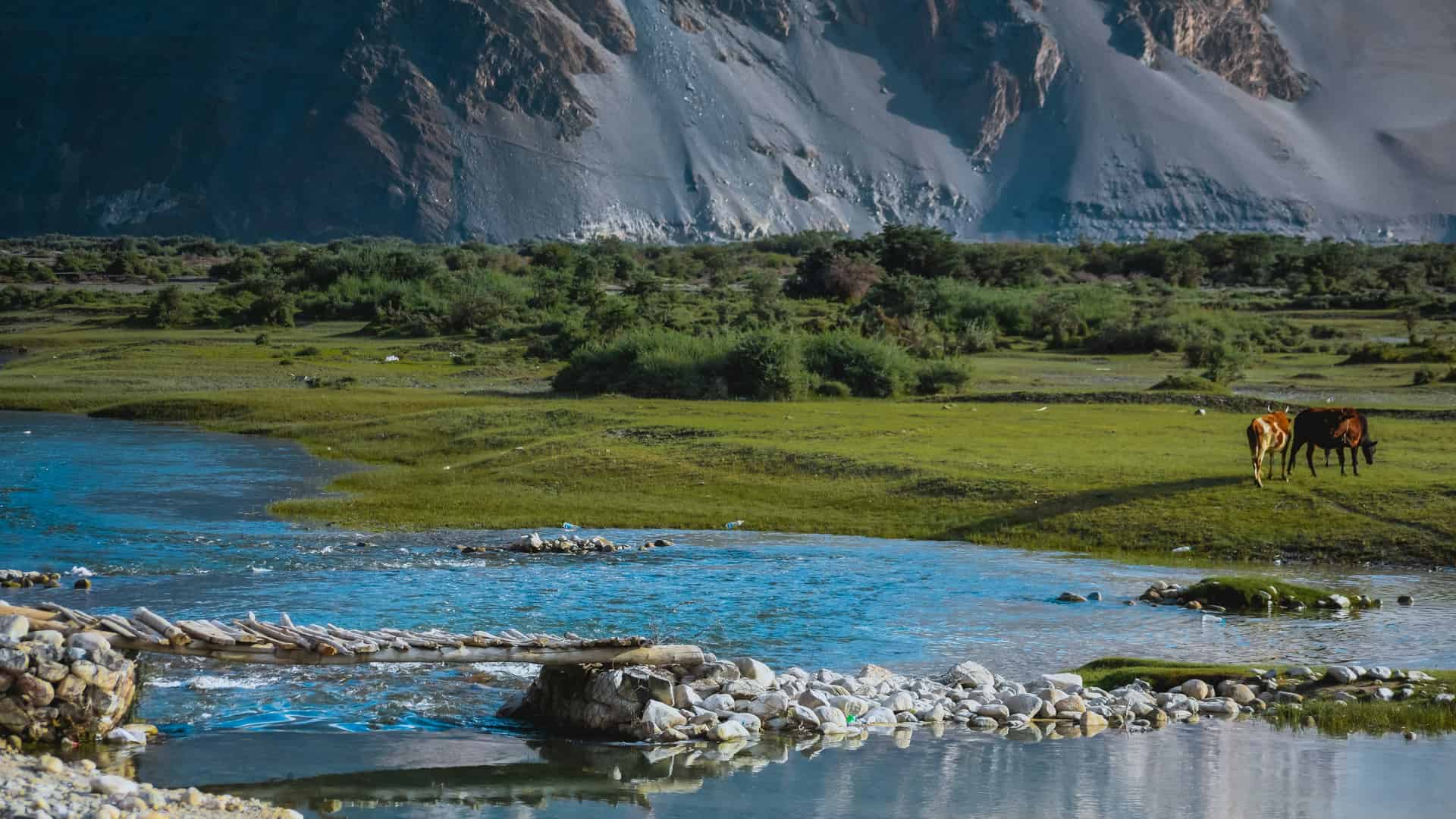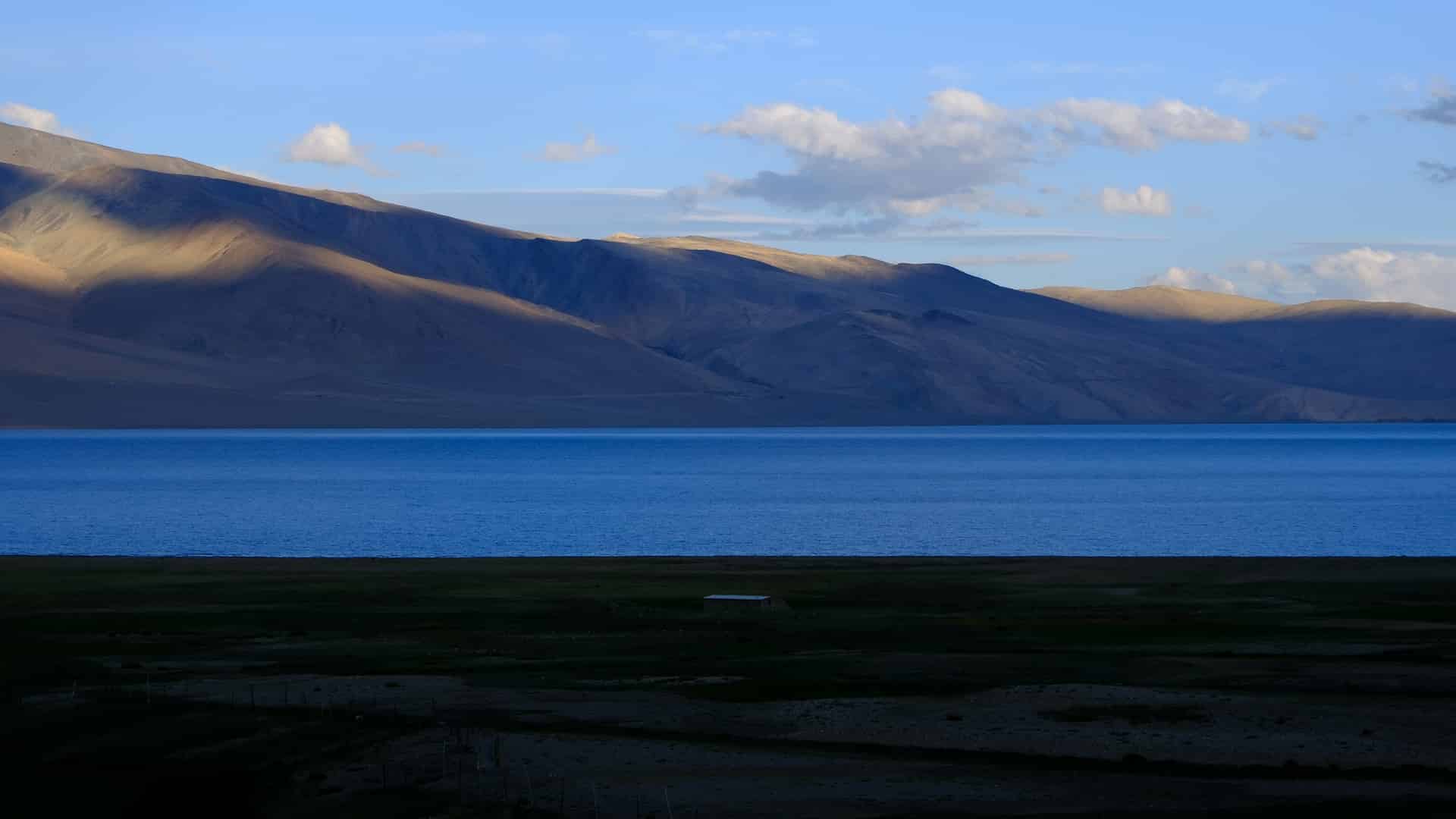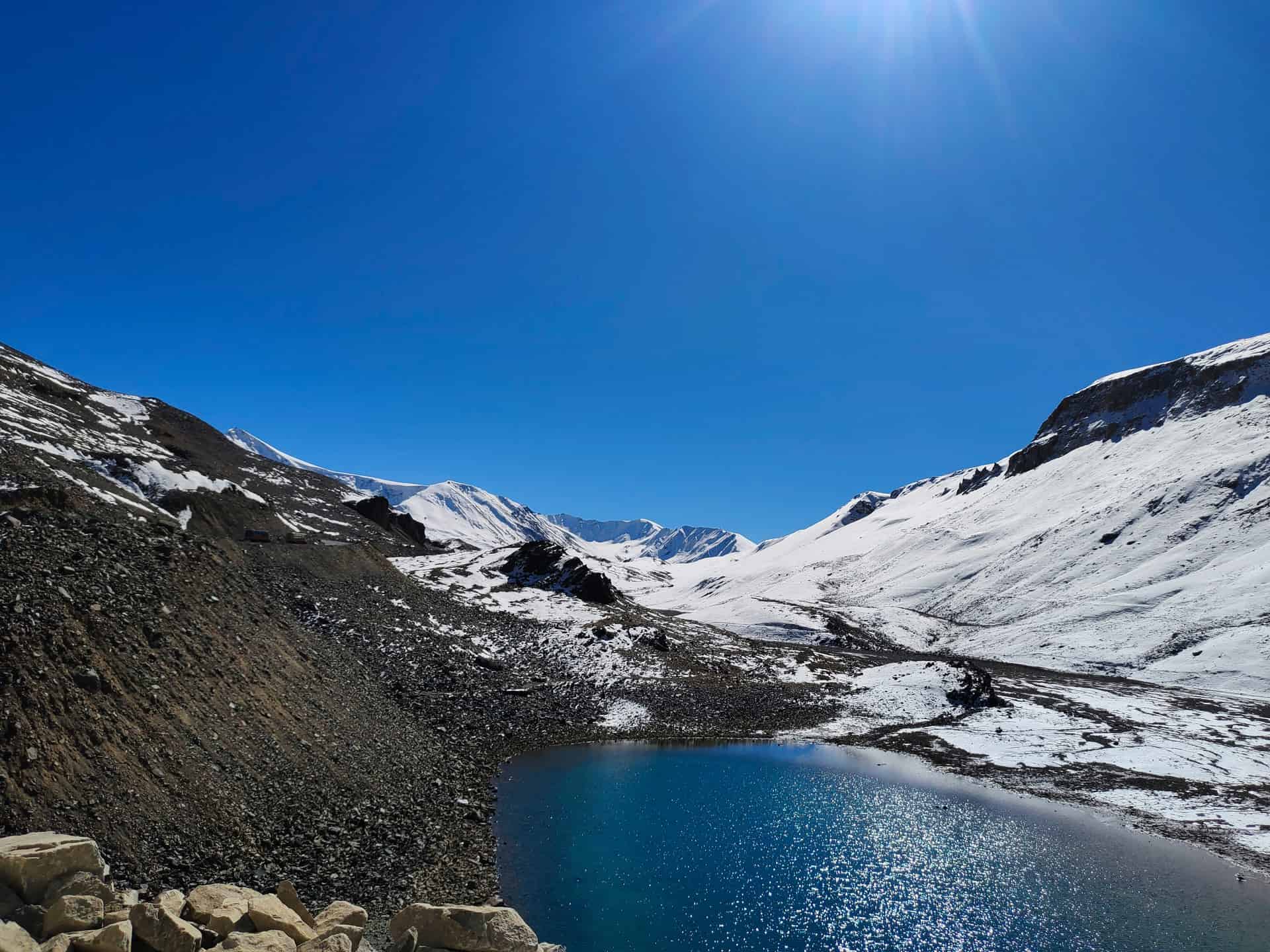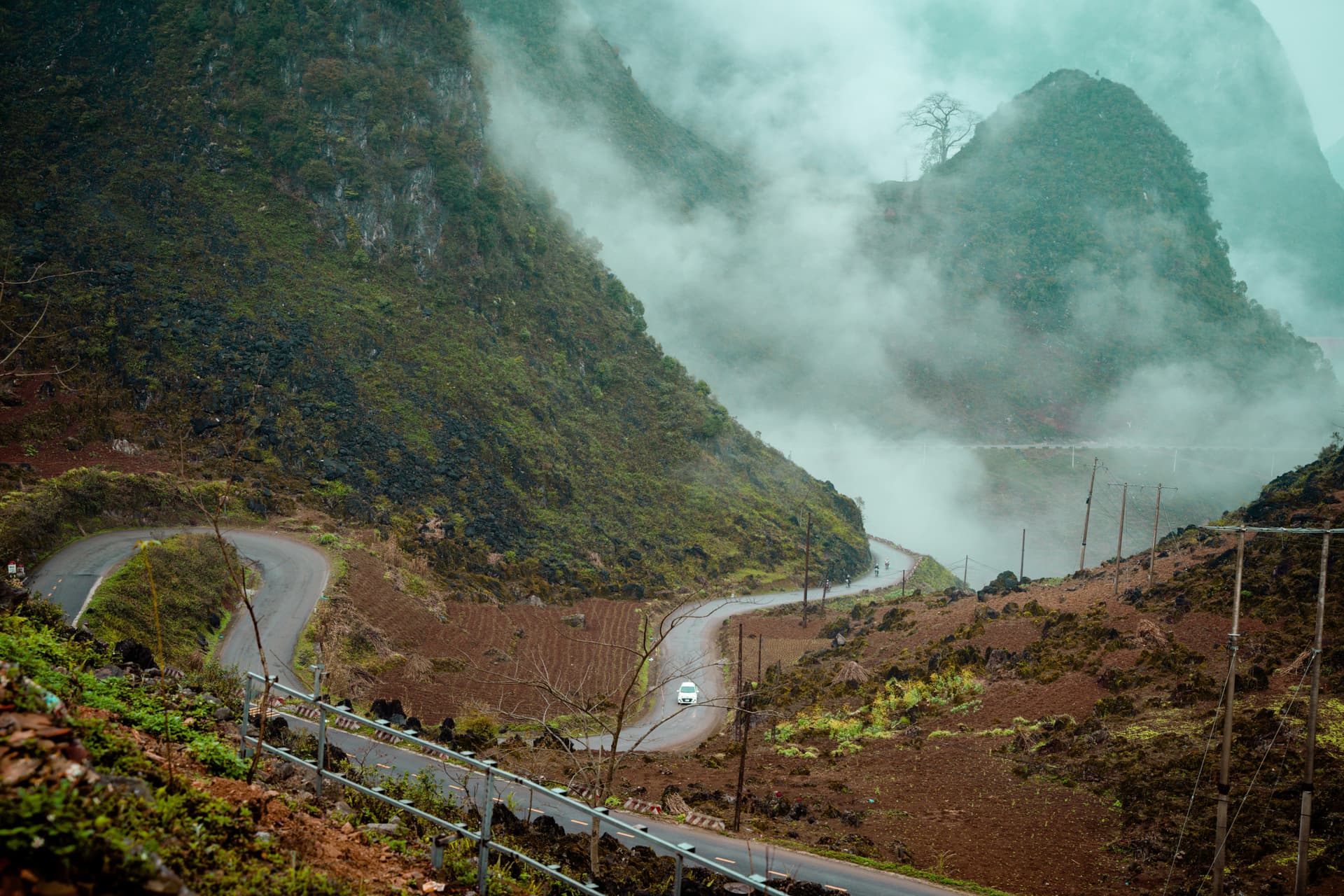
The Ha Giang Loop is widely considered one of the most spectacular road trips in Vietnam. Located in the country's far north near the Chinese border, this multi-day route takes travelers through dramatic mountain passes, limestone peaks, deep river canyons and remote ethnic minority villages.
Unlike destinations such as Ha Long Bay or Ninh Binh, where the focus is on sightseeing and cruises, the Ha Giang Loop is all about the journey. Travelers come here to experience winding mountain roads, breathtaking viewpoints and a side of Vietnam that still feels remote and untouched.
Whether you choose to ride independently or join an Easy Rider tour, the Ha Giang Loop offers one of the most memorable travel experiences in Southeast Asia.
If you're planning a broader trip across the country, start with our Vietnam Travel Guide to understand how Ha Giang fits into a Vietnam itinerary.
What is the Ha Giang Loop?
The Ha Giang Loop is a circular route that starts and ends in Ha Giang City, located in northern Vietnam.
Most travelers complete the route in three to four days while exploring:
- Dramatic mountain landscapes
- Deep river canyons
- Ethnic minority villages
- Remote border regions
- Scenic mountain passes
The route has become one of Vietnam's most famous adventures thanks to its combination of natural beauty, cultural experiences and challenging mountain roads.
Why is the Ha Giang Loop So Popular?
Many travelers consider the Ha Giang Loop the highlight of their Vietnam trip.
Unlike the busy streets of Hanoi, the cruises of Ha Long Bay or the rice fields of Ninh Binh, Ha Giang offers a completely different experience.
Travelers come for:
- Epic mountain scenery
- Adventure and freedom
- Cultural encounters in remote villages
- Some of the best road-trip views in Southeast Asia
- A less commercialized side of Vietnam
For those seeking landscapes rather than cities, few places in Vietnam compare.
What Makes the Ha Giang Loop Unique?
The Ha Giang Loop offers a very different experience from Vietnam's more famous destinations. While places such as Ha Long Bay, Ninh Binh, and Hoi An are known for sightseeing, cruises and cultural attractions, Ha Giang is about the journey itself.
Travelers come here for dramatic mountain roads, remote villages and landscapes that feel far removed from Vietnam's busiest tourist routes. The region remains less commercialized than many popular destinations, allowing visitors to experience a more authentic side of northern Vietnam.
For travelers seeking adventure, mountain scenery and cultural encounters, the Ha Giang Loop is often considered the most rewarding road trip in Vietnam.
Classic Ha Giang Loop Route
Most travelers follow this four-day route.
Day 1: Ha Giang → Yen Minh
The journey begins with winding mountain roads, valleys and the first panoramic viewpoints of the trip.
Day 2: Yen Minh → Dong Van
This section passes through the Dong Van Karst Plateau Geopark, famous for dramatic limestone formations and mountain scenery.
Day 3: Dong Van → Meo Vac → Du Gia
Many travelers consider this the most spectacular day of the loop.
Highlights include:
- Ma Pi Leng Pass
- Nho Que River
- Tu San Canyon
- Remote mountain roads
Day 4: Du Gia → Ha Giang
The final stretch returns through peaceful countryside roads and traditional villages.
Suggested Ha Giang Loop Itinerary
3-Day Itinerary
Ideal for travelers with limited time.
Route:
Ha Giang → Yen Minh → Dong Van → Meo Vac → Ha Giang
4-Day Itinerary
The most popular option.
Route:
Ha Giang → Yen Minh → Dong Van → Meo Vac → Du Gia → Ha Giang
This itinerary allows more time for viewpoints, local villages and a relaxed pace.
Where Do Travelers Stay on the Ha Giang Loop?
Most travelers divide the journey into three or four days, staying in small towns and villages along the route.
Yen Minh
A popular first-night stop with guesthouses and local homestays surrounded by mountain scenery.
Dong Van
One of the most established overnight stops on the loop, offering hotels, homestays, restaurants and easy access to nearby attractions.
Du Gia
Known for its relaxed atmosphere, waterfalls and traditional homestay experiences.
Many Easy Rider tours include accommodation arrangements, while independent travelers can book guesthouses and homestays in advance during busy travel seasons.
Key Attractions Along the Ha Giang Loop
Ma Pi Leng Pass
Often considered Vietnam's most beautiful mountain pass, Ma Pi Leng offers incredible views of deep valleys and the Nho Que River below.
Nho Que River Canyon
One of northern Vietnam's most dramatic landscapes and a favorite stop for photographers.
Dong Van Karst Plateau
A UNESCO Global Geopark known for its unique limestone formations and mountain scenery.
Lung Cu Flag Tower
Located near the Chinese border, this landmark marks Vietnam's northernmost region.
Du Gia Village
A peaceful village surrounded by rice fields, waterfalls and traditional homestays.
Self-Ride vs Easy Rider Tours
One of the most important decisions when planning the Ha Giang Loop is choosing between riding yourself or joining an Easy Rider tour.
Factor | Self-Ride | Easy Rider |
| Experience Required | Moderate to High | Beginner Friendly |
| Safety | Depends on rider experience | Professional driver |
| Scenic Enjoyment | Focus on the road | Focus on scenery |
| Navigation | Self-managed | Guide assistance |
| Cultural Insights | Limited | Local expertise |
Self-Ride
Best for travelers who:
- Have previous motorbike experience
- Are comfortable on mountain roads
- Prefer independence and flexibility
Easy Rider
Best for travelers who:
- Have limited riding experience
- Want a safer option
- Prefer enjoying the scenery without worrying about navigation
For many first-time visitors, Easy Rider tours offer the most comfortable and stress-free way to experience the loop.
Is the Ha Giang Loop Safe?
The Ha Giang Loop can be safe when approached responsibly but it is not a beginner-level ride.
Common challenges include:
- Sharp mountain curves
- Steep climbs and descents
- Fog and changing weather conditions
- Construction zones
- Livestock on roads
- Limited visibility after dark
Safety Tips
- Avoid riding at night
- Wear proper protective gear
- Ride within your skill level
- Monitor weather forecasts
- Take regular breaks
- Do not rush between destinations
Many accidents involve inexperienced riders attempting roads beyond their comfort level.
The 1968 International Driving Permit Requirement
Travelers planning to ride independently should understand Vietnam's licensing requirements before arriving.
Vietnam recognizes International Driving Permits issued under the 1968 Vienna Convention when accompanied by a valid home-country motorcycle licence.
Requirements can vary depending on nationality and licence type, so travelers should verify the latest regulations before departure.
Riding without proper documentation may result in fines and could affect travel insurance coverage.
Border Area Permit
Certain sections of Ha Giang Province near the Chinese border may require a border area permit for foreign visitors.
In most cases, hotels, tour operators and rental providers assist travelers with the permit process.
How Much Does the Ha Giang Loop Cost?
The total cost depends on your travel style.
Travel Style | Budget Range |
| Self-Ride | Lower overall cost |
| Easy Rider Tour | Mid-range |
| Premium Guided Tour | Higher cost |
Typical expenses include:
- Motorbike rental
- Accommodation
- Meals
- Fuel
- Transportation from Hanoi
For broader budgeting information, see our Vietnam Trip Cost Guide.
Best Time to Do the Ha Giang Loop
March to May
- Pleasant weather
- Green landscapes
- Comfortable temperatures
September to November
- Clear skies
- Excellent mountain visibility
- Ideal riding conditions
October to November
The famous buckwheat flower season adds color to many mountain valleys.
Winter (December–February)
Cool temperatures and occasional fog.
Summer (June–August)
Greener landscapes but increased rainfall.
Mountain weather can change quickly, especially at higher elevations, so travelers should always carry layers and rain protection.
For a broader seasonal overview, see our Best Time to Visit Vietnam guide.
What to Pack for the Ha Giang Loop
Recommended items include:
- Lightweight daypack
- Rain jacket or poncho
- Warm layer for higher elevations
- Power bank
- Sunglasses
- Sunscreen
- Offline maps
- Basic first-aid supplies
Many travelers leave large luggage in Hanoi or Ha Giang City and travel with a smaller bag during the loop.
Practical Travel Tips
Carry Enough Cash
Many fuel stations, local homestays, roadside cafés and small businesses along the loop primarily operate in cash.
Withdraw sufficient Vietnamese Dong before leaving Ha Giang City.
Start Early Each Day
Morning departures provide better visibility and more time to enjoy viewpoints.
Choose Reputable Operators
If joining an Easy Rider tour, choose companies with experienced drivers, quality safety equipment and positive traveler reviews.
Respect Local Communities
The region is home to several ethnic minority communities. Always be respectful when photographing people and visiting villages.
Common Mistakes First-Time Riders Make
Riding After Dark
Mountain roads become significantly more challenging after sunset due to limited lighting and changing weather conditions.
Underestimating Mountain Weather
Conditions can change rapidly in the mountains. Carrying a warm layer and rain protection is recommended throughout the year.
Choosing Self-Ride Without Experience
The Ha Giang Loop is not an ideal place to learn how to ride a motorbike. Beginners often have a safer and more enjoyable experience with an Easy Rider tour.
Not Carrying Enough Cash
Many fuel stations, homestays, cafés and small businesses along the route primarily accept cash.
Trying to Rush the Loop
Attempting to complete the route too quickly often means missing viewpoints, villages and local experiences that make the journey special.
Local Homestay Etiquette
Many homestays serve traditional corn wine often referred to as "Happy Water."
Sharing a drink is a common gesture of hospitality, but travelers should drink responsibly—especially if they plan to ride the following day.
If you are self-riding, prioritize safety and avoid riding under the influence.
For travelers interested in Vietnamese cuisine beyond the mountains, explore our Vietnam Food Guide.
Travel Responsibly in Ha Giang
The Ha Giang region remains one of Vietnam's most beautiful and least-developed tourism destinations.
Help preserve it by:
- Reducing plastic waste
- Supporting local businesses
- Respecting local customs
- Staying on designated routes
- Avoiding littering
Small actions help protect both the environment and local communities.
Explore More Vietnam Travel Guides
Many travelers combine the Ha Giang Loop with:
You can also explore Vietnam tour packages that combine northern Vietnam's most scenic destinations.
Final Thoughts
The Ha Giang Loop is far more than a motorbike route. It is one of the most immersive ways to experience Vietnam's mountains, remote villages and cultural diversity.
Whether you choose an independent ride or an Easy Rider tour, the key is to travel at a comfortable pace, prioritize safety and allow enough time to appreciate the scenery along the way.
Many travelers combine the loop with destinations such as Hanoi, Ninh Binh and Ha Long Bay to experience both the cultural and natural sides of northern Vietnam.
For travelers seeking adventure, mountain landscapes and a side of Vietnam that feels far removed from the country's busiest tourist destinations, the Ha Giang Loop remains one of the most rewarding journeys in Southeast Asia.