Everything You Need to Plan Your Journey Through the Land of the Blue Dragon
Some countries are simply visited. Vietnam is experienced.
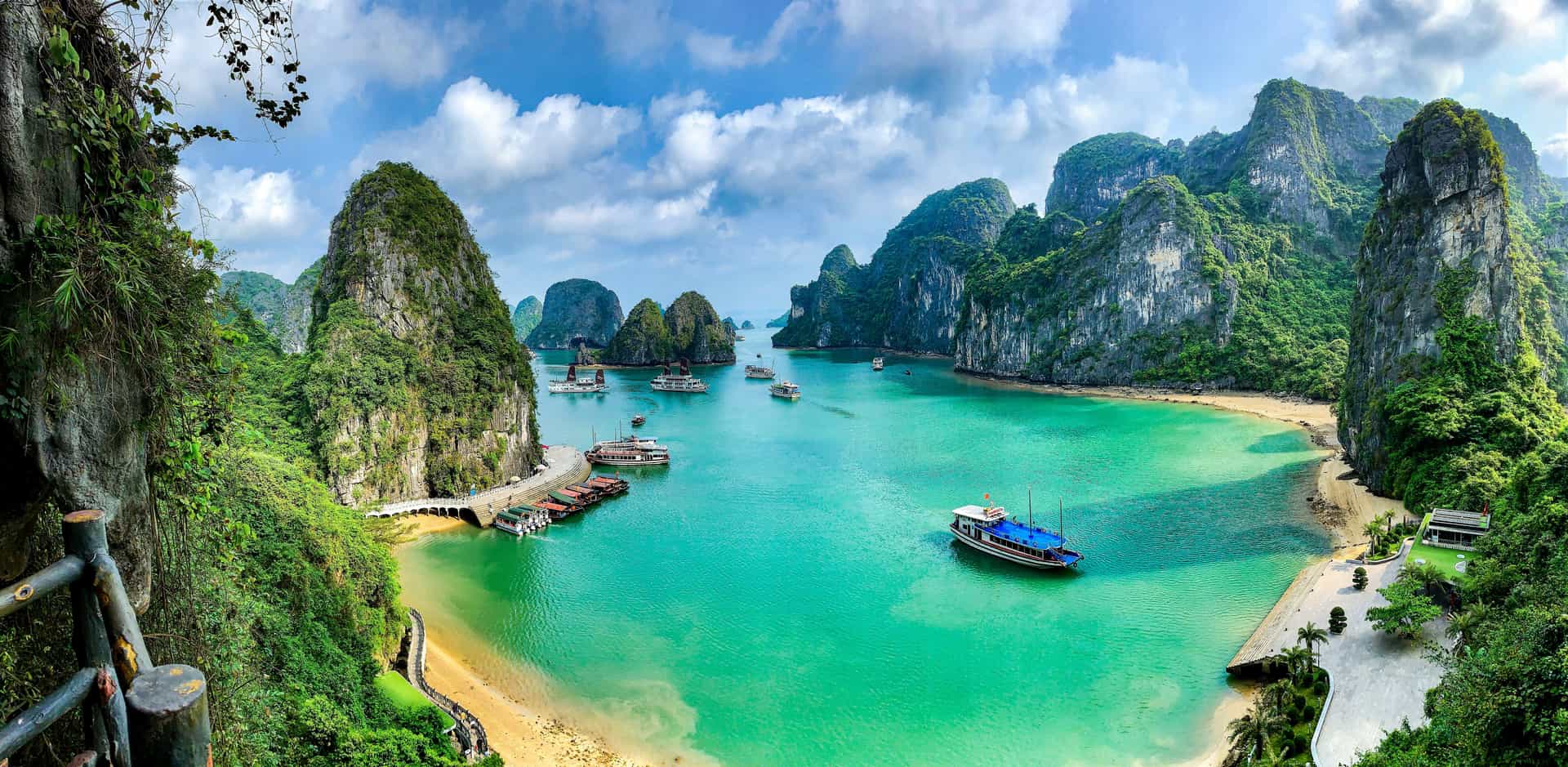
One morning begins with strong Vietnamese coffee on a tiny plastic stool in Hanoi. A few days later, you’re drifting silently between limestone cliffs in Halong Bay. Then the pace changes again, lanterns glowing softly beside quiet rivers in Hoi An while scooters hum through distant streets.
That contrast is what makes Vietnam unforgettable. Every region feels like a new chapter and the best journeys here are the ones planned with the right balance of exploration and ease. At Desh Videsh, we’ve noticed that travellers enjoy Vietnam the most when the journey feels unhurried, allowing each region to unfold naturally rather than rushing between checkpoints.
This guide combines practical planning insights, regional highlights and real travel advice travellers usually look for before visiting Vietnam for the first time. It provides the big picture first, helping you choose routes, travel styles and itineraries with confidence.
If you want to explore full itinerary options while planning, you can browse all Vietnam tour packages here:
1. The Logistics Roadmap
Before choosing destinations, align the basics. Smooth logistics make everything easier once you arrive.
Visa Basics
Vietnam offers an e-visa system for most travellers, which is generally the easiest option when applied in advance. Always use official sources and keep both digital and printed copies of your travel documents.
The Weather Matrix
Vietnam stretches over 1,600 km, meaning it experiences three different climate zones.
- Best overall period: March to April is often one of the most comfortable times to travel across multiple regions.
- Tet (Lunar New Year): A beautiful cultural period, but transport and hotels fill early and many local shops temporarily close.
Knowing the weather patterns helps you plan realistic routes instead of rushing between regions.
Money & Tech
- Currency: Vietnamese Dong (VND)
- Cash is still important for markets and street food.
- QR and digital payments are increasingly common in cities.
Helpful apps:
- Grab (transport)
- Zalo (local messaging)
After understanding logistics, the next question becomes simple: Where should you start in Vietnam?
2. The Three-Region Highlights
Vietnam works best when explored region by region rather than as a single long checklist. Each region feels different in rhythm, scenery and pace, almost like travelling through several countries within one journey.
The North: Mountains, Culture & Misty Landscapes
The north often creates the strongest first impression. Think morning fog rolling across mountains, busy city corners filled with cafés and landscapes that feel both dramatic and peaceful at the same time.
Hanoi
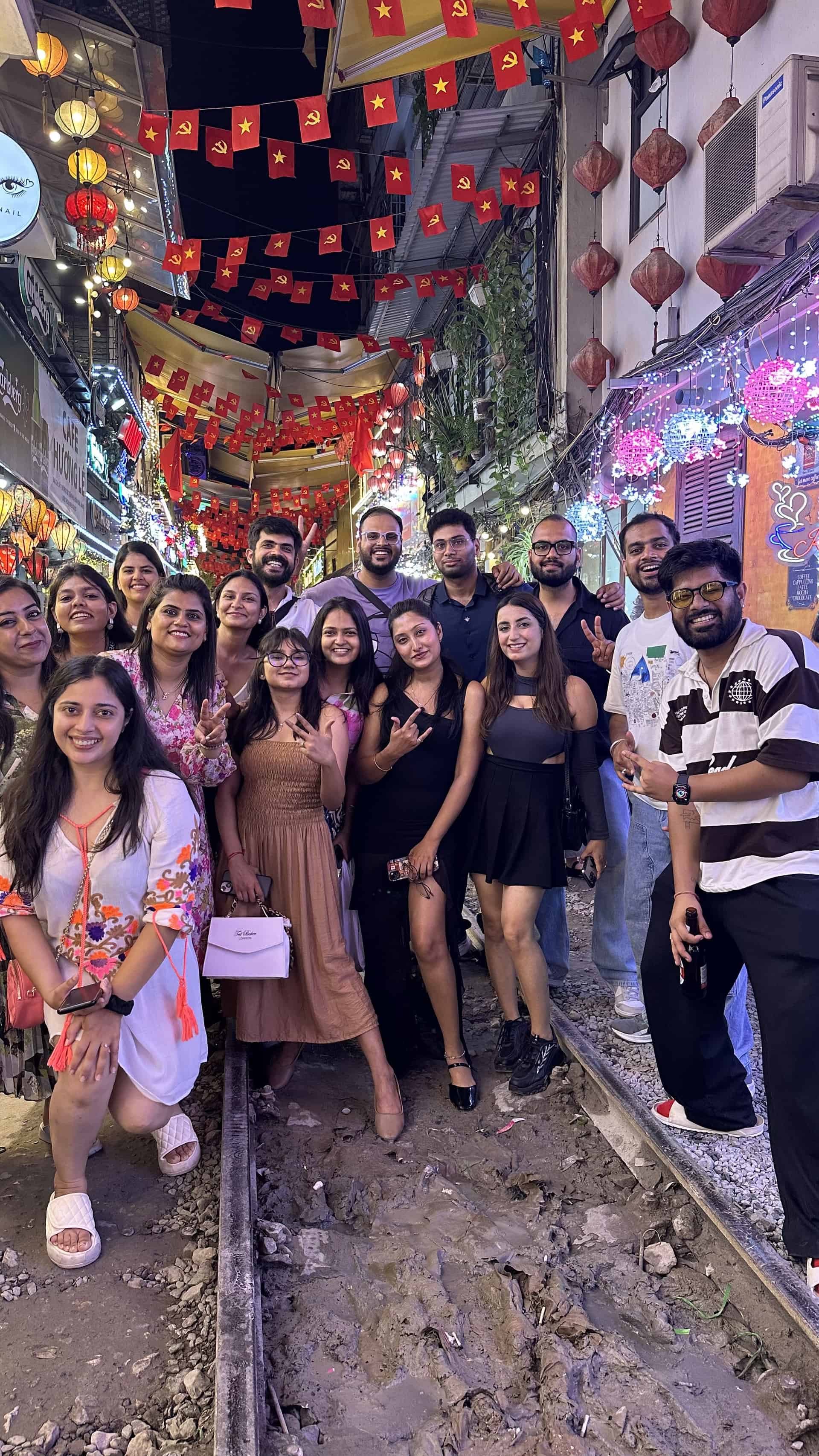
Hanoi feels chaotic at first glance, but slow down and you’ll notice its rhythm. Morning markets, hidden cafés, tree-lined lakes and narrow old streets give the city a timeless charm that reveals itself gradually.
Most travelers begin their journey in Hanoi, the historic capital known for its Old Quarter, street food and colonial architecture. Read our complete Hanoi Travel Guide for top attractions, food spots and travel tips.
Ha Long & Lan Ha Bay
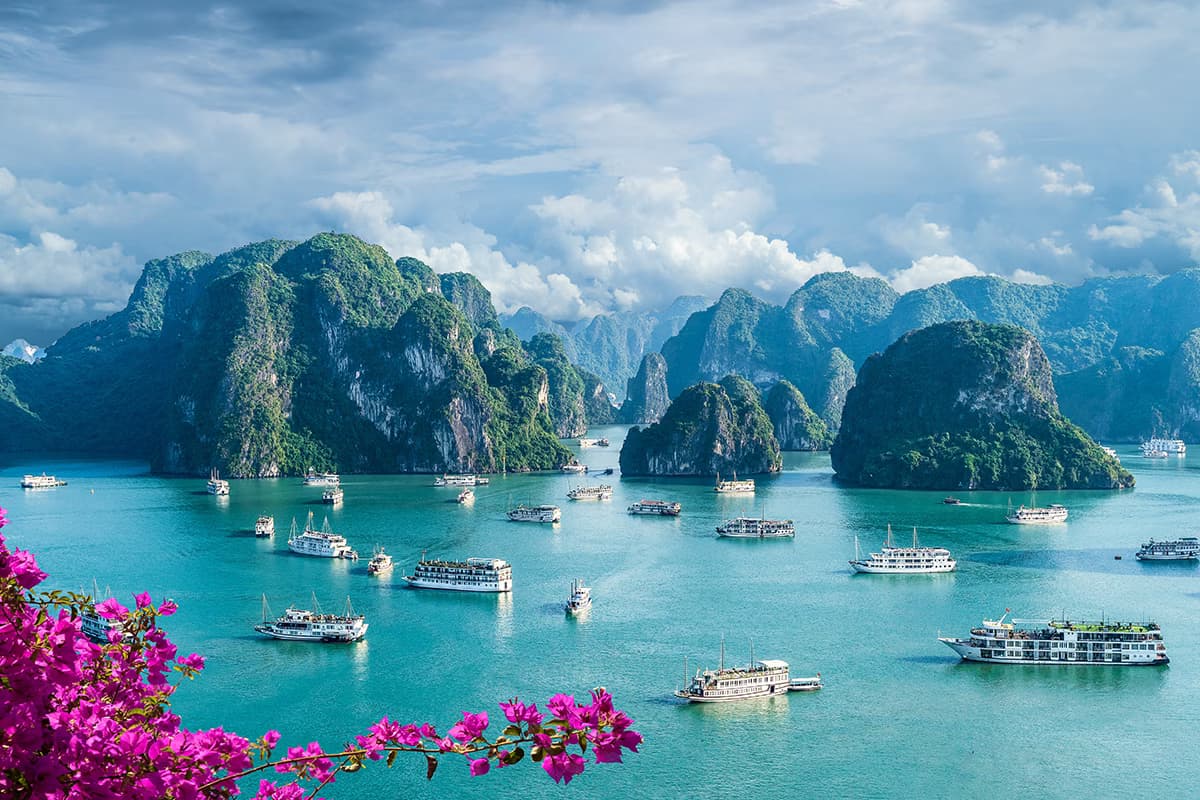
Cruising between limestone islands rising from emerald water is one of Vietnam’s most iconic experiences. Early mornings here are quiet and cinematic, with mist drifting across the bay and boats moving slowly through the islands. Lan Ha Bay has become a calmer alternative for travellers seeking fewer crowds.
Travellers short on time often explore this region through focused journeys like a 4-days North Vietnam travel package:
For a slower pace and longer time on the water, the 6-days North Vietnam Halong Bay Cruise offers a more immersive experience. Many travellers also wonder whether to choose Ha Long Bay or the quieter Lan Ha Bay for their cruise experience. See our comparison of Ha Long Bay vs Lan Ha Bay to decide which option suits your itinerary.
Ha Giang Loop
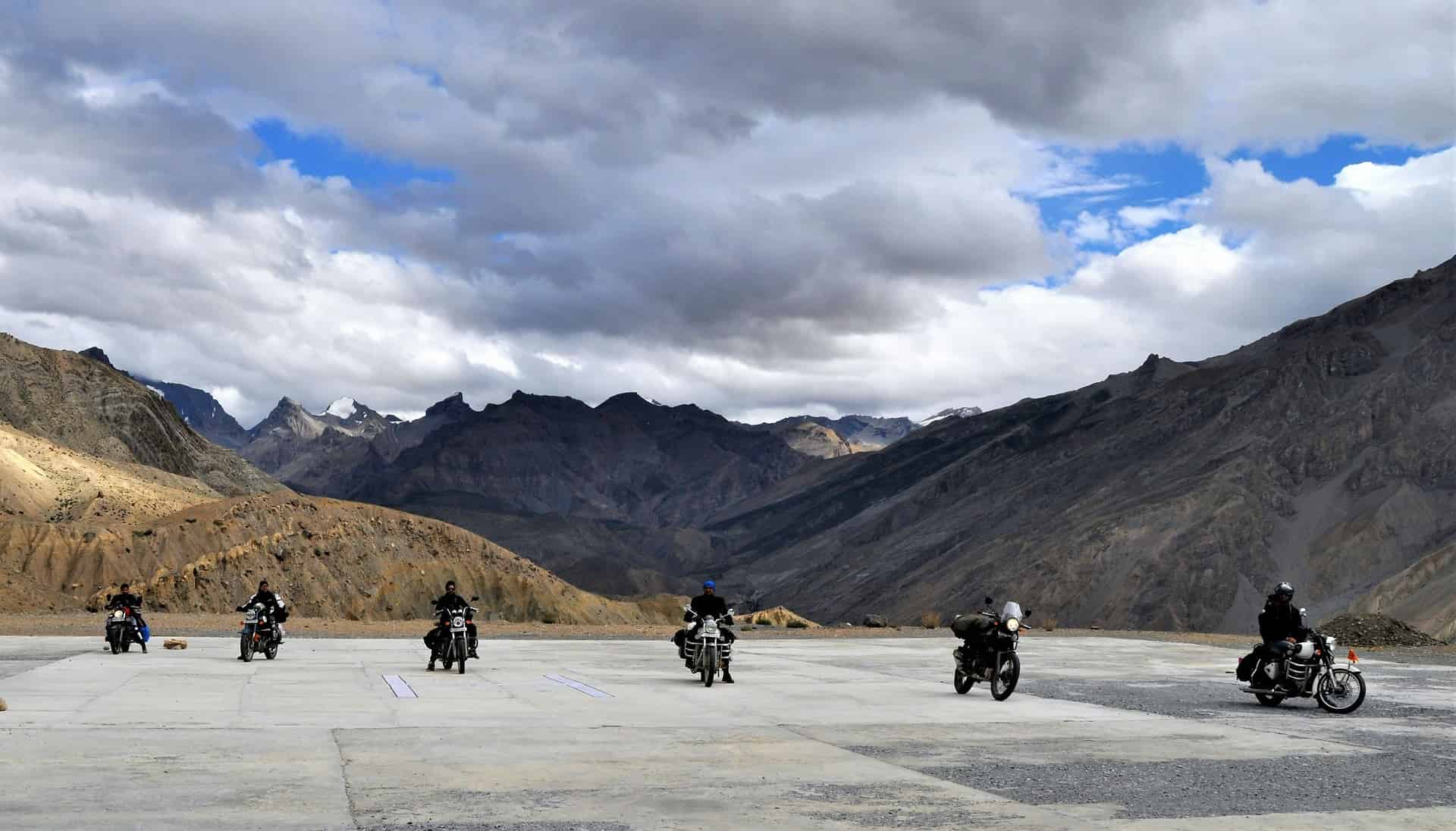
Known for dramatic mountain scenery and winding roads, this route appeals to adventure travellers looking for raw landscapes and unforgettable views. The journey itself becomes the highlight here rather than any single stop.
Adventure travellers looking for Vietnam’s most scenic road trip often head north to experience the legendary Ha Giang Loop, a motorbike route through mountain passes and ethnic villages.
The Centre: Culture & Coast
Central Vietnam softens the pace. Warm coastal air, lantern-lit streets and heritage architecture make this region feel calmer and more reflective compared to the energy of the north.
Da Nang
Modern, coastal, and energetic, Da Nang blends beaches with city comfort. It’s a place where travellers often pause between cultural stops to relax and reset. Explore the best attractions and travel tips in our detailed Da Nang Travel Guide.
Hoi An
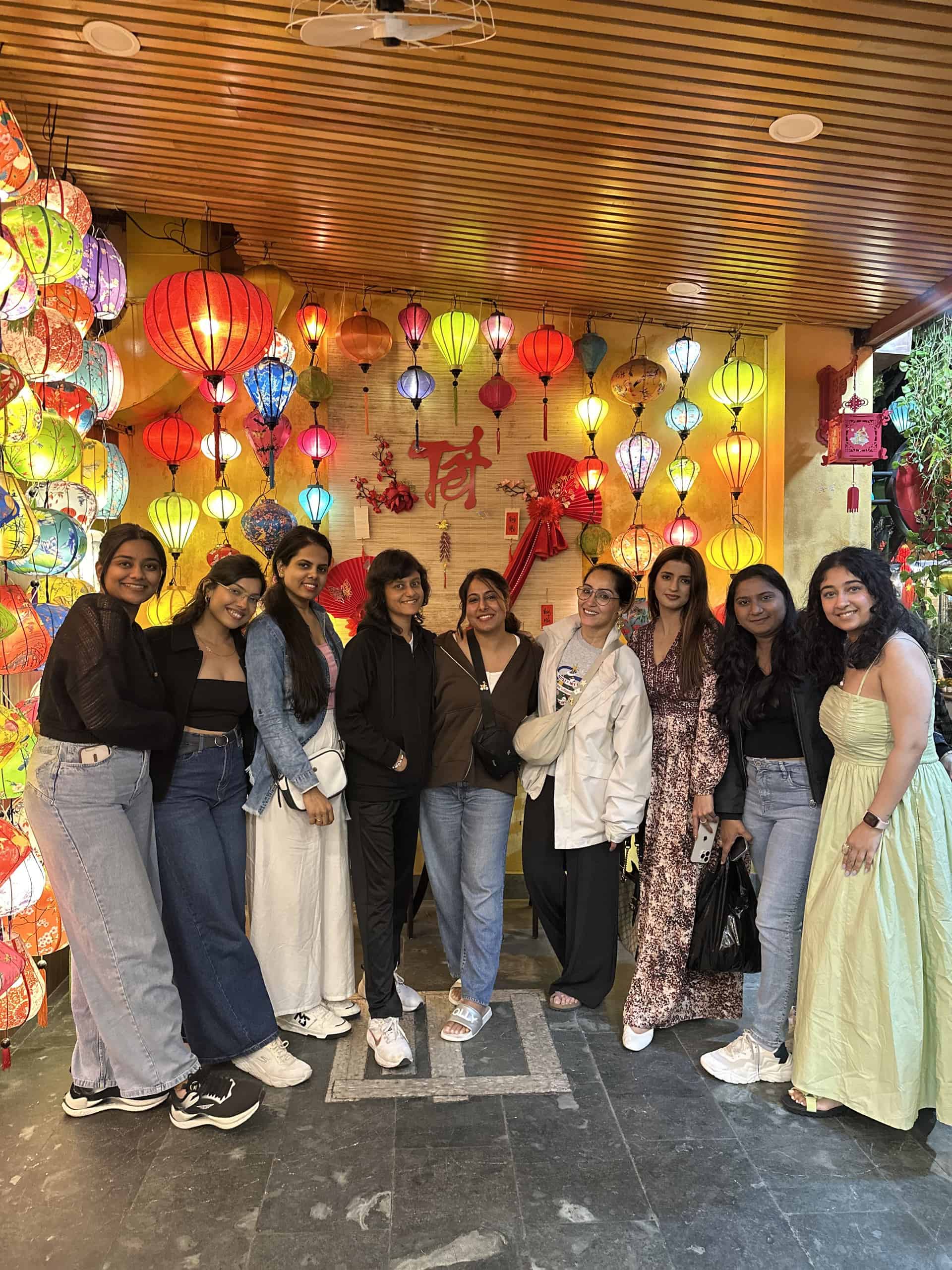
Lantern-lit evenings, riverside cafés and quiet streets make Hoi An feel almost dreamlike. Many travellers end up staying longer than planned because the town naturally encourages slow travel and unhurried exploration. Just south of Da Nang lies Hoi An, a beautifully preserved trading town known for lantern-lit streets and historic temples. Read our detailed Hoi An Travel Guide before visiting.
Hue
Travellers exploring Central Vietnam also visit the imperial city of Hue, known for its royal palaces, ancient citadel and riverside temples. Read our detailed Hue Travel Guide before visiting.
Quy Nhon
A quieter stretch of coastline often chosen by travellers who want beautiful beaches without heavier tourist crowds. Long empty shores and slower mornings define the experience here. Discover the best things to do in our Quy Nhon Travel Guide.
Vietnam’s Coastal Side
Vietnam’s coastline offers everything from lively city beaches to quiet island escapes, making it a great addition to cultural and city-focused itineraries. Many travellers combine beach time with regional exploration to create a more balanced journey.
If you’re planning coastal stops, explore our guide to the best beaches in Vietnam for deeper insights on where to go and what each beach is known for.
The South: Energy, History & Island Escapes
South Vietnam feels faster and more modern, with buzzing streets, rooftop views and a youthful energy that contrasts strongly with the north’s traditional atmosphere.
Ho Chi Minh City (Saigon)
Skyscrapers, rooftop cafés, motorbike traffic, and nonstop movement define the city. Experiencing both Hanoi and Ho Chi Minh City helps travellers understand Vietnam’s fascinating contrasts. Read our full Ho Chi Minh City Travel Guide for top attractions and travel tips.
Many travellers combine both cities through a 6-days Ho Chi Minh & Hanoi budget tour
Mekong Delta
Floating markets, coconut groves and slow river life create a peaceful escape from urban intensity. The rhythm here is gentle, with life flowing along the water rather than busy roads. Travellers looking to explore river life and floating markets can read our detailed Mekong Delta Travel Guide.
Cu Chi Tunnels
Visiting the tunnels adds historical understanding and perspective, turning sightseeing into something more meaningful.
Travellers interested in blending culture and exploration often choose a 7-days Vietnam tour including Cu Chi Tunnels.
Con Dao Islands
Rugged, quiet and less commercialized, these islands feel remote and untouched, ideal for travellers searching for peaceful island experiences. Discover more in our Con Dao Travel Guide.
3. How Many Days Do You Really Need in Vietnam?
This is one of the most common planning questions.
- 4–6 days: Best for exploring one region deeply.
- 7–10 days: Ideal for first-time travellers combining North and South.
- 14+ days: Allows slower pacing and deeper exploration.
- 3 weeks: Perfect for a full-country journey with adventure add-ons.
From experience, the best itineraries aren’t the longest ones, but the ones with the right pace. Giving yourself breathing space between regions makes the trip feel far more enjoyable.
4. The Vietnam Survival Guide
Small insider details make travel much smoother.
Crossing the Street
Walk slowly and steadily. Traffic flows around you once your movement becomes predictable.
The “Face” Rule
Vietnamese culture values calm communication. Staying polite and relaxed usually leads to better outcomes.
Smart Transport
Ride apps like Grab are typically the easiest and safest option for travellers.
Temple Etiquette
- Cover shoulders and knees
- Remove shoes where required
- Speak softly and respectfully
5. The Food Bucket List
Food in Vietnam is not just about eating, it’s part of everyday life. Meals are fresh, balanced and built around herbs, textures and light flavours, which makes the cuisine approachable even for first-time visitors.
You haven’t truly experienced Vietnam until you’ve eaten at a tiny street-side stall surrounded by locals.
- Morning: Cà Phê Sữa Đá (iced coffee with condensed milk)
- Lunch: Bún Chả (grilled pork with noodles)
- Dinner: Bánh Xèo (crispy savoury crepes)
- Snack: Bánh Mì (iconic baguette sandwich)
Street markets, small local cafés and riverside dining often become the moments travellers remember most long after the trip ends. Vietnam’s cuisine is one of the highlights of any journey. From street food markets to regional specialties, explore the full culinary landscape in our Vietnam Food Guide.
6. Sample Itinerary Scopes
These are realistic travel frameworks rather than strict rules.
10 Days
Hanoi → Ha Long Bay → Hoi An → Ho Chi Minh City
A route like this works well for travellers choosing a complete Vietnam tour package.
14 Days
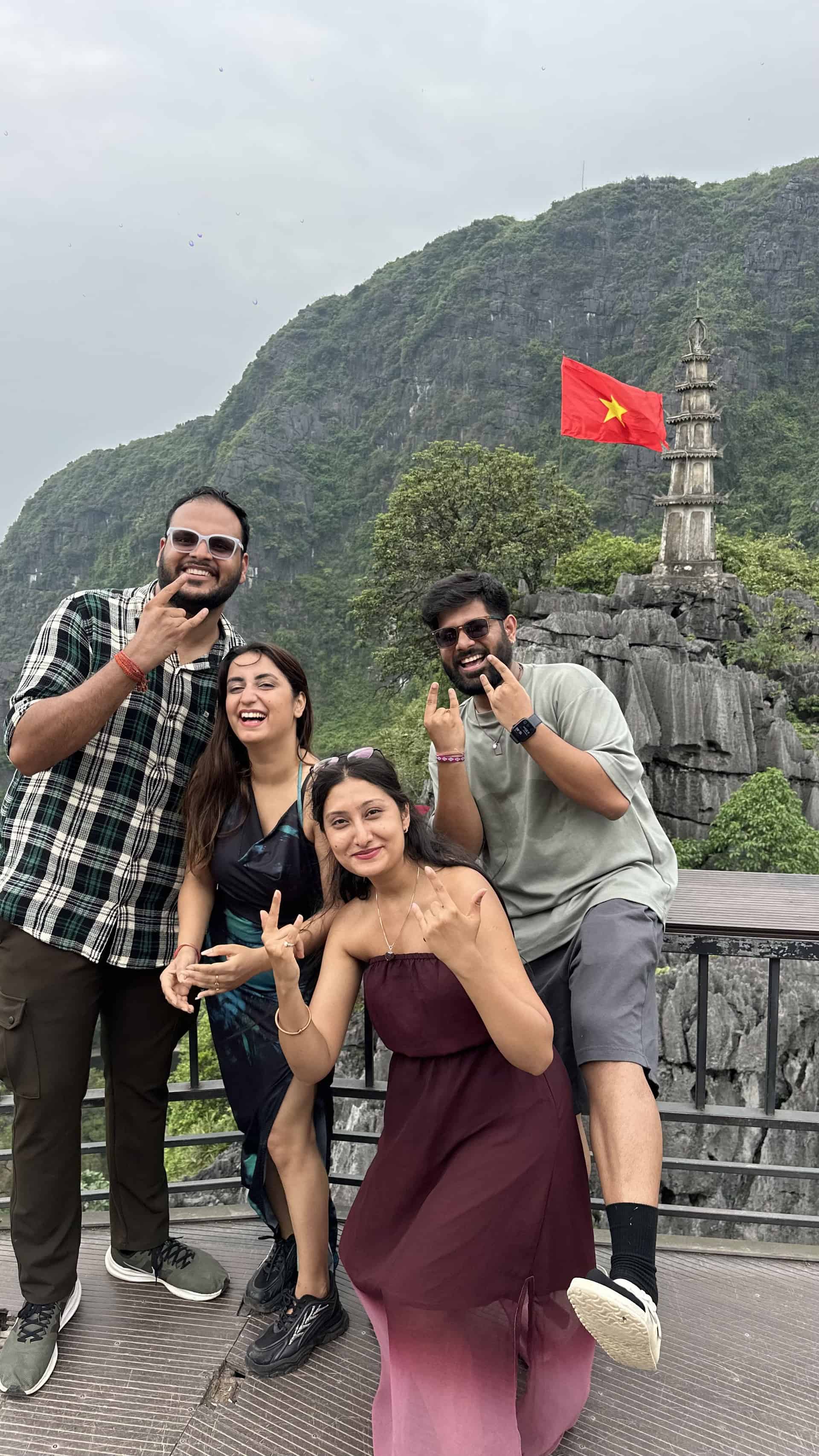
Add Ninh Binh and Hue for slower pacing and more cultural depth.
21 Days
Include adventure regions or island stays for deeper exploration.
Romantic Vietnam
Couples often prefer slower, curated journeys like:
Family-Friendly Vietnam
Families benefit from relaxed pacing and fewer hotel changes, such as:
8-days Complete Vietnam Family Tour
7. Choosing the Right Vietnam Experience
Every traveller experiences Vietnam differently.
- Budget travellers prefer efficient city combinations
- Couples look for scenic, slower journeys
- Families need comfortable pacing
- Luxury travellers prioritize curated stays and experiences
Choosing the right style early makes the entire trip smoother.
8. Why Many Travellers Prefer Planned Itineraries
Vietnam may look simple on a map, but distances, flights, cruises, and transfers all influence how relaxed the journey feels. A well-planned itinerary helps you focus on experiences rather than logistics.
Final Thoughts
Vietnam rewards curiosity more than speed. Busy cities, quiet bays, cultural heritage and island escapes all exist within one journey. The secret isn’t trying to see everything, but choosing the route that fits your pace.
As Desh Videsh Travels often tell travellers, Vietnam becomes most memorable when you leave a little room for surprise. Start with the big picture, pick the experience that feels right and let the country unfold naturally along the way.