Staying connected while travelling abroad has become just as important as carrying your passport. Whether you're navigating unfamiliar streets with Google Maps, booking rides, accessing travel documents, sharing photos, or receiving banking OTPs, having reliable mobile connectivity can make your trip much smoother.
Two of the most popular options are an International SIM and an eSIM. While both help you avoid expensive international roaming charges, they work differently and suit different types of travellers.
In this guide, we'll compare International SIMs and eSIMs, explain their pros and cons, and help you choose the right option based on your smartphone, destination and travel style.
Quick Verdict: Choose an eSIM if your smartphone supports it, you're visiting multiple countries, and you want to keep your Indian SIM active for calls and banking OTPs. Choose an International SIM if your phone doesn't support eSIM, you need a traditional phone number for voice calls, or you prefer a simple plug-and-play setup.
If you're preparing for your first overseas holiday, don't miss our Travel Essentials Every International Traveller Should Carry guide to make sure you've packed everything you need.
What Is an International SIM?
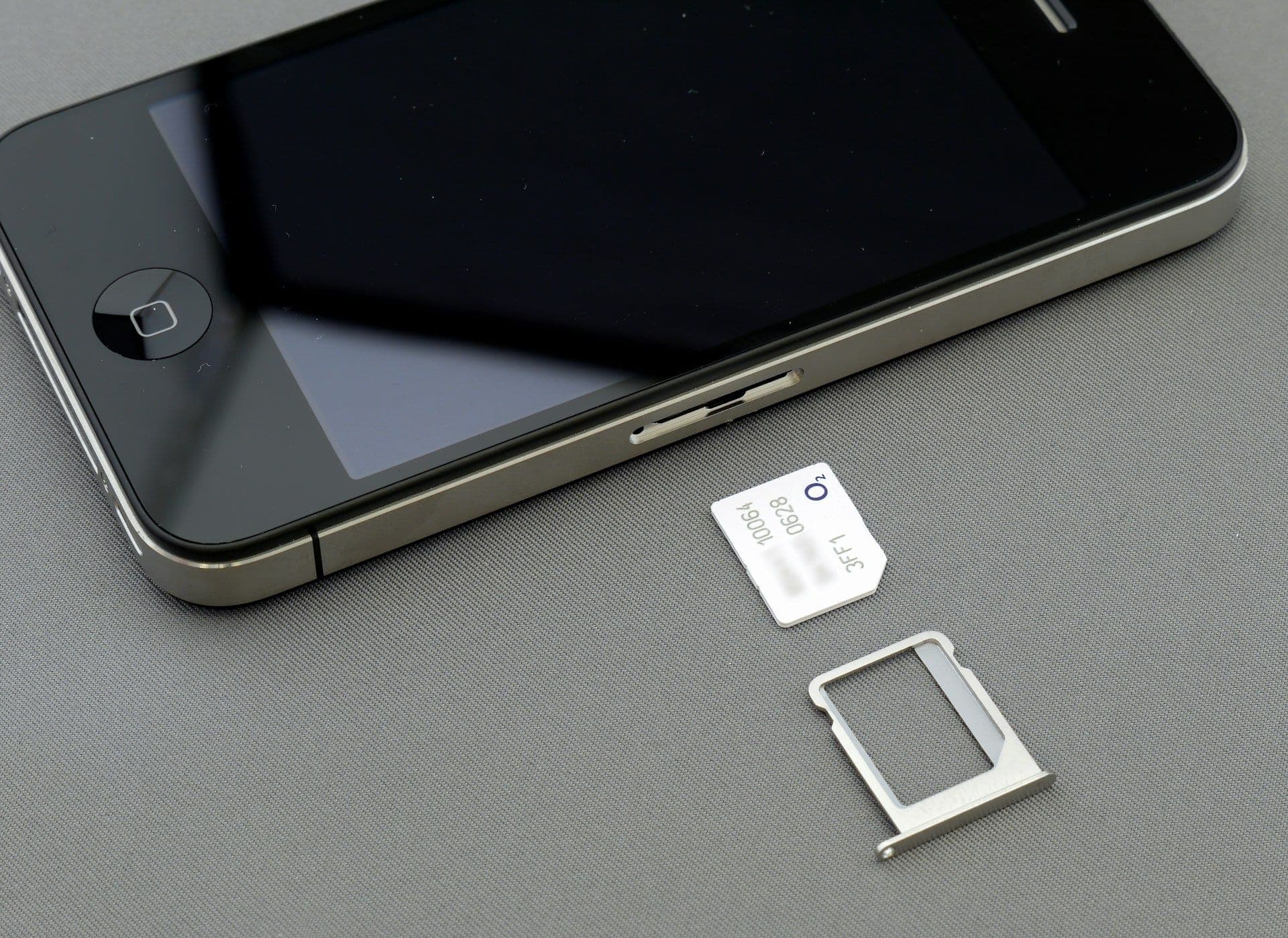
An International SIM is a physical SIM card designed for travellers who want to use mobile data, make calls and send SMS while travelling abroad without paying expensive international roaming charges.
You simply replace your regular SIM card with the travel SIM after arriving at your destination or before departure, depending on your provider. Most International SIMs work on unlocked smartphones and are available for single-country, regional or worldwide travel.
Unlike many travel eSIMs, International SIMs often include voice calling, SMS and a dedicated phone number, making them a good choice if you expect to make traditional phone calls during your trip.
Best suited for:
- Travellers with smartphones that don't support eSIM.
- First-time international travellers looking for a familiar setup.
- Users who need voice calls, SMS or a dedicated phone number while abroad.
What Is an eSIM?
An eSIM (Embedded SIM) is a digital SIM built into compatible smartphones and other supported devices. Instead of inserting a physical SIM card, you activate your mobile plan by scanning a QR code or downloading an eSIM profile from your provider.
Since there's no physical SIM to swap, activation is quick and convenient. An eSIM also allows many travellers to keep their Indian SIM active for banking OTPs and important calls while using the eSIM for affordable mobile data abroad.
However, it's worth noting that many travel eSIMs are data-only plans, meaning they don't include a local phone number or traditional voice calling. If making regular phone calls is important, always review the plan details before purchasing.
Best suited for:
- Travellers with eSIM-compatible smartphones.
- Multi-country trips where switching networks is easier.
- Frequent travellers who prefer instant digital activation.
International SIM vs eSIM: Key Differences
Feature | International SIM | eSIM |
| Type | Physical SIM card | Digital SIM built into compatible devices |
| Activation | Insert the SIM card into your phone | Scan a QR code or download an eSIM profile |
| Compatibility | Works with most unlocked smartphones | Only works on eSIM-compatible devices |
| Voice Calls & SMS | Usually included | Many travel plans are data-only |
| Phone Number | Often included | Depends on the provider and plan |
| Keep Your Indian SIM Active | Only if your phone supports dual SIM | Usually yes on compatible devices |
| Ideal For | First-time travellers and older devices | Frequent travellers and multi-country trips |
Both options provide a cost-effective alternative to expensive international roaming, but the right choice depends on your device, travel plans and communication needs.
One Important Difference Most Travellers Overlook
One of the biggest differences between an International SIM and a travel eSIM is voice calling.
Many International SIMs include a phone number along with voice calls and SMS, making them suitable if you need to contact hotels, local businesses or travel companions using traditional calling.
In contrast, many travel eSIMs focus primarily on mobile data. You'll still be able to use internet-based apps like WhatsApp, Google Meet, FaceTime or Telegram, but standard voice calls may not be included unless your provider specifically offers them.
If traditional calling is important during your trip, always check what's included before purchasing a plan.
Travel Tip
Popular travel connectivity providers include Airalo, Holafly, Nomad and Maya Mobile for eSIMs, while Matrix, Unconnect and WorldSIM are well-known options for physical International SIMs. Before purchasing, compare coverage, supported countries, data allowance and plan validity instead of choosing solely based on price.
Before You Buy
Before purchasing any travel SIM or eSIM, keep these points in mind:
- Make sure your smartphone is unlocked and supports the option you plan to use.
- If you purchased your iPhone in the United States (iPhone 14 series or newer), your device may support only eSIM and won't have a physical SIM tray. Always verify your phone's specifications before buying an International SIM.
- Some providers require passport verification (eKYC) before activating your travel plan, so review the requirements in advance to avoid delays after arriving at your destination.
Which Option Is Right for You?
Both International SIMs and eSIMs help you stay connected while travelling abroad, but the better choice depends on your smartphone, destination and how you plan to use your mobile connection.
Use the table below to quickly identify which option best suits your travel needs.
Traveller Type | Recommended Option | Why? |
| First-time international traveller | International SIM | Easy to set up and familiar to use. |
| Traveller with an older smartphone | International SIM | Doesn't require eSIM compatibility. |
| Frequent international traveller | eSIM | Quick digital activation and easy to manage across multiple trips. |
| Visiting multiple countries | eSIM | Regional plans work across several destinations without changing SIMs. |
| Business traveller | eSIM | Lets you keep your Indian SIM active for banking OTPs and important calls. |
| Traveller who needs regular voice calls or a phone number | International SIM | Many plans include voice calling and a phone number. |
If you're still unsure, the comparison above should help you choose the option that best matches your travel style.
Pros and Cons of an International SIM
An International SIM is a dependable option for travellers who prefer a traditional mobile experience with voice calling and broad device compatibility.
Pros | Cons |
| Compatible with most unlocked smartphones. | Requires replacing your existing SIM card. |
| Simple plug-and-play setup with minimal configuration. | Keeping your Indian SIM active may not always be possible unless your phone supports dual SIM functionality. |
| Many plans include voice calls, SMS and a phone number. | The physical SIM card can be misplaced or damaged during your trip. |
| Available for single-country, regional and global travel. | You'll need to order it before departure or purchase it after arrival. |
| Easy to use for first-time international travellers. | Less convenient than an eSIM for frequent travellers. |
Best for: First-time travellers, users with older smartphones and anyone who wants traditional voice calling without worrying about eSIM compatibility.
Pros and Cons of an eSIM
An eSIM provides a modern and convenient way to stay connected without changing your physical SIM card, making it an excellent choice for compatible smartphones.
Pros | Cons |
| Instant online purchase and activation. | Only works on eSIM-compatible devices. |
| No physical SIM card to insert or remove. | Initial setup may be unfamiliar for some travellers. |
| Keep your Indian SIM active for banking OTPs and important calls. | Many travel eSIMs are data-only and may not include voice calls or a phone number. |
| Ideal for multi-country trips with regional or global plans. | Plan features, coverage and speeds vary by provider. |
| Easy to switch between travel plans digitally. | Some providers or destinations require passport verification (eKYC) before activation. |
Best for: Frequent travellers, multi-country itineraries, remote workers, business travellers and anyone with an eSIM-compatible device.
Things to Check Before Buying
Choosing the right travel connectivity plan isn't just about price. A few quick checks before purchasing can help you avoid compatibility issues, unexpected charges and connectivity problems during your trip.
1. Is Your Phone Unlocked?
Most International SIMs and eSIMs only work on unlocked smartphones. If your device is locked to a mobile carrier, you may not be able to use another SIM or install an eSIM profile.
2. Does Your Phone Support eSIM?
Not every smartphone supports eSIM technology. Check your device specifications before purchasing a digital SIM plan.
Note: If you bought your iPhone in the United States (iPhone 14 series or newer), it may support only eSIM and won't have a physical SIM tray. Always verify your device before purchasing an International SIM.
3. How Many Countries Are You Visiting?
If your itinerary includes multiple destinations, compare regional or global plans instead of purchasing separate SIMs for each country.
4. How Much Data Will You Need?
Estimate your daily usage before choosing a plan. If you'll regularly use Google Maps, ride-hailing apps, video calls, social media or work remotely, select a plan with a higher data allowance.
5. Do You Need Your Indian Number?
If receiving banking OTPs, verification messages or important work calls is essential, choose an option that allows you to keep your Indian SIM active while travelling.
6. Check Activation Requirements
Some travel SIMs and eSIM providers require passport verification (eKYC) before activation. Reviewing these requirements before departure can save time and avoid delays after you arrive.
7. Does Your Plan Allow Mobile Hotspot?
If you plan to connect a laptop or share your mobile data with family members, check whether your travel SIM or eSIM supports mobile hotspot (tethering). Some unlimited data plans restrict or limit this feature.
Travel Tip: If you're using an eSIM for mobile data, enable Data Roaming only for the eSIM profile. Keep Data Roaming turned off on your Indian SIM while leaving it active for incoming SMS and banking OTPs. This helps you avoid unexpected international roaming charges while staying connected.
Common Mistakes to Avoid When Choosing a Travel SIM
Choosing the right travel SIM or eSIM isn't just about finding the cheapest plan. A few simple checks before you travel can save you from connectivity issues, unexpected charges and unnecessary stress abroad.
1. Buying Without Checking Device Compatibility
Before purchasing an International SIM or an eSIM, confirm that your smartphone supports the option you've chosen. Not all devices are eSIM-compatible, and carrier-locked phones may not accept another SIM or eSIM profile.
2. Choosing a Plan Based Only on Price
A cheaper plan may not always offer the best value. Compare what's included before making a decision, such as:
- Data allowance
- Plan validity
- Countries covered
- Network coverage
- Voice calls and SMS (if required)
- Mobile hotspot support
3. Buying a Single-Country Plan for a Multi-Country Trip
If you're visiting multiple destinations, purchasing separate plans for each country can be inconvenient and expensive. A regional or global travel plan is often a more practical and cost-effective option.
4. Activating Your Plan Too Early
Some travel SIMs and eSIMs start their validity period as soon as they're activated, while others activate only after connecting to a supported network. Always check your provider's activation policy so you don't lose valuable days before your trip even begins.
5. Depending Only on Free Public Wi-Fi
Hotel, airport and café Wi-Fi can be convenient, but it's not always secure or reliable. Having your own mobile data helps you navigate, book transport, access travel documents and stay connected wherever you go.
If you're looking for useful apps before your trip, our Best Travel Apps for International Travellers guide covers navigation, translation, transport and trip planning tools worth downloading.
Final Verdict
Both International SIMs and eSIMs are excellent alternatives to expensive international roaming, but the right choice depends on your smartphone, destination and travel style.
Choose an International SIM if you use a phone without eSIM support, prefer a familiar plug-and-play setup or need traditional voice calls and a dedicated phone number during your trip.
Choose an eSIM if your smartphone supports it, you're travelling to multiple countries or you want to keep your Indian SIM active for banking OTPs and important calls while using affordable mobile data abroad.
Before making a purchase, compare device compatibility, coverage, data allowance, validity period and included features rather than focusing only on price. Spending a few extra minutes researching your options can help you stay connected without surprises during your trip.
Planning your first international holiday? International Visa Guide for Indian Travellers