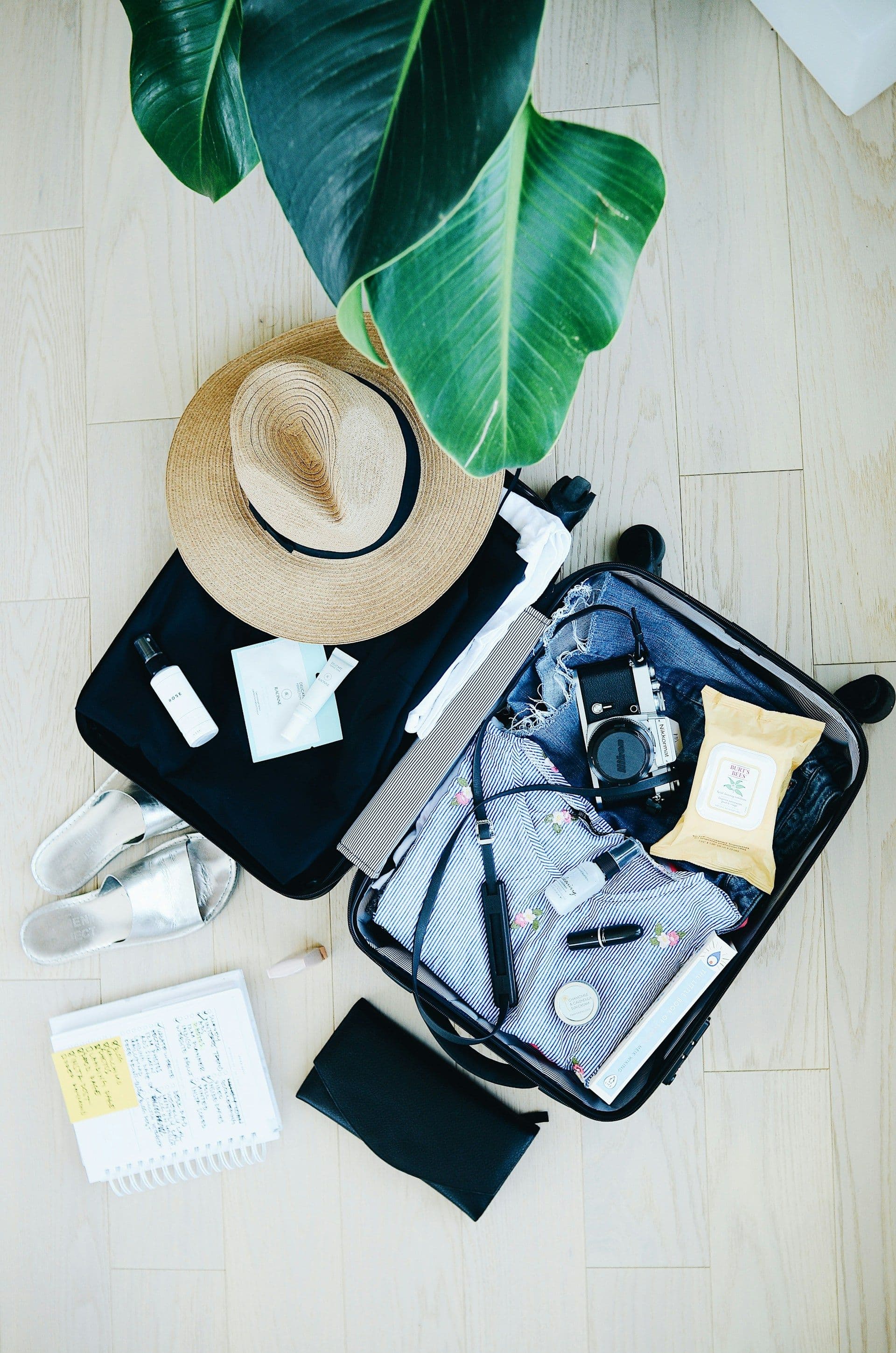
Packing for an international trip isn't just about fitting everything into your suitcase. It's about carrying the right essentials that help you travel smoothly, stay connected, manage unexpected situations and enjoy your journey without unnecessary stress.
Whether you're travelling for the first time or are a frequent traveller, forgetting something as simple as a travel adapter, prescription medicine or an international payment card can quickly become an inconvenience.
This guide covers the travel essentials every international traveller should carry, along with practical tips to help you pack smarter and avoid common mistakes.
Travel Essentials at a Glance
Before you leave India, make sure you've packed these essentials.
Category | Essential Items |
| Travel Documents | Passport, visa, travel insurance, flight tickets, hotel bookings |
| Money | Forex card, international debit/credit card, local currency |
| Electronics | Universal travel adapter, charger, power bank |
| Connectivity | International SIM or eSIM |
| Health | Prescription medicines, basic first-aid kit |
| Safety & Comfort | Emergency contacts, luggage lock, reusable water bottle |
Let's look at each category in more detail.
1. Travel Documents
Your travel documents are the most important items you'll carry. Without them, you may not be able to board your flight or enter your destination.
Before travelling, keep all your important documents together in an easily accessible travel folder.
Passport
Your passport should be valid for your trip and in good condition. Many countries require at least six months of passport validity from your date of arrival, so always check the entry requirements before booking your trip.
It's also a good idea to carry:
- Original passport
- One or two photocopies
- A secure digital copy stored online
Having backup copies can save valuable time if your passport is lost or damaged.
Visa and Entry Documents
Depending on your destination, you may need more than just a visa.
Carry copies of your:
- Visa or eVisa approval
- Return flight ticket
- Hotel booking confirmations
- Any destination-specific entry forms, if required
Related Guide: Read our International Visa Guide for Indian Travellers to understand visa requirements and documentation for different countries.
Travel Insurance
Travel insurance can help protect you against unexpected situations such as medical emergencies, baggage loss or trip cancellations.
Keep a copy of your:
- Insurance certificate
- Policy number
- Emergency assistance contact details
If you're travelling to destinations where insurance is mandatory, make sure your policy meets the required coverage.
Keep Digital Backups
Before leaving home, save digital copies of your:
- Passport
- Visa
- Insurance
- Flight tickets
- Hotel bookings
Store them securely in cloud storage so you can access them if your originals are lost.
Quick Tip: Don't rely only on your phone gallery. Save your documents in a secure cloud storage service that you can access from any device.
2. Money & Payment Essentials
Using a single payment method while travelling can be risky. The safest approach is to carry a combination of payment options.
Carry a Forex Card
A Forex card lets you load foreign currency before your trip and is a convenient way to pay at hotels, restaurants and shops without carrying large amounts of cash.
Keep an International Debit or Credit Card
Carry at least one internationally enabled debit or credit card as a backup for emergencies and online payments.
Before travelling, remember to activate international transactions through your bank.
Carry Some Local Currency
Even in destinations where digital payments are common, you'll often need cash for:
- Public transport
- Small cafés
- Local markets
- Tips
You don't need to carry large amounts, but having some local currency is always helpful when you arrive.
Smart Travel Tip
Never keep all your money in one wallet.
Split your cash and cards between your wallet, cabin bag and hotel safe (where available). This simple habit can help if your wallet is lost or stolen.
3. Electronics & Connectivity Essentials
Your phone and other electronic devices play a much bigger role during international travel than they do at home. From accessing boarding passes and navigating unfamiliar cities to making payments and staying connected, having the right electronics can make your trip much smoother.
Universal Travel Adapter
Power outlets vary from country to country, so a universal travel adapter is one of the most useful items you can pack.
It allows you to charge multiple devices such as:
- Smartphone
- Laptop
- Camera
- Smartwatch
- Tablet
If you're visiting more than one country, a universal adapter is much more convenient than carrying separate plug converters.
Power Bank
Whether you're using maps, taking photos or booking transport, your phone battery can drain quickly while travelling.
A power bank helps you stay connected throughout the day and ensures you can always access your digital tickets, hotel bookings and emergency contacts.
Travel Tip: Most airlines require power banks to be carried in cabin baggage, not checked luggage. Always check your airline's baggage policy before travelling.
Chargers and Cables
It sounds obvious, but chargers are among the most commonly forgotten travel items.
Before leaving, pack:
- Phone charger
- Laptop charger (if required)
- Camera charger (if required)
- Charging cables for all your devices
Keeping them in a small electronics organiser makes them easier to find during your trip.
International SIM or eSIM
Reliable internet access makes travelling much easier. An international SIM or eSIM lets you:
- Use Google Maps
- Book taxis
- Contact hotels
- Access travel bookings
- Stay connected with family
Many modern smartphones support eSIMs, allowing you to activate a plan before you even leave India.
Related Guide: Read our International SIM vs eSIM guide to understand which option is best for your destination and budget.
4. Health Essentials
Packing your health essentials is just as important as carrying your travel documents. A little preparation can help you avoid unnecessary stress if you feel unwell during your trip.
Prescription Medicines
If you take regular medication, carry enough for your entire trip along with a few extra days' supply in case of delays.
Keep medicines:
- In their original packaging
- Along with your doctor's prescription, if applicable
- In your cabin baggage for easy access
Basic First-Aid Kit
A compact first-aid kit can help you deal with minor health issues while travelling.
Consider carrying:
- Pain relief tablets
- Adhesive bandages
- Antiseptic cream
- Motion sickness tablets
- Oral rehydration salts
You can customise your kit depending on your destination and personal needs.
Travel Insurance
Medical treatment abroad can be expensive, especially in countries like the USA, Canada and many European destinations.
A suitable travel insurance policy can provide financial protection for unexpected medical emergencies, trip cancellations and baggage-related issues.
Related Guide: Learn how to choose the right coverage in our International Travel Insurance Guide.
5. Comfort & Safety Essentials
A few small items can make long flights and busy travel days much more comfortable while helping you keep your belongings secure.
Travel Comfort Items
You don't need to overpack, but these items are worth considering:
- Neck pillow for long flights
- Reusable water bottle
- Packing cubes to organise your luggage
- Lightweight laundry bag
- Comfortable walking shoes
Choose comfort items based on the length and type of your trip rather than packing everything.
Safety Essentials
Simple precautions can help protect your belongings while travelling.
Carry:
- Emergency contact details
- TSA-approved luggage lock
- Luggage tag
- Digital copies of important documents
Also, avoid keeping all your cash, cards and passport in one place. Splitting them between your wallet and cabin bag provides an extra layer of security.
Destination-Specific Packing Tips
Every destination has different weather conditions and travel requirements. Packing according to where you're going can help you avoid carrying unnecessary items.
Destination | Recommended Essentials |
| Europe | Layered clothing, comfortable walking shoes, travel insurance |
| Japan | Comfortable footwear, portable charger, reusable shopping bag |
| Thailand & Bali | Lightweight clothing, sunscreen, waterproof pouch |
| Vietnam | Rain jacket (seasonal), comfortable shoes, power bank |
| Middle East | Light, modest clothing, sunglasses, reusable water bottle |
| Cold Destinations | Thermal wear, gloves, insulated jacket and moisturiser |
Tip: Check the weather forecast a few days before departure to make any last-minute adjustments to your packing list.
Common Packing Mistakes to Avoid
Even experienced travellers can forget small but important items. Avoiding these common mistakes can save you time, money and unnecessary stress during your trip.
Packing at the Last Minute
Rushing to pack often leads to forgotten essentials like chargers, medicines or travel documents.
Start packing at least 2–3 days before departure so you have enough time to double-check everything.
Carrying Too Much Luggage
It's tempting to pack for every possible situation, but overpacking makes travelling less convenient and may lead to excess baggage charges.
Instead, pack versatile clothing that can be mixed and matched, and only carry items you'll actually use.
Forgetting Destination Requirements
Every country has different weather, power outlets and cultural expectations.
Before travelling, check:
- Weather forecast
- Local clothing recommendations
- Plug type
- Entry requirements
A little research helps you pack smarter.
Keeping Everything in One Place
Don't keep your passport, cash and payment cards together.
Store them separately so that if one item is lost or stolen, you still have access to your money and important documents.
Not Checking Airline Baggage Rules
Each airline has its own baggage allowance and restrictions.
Before leaving for the airport, review:
- Cabin baggage allowance
- Checked baggage allowance
- Restricted items
- Power bank policy
This simple step can help you avoid unnecessary delays and additional charges.
Final Thoughts
Packing for an international trip doesn't have to be complicated. By carrying the right travel documents, payment methods, electronics, health essentials and a few comfort items, you'll be well prepared for a smooth and enjoyable journey.
Rather than packing more, focus on packing smart. A little planning before you leave can help you avoid common travel problems and let you enjoy your trip with greater confidence.
If you're planning your next overseas holiday, explore our other travel resources for detailed advice on visas, travel insurance, Forex cards, international SIMs and destination guides to make every stage of your journey easier.