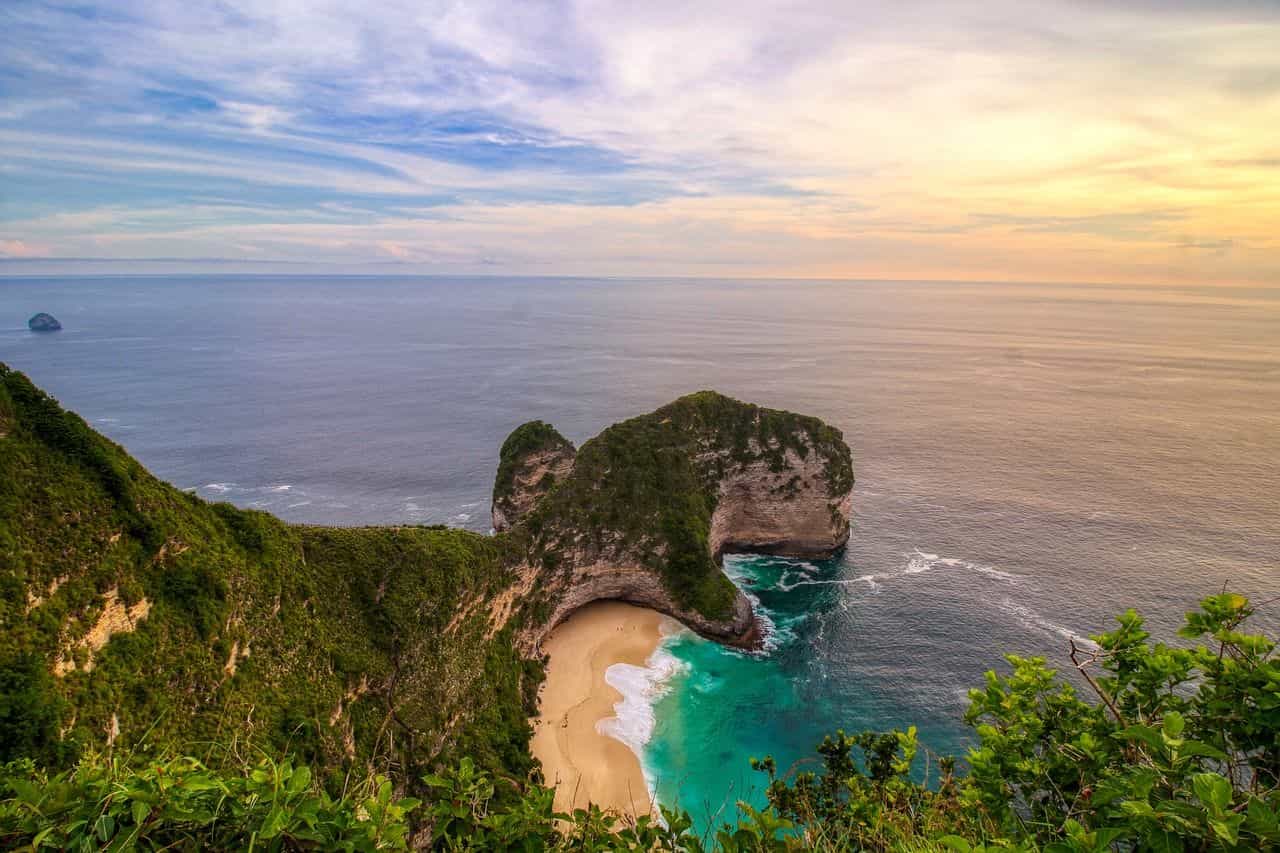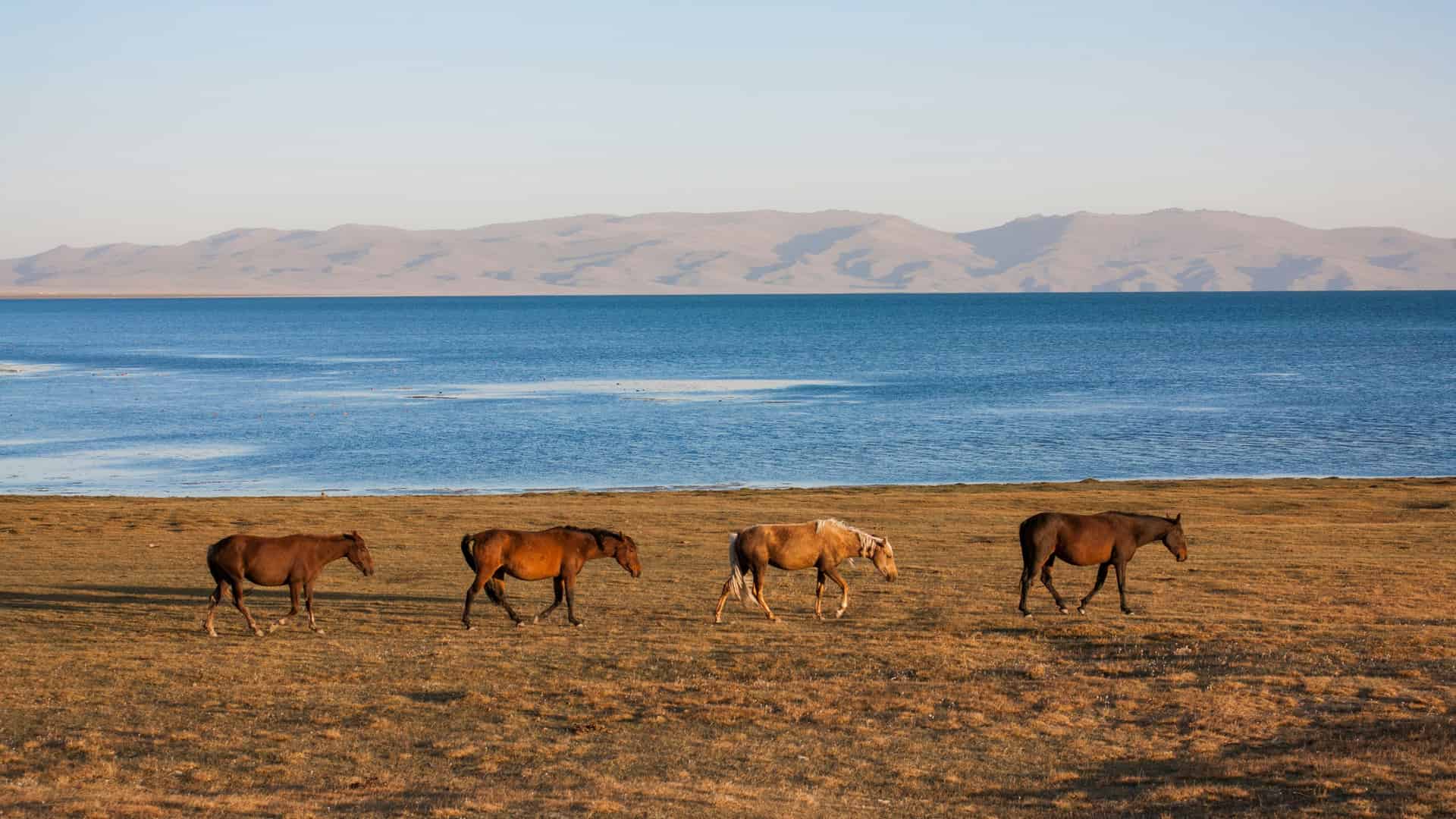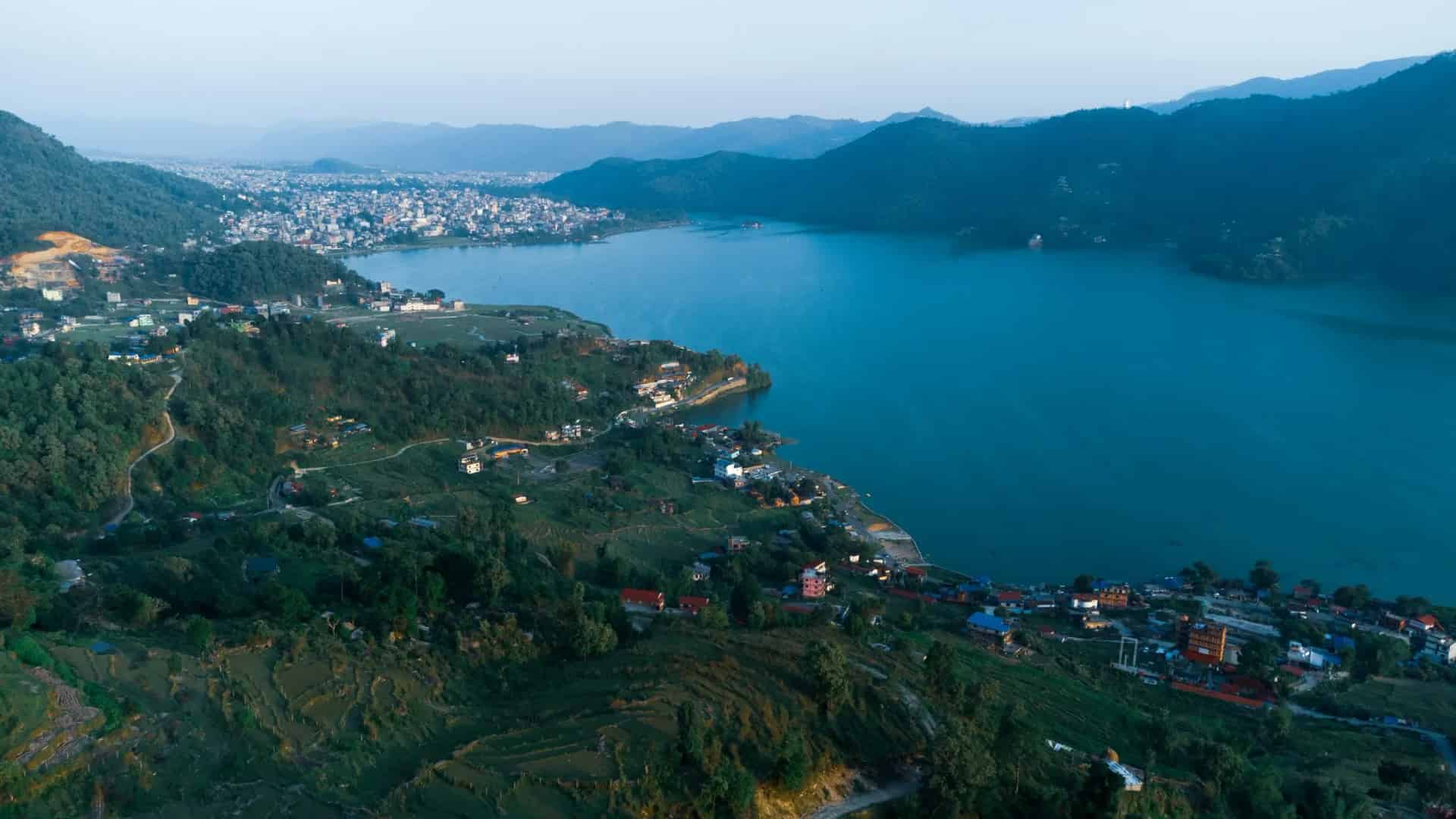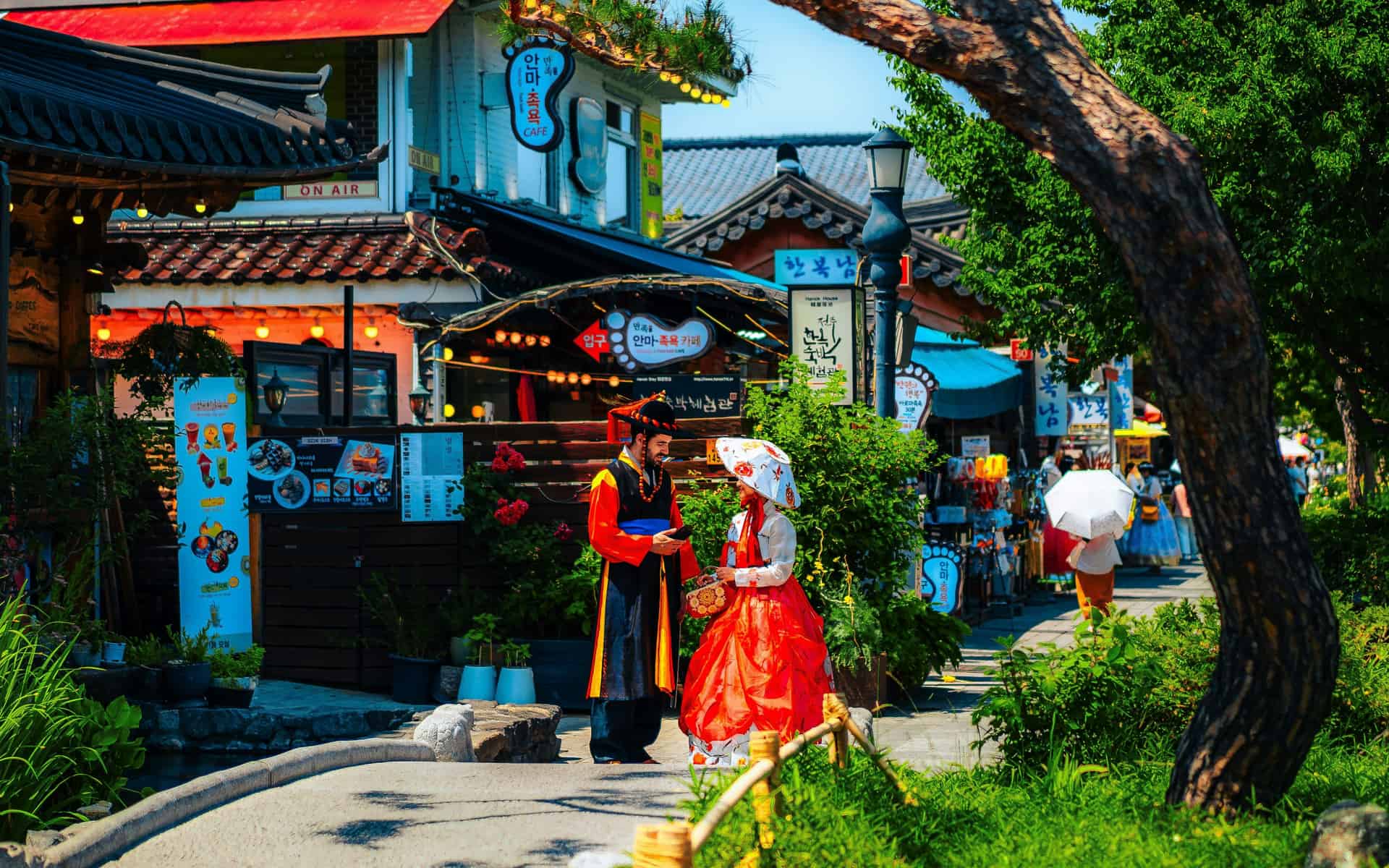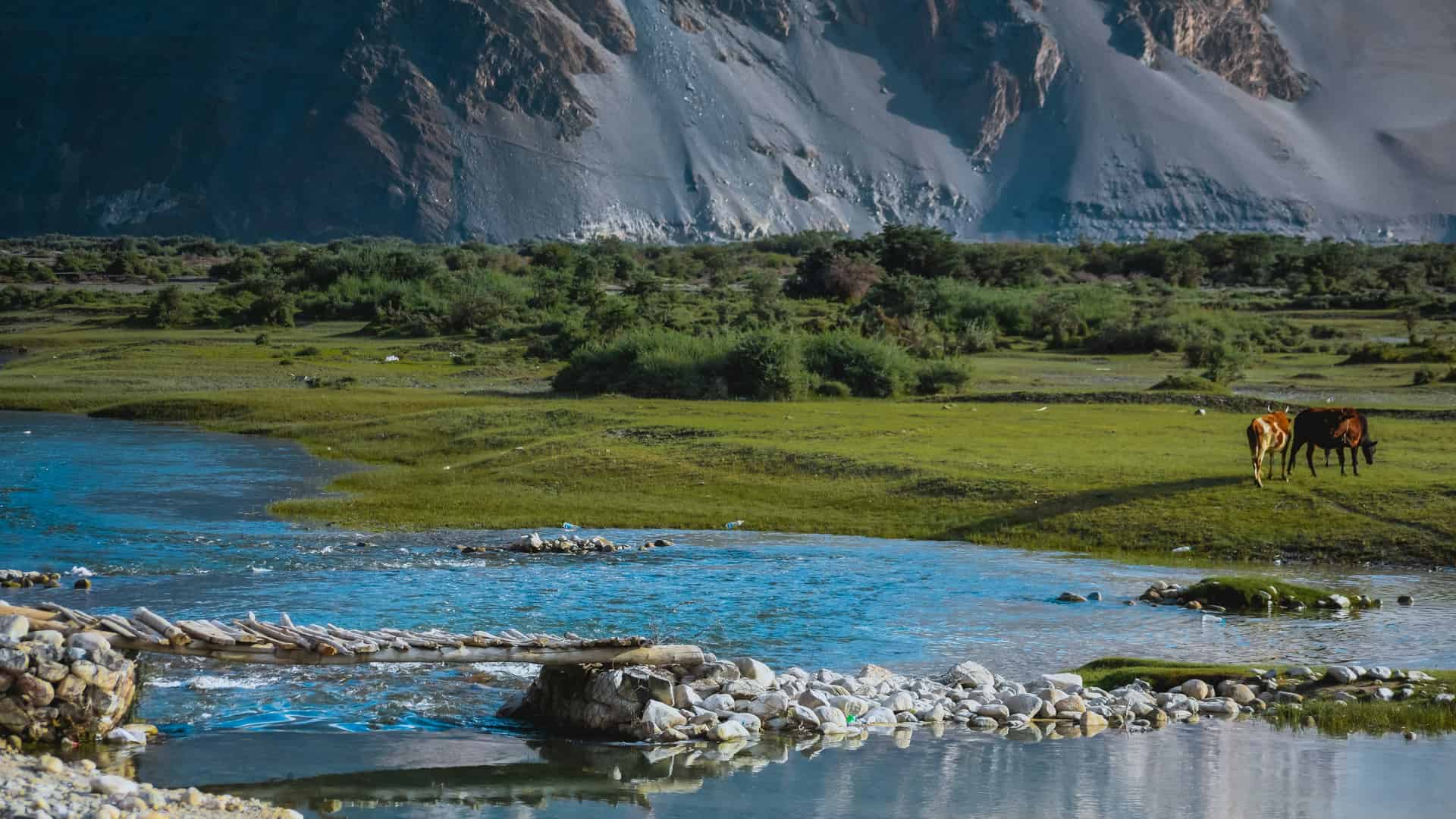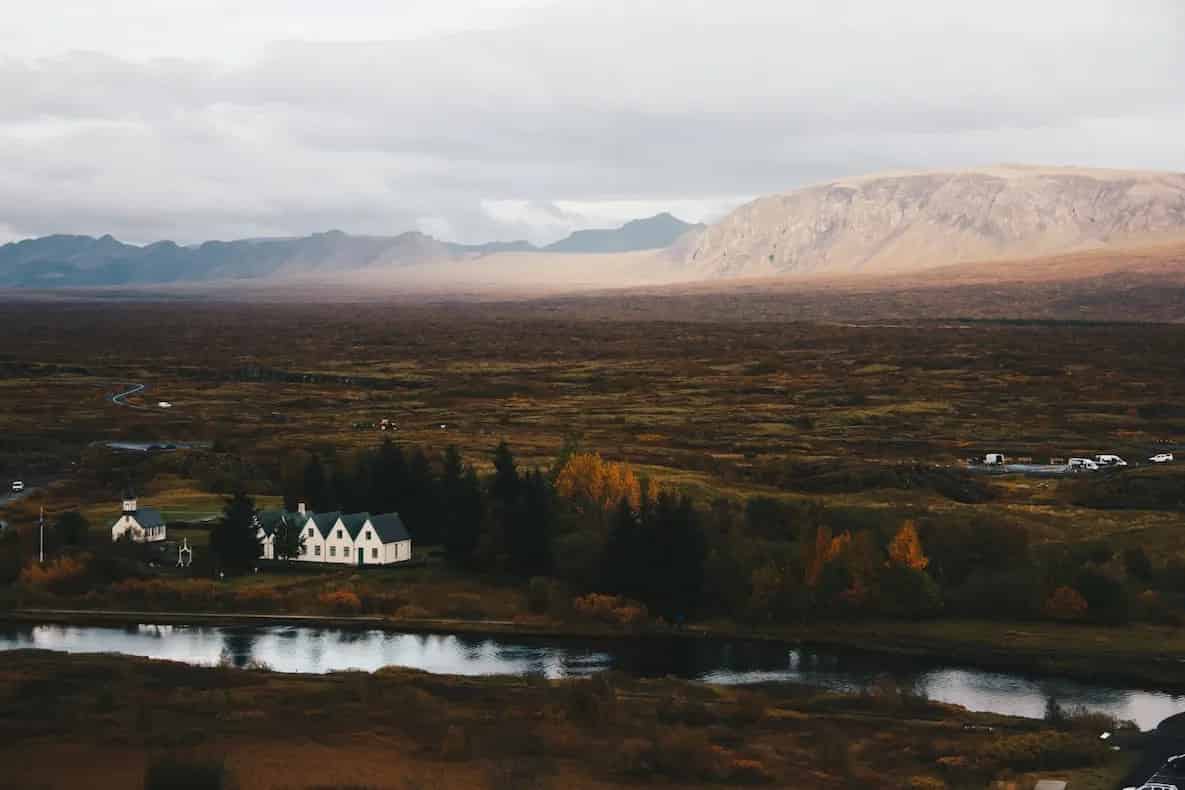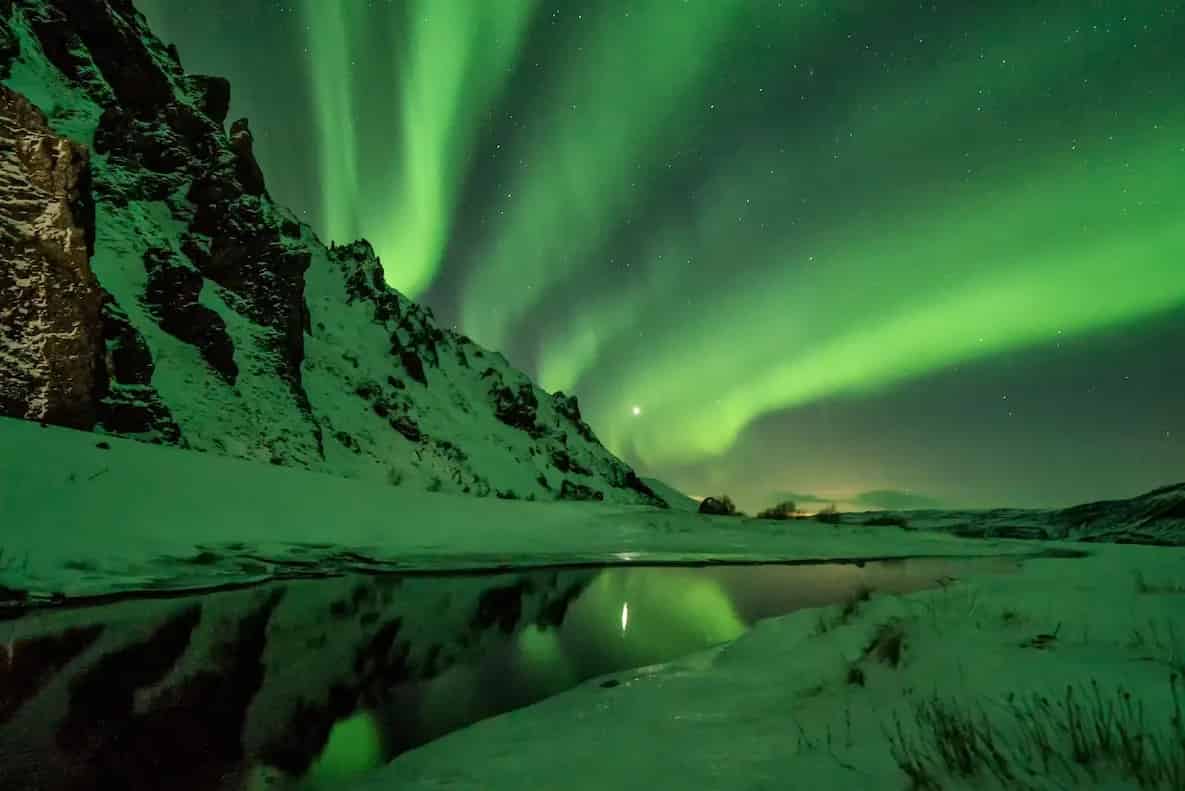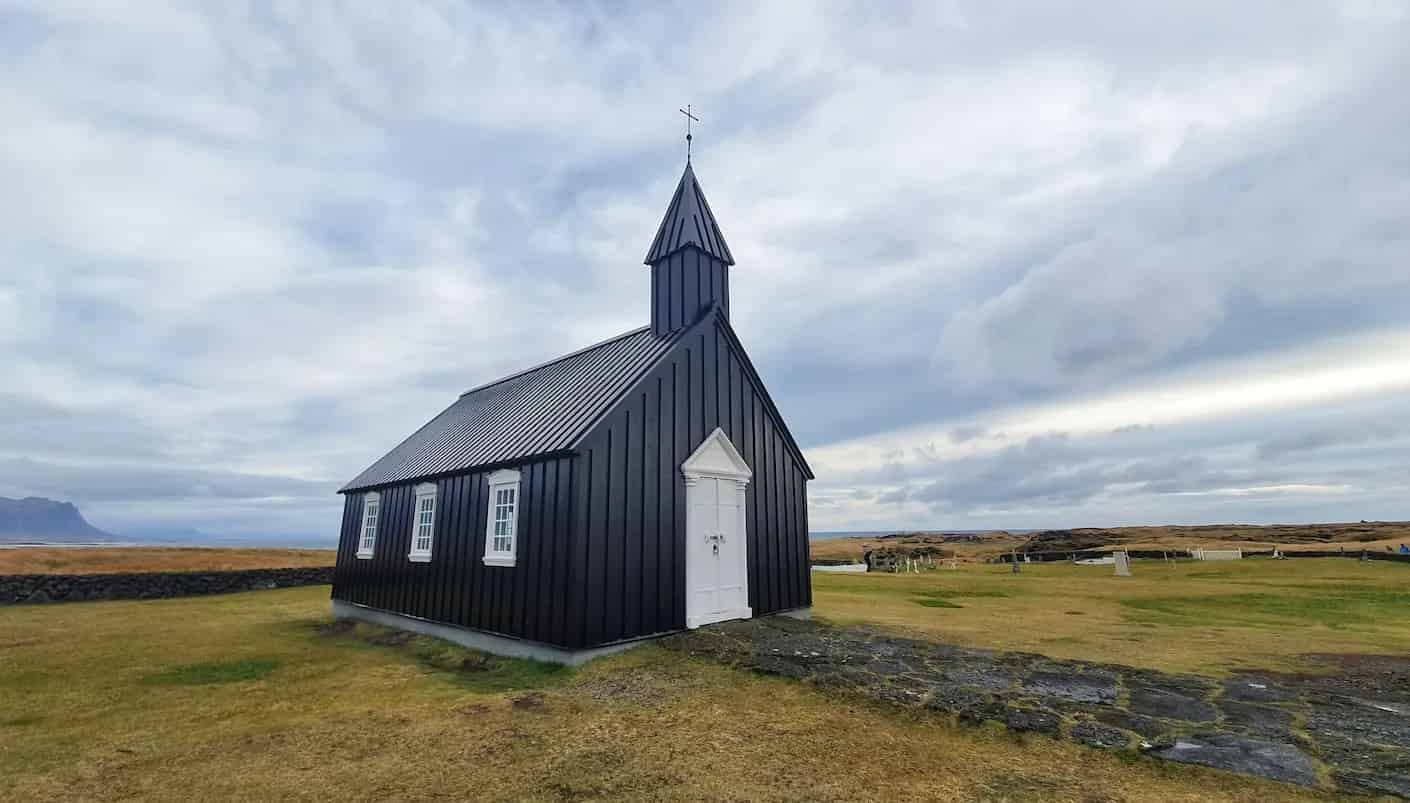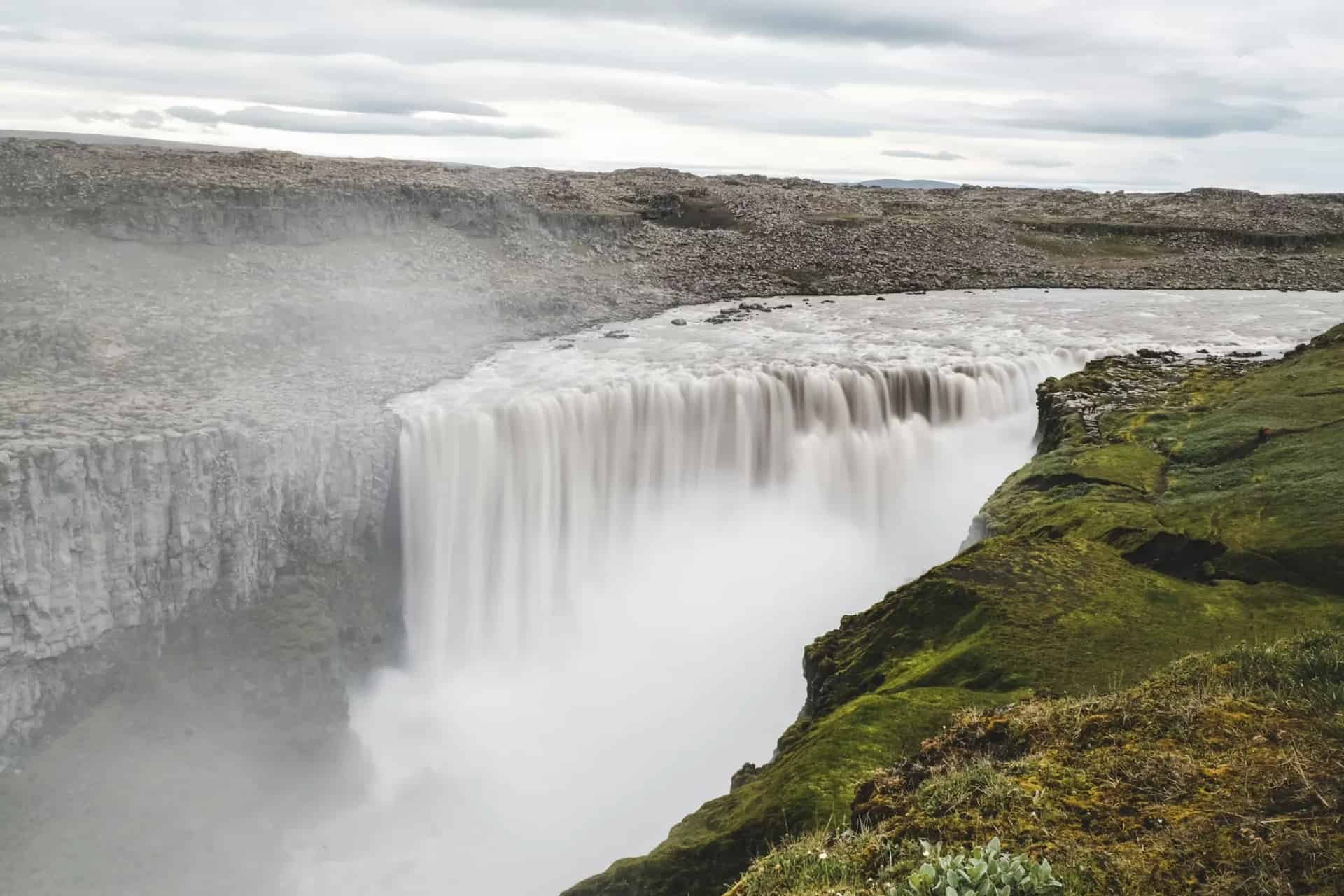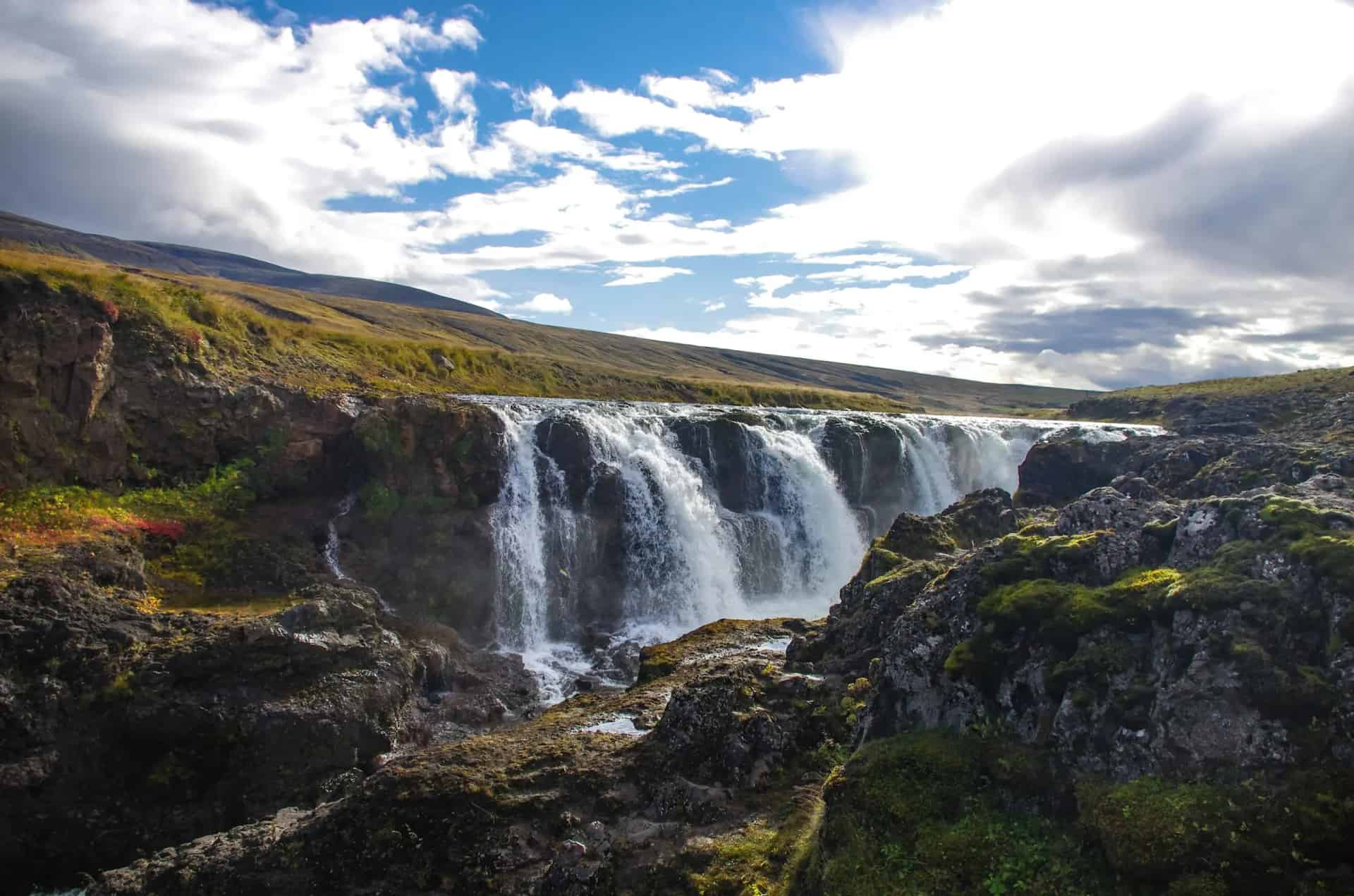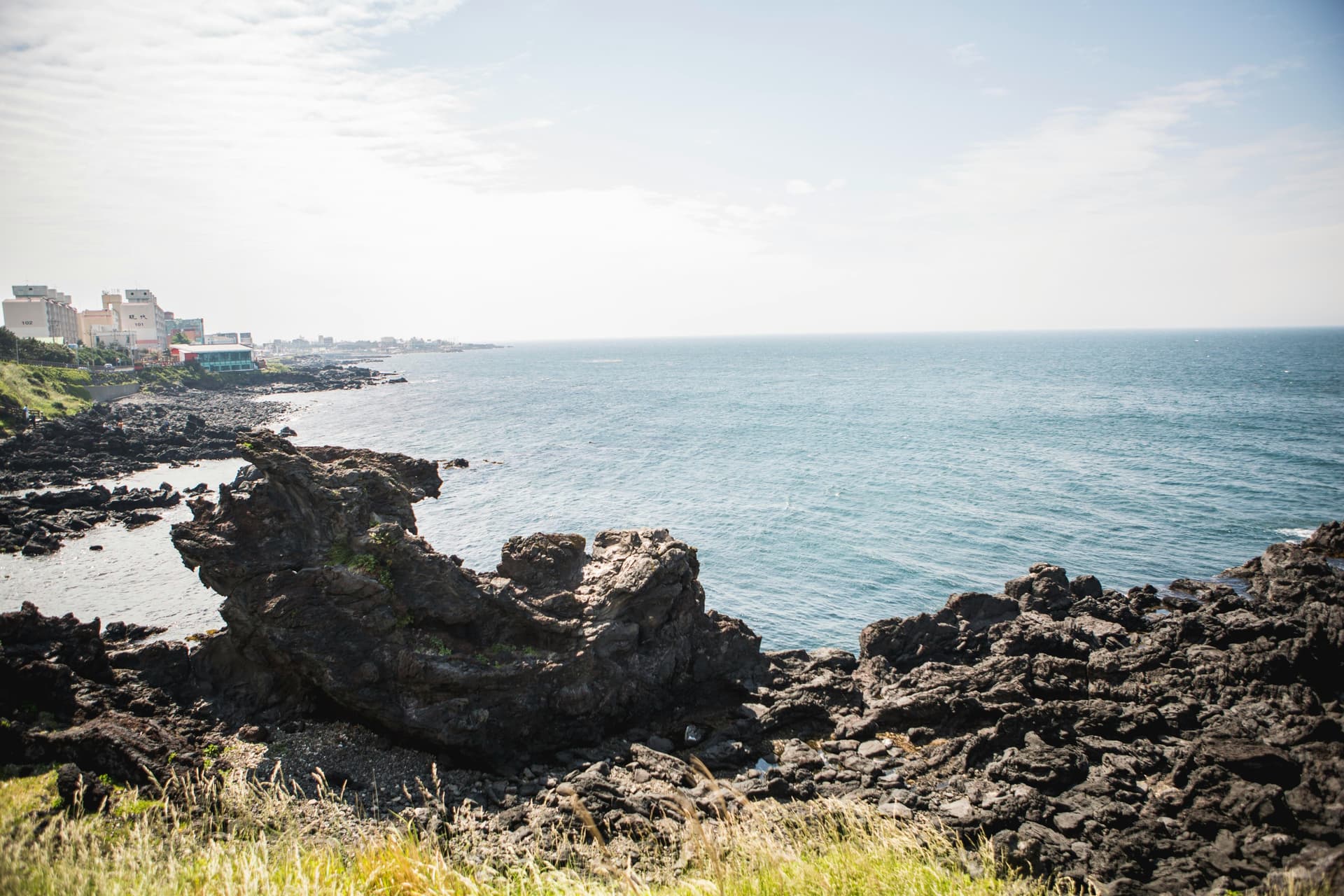
After Seoul's relentless pace and Busan's coastal energy, Jeju feels like a complete exhale.
The roads open up. The air changes. You find yourself driving without a tight schedule, stopping wherever something catches your eye, and realising at the end of the day that you covered less ground than planned and didn't mind at all.
Jeju Island is South Korea's largest island, sitting off the southern coast, formed by volcanic activity over millions of years. It holds South Korea's highest mountain, one of the world's longest lava tubes, some of the most dramatic coastal scenery in East Asia, and a food culture built entirely around the sea.
This guide is written specifically for Indian travelers covering how to get there from Seoul or Busan, what it costs in rupees, where to stay, what to see, and how to plan 3 to 4 days that actually feel like Jeju rather than a rushed checklist.
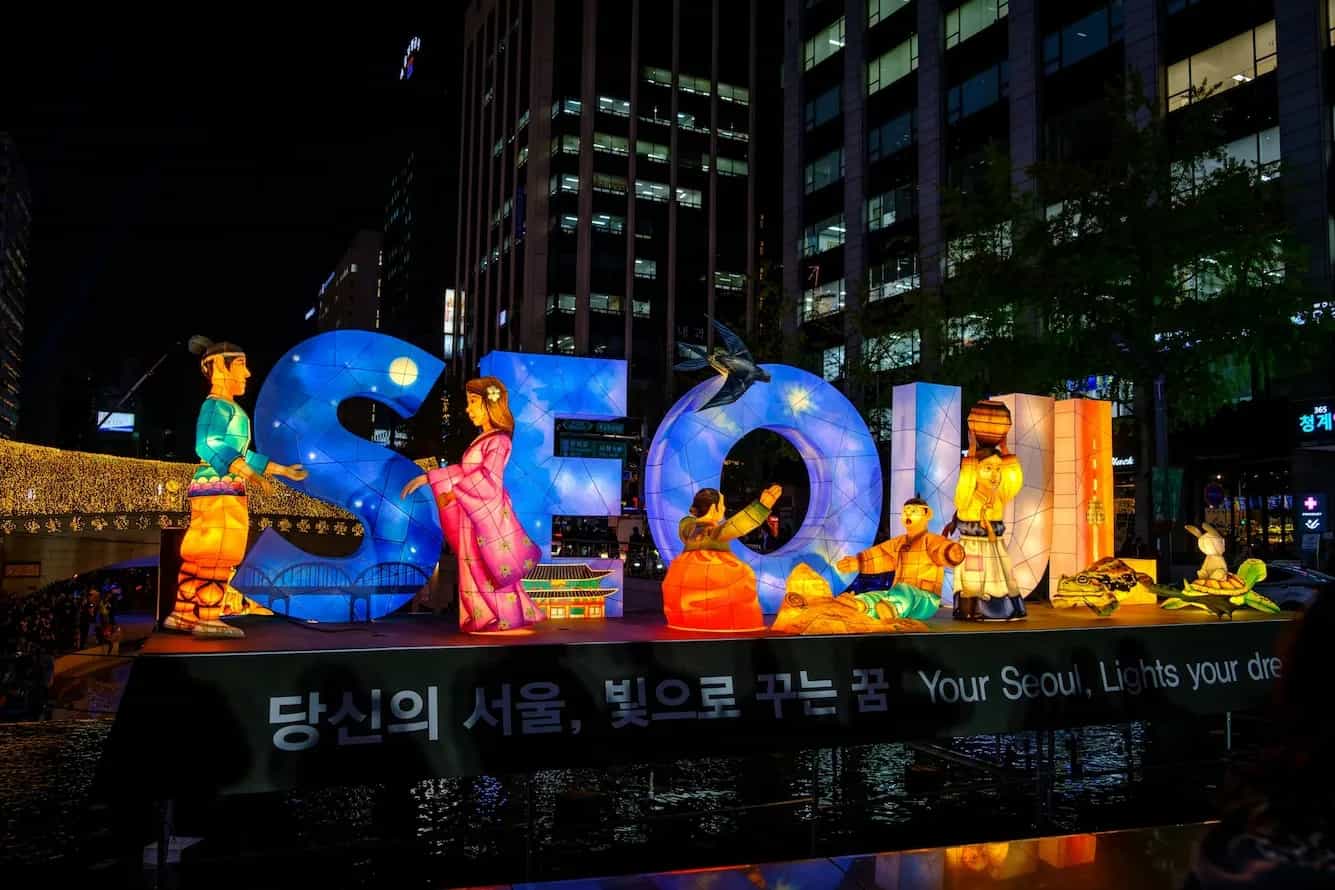
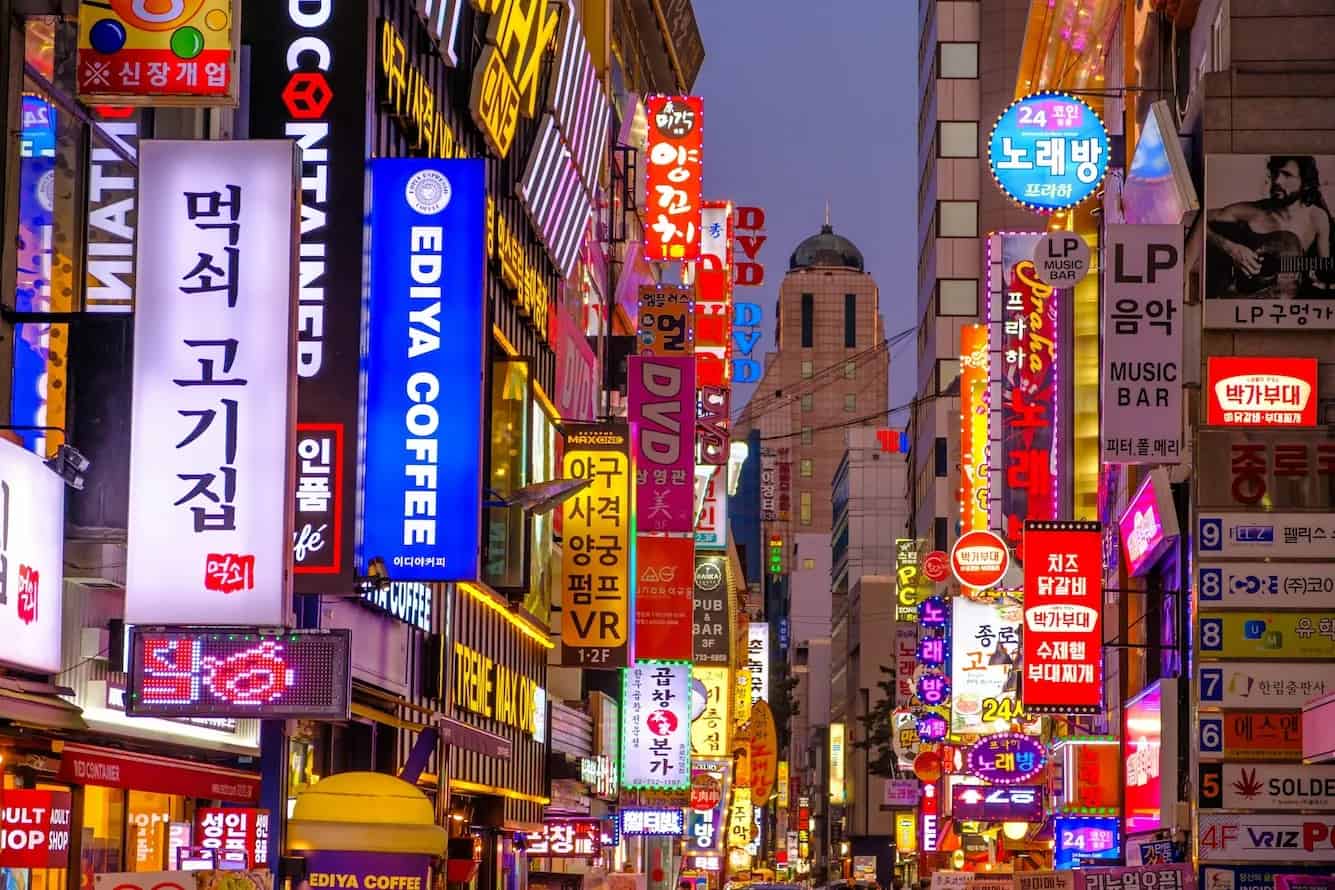
If you have already explored the capital through our Seoul travel guide, the contrast in pace becomes even more noticeable.
Why Jeju Deserves 3–4 Days
Most first-time South Korea visitors add Jeju as a 2-day extension and leave feeling like they barely scratched the surface. Here's why the island needs more time than people allocate:
Jeju is physically large and spread out. The island is roughly 73 km east to west and 31 km north to south. The main attractions — Hallasan in the centre, Seongsan Ilchulbong in the east, Manjanggul Cave in the north, waterfalls in the south, beaches in the west — are not clustered. Getting between them takes time, and that travel time is part of the experience.
The best moments aren't scheduled. Unlike Seoul where you move from attraction to attraction, Jeju rewards wandering. A coastal road with no particular destination, a small café inside a lava stone building, an empty beach at low tide. These things don't fit a tightly timed itinerary.
The island changes completely by season. Cherry blossoms in spring, yellow canola fields in March, golden grasses in autumn, snow on Hallasan in winter. What you see depends entirely on when you visit, and each version of Jeju is worth seeing differently.
3 days is the workable minimum. 4 days is ideal. Under 2 days means you'll only see one part of the island and leave feeling incomplete.
If you are planning your overall route, this guide on the best places to visit in South Korea can help you understand how Jeju fits into your trip
How to Get to Jeju
From India (Direct / Via Seoul)
There are no direct flights from India to Jeju. The standard route is:
India → Seoul (Incheon) → Jeju (domestic flight)
Most South Korea itineraries from India end in Jeju — fly into Seoul, spend time on the mainland, then fly to Jeju and fly home from Jeju (Jeju International Airport has some international connections).
Domestic Flights: Seoul or Busan to Jeju
This is the most practical and popular option. Jeju Air, Jin Air, T'way Air, and Korean Air all fly this route multiple times daily.
Route | Duration | Cost (One Way) |
| Seoul (Gimpo) → Jeju | ~1 hour | ₹1,800–₹5,500 |
| Seoul (Incheon) → Jeju | ~1 hour | ₹2,200–₹6,000 |
| Busan (Gimhae) → Jeju | ~55 min | ₹1,600–₹4,500 |
Booking tip: Book domestic Jeju flights as early as possible — they sell out quickly during peak season (March–May, September–October). Use Naver Flight or the airline apps directly for the best prices. Budget airlines like Jeju Air and Jin Air are reliable and commonly used by locals.
Ferry (Adventurous Option)
A ferry runs between Mokpo (a port city on the southwest coast of mainland Korea) and Jeju. Journey time is approximately 4.5 hours. This is a memorable experience if you have time, but not practical for most itineraries.
Jeju Trip Cost from India (in ₹)
Jeju is generally slightly more affordable than Seoul for accommodation and food, but domestic flights and car rental add meaningfully to the total budget.
Per-Day Cost in Jeju
Category | Budget (₹/day) | Mid-Range (₹/day) | Comfort (₹/day) |
| Accommodation | 1,800–3,500 | 4,500–7,500 | 9,000–18,000 |
| Food | 700–1,500 | 1,500–2,500 | 2,500–4,500 |
| Car rental | 2,500–4,000 | 4,000–6,000 | 6,000–10,000+ |
| Entry fees & activities | 300–800 | 800–2,000 | 2,000–4,000 |
| Daily Total | ~5,300–9,800 | ~10,800–18,000 | ~19,500–36,000 |
Key Costs to Know
- Domestic flight to Jeju (from Seoul): ₹1,800–₹6,000 one way
- Car rental per day: ₹2,500–₹6,000 (compact to SUV, 1 day)
- Hallasan hike: Free (trail entry, no fee)
- Seongsan Ilchulbong (Sunrise Peak) entry: ~₹1,400 (₩5,000 for foreigners)
- Manjanggul Lava Tube entry: ~₹1,100 (₩4,000)
- Jeongbang Waterfall entry: ~₹350 (₩1,300)
- Accommodation (mid-range guesthouse/hotel): ₹4,500–₹7,500/night
- Jeju black pork dinner (per person): ₹1,200–₹2,000
3-Night Jeju Trip Budget Summary (Per Person)
Style | Total (excl. India-Seoul flights) |
| Budget | ₹25,000–₹38,000 |
| Mid-range | ₹42,000–₹65,000 |
| Comfort | ₹75,000–₹1,20,000 |
Best Time to Visit Jeju Island
Jeju has four distinct seasons and each genuinely feels different. Unlike mainland South Korea, Jeju's climate is slightly milder and more subtropical due to its southern location.
Spring: March to May ⭐ Best Overall
March brings yellow canola (rapeseed) flowers that carpet entire fields across the island — particularly around Seongsan and the Noksan Road canola corridor. This is one of the most visually stunning things in all of South Korea.
April brings cherry blossoms. Jeju's cherry blossoms typically bloom 1–2 weeks earlier than Seoul's, making it possible to see blossoms in both places on the same trip if timed correctly.
May offers warm, clear weather perfect for Hallasan hikes and coastal drives.
Trade-off: Spring is peak season. Book flights and accommodation at least 6–8 weeks in advance.
Autumn: September to November Best for Hiking
Clear skies, cool temperatures (14°C–22°C), golden foliage on Hallasan's slopes, and fewer crowds than spring. The best season for the Hallasan summit hike — visibility is excellent on clear autumn days.
Summer: June to August
Hot (27°C–32°C) and humid, with typhoon season in July–August. Beaches are packed. Hallasan hikes are harder in the heat. Manageable but not ideal unless you specifically want beach time.
Winter: December to February
The quietest season. Hallasan often gets snow — the summit trails are occasionally closed, but the lower trails are beautiful. Jeju is noticeably warmer than Seoul in winter (rarely drops below 3°C). Accommodation prices drop. A good option if you're extending a winter South Korea trip.
Where to Stay in Jeju
Unlike Seoul, Jeju has no metro system. Where you stay has a direct impact on what you can easily access — which makes the choice more important.
Jeju City (North Coast) — Most Practical Base
The largest city on the island, home to the main airport, the widest range of accommodation, restaurants, and the main bus network. A good central base if you plan to drive and explore the whole island.
Best for: First-timers, those with flexible itineraries, budget and mid-range travelers Nearest attractions: Manjanggul Lava Tube (30 min east), Hyeopjae Beach (20 min west), Hallasan trailheads (30–40 min south)
Seogwipo (South Coast) — Best for Nature & Atmosphere
The second city, on the southern coast, surrounded by waterfalls, coastal cliffs, and some of the most dramatic scenery on the island. Slower, more relaxed, and arguably more beautiful than Jeju City. Popular with couples.
Best for: Couples, nature-focused travelers, anyone wanting a scenic base Nearest attractions: Jeongbang Waterfall (5 min), Cheonjiyeon Waterfall (10 min), Jusangjeolli Cliffs (15 min), Olle Trail sections (walkable)
East Jeju / Seongsan Area — Best for Sunrise Peak Access
A quieter coastal area around Seongsan. Staying here puts you walking distance from Seongsan Ilchulbong and gives you the best chance of catching the sunrise at the peak before day-trippers arrive.
Best for: Hikers, photographers, travelers who want an early sunrise at Seongsan Downside: Limited restaurant and accommodation options compared to Jeju City
Accommodation Cost Reference
Type | Cost Per Night |
| Guesthouse / pension | ₹2,500–₹5,000 |
| 3-star hotel / resort | ₹5,000–₹9,000 |
| 4-star resort (Jungmun area) | ₹11,000–₹20,000 |
| Luxury resort (Shinhwa World, Lotte) | ₹22,000–₹45,000 |
Top Places to Visit in Jeju
1. Hallasan Mountain — South Korea's Highest Peak
Hallasan is a dormant shield volcano rising 1,950m from the centre of the island. It's South Korea's highest mountain and a UNESCO World Natural Heritage Site. Hiking to the summit is one of the most rewarding things you can do in all of South Korea.
Trails and what to know:
The two main summit trails are Seongpanak (East) and Eorimok (West). Only Seongpanak and Gwaneumsa trails go to the true summit (Baekrokdam crater lake).
Trail | Distance (one way) | Difficulty | Summit? |
| Seongpanak | 9.6 km | Moderate | Yes |
| Gwaneumsa | 8.7 km | Hard | Yes |
| Eorimok | 4.7 km | Easy-Moderate | No (Witseoreum shelter) |
| Yeongsil | 3.7 km | Easy | No |
Critical timing rule: All summit trails have strict cut-off times — you must pass the midpoint checkpoint by a specific hour to continue to the top. This changes by season. Check the official Hallasan National Park website before your hike and start early (by 6–7 AM for the summit).
For Indian travelers: The Eorimok or Yeongsil trails offer a beautiful, manageable half-day hike even if the full summit isn't your goal. The views of the crater and surrounding landscape from the Witseoreum shelter are stunning on clear days.
Practical details:
- Entry: Free
- Nearest access: Seongpanak trailhead (30 min drive from Jeju City), Eorimok trailhead (40 min drive)
- Bring: Water, trail snacks, a windproof layer (temperature drops significantly near the summit), good grip shoes
- No rental car? Take Bus 781 (Seongpanak) or Bus 750 (Eorimok) from Jeju City
2. Seongsan Ilchulbong — Sunrise Peak
A 180,000-year-old volcanic tuff cone rising 182m from the ocean at the eastern tip of the island. The flat-topped crater at the summit is dramatic and unlike anything on mainland Korea. It's listed as a UNESCO World Heritage Site.
Why it's worth an early morning: The sunrise from the summit rim is famous across Korea. On clear mornings, you watch the sun emerge from the ocean while standing inside an ancient volcanic crater. Even without the sunrise, the coastal views from the top are exceptional.
Haenyeo (women divers) demonstration: At the base of Seongsan Ilchulbong, Jeju's famous haenyeo — traditional female free-divers who harvest seafood from the ocean floor without equipment — perform live demonstrations in the shallow waters. This is one of the most culturally unique things to witness in all of South Korea. Shows run at roughly 1:00 PM and 2:00 PM (check current schedule on arrival). Free to watch.
Practical details:
- Entry: ₩5,000 foreigners (~₹310)
- Hike duration: 20–30 min each way
- Start time for sunrise: Arrive at the base by 5:30 AM (sunrise varies by month — check the time for your visit date)
- Nearest accommodation: Seongsan village (book early during peak season)
3. Manjanggul Lava Tube
One of the longest and best-preserved lava tubes in the world, stretching 7.4 km under the northern part of the island. The tube was formed when the outer shell of flowing lava hardened while molten lava continued flowing inside, eventually draining and leaving a hollow cave. It's a UNESCO World Heritage Site.
A 1 km lit section is open to the public. Inside the temperature stays around 11°C year-round — a genuine relief on a hot summer day, and memorably atmospheric in any season.
Highlights inside the cave:
- The lava column — one of the world's largest lava columns at 7.6m tall — at the far end of the open section
- Lava stalactites and hardened lava formations on the ceiling and walls
- The eerie silence and complete darkness beyond the lit zone
Practical details:
- Entry: ₩4,000 (~₹250)
- Duration: 1–1.5 hours for a comfortable visit
- Wear: Closed-toe shoes (uneven lava rock floor), bring a light jacket
- Drive time from Jeju City: ~30 min east along the north coast road
4. Jeongbang Waterfall
The only waterfall in Asia to fall directly into the ocean. Located just east of Seogwipo, it drops 23m from a basalt cliff straight into the sea — a visually dramatic sight that photographs exceptionally well.
Best time to visit: Morning, before tour groups arrive. The spray from the falls creates a natural mist — on sunny mornings, rainbows appear in the spray around the base.
Practical details:
- Entry: ₩1,300 (~₹80)
- Drive time from Seogwipo: ~5 min
- Pair with: Cheonjiyeon Waterfall (10 min west in Seogwipo) and Jusangjeolli Cliffs (15 min west)
5. Jusangjeolli Cliffs
A dramatic stretch of hexagonal basalt columns — formed by rapidly cooling lava — that rise from the ocean like a natural staircase along the southern coast. The columns are geometrically perfect and deeply striking. Combined with the waves crashing against them, it's one of the most photogenic spots on the island.
Practical details:
- Entry: ₩2,000 (~₹125)
- Drive time from Seogwipo: ~15 min west toward Jungmun
- Best time: Golden hour (1 hour before sunset) for the best light on the columns
6. Hyeopjae Beach
One of Jeju's most beautiful beaches — turquoise water over white sand with black lava rocks framing the shoreline and Biyangdo Island visible in the distance. Less crowded than Hamdeok and Jungmun beaches. The water stays shallow for a long distance, making it excellent for wading and snorkelling.
Practical details:
- Free entry
- Drive time from Jeju City: ~25 min west
- Good facilities: changing rooms, cafés, bike rentals nearby
- Pair with: O'Sulloc Green Tea Museum (10 min south) and Hallim Park (5 min north)
7. O'Sulloc Green Tea Museum & Fields
The O'Sulloc tea fields on Jeju's west side are one of the most photographed landscapes in Korea — rows of bright green tea bushes stretching across rolling hills with Hallasan visible in the background on clear days.
The museum covers the history of Korean tea cultivation. The adjacent café serves matcha and green tea desserts made from the surrounding fields. Popular but worth visiting for the scenery.
Practical details:
- Museum entry: Free
- Drive time from Jeju City: ~40 min southwest
- Best visited: Morning, before tour buses arrive (11 AM onwards gets busy)
8. Olle Trails
A network of 21 designated walking routes circling the entire island, totalling 437 km. Each segment (called a course) is 15–25 km long and covers a different part of Jeju's coastline, interior, and villages. You don't need to complete a full course — even walking a section of one trail for 1–2 hours is memorable.
Best courses for first-timers:
- Course 1 (Seongsan area): Coastal walk with views of Seongsan Ilchulbong — one of the most scenic
- Course 7 (Woljeongni Beach area): Beautiful white sand beach and café-lined beachfront
- Course 10 (Hwasun area): Dramatic coastal cliffs and black pebble beaches on the south coast
Practical details: All Olle routes are free to walk. Download the Jeju Olle app for trail maps and check-in stamps (a fun way to track completed sections).
Getting Around Jeju: The Car Rental Guide
Renting a car is not optional in Jeju — it's essential.
Jeju has no metro or train system. Public buses exist but are infrequent and slow (many key attractions have buses running once every 30–60 minutes). Taxis are available but expensive if you're covering the island over multiple days. For any traveler who wants to reach Hallasan, Manjanggul, Seongsan, and the southern coast in 3 days, a rental car is the only practical option.
What Indian Travelers Need to Rent a Car in Jeju
- Valid Indian driving licence
- International Driving Permit (IDP) — This is mandatory. Indian DL alone is not accepted in South Korea. Get your IDP from the AAI (Automobile Association of India) or FMSCI before leaving India. Cost: ₹500–₹700, issued on the same day.
- Passport
- Credit card (required for deposit)
Apply for your IDP before leaving India — this is a common mistake that strands travelers in Jeju.
Car Rental Basics
Car Type | Cost Per Day (KRW) | Cost Per Day (₹) |
| Economy (Hyundai i10 size) | ₩40,000–₩55,000 | ₹2,500–₹3,400 |
| Compact (Avante size) | ₩50,000–₩70,000 | ₹3,100–₹4,300 |
| SUV / minivan | ₩80,000–₩1,20,000 | ₹5,000–₹7,500 |
Fuel cost: Petrol in Jeju costs approximately ₩1,700–₩1,900 per litre (~₹105–₹120). A 3-day itinerary covering 250–350 km typically costs ₩30,000–₩50,000 (~₹1,900–₹3,100) in fuel.
Booking tips:
- Book your rental car online before arriving in Jeju — options at the airport counter are limited and more expensive
- Reliable rental platforms: Klook, KKday, and Rencar Korea
- All rental counters are at or near Jeju International Airport
- Petrol stations (주유소) are frequent across the island — fill up in Jeju City or Seogwipo before heading to remote areas
Navigation
Use Naver Map or Kakao Map — not Google Maps (which has limited functionality in South Korea). Both are free and work offline once maps are downloaded. Naver Map is the most reliable for driving in Jeju.
Waze also works in South Korea and some travelers prefer it for its real-time traffic updates.
Jeju Itinerary: 3 Days and 4 Days
3-Day Jeju Itinerary
Day 1 — East Jeju: Sunrise Peak + Lava Tube
- 5:00 AM: Drive to Seongsan Ilchulbong. Arrive before sunrise (check exact time for your visit date). Hike up (20–25 min) and watch the sun rise from the crater rim.
- 8:00 AM: Breakfast in Seongsan village — try a local haejanguk (hangover soup) or donut shop near the entrance
- 10:00 AM: Walk back to the base and watch the haenyeo diving demonstration (check times on arrival)
- 12:00 PM: Drive west along the north coast road (~40 min) to Manjanggul Lava Tube
- 1:30 PM: Explore the lava tube (1–1.5 hours inside)
- 3:30 PM: Drive to Jeju City / check in to accommodation
- 6:00 PM: Dinner at Dongmun Traditional Market in Jeju City — try Jeju black pork barbecue and fresh seafood
Day 2 — South Jeju: Hallasan + Seogwipo Coast
- 6:00 AM: Start early for Hallasan via the Eorimok trail (if you want a half-day manageable hike) or Seongpanak trail (for the summit — start by 6:30 AM to meet checkpoint cut-off)
- 12:00 PM: Descend. Have a trail snack or packed lunch at the shelter
- 2:00 PM: Drive south to Seogwipo (~40 min). Visit Jeongbang Waterfall
- 3:30 PM: Jusangjeolli Cliffs (sunset light approaching — perfect timing)
- 5:00 PM: Walk through Seogwipo city centre, browse the food street
- 7:00 PM: Dinner in Seogwipo — haemultang (seafood hotpot) or black pork galbi
Day 3 — West Jeju: Tea Fields + Beach + Departure
- 9:00 AM: Drive to O'Sulloc Green Tea Museum (40 min west of Jeju City). Walk through the fields, have a matcha dessert at the café
- 11:00 AM: Drive to Hyeopjae Beach (10 min north of O'Sulloc). Walk the shoreline, take in the view of Biyangdo Island
- 1:00 PM: Lunch at a seafood restaurant near the beach
- 3:00 PM: Return to Jeju City. Browse Dongmun Market for last-minute souvenirs (Jeju hallabong tangerines, green tea products, black sesame snacks)
- 6:00 PM: Head to the airport for your onward flight
4-Day Jeju Itinerary (Adds Olle Trail Day)
Follow the 3-day plan above, then add on Day 3 (shifting the west Jeju day to Day 4):
Day 3 — Olle Trail + Woljeongni Beach
- 9:00 AM: Drive to Woljeongni Beach on the northeast coast
- 9:30 AM: Walk a section of Olle Course 20 (Gimnyeong-Woljeongni section) — a flat, scenic coastal path with turquoise water on one side. Walk 5–8 km at your own pace (1.5–2.5 hours of easy walking)
- 12:00 PM: Lunch at a café or restaurant along Woljeongni's beach-front strip — this has become Jeju's most Instagram-friendly café street, with sea-view tables
- 2:30 PM: Drive to Gimnyeong Maze Park (10 min) — a cypress tree maze on the northeast coast, fun and low-key (₩3,000 entry)
- 4:30 PM: Evening drive along the north coast road back toward Jeju City — stop wherever looks good
- 7:00 PM: Final dinner at a Jeju City restaurant — try abalone porridge (jeonbok-juk), Jeju's most famous local dish
What to Eat in Jeju
Jeju's food culture is built around the sea. These are the dishes and experiences you should not miss.
Jeju Black Pork (Heuk Dwaeji)
The single most iconic food in Jeju. The Jeju black pig is native to the island — a smaller, darker breed that has been raised here for centuries. The meat is grilled over charcoal and has a richer, more complex flavour than regular pork belly. Every Korean food guide in existence mentions it. Eat it here.
Where to find it: Restaurants throughout Jeju City and Seogwipo. Look for restaurants with "흑돼지" (heuk dwaeji) on the sign. Price: ₹1,200–₹2,000 per person for a full meal with rice, banchan, and wraps.
Abalone Porridge (Jeonbok-juk)
Abalone is farmed off Jeju's coast and is a genuine delicacy. Jeonbok-juk — a creamy rice porridge cooked with sliced abalone and sesame oil — is the most beloved way to eat it. It's mild, rich, and warming. A bowl costs ₹1,800–₹3,500 at a proper jeonbok-juk restaurant.
Best area: Restaurants near the Jeju City seafront and around Seogwipo market.
Haemultang (Seafood Hotpot)
A fiery, deeply flavoured stew packed with clams, mussels, prawns, squid, and vegetables in a spicy broth. Shared between 2–4 people with rice. One of the most satisfying meals you can have after a full day of hiking. ₹2,000–₹3,500 for a pot serving 2.
Fresh Seafood (Hoedeopbap)
A rice bowl topped with generous slices of raw mixed fish, vegetables, sesame oil, and gochujang. At Seogwipo's Maeil Olle Market or Jeju's Dongmun Market, you can eat a beautiful bowl for ₹800–₹1,500.
Hallabong Tangerines
Jeju produces most of South Korea's citrus fruit. Hallabong — a cross between a tangerine and an orange — is sweet, seedless, and intensely flavoured. In season from January to March, but products made from hallabong (juice, chocolate, jam, cookies) are available year-round. Buy a bag from any roadside fruit stall or market.
Convenience Store Breakfast
Jeju has the same excellent Korean convenience stores (GS25, CU) as the mainland. For early morning hike days — Hallasan start at 6 AM, sunrise at Seongsan — a triangle kimbap, egg sandwich, and canned coffee from a convenience store is the practical and surprisingly satisfying breakfast choice.
For Vegetarian Indian Travelers
Jeju is harder for vegetarians than mainland Korea. The island's cuisine is so seafood-dominated that even side dishes and broths often contain seafood.
What works:
- Green tea desserts and bakery items (widely available)
- Vegetable bibimbap at mainland-style Korean restaurants in Jeju City
- Convenience store options (vegetable kimbap, plain rice balls, boiled eggs)
- The Innisfree café near O'Sulloc has vegetarian-friendly desserts
- Carry a food restriction card in Korean: "저는 채식주의자입니다. 고기, 생선, 해산물이 없는 음식을 원합니다."
Practical Tips for Indian Travelers
International Driving Permit — Apply Before You Leave India
This is the single most important thing to sort before arriving in Jeju. You cannot rent a car in South Korea with only an Indian driving licence. Apply for an IDP from the Automobile Association of India (AAI) or FMSCI — it takes a few hours and costs ₹500–₹700. Bring your original Indian DL, a passport photo, and the processing fee.
Connectivity
Buy a Korean tourist SIM at Incheon Airport before your Jeju flight. Ensure it covers your entire stay — most 10-day and 15-day plans cover Jeju without additional costs (it's South Korean network, same carrier).
Data is critical in Jeju for navigation. Don't rely on offline maps alone — Naver Map works best with live data.
Weather and Layering
Jeju's weather is changeable, especially on the mountain. Even on warm days at sea level, the summit of Hallasan can be significantly colder (bring a windproof layer). If you're hiking in autumn or spring, pack a thermal base layer.
Jeju is also wetter than mainland South Korea — the island catches weather systems from the south. A small foldable rain jacket takes up almost no space and saves a day multiple times.
Hallasan Trail Cut-Off Times
This catches travelers out regularly. The Seongpanak summit trail has a midpoint checkpoint that closes at a specific time — if you don't pass it in time, you cannot continue to the summit. Cut-off times change by season (earlier in winter, later in summer). Check the official Hallasan National Park website (hallasan.go.kr) for the exact cut-off time on your hike date and plan your start time accordingly. Arriving at the trailhead by 6:30–7:00 AM is safe for most of the year.
Cash vs Card
Jeju is mostly card-friendly — restaurants, accommodation, and petrol stations all accept Visa and Mastercard. However, small roadside stalls, some beach cafés, and entry fee booths at smaller attractions are cash only. Keep ₩30,000–₩50,000 (~₹1,900–₹3,100) in cash at all times.
Power and Adapters
Same as mainland South Korea — Type C/F plugs at 220V. Pack a universal adapter before leaving India.
Jeju as Part of a South Korea Tour Package
Jeju works best as the final stop of a South Korea trip — after Seoul and Busan, the island provides a natural, unhurried end to the journey. Adding a 3-night Jeju extension to a Seoul + Busan itinerary creates a complete South Korea experience that covers the urban, the coastal, and the natural.
Managing domestic Jeju flights, car rentals, accommodation, and the Hallasan cut-off logistics independently takes planning. If you'd rather not coordinate all of this yourself, Desh Videsh Travels' South Korea tour packages start from ₹1,70,999 per person and cover the full mainland-to-Jeju route with flights, curated stays, and on-ground support.
Written by the Desh Videsh Travels team · Specialists in South Korea trips from India
Explore South Korea tour packages →