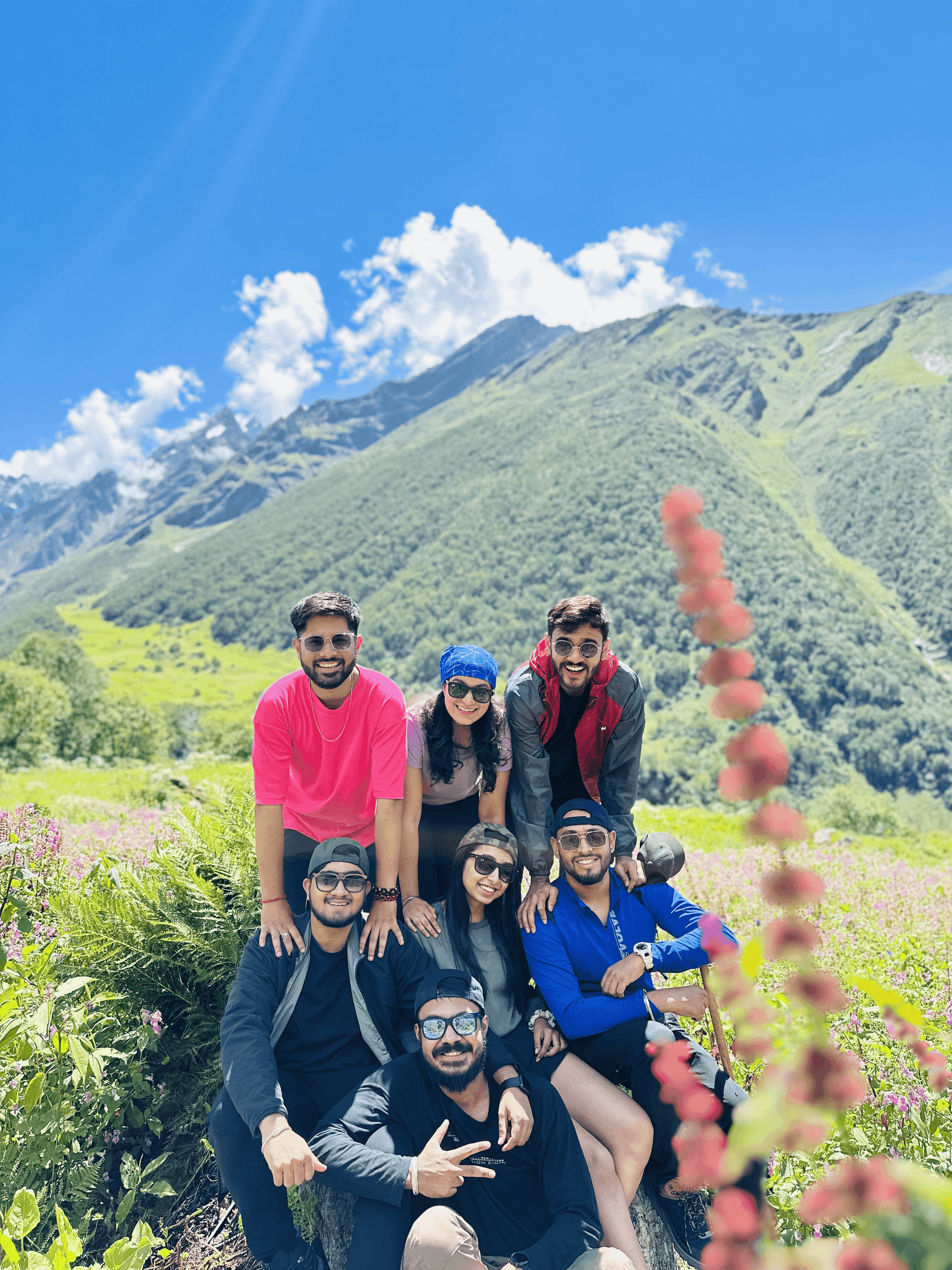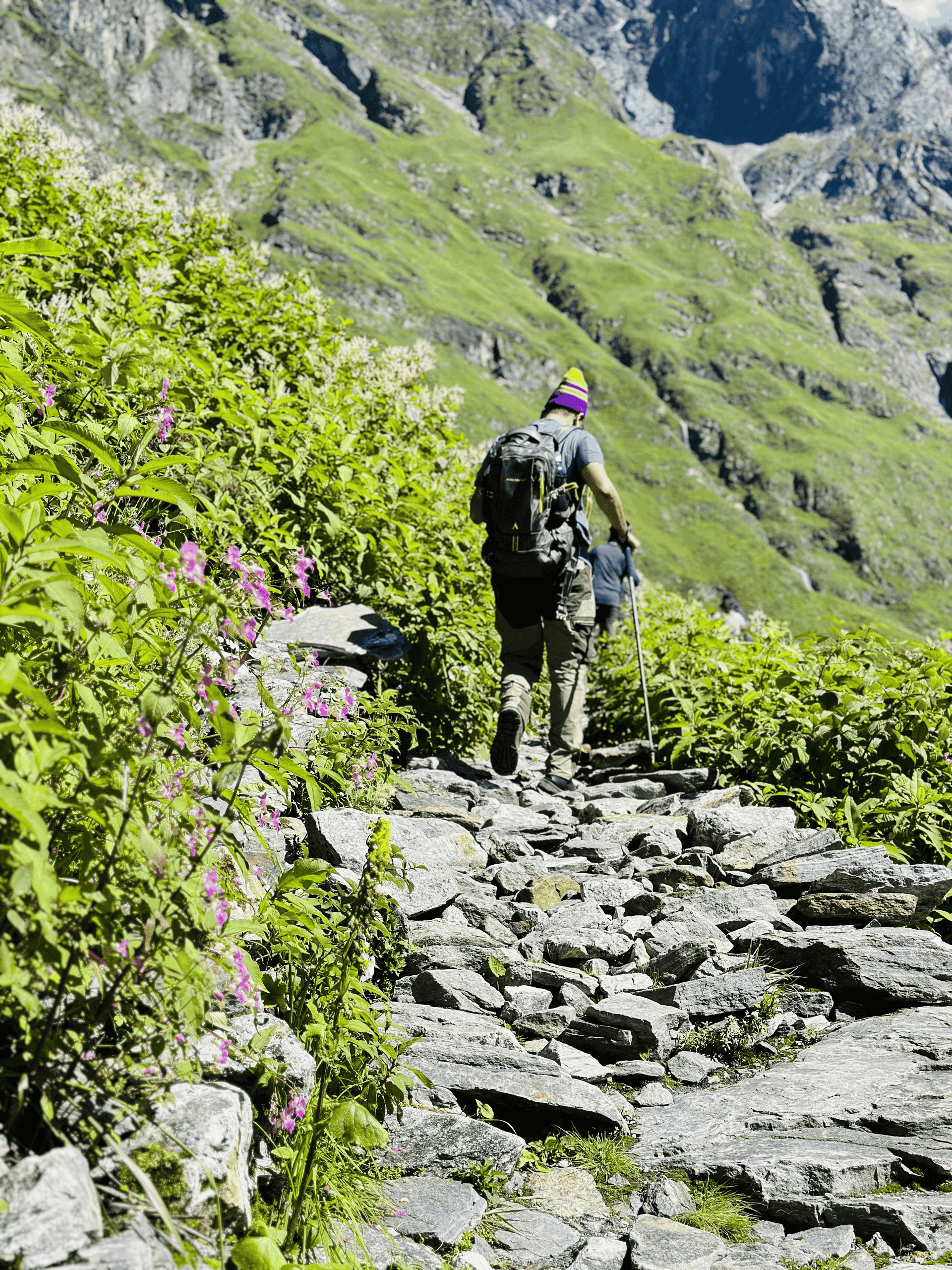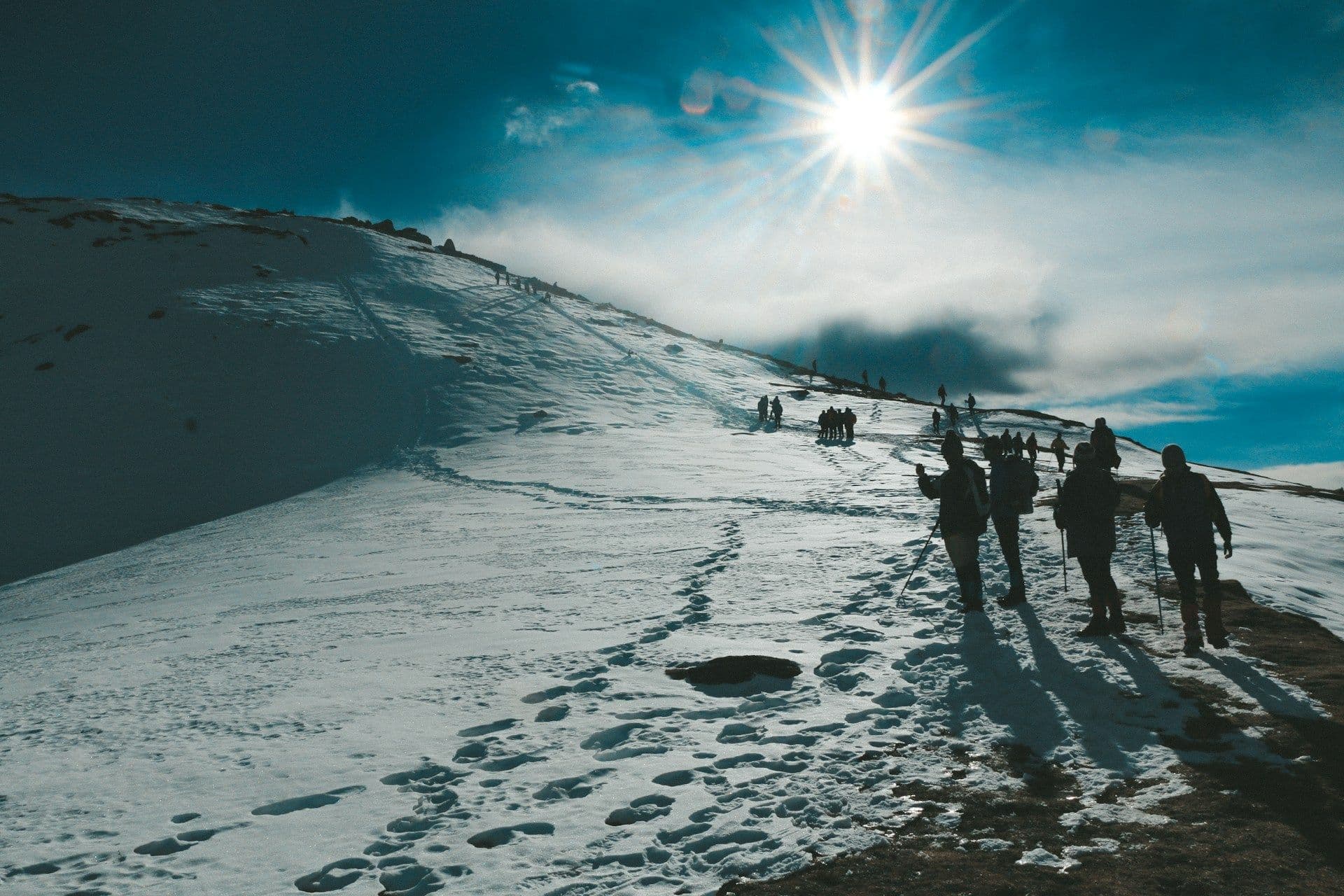
The Kedarkantha Trek is one of India's most popular winter treks, known for its snow-covered forests, frozen campsites and rewarding Himalayan summit. Located in Govind Pashu Vihar National Park in Uttarakhand, it's a favourite among beginners and experienced trekkers alike because it offers a genuine Himalayan adventure without requiring technical climbing skills.
Whether you're planning your first snow trek or looking for a winter escape in the Himalayas, this guide covers everything you need to know, including the best time to visit, difficulty level, itinerary, cost, packing tips and practical planning advice.
If you're still comparing different Himalayan trails, our Best Treks in Uttarakhand guide can help you choose the trek that best matches your experience and travel style.
Kedarkantha Trek at a Glance
Category | Details |
| Location | Govind Pashu Vihar National Park, Uttarkashi, Uttarakhand |
| Maximum Altitude | 3,810 metres (12,500 ft) |
| Duration | 5–6 Days |
| Trek Distance | Approximately 20–24 km |
| Difficulty | Easy to Moderate |
| Best Time to Visit | December to April |
| Base Camp | Sankri |
| Nearest Railway Station | Dehradun |
| Nearest Airport | Jolly Grant Airport, Dehradun |
Why Is the Kedarkantha Trek So Popular?
Kedarkantha is often recommended as one of the best Himalayan treks for beginners because it combines everything people expect from a winter adventure in a relatively short itinerary. Over five to six days, you'll walk through snow-covered forests, camp beside frozen lakes and climb to a summit offering panoramic views of peaks such as Swargarohini, Bandarpoonch, Black Peak (Kala Nag) and Ranglana.
The trail is well-established, doesn't involve technical climbing and offers reliable snowfall during winter, making it an ideal choice for travellers looking to experience Himalayan trekking for the first time.
What Makes the Kedarkantha Trek Special?
Unlike many Himalayan treks that are known for a single highlight, Kedarkantha offers a variety of memorable experiences throughout the journey.
- Juda Ka Talab: Camp beside a beautiful alpine lake that often freezes during winter, surrounded by dense pine forests.
- Snow-Covered Forest Trails: Walk through picturesque pine and oak forests transformed into a winter landscape between December and February.
- Panoramic Summit Views: Reach the 3,810-metre summit to enjoy sunrise views of Swargarohini, Bandarpoonch, Black Peak (Kala Nag) and other Himalayan peaks.
Best Time to Visit the Kedarkantha Trek
The Kedarkantha Trek offers a different experience in every season, but December to April is generally considered the best time to visit. If your goal is fresh snowfall and classic winter landscapes, plan your trek between January and February. Travellers looking for fewer crowds and slightly milder weather often prefer March, when snow usually remains near the higher sections of the trail.
While Kedarkantha can also be trekked before winter, the experience is very different, with dry forest trails replacing snow-covered landscapes.
Kedarkantha Weather, Temperature & Snow Guide
Month | Weather | Average Temperature (Day / Night) | Snow Conditions | Best For |
| December | Cold | 8°C to 12°C / -5°C to -2°C | Fresh snowfall begins | Early winter trekking |
| January | Very Cold | 5°C to 10°C / -8°C to -4°C | Peak snowfall | Classic snow trek |
| February | Cold | 6°C to 11°C / -6°C to -3°C | Reliable snow | Snow with slightly fewer crowds |
| March | Pleasant | 10°C to 15°C / -2°C to 2°C | Snow at higher elevations | Mixed snow and clear weather |
| April | Mild | 12°C to 18°C / 2°C to 6°C | Patchy snow near the summit | Spring trekking |
| May–June | Pleasant | Mild | Little or no snow | Forest trekking |
| July–September | Monsoon | Wet and humid | No snow | Not recommended |
| October–November | Cool | Pleasant | Dry trails | Pre-winter trekking |
Good to Know: Snowfall varies each year depending on weather conditions. While Kedarkantha is one of India's most reliable winter treks, fresh snowfall cannot be guaranteed on specific dates. Checking recent trail updates before your departure will give you the most accurate picture of current conditions.
Is Kedarkantha Crowded?
As one of India's most famous winter treks, Kedarkantha becomes especially busy during Christmas, New Year and long weekends. Popular campsites like Juda Ka Talab can be lively, and summit day may involve waiting behind other trekking groups on narrow sections of the trail.
If you'd prefer a quieter experience:
- Choose weekday departures instead of weekends.
- Plan your trek in late January or February, when snow conditions are usually still excellent but visitor numbers begin to decrease.
- Consider March if you're happy with less snow in exchange for more peaceful trails.
If solitude is your priority, treks such as Brahmatal or Kuari Pass generally offer a quieter winter experience.
How Difficult Is the Kedarkantha Trek?
The Kedarkantha Trek is graded as easy to moderate, making it one of the best Himalayan treks for beginners. The route follows well-defined trails through forests, open clearings and snowy slopes, and there are no technical climbing or mountaineering sections.
The challenge comes from walking for several hours each day, trekking through snow and gaining altitude, rather than from difficult terrain. For most people with a reasonable level of fitness, it's demanding enough to feel rewarding without being overwhelming.
Can Beginners Do the Kedarkantha Trek?
Yes. Kedarkantha is widely regarded as one of the best first Himalayan treks in India.
It's an excellent choice if you want to experience:
- Your first multi-day Himalayan trek.
- Snow trekking.
- Camping in the mountains.
- A summit above 3,500 metres.
While previous trekking experience isn't essential, preparing beforehand will make the journey much more enjoyable.
How Fit Should You Be?
You don't need to be an experienced athlete, but you should be comfortable with sustained physical activity.
Before your trek, you should ideally be able to:
- Walk 6 to 8 kilometres comfortably without feeling exhausted.
- Climb several flights of stairs continuously.
- Complete 30 to 45 minutes of brisk walking, jogging or other cardio exercise.
Preparing for 4 to 6 weeks before your trek can significantly improve your stamina and overall trekking experience.
High-Altitude and Acclimatisation
Although Kedarkantha is considered beginner-friendly, the summit reaches 3,810 metres, where some trekkers may experience mild altitude-related symptoms.
To help your body adjust:
- Stay well hydrated throughout the trek.
- Walk at a steady pace rather than rushing.
- Spend your first night in Sankri before starting the trek whenever possible.
- Eat regular meals, even if your appetite decreases.
- Inform your trek leader immediately if you experience persistent headache, nausea or unusual breathlessness.
Taking your time and listening to your body are the best ways to enjoy the trek safely.
Kedarkantha Trek Itinerary
Most Kedarkantha Trek packages follow a 5 to 6-day itinerary, allowing gradual altitude gain and comfortable acclimatisation.
Day 1: Dehradun to Sankri
Distance: Approximately 190 km | Travel Time: 8–10 hours
Drive from Dehradun to Sankri, the base village for the trek. After checking into your accommodation, attend the trek briefing, meet your guides and prepare your gear for the adventure ahead.
Day 2: Sankri to Juda Ka Talab
Distance: 4–5 km | Duration: 4–5 hours
Begin trekking through dense pine and oak forests before reaching Juda Ka Talab (2,770 metres), a picturesque alpine lake that often freezes during winter. Camp here for the night surrounded by Himalayan forests.
Day 3: Juda Ka Talab to Kedarkantha Base Camp
Distance: 3–4 km | Duration: 3–4 hours
A shorter trekking day designed for gradual acclimatisation. As you climb higher, the forests give way to open snowfields before reaching Kedarkantha Base Camp (3,400 metres).
Day 4: Kedarkantha Base Camp – Summit – Hargaon
Distance: 6–7 km | Duration: 7–8 hours
Start before sunrise for the summit climb to 3,810 metres. On a clear day, enjoy panoramic views of Swargarohini, Bandarpoonch, Black Peak (Kala Nag) and Ranglana before descending to Hargaon for your final campsite.
Day 5: Hargaon to Sankri
Distance: 5–6 km | Duration: 4–5 hours
Descend through forests back to Sankri, where the trek concludes before beginning your return journey to Dehradun.
What Are the Campsites Like?
Camping is one of the highlights of the Kedarkantha Trek. Most trekking operators provide twin-sharing tents, insulated sleeping mats and warm sleeping bags, while meals are served in a common dining tent.
Before your trek, it's helpful to know:
- Campsites use dry toilet tents instead of permanent washrooms.
- There is no electricity after leaving Sankri.
- Mobile network is generally unavailable during most of the trek.
- Cold temperatures can drain phone and camera batteries quickly, so carrying a power bank is highly recommended.
How to Reach the Kedarkantha Trek
The trek begins from Sankri, a small village in Uttarkashi district.
Starting Point | Recommended Route |
| Delhi | Train, Volvo bus or flight to Dehradun, followed by a road transfer to Sankri. |
| Dehradun | Drive to Sankri (approximately 8–10 hours) by shared taxi, private cab or operator-arranged transport. |
If you're travelling independently, it's advisable to reach Dehradun a day before your trek, as most transport to Sankri departs early in the morning.
Facilities Available in Sankri
Although Sankri is a small mountain village, it offers the basic facilities trekkers need before starting the trek.
You'll generally find:
- Guesthouses and homestays
- Local cafés and restaurants
- Trekking gear rental shops
- Basic grocery stores
- Limited ATM facilities
- Mobile network (Jio and BSNL usually offer the best coverage)
Sankri is also the last reliable place to withdraw cash, recharge electronic devices and purchase last-minute trekking essentials before heading into the mountains.
Kedarkantha Trek Cost
The cost of the Kedarkantha Trek depends on the operator, travel season and package inclusions.
Package Type | Approximate Cost |
| Budget Group Trek | ₹6,000–₹8,000 |
| Standard Trek Package | ₹8,000–₹10,500 |
| Premium Trek Package | ₹10,500–₹14,000+ |
Prices are generally higher during Christmas, New Year and long weekends because of increased demand.
Before You Book a Kedarkantha Trek
Before confirming your trek, compare a few important details instead of choosing only based on price.
Make sure you check:
- Whether transport between Dehradun and Sankri is included.
- If winter gear such as microspikes and gaiters is provided when required.
- Whether forest permits and entry fees are included.
- The accommodation and campsite arrangements.
- The operator's cancellation and refund policy.
A slightly higher-priced package may offer better safety, equipment and overall trekking support.
Do You Need a Permit?
Yes. The Kedarkantha Trek passes through Govind Pashu Vihar National Park, where trekkers must obtain a forest entry permit.
If you're joining an organised trek, the permit is usually arranged by the operator and included in the package. Independent trekkers should check the latest permit requirements before travelling, as regulations may change.
What to Pack for the Kedarkantha Trek
Packing the right gear will make your trek more comfortable, especially during the winter months when temperatures can fall below freezing at night.
Category | Essentials |
| Clothing | Thermal base layers, fleece jacket, insulated winter jacket, waterproof jacket, trekking pants, woollen cap, gloves and woollen socks. |
| Footwear | Waterproof trekking shoes with good grip and comfortable camp footwear. |
| Trekking Gear | 30–40 litre backpack, rain cover, trekking poles and reusable water bottles (minimum 2 litres). |
| Personal Essentials | Sunglasses, sunscreen, lip balm, headlamp, personal medicines and a fully charged power bank. |
Tip: If you're trekking during peak winter, confirm with your operator whether microspikes and gaiters are included or available when snow conditions require them.
Continue Exploring Uttarakhand
The Kedarkantha Trek is just one of many unforgettable experiences in Uttarakhand. If you're planning a longer trip, these guides can help you explore the state in greater detail:
- Uttarakhand Travel Guide – Explore the state's hill stations, wildlife parks, spiritual destinations and scenic road trips.
- Best Time to Visit Uttarakhand – Find the ideal season for trekking, sightseeing and adventure activities.
- Places to Visit in Uttarakhand – Discover the state's most popular destinations and hidden gems.
If you'd like a hassle-free holiday beyond trekking, explore our Uttarakhand Tour Packages featuring well-planned itineraries across the region.