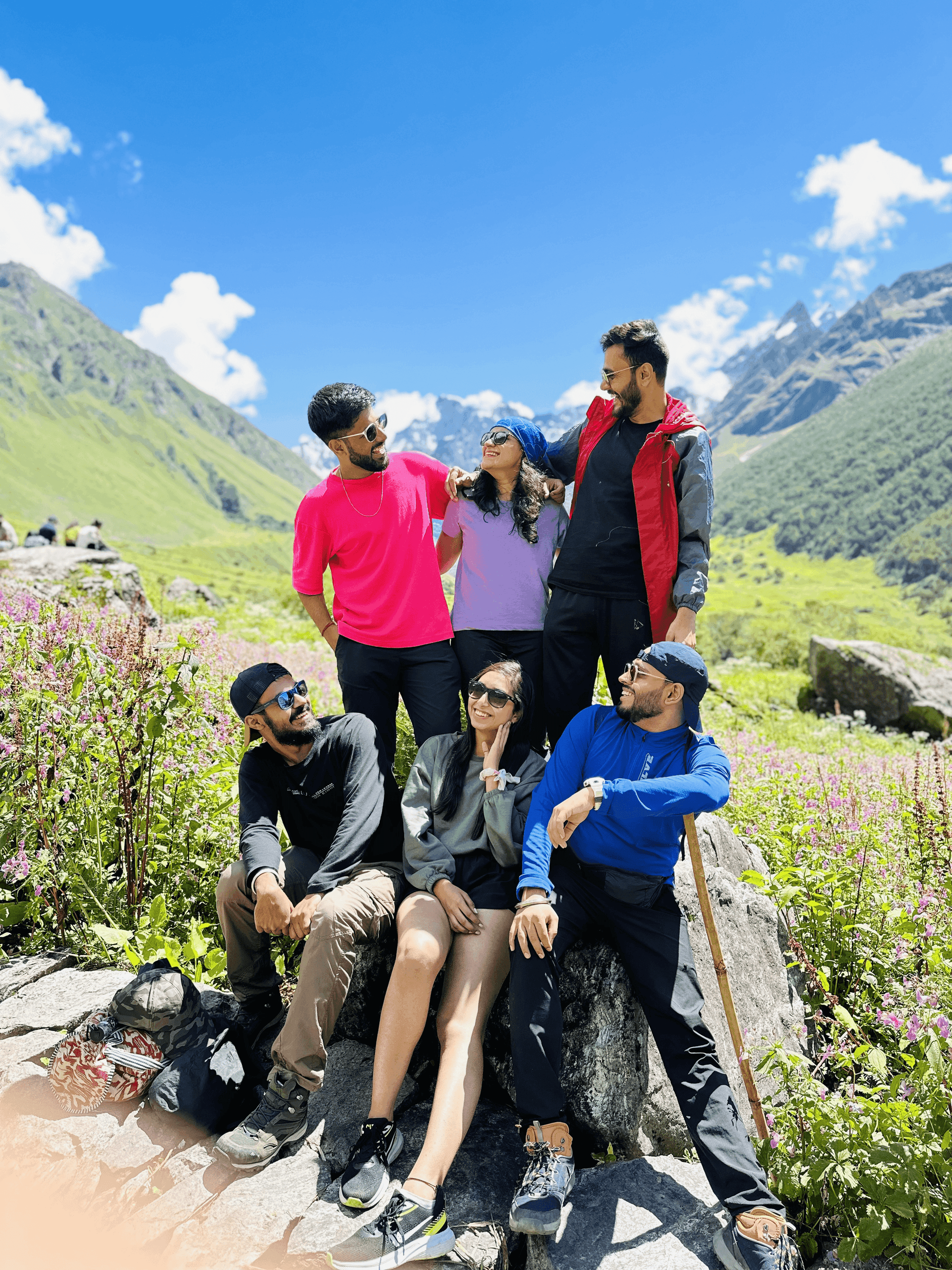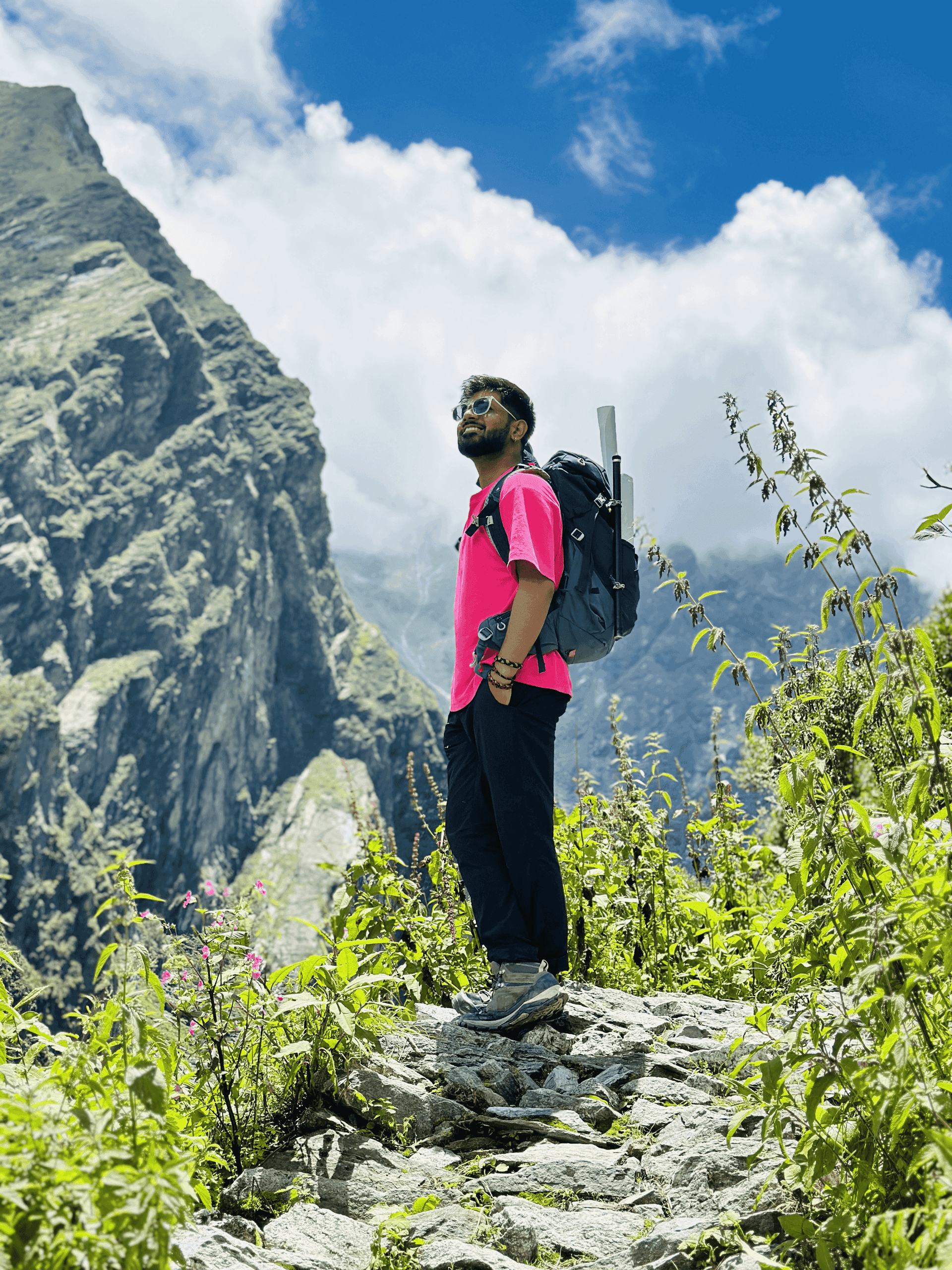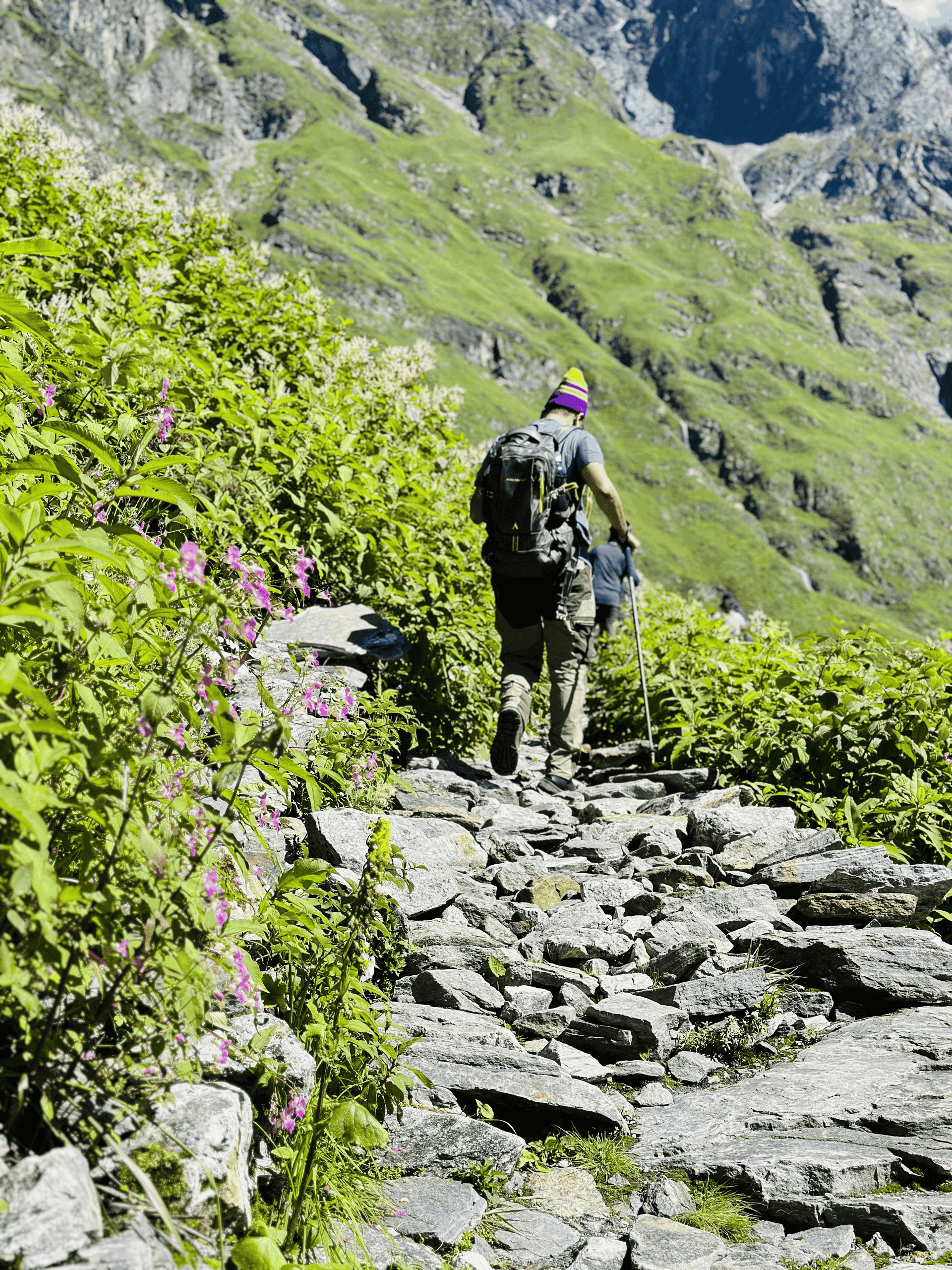
Uttarakhand is home to some of India's most iconic Himalayan treks. From the snow-covered trails of Kedarkantha and the colourful Valley of Flowers to the panoramic Kuari Pass and the glacier landscapes of Gaumukh Tapovan, every trek offers a completely different experience.
Choosing the right trek isn't about picking the most famous one. The best trail depends on your fitness level, the season you're travelling, the number of days you have available and whether you're looking for snow, alpine meadows, mountain villages, glaciers or high-altitude adventures.
This guide compares Uttarakhand's most popular treks based on difficulty, duration, altitude, best season and the experience each trail offers, helping you confidently choose the trek that's right for you.
If you're comparing trekking destinations across the country, our Best Treks in India guide explores some of India's best trekking experiences across different regions and seasons.
Why Trek in Uttarakhand?
Uttarakhand offers one of the widest varieties of trekking experiences in the Indian Himalayas. Within a single state, you can explore snow-covered forests, alpine meadows (bugyals), glacier valleys, sacred mountain trails, high-altitude lakes and traditional Himalayan villages.
The state is equally suitable for first-time trekkers and experienced hikers. Short trails like Nag Tibba and Chopta Tungnath Chandrashila are ideal for beginners, while routes such as Gaumukh Tapovan and Kedartal provide challenging high-altitude adventures. Seasonal highlights like the Valley of Flowers ensure there's always a memorable trek to experience, regardless of when you visit.
Most trekking routes also begin from well-connected base towns such as Dehradun, Rishikesh, Joshimath and Sankri, making Uttarakhand one of the easiest Himalayan states to explore.
If you're planning a longer holiday, our Uttarakhand Travel Guide can help you combine trekking with hill stations, wildlife, pilgrimage destinations and scenic road trips across the state.
Uttarakhand Trek Comparison at a Glance
Not every trek offers the same experience. Some are perfect for beginners, while others are designed for experienced trekkers seeking higher altitudes or longer expeditions.
Use the comparison below to quickly identify the trek that best matches your travel style.
Trek | Difficulty | Duration | Maximum Altitude | Best Season | Best For | Signature Experience |
| Kedarkantha | Easy to Moderate | 5–6 Days | 3,810 m | Dec–Apr | Snow trekking | Juda Ka Talab, summit sunrise and winter landscapes |
| Valley of Flowers | Easy | 5–6 Days | 4,329 m* | Jul–Sep | Nature lovers | UNESCO-listed alpine flowers and Hemkund Sahib |
| Chopta Tungnath Chandrashila | Easy | 2–3 Days | 4,000 m | Mar–Jun, Sep–Dec | Beginners | Tungnath Temple and panoramic Himalayan sunrise |
| Nag Tibba | Easy | 2 Days | 3,022 m | Oct–Apr | Weekend trekking | Camping with Himalayan summit views |
| Har Ki Dun | Moderate | 7–8 Days | 3,566 m | Apr–Jun, Sep–Nov | Valley trekking | Ancient villages and lush valleys |
| Kuari Pass | Moderate | 5–6 Days | 3,820 m | Dec–Mar, Apr–Jun | Mountain views | Nanda Devi, Dronagiri and Trishul panoramas |
| Brahmatal | Moderate | 6 Days | 3,735 m | Dec–Mar | Winter trekking | Frozen alpine lakes and snow trails |
| Dayara Bugyal | Easy to Moderate | 4–5 Days | 3,408 m | Dec–Mar, May–Jun | Beginners & families | Expansive alpine meadows |
| Gaumukh Tapovan | Difficult | 8–9 Days | 4,463 m | May–Jun, Sep–Oct | Glacier trekking | Source of the Ganga and Mount Shivling |
| Pindari Glacier | Moderate | 6–7 Days | 3,820 m | Apr–Jun, Sep–Oct | Glacier landscapes | Classic Himalayan glacier trail |
| Kedartal | Difficult | 6–7 Days | 4,912 m | May–Jun, Sep–Oct | Experienced trekkers | High-altitude alpine lake |
| Ali Bedni Bugyal | Moderate | 6–8 Days | 3,354 m | May–Jun, Sep–Nov | Meadow trekking | Rolling bugyals and shepherd trails |
| Satopanth Lake | Difficult | 7–8 Days | 4,600 m | May–Jun, Sep | Adventure seekers | Sacred high-altitude lake |
| Phulara Ridge | Moderate | 5–6 Days | 3,700 m | May–Jun, Sep–Nov | Ridge trekking | Continuous Himalayan ridgeline walk |
| Deoriatal | Easy | 1–2 Days | 2,438 m | Oct–Apr | Short escapes | Reflections of Chaukhamba Peak |
*Altitude includes the optional Hemkund Sahib extension, which many trekkers complete alongside the Valley of Flowers trek.
Best Treks for Beginners in Uttarakhand
You don't need prior Himalayan trekking experience to enjoy Uttarakhand's mountains. Several trails offer manageable distances, gradual ascents and rewarding views, making them ideal for first-time trekkers.
If you're just getting started, these are among the best options.
Trek | Duration | Why It's Ideal for Beginners |
| Nag Tibba | 2 Days | Short trek with camping and panoramic mountain views |
| Chopta Tungnath Chandrashila | 2–3 Days | Easy trail combining nature, temples and Himalayan viewpoints |
| Valley of Flowers | 5–6 Days | Well-maintained route through one of India's most beautiful national parks |
| Dayara Bugyal | 4–5 Days | Gentle gradients across expansive alpine meadows |
Even beginner-friendly treks require a reasonable level of fitness. Regular walking, stair climbing or light cardio before your trip will make the experience far more comfortable.
Best Treks by Season
The best trekking experience depends largely on when you visit. While some trails are famous for winter snowfall, others are best explored during summer or the monsoon.
Winter Treks (December to March)
Winter transforms Uttarakhand into one of India's best destinations for snow trekking.
Trek | Why Visit in Winter |
| Kedarkantha | Reliable snowfall, frozen forests and rewarding summit views |
| Brahmatal | Snow-covered trails with frozen alpine lakes |
| Kuari Pass | Panoramic Himalayan views with winter landscapes |
| Dayara Bugyal | Vast meadows blanketed in snow |
Planning Tip: Kedarkantha is especially busy during Christmas and New Year. If you prefer quieter trails, consider Brahmatal or Dayara Bugyal, which offer equally beautiful winter scenery with fewer crowds.
Summer Treks (April to June)
Summer offers pleasant weather and excellent visibility, making it one of the most popular trekking seasons.
Trek | Why Visit in Summer |
| Har Ki Dun | Lush valleys and traditional Himalayan villages |
| Kuari Pass | Clear views of Nanda Devi and surrounding peaks |
| Pindari Glacier | Comfortable trekking conditions with glacier views |
| Gaumukh Tapovan | Ideal season for glacier and high-altitude trekking |
Monsoon Treks (July to September)
Although many Himalayan trails become challenging during the monsoon, one trek reaches its peak during this season.
Trek | Why Visit During Monsoon |
| Valley of Flowers | Peak blooming season with thousands of alpine flowers |
| Ali Bedni Bugyal (late monsoon) | Lush green meadows after seasonal rainfall |
Seasonal Note: Treks such as Kedarkantha and Har Ki Dun are generally avoided during periods of heavy monsoon rainfall because landslides and trail conditions can affect accessibility.
Best Weekend Treks in Uttarakhand
Not every trek requires a week-long holiday. These shorter trails are perfect for travellers looking for a quick Himalayan escape.
Trek | Duration | Best For |
| Nag Tibba | 2 Days | First-time trekkers and weekend travellers |
| Chopta Tungnath Chandrashila | 2–3 Days | Sunrise views and temple trekking |
| Deoriatal | 1–2 Days | Easy hiking and lakeside camping |
Trek Basecamp Transit Guide
Most trekking routes begin from small mountain villages rather than major cities. Planning your journey to the base camp makes your itinerary much smoother.
Trek | Base Camp | Nearest Major Hub | Approximate Road Journey |
| Kedarkantha | Sankri | Dehradun | 8–10 hours |
| Har Ki Dun | Sankri | Dehradun | 8–10 hours |
| Nag Tibba | Pantwari | Dehradun | 3 hours |
| Valley of Flowers | Govindghat | Rishikesh | 9–10 hours |
| Kuari Pass | Joshimath | Rishikesh | 10–11 hours |
| Chopta Tungnath Chandrashila | Chopta | Rishikesh | 7–8 hours |
If you're travelling from another state, consider arriving in Dehradun, Rishikesh or Kathgodam a day before your trek begins to avoid delays caused by long mountain road journeys.
High-Altitude Trekking Tips
Several popular treks in Uttarakhand, including Kedarkantha, Kuari Pass, Gaumukh Tapovan and Kedartal, take you above 3,500 metres, where the risk of altitude sickness increases.
Before starting your trek:
- Stay well hydrated throughout the journey.
- Ascend gradually whenever possible.
- Avoid alcohol before and during high-altitude treks.
- Listen to your body and descend if you experience severe symptoms such as persistent headache, dizziness or difficulty breathing.
- If you have an existing medical condition, consult your doctor before attempting a high-altitude trek.
Trek Permits at a Glance
While many trekking routes are open to visitors, some pass through protected forests and national parks where permits or entry fees apply.
Trek | Permit Requirement |
| Kedarkantha | Forest entry fee at Govind Pashu Vihar National Park |
| Har Ki Dun | Forest entry fee at Govind Pashu Vihar National Park |
| Valley of Flowers | National Park entry ticket |
| Gaumukh Tapovan | Forest permit required |
| Kedartal | Check the latest local permit requirements before travelling |
If you're joining an organised trek, permits are usually arranged by the trek operator. Independent travellers should verify the latest entry requirements before starting their trek.
Kedarkantha Trek
Often regarded as India's most popular winter trek, Kedarkantha is the perfect introduction to Himalayan snow trekking. If you want a detailed breakdown of the route, difficulty, best time and preparation, see our Kedarkantha Trek Guide. Located inside Govind Pashu Vihar National Park, the trail passes through pine and oak forests, frozen lakes, open meadows and snow-covered campsites before reaching the summit at 3,810 metres.
The trek's biggest attraction is its accessibility. Unlike many high-altitude snow treks, Kedarkantha offers spectacular Himalayan views without requiring technical climbing experience, making it a favourite among first-time trekkers.
Trek Overview
Difficulty | Easy to Moderate |
| Duration | 5–6 Days |
| Maximum Altitude | 3,810 m |
| Best Time | December to April |
| Base Camp | Sankri |
Signature Experiences
- Camp beside the frozen Juda Ka Talab.
- Walk through snow-covered pine and oak forests.
- Witness sunrise from the Kedarkantha summit with views of Swargarohini, Black Peak and Bandarpoonch.
- One of India's most reliable winter snow treks.
Best for: First-time snow trekkers, photographers and winter adventure enthusiasts.
Valley of Flowers Trek
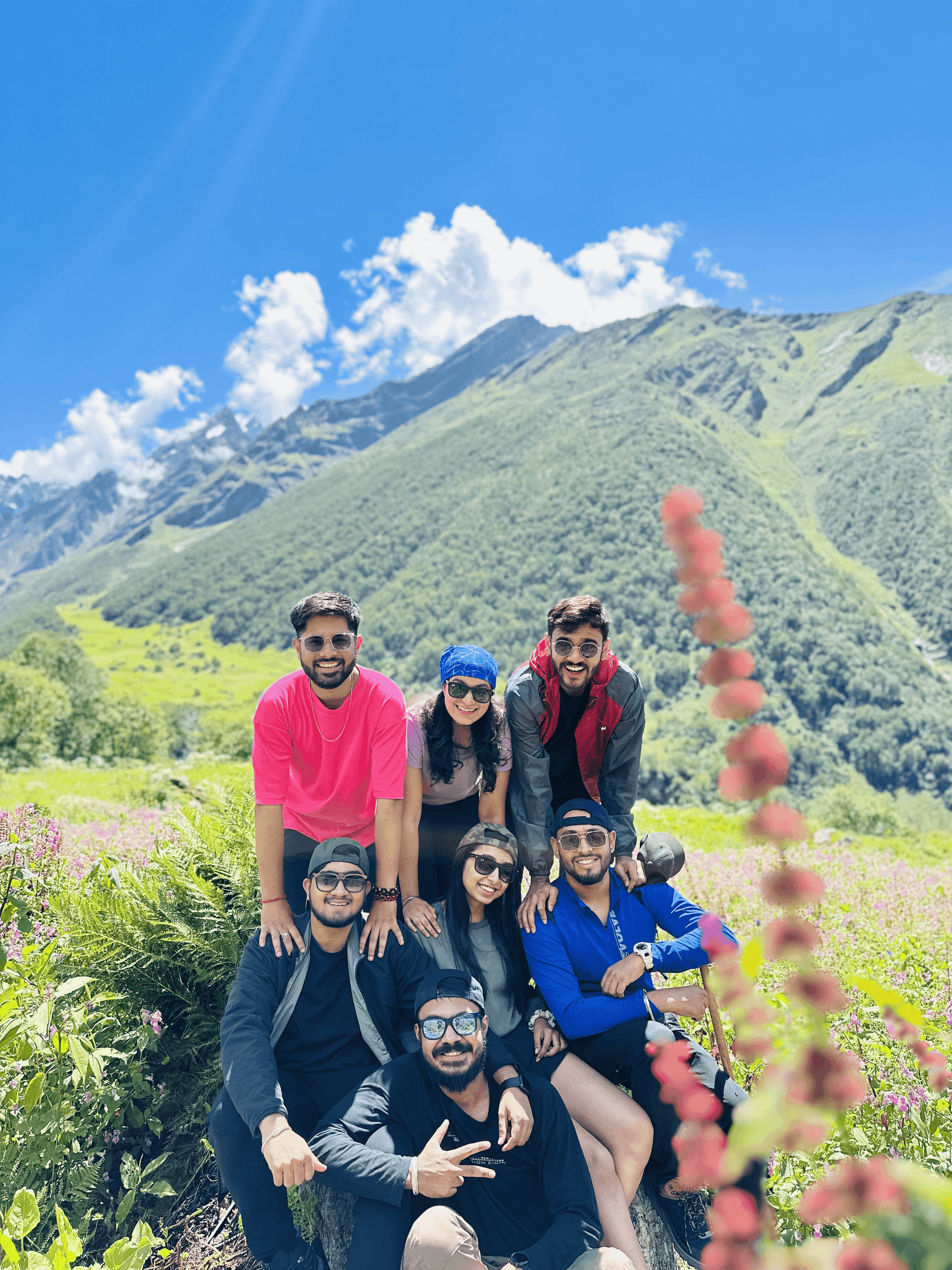
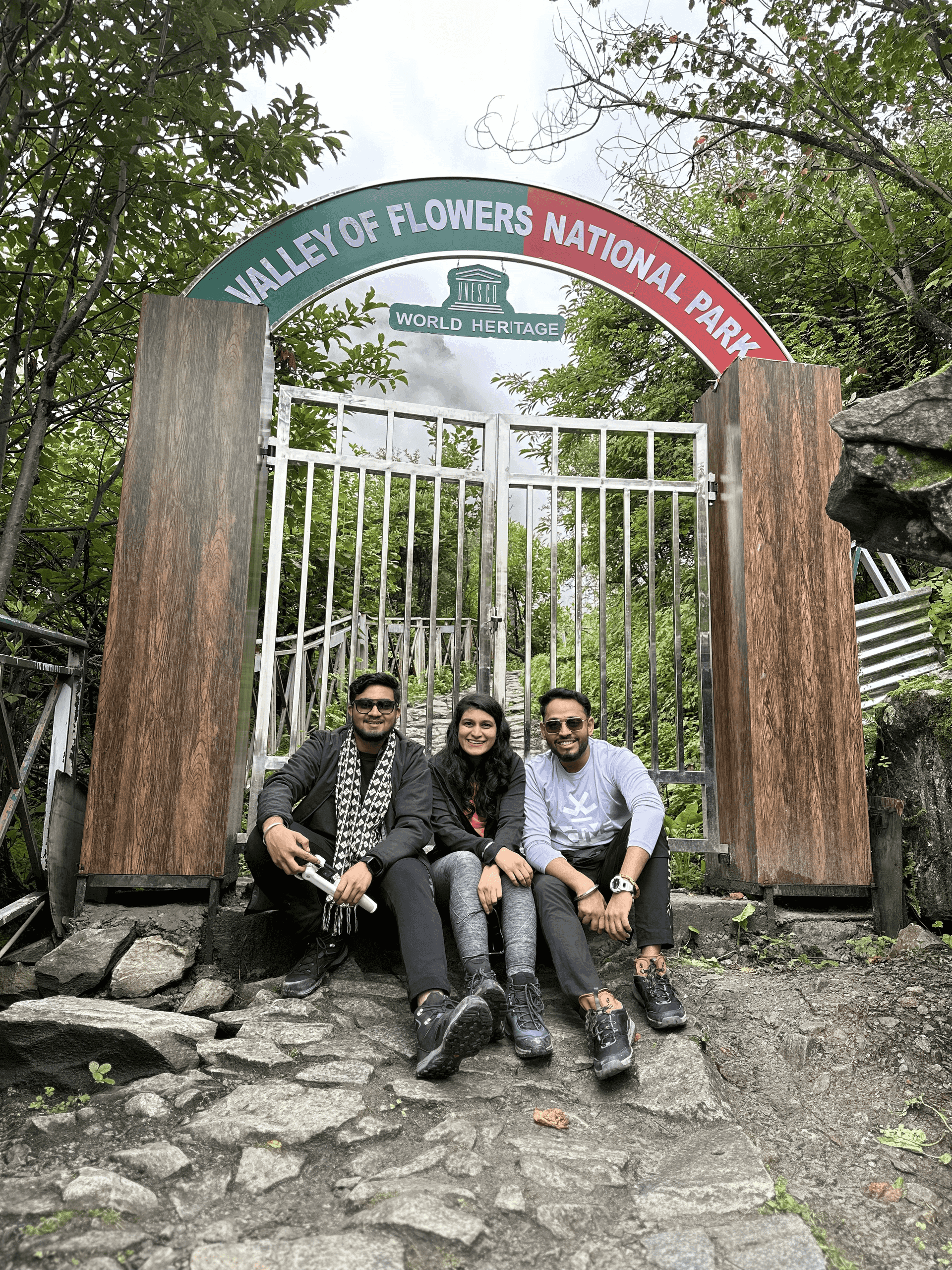
A UNESCO World Heritage Site, the Valley of Flowers is one of the most unique trekking experiences in India. Every monsoon, the valley transforms into a colourful carpet of alpine flowers, attracting botanists, photographers and nature lovers from around the world.
Unlike summit-focused Himalayan treks, this journey is about experiencing the landscape itself. The trail follows rivers, waterfalls and mountain slopes before opening into a vast valley where hundreds of seasonal flower species bloom between July and September.
Many trekkers also extend their journey to Hemkund Sahib, one of the world's highest Sikh pilgrimage sites.
Trek Overview
Difficulty | Easy |
| Duration | 5–6 Days |
| Maximum Altitude | 4,329 m* |
| Best Time | July to September |
| Base Camp | Govindghat |
Signature Experiences
- Explore a UNESCO-listed national park.
- Witness one of India's largest seasonal wildflower blooms.
- Spot Himalayan birds, butterflies and rare alpine plants.
- Combine the trek with a visit to Hemkund Sahib.
Best for: Nature lovers, photographers, families and monsoon travellers.
Planning this trek in detail? Our Valley of Flowers Trek Guide covers the route, season, preparation and other practical details.
Chopta Tungnath Chandrashila Trek
Few Himalayan treks combine spirituality, natural beauty and accessibility as well as the Chopta Tungnath Chandrashila Trek. Beginning from the peaceful hill station of Chopta, the trail first reaches Tungnath Temple, believed to be the highest Shiva temple in the world, before continuing to the Chandrashila summit.
Although relatively short, the trek rewards hikers with sweeping views of Himalayan peaks including Nanda Devi, Chaukhamba, Trishul and Kedarnath. For a more detailed look at the route, difficulty, best time and planning requirements, see our Chopta Tungnath Chandrashila Trek Guide.
The trail remains popular throughout the year. Spring brings blooming rhododendron forests, while winter covers the route in snow, creating an entirely different experience.
Trek Overview
Difficulty | Easy |
| Duration | 2–3 Days |
| Maximum Altitude | 4,000 m |
| Best Time | March to June, September to December |
| Base Camp | Chopta |
Signature Experiences
- Visit the world's highest Shiva temple.
- Watch sunrise from Chandrashila Peak.
- Enjoy panoramic views of some of Uttarakhand's highest mountains.
- Ideal balance of adventure and spirituality.
Best for: Beginners, weekend travellers and spiritual travellers.
Nag Tibba Trek
If you're looking for your first Himalayan trekking experience, Nag Tibba is one of the best places to start. Located close to Mussoorie, this short trek combines forest trails, camping and rewarding summit views without requiring several days in the mountains.
Its proximity to Dehradun makes it one of Uttarakhand's most accessible trekking destinations, particularly for travellers from Delhi NCR planning a weekend adventure.
Trek Overview
Difficulty | Easy |
| Duration | 2 Days |
| Maximum Altitude | 3,022 m |
| Best Time | October to April |
| Base Camp | Pantwari |
Signature Experiences
- One of Uttarakhand's best weekend treks.
- Easy summit suitable for beginners.
- Scenic camping beneath clear Himalayan skies.
- Views of Bandarpoonch, Swargarohini and Gangotri peaks.
Best for: First-time trekkers, families and weekend travellers.
If you're planning to combine trekking with sightseeing, our Places to Visit in Uttarakhand guide highlights nearby hill stations, pilgrimage destinations, wildlife parks and scenic attractions that can easily be added to your itinerary.
Har Ki Dun Trek
Known as the "Valley of Gods," the Har Ki Dun Trek is one of Uttarakhand's oldest and most scenic Himalayan trails. Unlike summit-focused treks, this journey is about experiencing traditional mountain life, dense forests, rivers, wooden villages and broad alpine valleys that have remained largely unchanged for centuries.
The trail passes through villages such as Osla and Seema, where you'll see traditional Himalayan architecture and experience the culture of local communities living deep in the Garhwal Himalayas. During spring and autumn, the valley offers lush landscapes, snow-capped mountain views and pleasant trekking conditions.
Trek Overview
Difficulty | Moderate |
| Duration | 7–8 Days |
| Maximum Altitude | 3,566 m |
| Best Time | April to June, September to November |
| Base Camp | Sankri |
Signature Experiences
- Walk through centuries-old Himalayan villages.
- Camp beside rivers and alpine meadows.
- Enjoy views of Swargarohini and surrounding peaks.
- Experience one of Uttarakhand's most culturally rich trekking routes.
Best for: Nature lovers, photographers and trekkers looking for a classic Himalayan valley experience.
Planning a Har Ki Dun trek? Our Har Ki Dun Trek Guide covers the route and practical planning details in more depth.
Kuari Pass Trek
The Kuari Pass Trek, also known as the Lord Curzon Trail, is famous for offering some of the finest mountain panoramas in Uttarakhand. The route crosses forests, open meadows and mountain ridges before revealing breathtaking views of Nanda Devi, Dronagiri, Kamet, Trishul and several other Himalayan peaks.
Unlike many high-altitude treks, Kuari Pass combines excellent scenery with moderate difficulty, making it suitable for trekkers who want a rewarding Himalayan experience without attempting a technically demanding expedition.
Trek Overview
Difficulty | Moderate |
| Duration | 5–6 Days |
| Maximum Altitude | 3,820 m |
| Best Time | December to March, April to June |
| Base Camp | Joshimath |
Signature Experiences
- Panoramic views of some of India's highest mountains.
- Scenic forest trails and alpine meadows.
- Excellent choice for both spring and winter trekking.
- Historic trail once explored by Lord Curzon.
Best for: Mountain lovers, photographers and intermediate trekkers.
For detailed route information and practical planning advice, see our Kuari Pass Trek Guide.
Other Popular Treks Worth Exploring
Beyond Uttarakhand's most famous trekking routes, several lesser-known trails offer equally rewarding experiences. If you're looking for quieter landscapes, fewer crowds or a new challenge after completing the state's classic treks, these are excellent options.
Trek | Best Known For |
| Brahmatal Trek | Winter snow trekking and frozen alpine lakes |
| Dayara Bugyal Trek | Expansive Himalayan meadows and beginner-friendly trails |
| Gaumukh Tapovan Trek | Trekking to the source of the River Ganga and Mount Shivling |
| Pindari Glacier Trek | One of Uttarakhand's classic glacier treks |
| Kedartal Trek | Challenging high-altitude adventure and pristine alpine lake |
| Ali Bedni Bugyal Trek | Rolling meadows, camping and Himalayan views |
| Satopanth Lake Trek | Sacred glacial lake surrounded by dramatic mountain scenery |
| Phulara Ridge Trek | Rare continuous ridge walk with panoramic Himalayan views |
| Deoriatal Trek | Short hike to a beautiful lake reflecting Chaukhamba Peak |
These treks may not receive the same attention as Kedarkantha or the Valley of Flowers, but they offer unique landscapes and are excellent choices for travellers looking to explore Uttarakhand beyond its most popular routes.
Explore Uttarakhand Beyond the Trails
Trekking is one of the best ways to experience Uttarakhand, but it's only one part of what the state has to offer. Many travellers combine their trek with visits to destinations such as Rishikesh, Mussoorie, Auli, Nainital, Kedarnath or Badrinath, creating a well-rounded Himalayan holiday.
If you're looking for a hassle-free way to explore the mountains, discover our Uttarakhand Tour Packages, which combine scenic landscapes, adventure, wildlife, pilgrimage and local experiences into carefully planned itineraries for every type of traveller.