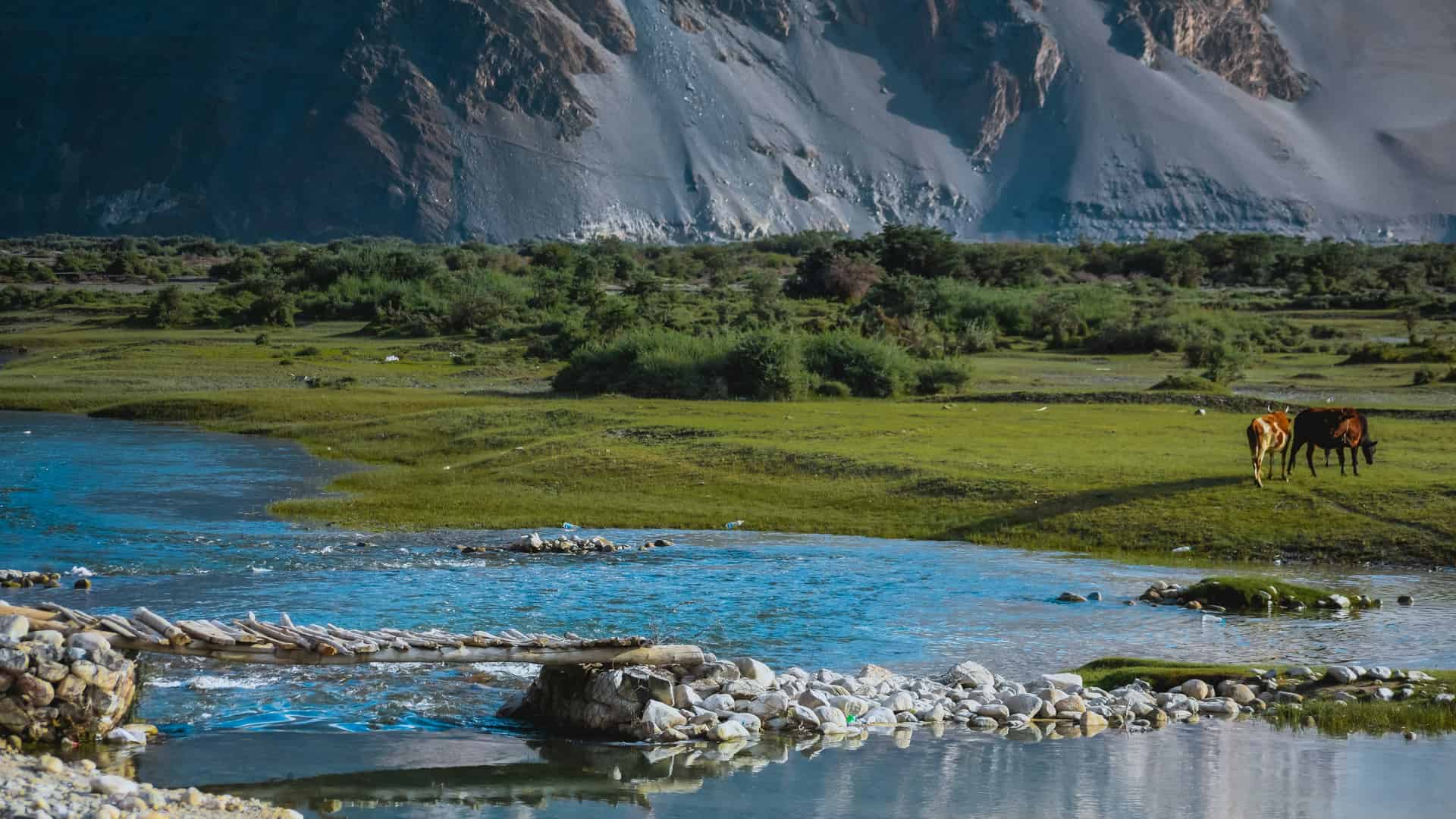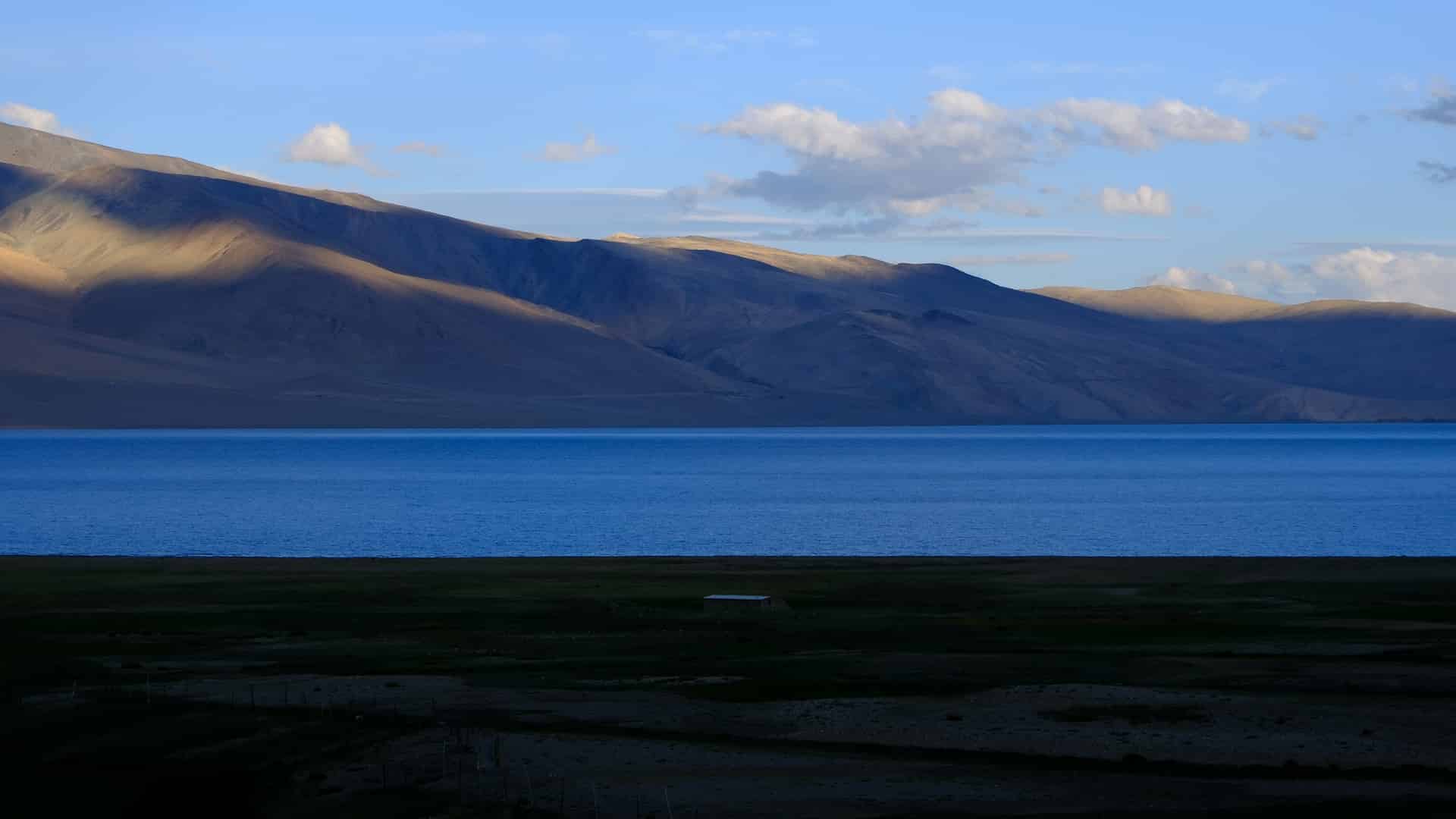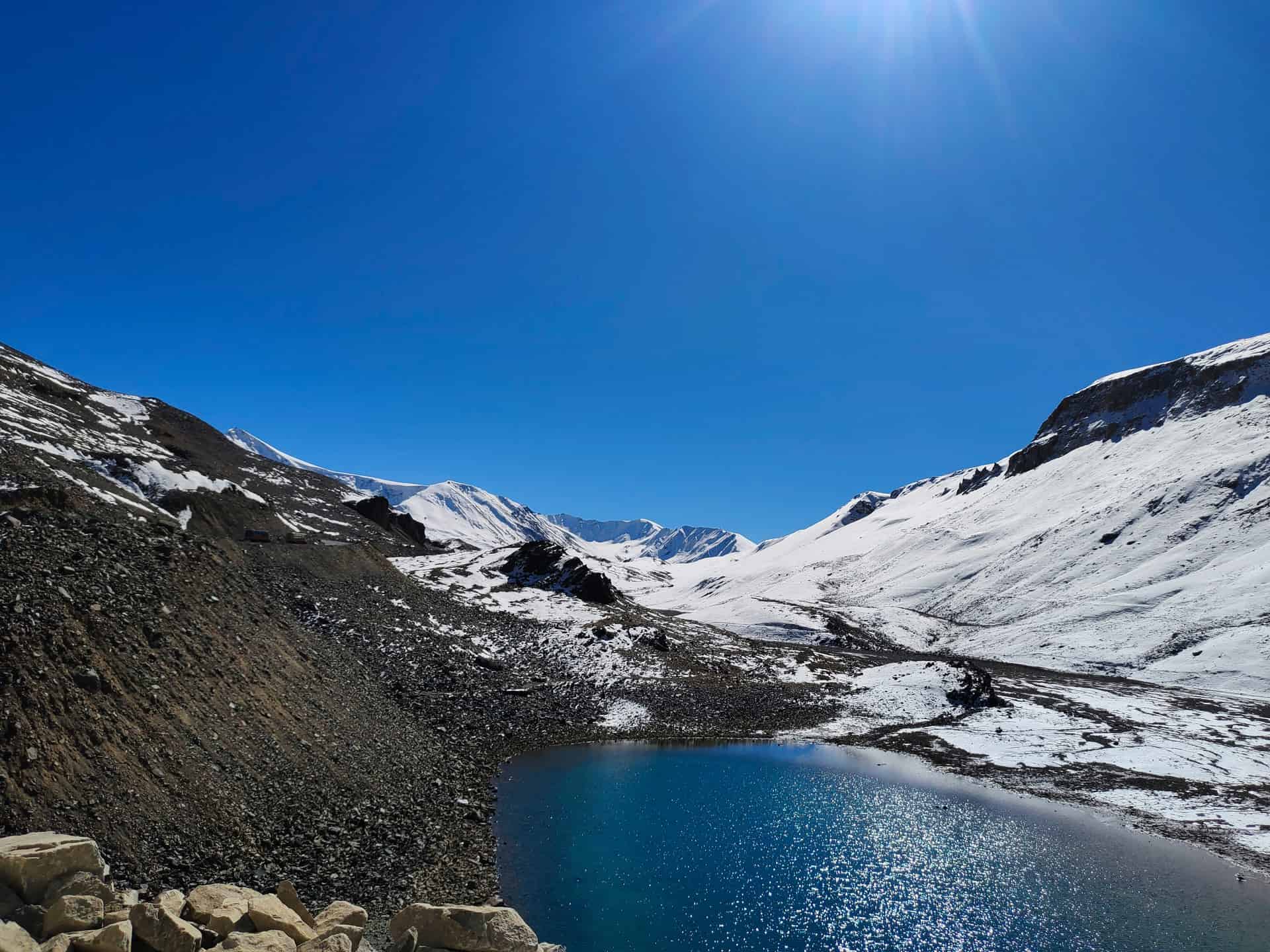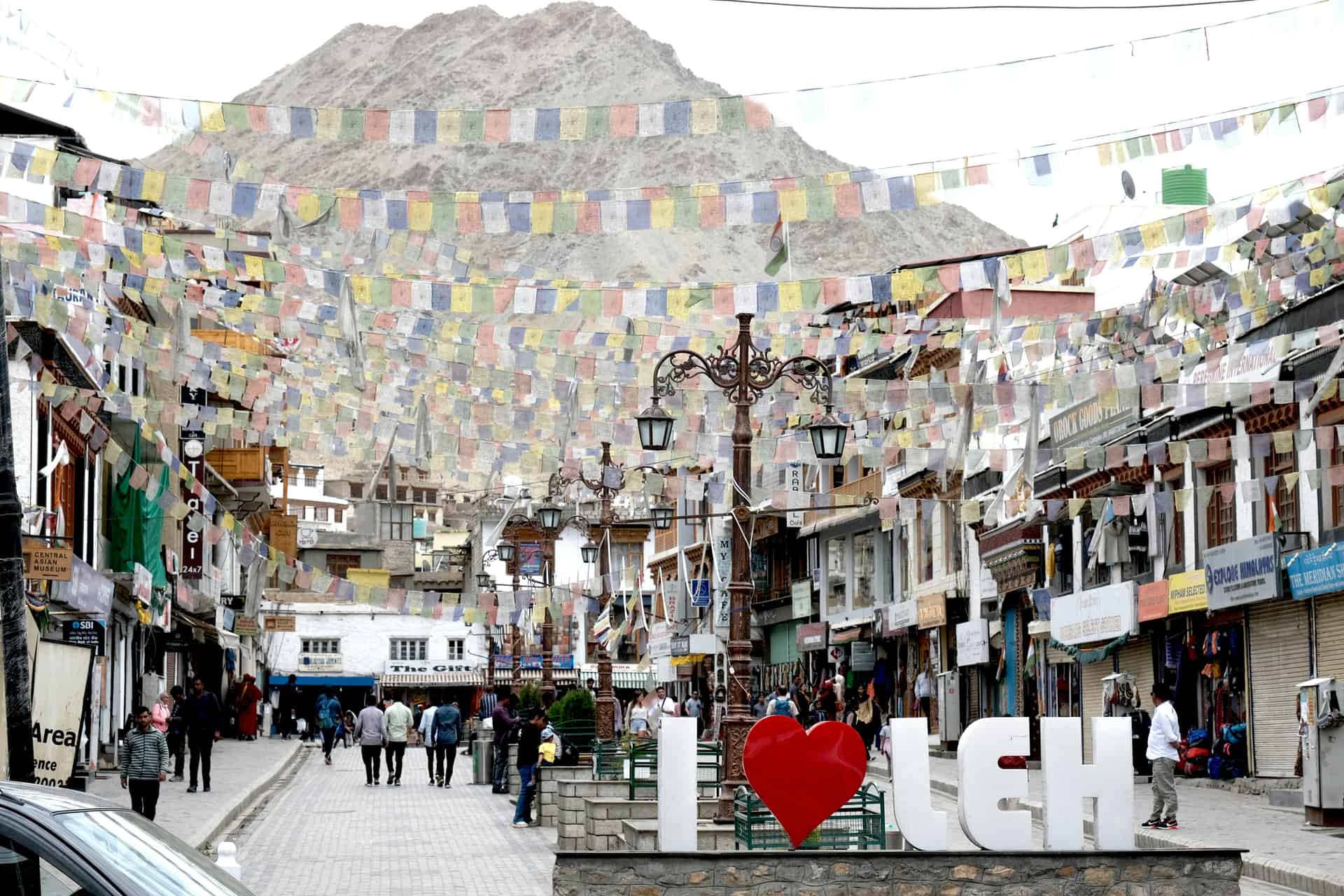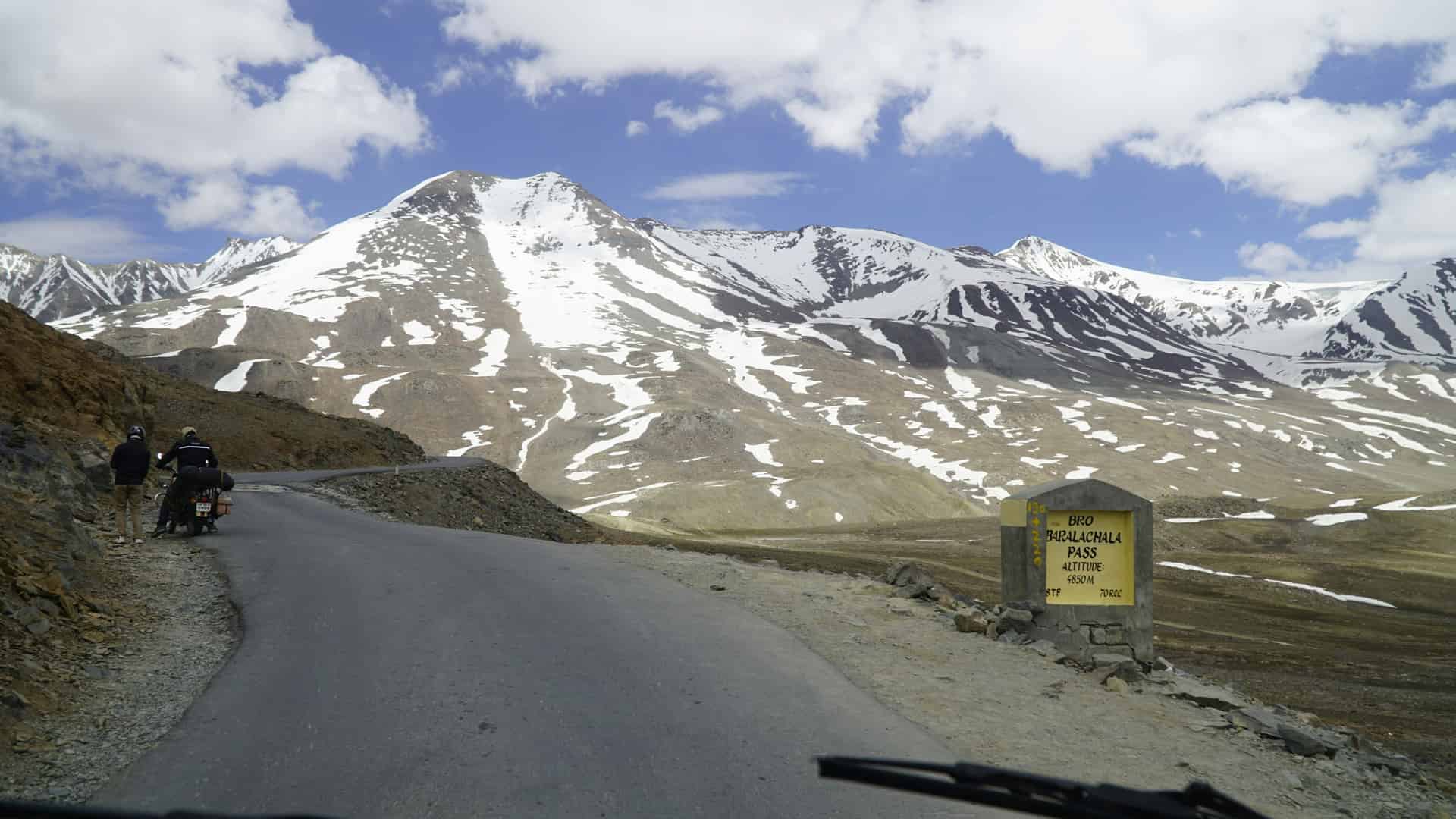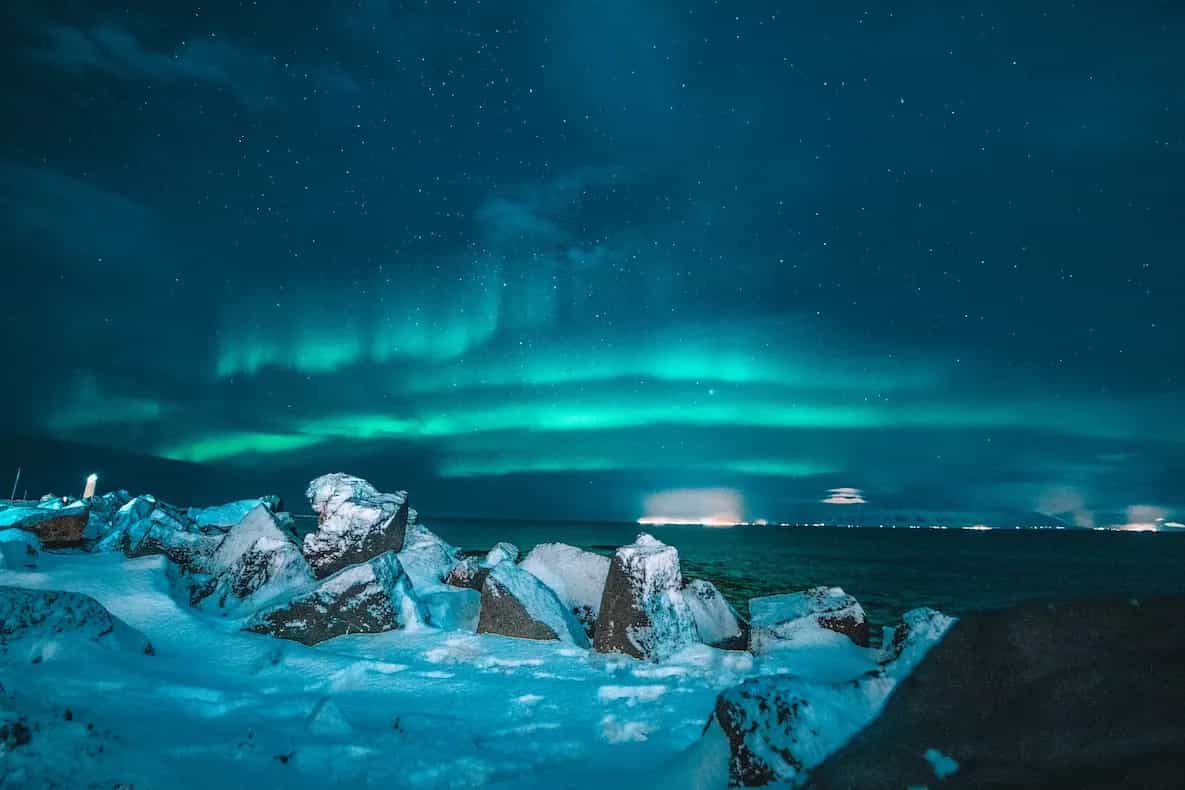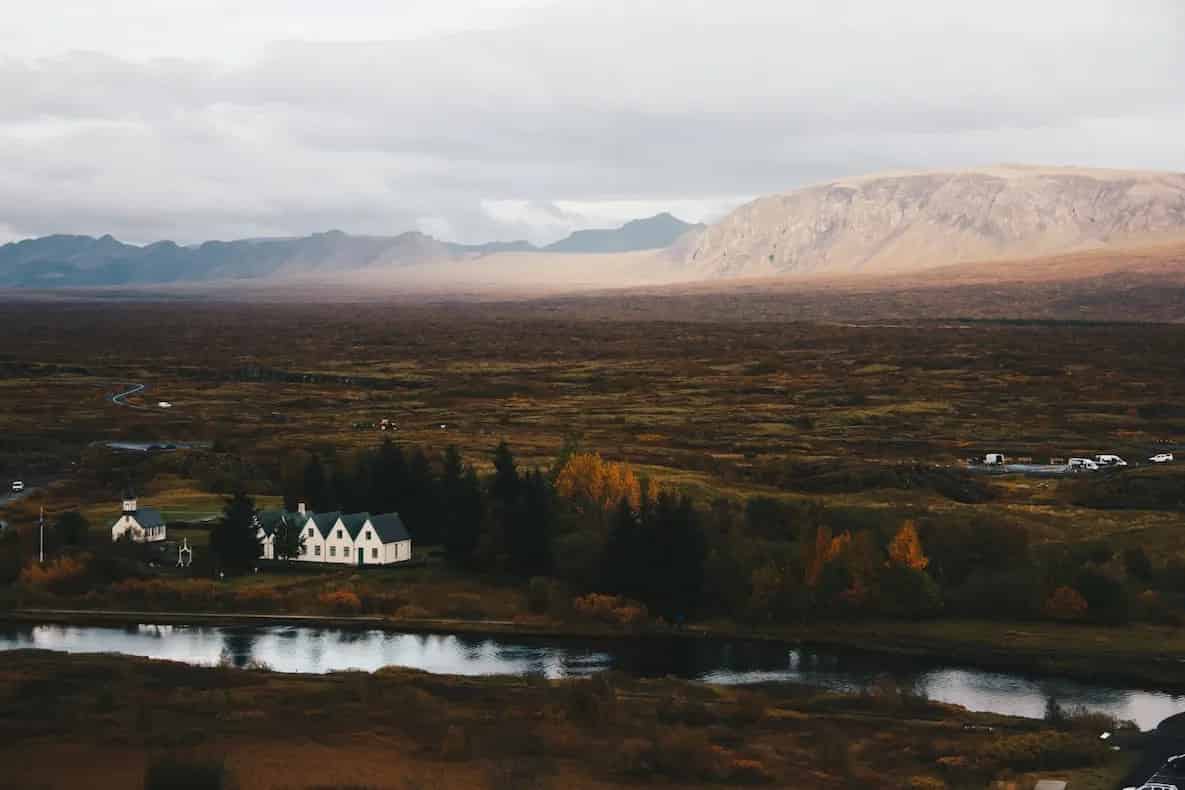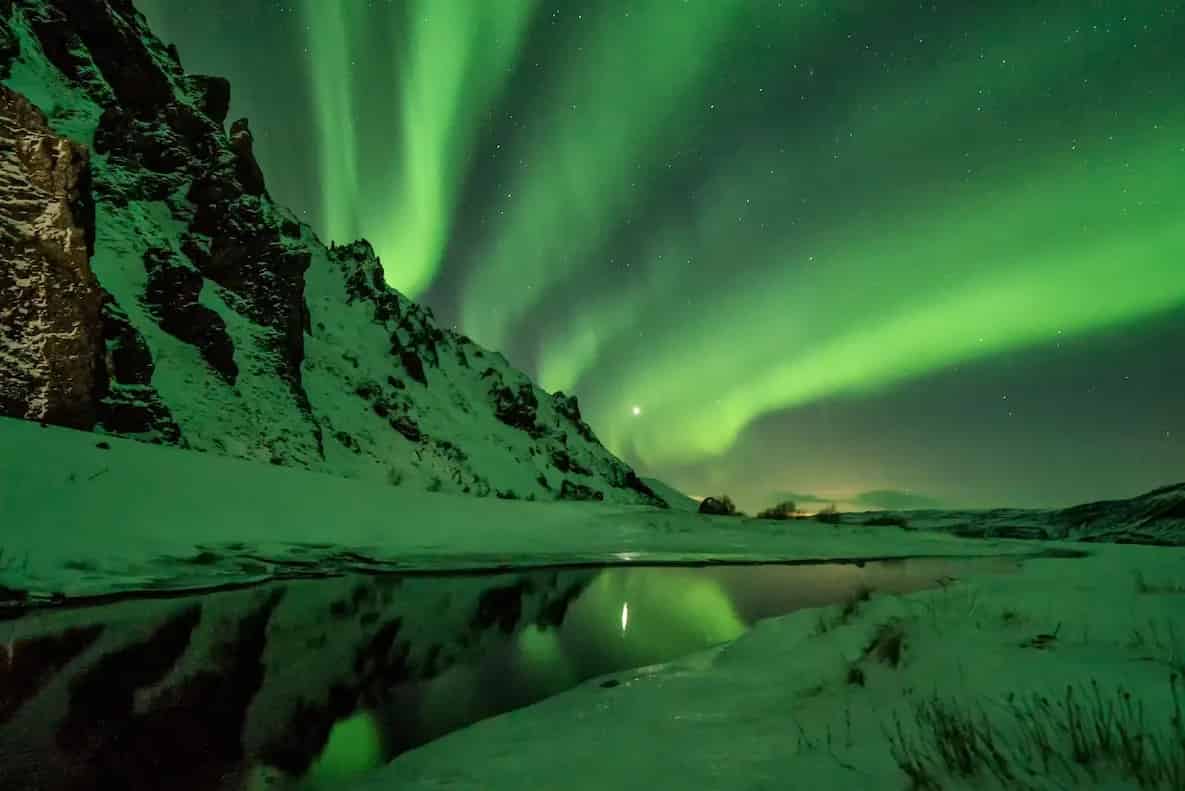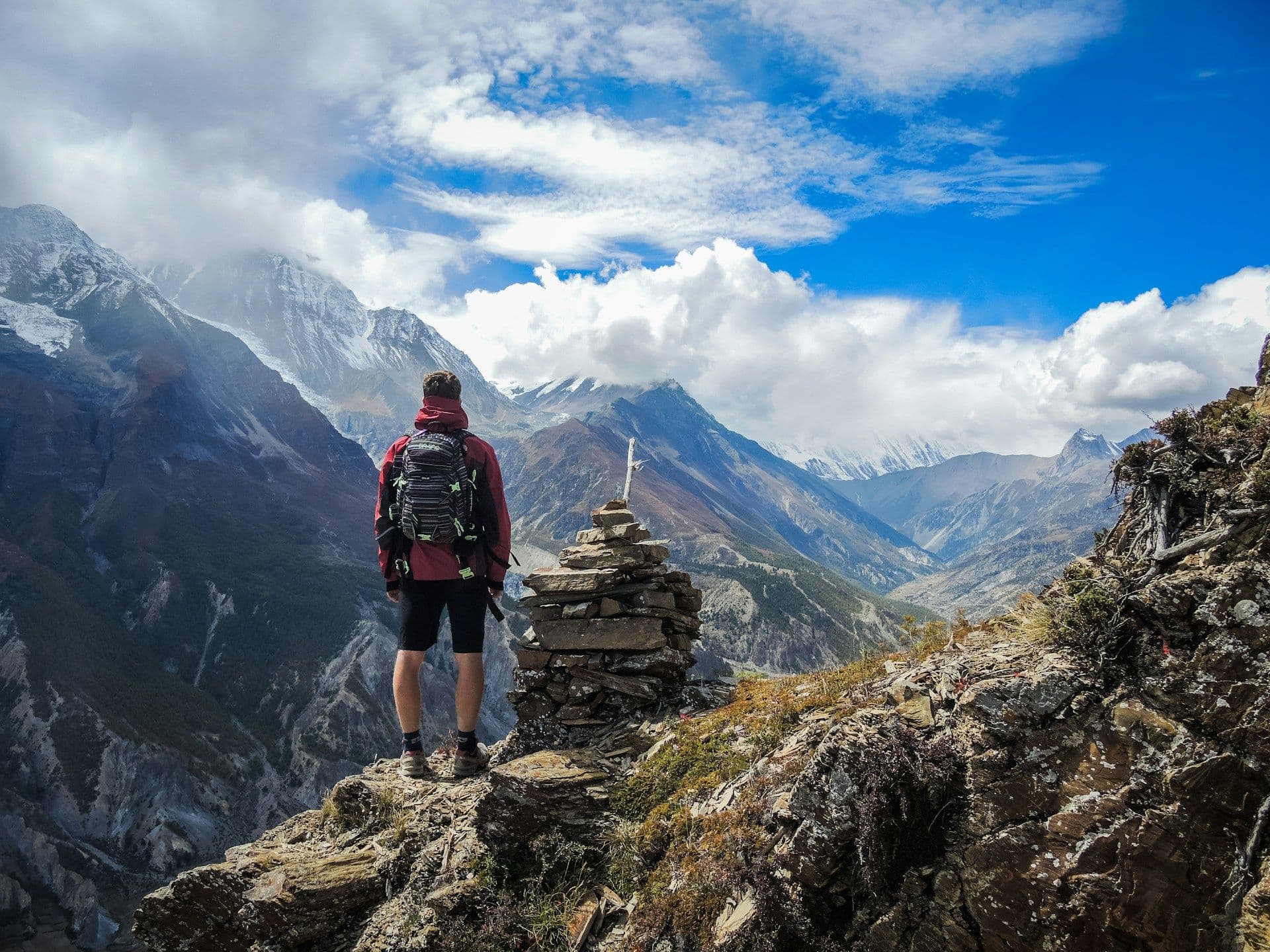
There’s a different kind of silence in the mountains once the roads end.
The noise disappears slowly.
The air feels thinner.
And the landscapes stop looking like postcards and start feeling real.
That’s what makes trekking in India so unforgettable.
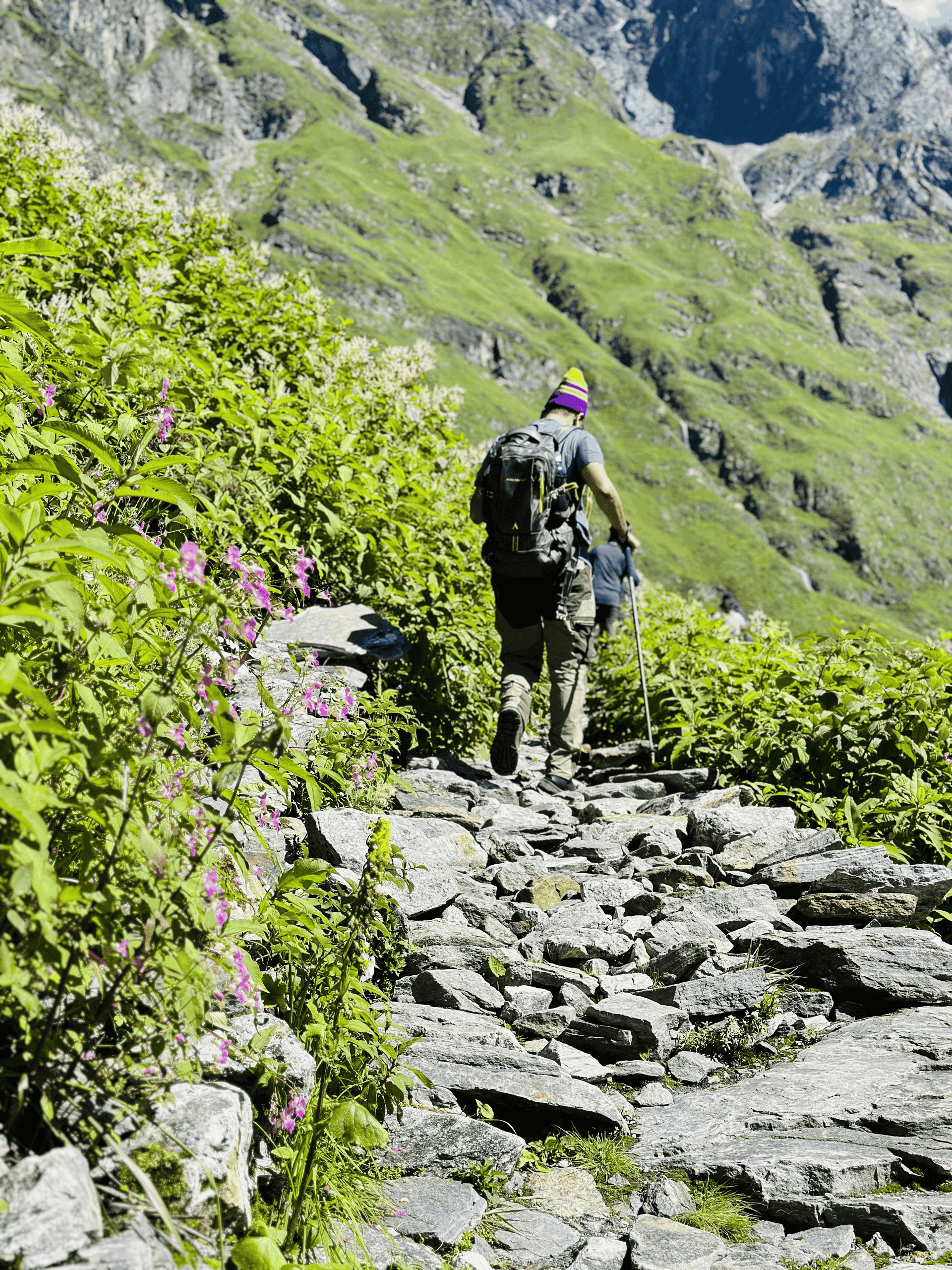
One trail might take you through flower-filled valleys in Uttarakhand.
Another through frozen forests in Himachal.
Another across the misty green hills of Karnataka during monsoon.
And somewhere in the Northeast, a trail may lead through clouds, bamboo forests, and villages hidden deep inside the mountains.
But the best treks in India are not just about reaching a summit.
They’re about walking through landscapes slowly enough to actually feel them.
From beginner-friendly weekend hikes and monsoon forest trails to difficult Himalayan expeditions crossing glaciers and high-altitude passes, India offers some of the most diverse trekking experiences in the world.
Why India is One of the Best Trekking Destinations in the World
One of the biggest reasons trekking in India feels so unique is because of the country’s geographic diversity.
Trekkers can experience:
- Himalayan glaciers
- alpine lakes
- snow-covered passes
- pine forests
- desert mountains
- rainforest trails
- monsoon valleys
- remote village routes
often within completely different parts of the country.
India also offers trekking experiences for almost every kind of traveler:
- first-time trekkers
- backpackers
- photographers
- slow travelers
- adventure seekers
- experienced mountaineers
- weekend hikers
And unlike fast-paced sightseeing trips, trekking in India often feels deeply connected with:
- local cultures
- mountain villages
- regional food
- spiritual routes
- slower Himalayan and forest lifestyles
which makes the experience feel far more immersive than traditional tourism.
Top Beginner Treks in India
Not every trek in India needs to be extreme.
Several beginner-friendly treks offer incredible mountain experiences without requiring advanced trekking skills.
Triund Trek, Himachal Pradesh
Triund remains one of the most popular beginner treks in India.
Located near Dharamshala and McLeod Ganj, the trek is known for:
- easy accessibility
- scenic Dhauladhar views
- shorter hiking duration
- beginner-friendly trails
The trek works especially well for:
- first-time trekkers
- weekend travelers
- shorter Himalayan escapes
Because of increasing crowd pressure, camping activity and overnight stays are now more carefully regulated during peak seasons.
Travelers planning this region can also explore:
for broader mountain planning.
Kedarkantha Trek, Uttarakhand
Kedarkantha is one of the most famous winter treks in India.
The trek is especially popular for:
- snowfall experiences
- pine forests
- beginner snow trekking
- winter camping
During peak winter months, the trail transforms into one of the most cinematic snow trekking experiences in the Indian Himalayas.
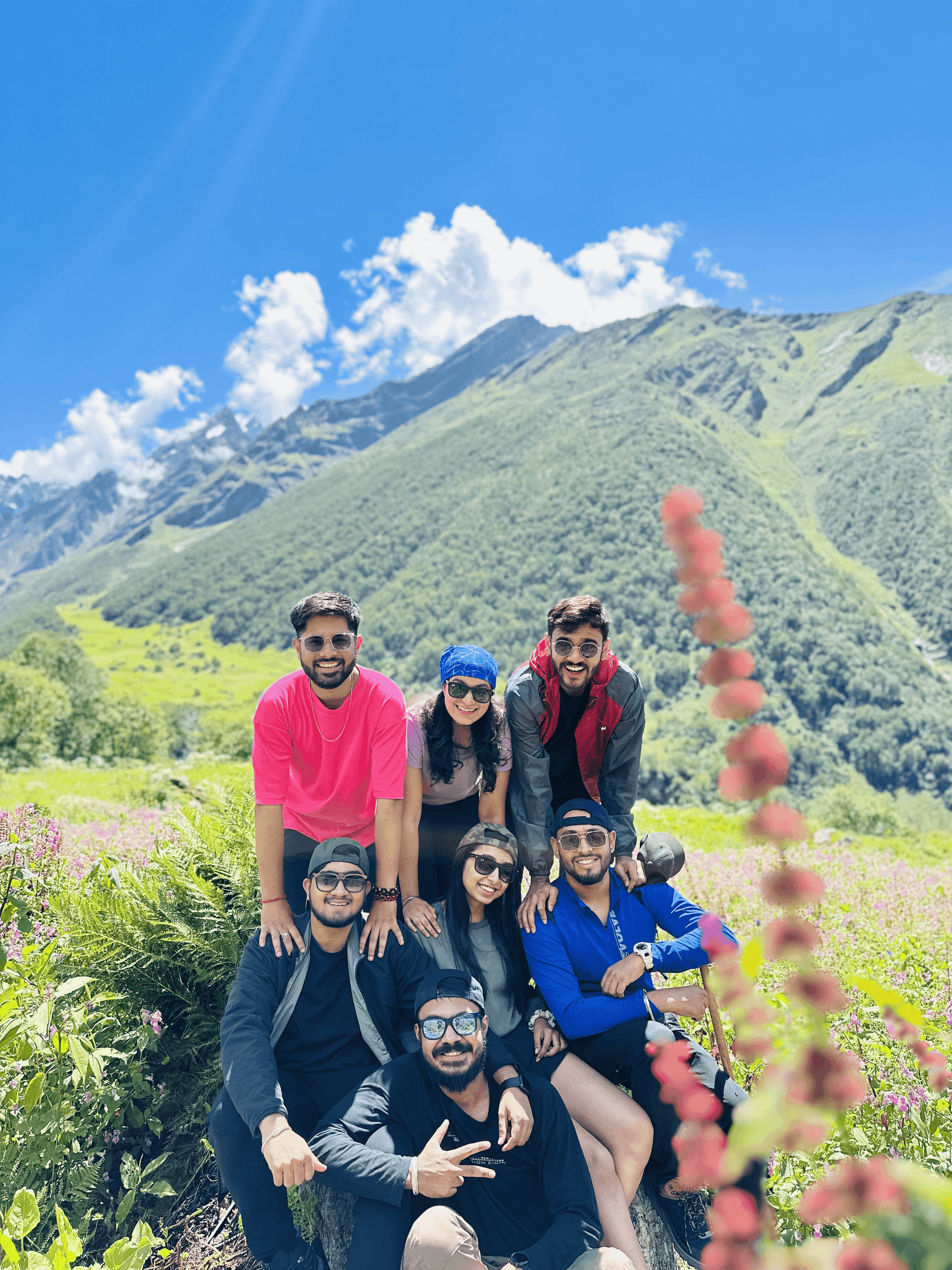
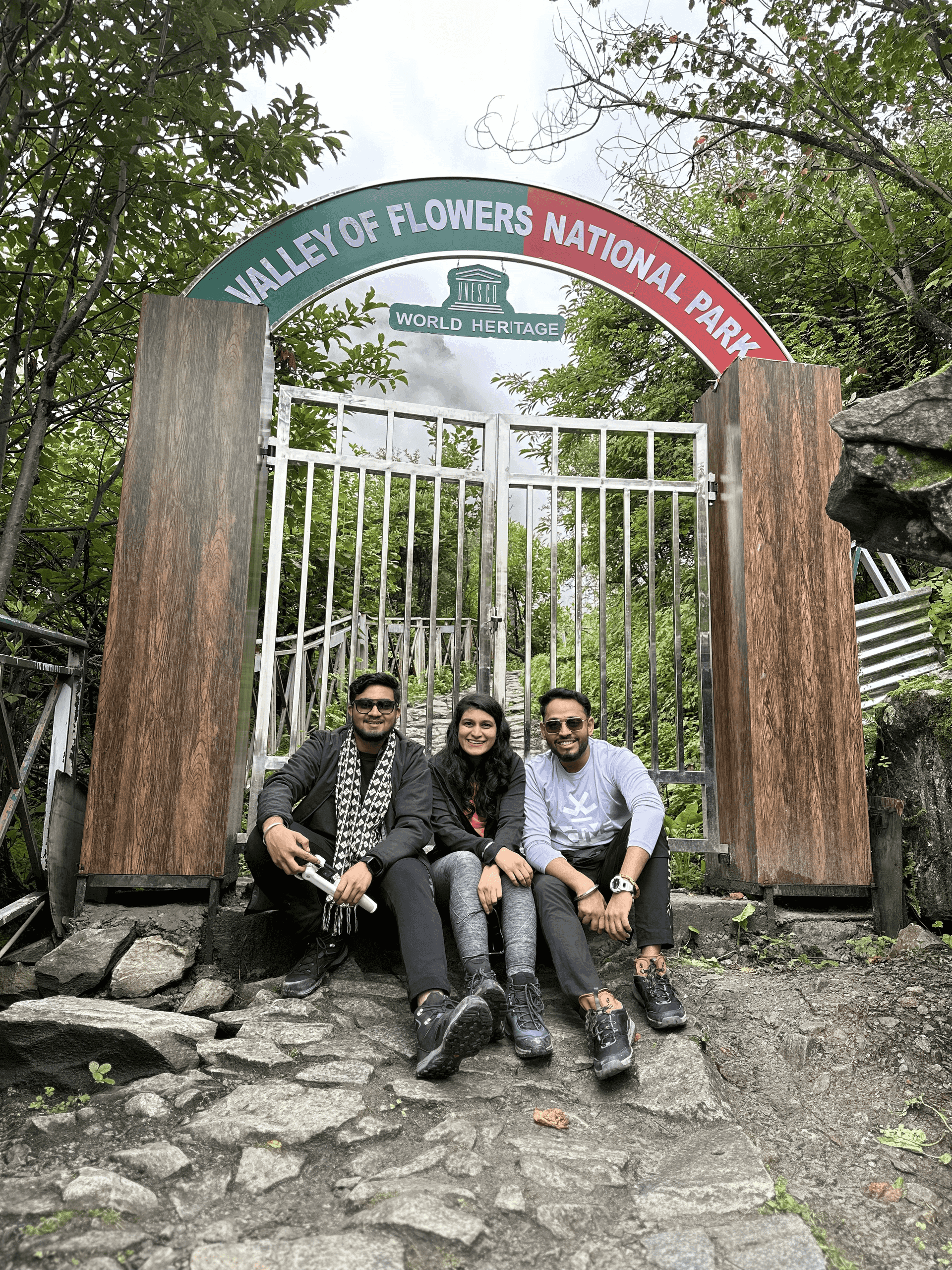
Valley of Flowers Trek, Uttarakhand
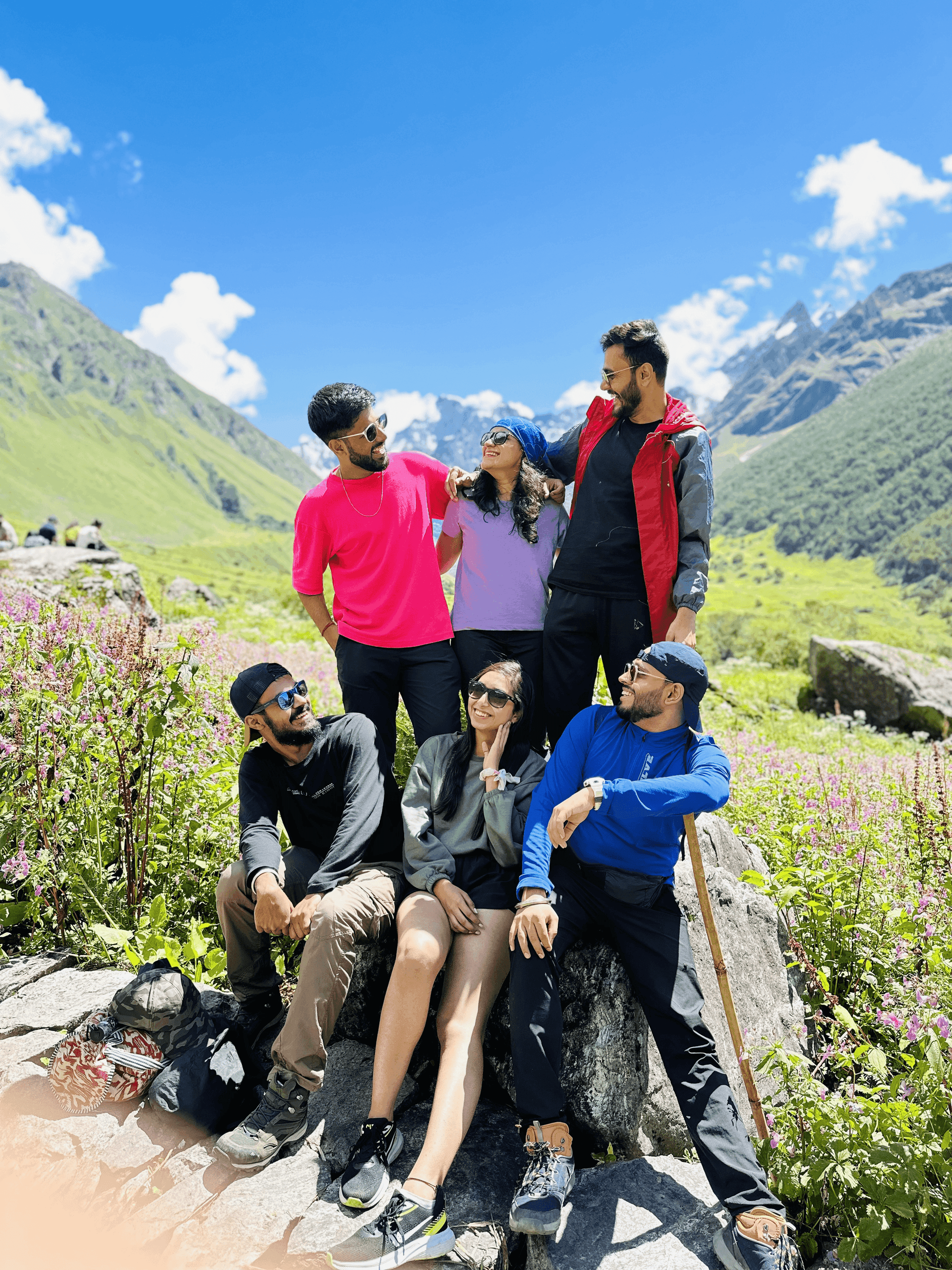
Valley of Flowers remains one of the most visually beautiful treks in India.
The region becomes famous during the monsoon when large sections of the valley bloom with alpine flowers surrounded by Himalayan mountain landscapes.
Compared to extreme Himalayan expeditions, this trek feels slower, greener and more accessible.
Nag Tibba Trek, Uttarakhand
Nag Tibba is one of the best short weekend treks near Delhi.
The trek works especially well for:
- beginners
- first-time campers
- quick mountain escapes
- winter weekend travel
because of its relatively easy terrain and accessibility.
Travelers planning longer mountain journeys can also explore Uttarakhand tour packages beyond the trekking routes.
Best Himalayan Treks in India
India is home to some of the most iconic Himalayan trekking routes in the world.
These treks usually involve:
- higher altitudes
- longer durations
- glacier crossings
- alpine camps
- dramatic mountain landscapes
Modern Himalayan trekking also increasingly requires:
- permit awareness
- acclimatization planning
- weather flexibility
- responsible trekking behavior
especially on sensitive mountain routes.
Hampta Pass Trek, Himachal Pradesh
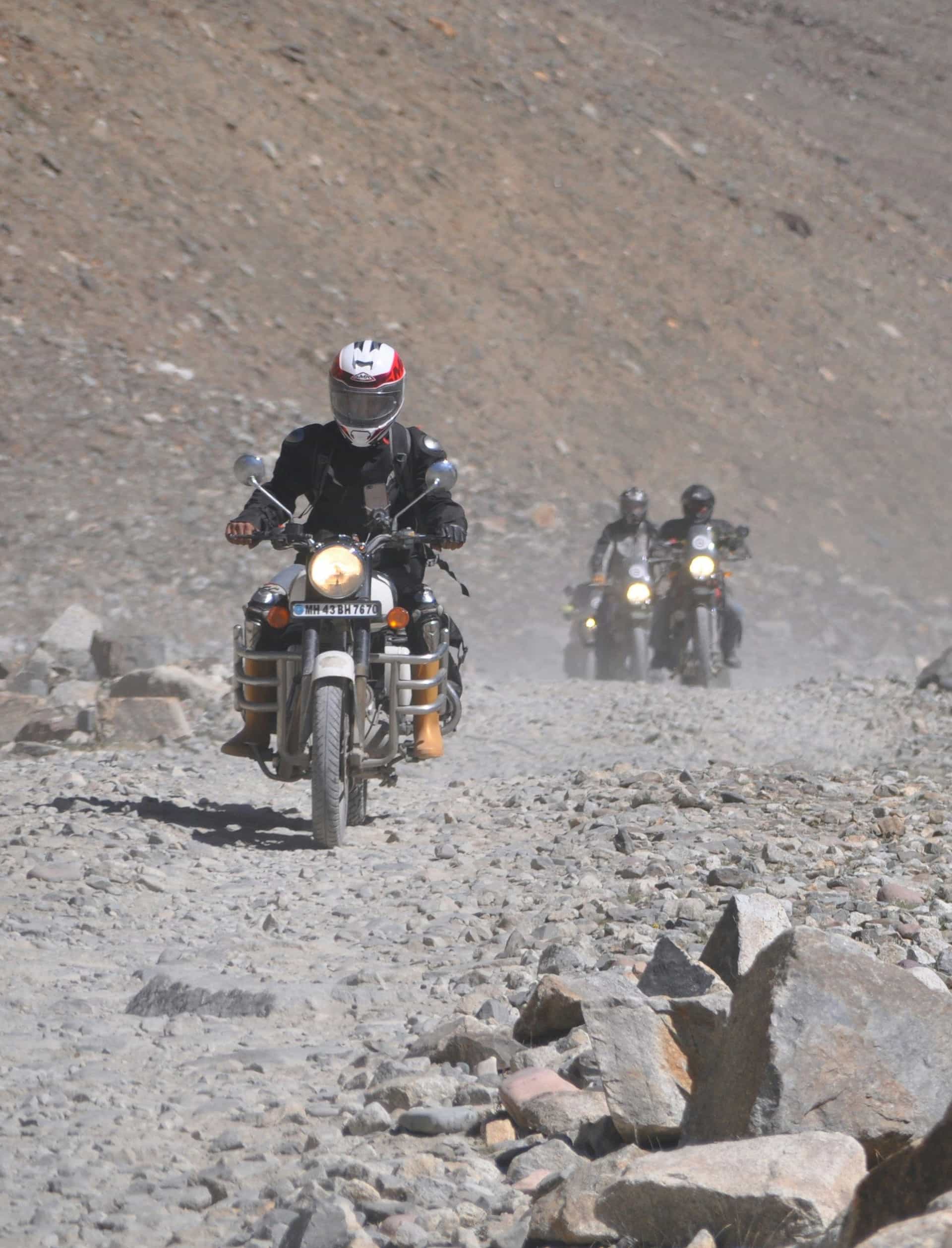
Hampta Pass remains one of the most visually dramatic crossover treks in India.
The trek transitions between:
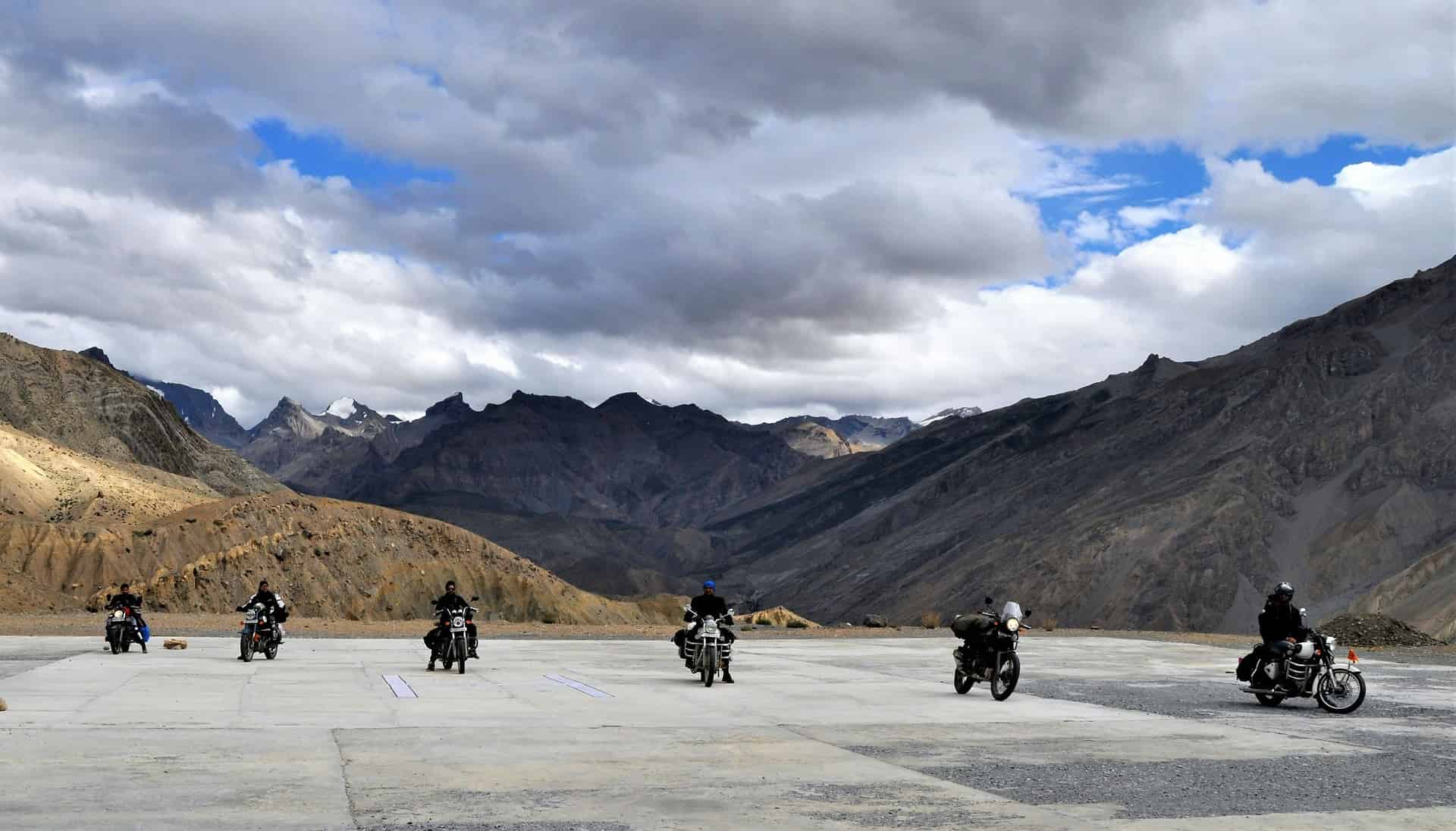
- green Kullu Valley landscapes
and - barren Spiti desert terrain
creating one of the most diverse Himalayan trekking experiences in the country.
The route includes:
- alpine meadows
- glacier crossings
- riverside camps
- mountain passes
Travelers planning this region can also explore:
for broader Himalayan planning.
Travelers combining trekking with slower Himalayan road journeys can also explore Spiti Valley tour packages while planning the broader circuit.
Kashmir Great Lakes Trek, Kashmir
The Kashmir Great Lakes Trek is often considered one of the most beautiful treks in India.
The route passes through:
- alpine lakes
- green meadows
- snow-covered peaks
- vast Himalayan landscapes
The scenery changes almost daily, which is one of the biggest reasons this trek feels so visually unforgettable.
Because of changing operational and permit conditions in Kashmir, travelers should always verify current trekking updates before departure.
Travelers planning a longer Himalayan journey through the region can also explore Kashmir tour packages for broader valley experiences beyond trekking.
Goechala Trek, Sikkim
Goechala offers one of the most rewarding mountain views in India.
The trek is especially famous for:
- sunrise views of Kanchenjunga
- rhododendron forests
- high-altitude Himalayan scenery
Unlike some of the more crowded Himalayan treks, Goechala still feels relatively raw and immersive.
Permit checks and protected-zone regulations also remain important in several trekking regions of Sikkim.
Rupin Pass Trek
Rupin Pass remains one of the most adventurous crossover treks in India.
The route includes:
- hanging villages
- waterfalls
- snow bridges
- dramatic Himalayan terrain shifts
making it one of the most dynamic trekking experiences in the Indian Himalayas.
Best Monsoon Treks in India
Monsoon trekking has become one of the biggest travel trends in India.
During this season, forest trails, waterfalls, valleys and mountain landscapes become dramatically greener and more atmospheric.
Rajmachi Trek, Maharashtra
Rajmachi remains one of the most popular monsoon treks near Mumbai and Pune.
The trail becomes especially scenic during the monsoon because of:
- fog-covered hills
- waterfalls
- forest routes
- lush Western Ghats landscapes
This trek works especially well for weekend travelers and beginners.
Kudremukh Trek, Karnataka
Kudremukh is one of the most beautiful monsoon treks in South India.
Known for:
- rolling green hills
- mist-covered landscapes
- grassland ridges
- rainforest scenery
The trek feels completely different from Himalayan routes.
Because of ecological sensitivity, several trekking routes in Karnataka now require advance online bookings and local guide systems.
Kumara Parvatha Trek, Karnataka
Kumara Parvatha is one of the most challenging treks in South India.
The route includes:
- dense forests
- steep ascents
- humid mountain terrain
- long trekking stretches
making it far more physically demanding than many travelers initially expect.
Chembra Peak Trek, Kerala
Chembra Peak remains one of Kerala’s most scenic trekking experiences.
The trail is especially known for:
- tea plantation views
- misty mountain landscapes
- monsoon greenery
- rolling hills
making it ideal for slower nature-focused travel experiences.
Best Treks in Northeast India
The Northeast offers some of the most atmospheric and culturally immersive trekking experiences in India.
Many trails here feel quieter, greener and less commercialized compared to heavily visited Himalayan routes.
Dzukou Valley Trek, Nagaland
Dzukou Valley is famous for:
- rolling green landscapes
- seasonal wildflowers
- cloud-covered mountain scenery
- peaceful trekking atmosphere
The valley becomes especially beautiful during the monsoon and post-monsoon months.
Living Root Bridge Trek, Meghalaya
Unlike traditional mountain treks, Meghalaya’s Living Root Bridge trails combine:
- rainforest walks
- waterfalls
- natural bridges
- village pathways
creating one of the most unique trekking experiences in India.
Travelers exploring the Northeast can also explore Meghalaya tour packages for waterfalls, living root bridges and rainforest experiences.
Mechuka & Arunachal Trekking Circuits
Several trekking routes across Arunachal Pradesh remain relatively unexplored compared to mainstream Himalayan trekking circuits.
These regions offer:
- remote mountain villages
- forest landscapes
- slower travel experiences
- cultural immersion
making them ideal for travelers looking for quieter adventure experiences.
Travelers looking for slower Himalayan exploration in the Northeast can also explore Arunachal Pradesh tour packages.
Hidden & Offbeat Treks in India
While some trekking routes are becoming increasingly crowded, India still has several quieter trails that feel far more immersive and less commercialized.
Yulla Kanda Trek, Himachal Pradesh
Yulla Kanda remains one of the most underrated Himalayan treks in India.
Known for:
- high-altitude lake scenery
- spiritual atmosphere
- quieter mountain trails
- remote Himalayan landscapes
The trek feels far removed from mainstream trekking circuits.
The region is also home to one of the world’s highest Krishna temples, making the experience culturally unique as well.
Travelers exploring this ecosystem can also check:
Tarsar Marsar Trek, Kashmir
Compared to busier Himalayan trekking routes, Tarsar Marsar feels significantly quieter and more peaceful.
The alpine lakes and surrounding mountain scenery create one of the most atmospheric trekking experiences in Kashmir.
Travelers interested in exploring more of the region can also explore Kashmir tour packages beyond the trekking routes.
Dzongri Trek, Sikkim
Dzongri offers a shorter but highly rewarding Himalayan trekking experience with spectacular mountain views and forest landscapes.
The route feels especially beautiful during the rhododendron bloom season.
Best Difficult & High-Altitude Treks in India
Some Himalayan treks require significantly more preparation because of:
- altitude
- weather unpredictability
- technical terrain
- remote landscapes
These treks are better suited for experienced trekkers.
Pin Parvati Pass Trek
Pin Parvati remains one of the most difficult crossover treks in India.
The route connects:
- Parvati Valley
with - Spiti Valley
through:
- glaciers
- snow crossings
- remote Himalayan terrain
This trek requires serious preparation, acclimatization, and weather flexibility.
Travelers interested in deeper cold-desert Himalayan exploration can also explore Spiti Valley tour packages while planning the broader region.
Stok Kangri Legacy Route, Ladakh
Although summit regulations have changed over time, the Stok Kangri region still represents one of India’s most iconic high-altitude mountaineering landscapes.
Travelers interested in high-altitude Himalayan landscapes can also explore Leh Ladakh tour packages for broader mountain-road-trip experiences.
Goechala Trek
The altitude, distance and weather shifts make Goechala significantly more demanding than many beginner Himalayan treks.
The Modern Trekking Reality in India
Trekking in India has changed significantly over the past few years.
Several trekking regions now experience:
- overtourism
- eco-fees
- permit systems
- carrying-capacity limits
- stricter forest regulations
- weather-based route suspensions
especially around fragile mountain ecosystems.
Digital Permits & Trek Registrations
Many trekking regions now increasingly use:
- online permits
- eco-zone registrations
- forest check-ins
- digital tracking systems
especially across:
- Himachal Pradesh
- Uttarakhand
- Kashmir
- Sikkim
- Karnataka
Offline spot-entry systems are gradually becoming less common on several major trekking routes.
Travelers should also carry:
- offline permit copies
- ID proof
- emergency contact information
because network availability remains inconsistent across several trekking regions.
Weather Alerts & Trekking Safety
Mountain weather can change rapidly.
Heavy rainfall, snowfall, landslides or severe weather alerts can temporarily suspend trekking activity across several regions.
This becomes especially important during:
- monsoon season
- glacier-crossing routes
- high-altitude expeditions
Travelers should always monitor local weather conditions and remain flexible with mountain itineraries.
Acclimatization & Altitude Awareness
Many travelers underestimate how physically demanding Himalayan trekking can become.
Altitude sickness can impact trekkers even on moderately difficult routes.
Proper acclimatization, hydration, slower ascents and rest days are extremely important during high-altitude trekking.
Responsible Trekking Matters More Than Ever
Many trekking regions across India are increasingly facing:
- plastic pollution
- trail erosion
- overcrowding
- irresponsible camping
- ecological stress
Travelers should avoid:
- littering
- loud music
- damaging alpine environments
- leaving waste on trails
because mountain ecosystems remain extremely fragile.
The best trekking experiences usually happen when travelers move respectfully through nature.
Quick Trek Comparison Guide
Trek | Difficulty | Best Season | Experience Type |
| Triund | Easy | Spring & Autumn | Beginner Himalayan hike |
| Kedarkantha | Easy-Moderate | Winter | Snow trekking |
| Hampta Pass | Moderate | Summer | Himalayan crossover trek |
| Kashmir Great Lakes | Moderate | Summer | Alpine lakes & meadows |
| Kudremukh | Moderate | Monsoon | Western Ghats monsoon trek |
| Rajmachi | Easy | Monsoon | Weekend forest trek |
| Pin Parvati Pass | Difficult | Summer | High-altitude expedition |
| Valley of Flowers | Easy | Monsoon | Scenic flower valley trek |
Best Time for Trekking in India
Different seasons create completely different trekking experiences across India.
Spring & Summer (March to June)
Best for:
- beginner Himalayan treks
- alpine meadows
- snow-wall landscapes
- high-altitude reopening season
Monsoon (July to September)
Best for:
- Western Ghats trekking
- Valley of Flowers
- rainforest trails
- greener landscapes
- waterfall-rich trekking routes
However, travelers should also expect:
- slippery trails
- landslide risks
- unpredictable weather
during peak monsoon periods.
Autumn (September to October)
Autumn is considered one of the best trekking seasons in India because of:
- clearer skies
- stable weather
- Sharp Himalayan visibility
- balanced temperatures
This season works especially well for:
- high-altitude Himalayan treks
- photography
- longer expeditions
Winter (November to February)
Winter trekking is ideal for:
- snow treks
- frozen landscapes
- winter camping
- beginner snow adventures
especially across Uttarakhand and Himachal Pradesh.
Are Treks in India Worth Experiencing?
Absolutely.
India offers some of the most diverse trekking experiences in the world —
from rainforest walks and monsoon forest trails to remote Himalayan expeditions crossing glaciers and high-altitude passes.
But more importantly, trekking changes the way travelers experience the country itself.
The mountains, forests, valleys and trails stop becoming “places to visit.”
And slowly become places to walk through, listen to and remember long after the journey ends.