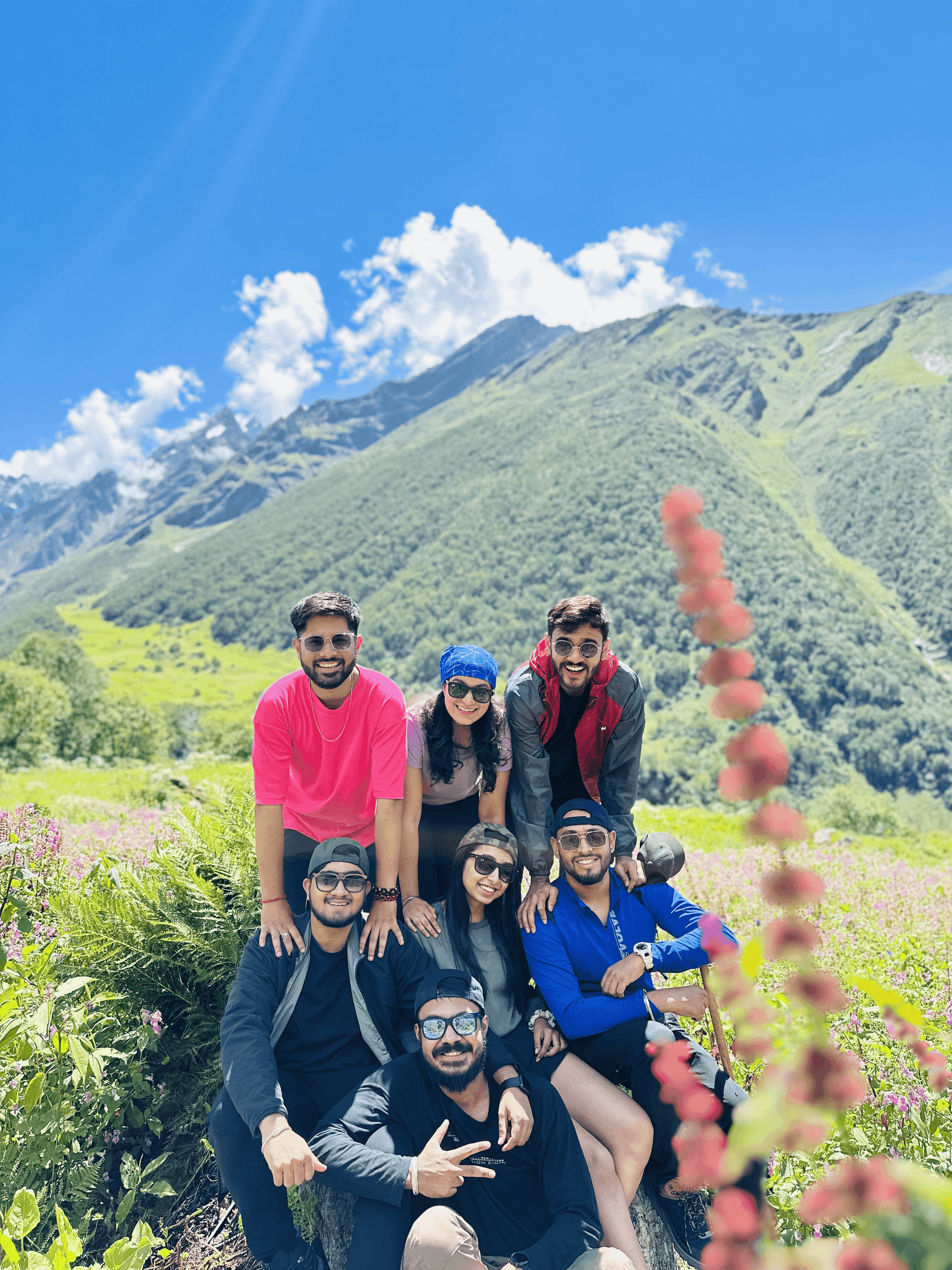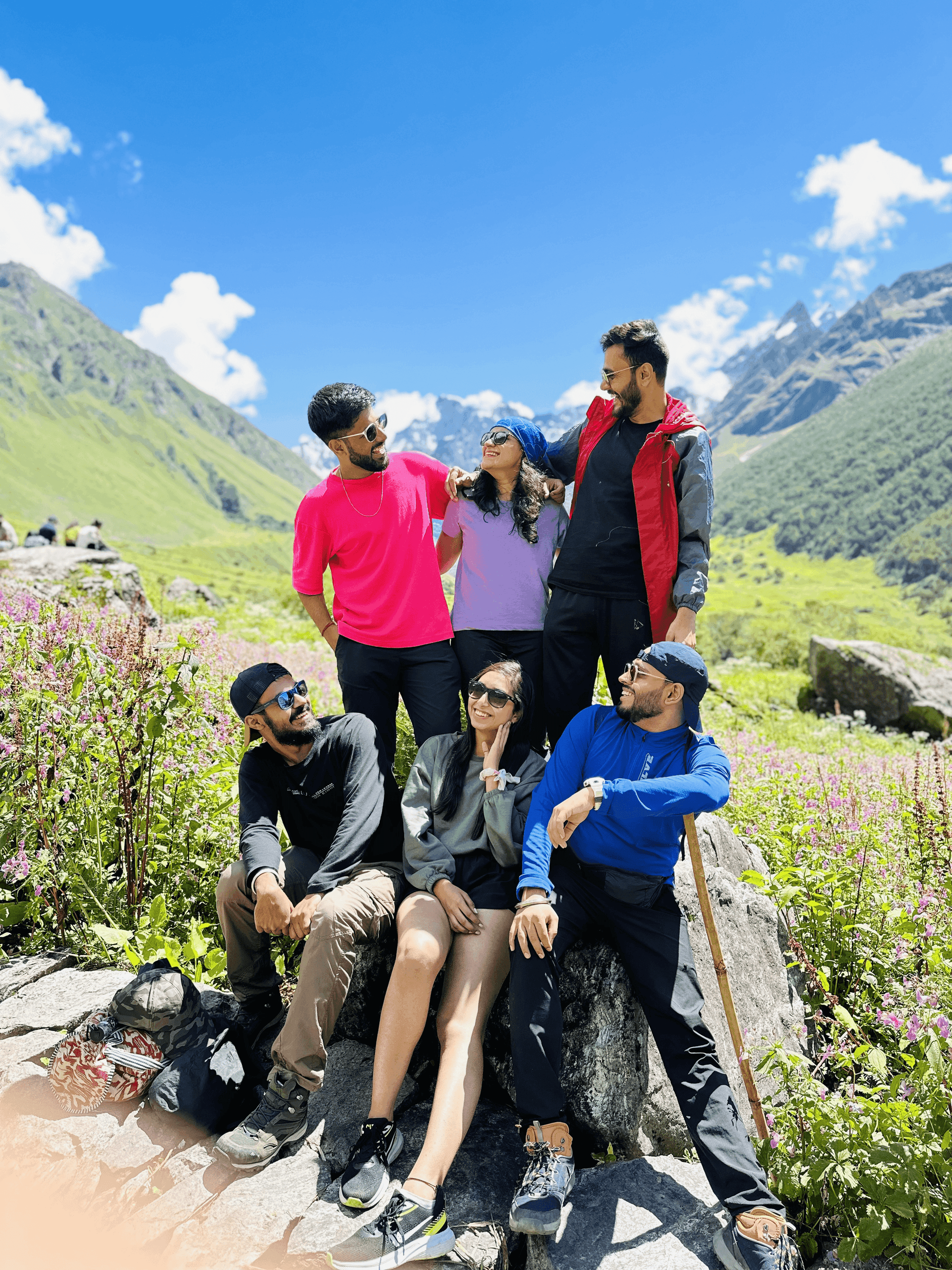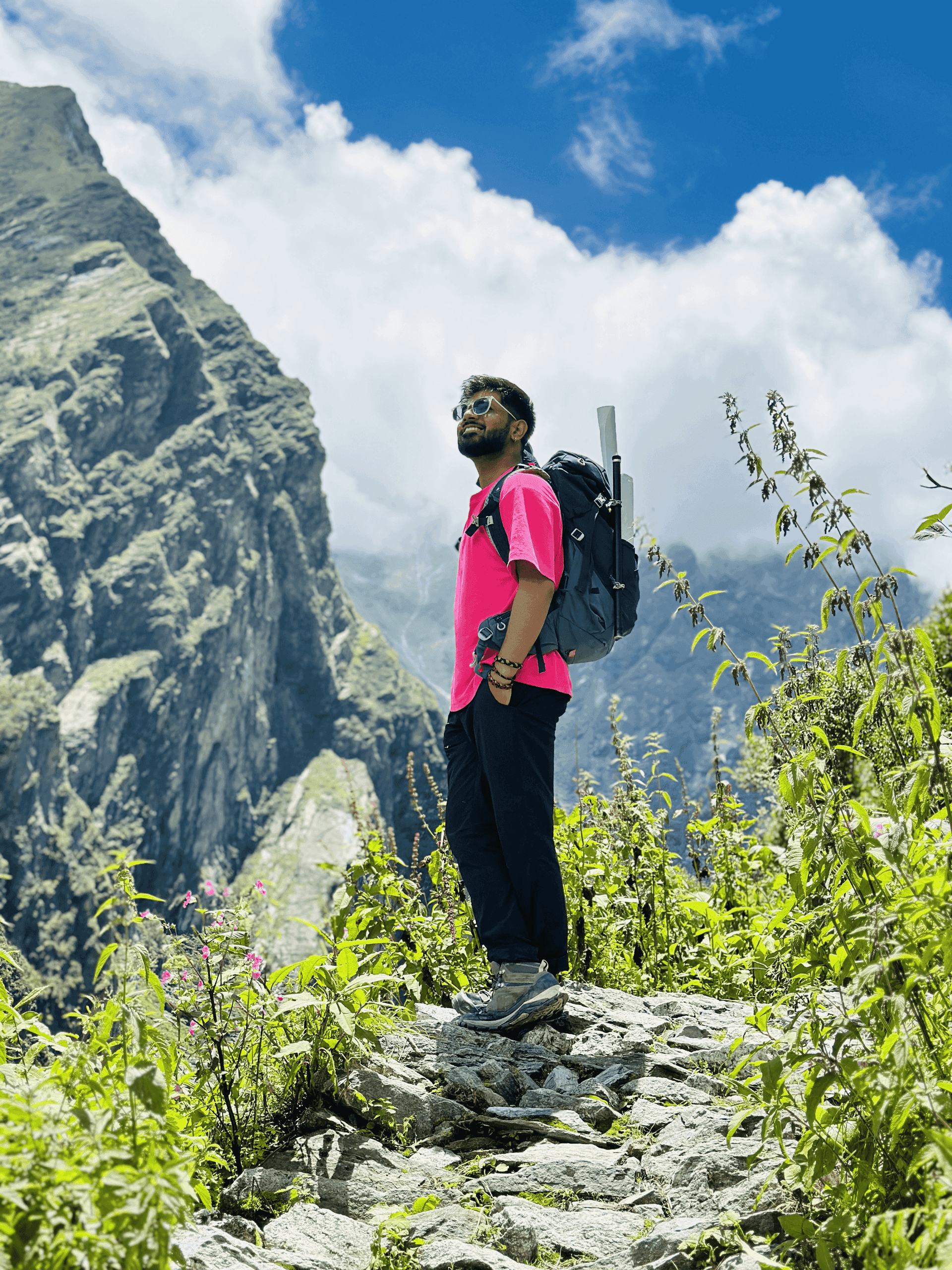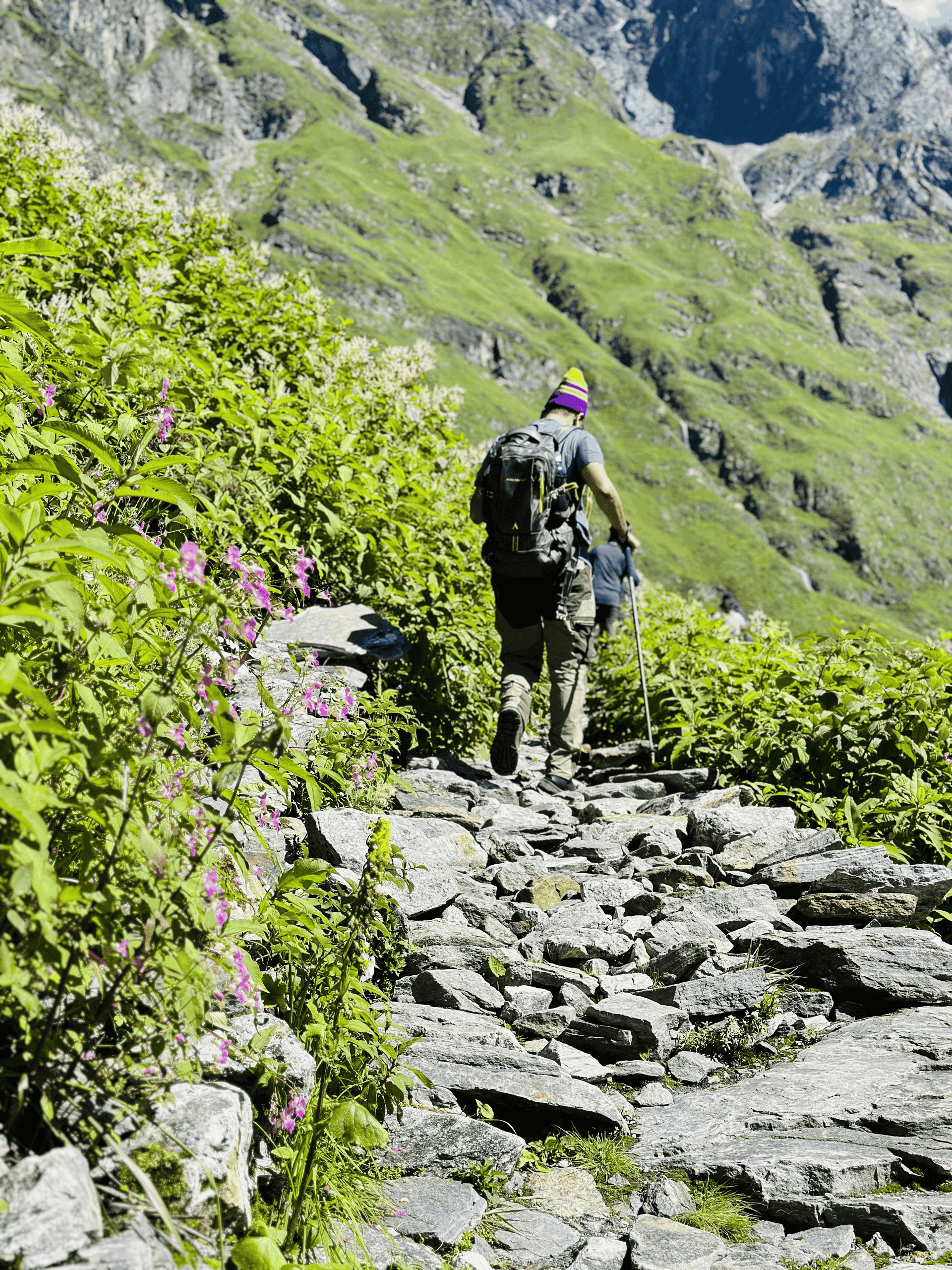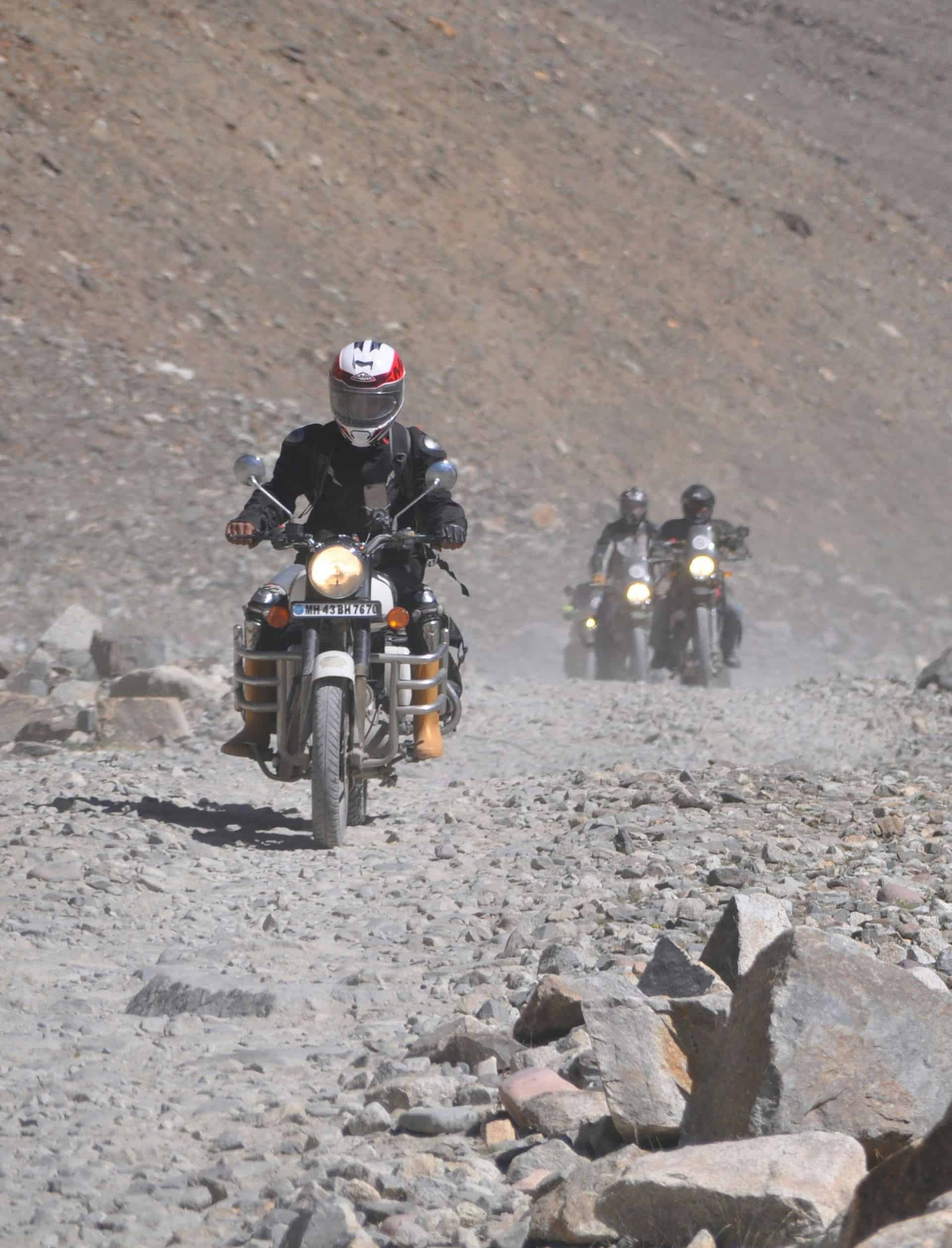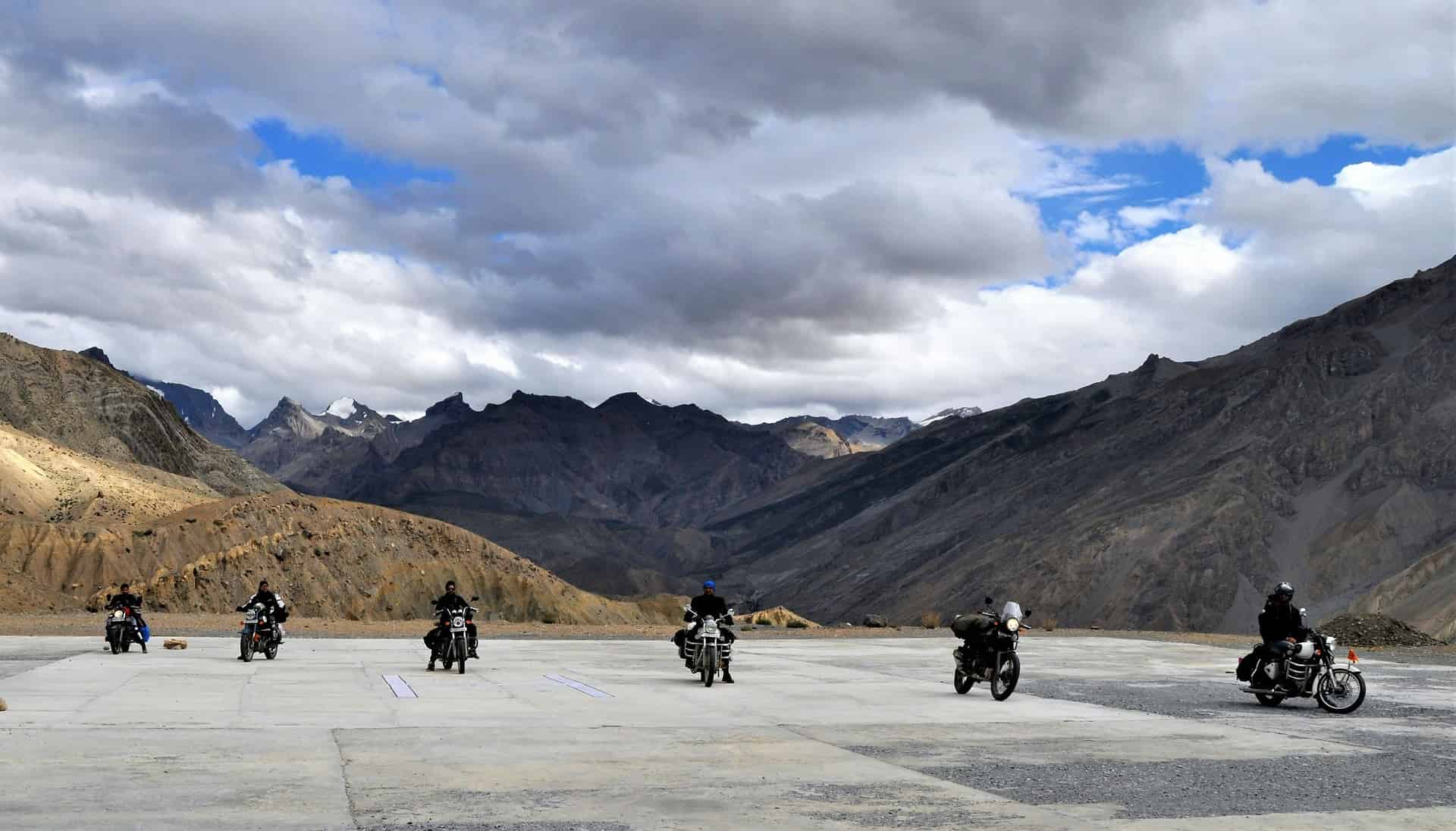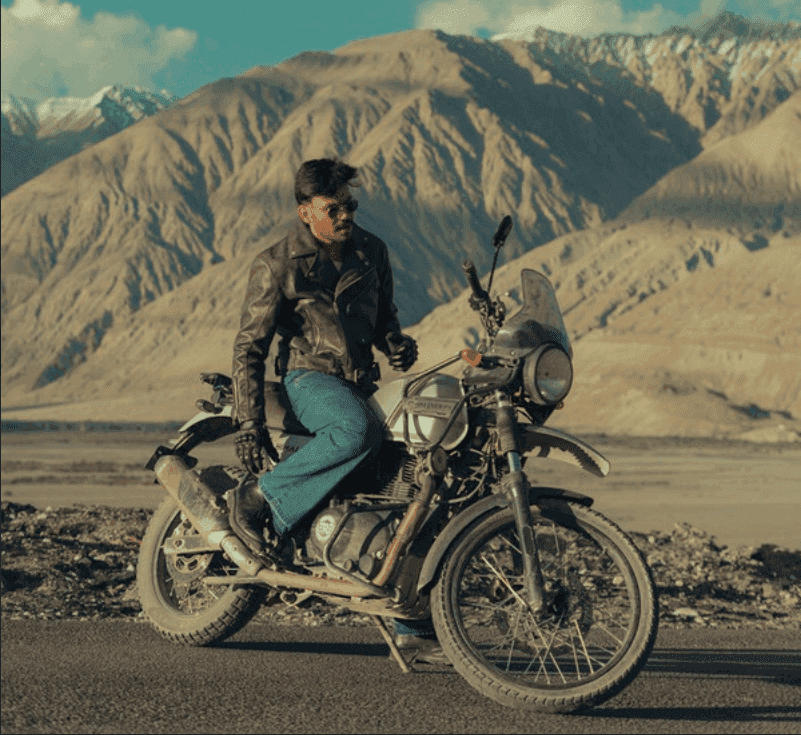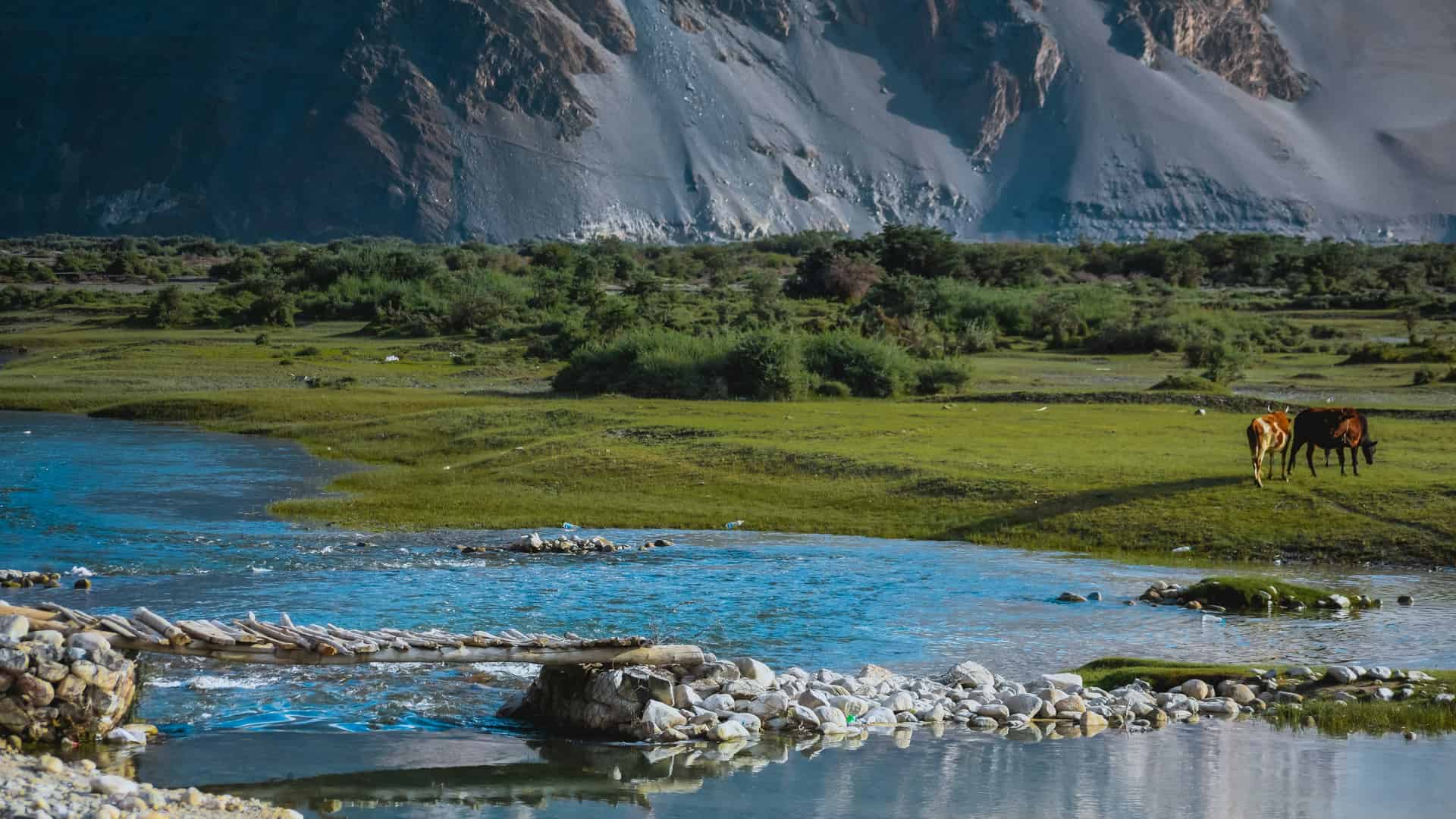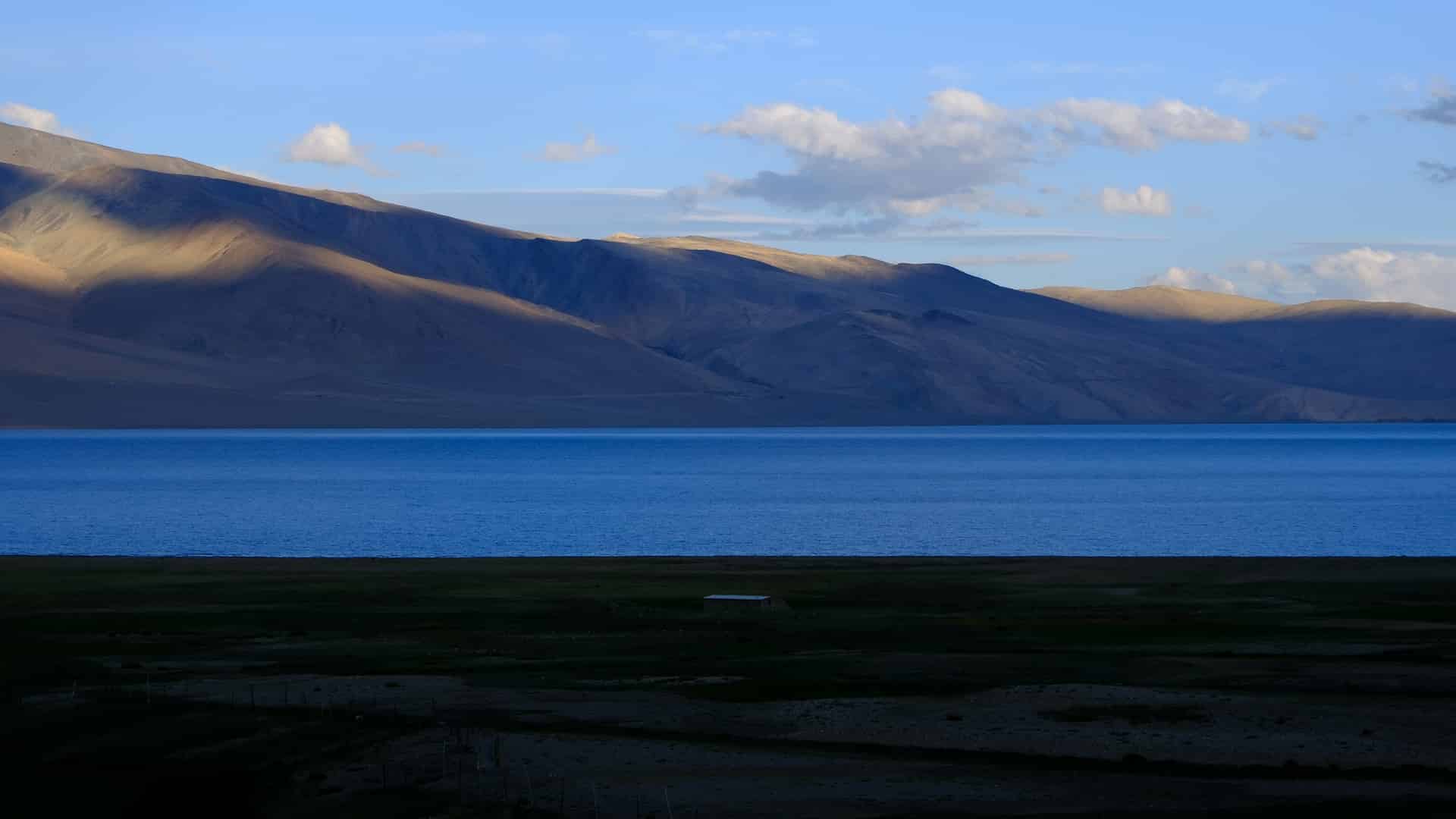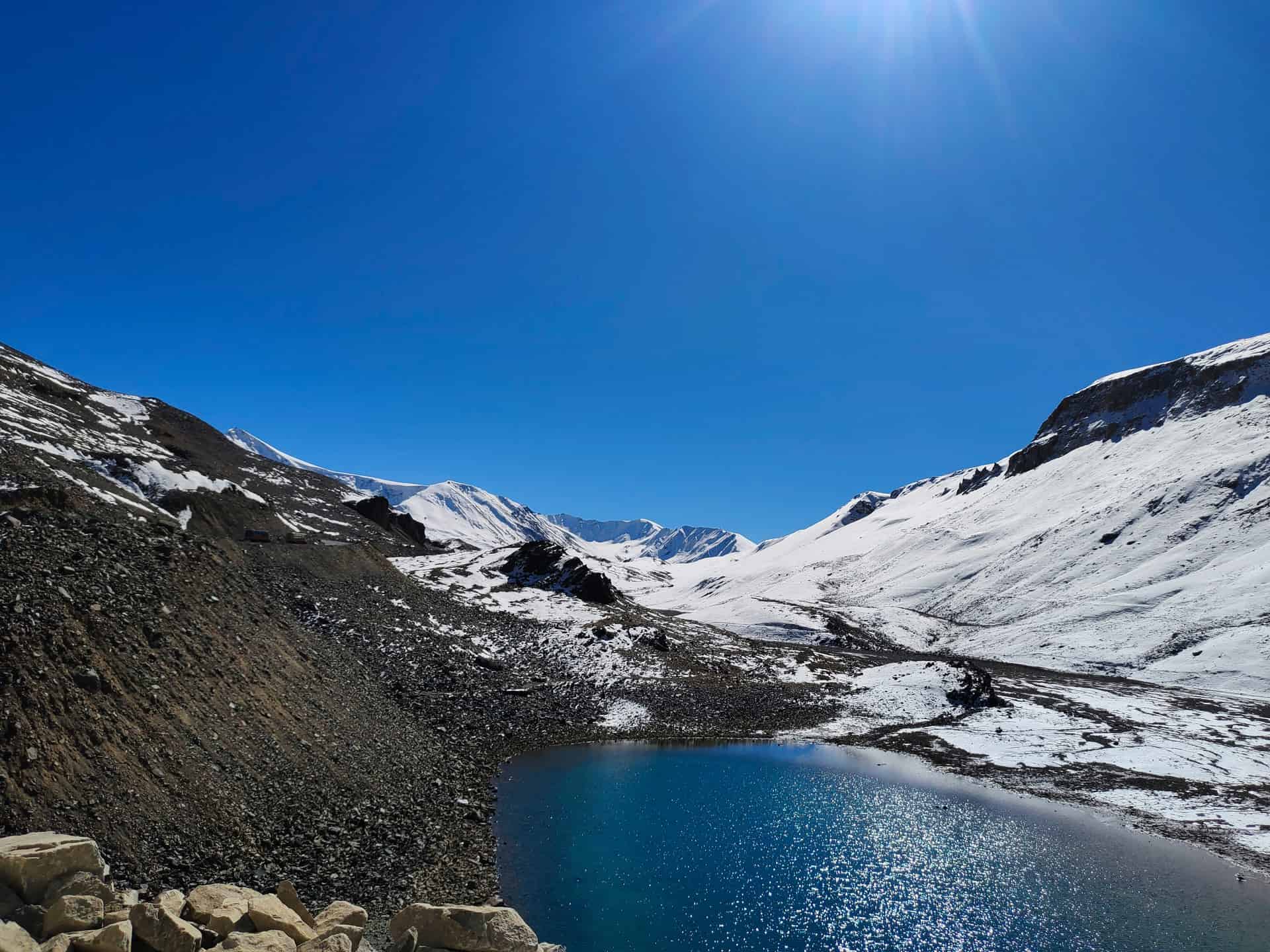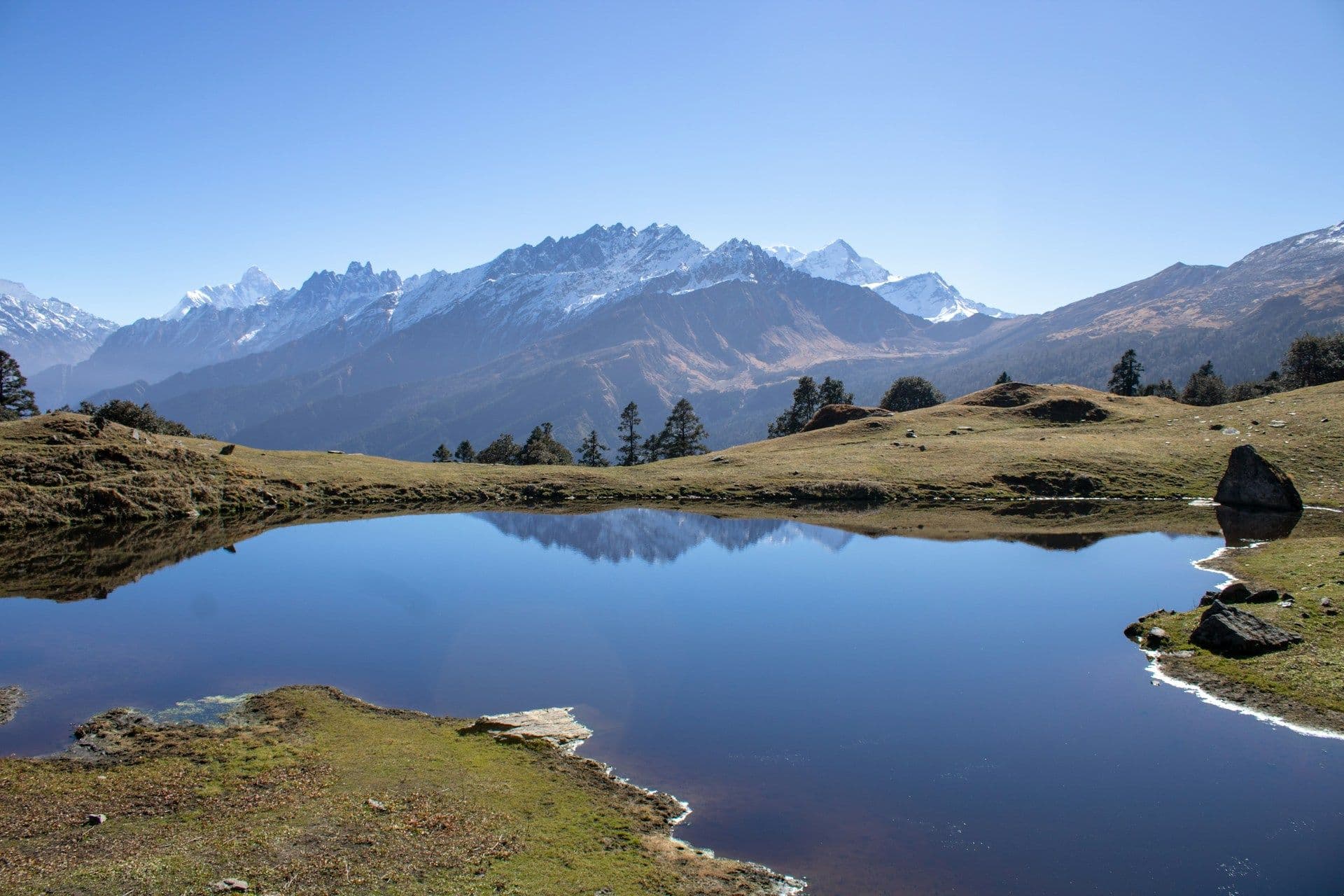
The Kuari Pass Trek, also known as the Lord Curzon Trail, is a scenic Himalayan trek in Uttarakhand that takes you through forests, alpine meadows and high mountain terrain before reaching Kuari Pass at around 3,650 metres. The route is known for its wide Himalayan views and can be completed without technical climbing on the standard trail.
The trek is generally approached from the Joshimath region, with route variations depending on the itinerary and operator. Some itineraries use Dhak and Khullara as the approach, while others incorporate the Auli and Gorson Bugyal side.
Whether you're planning your first multi-day Himalayan trek or looking for a longer mountain journey, this guide covers the best time to visit, route options, itinerary, difficulty, cost, permits and practical travel tips.
If you're planning to explore more of Uttarakhand, our Uttarakhand Travel Guide can help you discover other trekking routes, hill stations and mountain destinations.
Kuari Pass Trek at a Glance
Category | Details |
| Location | Chamoli District, Uttarakhand |
| Maximum Altitude | Approximately 3,650 metres (11,980 ft) |
| Trek Distance | Approximately 30–40 km, depending on the route |
| Duration | 5–6 Days |
| Difficulty | Easy to Moderate |
| Best Time to Visit | March to June and September to November |
| Snow Season | December to February |
| Common Starting Area | Joshimath / Dhak region |
| Nearest Railway Station | Rishikesh |
| Nearest Airport | Jolly Grant Airport, Dehradun |
Planning to compare trekking routes? Our Best Treks in Uttarakhand guide can help you compare popular Himalayan treks by difficulty, season and experience.
Why Visit the Kuari Pass Trek?
Kuari Pass is a good choice for travellers who want a multi-day Himalayan trek with changing landscapes, rather than a route focused only on reaching a summit.
The trail offers:
- Forest sections through oak, rhododendron and conifer vegetation.
- Open alpine meadows and high-altitude bugyals.
- Mountain ridges and pass crossings.
- Views of major Garhwal peaks on clear days.
- A varied trekking experience across several days.
Key Highlights of the Kuari Pass Trek
Highlight | What to Expect |
| Kuari Pass | The high point of the trek, surrounded by open Himalayan terrain. |
| Khullara | An important campsite and route point on itineraries approaching from Dhak. |
| Tali Top & Tali Lake | High-altitude sections encountered on itineraries continuing towards the Auli side. |
| Gorson Bugyal | Broad alpine meadows that can form part of the route towards Auli. |
| Auli | A popular endpoint for some Kuari Pass itineraries, with road access and other transport options. |
Why Is Kuari Pass Called the Lord Curzon Trail?
Kuari Pass is popularly associated with Lord Curzon, the Viceroy of India, who crossed the region in 1905. This historical connection gave the route its commonly used name, the Lord Curzon Trail.
Best Time to Visit the Kuari Pass Trek
The best time to visit Kuari Pass depends on the experience you want. Spring and autumn generally offer more comfortable trekking conditions, while winter brings snow-covered trails and more challenging walking conditions.
For most trekkers, March to June and September to November are the most suitable periods. December to February is better for travellers specifically looking for a winter snow trek.
Kuari Pass Trek Season Guide
Season | What to Expect | Trail Conditions | Best For |
| March–June | Pleasant weather with greener landscapes and spring blooms | Generally accessible, although snow can remain on higher sections in early spring | Comfortable trekking |
| July–August | Frequent rainfall and cloudy conditions | Wet and slippery trails; road travel can also be affected | Generally not recommended |
| September–November | Cooler weather and clearer mountain views | Usually dry and suitable for trekking | Clear views and photography |
| December–February | Cold weather and snowfall | Snow-covered trails with possible icy sections | Winter trekking |
Good to Know: Snow conditions can vary considerably from year to year. Early spring may still have snow around higher sections, while winter conditions can make the route considerably slower.
How Difficult Is the Kuari Pass Trek?
The Kuari Pass Trek is generally considered easy to moderate, but the difficulty changes depending on the season and route.
The standard trek does not require technical climbing, but you can expect:
- Forest ascents and descents
- Rocky and uneven sections
- Open alpine meadows
- High-altitude ridges
- Snow and ice during winter
The longer walking days are generally more demanding than any individual technical section. Trekking poles can be useful during descents and on slippery terrain.
Winter Difficulty
Winter requires additional preparation. Snow can cover established sections of the trail, while hard-packed snow and ice can make higher sections more difficult.
If you're trekking between December and February, allow extra time and follow your trek leader's route rather than assuming the summer trail will remain visible.
Can Beginners Do the Kuari Pass Trek?
Yes. Beginners with reasonable fitness can undertake the Kuari Pass Trek, particularly during the more stable trekking seasons.
The main challenge is the combination of several trekking days, changing terrain and altitude rather than technical climbing.
A guided group is a practical option for first-time Himalayan trekkers, especially if you're visiting during winter or early spring.
Is the Kuari Pass Trek Right for You?
Kuari Pass is a good choice if you want:
- A multi-day Himalayan trekking experience.
- Forest trails, alpine meadows and high-altitude terrain.
- A pass-crossing experience without technical climbing.
- Snow-covered landscapes during winter.
You may want to consider another trek if you prefer a short day hike or a more technical high-altitude expedition.
Kuari Pass Trek Route & Itinerary
Kuari Pass has different route variations, so the exact itinerary can change depending on the trek operator and whether the route finishes at Auli or returns towards the starting point.
One commonly used itinerary approaches the pass through Dhak, Gulling and Khullara, before continuing towards Tali, Gorson Bugyal and Auli. Exact campsites and the final exit can vary by operator.
Day 1: Dehradun to Joshimath
Travel Time: Approximately 10–12 hours
Travel from Dehradun to Joshimath via Rishikesh, Devprayag, Rudraprayag and Karnaprayag.
This is a long mountain journey, and roadwork, traffic, weather or landslides can add to the travel time.
Depending on the itinerary and current road conditions, accommodation may be arranged in Joshimath or nearby areas.
Day 2: Joshimath to Dhak to Gulling
Drive towards Dhak Village, where the trek begins.
The trail gradually climbs through forested terrain towards Gulling, with the landscape becoming more open as you gain altitude.
Trek: Approximately 6 km
Walking Time: 4–5 hours
Day 3: Gulling to Khullara
Continue through oak and conifer forests towards Khullara, an important campsite on the route.
Khullara is also used as a base for trekkers taking the Pangarchulla route.
Route Note: Pangarchulla is a separate and considerably more demanding summit climb. It should not be treated as a standard part of the Kuari Pass Trek.
Day 4: Khullara to Kuari Pass to Tali
This is one of the main trekking days.
The route climbs from Khullara towards Kuari Pass, crossing open high-altitude terrain before reaching the pass. From there, continue towards Tali Top and the Tali campsite. Some itineraries also include Tali Lake along this section.
Walking Time: Approximately 7–9 hours
Winter Tip: Snow and hard ice can make the higher sections slower and slippery. Microspikes can be useful during winter and early spring, particularly on exposed or icy sections.
Water Tip: Reliable water sources become limited after Khullara. Carry sufficient water before starting the higher pass-crossing section rather than relying on natural sources along the route.
Day 5: Tali to Gorson Bugyal to Auli
Descend from Tali towards Gorson Bugyal, crossing open alpine meadows before continuing towards Auli.
Depending on the operating schedule, trekkers may have the option of using the Auli ropeway or chairlift for part of the journey towards Joshimath instead of completing the entire descent on foot.
Check local operations and ticket availability before relying on this option.
Day 6: Auli/Joshimath to Dehradun
After breakfast, begin the return journey towards Dehradun, bringing the Kuari Pass Trek to an end.
How to Reach the Kuari Pass Trek
Joshimath is the main access point for many Kuari Pass itineraries.
Starting Point | Route |
| Delhi | Delhi → Rishikesh → Rudraprayag → Karnaprayag → Joshimath |
| Dehradun | Dehradun → Rishikesh → Rudraprayag → Karnaprayag → Joshimath |
| Jolly Grant Airport | Airport → Rishikesh → Joshimath |
From Joshimath, trekkers continue by local vehicle towards the relevant trailhead, such as Dhak, depending on the itinerary.
Travelling by Public Transport
If you're travelling independently, plan to reach Rishikesh early because the journey to Joshimath is long.
Bus schedules can vary by operator and date, so check the current timetable before travelling. Missing a suitable direct service may mean using multiple connections through Rudraprayag and Karnaprayag, making the journey longer and less convenient.
Kuari Pass Trek Cost
The total cost depends on the route, transport, accommodation and whether you join an organised group.
Travel Style | Approximate Cost |
| Independent Trip | ₹8,000–₹12,000 |
| Guided Group Trek | ₹12,000–₹18,000 |
Organised packages may include accommodation, meals, camping equipment, local transfers, permits and trek support. Always check the inclusions before booking.
Before You Start the Kuari Pass Trek
Accommodation
Depending on the itinerary and current road conditions, you may stay in:
- Joshimath
- Pipalkoti
- Tapovan
- Karchi
- Auli
Once the trek begins, expect basic campsites and limited facilities rather than hotel-style accommodation.
Guide & Permits
Experienced trekkers may be comfortable on the standard route during stable weather. However, first-time trekkers and those visiting during winter should consider an organised trek or experienced local guide, particularly when snow can obscure the trail.
The Kuari Pass route passes through forest areas where applicable entry permissions and local rules may apply. Organised trek operators generally handle these requirements, while independent trekkers should confirm the latest requirements before starting the trek.
What to Pack for the Kuari Pass Trek
Kuari Pass conditions can change quickly, especially during winter and early spring. Focus on grip, snow protection and eye protection rather than carrying a generic trekking checklist.
Category | What to Carry |
| Eye Protection | Category 3 or 4 UV-protection sunglasses |
| Footwear | Waterproof trekking boots with good grip |
| Snow Protection | Gaiters and microspikes during snowy months |
| Weather Protection | Waterproof jacket, fleece and insulated outer layer |
| Trekking Gear | Trekking poles, headlamp and backpack rain cover |
| Essentials | Water bottles, power bank, sunscreen, lip balm and personal medicines |
Winter Tip: Gaiters are particularly useful in deep snow around higher camps, while microspikes can provide better grip on hard-packed snow and icy sections.
Explore More of Uttarakhand
Planning more Himalayan adventures? Explore our related guides:
- Kedarkantha Trek Guide – Explore another popular Uttarakhand winter trek.
- Har Ki Dun Trek Guide – Discover a multi-day valley trek through the Sankri region.
- Valley of Flowers Trek Guide – Plan a monsoon trek through Uttarakhand's famous alpine valley.
Plan Your Kuari Pass Trek
The Kuari Pass Trek offers a rewarding multi-day Himalayan experience through forests, alpine meadows and high-altitude terrain.
If you prefer to have the major logistics organised in advance, explore the Uttarakhand Tour Package by Desh Videsh Travels for a structured itinerary with trek support, accommodation and other planned arrangements.