Kyoto Travel Guide: What to See, Where to Go & How to Plan
There is a moment in Kyoto that most travellers are not prepared for.
You walk through a tunnel of thousands of orange-red torii gates at Fushimi Inari, the city falls silent behind you, and suddenly you understand why Japan's ancient capital draws millions of visitors every year and why they all leave wanting to come back.
Kyoto was Japan's imperial capital for over a thousand years. It survived World War II almost entirely intact while other Japanese cities were destroyed which is why it remains the most concentrated repository of traditional Japan in the world: over 1,600 Buddhist temples, 400 Shinto shrines, 17 UNESCO World Heritage Sites, and entire districts where almost nothing has changed in centuries.
This guide is written for Indian travelers covering visa and JR Pass guidance, real costs in rupees, where to stay, what to eat (including proper vegetarian options), the top places to visit, and a practical 4-day itinerary you can follow directly.
If you're planning your route across Japan, you can also explore our Japan Travel Guide to see how Kyoto fits into your overall itinerary.
Why Kyoto Is Essential on Any Japan Trip
Most first-time Japan travellers split their time between Tokyo and Osaka. Kyoto is sometimes treated as a day trip from Osaka which is a mistake.
Kyoto is not a city you absorb in a few hours. It is a city you need to slow down for. The temples are not just architectural sights they are living places of worship, surrounded by gardens that have been maintained for centuries. The districts of Gion and Higashiyama are not streets of preserved buildings they are neighbourhoods where people still live in the same way their great-grandparents did.
What Kyoto offers that no other city in Japan does:
- The highest density of traditional Japanese architecture still standing anywhere in the world
- The only place where geisha (called geiko in Kyoto's dialect) are still an active part of daily life, not just performance
- 17 UNESCO World Heritage Sites within a single city
- A food culture built on 1,000 years of refinement kaiseki, tofu cuisine, matcha, and wagashi sweets all originated here
- The combination of temples, bamboo forests, mountain shrines, and traditional merchant streets within walking or short bus distance of each other
How much time do you need? 3 days is the minimum for covering the essential areas without feeling rushed. 4 days is ideal it lets you visit Arashiyama, Fushimi Inari, the Higashiyama district, Nishiki Market, Gion, Kinkaku-ji, and still have time for a day trip to Nara or Osaka.
How to Reach Kyoto from India
Step 1: Fly to Japan
There are no direct flights from India to Kyoto (Kyoto has no airport). The entry points are Osaka's Kansai International Airport (KIX) or Tokyo's Narita/Haneda Airport (NRT/HND).
Recommended for Kyoto: Fly into Osaka Kansai (KIX). Kyoto is 75 minutes by Haruka Express train from KIX far more convenient than flying into Tokyo and taking the shinkansen.
Route | Duration | Approx. Round-Trip Cost |
| Delhi → Osaka (KIX) | ~9–11 hrs (1 stop) | ₹45,000–₹90,000 |
| Mumbai → Osaka (KIX) | ~9–11 hrs (1 stop) | ₹48,000–₹95,000 |
| Delhi → Tokyo (NRT/HND) | ~8–10 hrs (1 stop) | ₹40,000–₹85,000 |
Best airlines from India to Japan: Japan Airlines (JAL), All Nippon Airways (ANA), Air India, IndiGo (via connections), Singapore Airlines, and Emirates.
Book at least 8–10 weeks in advance for spring cherry blossom travel Guide. Fares double or triple in March–April if booked last minute.
Step 2: Osaka Kansai Airport to Kyoto
Option | Duration | Cost | Notes |
| Haruka Express (JR) | 75 min | ~₹2,300 (¥3,640) | Covered by JR Pass — see next section |
| Airport Limousine Bus | 90 min | ~₹1,400 (¥2,200) | Drops at major Kyoto hotels |
| Taxi | 75–90 min | ~₹14,000–₹18,000 | Only for groups of 4+ |
If you have a JR Pass: Activate it at Kansai Airport and take the Haruka Express for free. This is the most cost-effective option by far.
Visa for Japan
Indian passport holders require a visa to enter Japan. There is no visa-on-arrival.
Tourist Visa (Single Entry):
- Apply through the Consulate General of Japan in your city (Mumbai, Delhi, Kolkata, Chennai, Bengaluru)
- Processing time: 4–5 working days
- Validity: 15 or 30 days
- Cost: No visa fee for Indian passport holders (service fee may apply via VFS if applicable)
- Required documents: Confirmed flight itinerary, hotel bookings, bank statements (last 3–6 months), passport-size photos, application form
Apply at least 3–4 weeks before travel, especially during peak seasons.
JR Pass — What Indian Travelers Need to Know
The Japan Rail Pass (JR Pass) is one of the most important purchases for any India-to-Japan trip. It is a flat-fee rail pass that gives you unlimited travel on almost all JR trains across Japan including shinkansen (bullet trains), the Haruka Express from Osaka airport, and local JR trains within Kyoto.
Is the JR Pass Worth It for a Kyoto Trip?
Yes — if your itinerary includes travel between multiple cities.
For a standard India-Japan trip covering Tokyo + Kyoto + Osaka, the JR Pass pays for itself within the first 2 intercity journeys.
Route | Without JR Pass | With JR Pass |
| Osaka KIX → Kyoto (Haruka) | ~₹2,300 | Covered |
| Tokyo → Kyoto (Shinkansen) | ~₹9,500 (¥15,000) | Covered |
| Kyoto → Osaka | ~₹450 (¥570) | Covered |
| Kyoto → Nara (JR line) | ~₹750 (¥720) | Covered |
7-day JR Pass cost: ~₹37,000–₹40,000 (prices fluctuate with yen exchange rates)
A single Tokyo–Kyoto bullet train round trip recovers the majority of the 7-day pass cost. If you're also flying into Tokyo and visiting Hiroshima or Hakone, the 14-day pass makes even more financial sense.
How to Buy the JR Pass
The JR Pass must be purchased outside Japan. Buy it online before your departure from India through:
- JR Pass official website (japanrailpass.net)
- Klook, KKday — often offer slight discounts
- Some Indian travel agents also sell it
You receive an Exchange Order, which you exchange for the actual pass at a JR office at any major Japanese airport or train station upon arrival. Activate it on the day you first plan to use it, not necessarily the day you arrive.
Kyoto Trip Cost from India (in ₹)
Kyoto sits in the mid-to-upper range for Japan travel slightly more expensive than Osaka but significantly more affordable than Tokyo for accommodation. Food and transport are very manageable.
Per-Day Costs in Kyoto
Category | Budget (₹/day) | Mid-Range (₹/day) | Comfort (₹/day) |
| Accommodation | 2,800–5,500 | 6,500–12,000 | 14,000–35,000 |
| Food | 1,200–2,500 | 2,500–4,500 | 4,500–10,000 |
| Transport (local buses/subway) | 300–700 | 700–1,200 | 1,200–2,500 |
| Entry fees & activities | 600–1,500 | 1,500–3,500 | 3,500–8,000 |
| Daily Total | ~4,900–10,200 | ~11,200–21,200 | ~23,200–55,500 |
Key Individual Costs (in ₹)
Item | Cost |
| Fushimi Inari Shrine entry | Free |
| Kinkaku-ji (Golden Pavilion) entry | ~₹640 (¥1,000) |
| Kiyomizu-dera Temple entry | ~₹960 (¥500 adults) |
| Arashiyama Bamboo Grove | Free |
| Tenryu-ji Garden (Arashiyama) | ~₹960 (¥1,500) |
| Tea ceremony (basic experience) | ₹2,500–₹5,000 |
| Kaiseki dinner (per person) | ₹6,500–₹25,000 |
| Ramen / soba at a local shop | ₹700–₹1,200 |
| Convenience store meal (FamilyMart, 7-Eleven) | ₹400–₹800 |
| Day bus pass (Kyoto City Bus) | ~₹640 (¥700) |
| Nara day trip (JR train from Kyoto) | Covered by JR Pass |
4-Night Kyoto Budget Summary (Per Person)
Style | Total (excl. India-Japan flights & JR Pass) |
| Budget (hostels, convenience stores, free temples) | ₹22,000–₹38,000 |
| Mid-range (3-star hotels, local restaurants) | ₹52,000–₹85,000 |
| Comfort (ryokan, kaiseki, guided experiences) | ₹1,10,000–₹2,20,000 |
Currency note: ₹1 ≈ ¥1.6 (approximate as of early 2026). Japan has been significantly more affordable for Indian travelers since the yen weakened. This is genuinely one of the better times in recent years for Indians to visit Japan cost-wise.
Best Time to Visit Kyoto
Kyoto's seasons are distinct and dramatically change the appearance of every temple and garden. When you visit shapes the entire experience.
Spring: Late March to Early May ⭐ Most Iconic
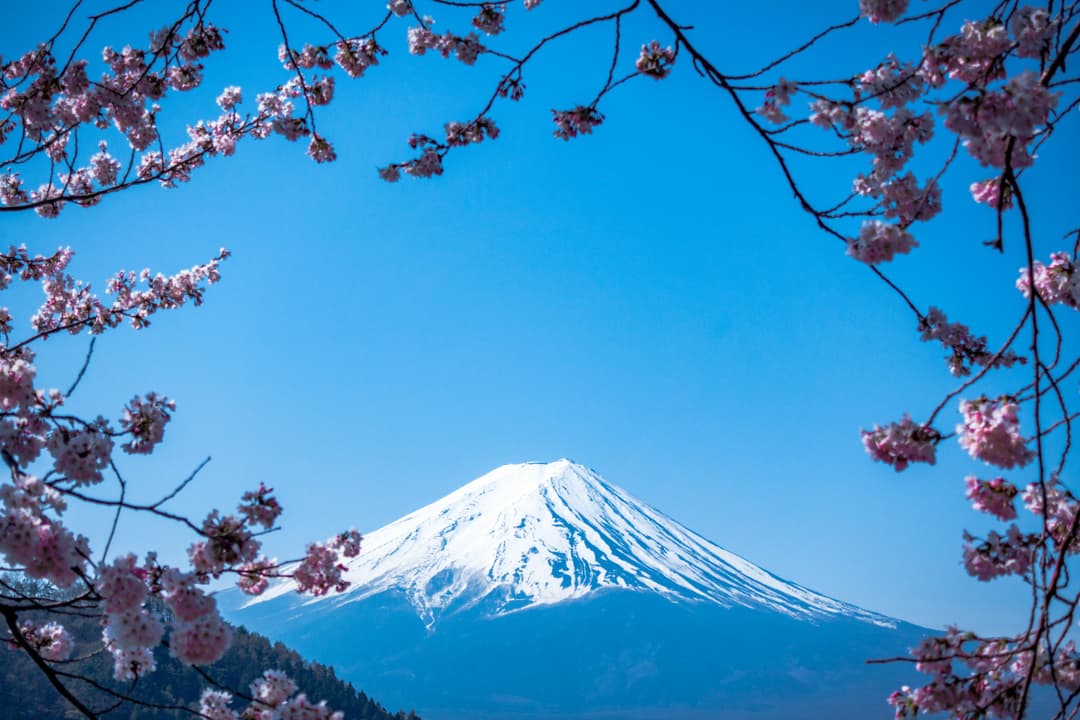
Cherry blossom (sakura) season typically peaks in late March to early April in Kyoto. Maruyama Park, the Philosopher's Path, and the grounds around Kiyomizu-dera and Nijo Castle become breathtaking. Kyoto's cherry blossoms are among the most beautiful in Japan.
What to expect: This is peak season. Book flights and hotels 3–4 months in advance. Prices for accommodation can be 40–60% higher than average. Popular spots get very crowded — early mornings (before 8 AM) and evenings are your best bet for manageable crowds.
For Indian travelers planning around cherry blossoms: First week of April is statistically the safest bet for peak bloom in Kyoto. Check Japan Meteorological Corporation's annual sakura forecast (released in January each year) before booking.
Autumn: Mid-October to Late November ⭐ Best for Colours and Atmosphere
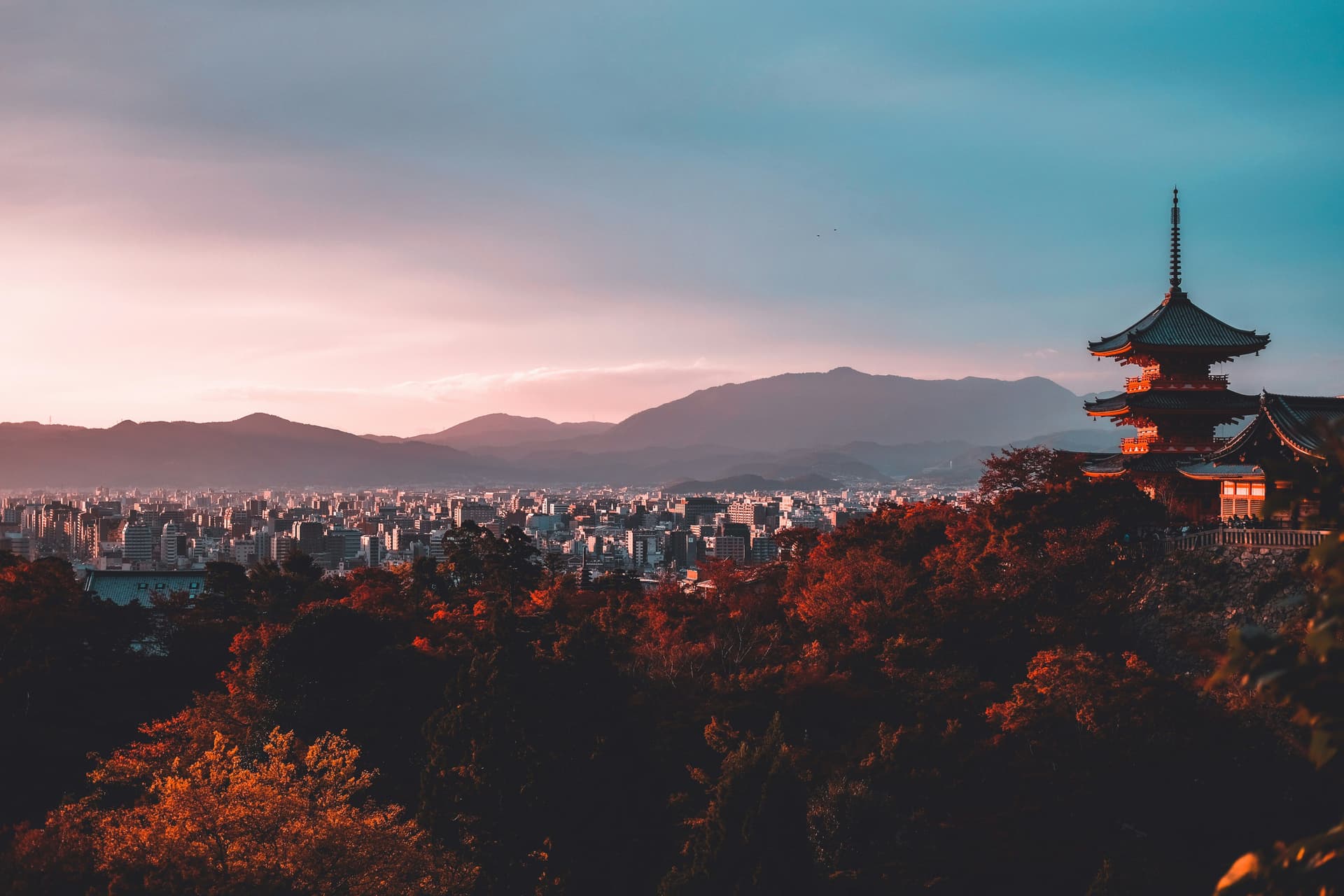
Autumn foliage (koyo) in Kyoto is as spectacular as spring but with arguably better light and atmosphere. Maple trees turn deep red and orange around temples and mountain paths. Arashiyama, Eikan-do Temple, and Tofuku-ji are particularly famous for autumn colour.
Crowds: Peak autumn colour weeks (typically late November) are nearly as busy as cherry blossom season. October is the sweet spot pleasant weather, the foliage begins turning, and crowds are noticeably thinner.
Summer: June to August
Hot and humid (33°C–36°C in July–August). July brings the world-famous Gion Matsuri — one of Japan's largest and most celebrated festivals, with elaborate float processions through central Kyoto. If you can handle the heat, summer has its rewards. Mornings are more manageable for temple visits.
Winter: December to February
Cold (3°C–8°C), but the quietest and most atmospheric time. Snow occasionally falls on Kyoto's temples a rare and stunning sight. Far fewer tourists. Temple grounds feel deeply peaceful. Accommodation prices drop 20–30% from peak rates.
Where to Stay in Kyoto
Downtown Kyoto (Shijo-Karasuma Area) — Best for First-Timers
Central, excellent subway and bus connections, walking distance to Nishiki Market and Gion's edge. The widest range of accommodation options across all budgets.
Best for: First-timers, travelers wanting easy navigation, shoppers Accommodation range: ₹4,000–₹25,000/night (hostel to 4-star hotel)
Near Kyoto Station — Best for Transport Convenience
Kyoto Station is the hub for all shinkansen, JR trains, and major bus routes. Staying nearby means zero friction on travel days and easy access to day trips to Osaka and Nara.
Best for: Families with luggage, travelers doing multiple city itineraries, budget travelers (larger hotels here tend to be more affordable) Accommodation range: ₹3,500–₹20,000/night
Gion District — Best for Traditional Atmosphere
The most historic part of Kyoto. Walking distance to Hanamikoji Street where geiko and maiko are sometimes spotted in the evenings. Traditional machiya townhouses and smaller guesthouses.
Best for: Culture-focused travelers, couples, those who want to experience Kyoto's atmosphere deeply Accommodation range: ₹8,000–₹50,000/night (guesthouses to luxury ryokan) Downside: Limited budget options; some restaurants nearby are expensive
Arashiyama Area — Best for Nature Lovers
A quieter, semi-rural area on Kyoto's western edge. Staying here puts you steps from the bamboo grove and a short walk from Tenryu-ji. Peaceful evenings after day-trippers leave.
Best for: Couples, photographers, slow-travel focused visitors Accommodation range: ₹6,000–₹45,000/night
Ryokan Stay — A Unique Experience Worth Budgeting For
A ryokan is a traditional Japanese inn — tatami mat floors, futon bedding, yukata robes, communal or private onsen (hot spring bath), and multi-course kaiseki dinner included. Staying even one night in a ryokan is one of the most culturally rich experiences Japan offers.
Mid-range ryokan in Kyoto: ₹15,000–₹35,000/night per person (typically includes dinner and breakfast) Recommended areas for ryokan: Gion, Higashiyama, Arashiyama
Top Places to Visit in Kyoto
1. Fushimi Inari Taisha — The Thousand Torii Gates
The most photographed place in Kyoto and arguably in all of Japan. Thousands of vermillion torii gates wind up the forested Inari mountain, donated by businesses and individuals over centuries as offerings. The full mountain trail is 4 km to the summit and back — about 2–3 hours round trip. The lower section (first 30–45 minutes) gives you the famous tunnel of gates without the full climb.
The essential Kyoto early-morning experience: Arrive at 5:30–6:00 AM. The gates in the lower section are empty, the light is extraordinary, and you'll have the iconic tunnel almost entirely to yourself for about an hour before crowds arrive. By 9 AM it's busy; by 11 AM the main gate area is extremely crowded.
Practical details:
- Entry: Free (open 24 hours)
- Location: 5 min walk from Inari Station (JR Nara Line — covered by JR Pass)
- Best time: Dawn, or late afternoon when day-trippers leave and the lanterns light up
2. Arashiyama Bamboo Grove & District
The bamboo grove in Arashiyama is one of Japan's most iconic landscapes — a narrow path cutting through towering bamboo stalks that create a cathedral of green overhead. The grove itself takes 10–15 minutes to walk through, but the Arashiyama district around it deserves 3–4 hours.
What to see in Arashiyama:
- Bamboo Grove: Walk it early (before 8 AM) to avoid crowds — the first hour after opening is quiet and the light filtering through the stalks is exceptional
- Tenryu-ji Temple and Garden: One of Kyoto's finest Zen gardens, with a view of Arashiyama mountain reflected in the central pond. Garden entry ₹960 (¥1,500); main hall extra
- Togetsukyo Bridge: A long wooden bridge over the Oi River with Arashiyama mountain behind — the postcard view of the area
- Monkey Park Iwatayama: A 15-minute hike up the hill across the bridge brings you to a park where you can see Japanese snow monkeys close up (₩800 entry, ~₹820)
- Sagano Romantic Train: A scenic 25-minute train ride through the Hozugawa river gorge — beautiful in autumn. Book in advance during peak season
Practical details:
- Nearest station: Arashiyama Station (Keifuku/Randen Line) or Saga-Arashiyama (JR San-in Line — covered by JR Pass)
- Allow: Full half-day or a full day if you include Tenryu-ji, the monkey park, and a river boat ride
3. Kinkaku-ji — The Golden Pavilion
A Zen Buddhist temple whose top two floors are entirely covered in gold leaf, reflected in the surrounding pond. It is genuinely stunning — even seasoned travelers find the first glimpse breathtaking. One of the most visited sites in Japan.
What to know: Kinkaku-ji is always crowded. There is no avoiding it. The garden path is one-directional and moves steadily. The best strategy is arriving right when it opens (9 AM) or in the late afternoon around 4–4:30 PM (it closes at 5 PM) when the light turns golden and some crowds have thinned.
Practical details:
- Entry: ~₹640 (¥1,000)
- Hours: 9 AM–5 PM daily
- Nearest bus: Kinkakuji-michi bus stop (Bus 12, 59, or 204)
- Allow: 45 minutes to 1 hour
4. Kiyomizu-dera Temple
A UNESCO World Heritage temple built into the hillside of Higashiyama mountain, famous for its large wooden stage extending over the hillside with panoramic views of Kyoto. The stage is built entirely without nails, using traditional Japanese joinery. The approach through the old stone-paved shopping streets of Sannenzaka and Ninenzaka is itself one of Kyoto's most beautiful walks.
What to do here:
- Walk the approach from Gojo-zaka or Kiyomizuzaka bus stop — the stone streets lined with traditional shops selling matcha snacks, ceramic ware, and local crafts are part of the experience
- Drink from the Otowa waterfall at the base of the main hall — three streams that are said to grant different blessings (longevity, success in studies, and fortunate love). Drink from only one — drinking from all three is considered greedy
Practical details:
- Entry: ~₹760 (¥500 adults; the complex has multiple sub-areas, some with separate fees)
- Hours: 6 AM–6 PM (later during special illumination events)
- Best time: Early morning for soft light and fewer crowds
5. Gion District & Hanamikoji Street
Kyoto's most famous geisha district. Hanamikoji Street — a single block of traditional ochaya (teahouse) buildings lined with paper lanterns — is the most visually atmospheric street in Japan. The district extends into a network of narrow lanes (Shirakawa canal area, Shimbashi) where machiya townhouses lean together over stone-paved streets.
When to visit Gion:
- Evening (5–8 PM) is the best time — ochaya lanterns light up, the atmosphere is at its most evocative, and you have the best chance of spotting a geiko or maiko heading to an appointment
- Avoid Gion on weekends at midday when tour groups fill Hanamikoji
- Photography etiquette: Certain private alleys in Gion have strict no-photography signs. Respect them. Do not touch, chase, or block the path of geiko or maiko for a photograph — it is considered deeply disrespectful and there have been city ordinances proposed to fine tourists who do so
Practical details:
- Entry: Free (public streets)
- Nearest bus: Gion bus stop (Bus 100, 206) or Shijo-Kawaramachi
- Allow: 1.5–2 hours for an evening walk
6. Higashiyama District
The most intact and beautiful traditional streetscape in Kyoto — a preserved district of two-story wooden machiya buildings lining narrow stone-paved lanes running between Kiyomizu-dera and Gion. Walking through Higashiyama from south to north connects three of Kyoto's most atmospheric areas in a single 2–3 hour walk.
The Higashiyama walking route: Kiyomizuzaka bus stop → Sannenzaka (三年坂) → Ninenzaka (二年坂) → Ishibei-koji lane → Kodai-ji Temple → Ryozen Kannon → Maruyama Park → Yasaka Shrine → Shijo Street (Gion)
This walk covers Kyoto's best preserved streets, two excellent temple gardens, and ends in the heart of Gion. It can be done in 2 hours at a brisk pace or stretched to a full leisurely half-day.
7. Nijo Castle
A UNESCO World Heritage Site and one of Japan's finest examples of feudal-era castle architecture. Built in 1603 as the Kyoto residence of the Tokugawa shogunate, the castle's interior features elaborate painted screens and the famous "nightingale floors" — wooden floors engineered to squeak when walked upon as a security system against assassins.
Practical details:
- Entry: ~₹1,100 (¥1,300, includes Ninomaru Palace)
- Hours: 8:45 AM–5 PM (closed Tuesdays December–January)
- Nearest subway: Nijo-jo-mae Station (Tozai Line)
- Allow: 1.5–2 hours
8. Philosopher's Path (Tetsugaku-no-Michi)
A 2 km stone path along a canal in northern Higashiyama, lined with hundreds of cherry trees. During spring, the path transforms into one of Japan's most beautiful cherry blossom corridors. In autumn, maple trees along the canal create a golden tunnel. Named after the philosopher Nishida Kitaro who is said to have meditated here during his daily walks.
The path connects Ginkaku-ji (Silver Pavilion) in the north to Nanzen-ji Temple in the south. Both are worth visiting.
Practical details:
- Entry: Free (the path itself)
- Best season: Late March to early April (cherry blossoms), late November (autumn leaves)
- Allow: 1 hour for the walk, plus time at Ginkaku-ji and Nanzen-ji
Best Things to Do in Kyoto
Attend a Tea Ceremony
A traditional Japanese tea ceremony (chado or chanoyu) is a choreographed ritual of preparing and drinking matcha — a practice that embodies Japanese concepts of harmony, respect, purity, and tranquility. For Indian travelers, it's one of the most culturally distinct experiences available in Japan.
Options:
- Basic tea ceremony experience (30–45 min, includes matcha and wagashi sweet): ₹2,500–₹4,000, available at numerous venues in Gion, Higashiyama, and Arashiyama
- Full ceremony with kimono wearing: ₹4,500–₹8,000
- Private tea ceremony in a machiya or temple garden: ₹8,000–₹20,000+
Book in advance — popular sessions fill up quickly, especially in peak season.
Rent a Kimono or Yukata
Kimono rental shops are everywhere in Kyoto, particularly around Gion, Higashiyama, and Arashiyama. Dressing in a kimono and walking through Kyoto's temple districts creates photos and memories that are specific to this city alone.
Cost: ₹1,600–₹4,500 for 4–6 hours including dressing assistance, accessories, and return cleaning
Visit Nishiki Market
Known as "Kyoto's Kitchen" — a covered market running five blocks through central Kyoto, packed with around 100 vendors selling pickled vegetables, fresh tofu, Kyoto-style obanzai dishes, grilled skewers, matcha sweets, and local seafood.
Best time: Weekday mornings (some stalls close early). Weekends after 11 AM get crowded. Most vendors close by 5–6 PM.
For vegetarian Indian travelers: Nishiki Market is one of the best places in Kyoto to find vegetarian-friendly Japanese food — pickles, yuba (tofu skin), mochi, wagashi sweets, and fresh produce are widely available.
Experience Arashiyama by Boat
A traditional wooden boat ride down the Hozu River through the Hozukyo gorge — dramatic cliff scenery and rushing water. The ride goes from Kameoka (west of Kyoto) to Arashiyama and takes about 2 hours. Can be booked as part of a day trip.
Getting Around Kyoto
City Buses — Primary Transport
Kyoto's bus network covers nearly every temple and landmark. Most tourist sightseeing is done by bus.
- Day Bus Pass (一日乗車券): ¥700 (~₹450) for unlimited rides on Kyoto City Bus. Buy at Kyoto Station bus terminal or at any convenience store
- IC Card (Suica / ICOCA / Pasmo): Works on buses and subway. Load it at any station or convenience store. Faster than buying individual tickets each time
- Google Maps works for bus navigation in Kyoto (unlike South Korea) — it gives real-time bus times and route guidance
Subway
Two lines: Karasuma Line (north–south) and Tozai Line (east–west). Useful for Nijo Castle (Nijo-jo-mae), Kyoto Imperial Palace (Imadegawa), and connections to Kyoto Station.
Walking & Cycling
The Higashiyama district and Philosopher's Path are best explored on foot. Arashiyama has a good cycling path along the river — bikes rentable for ~₹800–₹1,200/day at shops near the station.
Taxis
Available widely. Use Go (Japan's equivalent of Uber) for convenience. Taxis in Kyoto are metered and generally honest. Slightly more expensive than Tokyo. Useful late at night after buses stop.
What to Eat in Kyoto
Kyoto has one of the most refined food cultures in Japan — and in the world. The city's cuisine (Kyo-ryori) evolved over centuries of catering to the imperial court and Buddhist temples, resulting in an emphasis on seasonal vegetables, delicate broths, and extraordinary presentation.
Must-Eat Dishes in Kyoto
Kaiseki (懐石) Kyoto's most famous culinary tradition — a multi-course meal where each dish reflects the season, the geography, and the skill of the chef. An authentic kaiseki dinner at a high-end restaurant is a multi-hour, multi-dish experience. Budget kaiseki lunches (¥3,000–¥5,000, ~₹2,000–₹3,200) are widely available and give you the experience without the full dinner price.
Yudofu (Tofu Hot Pot) Kyoto produces some of Japan's finest tofu, thanks to its exceptionally clean groundwater. Yudofu — silken tofu simmered in kombu broth, dipped in a soy-ginger sauce — is deceptively simple and deeply satisfying. Available at traditional tofu restaurants near Nanzen-ji and in Arashiyama.
Obanzai Kyoto's traditional home-cooking style — small dishes of seasonal vegetables, pickles, dried fish, and tofu prepared in simple traditional ways. Many mid-range restaurants offer obanzai set meals (¥1,000–₩2,000, ~₹640–₹1,280) that give you 5–8 dishes to share.
Matcha Sweets Kyoto is the matcha capital of Japan. Every street in the tourist areas has at least one shop selling matcha soft-serve ice cream, matcha parfaits, matcha mochi, and matcha chocolate. Uji (a 30-minute train from Kyoto) is where most of Japan's premium matcha is grown — a half-day trip for serious matcha enthusiasts.
Kyoto-style Ramen Kyoto ramen is known for a chicken-and-pork broth style — lighter than Sapporo ramen, less rich than Tokyo ramen. Recommended spots cluster around Kyoto Station and in the Nishiki Market area.
Yatsuhashi Kyoto's most famous souvenir food — triangular shaped rice flour confectionery filled with red bean paste (anko) and flavoured with cinnamon. Also sold unbaked (nama yatsuhashi) which is softer and chewier. Available everywhere; great as a gift.
For Vegetarian Indian Travelers
Kyoto is genuinely one of the best cities in Japan for vegetarians, thanks to its deep Buddhist temple food tradition.
Shojin Ryori (Buddhist Vegetarian Cuisine) Shojin ryori is the vegetarian cuisine developed by Buddhist monks — completely free of meat, fish, and often onion and garlic as well. Multi-course, beautifully presented, and one of the most distinctive culinary experiences in Japan. Several restaurants near Nanzen-ji, Arashiyama, and Ryoan-ji specialise in it.
Recommended vegetarian-friendly options:
- Tofu restaurants near Nanzen-ji — most offer vegetarian-only tofu set meals
- Nishiki Market — pickles, mochi, yuba, vegetable tempura
- Convenience stores (7-Eleven, FamilyMart, Lawson) — onigiri (rice balls) with vegetable fillings, vegetable sandwiches, plain rice
- Use HappyCow app for vegetarian and vegan restaurants filtered by area
Useful phrase for restaurants: Show staff this on your phone: 「私はベジタリアンです。肉、魚、鶏肉なしでお願いします。」 ("I am vegetarian. Please, without meat, fish, or chicken.")
Note that Japanese "vegetarian" dishes sometimes contain dashi (fish stock). Ask specifically: 「だしは入っていますか?」 ("Does this contain dashi?")
Day Trips from Kyoto
Nara (45 min by JR) — Essential
Covered in the Day 4 itinerary above. Free-roaming deer, the Great Buddha, and ancient temple atmosphere. One of the most unique day trips available from any Japanese city.
Osaka (15–40 min by train) — Urban Contrast
Osaka's energy is the opposite of Kyoto's — louder, faster, more street-food focused. Dotonbori's food street, Osaka Castle, and Shinsekai district are all worth a half-day. Use the JR Pass (shinkansen) or Hankyu Line (cheaper, 40 min, but not covered by JR Pass).
Hiroshima & Miyajima (3.5 hrs by shinkansen, covered by JR Pass)
Hiroshima's Peace Memorial Museum and Park, combined with the floating torii gate of Miyajima Island, make one of the most profound and beautiful day trips in Japan. Worth doing if you have 5 or more days in Japan — leave Kyoto by 7 AM and return by 8 PM comfortably.
Uji (30 min by JR) — For Matcha Lovers
The matcha-growing region south of Kyoto. Byodoin Temple (the building on the ¥10 coin), riverside streets lined with matcha tea shops, and the Uji Shrine. A relaxed half-day if you love tea culture.
Practical Tips for Indian Travelers
Cash vs Card
Japan is still significantly more cash-reliant than South Korea or China. Many traditional restaurants, smaller shops, and temple ticket counters are cash only.
- Withdraw yen from 7-Eleven, FamilyMart, or Japan Post ATMs — these reliably accept foreign Visa and Mastercard
- Keep ¥10,000–¥20,000 (~₹6,400–₹12,800) in cash at all times in Kyoto
- IC cards (Suica, ICOCA) can be loaded with cash and used for transport and convenience store purchases — load at any station
SIM Card and Internet
Buy a Japan tourist SIM at Kansai Airport on arrival. Options from IIJmio, Softbank Tourist SIM, or through Klook. A 15-day data SIM costs approximately ₹2,500–₹4,500.
Alternatively, an eSIM (services like Airalo) works well — activate before landing, costs slightly less.
Japan has excellent 4G/5G coverage across Kyoto including inside temples and on mountain paths.
Power and Adapters
Japan uses Type A plugs (flat two-pin, like the US) at 100V. Indian Type D/M plugs don't fit. Pack a Type A adapter or universal adapter before leaving India. This is different from the adapters needed for Korea — if doing both countries, bring a universal adapter.
Shoes for Kyoto
Wear comfortable walking shoes with easy slip-on/slip-off capability. Many temples and ryokan require removing shoes at the entrance. Socks are essential — you may be walking on polished wooden floors in your socks frequently.
Etiquette at Temples and Shrines
- Speak quietly inside temple grounds — these are active places of worship
- Do not touch sacred objects, statues, or stone lanterns
- Follow the one-way flow at popular sites without pushing
- At Shinto shrines: walk on the sides of the main path (the centre is reserved for deities)
- Photography is usually allowed in grounds but often restricted inside temple buildings — look for signs
Japan Tour Packages from India
Planning a Japan trip from India involves coordinating international and domestic flights, Japan Rail Pass purchase and activation, accommodation across multiple cities, and day-by-day logistics for a country where language barriers are real and navigation requires preparation.
Desh Videsh Travels' Japan tour packages are curated for Indian travelers — covering the classic Tokyo + Kyoto + Osaka route as well as extended itineraries that include Hiroshima, Nara, and Hakone, with JR Pass guidance, Indian-friendly accommodation, and on-ground support.
If you'd prefer the certainty of a structured trip over independent planning, it's worth exploring.
Written by the Desh Videsh Travels team · Specialists in Japan tours from India
Explore Japan tour packages →