Tokyo's fast-paced streets, Kyoto's historic temples, Osaka's food markets and Mount Fuji's scenic landscapes offer very different experiences of Japan. The challenge is deciding how to fit the right ones into a single holiday.
For a first trip, choosing the right season, deciding how many days to spend and planning a practical travel route matter just as much as selecting the destinations. This Japan travel guide explains where to go, when to visit and how to plan a well-paced journey, with practical considerations for travelers from India.
How to Plan a Trip to Japan from India
Before booking your flights and hotels, make four key decisions: when to travel, how long to stay, which destinations to include and how much to spend.
Choose Your Travel Season
Japan offers four distinct seasons, each with different weather conditions and experiences. Spring is popular for cherry blossoms, autumn for colorful foliage, summer for festivals and winter for snow activities.
Your travel dates also influence accommodation availability and overall trip costs. If you plan to visit during cherry blossom season or autumn foliage, make your arrangements early.
For a seasonal comparison, read our Best Time to Visit Japan guide.
Decide Your Trip Duration and Budget
Your available travel days should determine how many destinations you include. A week is suitable for a focused visit, while 10 days gives you more time to explore the popular Tokyo-Kyoto-Osaka route.
Your budget will depend on flights from India, accommodation, transportation, dining and activities. Traveling between distant regions can add significantly to your expenses, so finalize your route before estimating the total cost.
Explore our Japan Trip Cost Guide for a detailed breakdown of travel expenses.
Understand Transportation in Japan
Japan's public transportation system makes it relatively easy to travel between major destinations. The Shinkansen connects cities such as Tokyo, Kyoto and Osaka, while local trains, subways and buses help you explore individual areas.
However, a nationwide Japan Rail Pass is not necessarily the cheapest option for every itinerary. Compare individual tickets and regional passes based on your planned journeys.
Our Japan Transport Guide explains the main travel options.
Prepare for Your Journey from India
Indian travelers should check the latest Japan visa requirements and application process before departure. Once your travel dates are confirmed, arrange accommodation, travel insurance and suitable international connectivity.
Also consider how you will manage payments. Carry an international payment card and some Japanese yen, as smaller establishments may not accept cards.
Keep digital and physical copies of your passport, visa, flight details and hotel bookings. For additional preparation advice, read our guide on Things to Know Before Travelling to Japan.
Best Time to Visit Japan
The best time to visit Japan depends on the weather and seasonal experiences you prefer. Spring and autumn are particularly popular for sightseeing, while summer and winter offer different activities.
Season | Months | What to Expect |
| Spring | March to May | Cherry blossoms, mild weather and popular sightseeing spots |
| Summer | June to August | Festivals, fireworks, greenery and hot, humid weather |
| Autumn | September to November | Colorful foliage, comfortable sightseeing weather and seasonal food |
| Winter | December to February | Snowy landscapes, hot springs and winter sports |
Spring (March to May)
Spring is famous for cherry blossoms, with parks, riversides and temple gardens becoming popular viewing spots. The flowering period varies by region and year, so check local forecasts before finalizing your itinerary.
If cherry blossoms are the main reason for your visit, explore our Japan Cherry Blossom Travel Guide.
Summer (June to August)
Summer brings festivals, fireworks and lush landscapes. It is also a good time to explore Hokkaido, where temperatures are generally cooler than in many other parts of Japan.
However, much of the country experiences hot and humid weather, with a rainy period in many regions around early summer.
Autumn (September to November)
Autumn is popular for its colorful foliage, pleasant sightseeing conditions and seasonal food. The changing leaves appear at different times across the country, with northern regions generally changing earlier.
Read our Autumn in Japan Guide for more details.
Winter (December to February)
Winter is ideal for travelers interested in snow, skiing, hot springs and seasonal experiences. Hokkaido and northern Japan are particularly popular for winter activities, while major cities such as Tokyo and Osaka remain suitable for sightseeing.
How Many Days Do You Need in Japan? Suggested Itineraries
For most first-time visitors, 7 to 10 days is a practical starting point. If you want to explore destinations beyond the main tourist route, consider spending 12 to 14 days in the country.
Trip Duration | Suggested Route | Best For |
| 7 Days | Tokyo → Kyoto | A focused first visit covering modern and traditional Japan |
| 10 Days | Tokyo → Kyoto → Osaka | A balanced introduction to Japan's major destinations |
| 12–14 Days | Tokyo → Kyoto → Osaka → One additional region | A slower holiday with more cultural or nature experiences |
7 Days: Tokyo and Kyoto
A one-week holiday is best kept focused. Spend a few days exploring Tokyo's neighborhoods, shopping areas and cultural attractions before traveling to Kyoto for temples, traditional streets and historic districts.
You can also consider Osaka instead of Kyoto if food, nightlife and a lively city atmosphere are your priorities.
10 Days: Tokyo, Kyoto and Osaka
Ten days offers enough time to experience the country's three popular destinations without making the itinerary unnecessarily rushed.
Explore Tokyo's modern attractions, spend time discovering Kyoto's cultural heritage and finish in Osaka for its food scene and entertainment.
This is one of the most practical routes for first-time visitors traveling to Japan.
12–14 Days: Add One More Destination
With nearly two weeks, you can follow the classic route at a slower pace and include another destination based on your interests.
Consider:
- Nara: A convenient day trip from Kyoto or Osaka, known for its temples, cultural attractions and deer park.
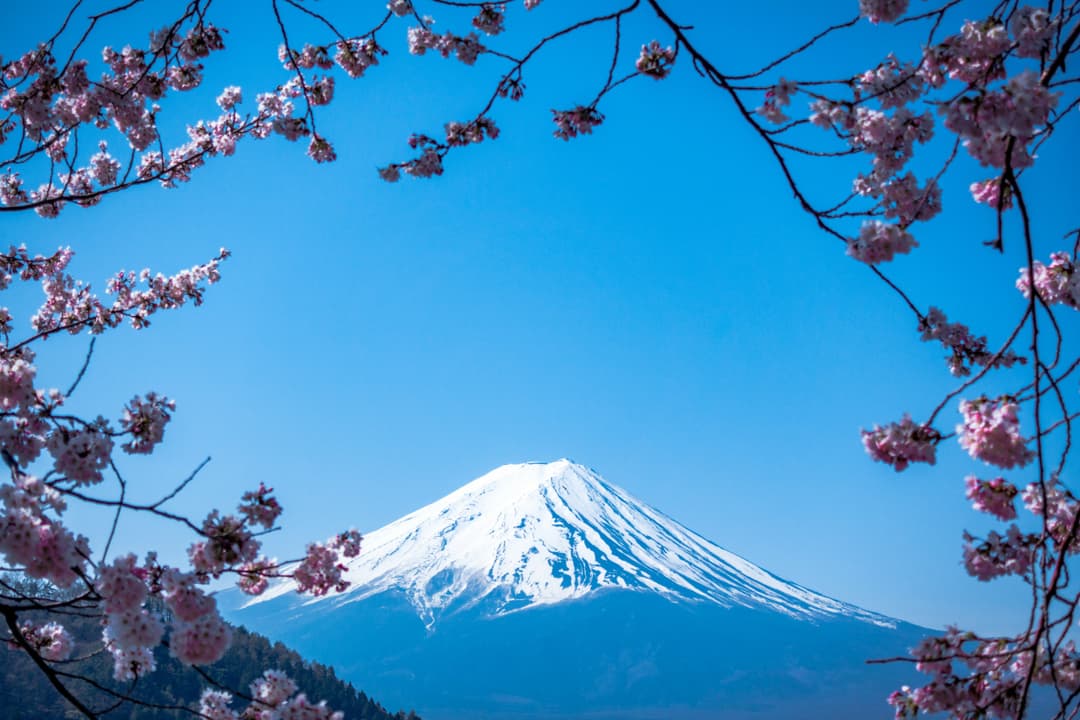
- Mount Fuji and the Fuji Five Lakes area: Suitable for travelers interested in mountain scenery, lakes and photography.
- Hiroshima and Miyajima: A good addition for history, cultural landmarks and coastal scenery.
- Hokkaido: Better suited to a separate regional extension, particularly for snow activities, nature and summer landscapes.
Avoid adding several distant destinations simply to cover more places. The time spent traveling between regions can reduce the time available for sightseeing.
Best Places to Visit in Japan
The right destinations depend on the kind of holiday you want. These five places offer a useful starting point for planning a first visit.
1. Tokyo: For Modern Cities, Shopping and Entertainment
Tokyo combines modern architecture, shopping districts, museums, traditional neighborhoods and a wide variety of dining experiences.
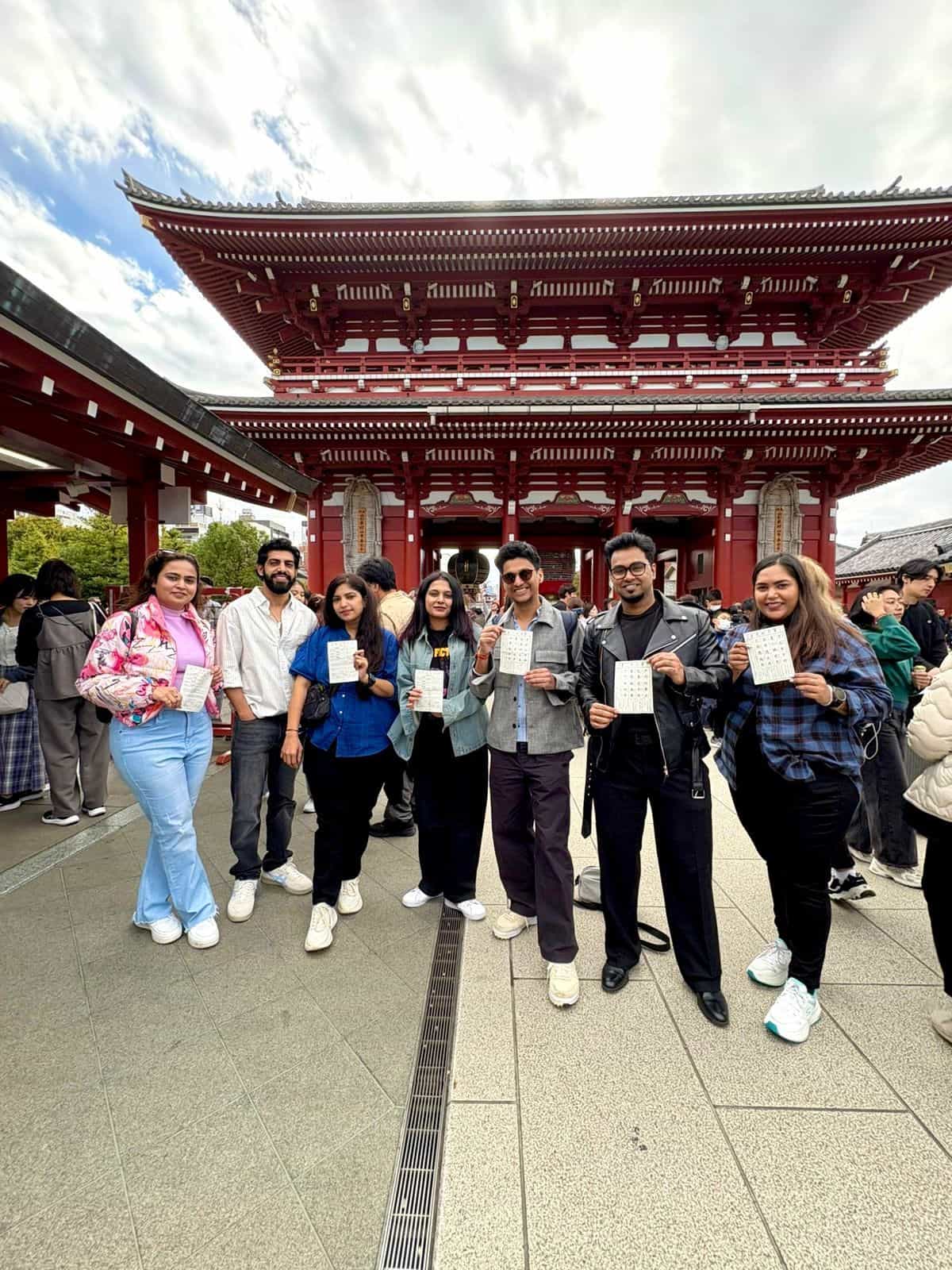
Explore Shibuya and Shinjuku for their energetic city atmosphere, or visit Asakusa to experience a more traditional side of the capital.
Best for: First-time visitors, shopping, food, entertainment and urban sightseeing.
Explore our Tokyo Travel Guide.
2. Kyoto: For Temples, Heritage and Traditional Experiences
Kyoto is known for its historic temples, shrines, gardens, tea houses and traditional streets. It is one of the best destinations for travelers interested in Japanese culture and architecture.
Best for: Cultural sightseeing, traditional experiences, temples and scenic walks.
Read our Kyoto Travel Guide.
3. Osaka: For Food, Nightlife and City Experiences
Osaka is particularly popular for its food culture, lively neighborhoods and nightlife. Dotonbori and Namba are well-known areas for exploring local food, shopping and evening entertainment.
Its location also makes it convenient for day trips to Kyoto and Nara.
Best for: Food lovers, nightlife, shopping and entertainment.
Discover more in our Osaka Travel Guide.
4. Mount Fuji Area: For Mountain Views and Nature
The Mount Fuji region offers some of Japan's most recognizable landscapes. The Fuji Five Lakes area is popular for its mountain views, lakeside scenery and outdoor experiences.
Visibility depends on weather conditions, so allow some flexibility if seeing Mount Fuji is a priority.
Best for: Nature lovers, photography, scenic stays and outdoor activities.
5. Hokkaido: For Snow, Nature and Seasonal Landscapes
Hokkaido offers a different experience from Japan's major cities. It is known for winter sports, snowy scenery, outdoor activities and regional food.
Summer is also a popular time to visit for cooler weather, flower fields and nature experiences.
Best for: Winter sports, nature, scenic travel and seasonal experiences.
Japan Travel Checklist for Indian Travelers
Use this checklist to keep the main arrangements organized before departure.
Travel documents and bookings
- Check the latest visa requirements for Indian passport holders.
- Confirm your international flights and accommodation.
- Arrange suitable travel insurance.
- Save digital copies of important travel documents and bookings.
Money and connectivity
- Arrange an eSIM, SIM card or pocket Wi-Fi.
- Carry an international payment option and some Japanese yen.
- Download navigation and translation apps for offline use where possible.
Transport and sightseeing
- Plan your airport transfers and intercity journeys.
- Check whether popular attractions require advance reservations.
- Review local transport options for each destination.
Practical Tips for First-Time Visitors to Japan
A few simple habits can make your journey more comfortable:
- Use public transportation: Trains and subways are convenient for most major city journeys. Check your route before leaving.
- Wear comfortable footwear: Exploring stations, neighborhoods and attractions often involves considerable walking.
- Follow local etiquette: Pay attention to rules at temples, shrines, restaurants and on public transport.
- Carry some cash: Cards are widely accepted in many urban areas, but cash remains useful at smaller establishments.
- Keep your schedule realistic: Avoid planning too many attractions in one day, especially when destinations are far apart.
Explore Japan Tour Packages
Planning a multi-city holiday involves coordinating flights, hotels, transportation and sightseeing across different regions.
If you prefer a more organized journey, explore our Japan Tour Packages. You can consider an itinerary based on your travel dates, preferred destinations and holiday style.