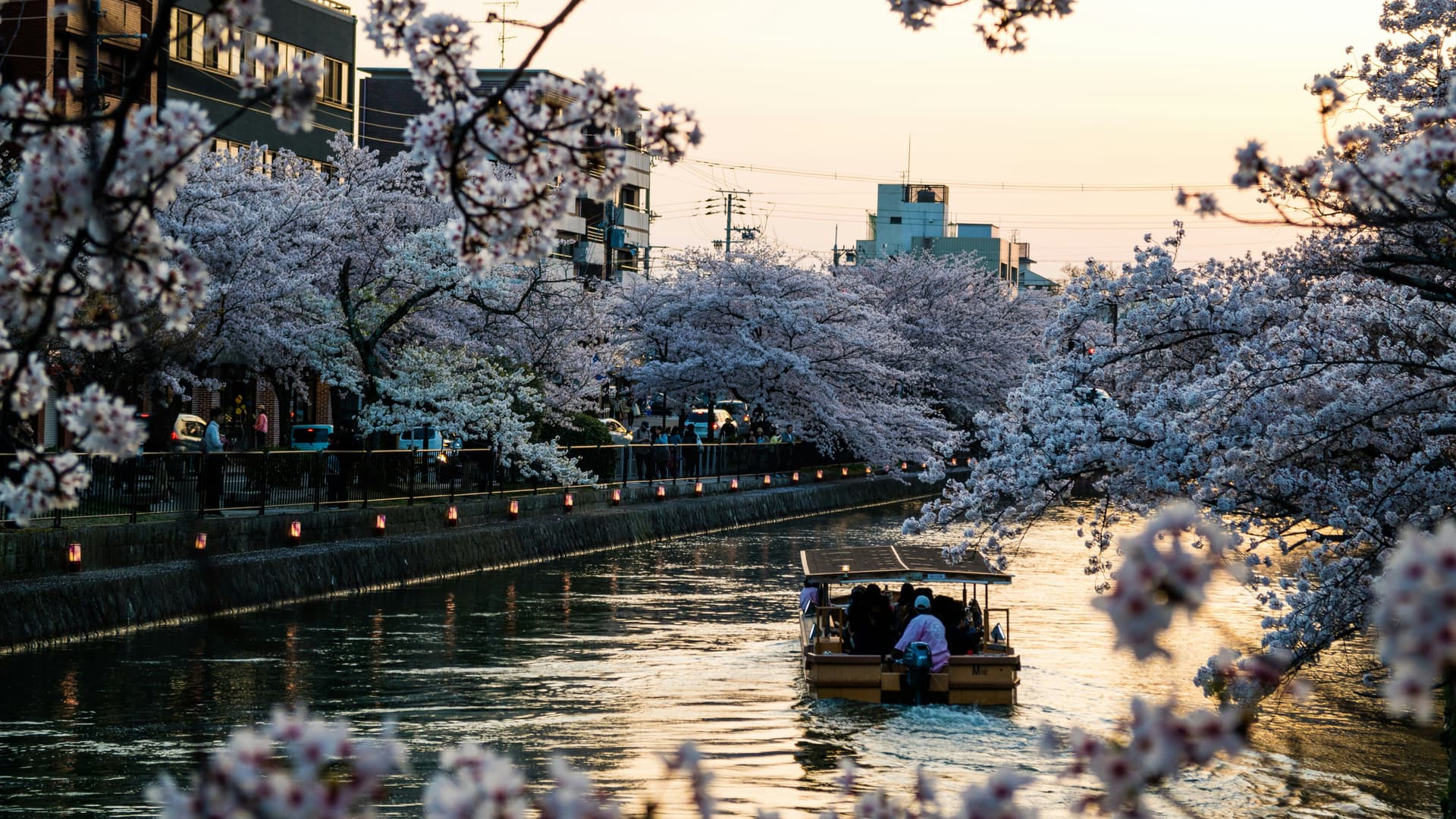
Japan is one of the few destinations where the timing of your trip can completely change the experience. Visit in spring and you'll find cherry blossoms transforming parks and temple grounds. Travel in summer and you'll experience festivals, fireworks and mountain adventures. Autumn brings colorful foliage and comfortable sightseeing weather, while winter offers snowy landscapes, hot springs and quieter travel experiences.
Because each season creates a different atmosphere, choosing when to visit Japan is just as important as deciding where to go. The right timing can help you enjoy better weather, avoid crowds, manage costs and experience the country in a way that matches your travel style.
Whether you're planning your first Japan trip or returning to explore a different season, this guide will help you choose the best time to visit based on weather, seasonal experiences, crowd levels and travel goals.
If you're still deciding where to go, start with our Japan Travel Guide for destination ideas and itinerary planning.
Quick Answer: What Is the Best Time to Visit Japan?
For most travelers, the best time to visit Japan is:
- March to April for cherry blossoms and pleasant weather
- October to November for autumn foliage and comfortable temperatures
These seasons offer the best balance of sightseeing conditions, seasonal beauty and cultural experiences.
However:
- Summer is ideal for festivals and mountain travel
- Winter is best for snow experiences and hot springs
- January and February often offer the best value for budget-conscious travelers
If it's your first visit to Japan, spring and autumn are usually the easiest and most rewarding seasons to experience.
Best Time to Visit Japan: Quick Comparison
Season | Weather | Crowds | Cost | Best For |
| Spring | Mild and pleasant | High | High | Cherry blossoms |
| Summer | Warm to hot | Medium | Medium | Festivals and outdoor activities |
| Autumn | Cool and comfortable | High | High | Fall foliage and sightseeing |
| Winter | Cold | Low | Low to Medium | Snow, hot springs and winter scenery |
Best Time to Visit Japan Based on Your Travel Style
Travel Goal | Best Time |
| Cherry Blossoms | Late March – Early April |
| Autumn Foliage | October – November |
| Lowest Costs | January – February |
| Festivals | July – August |
| Snow Experiences | December – February |
| First-Time Japan Trip | March–April or October–November |
| Photography | Spring and Autumn |
| Family Travel | April, May, October |
| Hot Springs | Winter |
Best Time to Visit Japan for Different Experiences
Best Time for Cherry Blossoms
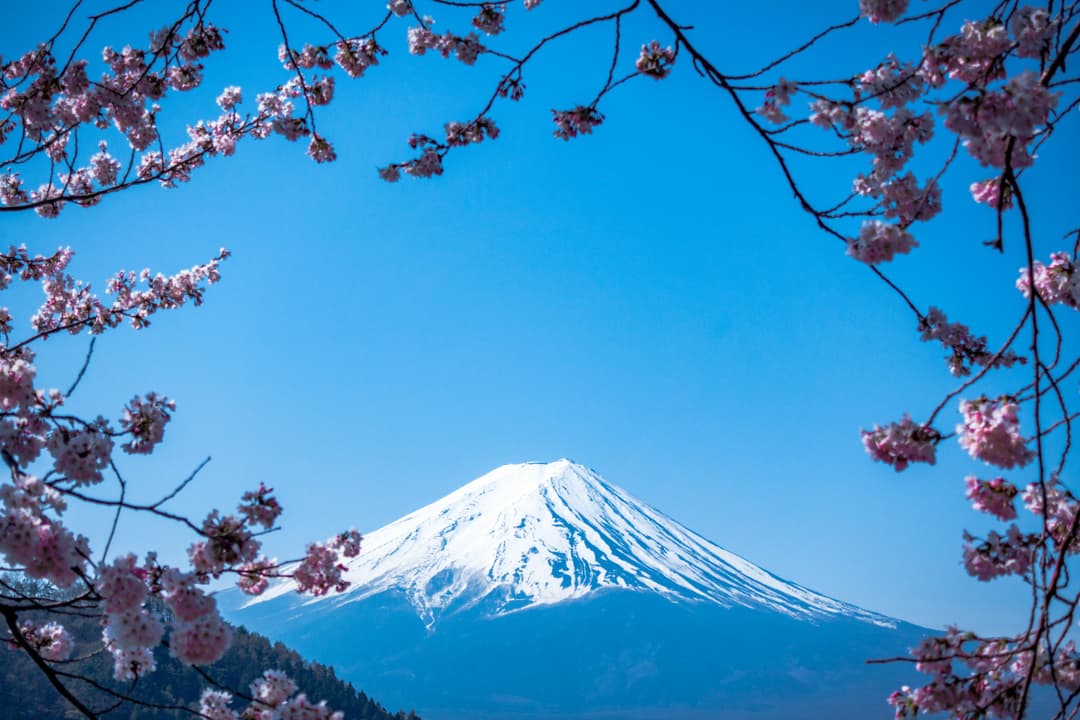
Late March to early April is the most popular period for cherry blossom viewing across much of Japan.
Best Time for Autumn Foliage
October and November offer vibrant autumn colors and comfortable sightseeing weather.
Best Time for Snow Experiences
December through February is ideal for snow scenery, winter festivals and ski destinations.
Best Time for Festivals
July and August host many of Japan's most famous festivals and fireworks events.
Best Time for First-Time Visitors
Spring and autumn provide the easiest balance of weather, sightseeing and seasonal experiences.
Best Time for Budget Travel
January, February and early June often provide better flight and hotel pricing compared to peak seasons.
Japan's Seasons at a Glance
Japan has four distinct seasons, and each one offers a different travel experience.
Spring (March–April)
- Cherry blossoms
- Mild temperatures
- Parks and gardens at their best
- Classic first-time Japan experience
Summer (May–August)
- Festivals and fireworks
- Mountain escapes
- Longer daylight hours
- Vibrant city atmosphere
Autumn (September–November)
- Red and gold foliage
- Scenic train journeys
- Comfortable weather
- Excellent photography opportunities
Winter (December–February)
- Snow-covered landscapes
- Hot spring experiences
- Winter illuminations
- Fewer tourists in many destinations
Japan Weather by Season
Season | Typical Conditions |
| Spring | Mild temperatures and comfortable sightseeing weather |
| Summer | Warm to hot, often humid in major cities |
| Autumn | Cool, dry and pleasant |
| Winter | Cold with significant snowfall in northern regions |
The weather can vary significantly depending on where you travel.
Japan's Seasons Vary by Region
One of the most common mistakes travelers make is assuming the entire country experiences the same weather at the same time.
Hokkaido
- Longer winters
- Cooler summers
- Excellent snow conditions
Tokyo & Kyoto
- Traditional four-season experience
- Most popular cherry blossom and autumn destinations
Japanese Alps
- Cooler temperatures
- Earlier autumn foliage
- Popular for outdoor activities
Okinawa
- Warm weather year-round
- Earlier spring conditions
- Beach-focused travel
Because of these regional differences, the best time to visit Japan can vary depending on your itinerary.
Spring in Japan (March to April)
Spring is Japan's most famous travel season.
Cherry blossoms bloom across the country, creating some of Japan's most iconic scenery. Combined with comfortable temperatures and longer days, spring is ideal for sightseeing, cultural experiences and outdoor exploration.
Spring Highlights
- Cherry blossom viewing
- Historic temples and gardens
- Comfortable walking weather
- Seasonal food experiences
Travel Insight
Cherry blossom timing varies slightly every year depending on weather conditions. Checking bloom forecasts before your trip is recommended.
Planning Note
Spring is one of Japan's busiest travel seasons. Flights, hotels and popular attractions often sell out months in advance.
Related reading: Cherry Blossom Travel Guide
Summer in Japan (May to August)
Summer brings energy, celebrations and outdoor experiences.
Cities host traditional festivals, fireworks displays and seasonal events, while mountain regions and northern destinations become popular alternatives to warmer urban areas.
Summer Highlights
- Traditional festivals
- Fireworks displays
- Mountain escapes
- Seasonal food experiences
Planning to Climb Mount Fuji?
Summer is also the official Mount Fuji climbing season.
Travelers planning to climb Mount Fuji should expect:
- Reservations during busy periods
- Entry fees on major routes
- Daily visitor limits on some trails
- Restrictions on overnight access without mountain hut bookings
If climbing Mount Fuji is part of your itinerary, booking early is recommended.
Travel Insight
Many travelers choose Hokkaido during the summer because temperatures are generally cooler than in central Japan.
Related reading:
Autumn in Japan (September to November)
Autumn is often considered the most comfortable season for travel.
Cool temperatures and colorful foliage create ideal conditions for sightseeing, photography and scenic journeys.
Many experienced travelers consider autumn the best overall season because it combines beautiful scenery with excellent weather.
Autumn Highlights
- Autumn foliage
- Scenic rail journeys
- Comfortable temperatures
- Photography opportunities
Travel Insight
Mountain regions experience autumn colors first, followed by major cities later in the season.
Related reading: Autumn in Japan Guide
Winter in Japan (December to February)
Winter reveals a quieter side of Japan.
Snow-covered landscapes, hot springs and seasonal cuisine create a completely different experience compared to warmer months.
Outside holiday periods, winter can also offer some of the best travel value of the year.
Winter Highlights
- Snow scenery
- Hot springs
- Winter illuminations
- Seasonal food specialties
Best For
- Snow lovers
- Hot spring travelers
- Budget-conscious visitors
Spring vs Autumn: Which Is Better?
Spring | Autumn |
| Cherry blossoms | Autumn foliage |
| Larger crowds | Slightly fewer crowds |
| Higher hotel demand | Better availability |
| Mild temperatures | Cool comfortable weather |
| Most famous season | Often preferred by repeat visitors |
For first-time travelers, both seasons are excellent choices. Spring offers Japan's most iconic scenery, while autumn often provides a slightly more relaxed experience.
Japan Month-by-Month Guide
January
Snow season, hot springs and winter scenery.
February
Peak snow conditions and one of the cheapest months to visit.
March
The cherry blossom season begins in the southern regions.
April
Peak cherry blossom season across much of Japan.
May
Comfortable weather and fewer crowds after Golden Week.
June
The rainy season begins, bringing lush landscapes and lower visitor numbers.
July
Festival season starts and summer activities increase.
August
Fireworks, cultural events and mountain travel.
September
Transition into autumn with improving weather.
October
One of the best months for sightseeing and outdoor exploration.
November
Peak autumn foliage across many regions.
December
Winter illuminations and festive seasonal atmosphere.
Cheapest Time to Visit Japan
Travelers looking for better value should consider:
- January (after New Year)
- February
- Early June
- Late November
These periods often offer:
- Lower hotel rates
- Better flight deals
- Fewer crowds
- Easier attraction access
For detailed budgeting advice, see our Japan Trip Cost Guide.
When to Avoid Visiting Japan
Golden Week (Late April to Early May)
Japan's busiest domestic travel period.
Expect:
- Higher hotel prices
- Crowded transportation
- Reduced availability
Obon Week (Mid-August)
A major holiday period that creates heavy domestic travel demand.
New Year Holidays
Transportation becomes busy while some businesses operate on reduced schedules.
Peak Cherry Blossom Weekends
Popular destinations experience extremely high visitor numbers and accommodation demand.
What Is the Worst Time to Visit Japan?
There is no universally bad time to visit Japan, but some travelers may find these periods more challenging:
- Golden Week due to crowds and higher costs
- Obon holidays because of domestic travel demand
- June if you dislike rainy conditions
- August if you are sensitive to heat and humidity
For many travelers, traveling slightly before or after these periods creates a smoother experience.
Overtourism Periods and Higher Costs
Some of Japan's most popular travel seasons now experience significant demand pressures.
Particularly busy periods include:
- Cherry blossom season
- Golden Week
- Peak autumn foliage season
In destinations such as Kyoto, accommodation costs can rise substantially during peak demand periods. Travelers looking for better value often choose shoulder-season periods instead.
How Early Should You Book Japan?
Season | Recommended Booking Window |
| Cherry Blossom Season | 4–6 months |
| Summer Festivals | 2–4 months |
| Autumn Foliage | 3–5 months |
| Winter Ski Season | 3–4 months |
Japan's most popular travel periods often sell out earlier than many travelers expect.
How Seasons Affect Your Japan Itinerary
The season you choose influences how you travel.
- Spring and autumn are ideal for city sightseeing and cultural exploration.
- Summer works best when combined with mountain regions or northern Japan.
- Winter is excellent for snow destinations, hot springs and slower-paced regional travel.
Travelers still deciding between routes can explore our Golden Route vs Offbeat Japan guide for additional planning inspiration.
Seasonal Travel Tips
- Book accommodation early for spring and autumn trips.
- Check festival schedules before finalizing travel dates.
- Pack according to regional weather differences.
- Leave flexibility for weather-related changes.
- Research seasonal events before building your itinerary.
For first-time visitors, our Things to Know Before Travelling to Japan guide covers practical travel planning advice.
Final Thoughts
The best time to visit Japan depends on the experience you're looking for. Spring offers iconic cherry blossoms, autumn delivers spectacular foliage, summer brings festivals and energy, while winter provides snow-covered landscapes and hot spring escapes.
For most first-time visitors, spring and autumn remain the strongest choices. But regardless of when you travel, understanding seasonal differences helps you plan a smoother, more rewarding journey and get more from your time in Japan.