Japan offers much more than famous cities and sightseeing landmarks. You can explore traditional streets in Kyoto, discover Tokyo's pop culture, enjoy regional food, stay in a traditional Japanese inn and experience the country's seasonal beauty.
For first-time visitors, deciding what to include in a Japan itinerary can be challenging. There are countless attractions and activities, but not every experience needs to fit into one trip.
The best approach is to combine a few cultural experiences, local activities, food discoveries and scenic journeys based on your interests and travel duration.
Here are 10 of the best things to do in Japan, along with practical details to help you decide which experiences are worth including in your trip.
Quick Answer: What Are the Best Things to Do in Japan?
Here are 10 experiences worth including in your Japan itinerary:
Experience | Where to enjoy it |
| Explore traditional streets | Kyoto |
| Discover anime and modern city culture | Tokyo |
| Stay in a traditional ryokan | Kyoto or Hakone |
| Travel on the Shinkansen | Tokyo, Kyoto and Osaka routes |
| Try regional Japanese food | Osaka, Tokyo and Kyoto |
| Visit temples and shrines | Kyoto and Nara |
| Experience a Japanese tea ceremony | Kyoto |
| Enjoy seasonal attractions | Across Japan |
| Relax in an onsen | Hakone and other hot spring towns |
| Explore local markets and shopping streets | Tokyo, Osaka and Kyoto |
1. Explore Kyoto's Traditional Streets and Cultural Districts
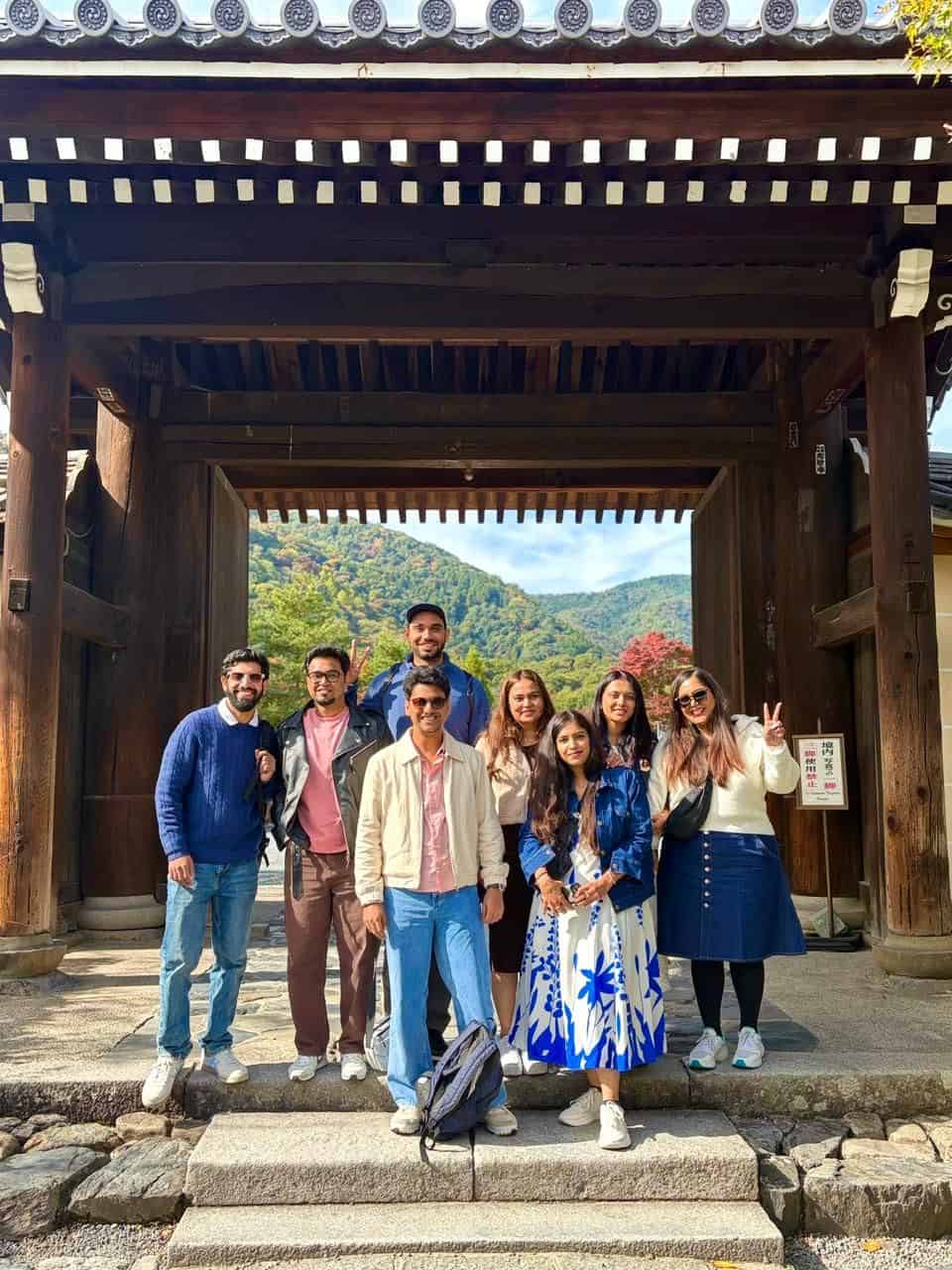
Kyoto is an excellent place to experience traditional Japanese culture. Its historic streets, wooden architecture, temples and tea houses offer a different atmosphere from Japan's larger modern cities.
Rather than simply visiting famous attractions, spend time exploring areas such as Gion and Higashiyama. Their traditional streets and small shops offer opportunities to appreciate Kyoto's architectural and cultural heritage.
Experiences worth including:
- Walk through the historic streets of Higashiyama.
- Explore Gion and its traditional architecture.
- Visit a Japanese garden or historic temple.
- Browse traditional craft and souvenir shops.
- Enjoy a quiet walk through the city's older neighbourhoods.
Planning tip: Start your walk early to enjoy a more relaxed experience, particularly around popular sightseeing areas. Be respectful of private property and photography restrictions in traditional neighbourhoods.
If you are still deciding which destinations to include in your itinerary, explore our guide to the best places to visit in Japan.
2. Discover Tokyo's Modern Life, Anime and Pop Culture
Tokyo offers a completely different experience from Kyoto. It is a city of shopping districts, entertainment areas, modern architecture, traditional attractions and distinctive neighbourhoods.
One of the best ways to explore Tokyo is to choose a few neighbourhoods based on your interests instead of trying to cover the entire city in one day.
Here are some experiences to consider:
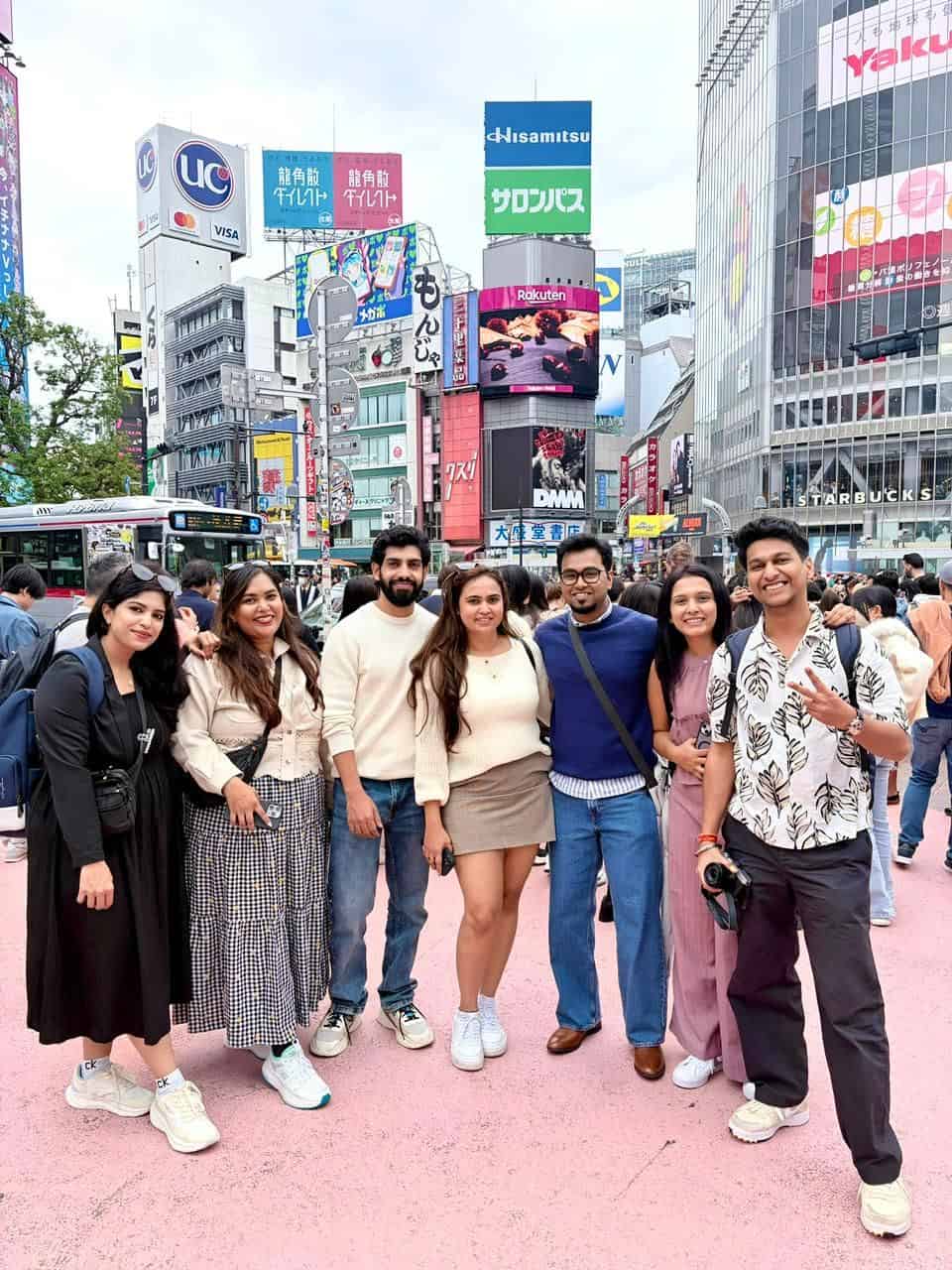
- Shibuya: See the famous crossing, explore shopping streets and enjoy the city's energetic atmosphere.
- Shinjuku: Discover entertainment areas, restaurants and illuminated streets.
- Akihabara: Explore anime, manga, gaming arcades and electronics shops.
- Asakusa: Visit Senso-ji Temple and experience a more traditional side of Tokyo.
- Harajuku: Discover Japanese street fashion, independent shops and youth culture.
Planning tip: Group nearby neighbourhoods together to reduce travel time. If anime and gaming are your main interests, allow extra time for Akihabara rather than treating it as a quick sightseeing stop.
3. Stay in a Traditional Japanese Ryokan
A stay at a traditional Japanese inn, known as a ryokan, is one of the experiences that can make a Japan holiday more memorable.
Unlike a conventional hotel, a ryokan introduces guests to a traditional style of Japanese hospitality. Rooms may feature tatami flooring, futon bedding, minimalist interiors and traditional furnishings.
Depending on the property, your stay may include:
- A traditional Japanese room and sleeping arrangement.
- Japanese meals, sometimes served as a multi-course dinner.
- Yukata, a casual Japanese garment.
- Access to an onsen or communal bathing facilities.
- A more personalised hospitality experience.
Some ryokans are located in hot spring towns, making them particularly suitable for travellers looking to slow down after exploring busy cities.
Planning tip: Consider spending at least one night at a ryokan. Check whether meals are included, what type of room you are booking and whether the property has private or communal bathing facilities.
4. Travel on the Shinkansen Bullet Train
Travelling on Japan's Shinkansen is more than just a way to get from one city to another. These high-speed trains connect major destinations and make multi-city travel convenient.
For many first-time visitors, taking the train between Tokyo and Kyoto or Osaka becomes one of the highlights of the journey.
To make the experience smoother:
- Check your departure and arrival stations before booking.
- Reserve seats in advance when travelling during busy periods.
- Keep your luggage manageable when changing trains.
- Arrive at the station early enough to find your platform.
- Check the applicable luggage rules if carrying larger suitcases.
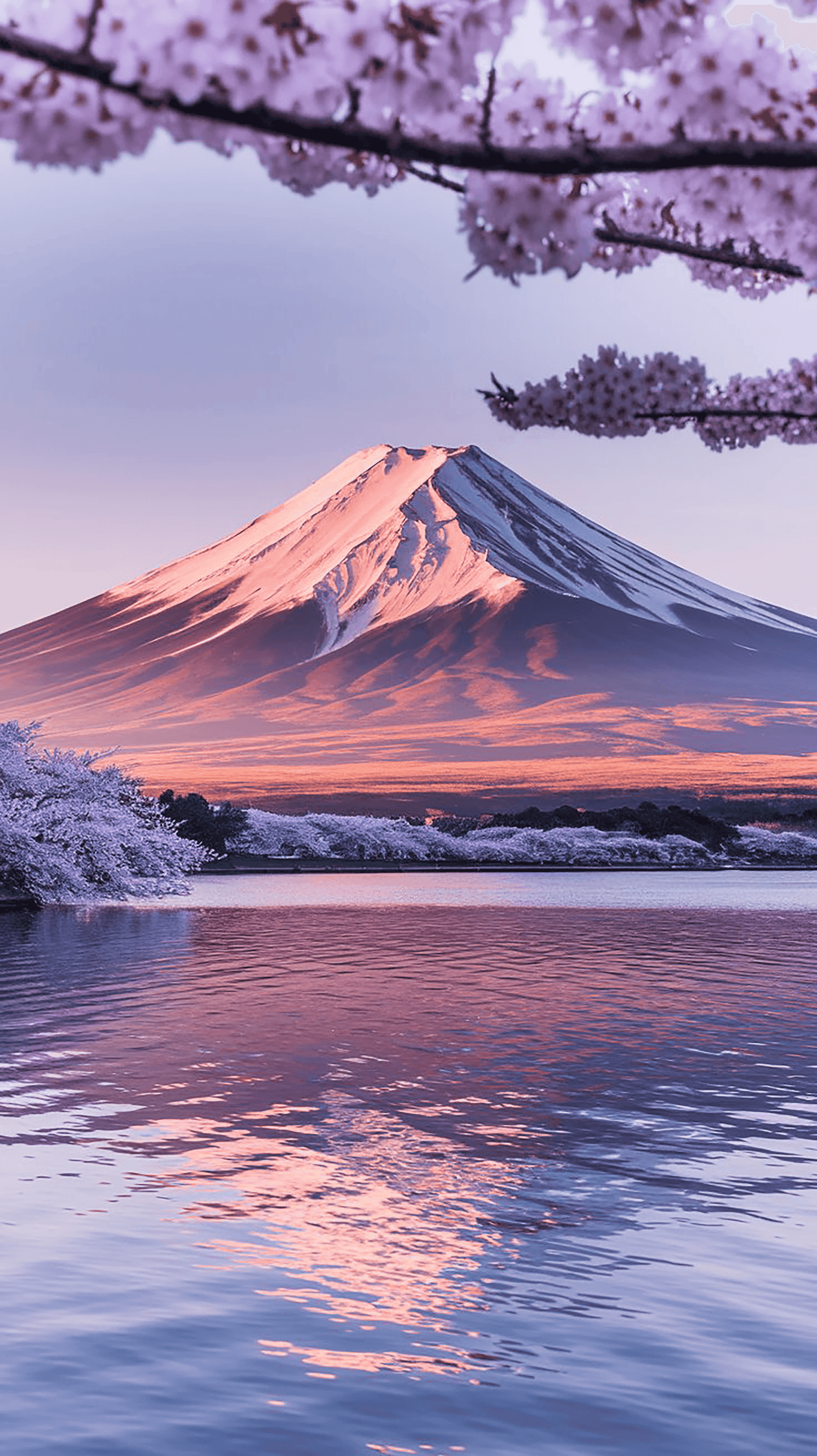
Some routes also offer scenic views along the journey. Depending on the service, direction and weather, you may be able to see Mount Fuji while travelling between Tokyo and the Kansai region.
Planning tip: Decide your overall route before purchasing a rail pass. A Japan Rail Pass is not automatically the best option for every itinerary, particularly if you are travelling between only a few major cities.
For more details, read our Japan Transport Guide, which explains the Shinkansen, local trains and JR Pass considerations.
5. Try Japanese Food and Regional Specialities
Japanese food is an essential part of experiencing the country. While sushi and ramen are internationally popular, each region offers different dishes, ingredients and food traditions.
Some dishes and food experiences worth trying include:
Food | What to try |
| Sushi | Fresh seafood served with seasoned rice |
| Ramen | Noodles served in different regional broths |
| Takoyaki | Osaka's popular octopus-filled snack |
| Okonomiyaki | A savoury Japanese pancake |
| Tempura | Lightly battered and fried seafood or vegetables |
| Matcha | Japanese green tea in drinks, desserts or traditional tea experiences |
You do not have to visit expensive restaurants to enjoy Japanese food. Small neighbourhood eateries, local markets and casual food counters can offer plenty of variety.
Osaka is particularly well known for takoyaki and okonomiyaki, while different regions have their own ramen styles and local specialities.
Planning tip: Try regional dishes in the places where they are popular. This adds another dimension to your sightseeing and helps you discover more than familiar Japanese restaurant favourites.
For more food ideas, explore our Japan Food Guide.
6. Visit Japanese Temples and Learn About Local Customs
Japanese temples and shrines offer a glimpse into the country's religious traditions and cultural practices. Visiting them can be more meaningful when you understand some of the customs followed at these places.
During your visit, you may come across:
- Purification areas where visitors wash their hands.
- Prayer rituals and traditional offerings.
- Omikuji, or fortune slips.
- Seasonal ceremonies and festivals.
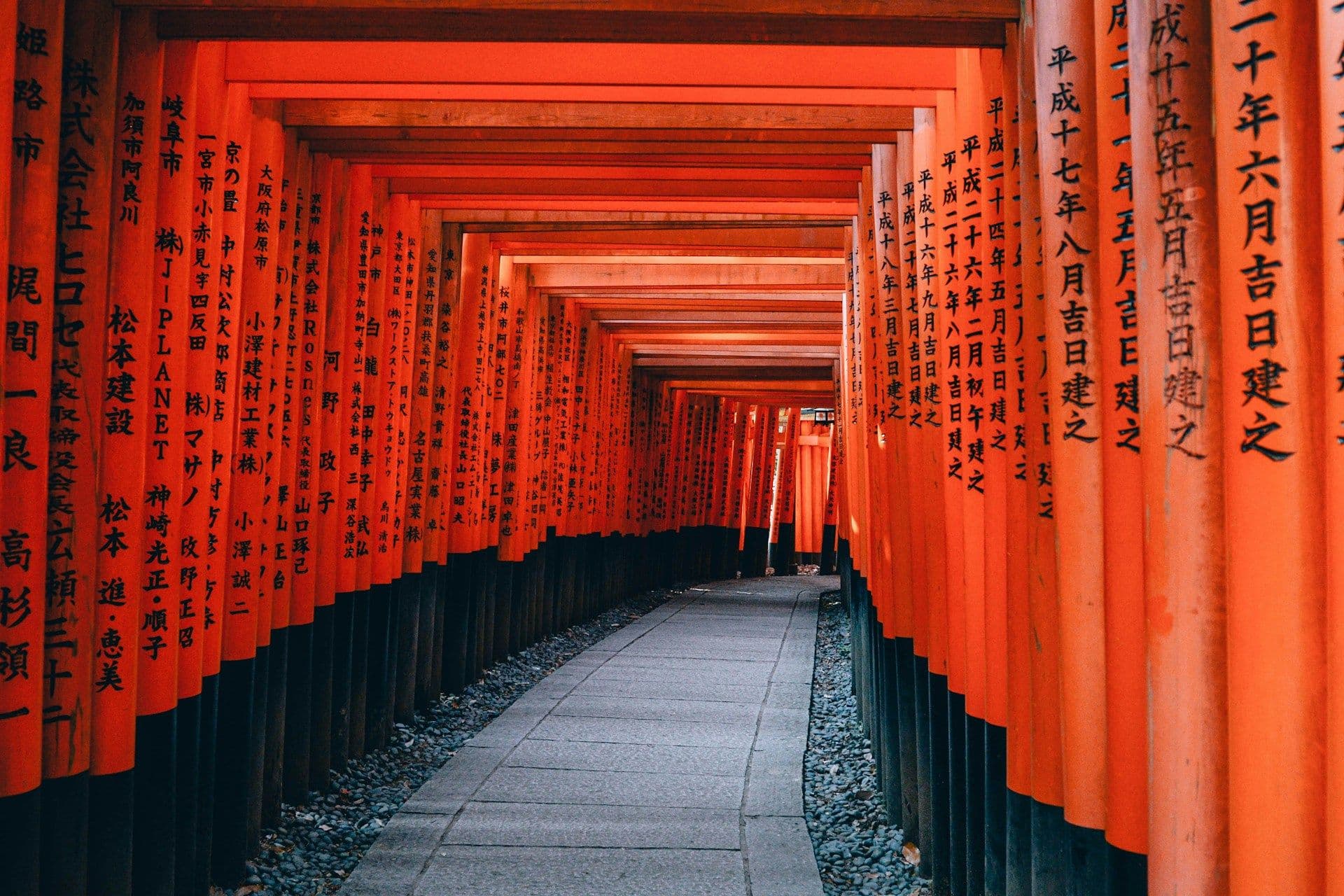
- Traditional architecture, gardens and religious artwork.
Remember that temples and shrines are active places of worship, not just sightseeing attractions.
A few etiquette points to remember:
- Follow signs and instructions at religious sites.
- Keep your voice low in quiet areas.
- Check photography rules before taking pictures.
- Observe local practices before participating in rituals.
- Avoid disturbing people who are praying.
Planning tip: Choose one or two temples or shrines that interest you instead of trying to visit too many similar sites in a single day.
7. Participate in a Traditional Japanese Tea Ceremony
A Japanese tea ceremony, commonly associated with the terms chanoyu and sado, is an opportunity to understand an important part of traditional Japanese culture.
The experience centres on the careful preparation and serving of matcha. It involves traditional utensils, specific movements and customs that reflect Japanese hospitality.
Depending on the experience, you may learn about:
- How matcha is prepared and served.
- The purpose of traditional tea utensils.
- The etiquette followed by hosts and guests.
- The significance of the tea room and its seasonal details.
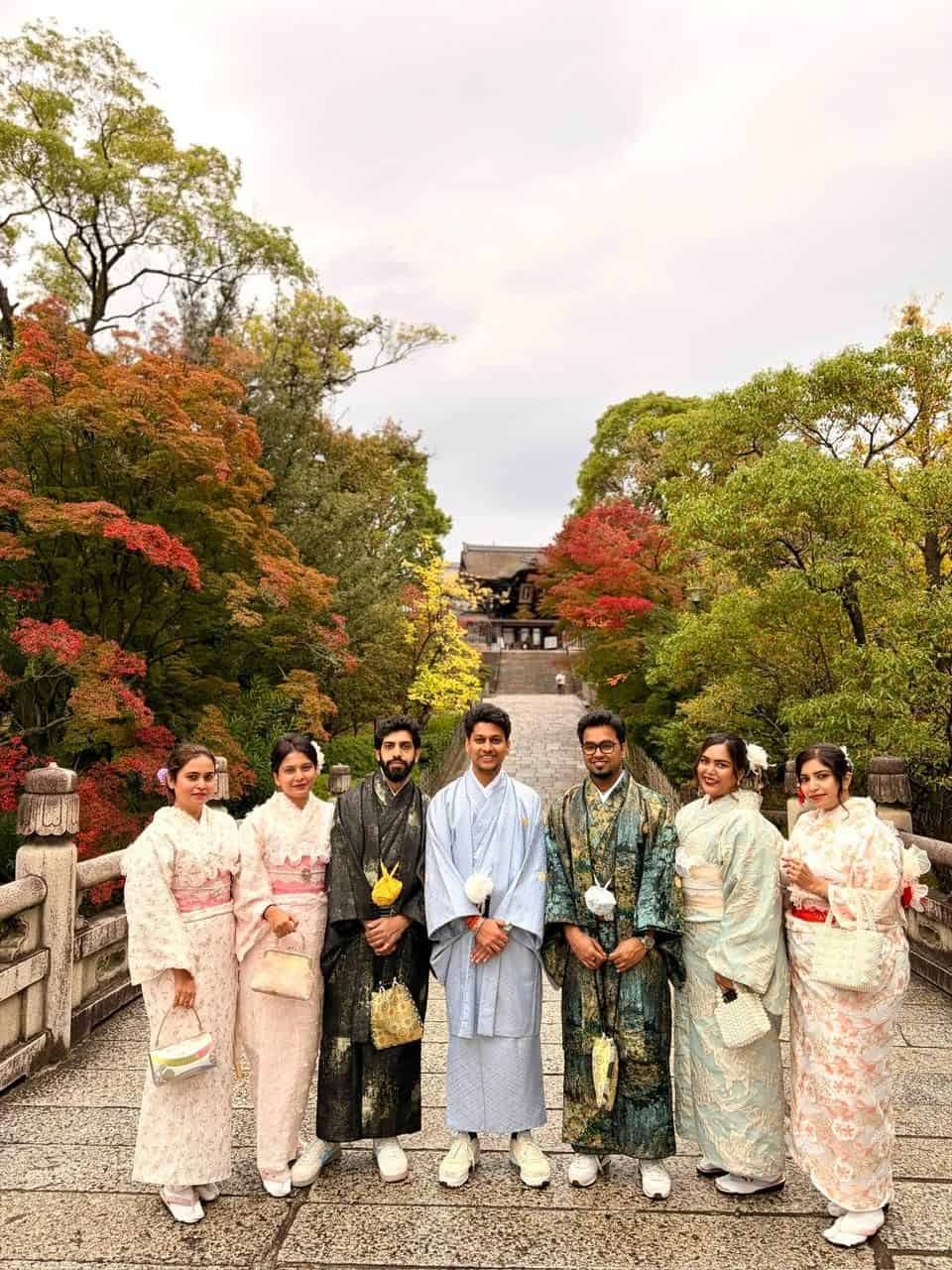
Some guided experiences also introduce visitors to Japanese sweets, traditional clothing or other cultural practices.
Planning tip: Choose an experience that includes an explanation of the ceremony rather than only a short demonstration. Check the duration, language options and booking requirements before confirming.
If you want to explore more traditional activities, read our guide to cultural experiences in Japan.
8. Experience Japan Through Its Seasons
Japan's seasonal changes influence the country's landscapes, festivals and outdoor activities. Choosing the right time to visit can help you experience something different depending on your interests.
Season | Experiences to consider |
| Spring (March–May) | Cherry blossom viewing, garden visits and hanami |
| Summer (June–August) | Traditional festivals, fireworks and outdoor activities |
| Autumn (September–November) | Colourful foliage, scenic walks and temple gardens |
| Winter (December–February) | Snow experiences, winter festivals and hot springs |
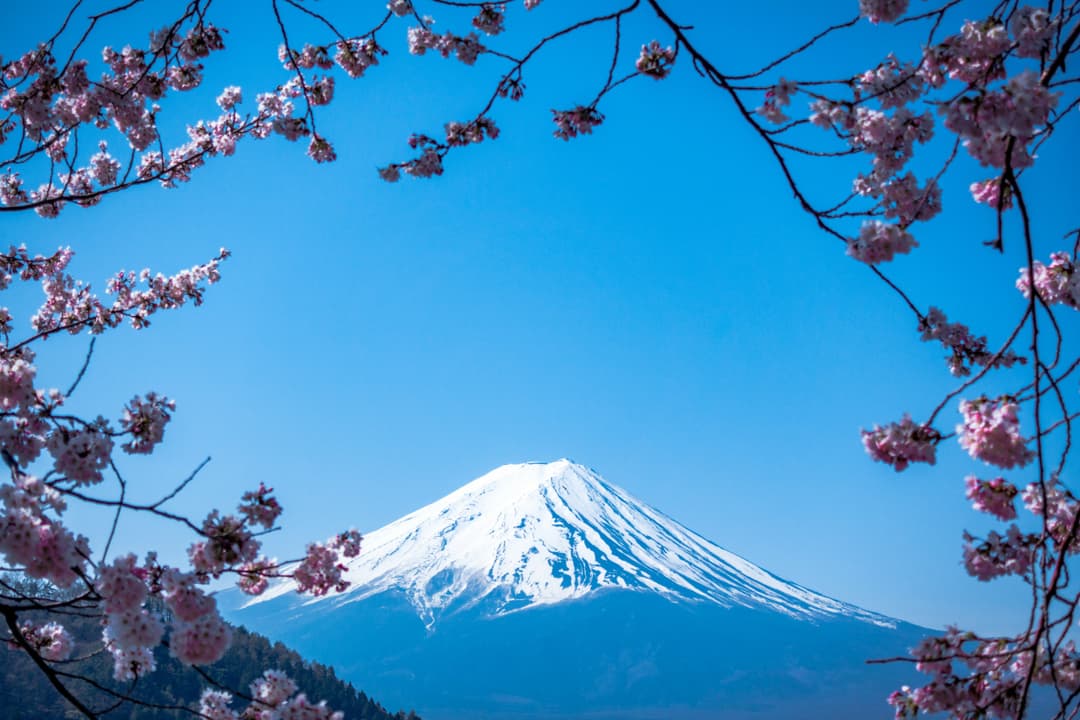
Some experiences are particularly seasonal. Cherry blossom viewing is popular in spring, while autumn attracts visitors interested in colourful foliage. Winter is a good time to consider snow destinations and hot spring stays.
Planning tip: Seasonal conditions vary across Japan, so do not assume that cherry blossoms or autumn colours appear at the same time everywhere. Check regional forecasts when planning your travel dates.
For a month-by-month breakdown of weather, crowds and seasonal highlights, read our guide to the best time to visit Japan.
9. Relax in a Traditional Japanese Onsen
An onsen is a natural hot spring bath and an important part of Japan's bathing culture.
Onsen experiences are often found at traditional inns and hot spring resorts. They offer an opportunity to relax after several days of sightseeing and travelling between cities.
Before visiting, keep these points in mind:
- Shower and rinse before entering the bathing area.
- Most traditional communal baths require bathing without swimwear.
- Keep towels out of the bathwater.
- Follow the property's bathing instructions.
- Check the facility's tattoo policy in advance, as rules vary.
Some properties offer private bathing facilities, which can be useful for visitors who prefer more privacy.
Planning tip: Consider combining an onsen visit with a ryokan stay in a hot spring destination. Check the bathing arrangements and property rules before booking.
10. Explore Local Markets and Traditional Shopping Streets
Japan's local markets and shopping streets are worth exploring if you want to experience everyday life beyond major attractions.
These areas offer opportunities to discover local snacks, browse small shops, find traditional crafts and observe how neighbourhoods operate.
Depending on your route, consider including:
- Traditional shopping streets.
- Local food markets.
- Independent cafés and bakeries.
- Small neighbourhood restaurants.
- Shops selling Japanese crafts and souvenirs.
Markets can also be a good place to try regional snacks without committing to a full restaurant meal.
Planning tip: Keep some flexible time in your itinerary for neighbourhood exploration. Check local market opening days and operating hours before visiting, as not every market or shop operates daily.
How to Plan These Experiences into Your Japan Trip
A well-planned Japan itinerary balances sightseeing, cultural activities and travel time. Trying to cover too many cities and attractions in a short holiday can make the trip tiring.
Keep these points in mind:
- Choose your priorities: Decide which experiences matter most before finalising your route.
- Group nearby activities: Explore attractions within the same neighbourhood on the same day.
- Book selected experiences early: Ryokan stays, guided tea ceremonies and popular seasonal activities may require advance reservations.
- Plan transport around your route: Compare individual train tickets and rail passes based on your actual journeys.
- Check seasonal conditions: Weather, crowd levels and activity availability can vary throughout the year.
- Avoid overplanning: Leave enough time for meals, local exploration and unexpected discoveries.
One common mistake among first-time visitors is trying to visit too many destinations without accounting for hotel changes, station transfers and sightseeing time. A balanced itinerary with fewer stops often makes the experience more enjoyable.
If you are planning your first visit, our Japan Travel Guide covers destinations, trip duration, transport and other important planning considerations.
Plan Your Japan Trip with Desh Videsh Travels
Bringing together destinations, accommodation, transport and cultural activities can take time, especially when planning a multi-city holiday.
If you prefer a structured itinerary, explore the Japan 10-day tour package by Desh Videsh Travels. It offers an organised way to explore major Japanese destinations and experience different aspects of the country.
You can review the itinerary and inclusions to see whether they match your travel dates, interests and preferred pace.