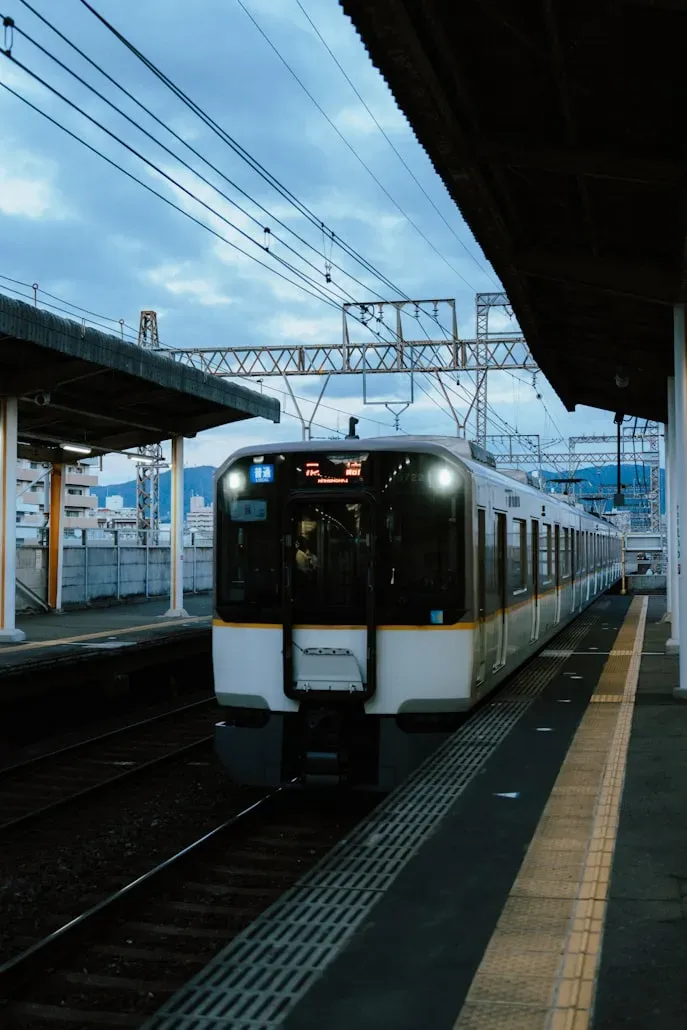
Japan has one of the most efficient transport systems in the world. Trains run on time, stations are organized and traveling between cities often feels smooth even for first-time visitors. At the same time, transport planning is one of the areas where many travelers feel confused before their trip.
For years, the JR Pass was considered the default choice. Today, transport planning in Japan is more flexible and the smartest option depends on your itinerary, travel style and pace rather than one single pass.
This guide explains how transport in Japan works, when the JR Pass makes sense, when it doesn’t and what alternatives many experienced travelers now choose. If you are still planning your overall route, you can start with our complete Japan Travel Guide, which helps you understand destinations and travel flow before finalizing transport decisions.
Understanding Transport in Japan (Simple Overview)
Before choosing passes or tickets, it helps to understand the main transport options you’ll use.
Shinkansen (Bullet Trains)
Japan’s high-speed trains connect major cities quickly and comfortably. They are ideal for long-distance travel and are often the fastest way to move between regions.
Regional & Local Trains
Regional networks connect smaller towns and surrounding areas, while local trains handle day-to-day travel inside cities.
Metro Systems
Large cities like Tokyo and Osaka rely heavily on metro networks for sightseeing and daily movement.
IC Cards (Tap-and-Go Travel)
Rechargeable IC cards such as Suica or Pasmo allow you to tap in and out of trains, metros and buses without purchasing tickets each time.
Today, mobile IC cards have become especially convenient because travelers can often set them up on their phones before arrival, making airport transfers and daily travel much easier.
What the JR Pass Actually Covers
The JR Pass provides access to many trains operated by Japan Rail (JR), including most long-distance Shinkansen routes and selected regional lines.
It is designed mainly for travelers making multiple long-distance trips within a limited timeframe.
The JR Pass generally works well for:
- Fast-paced multi-city itineraries
- Long-distance travel between major regions
- Travelers who prefer convenience and flexibility
However, it does not cover all local transport or private railways, so understanding the wider transport system remains important.
The JR Pass Reality Check
The JR Pass is no longer an automatic recommendation for every traveler.
For example, a 7-day JR Pass costs around ¥50,000, while a simple round-trip Shinkansen journey between Tokyo and Osaka usually costs significantly less. That means travelers following a classic Tokyo–Kyoto–Osaka route may not get full value from the pass.
Practical takeaway:
- The JR Pass can still be useful for long-distance, fast-paced itineraries.
- For slower travel or fewer regions, individual tickets or regional passes often make more sense.
Many experienced travelers now plan their route first and choose transport second instead of buying the pass automatically.
When the JR Pass CAN Be Worth It
The JR Pass may be a good choice if:
- You plan multiple long-distance journeys within a short period
- You are traveling across several regions
- Convenience matters more than optimizing every cost
In these situations, having one pass can simplify travel and reduce planning stress.
When the JR Pass May NOT Be the Best Choice
The JR Pass may not be ideal if:
- You stay longer in fewer cities
- Your itinerary focuses on Tokyo, Kyoto and Osaka only
- Most travel is local or regional
Transport planning works best when it matches how you want to experience Japan rather than following a one-size-fits-all solution.
Smart Alternatives to the JR Pass
Transport planning in Japan has evolved and many travelers now combine multiple options.
Regional Rail Passes
Regional passes often provide excellent value when exploring one area in depth.
Example: The Hokuriku Arch Pass connects Tokyo, Kanazawa, Kyoto and Osaka, making it a strong option for travelers exploring the increasingly popular Sea of Japan side of the country.
Individual Tickets
Point-to-point tickets can be flexible and practical for simpler routes or slower travel styles.
IC Cards for Daily Travel
IC cards remain the easiest way to travel within cities and for short-distance trips.
Smart Navigation Apps
Modern mapping apps help travelers navigate stations easily and often show platform numbers, transfers and exit directions in real time.
The Secret to Stress-Free Transport: Luggage Forwarding (Takkyubin)
One of the smartest travel tips in Japan is luggage forwarding, known as Takkyubin.
Instead of carrying large suitcases on busy trains, travelers can send luggage directly from one hotel to another.
Why travelers love it:
- Avoids crowded trains with heavy bags
- Makes travel days easier and more relaxed
- Reduces stress during transfers
The cost is usually reasonable and many travelers say it completely changes how comfortable intercity travel feels.
Transport Planning by Travel Style
Choosing transport becomes easier when you match it to how you travel.
First-Time Visitors
Most first-time travelers follow the classic Golden Route (Tokyo, Kyoto and Osaka). A mix of Shinkansen travel for city transfers and metro systems for daily sightseeing usually works best.
Slow Travelers
Travelers who stay longer in each destination often benefit more from individual tickets or regional options rather than nationwide passes.
Multi-City Explorers
If your trip includes frequent long-distance travel, pass-based options can provide both convenience and flexibility, especially when routes are planned in advance.
There is no single perfect solution. The best transport choice depends on your itinerary and pace.
Common Transport Mistakes Travelers Make
Even experienced travelers sometimes make small mistakes that increase stress or costs.
Common mistakes include:
- Buying a nationwide pass without checking route value
- Underestimating local metro travel needs
- Changing cities too frequently and losing sightseeing time
- Choosing accommodation far from stations
- Carrying large luggage instead of forwarding it
A balanced itinerary usually results in smoother and more enjoyable travel.
Common Japan Transport Myths
Some transport advice online can be misleading. Here are a few common myths:
Myth 1: The JR Pass is always cheaper
Not necessarily. It depends entirely on your route and travel frequency.
Myth 2: You need to reserve every train
Many trains allow flexible boarding, and reservations are only necessary in certain situations.
Myth 3: Japan's transport is difficult for tourists
In reality, signage, apps and English support make navigation much easier than many first-time travelers expect.
How Transport Choices Affect Your Budget
Transport is one of the biggest factors influencing total trip cost, especially for multi-city journeys. Choosing the right travel pace and ticket type often saves more money than travelers expect.
For a deeper breakdown of planning costs, read our Japan Trip Cost Guide, which explains how transport fits into your overall budget.
How Seasons Influence Transport Planning
Travel seasons impact crowd levels and train availability.
During cherry blossom season and autumn foliage months, trains can be busier and advance planning becomes more helpful. Traveling slightly outside peak dates often makes transport smoother and less stressful.
You can learn more about this in our Best Time to Visit Japan guide.
Quick Decision Guide: Should You Use the JR Pass?
Consider the JR Pass if:
- You travel across multiple regions quickly
- Your itinerary includes frequent long-distance Shinkansen trips
- Convenience is your priority
Consider alternatives if:
- You stay longer in fewer locations
- Most travel is local or regional
- You prefer flexible day-by-day planning
Your itinerary should guide your transport decision, not the other way around.
Smart Transport Tips for First-Time Visitors
- Stay near major train stations when possible
- Use mobile IC cards for easier daily travel
- Avoid overloading your itinerary with too many city moves
- Use luggage forwarding for stress-free travel days
- Allow extra time in large stations during transfers
Japan’s transport system becomes very simple once you understand the basics.
Explore Japan Tour Packages
If you prefer stress-free transport planning without comparing multiple passes yourself, explore our curated Japan Tour Packages. Structured itineraries help travelers move comfortably while making the most of each destination.
Final Thoughts
Japan’s transport system is efficient, reliable and easier to use than many travelers expect. The JR Pass can still be valuable for certain routes, but it is no longer the automatic choice for every trip. Planning your itinerary first and choosing transport that fits your travel style is usually the smartest approach.
With thoughtful planning, moving across Japan becomes smooth, comfortable and one of the most enjoyable parts of the journey.