Japan's festivals are among the country's most memorable travel experiences. While many visitors come for cherry blossoms, food, temples and modern cities, festivals offer something different: a chance to experience local traditions, community celebrations and seasonal culture that has been preserved for generations.
From Kyoto's historic float processions and Tokyo's shrine celebrations to giant illuminated lantern parades in northern Japan and spectacular snow festivals in Hokkaido, every region celebrates differently.
If you're planning a Japan trip and want to experience the country's cultural side, this guide covers the best festivals in Japan, when they take place, and how to plan your itinerary around them.
If you're still planning your overall trip, start with our Japan Travel Guide before choosing which festivals to include.
Why Festivals Are Worth Planning Around in Japan
Japanese festivals, known as matsuri, are not designed primarily for tourists. They are deeply connected to local traditions, religion, seasonal changes and community life.
Attending a festival allows travelers to experience:
- Traditional Japanese culture
- Regional customs and celebrations
- Local food stalls and street markets
- Historic processions and performances
- Seasonal events unique to specific destinations
Many travelers find that a festival becomes the most memorable part of their Japan journey.
Best Festivals in Japan for First-Time Visitors
If you're only attending one festival during your trip, choosing the right one matters.
Travel Style | Recommended Festival |
| First-Time Japan Trip | Gion Matsuri |
| Traditional Japanese Culture | Gion Matsuri |
| Photography | Nebuta Matsuri |
| Winter Travel | Sapporo Snow Festival |
| Interactive Experience | Awa Odori |
| Family-Friendly Festival | Sapporo Snow Festival |
| Historic Atmosphere | Takayama Festival |
| Big City Experience | Kanda Matsuri |
For most first-time visitors, Gion Matsuri, Nebuta Matsuri and Sapporo Snow Festival provide the strongest cultural experience.
Japan Festival Calendar by Month
Month | Major Festivals |
| February | Sapporo Snow Festival |
| April | Takayama Spring Festival |
| May | Kanda Matsuri (selected years) |
| July | Gion Matsuri, Tenjin Matsuri |
| August | Nebuta Matsuri, Akita Kanto Matsuri, Sendai Tanabata, Awa Odori |
| October | Takayama Autumn Festival |
This calendar can help you align your travel dates with seasonal events before finalizing your itinerary.
For seasonal planning, read our Best Time to Visit Japan Guide.
Gion Matsuri (Kyoto)
When: July
Location: Kyoto
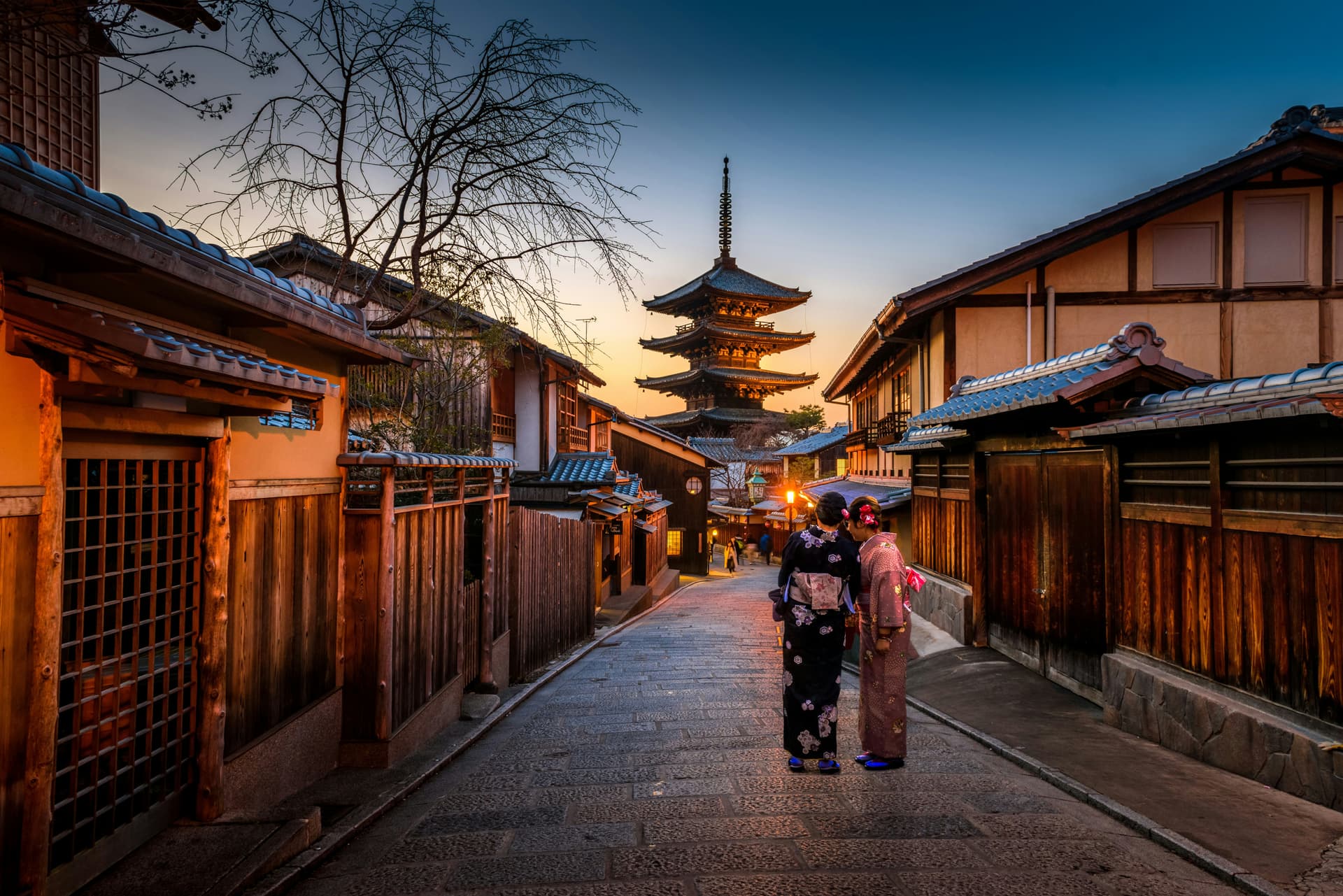
Gion Matsuri is widely regarded as Japan's most famous traditional festival.
Dating back more than 1,000 years, the festival fills Kyoto with massive decorated floats, cultural performances, traditional clothing, and evening celebrations.
The highlight is the grand float procession that moves through central Kyoto.
Why Visit
- One of Japan's oldest festivals
- Traditional Kyoto atmosphere
- Historic float processions
- Street food and cultural performances
Planning Tips
- The largest parades take place on July 17 and July 24.
- Accommodation in Kyoto books out early during festival season.
- Combine your visit with our Kyoto Travel Guide for a deeper exploration of the city.
Kanda Matsuri (Tokyo)
When: Mid-May
Location: Tokyo
Kanda Matsuri is one of Tokyo's most important traditional celebrations and is closely connected to the city's history.
The festival features shrine processions, decorated portable shrines, music performances and celebrations across central Tokyo.
Why Visit
- Traditional Tokyo culture
- Historic shrine processions
- Energetic atmosphere
- Local neighborhood celebrations
Important Planning Note
The largest version of Kanda Matsuri takes place during odd-numbered years. Even-numbered years feature smaller-scale celebrations.
If Tokyo is part of your itinerary, explore our Tokyo Travel Guide.
Nebuta Matsuri (Aomori)
When: August 2–7
Location: Aomori
Nebuta Matsuri is one of the most visually spectacular festivals in Japan.
Enormous illuminated floats depicting warriors, historical figures, and folklore characters move through the streets while dancers and musicians accompany the procession.
The festival creates an atmosphere unlike anything else in Japan.
Why Visit
- Incredible photography opportunities
- Massive illuminated floats
- Unique northern Japan culture
- Evening celebrations
Can Visitors Participate?
Yes. Travelers who want to join the dancing can rent a traditional Haneto costume and participate alongside local dancers.
The Tohoku Summer Festival Circuit
Early August is one of the best times to visit northern Japan because several major festivals take place almost simultaneously:
- Nebuta Matsuri (Aomori)
- Akita Kanto Matsuri (Akita)
- Sendai Tanabata Festival (Sendai)
Many travelers build entire itineraries around this festival circuit.
Travel Tip
Hotels and train reservations throughout the Tohoku region often sell out months in advance, so early planning is essential.
Awa Odori (Tokushima)
When: August 12–15
Location: Tokushima, Shikoku
Awa Odori is Japan's most famous dance festival.
Unlike many festivals where visitors simply watch, Awa Odori encourages participation and interaction.
The city becomes one giant celebration as dancers perform through the streets.
Why Visit
- Interactive cultural experience
- Lively atmosphere
- Traditional Japanese music and dance
- Unique regional culture
Can Tourists Join?
Yes. Many visitor-friendly dance groups welcome travelers who want to participate, even without prior experience.
Tenjin Matsuri (Osaka)
When: July 24–25
Location: Osaka
Tenjin Matsuri is one of Japan's three great festivals.
The celebration combines traditional land processions with river parades and fireworks, creating one of the country's most exciting summer events.
Why Visit
- Traditional processions
- River celebrations
- Spectacular fireworks
- Vibrant Osaka atmosphere
If you're visiting Kansai, also explore our Osaka Travel Guide.
Takayama Festival (Gifu)
When: April 14–15 and October 9–10
Location: Takayama
The Takayama Festival is known for its beautifully crafted floats and traditional mountain-town atmosphere.
Many travelers consider it one of Japan's most picturesque festivals.
Why Visit
- Historic old-town setting
- Traditional craftsmanship
- Beautiful seasonal scenery
- Authentic regional atmosphere
Weather Consideration
If rain occurs, outdoor processions may be canceled to protect the historic floats. Visitors can often still view the floats inside their display storehouses throughout the town.
Sapporo Snow Festival (Hokkaido)
When: February
Location: Sapporo
The Sapporo Snow Festival transforms the city into a giant outdoor gallery featuring enormous snow and ice sculptures.
It is one of Japan's most famous winter events and attracts visitors from around the world.
Why Visit
- Incredible snow sculptures
- Winter photography opportunities
- Family-friendly atmosphere
- Evening illuminations
Festival Planning Tips for First-Time Visitors
Attending a Japanese festival is much easier when you plan ahead.
Book Accommodation Early
Hotels near major festivals can sell out several months in advance.
Reserve Trains During Peak Periods
Popular festival weekends often create high demand for Shinkansen reservations.
For transport planning, see our Japan Transport Guide.
Carry Some Cash
Many food stalls and temporary festival vendors still prefer cash payments.
For food experiences, explore our Japan Food Guide and Konbini Food Guide Japan.
Arrive Early
Popular viewing areas can become crowded long before the main events begin.
Check Official Festival Dates
Schedules occasionally change, so confirm details before traveling.
How to Plan a Japan Trip Around Festivals
Rather than adding festivals as side trips, build your itinerary around them.
A good approach is to combine:
- One major festival
- Nearby cultural attractions
- Regional food experiences
- Local sightseeing
Helpful planning resources:
This creates a more balanced trip without rushing between destinations.
Common Mistakes Travelers Make
Waiting Too Long to Book
Hotels and transportation often become limited around major festivals.
Trying to Attend Too Many Festivals
It is usually better to experience one festival properly than rush through several.
Underestimating Crowds
Major festivals attract both domestic and international visitors.
Ignoring Travel Logistics
Popular festival periods can affect train availability and accommodation prices.
Final Thoughts
Japan's festivals offer some of the country's most rewarding cultural experiences. Whether you're watching Kyoto's historic float processions, photographing giant illuminated floats in Aomori, dancing in Tokushima, or exploring winter celebrations in Hokkaido, festivals provide a deeper connection to Japan than sightseeing alone.
The best festival is not necessarily the most famous one. It is the one that fits your travel season, interests, and itinerary. With thoughtful planning, a festival can easily become the highlight of your entire Japan journey.
For curated travel experiences that combine iconic destinations with authentic cultural moments, explore Japan Tour Packages by Desh Videsh Travels.