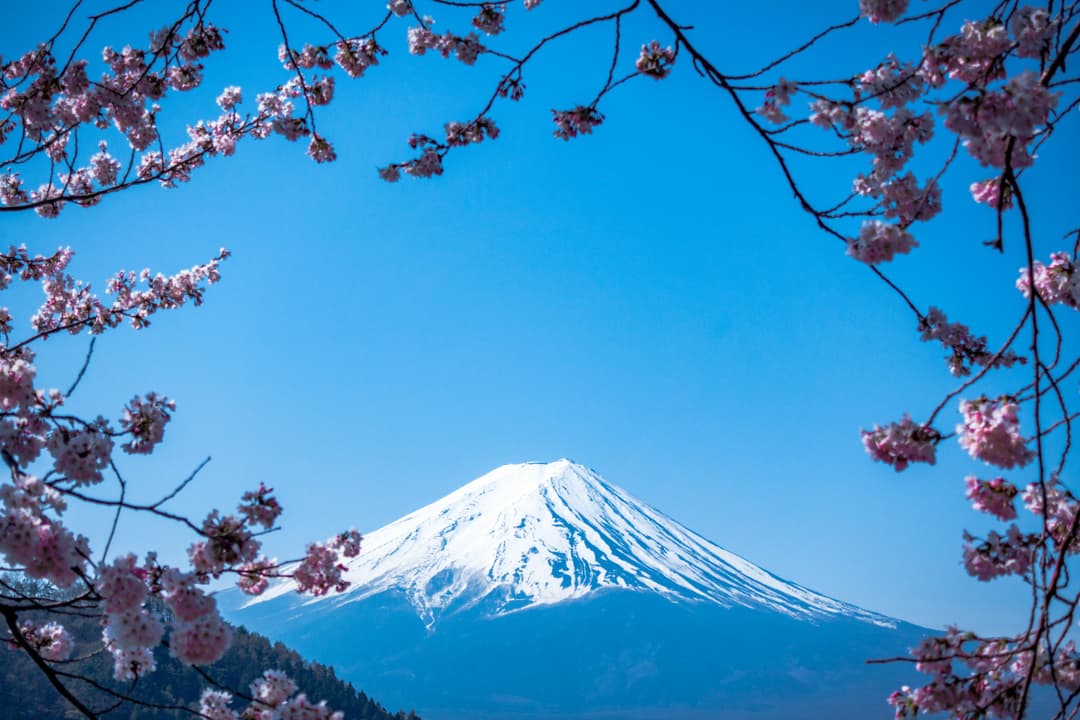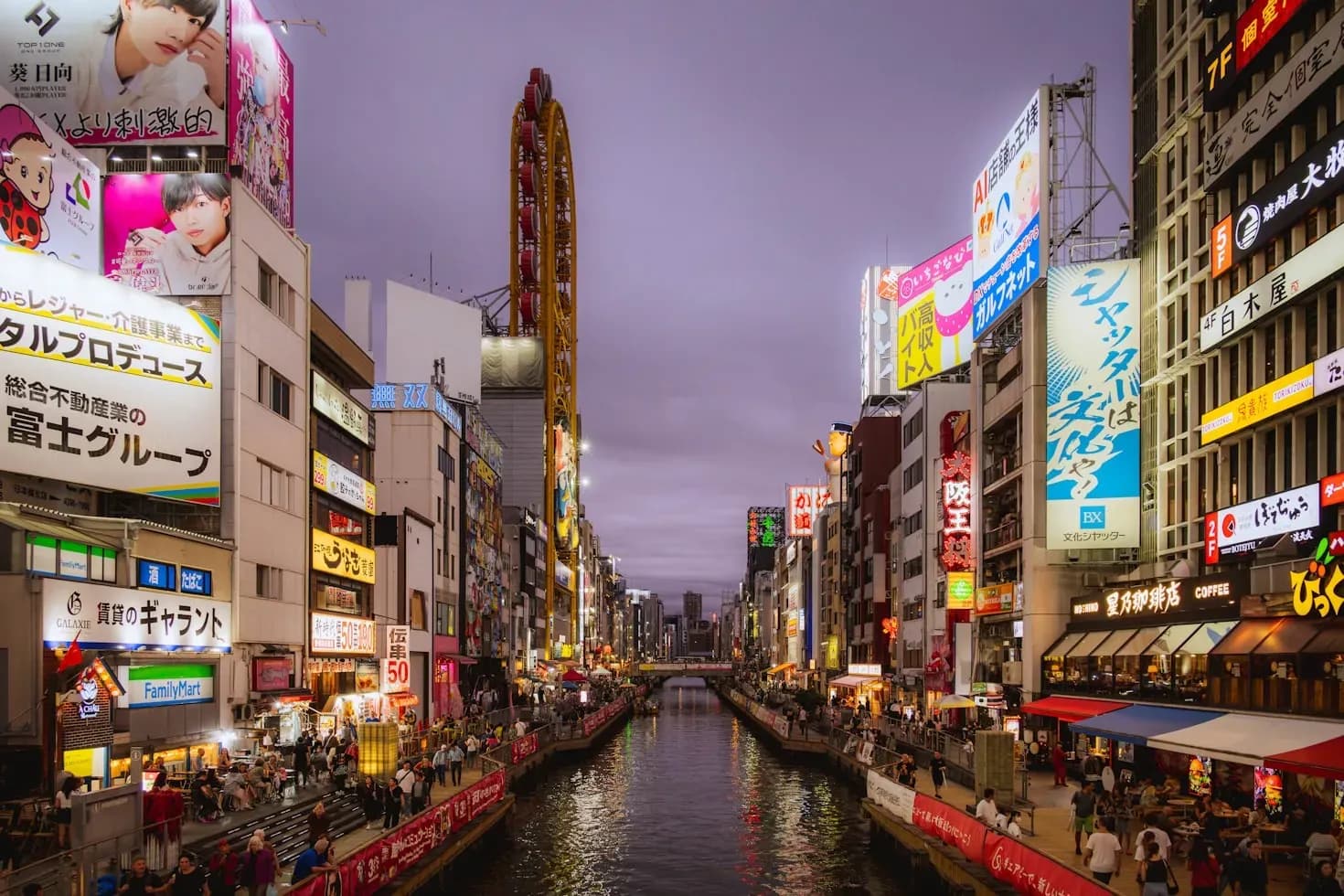
Japan is one of the most fascinating destinations in the world, but for first-time visitors it can also feel a little mysterious. Ancient temples sit beside futuristic cities, trains run with incredible precision and everyday customs can be very different from what many travelers are used to.
The good news is that traveling in Japan is often much easier than people expect. Cities are clean and safe, public transport is extremely reliable and locals are known for their politeness and hospitality. Understanding a few practical things before you travel can make your journey smoother and far more enjoyable.
This guide highlights key tips for travelers visiting Japan—from cultural etiquette and transportation basics to budgeting and travel planning. If you are still building your itinerary, you may also want to explore our complete Japan Travel Guide, which covers destinations, travel planning and experiences across the country.
Japan Is Extremely Organized (And Etiquette Matters)
One of the first things travelers notice in Japan is how organized daily life feels. Public spaces are clean, trains run on time and people follow clear social norms in shared environments.
Some basic etiquette practices visitors should know include:
- Speak quietly on public transport
- Avoid taking phone calls on trains
- Line up properly when waiting for trains or escalators
- Be respectful in temples and shrines
- Dispose of trash responsibly
You don’t need to memorize every rule, but observing how locals behave usually helps you understand the expectations.
Japan’s Train System Makes Traveling Easy
Japan’s rail network is one of the most efficient transportation systems in the world, and trains are the easiest way to move between cities.
Travelers commonly use:
- Shinkansen (bullet trains) for long-distance travel
- Metro systems in major cities like Tokyo and Osaka
- Regional trains for smaller towns
- IC cards for convenient tap-and-go transport
Rechargeable cards such as Suica and Pasmo can be used for trains, buses, convenience stores and vending machines. Many travelers now add these cards directly to Apple Wallet or Google Pay, making transport payments quick and convenient.
If you want a deeper understanding of Japan’s rail system and travel passes, our Japan Transport Guide explains how trains, routes and tickets work.
Cash Is Still Useful (But Japan Is Becoming More Cashless)
Japan has traditionally been a cash-based society, but digital payments have become increasingly common in recent years.
Travelers can now use:
- contactless credit cards
- mobile wallets
- QR-code payments such as PayPay
However, some places may still prefer cash, including:
- small restaurants
- local shops
- temple entry fees
- street food vendors
Carrying some yen is still recommended for convenience. If you are estimating daily spending for your trip, our Japan Trip Cost Guide explains typical travel budgets and expenses.
Tipping Is Not Practiced in Japan
One cultural difference that surprises many visitors is that tipping is not customary in Japan.
In restaurants, taxis, hotels, and most services, tipping is not expected and can sometimes be confusing. Excellent service is simply considered the standard.
Instead of leaving a tip, showing appreciation through polite behavior and a simple “arigatou” (thank you) is always appreciated.
Staying Connected Is Easy
Reliable internet makes navigating Japan much easier. Many travelers use mobile data to access maps, translation apps and train schedules throughout the day.
Common options include:
- eSIM plans activated before arrival
- Pocket Wi-Fi devices rented at airports
- Free Wi-Fi in some hotels, cafes, and train stations
Having mobile internet allows you to navigate cities confidently and translate menus or signs whenever needed.
Convenience Stores Are Surprisingly Amazing
Japanese convenience stores, often called konbini, are incredibly useful for travelers.
They offer far more than snacks and drinks. Many visitors rely on convenience stores for:
- quick meals and breakfast options
- snacks and drinks during sightseeing
- withdrawing cash from ATMs
- buying travel essentials
Because they are open 24 hours and located throughout cities, convenience stores quickly become a key part of daily travel in Japan.
Pack Light and Use Luggage Forwarding
Japan’s train stations can be large and busy, making it inconvenient to travel with large suitcases.
Many travelers use luggage forwarding services (Takkyubin) to send their bags directly from one hotel to the next.
Benefits include:
- easier train transfers
- less stress during travel days
- more comfortable sightseeing
Instead of carrying large suitcases everywhere, you can travel between cities with just a small day bag.
Language Barriers Are Manageable
English is not widely spoken everywhere, but most travelers find communication easier than expected.
Helpful tools include:
- translation apps
- Google Maps for navigation
- English signage in major stations and airports
Even learning a few simple phrases such as “arigatou” (thank you) can make interactions more enjoyable.
Respect Cultural Norms
Japanese culture places strong emphasis on respect and consideration for others.
A few customs travelers should remember include:
- removing shoes in homes and some traditional restaurants
- behaving quietly in temples and shrines
- avoiding eating while walking in crowded areas
- respecting personal space in public transport
These small gestures show appreciation for local traditions and help travelers experience Japanese culture more meaningfully.
Avoid Trying to See Too Much Too Quickly
Japan offers an incredible variety of destinations, but many travelers try to visit too many places during a short trip.
Instead of rushing between cities, spending more time exploring fewer destinations allows you to:
- Discover local neighborhoods
- enjoy regional food
- experience cultural traditions
Quick Travel Tips for First-Time Visitors
Category | What to Know |
| Connectivity | Consider purchasing an eSIM before arrival to ensure seamless internet access. |
| Power | Japan uses Type-A plugs with 100V electricity. |
| Trash | Public trash bins are limited, so carrying a small bag can help. |
| Shoes | Slip-on shoes are useful because you can remove them frequently. |
Explore Japan Tour Packages
Planning a trip to Japan can feel overwhelming, especially when deciding where to go and how to organize transport between cities. If you prefer a smoother travel experience, explore DESH VIDHES TRAVELS curated Japan Tour Packages, designed to help travelers experience the country’s highlights comfortably and efficiently.
These itineraries combine cultural experiences, iconic destinations, and practical travel planning so you can focus on enjoying the journey.
Final Thoughts
Traveling to Japan for the first time can feel both exciting and slightly overwhelming, but a little preparation goes a long way. Understanding cultural etiquette, planning transportation and choosing the right season can help you enjoy a smoother travel experience.
Japan rewards curiosity and thoughtful exploration. From historic temples and traditional neighborhoods to futuristic city skylines and world-famous cuisine, every part of the country offers something memorable.
With the right preparation and an open mindset, your first journey to Japan can easily become one of the most rewarding trips you ever take.