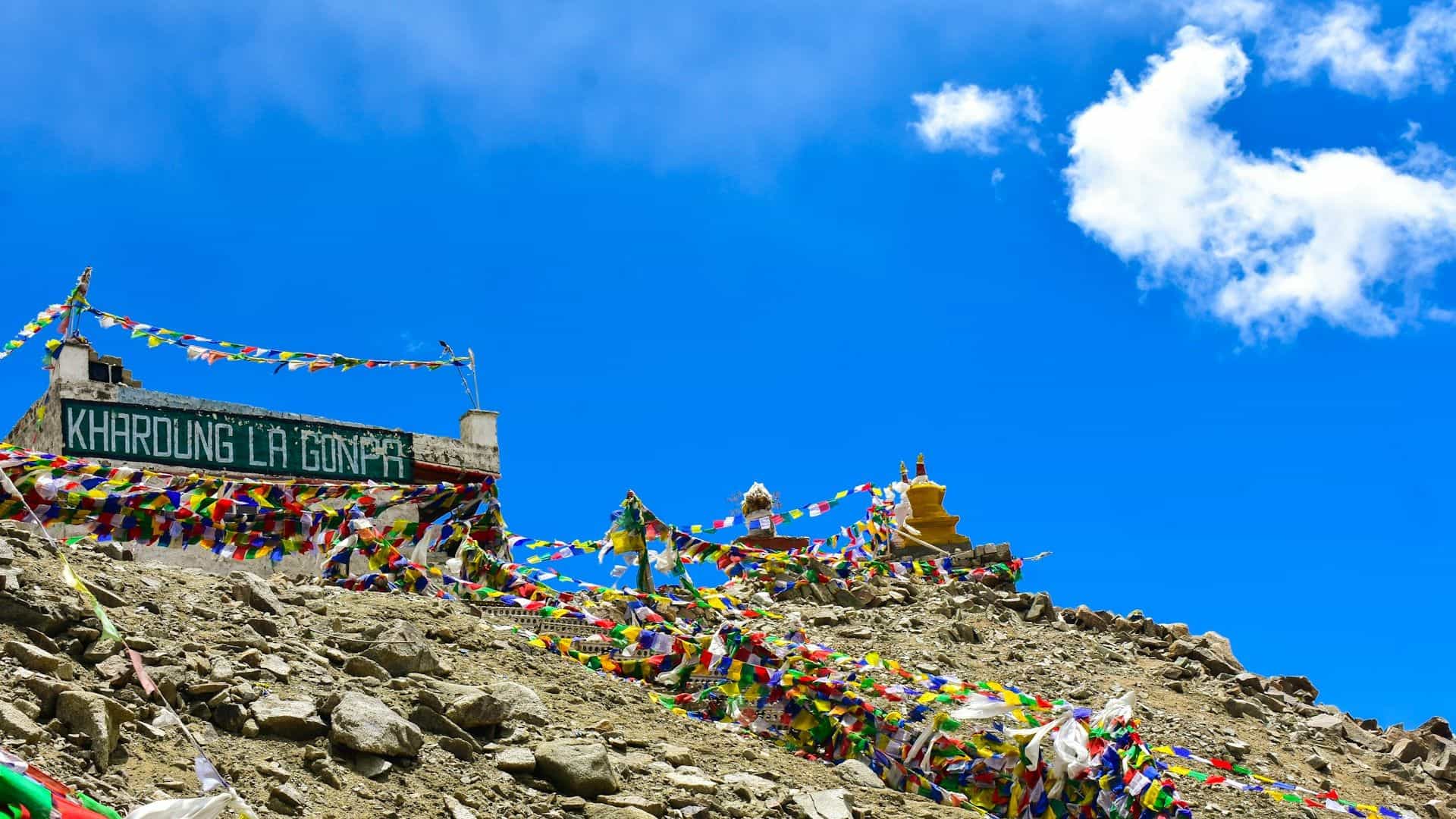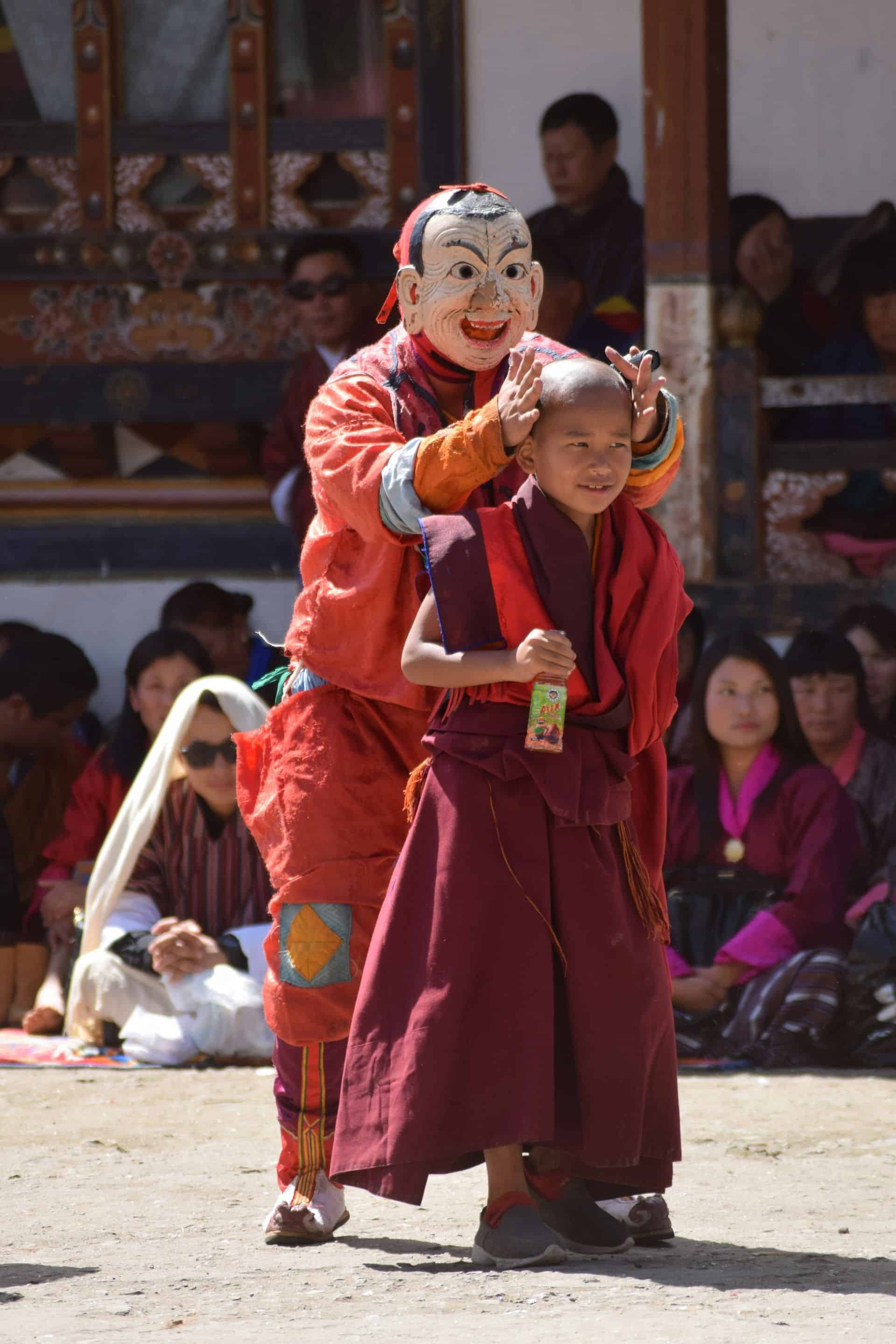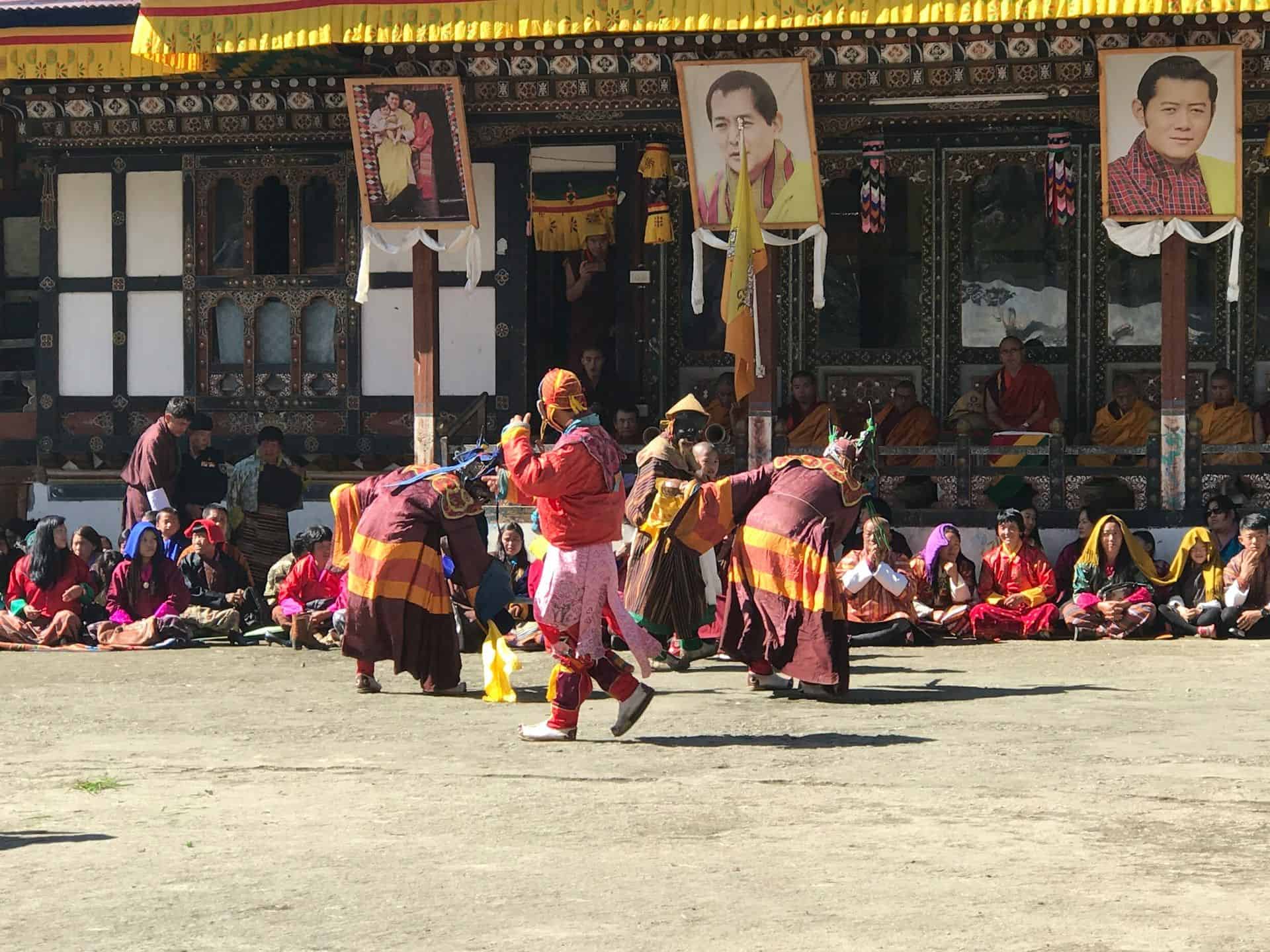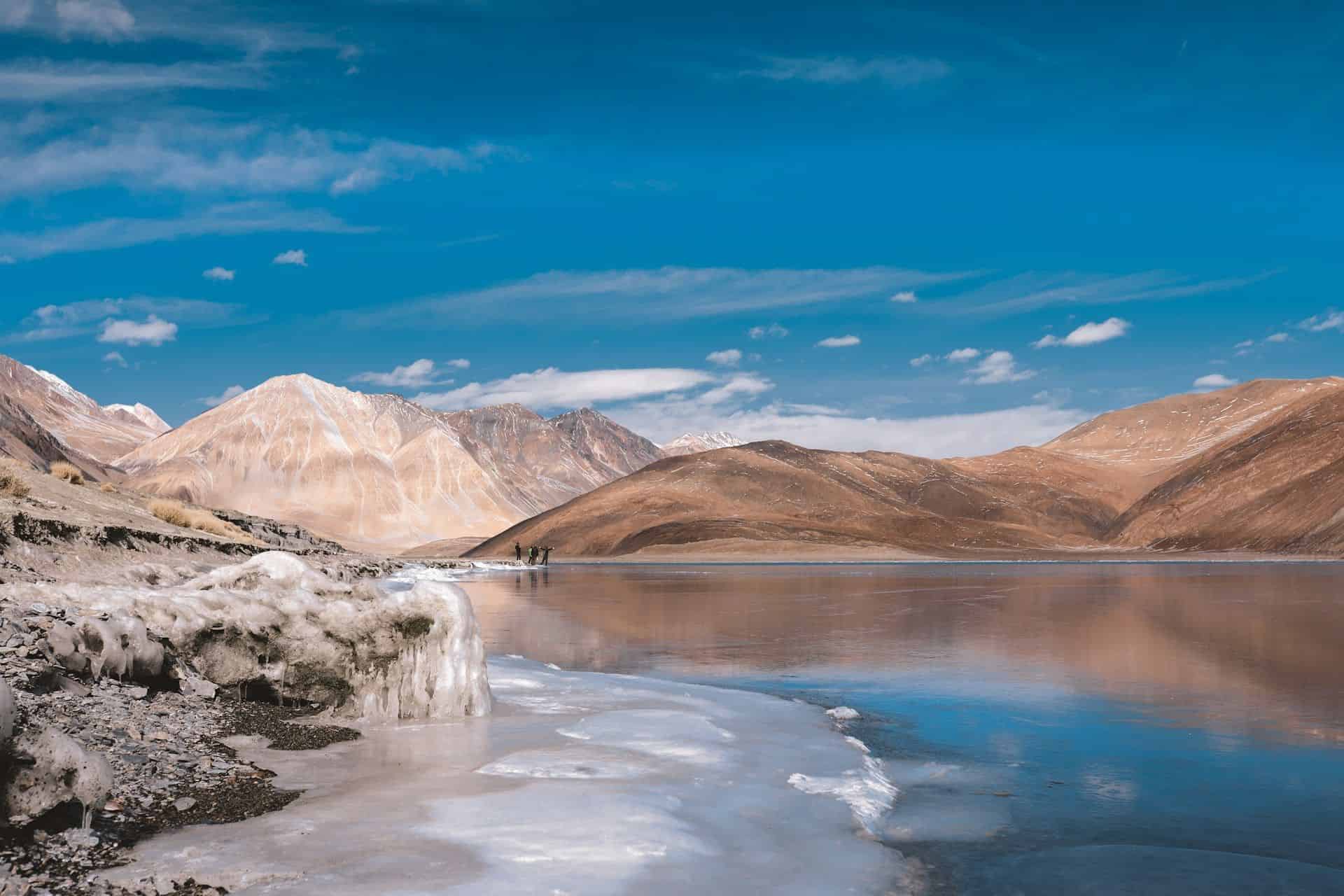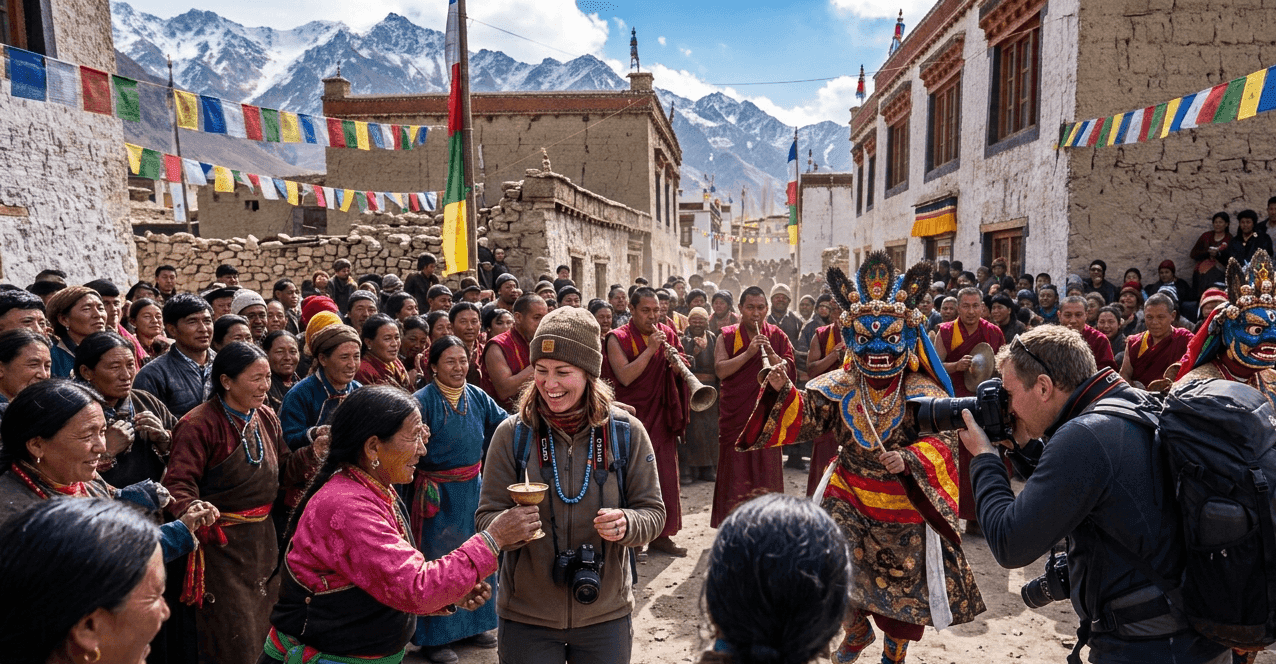
December brings a different rhythm to Ladakh. Busy summer roads grow quieter, snow settles across the surrounding mountains, and local communities begin preparing for Losar, Ladakh's traditional New Year. Homes are cleaned and decorated, traditional food is prepared, and families come together to welcome the year ahead with prayers, rituals and festive gatherings.
As evening falls, butter lamps illuminate homes and monasteries, while traditional celebrations bring warmth to the winter landscape. Much of Losar is rooted in family traditions and community celebrations, offering visitors a closer look at Ladakh's cultural and spiritual heritage.
One thing that makes Ladakhi Losar particularly interesting is its timing. Unlike Tibetan Losar, which generally falls in February or March, Ladakh celebrates its New Year in December.
For travellers looking beyond the usual summer sightseeing season, Losar offers a reason to experience Ladakh during winter. Discover its traditions, enjoy local hospitality, and see how the region welcomes the new year in the heart of the Himalayas.
When Is Ladakh Losar Celebrated in 2026?
Ladakh Losar will be celebrated on December 9, 2026. The celebrations are preceded by Galdan Namchot on December 3, when butter lamps are lit in homes and monasteries across Ladakh. Both occasions are important parts of the region's winter cultural calendar.
Here are the key dates to know:
Festival | Date in 2026 | Significance |
| Galdan Namchot | December 3, 2026 | Commemorates Je Tsongkhapa, an important Tibetan Buddhist teacher. Butter lamps are lit and prayers are offered. |
| Ladakhi Losar | December 9, 2026 | Marks the traditional New Year in Ladakh through prayers, household rituals, family gatherings and festive customs. |
Losar is not limited to a single day. Preparations and related customs can begin before New Year's Day and continue afterwards, although the duration and traditions vary between families and villages.
If you are planning a trip around the festival, arriving a few days before December 9 allows you to experience the atmosphere leading up to Losar, including Galdan Namchot. Check local celebration schedules closer to your travel dates, as individual community programmes may differ.
How Is Ladakh Losar Celebrated?
Ladakh Losar is celebrated through traditional rituals, prayers, festive food and family gatherings. Much of the celebration takes place in homes and local communities. Some of the distinctive traditions include:
- Metho Torch Procession: Around Losar Eve, people carry burning torches through village lanes as part of rituals associated with driving away negative influences and welcoming the New Year.
- Traditional Decorations: Families decorate their homes with auspicious designs and prepare flour figures, including ibex motifs, which are associated with prosperity and good fortune.
- Butter Lamps and Prayers: Butter lamps are lit and prayers are offered in homes and monasteries as part of the New Year observances.
- Festive Food and Greetings: Families prepare traditional dishes, share meals and visit relatives and neighbours. People exchange good wishes using greetings such as "Losar Tashi Delek".
Although customs can vary between families and villages, Losar remains an important occasion for welcoming the New Year through local traditions, prayers and time spent with loved ones.
What Is Ladakh Like During Losar in December?
Ladakh in December offers a very different travel experience from its busy summer season. The region is quieter, temperatures fall well below freezing at night, and winter conditions affect road access, accommodation and sightseeing. Visitors can experience the Losar celebrations, but should plan around the cold, allow time for acclimatization and keep their itinerary flexible.
Here is what to expect when visiting during this period:
- Very Cold Weather: December nights in Leh can fall below -10°C, although actual temperatures vary with weather conditions. Higher-altitude areas can be colder. Pack thermal layers, an insulated jacket, warm gloves, woollen socks and suitable winter footwear.
- Limited Road Access: The Manali-Leh Highway is generally closed during winter. The Srinagar-Leh route can also face seasonal closures and temporary disruptions due to snowfall. Flying into Leh is usually the more practical option in December.
- Restricted Sightseeing: Some destinations and high-altitude routes may become inaccessible because of snow or road conditions. Trips to places such as Nubra Valley and Pangong Lake should only be planned after checking local road updates.
- Winter Accommodation: Not every hotel or guesthouse operates during winter. Confirm that your accommodation is open and has reliable room heating, hot water arrangements and backup power before booking.
- Acclimatization Is Essential: Leh sits at approximately 3,500 metres above sea level. Allow at least 48 hours for initial acclimatization after arriving, avoid strenuous activity initially and watch for symptoms of altitude sickness. Acclimatization requirements vary from person to person.
- Flexible Travel Plans: Snowfall, road closures and changing weather can affect sightseeing schedules. Keep buffer time in your itinerary rather than planning several long journeys on consecutive days.
December is best suited to travellers who are prepared for harsh winter conditions and are interested in experiencing Ladakh beyond its usual summer travel season. For a broader overview of routes, destinations and trip planning, read our Complete Ladakh Travel Guide.
What Food Can You Try in Ladakh During Losar?
Food is an important part of Ladakhi hospitality, and traditional dishes are often shared during family gatherings and festive occasions. Visiting Ladakh in winter also offers an opportunity to try some of the region's familiar local foods.
Some dishes and drinks you may come across include:
- Khambir: A traditional Ladakhi whole-wheat bread, often served with butter tea or other accompaniments.
- Paba: A traditional and filling dish made from roasted barley or other locally used flours, commonly eaten with vegetables and local accompaniments.
- Thukpa: A warming noodle soup popular across the Himalayan region and particularly comforting during Ladakh's cold winter months.
- Gur-Gur Chai: Also known as butter tea, this traditional salty tea is prepared with tea leaves, butter and salt. It is commonly served to guests in Ladakhi homes.
- Chhang: A traditional barley-based fermented drink that may be served during festive and social gatherings.
Food traditions differ between households, and not every dish is prepared specifically for Losar. Trying local Ladakhi food during your visit is another way to appreciate the region's culture and hospitality.
Experience Ladakh Losar with Desh Videsh Travels
Experience Ladakh beyond its familiar summer landscapes and discover the traditions of its winter New Year. From the festive atmosphere of Losar to the region's unique culture and snow-covered surroundings, December offers a different perspective on Ladakh.
If you are planning to experience the celebrations in 2026, explore our Ladakh Losar Festival Tour and plan your winter journey with Desh Videsh Travels.