Most people choose between Meghalaya and Sikkim based on photos.
And that is exactly why they end up picking the wrong trip.
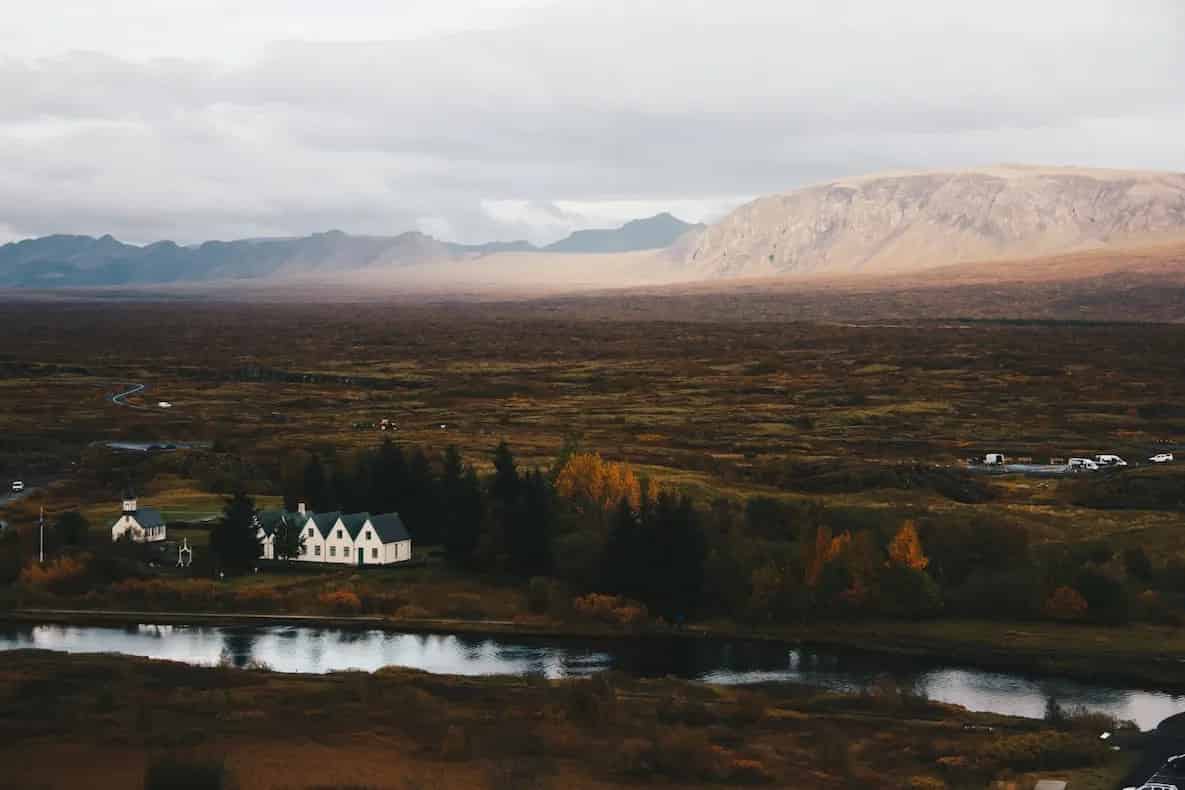
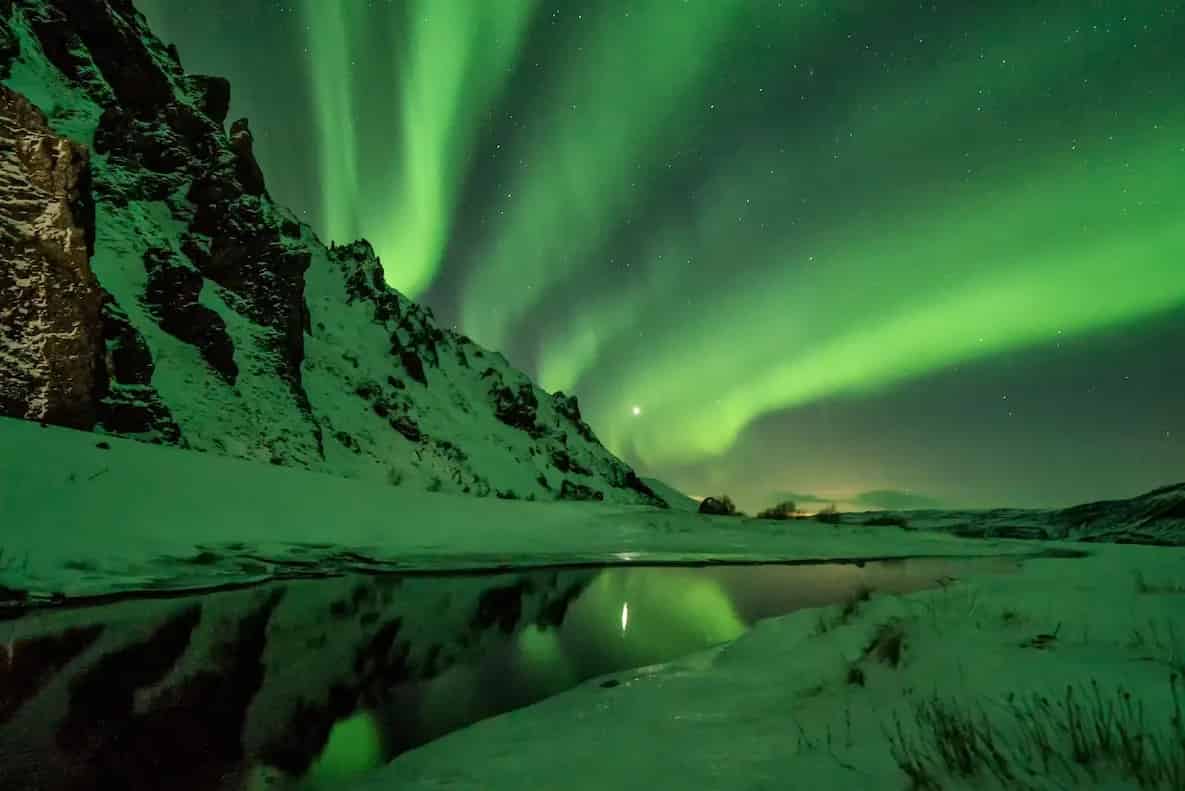
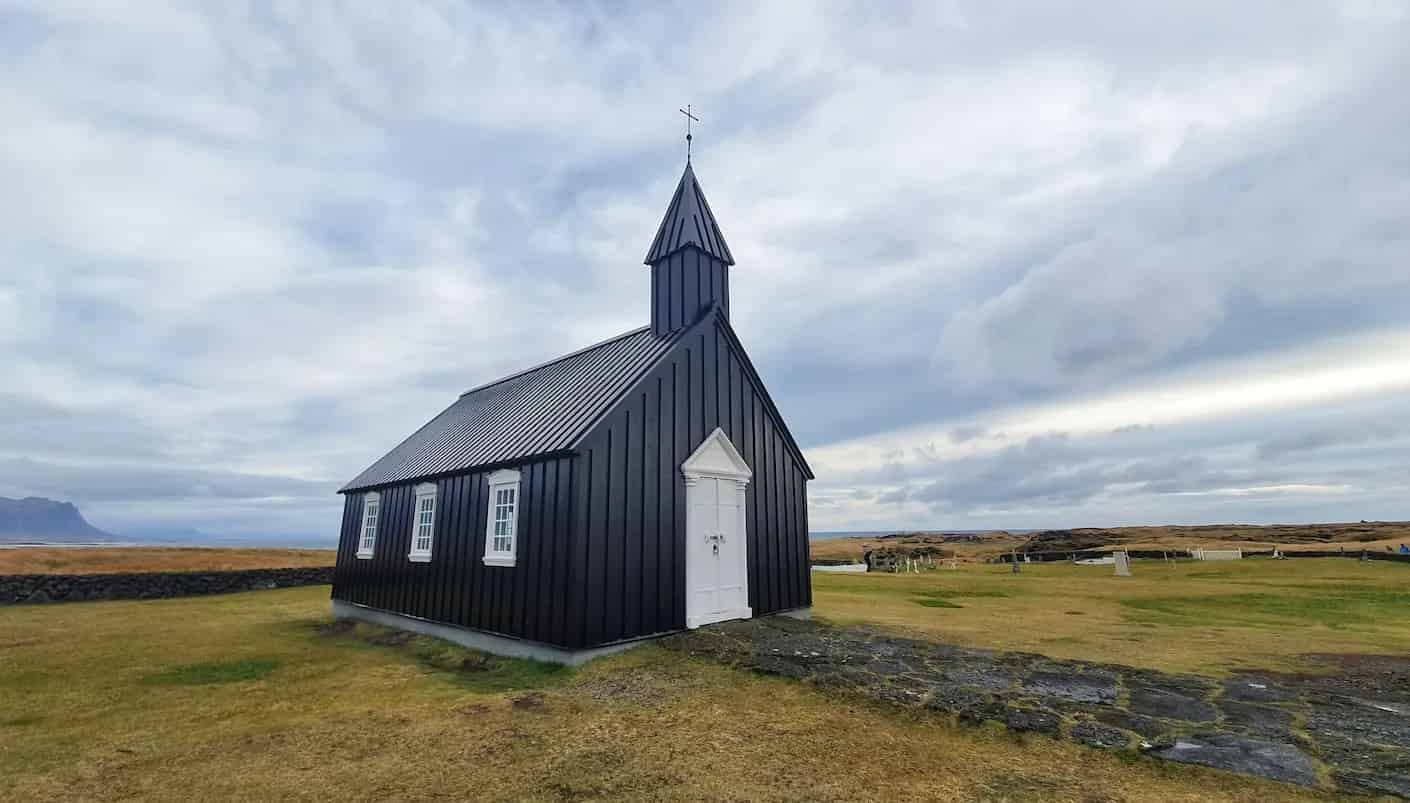
Both destinations look similar online, filled with greenery, mountains and dramatic landscapes. But once you actually start planning, the difference becomes clear. One is flexible and easy to explore, while the other is structured and effort-driven.
Choosing the right one is not about what looks better. It is about how you want your trip to feel.
Quick Answer
Choose Meghalaya if you want a relaxed, flexible trip with waterfalls, shorter travel distances, and minimal planning.
Choose Sikkim if you want dramatic mountain landscapes, snow experiences and do not mind permits, longer journeys, and structured itineraries.
If you are planning your full trip, building a clear Meghalaya itinerary or Sikkim route helps avoid confusion later.
The Logistics Gap: Flexibility vs Structured Travel
One of the biggest differences between Meghalaya and Sikkim is how you move through them.
Meghalaya feels open. You can plan your own route, stop wherever you want and adjust your day as you go. There are no permits to worry about and your trip can evolve naturally.
Sikkim works differently. Travel is more structured, especially in places like North Sikkim where permits are required. Routes are fixed and even small plan changes are not always possible.
This difference shapes your entire experience. One gives you control, the other asks you to follow a system.
Experience Comparison: What Your Days Actually Feel Like
Meghalaya Feels Like
- Short drives with frequent stops
- Waterfalls, viewpoints, and short walks
- Flexible timing and spontaneous plans
- Easy to adjust your route
Sikkim Feels Like
- Long scenic drives between regions
- Fewer but more immersive locations
- Fixed schedules due to permits
- A more “planned journey” experience
Meghalaya feels like constant movement, stopping often, exploring freely. Sikkim feels like a journey with clear stages, where the road itself becomes part of the experience.
Meghalaya vs Sikkim: Quick Decision Snapshot
Factor | Meghalaya | Sikkim |
| Entry Rules | No permit required | Permits required in many areas |
| Travel Style | DIY-friendly | Structured / package-based |
| Landscape | Waterfalls, forests | Mountains, snow peaks |
| Travel Time | Shorter drives | Long mountain journeys |
| Effort Level | Easy to moderate | Moderate to high |
| Flexibility | High | Limited |
Most travelers underestimate how much this impacts their trip.
Scenery: Waterfalls vs Mountains
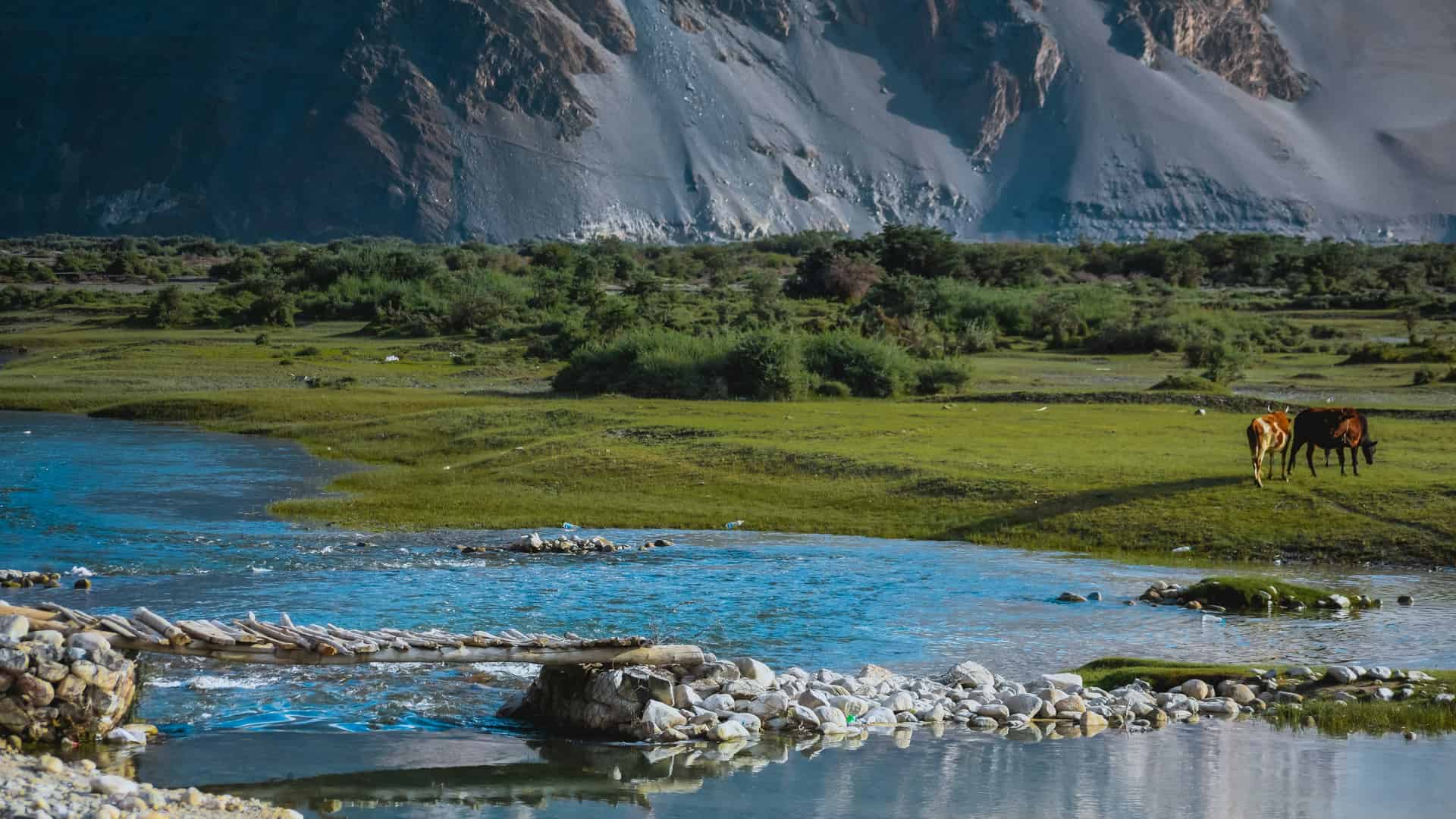
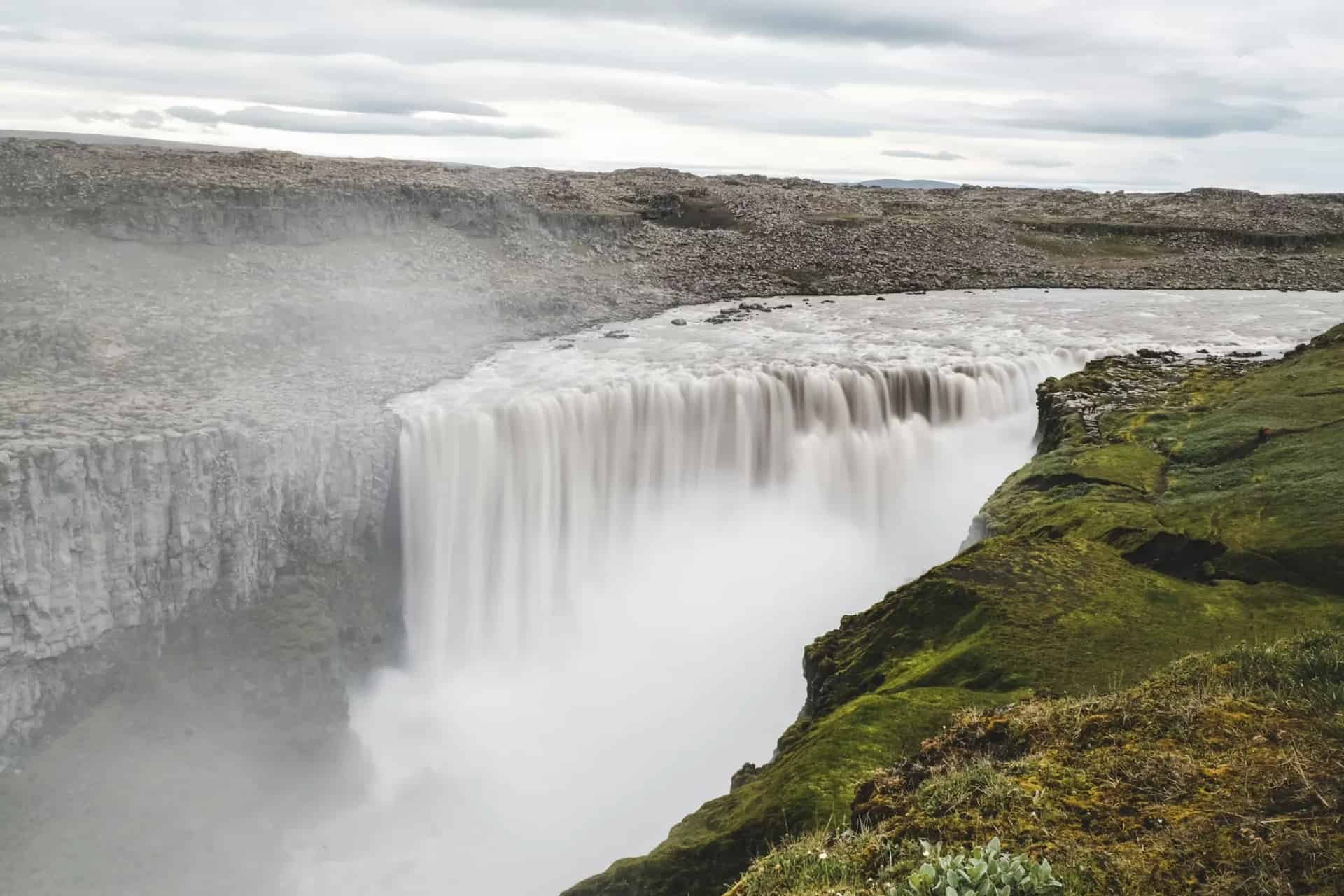
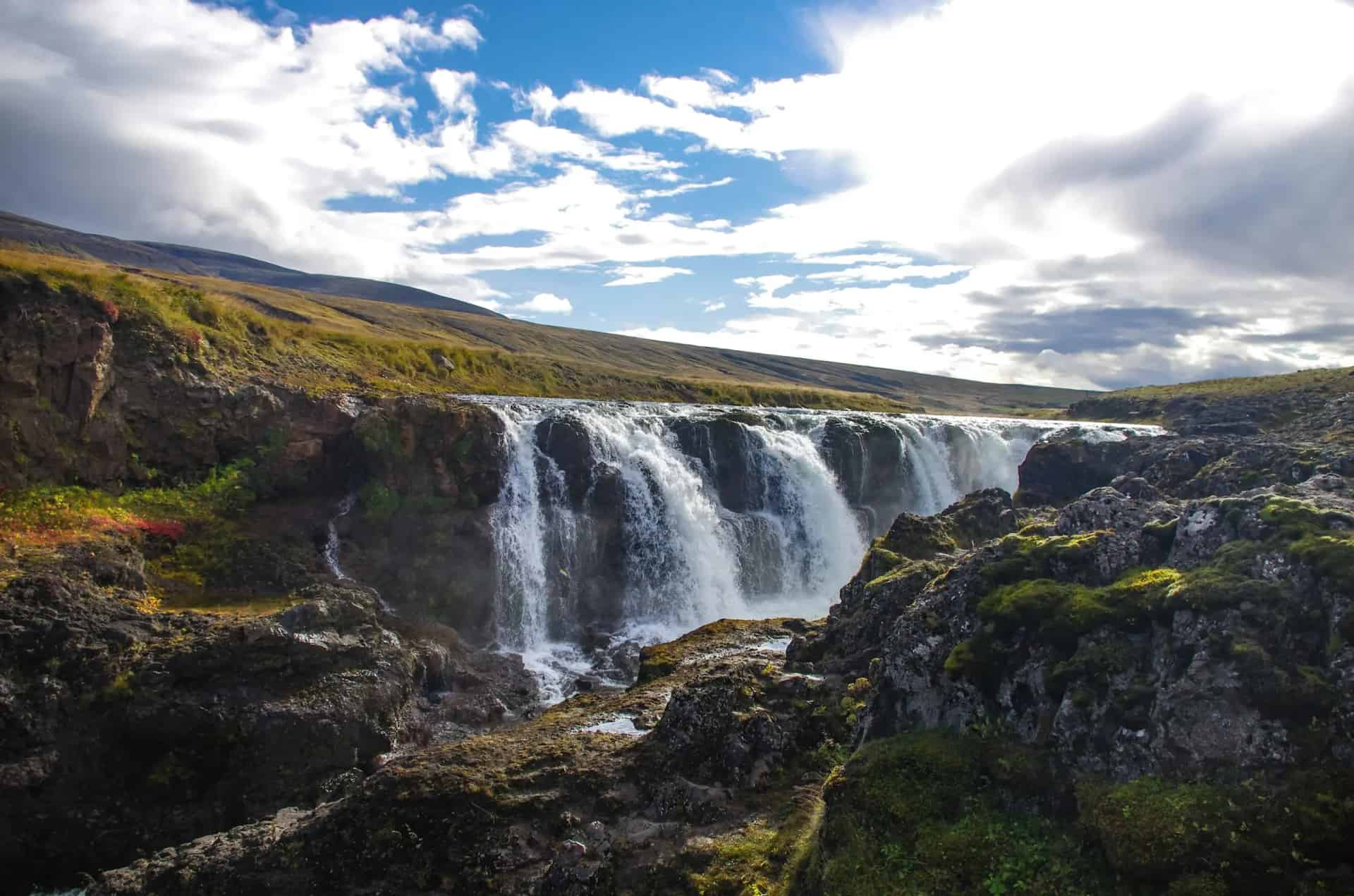
Meghalaya offers a lush, immersive landscape filled with waterfalls, forests and turquoise rivers. Places like Krang Suri and Phe Phe Falls add depth to the experience, especially for travelers who enjoy exploring nature closely.
If waterfalls are your priority, this Meghalaya waterfalls guide helps you decide which ones are actually worth your time.
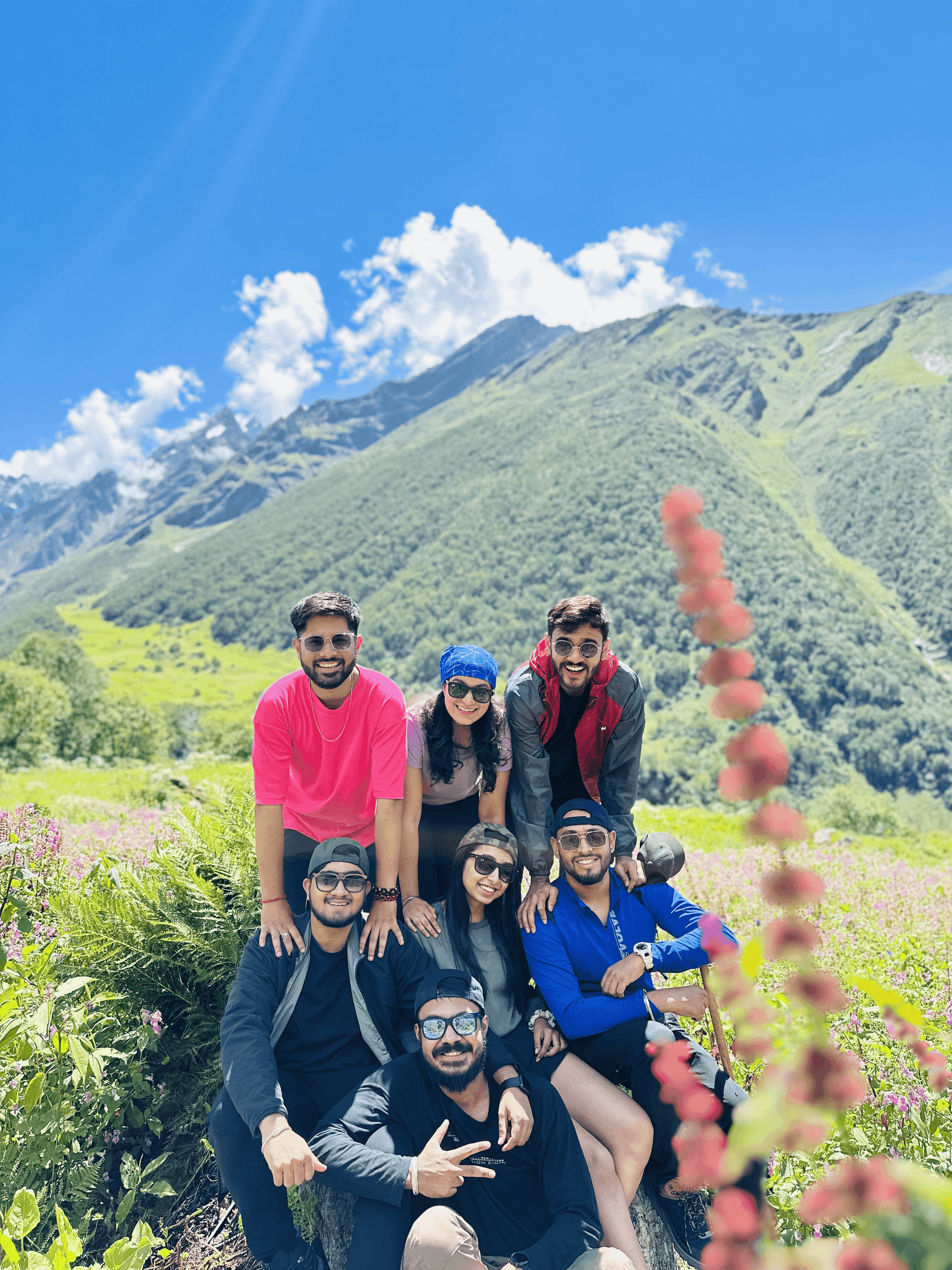
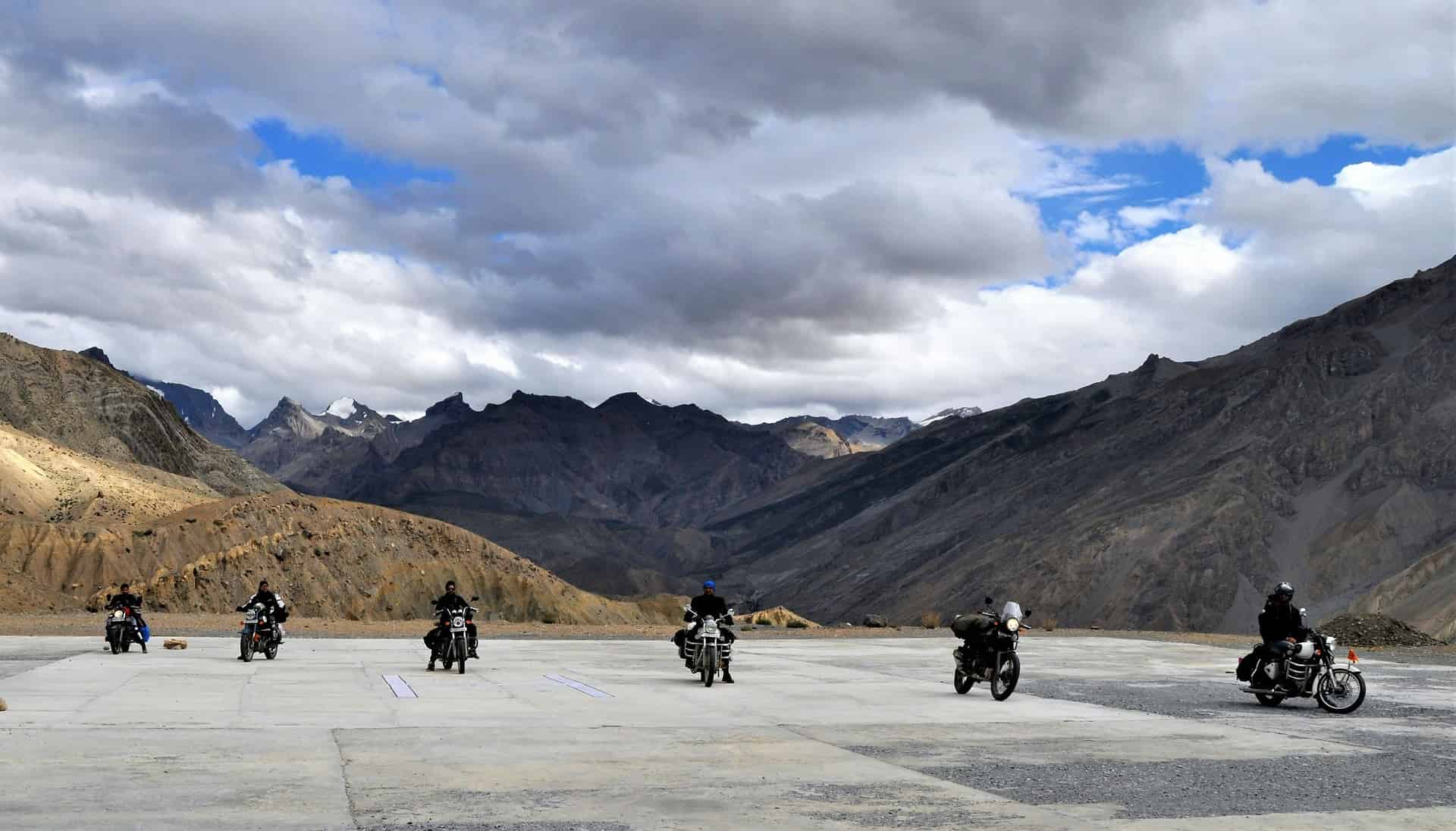
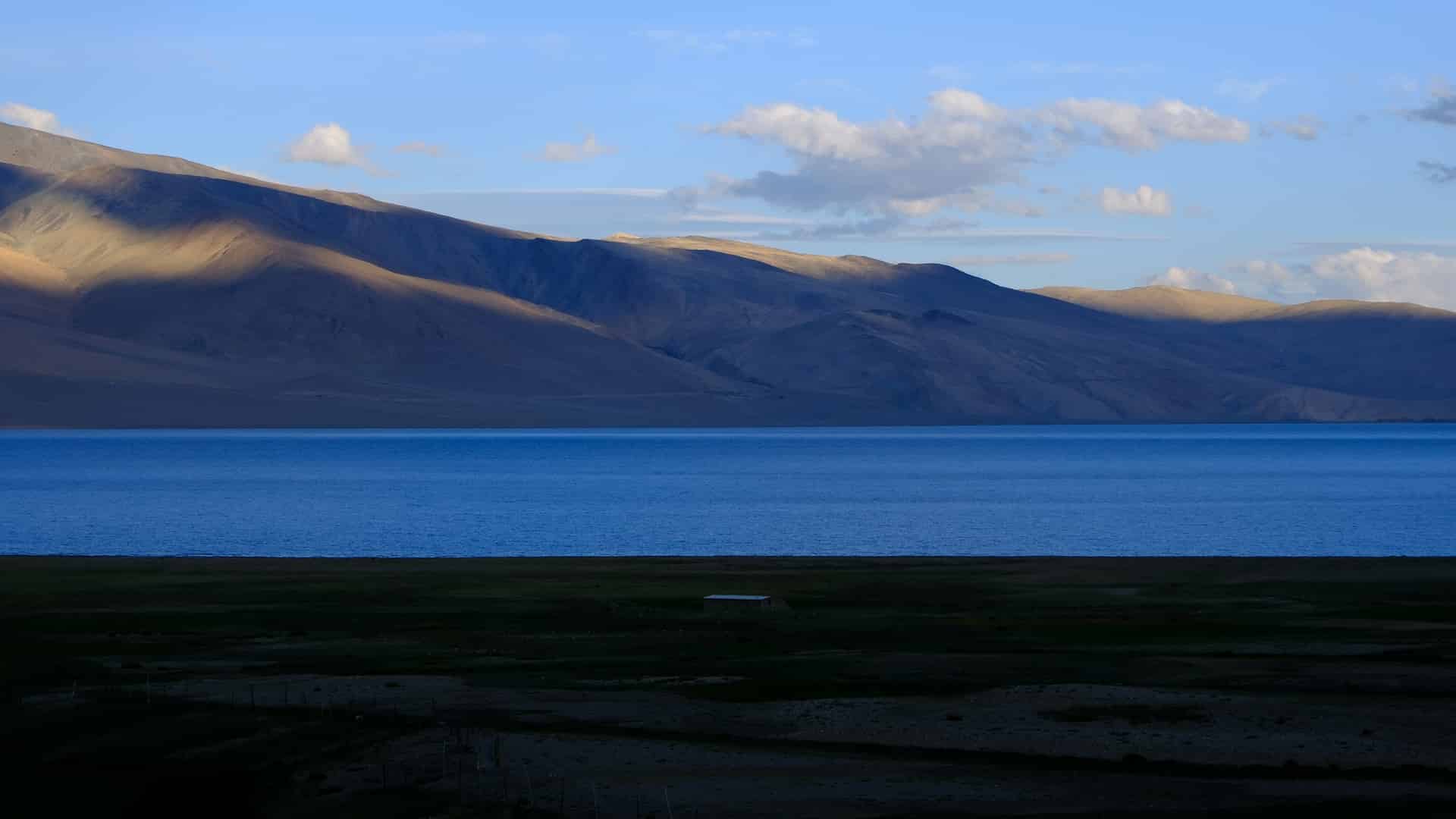
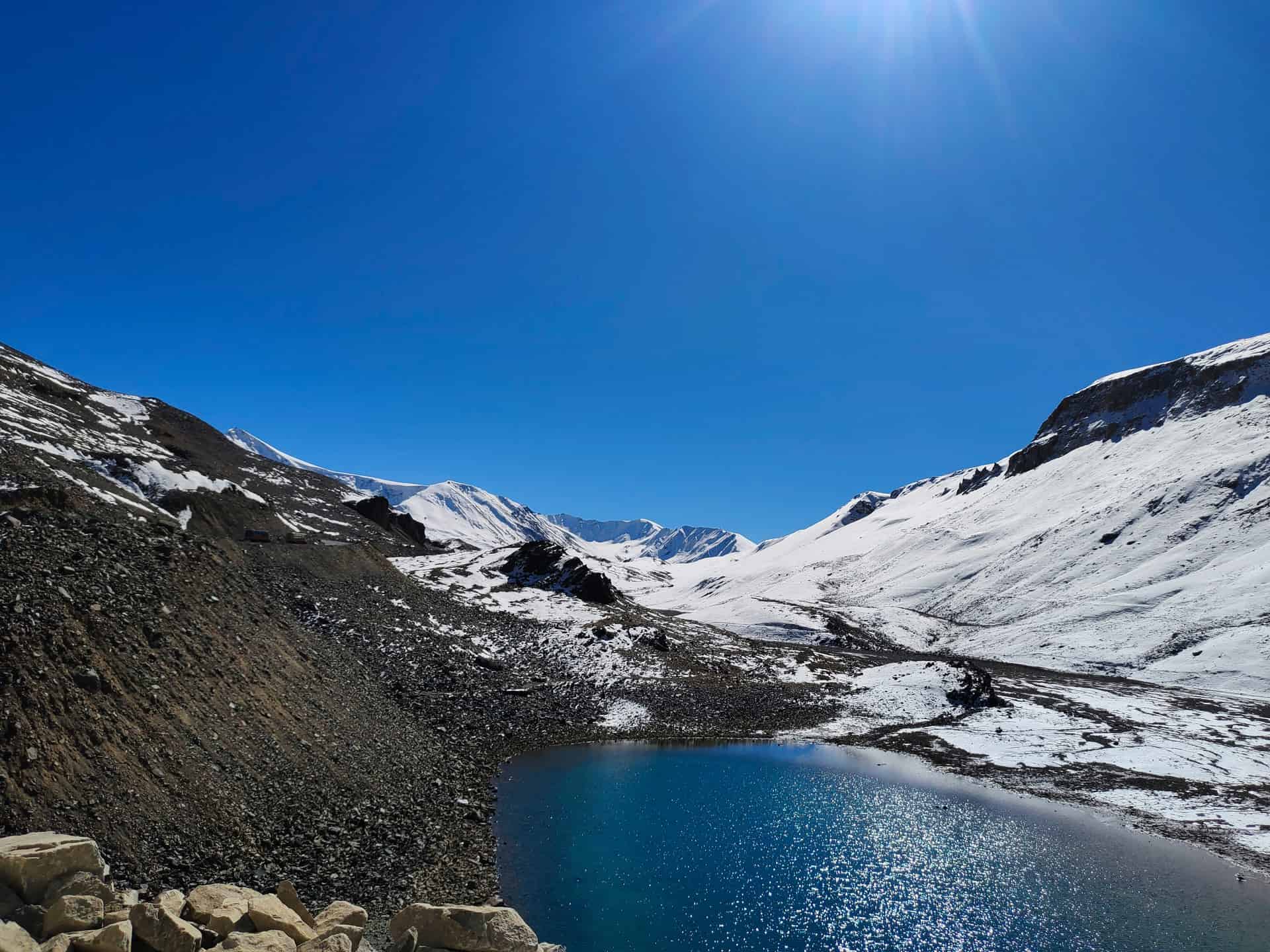
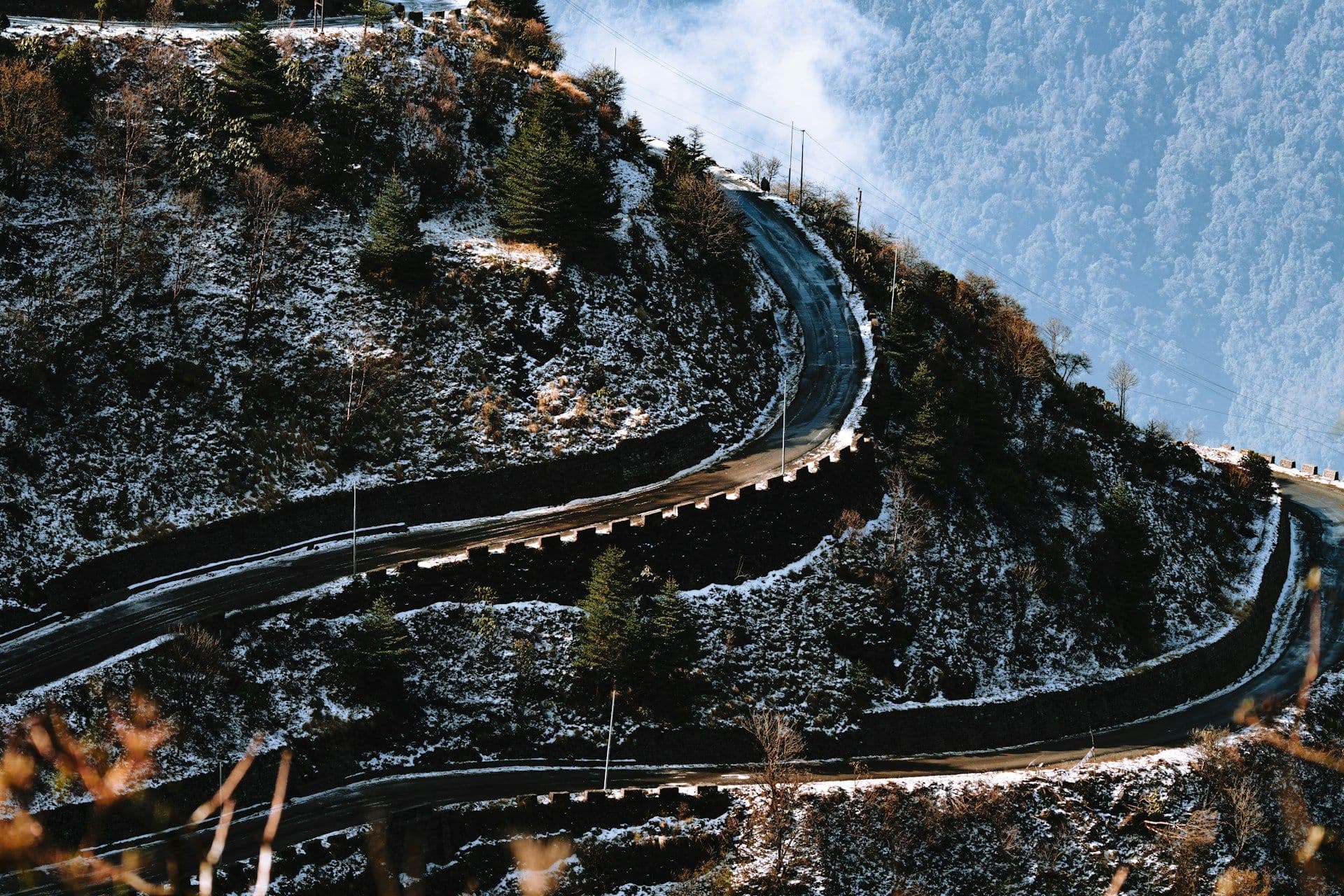
Sikkim offers a completely different visual scale. Snow-capped peaks, alpine lakes and high-altitude viewpoints create a more expansive and dramatic experience.
This is less about which is better, and more about what kind of scenery you connect with.
Altitude, Effort and How Your Body Feels
This is one of the most overlooked differences.
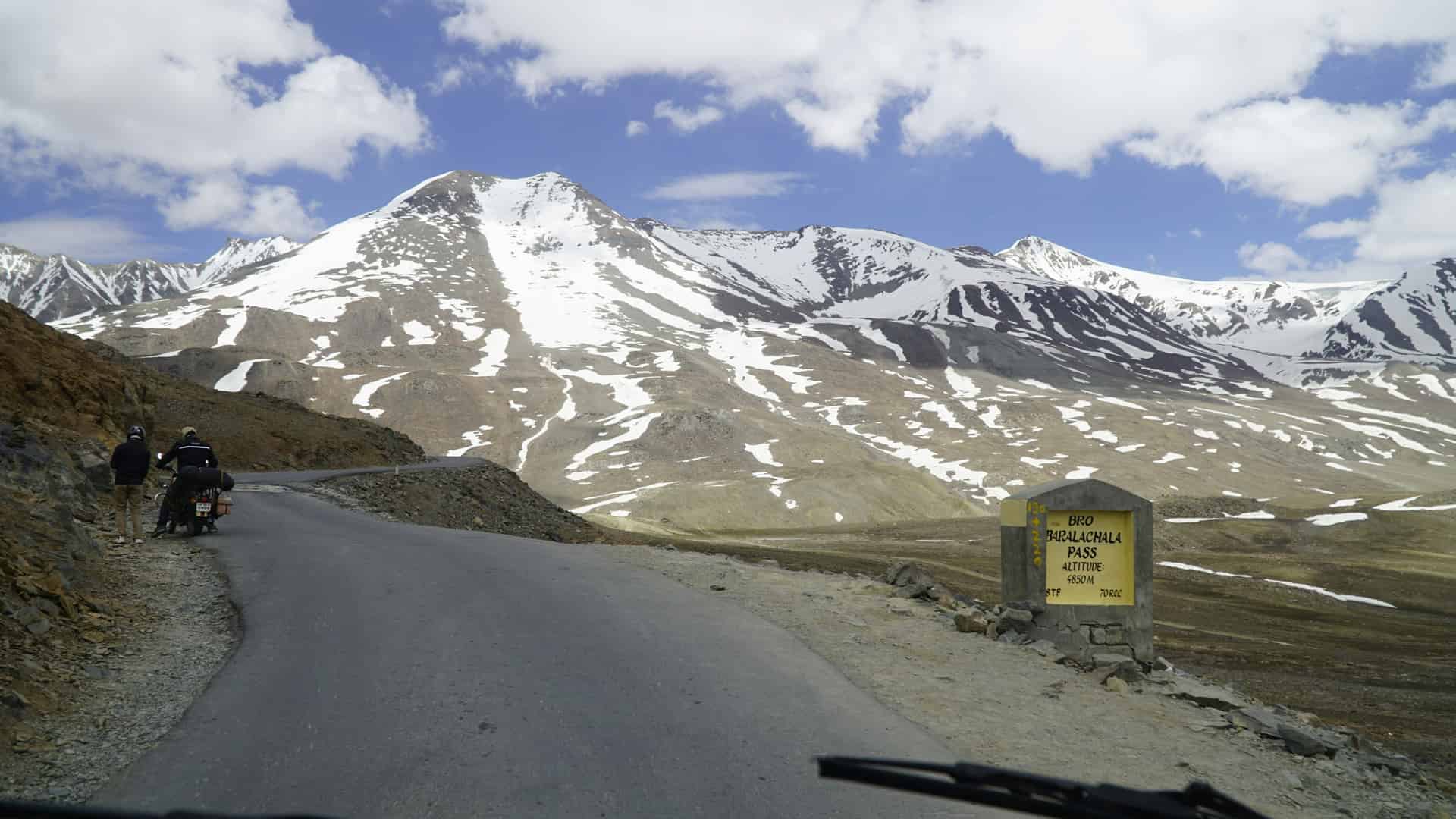
Sikkim involves high-altitude travel, often above 10,000 ft, which means acclimatization becomes important. Some travelers may experience discomfort due to altitude, especially in North Sikkim.
Meghalaya stays at a much lower altitude, making it easier on the body. You can explore comfortably without worrying about oxygen levels or fatigue caused by altitude.
This makes Meghalaya a better choice for travelers looking for a physically easier trip.
Budget Reality: Flexibility vs Fixed Costs
Both destinations can be planned on similar budgets, but how you spend differs significantly.
Meghalaya allows flexibility. You can choose your stays, transport and pace, making it easier to adjust your trip based on your budget.
Sikkim, especially North Sikkim, often involves fixed packages. These typically include transport, stay and permits and usually start around ₹18,000 to ₹25,000 for a 2 to 3 day trip.
If you prefer control over your spending, Meghalaya feels easier. If you prefer convenience, Sikkim works better.
What Most Travelers Don’t Plan For
Some factors rarely get discussed but can significantly affect your trip.
In Sikkim, weather and landslides can impact travel plans, which is why keeping buffer time is important. Even with improved roads, flexibility remains limited.
In Meghalaya, the challenge is not restrictions but planning your route well. Many travelers focus only on Cherrapunji and miss Jaintia Hills, where some of the best experiences actually are.
These small planning gaps often define how smooth your trip feels.
Who Should Choose Meghalaya or Sikkim
Choose Meghalaya If
- You want a relaxed and flexible trip
- You prefer shorter travel days
- You enjoy waterfalls and nature exploration
Choose Sikkim If
- You want mountain views and snow
- You are comfortable with long drives
- You prefer structured itineraries
Who Should Avoid Meghalaya or Sikkim
Avoid Meghalaya If
- You want snow or dramatic mountain views
- You prefer luxury-focused travel
- You dislike frequent short stops
Avoid Sikkim If
- You want flexibility in your plans
- You dislike long travel hours
- You are uncomfortable with altitude
Final Thought
Meghalaya and Sikkim are both incredible, but they are not interchangeable. One offers freedom and flexibility. The other offers structure and scale.
The right choice is not about which destination is better. It is about choosing the one that matches how you want your trip to feel.
Most travelers get stuck at this exact decision and end up choosing based on what looks better online. If you want a trip that actually matches your travel style, a well-planned Meghalaya or Sikkim trip can make the entire experience smoother and far more enjoyable.