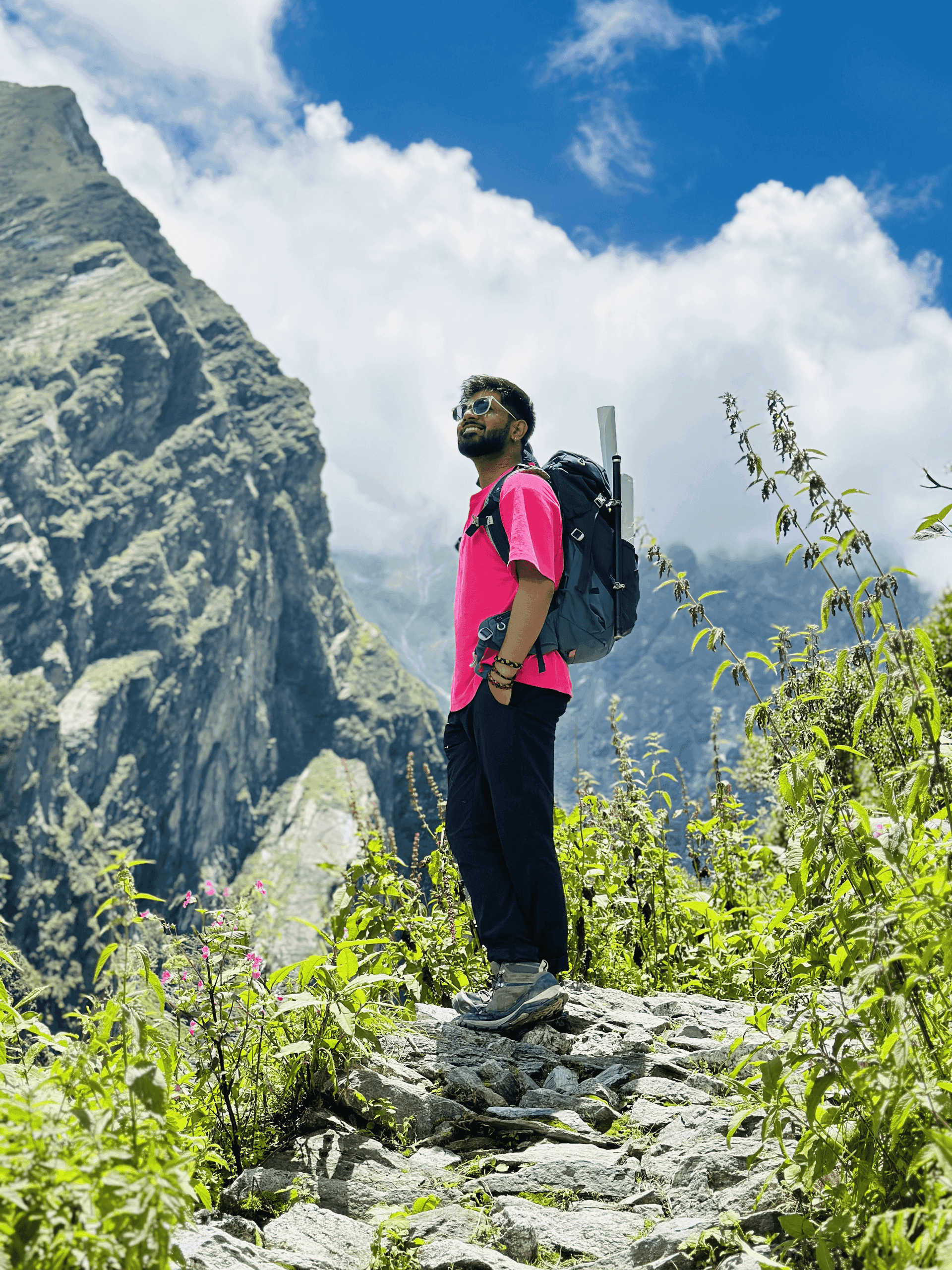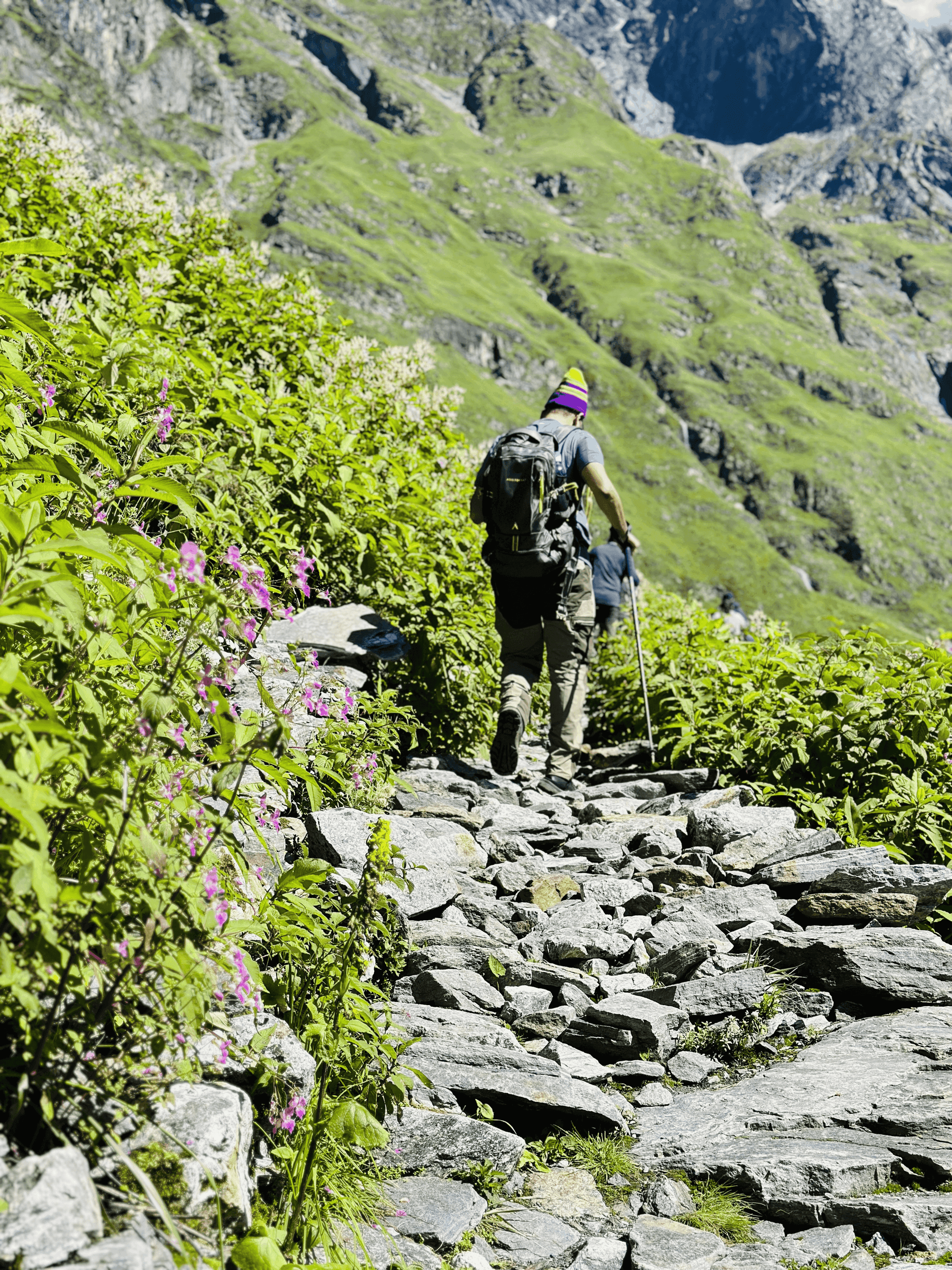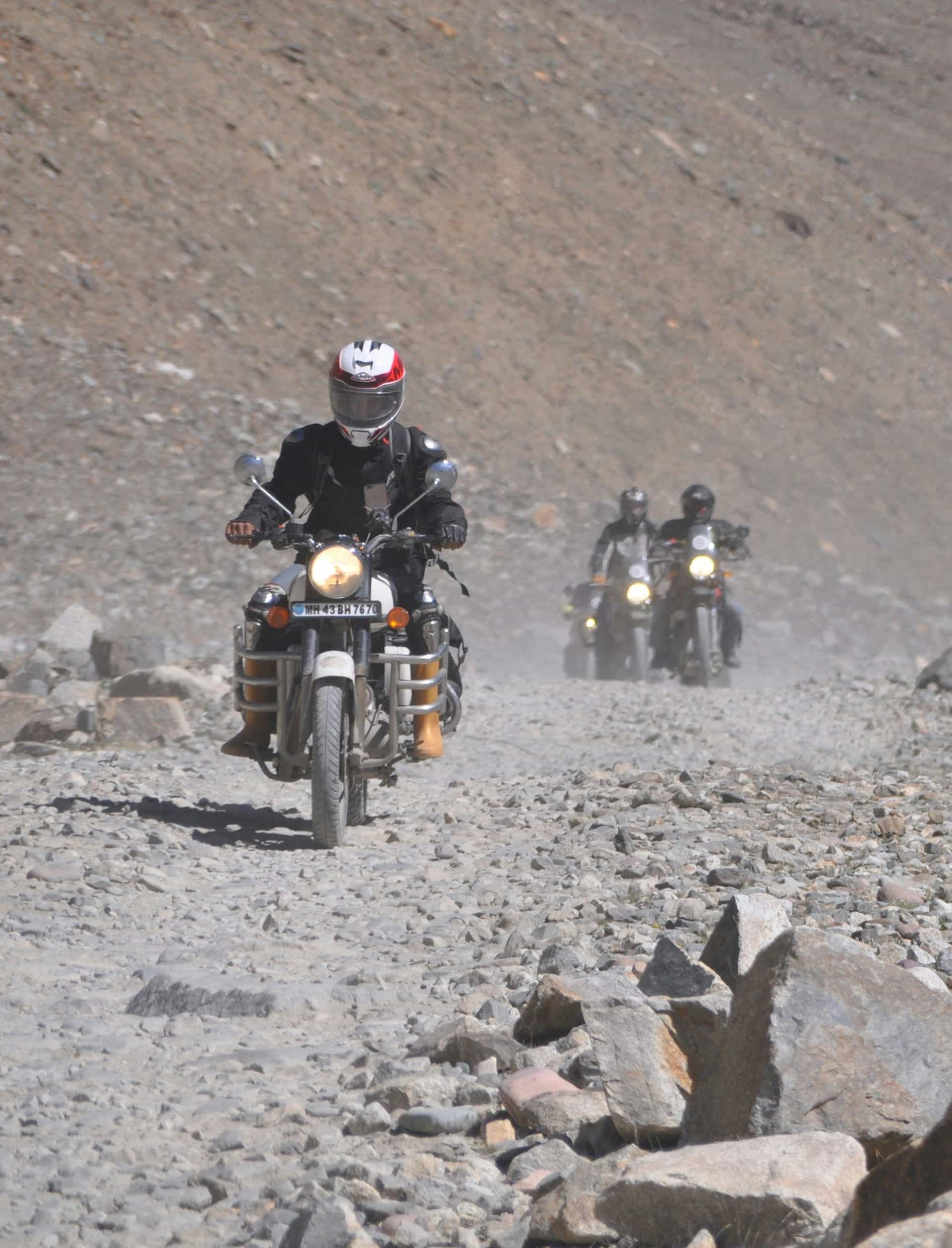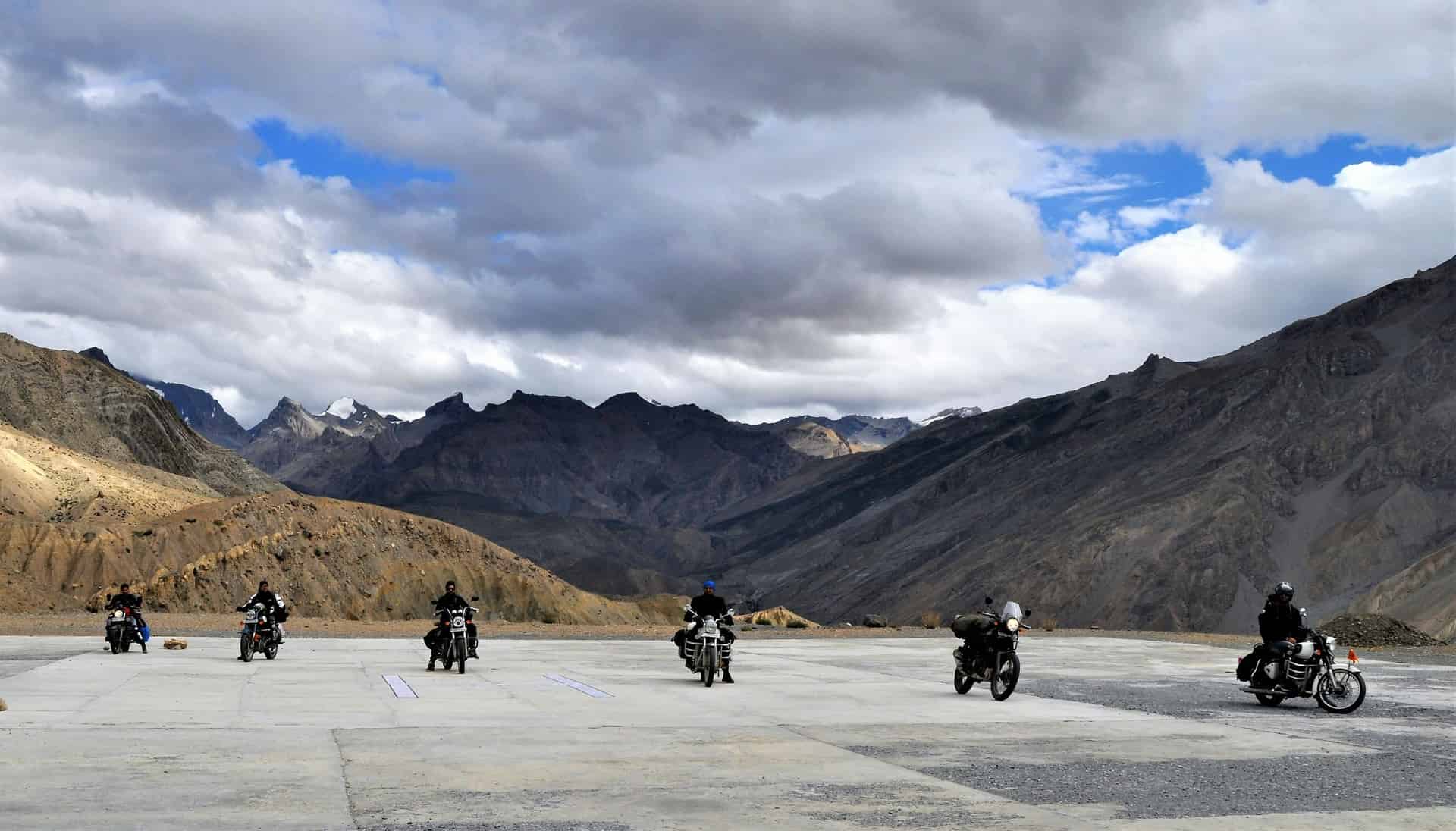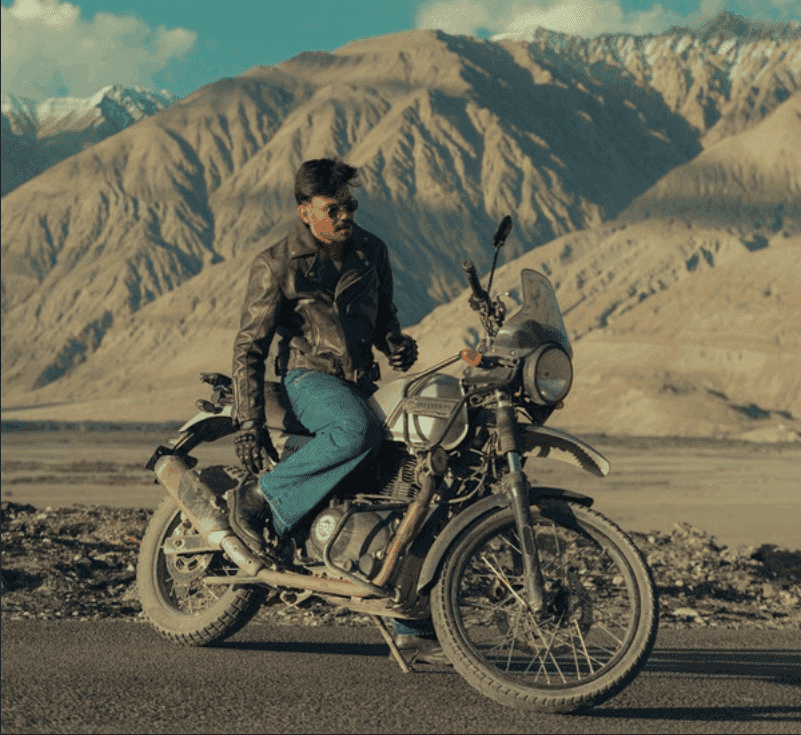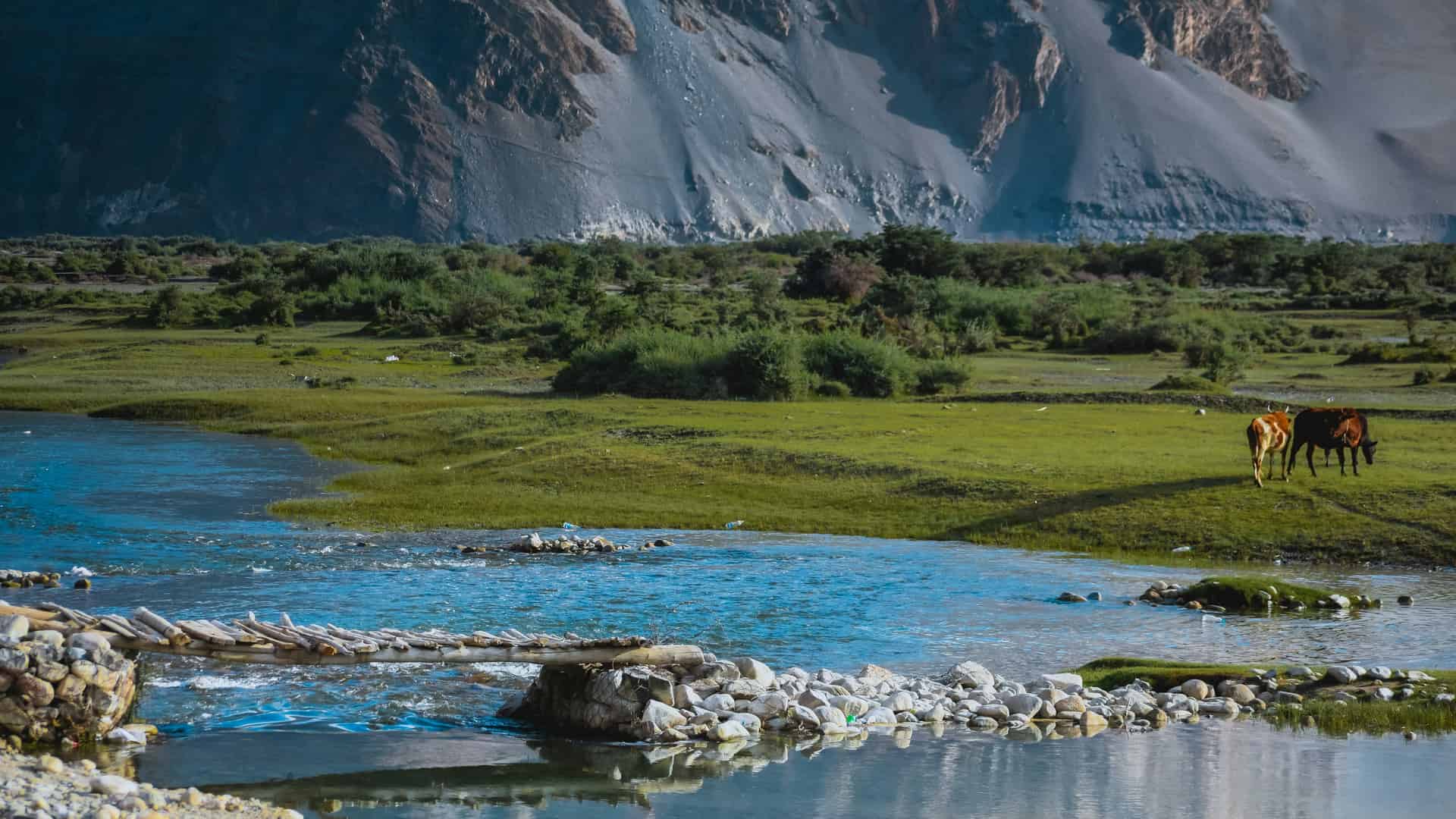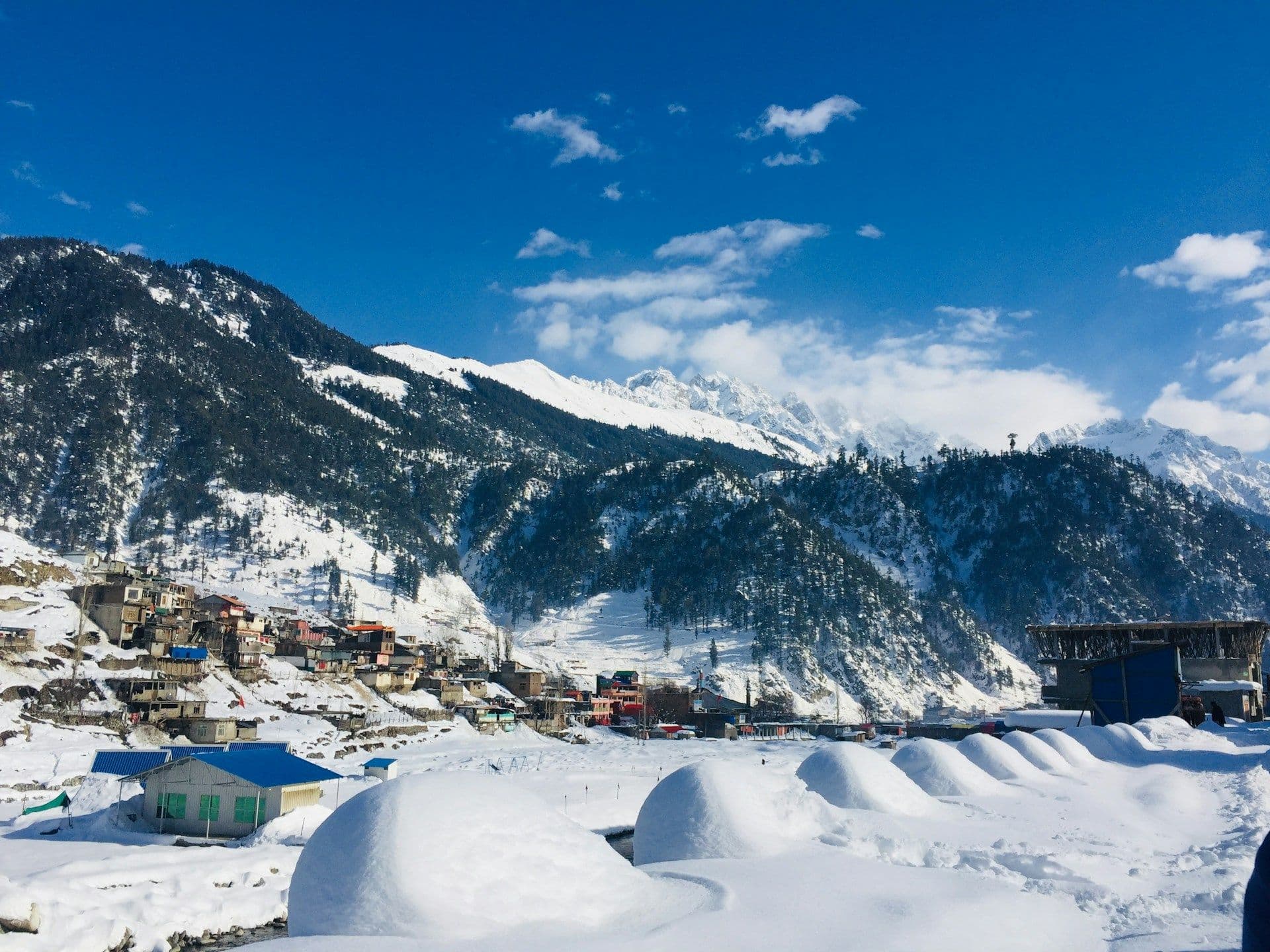
A road trip through Spiti Valley is not just about reaching Kaza. The journey takes you through dramatic mountain landscapes, remote villages, ancient monasteries and some of the most striking roads in Himachal Pradesh. But with long driving hours, high-altitude stops and seasonal road access, deciding how many days to spend in Spiti can make a big difference to your experience.
So, should you plan a 7-day trip, keep 10 days aside or take 12 days to explore at a slower pace?
For most first-time visitors, 10 to 12 days is a practical duration for exploring Kinnaur and Spiti Valley, while a 7-day itinerary works better for travellers with limited time who are comfortable with a tighter schedule.
In this guide, you will find three route plans covering the key stops, suggested overnight stays and practical travel considerations to help you choose an itinerary that fits your available time.
Trip duration | Suggested route | Main highlights | Best suited for |
| 7 days | Shimla → Kinnaur → Kaza → Manali | Narkanda, Kalpa, Tabo, Kaza, Key Monastery and nearby villages; Chandratal if accessible | Travellers with limited time who can manage long driving days |
| 10 days | Delhi → Shimla → Kinnaur → Spiti → Manali | Sangla, Chitkul, Kalpa, Tabo, Dhankar, Kaza and Pin Valley | First-time visitors wanting a balanced road trip |
| 12 days | Delhi → Shimla → Kinnaur → Spiti → Manali | Kinnaur and Spiti highlights, with more time for Pin Valley, high-altitude villages and selected detours | Travellers who prefer a slower pace and more time to explore |
These are suggested route outlines rather than fixed schedules. Actual driving times and the number of destinations you can visit depend on road conditions, weather, overnight stops and seasonal access.
The itineraries generally end in Manali rather than Delhi. If you are travelling from Delhi, allow additional time and budget for your return journey. The Manali route over Kunzum Pass and a visit to Chandratal also depend on seasonal road access.
Before finalising your dates, read our Best Time to Visit Spiti Valley guide to understand seasonal road access and decide which route is suitable for your trip.
Which Route Should You Take for a Spiti Valley Trip?
The best route depends on whether you want to explore Kinnaur along the way or approach Spiti from Manali. The Shimla-Kinnaur route is ideal for combining both regions, while the Manali-Kunzum route is a seasonal option for completing the full circuit.
Route | Main stops | Key advantage | Main consideration |
| Shimla to Spiti via Kinnaur | Narkanda, Sangla, Chitkul, Kalpa, Nako, Tabo and Kaza | Explore Kinnaur before reaching Spiti, with a gradual approach | Requires several mountain-road journeys and overnight stops |
| Manali to Spiti via Kunzum Pass | Atal Tunnel, Lahaul, Gramphu, Batal, Kunzum Pass, Losar and Kaza | Scenic approach from Manali, with access to Chandratal when conditions permit | Seasonal access and rough terrain can affect travel |
| Full Spiti circuit | Shimla, Kinnaur, Spiti, Chandratal if accessible and Manali | Explore Kinnaur and Spiti without retracing the same route | Requires sufficient time and an accessible Manali-Kaza road |
The Shimla-Kinnaur route is a good choice if you want to explore Kinnaur before reaching Spiti. The Manali-Kunzum route is useful for completing the circuit when seasonal access permits. The Gramphu-Batal stretch can be particularly rough, so check road conditions and vehicle suitability before choosing this route. If Kunzum Pass is inaccessible, you may need to return through Kinnaur, adding travel time.
7-Day Spiti Valley Itinerary: Shimla to Manali
A 7-day Spiti Valley itinerary is best suited to travellers who can start in Shimla and finish in Manali. It covers parts of Kinnaur, Tabo, Kaza and selected nearby attractions, but leaves limited time for detours. Chandratal can be included only if seasonal road access, travel time and overnight arrangements allow.
Day 1: Shimla to Narkanda
Overnight stay: Narkanda
Approximate driving time: 2–3 hours
Travel from Shimla to Narkanda and settle into the mountain journey. If you arrive early, explore the surrounding area or rest before continuing towards Kinnaur.
Day 2: Narkanda to Kalpa
Overnight stay: Kalpa
Approximate driving time: 5–6 hours
Continue through the Sutlej Valley towards Kalpa. After arrival, explore the village and nearby viewpoints if you have enough daylight. Keep the evening relaxed before the longer journey towards Nako and Tabo.
Day 3: Kalpa to Nako and Tabo
Overnight stay: Tabo
Approximate driving time: 6–7 hours, excluding sightseeing stops
Start early and travel towards Nako. Stop at Nako village and its lake before continuing to Tabo. Avoid adding too many detours because this is a substantial driving day.
If you arrive with sufficient time and the site is open, visit Tabo Monastery. Otherwise, save the visit for the following morning.
Day 4: Tabo to Dhankar and Kaza
Overnight stay: Kaza
Approximate driving time: 3–4 hours, excluding sightseeing
If you did not visit Tabo Monastery the previous day, explore it in the morning. Continue towards Dhankar Monastery and the surrounding village before travelling to Kaza.
Day 5: Key Monastery, Kibber and Chicham Bridge
Overnight stay: Kaza
Approximate local driving time: 3–4 hours, excluding sightseeing
Use Kaza as your base to explore nearby attractions. Start with Key Monastery, then continue towards Kibber and Chicham Bridge if time and road conditions allow.
For historical and cultural context before your visit, read our Key Monastery guide.
With only seven days available, leave Langza, Hikkim and Komic for a longer itinerary rather than rushing through too many high-altitude villages.
Day 6: Kaza to Chandratal, If Accessible
Overnight stay: Designated accommodation in the Chandratal area, if accessible
Approximate driving time: 5–7 hours, excluding the lake detour and stops
Leave Kaza early and travel towards Losar and Kunzum Pass. Continue towards Chandratal only if the route is open, conditions are suitable and accommodation is available nearby.
Camping is prohibited within 3 km of Chandratal's lakeshore under the National Green Tribunal restriction. Choose permitted accommodation or designated camps outside the restricted zone. Confirm road access and overnight arrangements before including the lake in your plan.
If the route is inaccessible or conditions are unsafe, skip the detour and arrange an alternative overnight stop.
Day 7: Chandratal to Manali
Approximate driving time: 6–8 hours or longer, depending on road conditions
Travel towards Manali via Batal, Gramphu and the Atal Tunnel, subject to seasonal road access. The Gramphu-Batal stretch can be particularly rough, so allow sufficient time for the journey.
If you have a fixed onward flight or train, consider staying overnight in Manali before continuing.
10-Day Spiti Valley Itinerary: Delhi to Manali via Kinnaur
A 10-day Spiti Valley itinerary from Delhi gives you additional time to explore Kinnaur, visit Pin Valley and discover more of the villages around Kaza. Unlike the 7-day plan, this itinerary includes the journey from Delhi and allows extra time for destinations such as Sangla, Chitkul and Mudh.
Days 1–2: Delhi to Shimla and Sangla
Travel from Delhi to Shimla on Day 1, then continue towards Sangla on Day 2 via Narkanda and the Sutlej Valley. Overnight stays are in Shimla and Sangla, respectively.
Day 3: Explore Sangla and Chitkul
Overnight stay: Sangla
Approximate local driving time: 2–3 hours, excluding sightseeing
Spend the day exploring the Baspa Valley and visiting Chitkul, subject to road access. Explore the village, stop at viewpoints and roadside dhabas and return to Sangla for the night.
Day 4: Sangla to Kalpa
Overnight stay: Kalpa
Approximate driving time: 3–4 hours
Travel from Sangla towards Kalpa through Kinnaur. Explore Kalpa village and nearby viewpoints if you arrive with enough daylight, then rest before continuing towards Spiti.
Days 5–7: Kalpa to Tabo, Dhankar and Kaza
Follow the corresponding route and sightseeing guidance from Days 3–5 of the 7-day Spiti Valley itinerary above.
This section covers the journey via Nako and Tabo, the visit to Dhankar and the main attractions around Kaza, including Key Monastery, Kibber and Chicham Bridge.
Day 8: Explore Pin Valley and Mudh
Overnight stay: Kaza
Approximate local driving time: 3–4 hours, excluding sightseeing
Use the additional day to explore Pin Valley rather than squeezing it into an already busy transfer day. Visit Mudh village if road access and timing permit, explore the valley's mountain scenery and return to Kaza for the night.
Day 9: Kaza to Chandratal, If Accessible
Overnight stay: Designated accommodation in the Chandratal area, if accessible
Approximate driving time: 5–7 hours, excluding the lake detour and stops
Travel towards Losar and Kunzum Pass before continuing to Chandratal, provided the route is open and conditions are suitable. Confirm designated accommodation arrangements before planning an overnight stay near the lake.
Remember that camping is prohibited within 3 km of Chandratal's lakeshore. If access is unavailable, arrange an alternative overnight stop rather than forcing the detour into your schedule.
Day 10: Chandratal to Manali
Approximate driving time: 6–8 hours or longer, depending on road conditions
Continue towards Manali via Batal, Gramphu and the Atal Tunnel, subject to seasonal road access. The Gramphu-Batal stretch can be particularly rough, so allow sufficient time for the journey.
If you have a fixed onward flight or train, consider staying overnight in Manali before continuing.
12-Day Spiti Valley Itinerary: A Relaxed Kinnaur and Spiti Circuit
A 12-day Spiti Valley itinerary is ideal for travellers who want to explore Kinnaur and Spiti at a more comfortable pace. Compared with the 10-day plan, it gives you an additional day in Kalpa and separate days to explore Tabo, Dhankar, Pin Valley and the high-altitude villages near Kaza.
The route starts in Delhi and finishes in Manali. It does not include the onward journey from Manali back to Delhi.
Days 1–4: Delhi to Shimla, Sangla, Chitkul and Kalpa
Follow Days 1–4 of the 10-day itinerary above. This covers the journey from Delhi to Shimla, the drive to Sangla, an excursion to Chitkul and the onward journey to Kalpa.
Day 5: Explore Kalpa and Reckong Peo
Overnight stay: Kalpa
Use this additional day to explore Kinnaur rather than immediately continuing towards Spiti. Visit Kalpa village and enjoy views of the Kinnaur Kailash range, weather permitting. You can also explore Reckong Peo's local market and nearby viewpoints before resting for the next day's drive.
Day 6: Kalpa to Nako and Tabo
Overnight stay: Tabo
Approximate driving time: 6–7 hours, excluding sightseeing stops
Start from Kalpa and travel towards Nako. Stop at Nako village and its lake before continuing to Tabo.
This follows the same route covered in Day 3 of the 7-day itinerary. Keep sufficient time for the drive and avoid adding too many detours.
Day 7: Explore Tabo and Dhankar
Overnight stay: Kaza
Approximate driving time: 3–4 hours, excluding sightseeing
Begin with Tabo Monastery if you have not already explored it. Continue towards Dhankar Monastery and village before travelling to Kaza.
Start early to make time for both monasteries and the drive to Kaza. Keep Pin Valley for a separate day rather than adding another detour.
Day 8: Explore Kaza and Nearby Attractions
Overnight stay: Kaza
Approximate local driving time: 3–4 hours, excluding sightseeing
Explore Key Monastery, Kibber village and Chicham Bridge. If time permits, visit Kaza's local market and cafes.
Use the remaining time to rest and adjust to the altitude before visiting the higher villages.
Day 9: Explore Pin Valley and Mudh
Overnight stay: Kaza
Approximate local driving time: 3–4 hours, excluding sightseeing
Spend the day exploring Pin Valley National Park and its surrounding settlements. Visit Mudh village, known for its remote setting and mountain scenery, before returning to Kaza for the night.
Day 10: Visit Langza, Hikkim and Komic
Overnight stay: Kaza
Approximate local driving time: 3–4 hours, excluding sightseeing
Dedicate the day to exploring the high-altitude villages around Kaza:
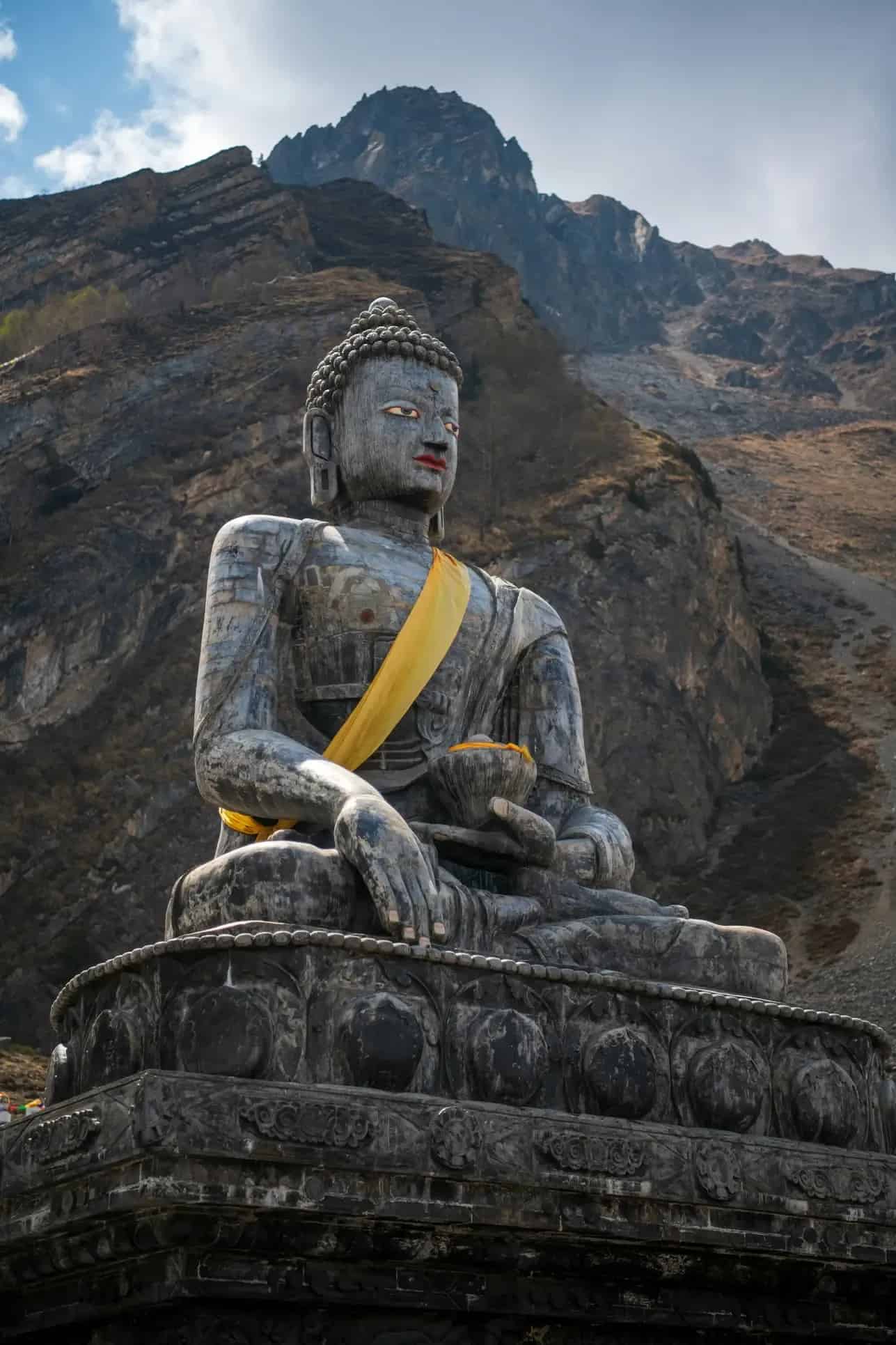
- Langza: Known for its large Buddha statue and mountain views.
- Hikkim: Home to the well-known high-altitude post office.
- Komic: A remote village connected by a motorable road.
These villages are situated at considerably higher elevations than Kaza. Allow time to acclimatize, avoid rushing between stops and return to Kaza if you feel unwell. Do not try to complete every stop if you experience symptoms of altitude sickness.
Day 11: Kaza to Chandratal, If Accessible
Overnight stay: Designated accommodation in the Chandratal area, if accessible
Approximate driving time: 5–7 hours, excluding the lake detour and stops
Leave Kaza early and travel towards Losar and Kunzum Pass before continuing to Chandratal, provided the route is open and conditions are suitable.
This follows the same route described in Day 6 of the 7-day itinerary. Confirm road access and designated overnight accommodation before including the lake in your plan. Camping is prohibited within 3 km of Chandratal's lakeshore.
If Chandratal is inaccessible, arrange an alternative overnight stop based on current road conditions rather than forcing the detour.
Day 12: Chandratal to Manali
Approximate driving time: 6–8 hours or longer, depending on road conditions
Continue towards Manali via Batal, Gramphu and the Atal Tunnel, subject to seasonal road access.
The Gramphu-Batal stretch can be particularly rough, so allow sufficient time for the journey and check road conditions before departure. The itinerary ends in Manali. If you have a fixed onward flight or train from Delhi, allow an additional day or overnight stay for the return journey.
Important Things to Know Before Planning Your Spiti Valley Itinerary
Altitude and Acclimatization in Spiti Valley
Spiti Valley is a high-altitude destination, so allow time for your body to adjust before exploring its higher villages. Kaza sits at about 3,800 metres (12,470 feet), while places like Hikkim and Komic are at much higher elevations.
Destination | Approximate altitude |
| Kaza | 3,800 m |
| Kibber | 4,200 m |
| Hikkim | 4,440 m |
| Komic | 4,580 m |
How should you plan your itinerary around altitude?
- Keep your first day in Kaza relatively light rather than visiting all the high-altitude villages immediately.
- Allow time to rest and adjust before travelling to Langza, Hikkim and Komic.
- Avoid rushing between high-altitude destinations or adding strenuous activities too soon.
- Do not assume that staying one night in Kaza guarantees full acclimatization. Everyone responds differently to altitude.
Watch for symptoms such as headaches, nausea, dizziness and unusual fatigue. If symptoms develop, stop ascending and seek medical advice. If symptoms worsen or become severe, descend to a lower altitude and seek urgent medical attention.
For first-time visitors, keep the high-altitude village excursion for a later day rather than scheduling it immediately after arrival in Kaza.
Road Conditions and Vehicle Suitability for Spiti Valley
Road conditions in Spiti Valley vary by route, season and weather. While much of the Shimla-Kinnaur route is manageable in a suitable vehicle, the Manali-Kaza route has rougher sections that require extra caution.
Can a hatchback or sedan travel to Spiti Valley?
Yes, a hatchback or sedan can travel through several sections of the Shimla-Kinnaur route when road conditions are favourable. However, low ground clearance can become a challenge on rough stretches, particularly between Gramphu and Batal on the Manali-Kaza route.
The approximately 47 km Gramphu-Batal stretch is known for unpaved terrain, loose gravel and seasonal water crossings. Vehicles with better ground clearance are generally more suitable for this section, but even an SUV or 4x4 is not guaranteed safe passage in difficult conditions.
What should you check before starting your Spiti road trip?
- Ground clearance: Consider your vehicle's clearance before choosing the Manali-Kaza route.
- Vehicle condition: Check tyres, brakes, suspension and spare tyre before entering the mountain roads.
- Water crossings: Never attempt a crossing without assessing the depth, current and advice from local drivers.
- Road accessibility: Confirm current conditions for Kunzum Pass and the Gramphu-Batal stretch before departure.
If you are unfamiliar with driving on rough mountain roads, consider travelling with an experienced local driver, particularly for the Manali-Kaza section.
If the Manali route is closed, you may need to return through Kinnaur, depending on available road access and current conditions. Build some flexibility into your itinerary rather than relying on a fixed travel schedule.
Plan Your Spiti Valley Trip with Desh Videsh Travels
Planning a Spiti Valley road trip involves choosing the right route, managing travel time and finding suitable stays along the way. If you prefer a planned journey with transport, accommodation and local assistance, explore our Spiti Valley tour packages and find an option that matches your travel plans.