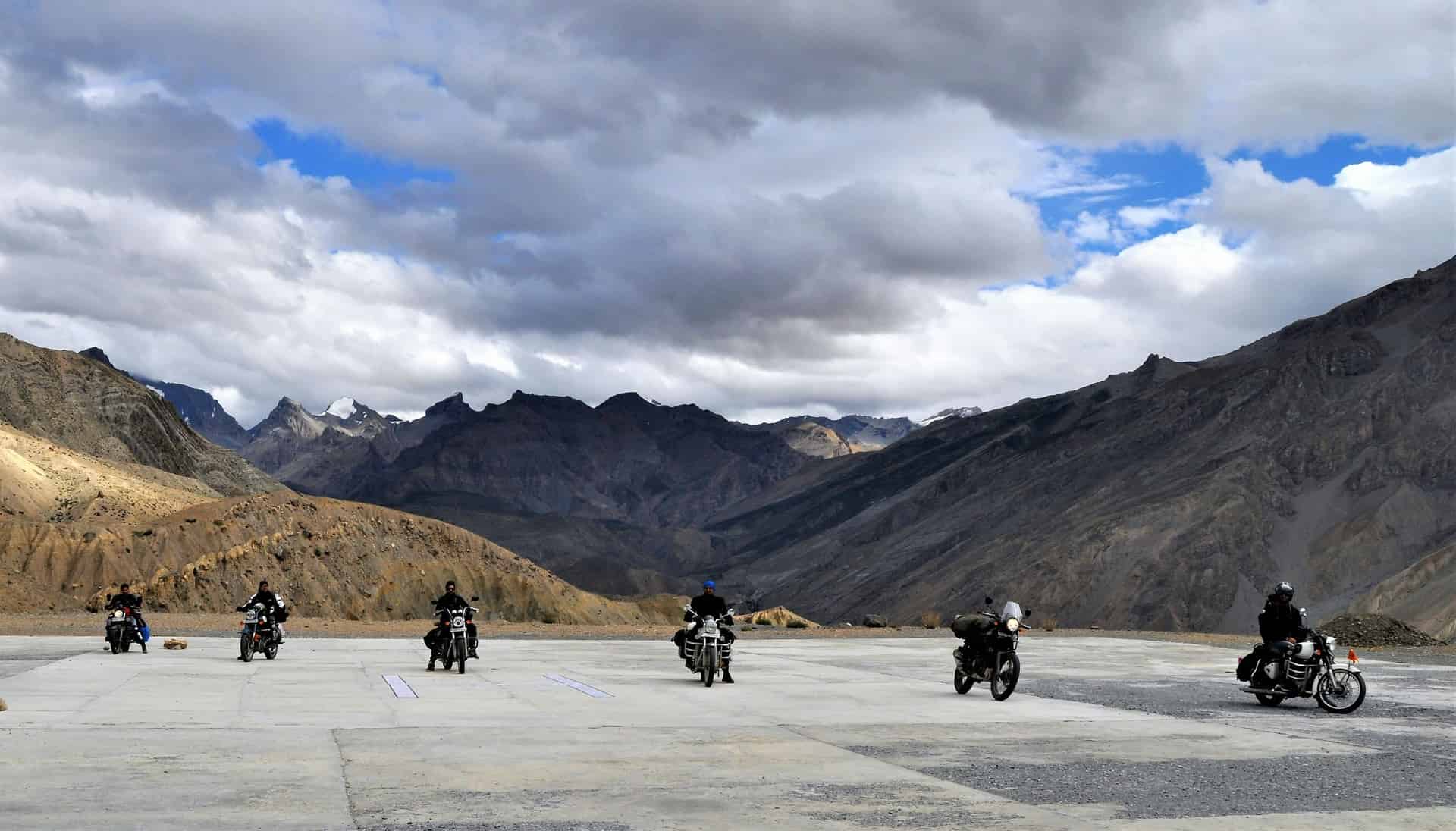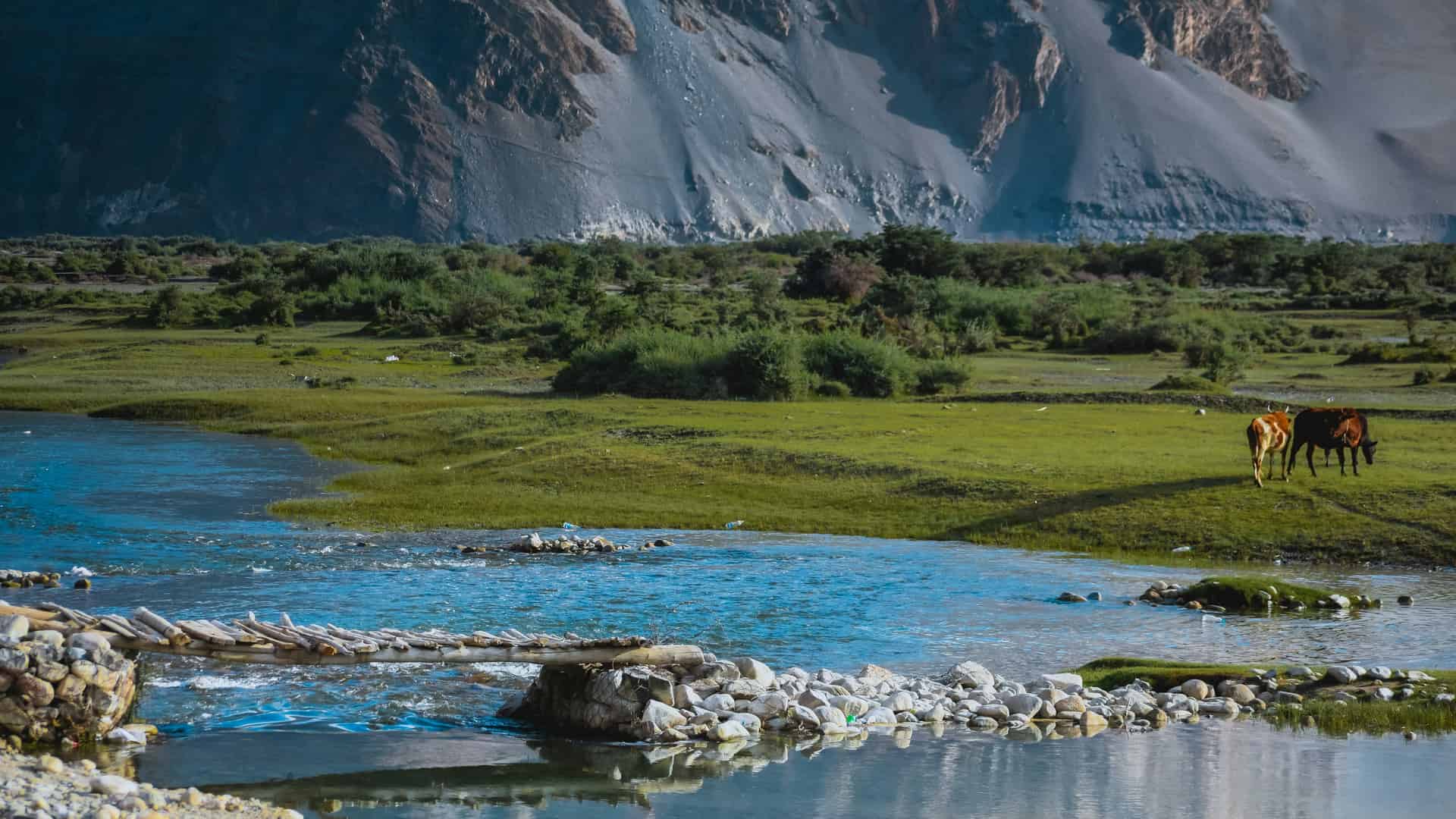
Choosing the best time to visit Spiti Valley depends on more than the weather. Road accessibility, nighttime temperatures and the kind of experience you want can all shape your trip. The valley is easier to explore during some months, while winter brings snow-covered landscapes and much more challenging travel conditions.
For most travellers planning their first trip, June to September is generally the most practical period for exploring Spiti Valley. However, this is not necessarily the best time for everyone. Travellers hoping to experience winter landscapes or look for snow leopards need a different plan, while road-trippers must consider the seasonal accessibility of the Manali and Shimla-Kinnaur routes.
This guide explains Spiti Valley’s seasons, weather and road conditions to help you choose when to visit and prepare for the conditions you may encounter.
What Is the Best Time to Visit Spiti Valley?
June to September is generally the best time to visit Spiti Valley for sightseeing, village exploration and road trips. Winter, from December to March, suits travellers seeking snow-covered landscapes and winter experiences, but requires greater preparation for freezing temperatures and challenging travel conditions.
The ideal month depends on your travel plans, weather preferences, and the experiences you want from Spiti.
Travel period | Best suited for | What to consider |
| April to May | Early-season travel and changing spring landscapes | Cold weather and snow may restrict access to high passes |
| June to August | Sightseeing, village visits, monasteries and summer road trips | Nights can remain cold and road access varies |
| September | Mountain scenery, photography and travel outside the peak summer period | Temperatures drop and early snowfall can affect road access |
| October to November | Quieter landscapes and a colder, more remote experience | Road conditions become less predictable and some facilities may close |
| December to March | Snow-covered villages and guided winter wildlife experiences | Freezing temperatures, possible road closures and limited services |
These are general planning windows, not guarantees of specific weather or road conditions. Before booking, consider your intended route and the experiences you want to include.
Spiti Valley Weather and Travel Conditions by Season
Spiti Valley experiences significant seasonal changes because of its high altitude and cold desert climate. Summer is generally the main travel season, while spring, autumn and winter bring different weather conditions and road-access challenges.
Spring and Early Summer (April to June)
Spring marks the transition from winter, but cold temperatures and lingering snow can continue to affect travel, particularly at higher elevations.
- Weather: April and May can remain cold, with chilly nights and snow in higher areas.
- Road conditions: High passes may remain closed until snow clearance is completed. The Manali-Kaza route depends on the seasonal opening of Kunzum Pass.
- Travel planning: June is generally more practical for sightseeing, although access varies each year. Carry warm layers even when daytime temperatures feel comfortable.
Summer (July to August)
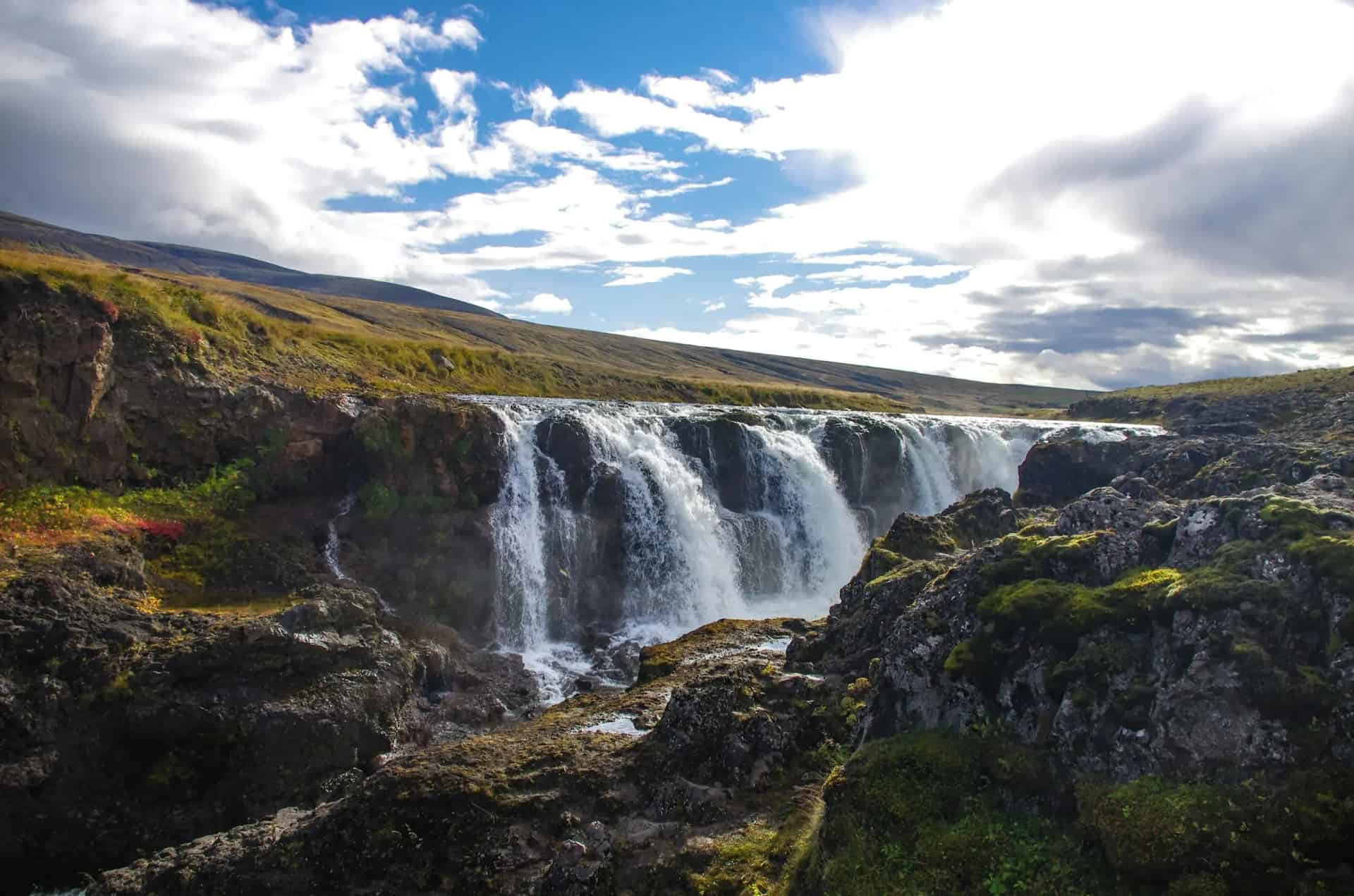
Summer is the main travel season for exploring Spiti's villages, monasteries and mountain landscapes.
- Weather: Days are generally more suitable for outdoor exploration, but nights can still be cold.
- Road conditions: More routes are typically accessible, subject to weather and local road status.
- Monsoon considerations: Spiti lies in a rain-shadow region, but approach roads through Kinnaur and other mountain areas can experience landslides, rockfall and closures during monsoon periods.
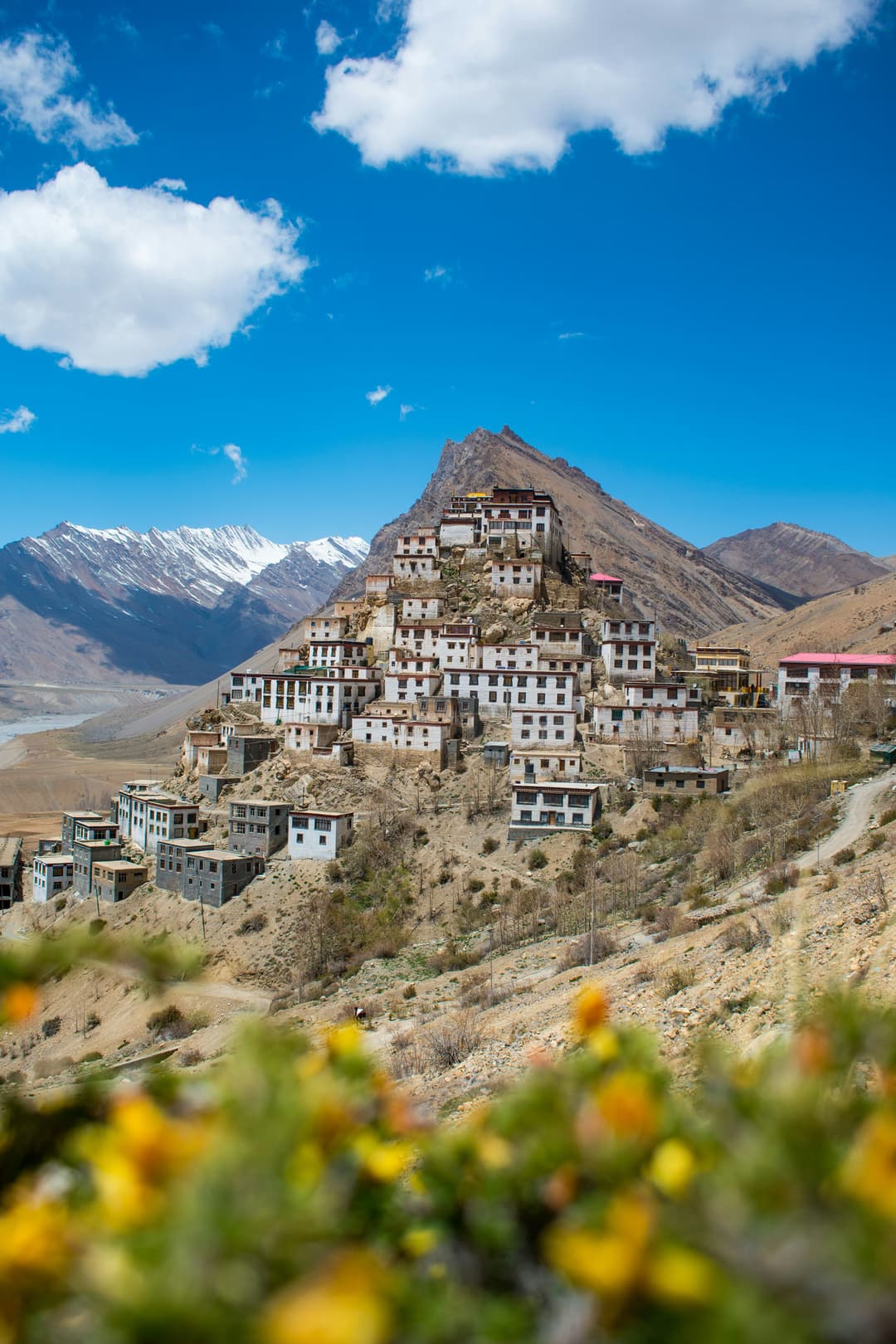
This is also a practical period for visiting monasteries and exploring settlements across the valley. If you plan to visit Key Monastery, allow time to appreciate its hilltop setting and cultural significance rather than treating it as a quick stop between long drives.
Autumn (September to November)
Autumn brings cooler temperatures and changing mountain landscapes, but travel becomes less predictable as winter approaches.
- Weather: September can offer crisp mountain scenery, while temperatures drop further in October and November.
- Road conditions: Early snowfall can affect high passes, so check access before planning routes through higher elevations.
- Travel planning: Some seasonal accommodation and tourist services may reduce operations later in autumn. Keep your itinerary flexible.
September can be a good option for travellers who prefer cooler conditions and want to avoid the busiest part of the summer season. By October and November, however, colder nights and the possibility of snowfall make planning increasingly important.
Winter (December to March)
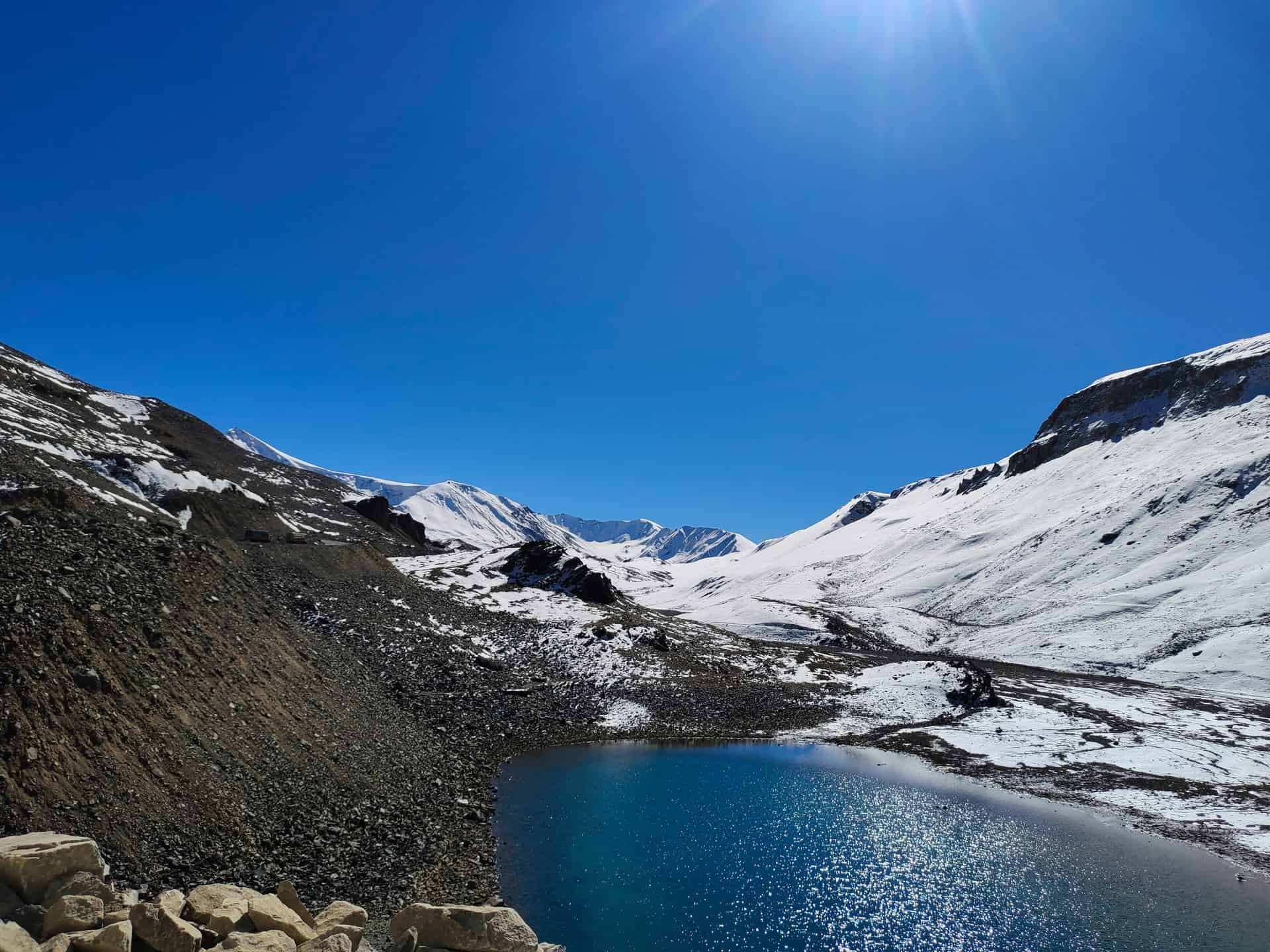
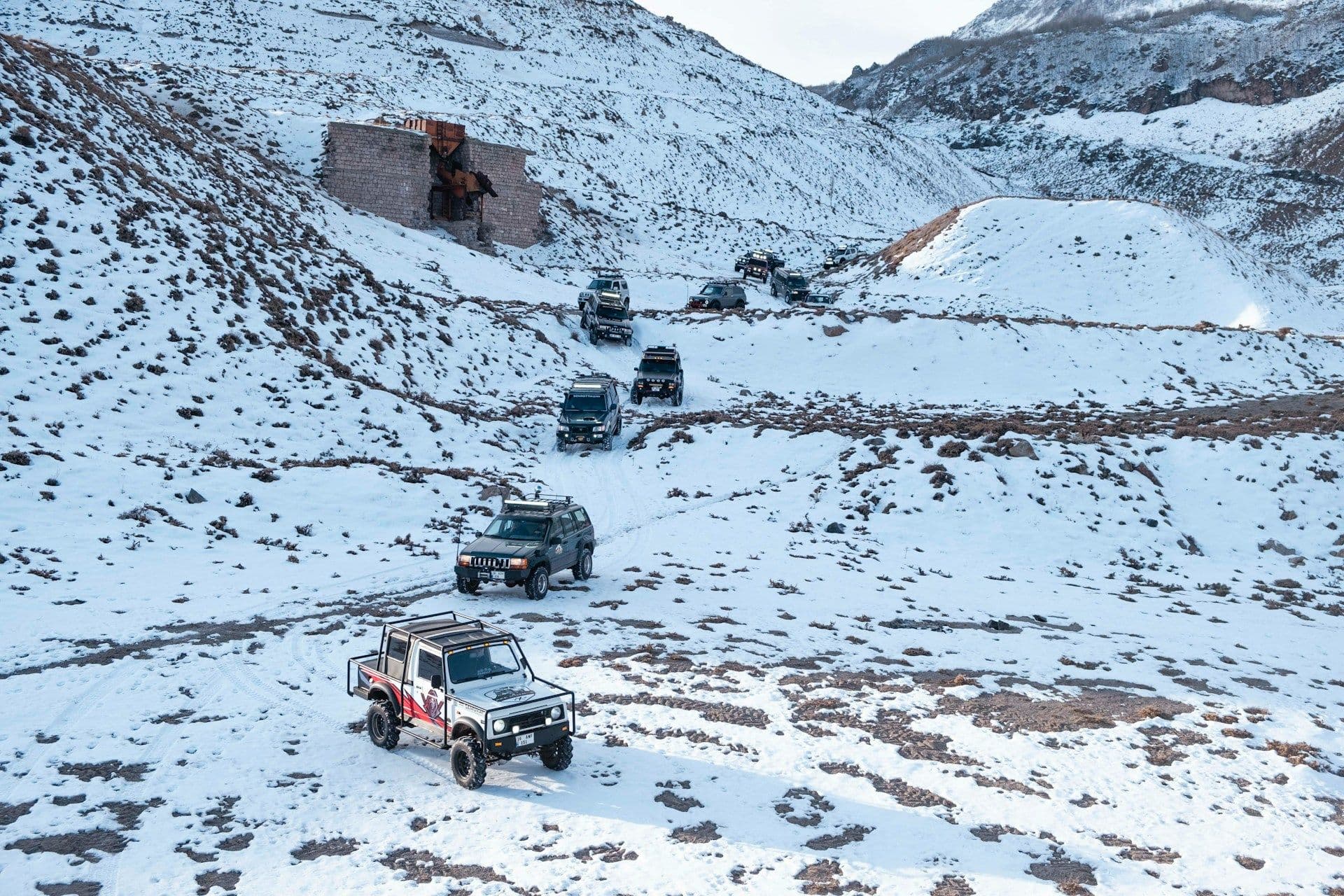
Winter transforms Spiti into a snow-covered landscape, but it is also the most demanding season for travel.
- Weather: Temperatures can fall well below freezing, reaching around −20°C in some areas during severe winter conditions.
- Road conditions: The Manali-Kaza route via Kunzum Pass generally closes during winter. The Shimla-Kinnaur approach may remain usable, but closures and delays are possible.
- Travel planning: Arrange suitable winter accommodation, carry appropriate cold-weather clothing, and allow extra time for disruptions. Guided winter wildlife trips require advance planning and snow leopard sightings are never guaranteed.
Winter travel is best suited to people who are prepared for difficult conditions and can adapt their plans. For a closer look at seasonal activities, read our guide to unique winter experiences in Spiti Valley.
When Are the Roads to Spiti Valley Open?
Spiti Valley has two main road approaches: Shimla via Kinnaur and Manali via Kunzum Pass. The Shimla-Kinnaur route generally offers a longer travel window, while the Manali-Kaza route is seasonal and depends on snow clearance at Kunzum Pass.
Route | General seasonal pattern | What to know |
| Shimla-Kinnaur-Kaza | Often accessible for much of the year | Snowfall, landslides and temporary road closures can disrupt travel |
| Manali-Kaza via Kunzum Pass | Generally accessible during the warmer months | The route typically closes during winter and opening dates vary each year |
Travellers planning to complete the full Spiti circuit should account for the seasonal availability of both routes. If you are visiting in spring, autumn or winter, allow flexibility in your itinerary.
Important: Road-opening dates and conditions can change from year to year and even from day to day. Before departure, verify the latest road status through official local advisories and confirm conditions locally, particularly during winter and the transition seasons.
Which Month Is Best for Different Spiti Valley Experiences?
The best time to visit Spiti Valley also depends on what you want to experience. Consider these general recommendations when choosing your travel dates.
- Sightseeing and village exploration: June to September is generally the most practical period for exploring Spiti's villages, monasteries and major attractions.
- Photography and stargazing: Summer and early autumn can offer rewarding opportunities, although visibility, cloud cover and moonlight affect conditions.
- Snow-covered landscapes: December to March is worth considering for a winter trip, provided you are prepared for freezing temperatures and possible travel disruptions.
- Snow leopard tracking: Winter is the main season for guided tracking expeditions around Kibber. Sightings are never guaranteed, so plan with experienced local guides.
- Chandratal Lake: Plan for its summer access season, as snow clearance, road conditions and local restrictions determine when the lake can be reached.
Choose your travel dates according to your priorities, but remain flexible because weather and accessibility can change throughout the season.
How Long Should You Spend in Spiti Valley Based on the Season?
The time you need for Spiti Valley depends on your starting point, chosen route and travel season. A summer road trip generally allows more flexibility for sightseeing, while autumn and winter travel may require additional buffer days because of changing weather and road conditions.
- Summer (June to August): 7–9 days is a practical starting point for exploring major villages, monasteries and scenic stops without rushing. Allow additional time if you are travelling from Delhi or want to include remote areas.
- Early autumn (September): 7–10 days gives you time to explore the valley while keeping some flexibility for colder weather and possible road disruptions.
- Late autumn (October to November): 8–10 days or more may be appropriate if you want a slower journey, but access to high-altitude routes and tourist facilities can become limited.
- Winter (December to March): 7–10 days or more may be suitable for a carefully planned trip, but the duration depends heavily on road access, transport arrangements, and weather-related delays.
These are general planning estimates, not fixed requirements. Travelling from Delhi takes longer than starting in Shimla or Manali, and winter trips may need more flexibility than the same itinerary in summer.
For route planning and a day-by-day breakdown, see our Spiti Valley Travel Guide.
So, When Should You Plan Your Spiti Valley Trip?
For most travellers, June to September is the most practical time to explore Spiti Valley, while winter suits those seeking snow-covered landscapes and winter experiences. Your final choice should depend on your travel preferences, route accessibility and tolerance for changing weather conditions.
Ready to plan your trip? Explore our Spiti Valley tour packages to find a trip that suits your travel plans.