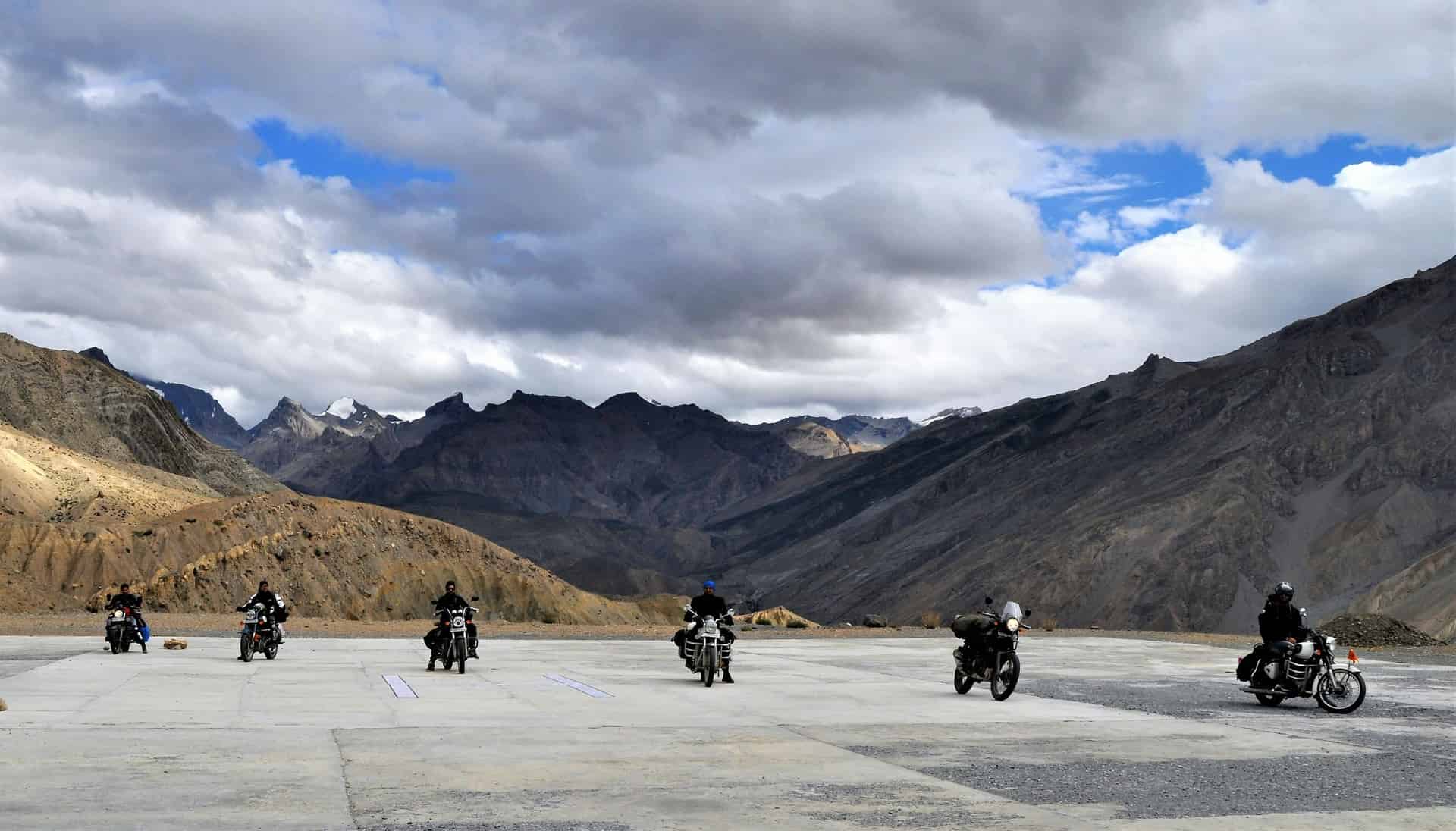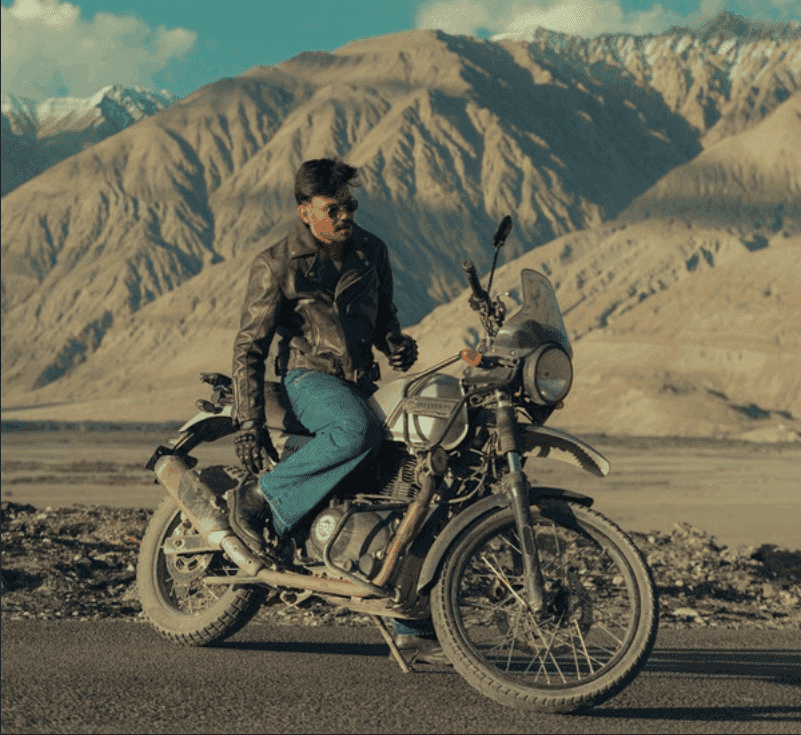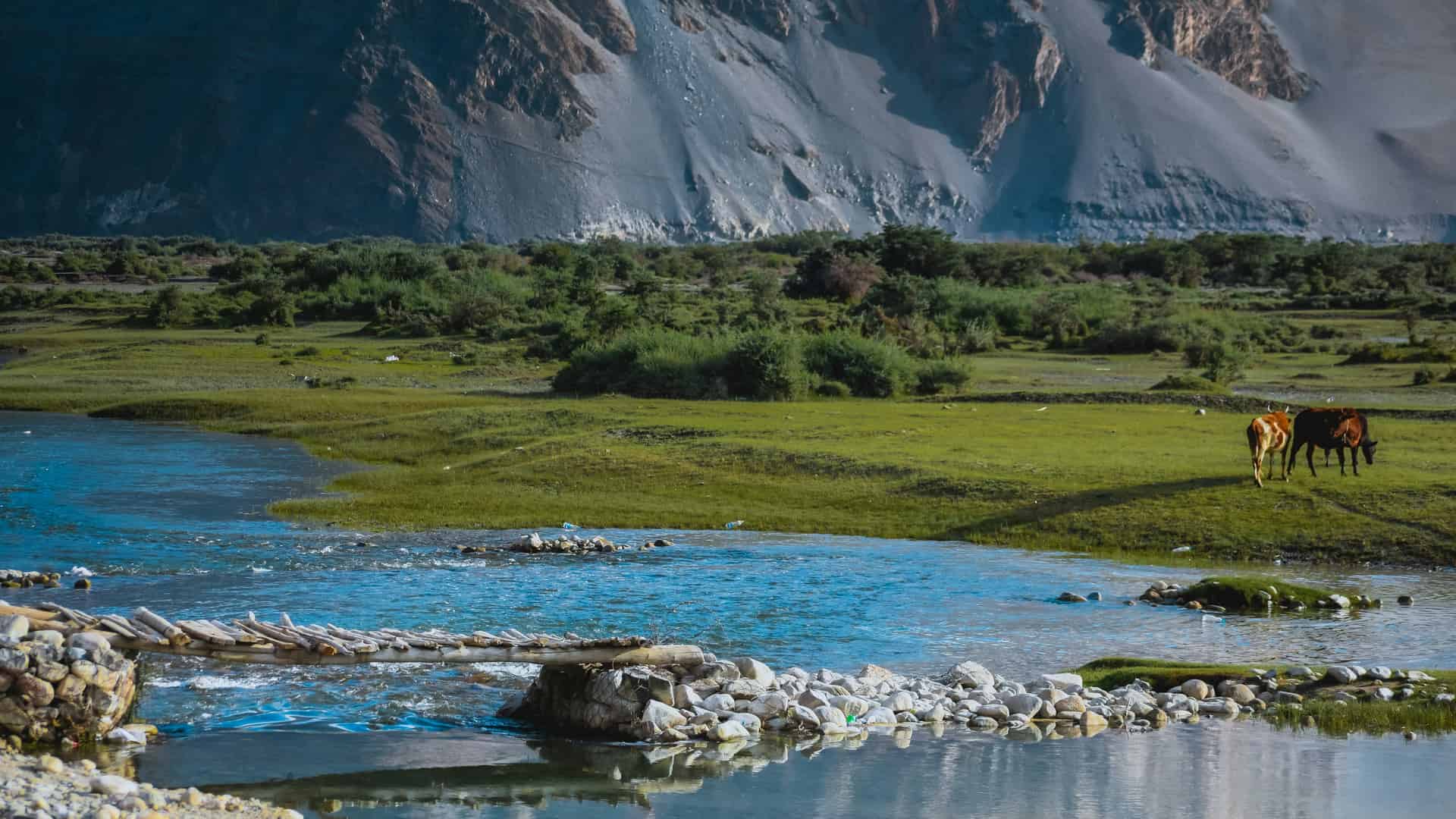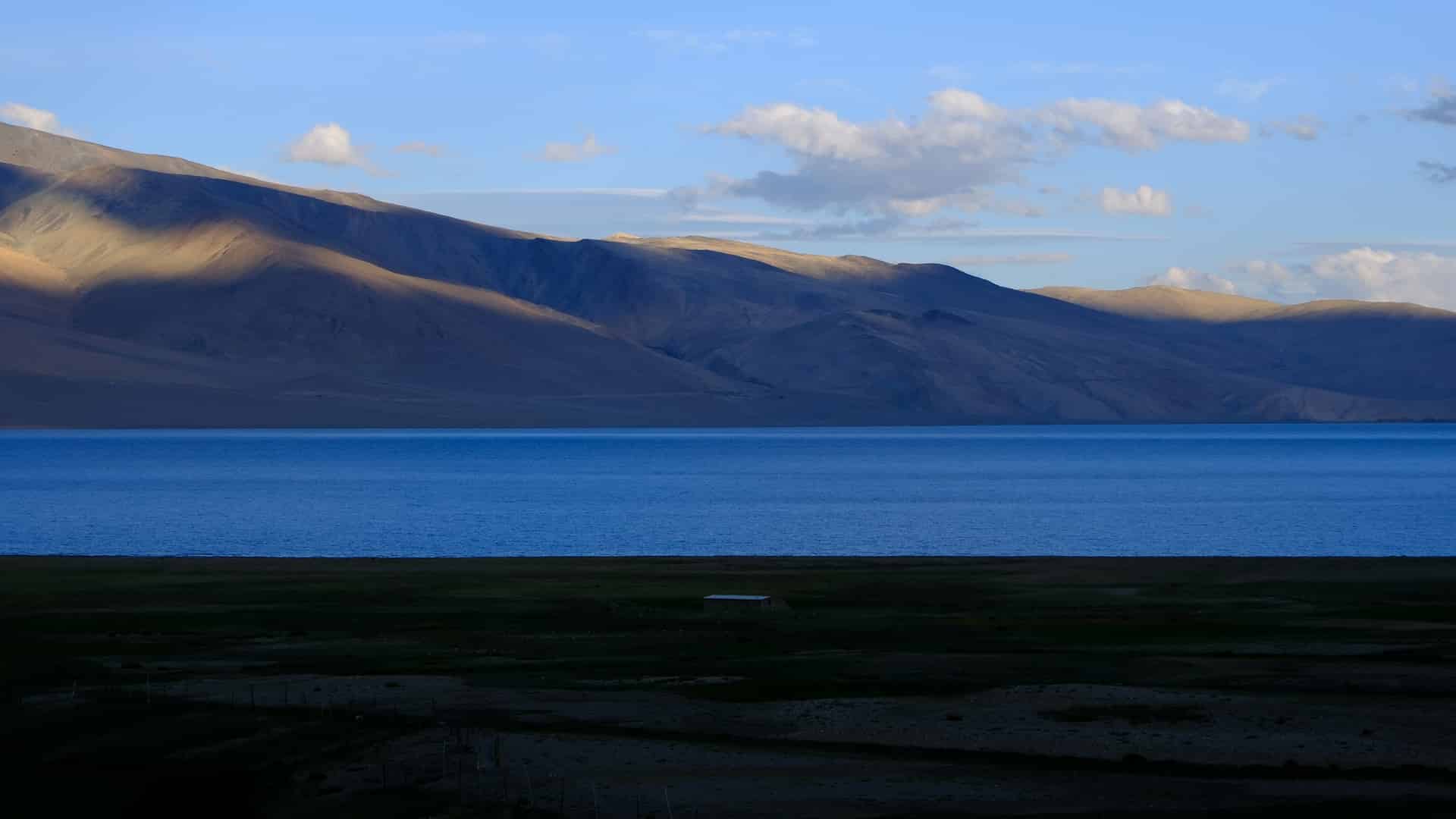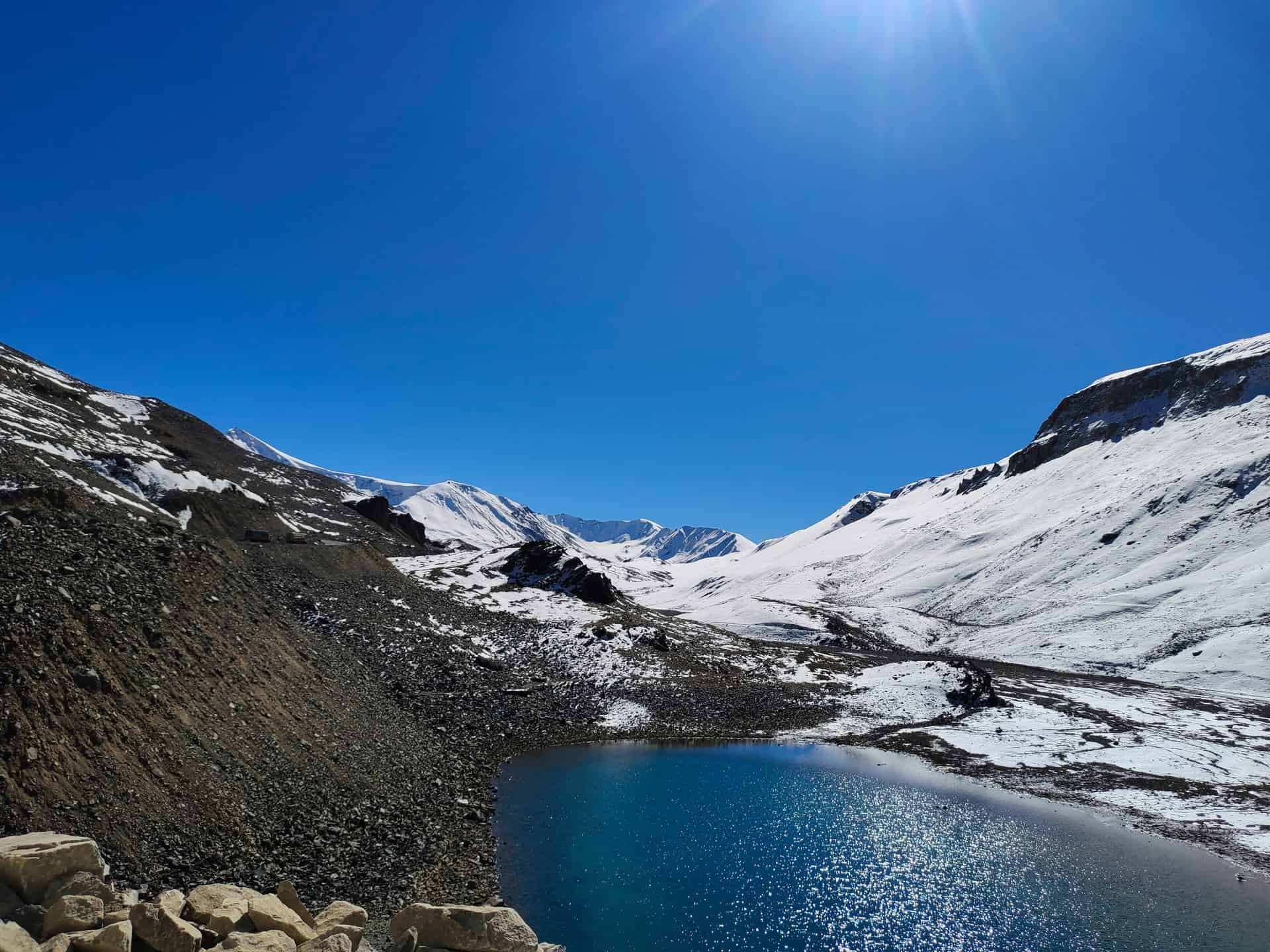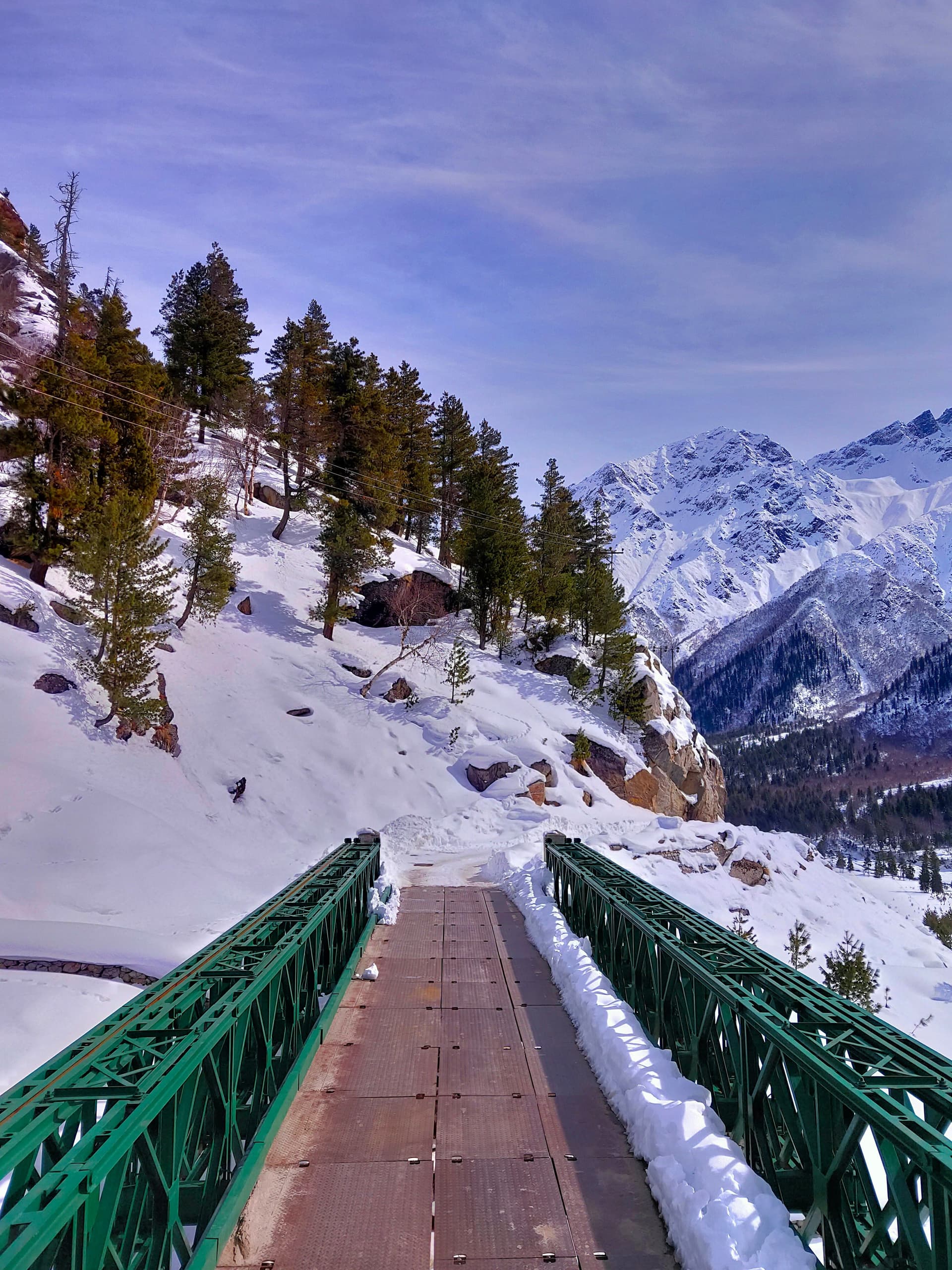
Spiti Valley in winter is more than a snow-covered mountain escape. It is a season of snow leopard tracking, quiet Himalayan villages, traditional homestays and local life shaped by freezing temperatures. With fewer visitors and a very different landscape from summer, winter offers a distinctive way to experience this remote region.
The cold and changing road conditions require careful planning, but for travelers prepared for the challenges, winter reveals a different side of Spiti's wildlife, culture and mountain life.
1. Track Snow Leopards Around Kibber
Winter is a popular season for snow leopard tracking in Spiti Valley, particularly around Kibber and the surrounding mountain slopes. Local trackers help visitors search for these elusive cats while scanning the landscape for signs of wildlife.
If you are planning a dedicated tracking experience, keep these points in mind:
- Allow several days: Tracking requires patience and spending multiple days gives you more opportunities to search different areas.
- Arrange local expertise: Plan your expedition with experienced local trackers and confirm winter accommodation in advance.
- Look beyond snow leopards: Blue sheep (bharal) and Himalayan ibex may also be spotted during the search.
- Keep expectations realistic: Snow leopard sightings are never guaranteed, even during the winter tracking season.
The experience is as much about observing Spiti's wildlife and rugged mountain landscape as it is about finding a snow leopard.
2. Experience Spiti's Snow-Covered Villages
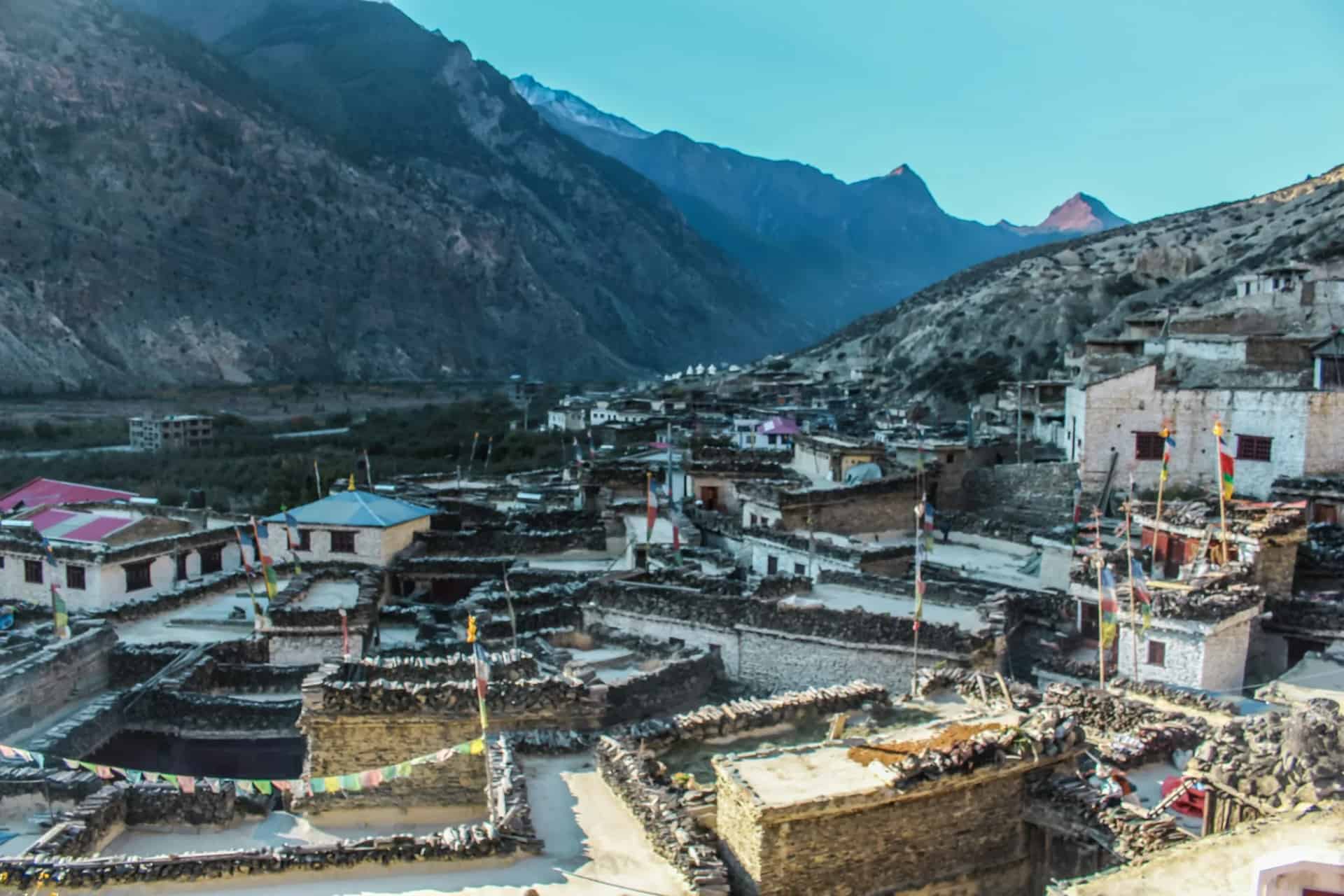
Winter gives Spiti's villages a different character, with snow-covered homes, quiet lanes and rugged mountain slopes creating a striking landscape. Kibber, Langza, Hikkim and Komic can look very different from their summer appearance, depending on snowfall and local conditions.
The experience goes beyond photography. Spending time in these villages offers a glimpse into how residents adapt their daily routines to the cold, from preparing meals indoors to gathering around traditional heating.
- Choose accessible villages: Check local road conditions before planning visits, as snowfall can affect access.
- Take time to explore: Slow down, observe village life and respect residents' privacy when taking photographs.
- Consider a local homestay: Spending time with local hosts can offer a closer understanding of everyday winter life.
Village access and available services vary, so keep your plans flexible rather than trying to cover every settlement in one trip.
3. Experience Spiti's Monasteries in Winter
Winter offers a quieter perspective on Spiti's Buddhist monasteries, with snow-covered mountain surroundings and fewer visitors creating a different atmosphere at accessible sites.
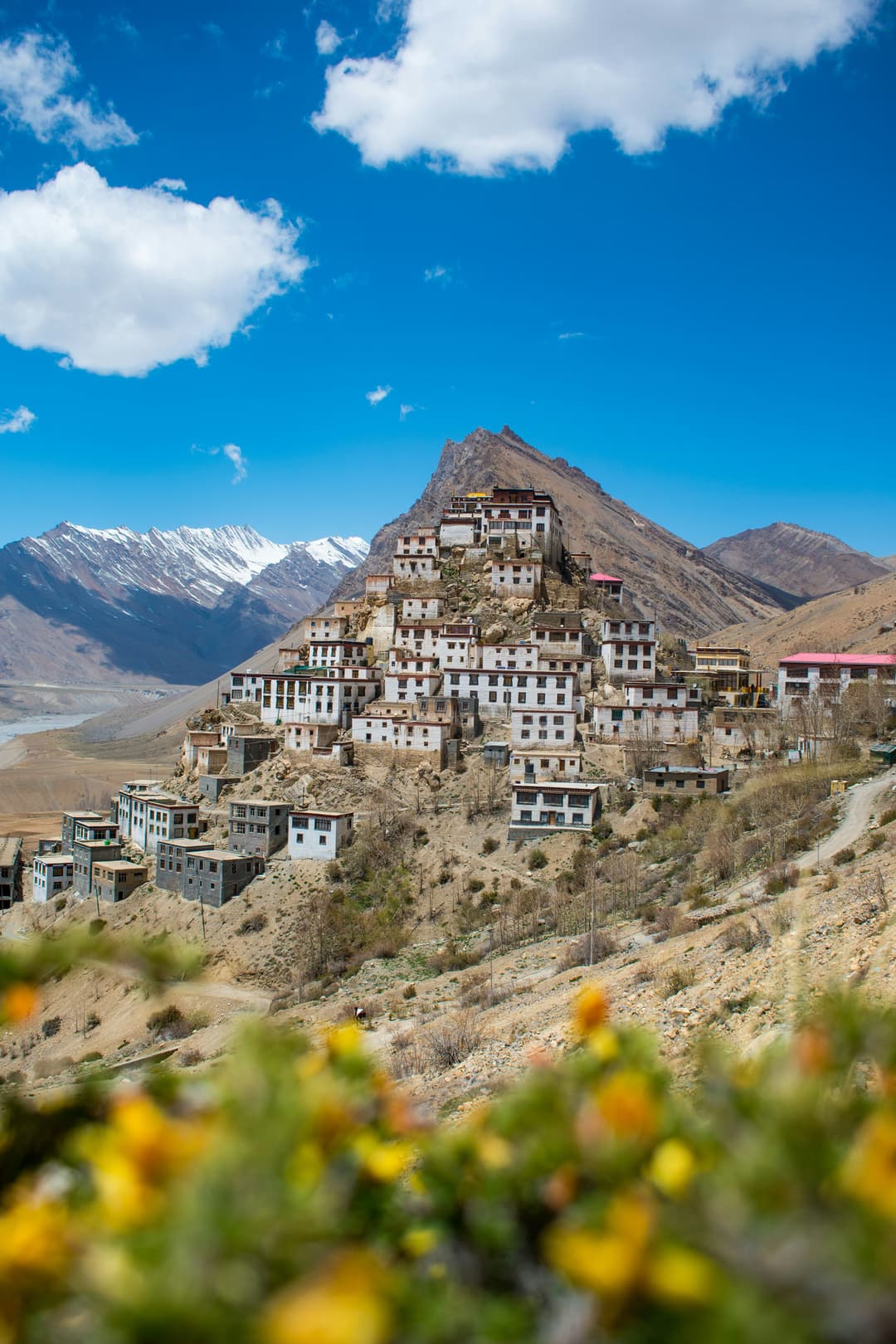
Key Monastery, overlooking the Spiti River valley, is one of the region's best-known landmarks. Explore its history and architecture in our Key Monastery travel guide.
Tabo Monastery and Dhankar Monastery are also worth considering, depending on your route and winter access conditions.
Before visiting, confirm local access and opening arrangements, respect monastery rules and ask permission before photographing people or religious activities. Rather than trying to visit every site, allow time to appreciate the setting and cultural significance of the monasteries you can reach.
4. Experience Losar and Spiti's Winter Traditions
Winter offers an opportunity to experience the cultural traditions of Spiti's Buddhist communities, particularly during Losar, the Tibetan New Year. Following the Tibetan lunar calendar, the festival is associated with prayers, family gatherings, traditional food and community celebrations.
Depending on the village and year, celebrations may include monastery ceremonies, music and gatherings with local residents.
If you hope to experience Losar during your trip:
- Check the dates in advance: Losar follows a lunar calendar, so dates change each year.
- Ask local hosts about celebrations: Events and traditions vary between communities, and public celebrations are not guaranteed everywhere.
Experiencing Losar can add a meaningful cultural dimension to a winter trip, offering insight into local traditions beyond Spiti's landscapes and wildlife.
5. Experience Winter Life Through a Local Homestay
A local homestay offers a closer look at how families in Spiti adapt to the long, cold winter. Sharing home-cooked meals, talking with hosts and spending time indoors can become some of the most memorable parts of the experience.
Traditional homes may use a bokhari, a stove used for heating, to keep shared living spaces warm. Facilities vary between properties, and some winter homestays may have dry toilets, frozen plumbing or limited hot water.
Before booking, confirm these essentials:
- Heating: Ask how bedrooms and shared spaces are heated and whether electric blankets are available.
- Toilets and water: Check whether the property has a flush or dry toilet and how water is supplied during freezing weather.
- Meals: Confirm which meals are included, especially if nearby restaurants may have limited winter hours.
- Winter availability: Make sure the property will be operating during your travel dates.
Choosing a homestay with facilities that match your needs can make winter travel more comfortable while giving you a better understanding of everyday life in Spiti.
6. Taste Spiti's Winter Food and Drinks
In winter, a warm meal can become one of the most memorable parts of a trip to Spiti. Sharing food with a local host after spending time outdoors offers a glimpse into the region's hospitality and everyday life during the cold months.
Look out for thukpa, a warming noodle soup; momos, filled dumplings; and tsampa, roasted barley flour used in traditional Tibetan food. You may also encounter gur-gur chai or butter tea, traditionally prepared with tea, butter and salt.
If you are staying in a remote village, ask your host about available local dishes and confirm meal arrangements in advance, as food options can be limited during winter. Sharing a home-cooked meal can offer a more personal experience than simply stopping at a restaurant.
7. Experience Winter Ice Hockey and Skating in Spiti
Winter in Spiti brings opportunities to experience more than snow-covered villages and mountain landscapes. Kaza has hosted organized winter sports events featuring ice hockey and speed skating, offering visitors a glimpse of how local communities make the most of the cold season.
However, these activities are not guaranteed to be available throughout winter. If you want to include them in your trip:
- Check event schedules: Confirm whether any ice hockey matches, skating sessions or winter sports events are planned during your travel dates.
- Ask locally: Contact your accommodation or local hosts to check whether activities are open to visitors and whether advance arrangements are needed.
Treat winter sports as an additional experience rather than the main reason to visit unless you have confirmed an event in advance.
8. Photograph Spiti Valley Under Winter Snow
Winter gives Spiti a distinctive photographic character. Snow-covered mud-brick homes, white mountain slopes, monastery architecture and the contrast between snow and barren terrain create scenes that look very different from the summer landscape.
For a better experience, keep these points in mind:
- Allow time for changing light: Early morning and late afternoon can bring out the textures of the mountains and village architecture, depending on the weather.
- Capture local life respectfully: Ask permission before photographing residents and avoid entering private homes or property without an invitation.
- Protect your camera and phone: Cold temperatures can drain batteries quickly, so carry a spare and keep devices warm when not in use.
- Prioritize safety: Avoid unstable snow, icy edges and exposed roadside locations for photographs.
Snowfall and visibility vary with local conditions, so not every village or landmark will have the same winter appearance. Allow time to explore at a relaxed pace rather than rushing between locations.
Is Spiti Valley Worth Visiting in Winter?
Yes, Spiti Valley is worth visiting in winter if you want a quieter Himalayan experience centered on snow-covered villages, wildlife tracking, local culture and traditional homestays. However, freezing temperatures, limited services and changing road conditions make it more demanding than a summer visit.
Winter is best suited to travelers who can adapt their plans, accept basic facilities and allow extra time for weather-related disruptions. If you prefer comfortable travel, easier access to attractions and a wider choice of accommodation and restaurants, another season may be a better fit.
For a broader overview of routes, destinations and trip planning, read our complete Spiti Valley Travel Guide.
Plan Your Winter Trip to Spiti Valley
From snow leopard tracking around Kibber to quiet Himalayan villages and traditional winter homestays, Spiti offers a distinctive experience for travelers prepared for the cold and changing conditions. Explore our Spiti Valley tour packages to plan your trip.