Most travelers hear the same thing before visiting Vietnam: it’s affordable. But once real planning starts, the answer becomes more nuanced. Flight prices, hotel choices, travel style and even the time of year can change your overall budget far more than expected.
The good news is that Vietnam remains one of the easiest destinations in Asia to plan financially once you understand where your money actually goes. This guide breaks down realistic travel costs for 2026 so you can set clear expectations and build a budget that matches your travel style.
If you’re starting from scratch, read our Complete Vietnam Travel Guide first to understand routes, destinations and overall planning before setting your budget.
Average Vietnam Trip Cost at a Glance
To get a quick understanding before diving deeper, here’s what travelers typically spend per person, per day in Vietnam.
Travel Style | Average Daily Budget (INR) | What It Typically Includes |
Budget | ₹3,000 – ₹4,500 | Hostels, street food, local transport |
Mid-Range | ₹6,000 – ₹9,000 | Boutique hotels, cafés, domestic flights |
Luxury | ₹15,000+ | Resorts, premium experiences, fine dining |
*These estimates include accommodation, food, transport and activities but exclude international flights.
Flights & Visa Costs
For most travelers, flights are the biggest upfront expense when planning Vietnam.
Round-trip airfare from India usually starts around ₹16,000–₹22,000 on budget airlines, while standard full-service carriers typically range between ₹25,000 and ₹35,000. Prices can rise beyond ₹40,000 during peak travel months or festival periods, which is why booking early often makes a noticeable difference.
Visa costs remain straightforward. The e-visa is the most popular option, with single-entry visas priced around $25 and multiple-entry visas around $50. Applying through official government portals helps avoid unnecessary extra fees.
Once flights and visas are sorted, the next major expense becomes where you stay, and this is where Vietnam often feels surprisingly rewarding.
Accommodation Costs in Vietnam
Accommodation is one of Vietnam’s strongest value points.
Budget travelers can easily find hostels and guesthouses between ₹500–₹900 per night. Private budget rooms usually range from ₹1,200–₹2,000, while comfortable boutique hotels often sit between ₹3,500–₹6,000, depending on location and season.
Luxury stays are also more accessible than many travelers expect. Beach resorts in destinations like Da Nang or Phu Quoc frequently start around ₹12,000 and go higher depending on amenities and views.
For many visitors, this balance between affordability and comfort is what makes Vietnam stand out compared to other Asian destinations.
Food & Daily Dining Budget
Food rarely becomes a budgeting problem in Vietnam, and for many travelers it quickly turns into one of the highlights of the trip.
Street food such as pho or banh mi typically costs between ₹150–₹300, while casual restaurants average ₹400–₹800 per person. Vietnam’s café culture is another experience worth budgeting for, with specialty coffee and drinks usually priced between ₹250–₹450.
A realistic daily food budget sits around ₹1,000–₹1,500 per person, which comfortably covers multiple meals without compromising on variety or quality.
Keeping meals flexible and mixing street food with occasional restaurant dining usually gives the best overall experience.
Local Transport Costs
Getting around Vietnam is generally affordable and easy once you understand the options.
Within cities, rideshare apps make short journeys inexpensive, while motorbike rides are often the fastest way to move through traffic. For longer distances, domestic flights usually range between ₹3,000–₹5,000 when booked ahead. Sleeper buses are another budget-friendly option, especially for travelers who don’t mind longer journeys.
Because Vietnam stretches across a long distance from north to south, choosing flights for major route changes often saves both time and energy, making the overall trip more comfortable.
Activities & Sightseeing Expenses
Activities are where your budget becomes more personal to your travel style.
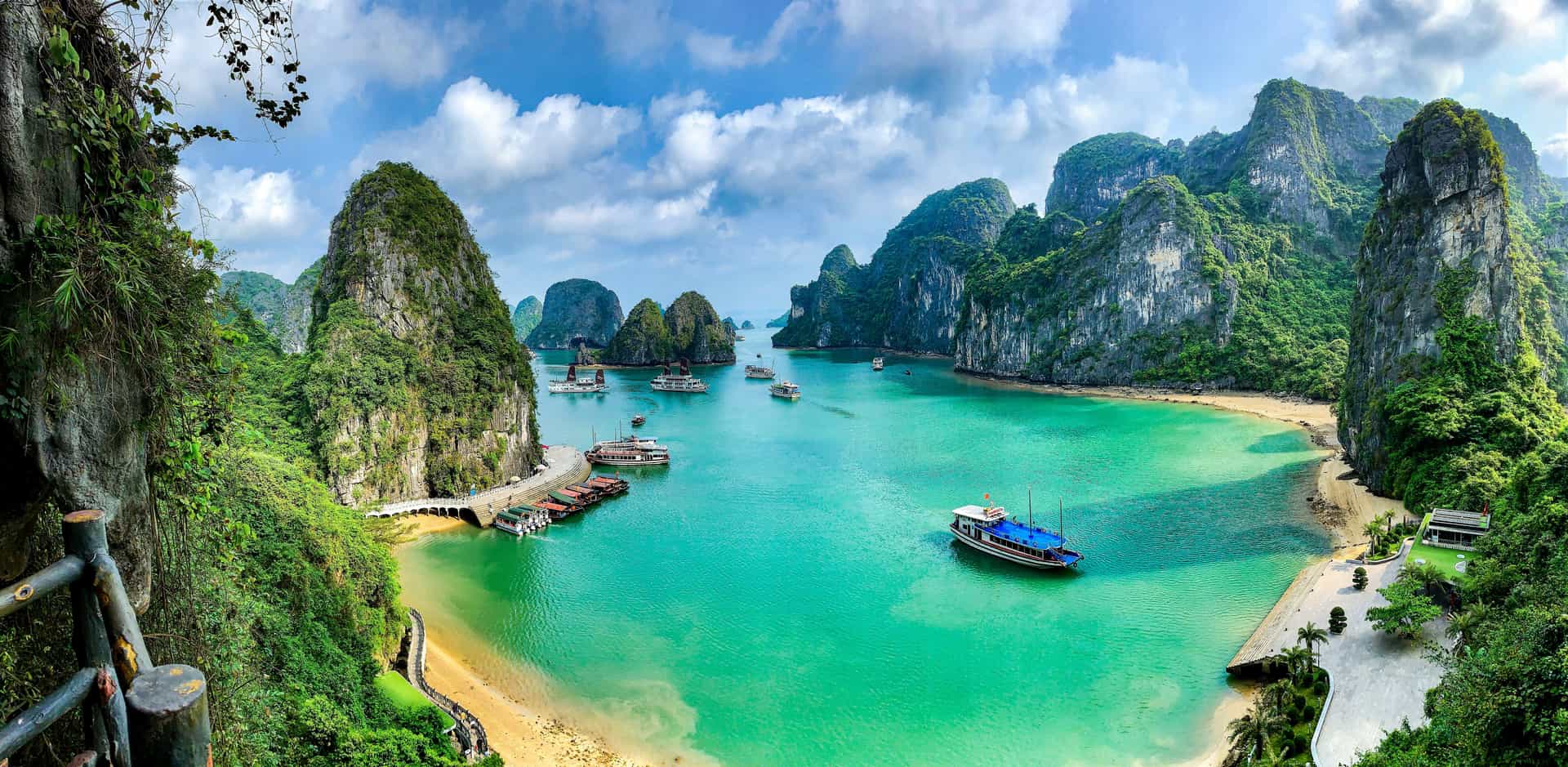
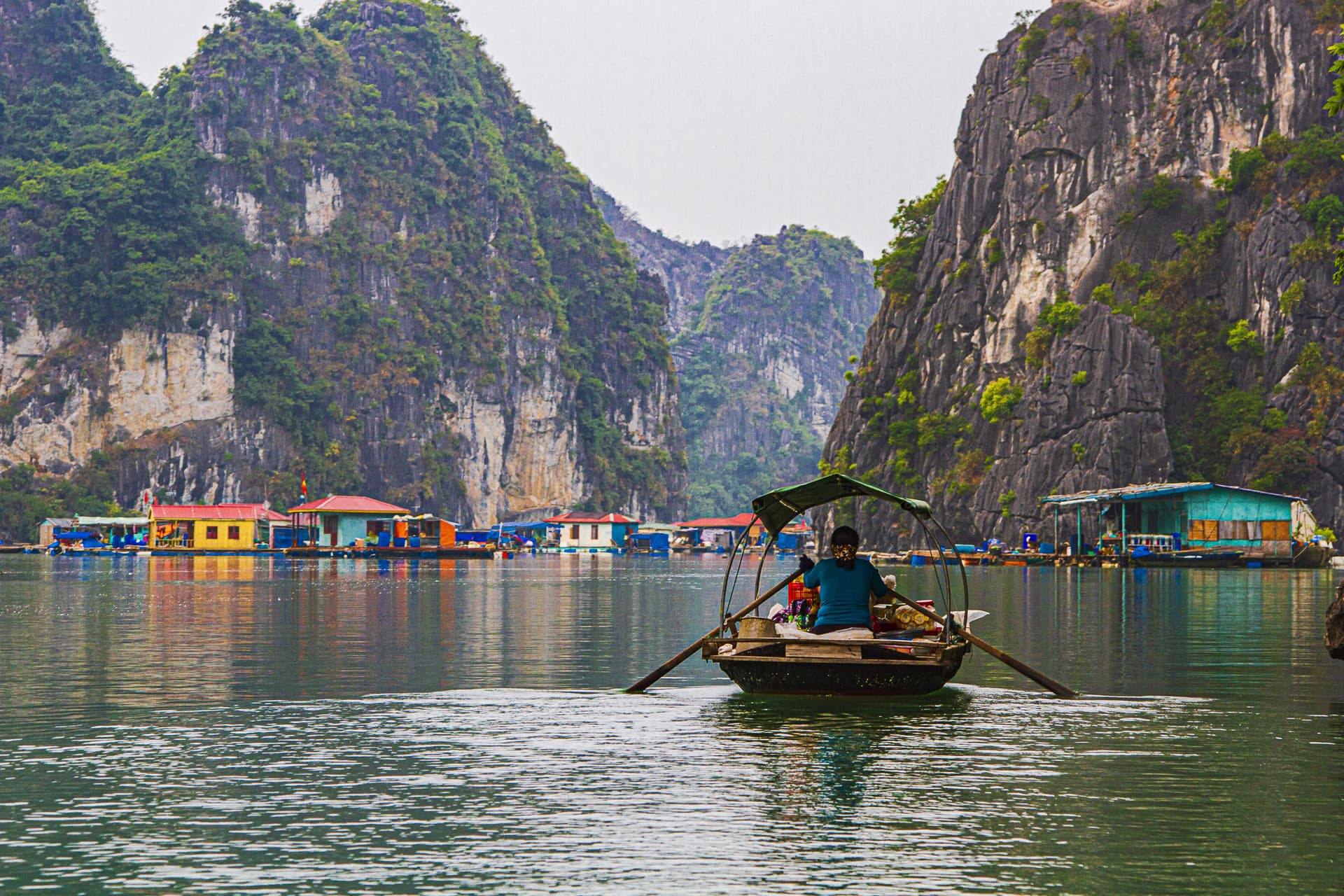
Signature experiences like Ha Long Bay cruises, guided cultural tours or cooking classes tend to add more to daily spending, while many temples, local markets and city attractions remain affordable.
Most travelers spend roughly ₹1,000–₹2,500 per day on sightseeing and experiences, depending on how activity-heavy their itinerary is.
Choosing a few meaningful experiences instead of trying to do everything usually creates a more balanced trip.
Example Mid-Range Budget for One Week
For travelers looking for comfort without overspending, a typical one-week budget looks like this:
- Accommodation: around ₹25,000
- Food and drinks: around ₹10,000
- Activities and tours: around ₹12,000
- Local transport and one domestic flight: around ₹8,000
Estimated total: approximately ₹55,000 per person (excluding international flights).
This is a realistic mid-range budget that allows comfortable travel without feeling restricted.
Practical Budget Tips That Help
Small planning choices often make a bigger difference than travelers expect.
- Travel during the shoulder months for better hotel pricing.
- Use local laundry services instead of hotel laundry.
- Avoid overbooking tours before arrival.
- Balance paid experiences with relaxed exploration days.
These simple habits help keep costs stable while improving the overall pace of your trip.
How Travel Season Affects Your Budget
Timing has a noticeable impact on overall costs.
Peak travel months usually bring higher hotel and flight prices, while shoulder seasons offer a better balance between weather and value. Rainy periods often mean fewer crowds and lower accommodation rates.
For a full seasonal breakdown, refer to our Best Time to Visit Vietnam guide.
Final Verdict: How Much Should You Budget?
For most travelers, a comfortable Vietnam trip costs roughly:
₹50,000 – ₹65,000 per person for one week, excluding international flights.
Vietnam continues to be one of the few destinations where a mid-range budget can still feel relaxed and rewarding. The key isn’t simply spending less, but planning your expenses intentionally based on your travel style.
If you want help building a Vietnam itinerary that balances budget and experience smoothly, the travel planners at Desh Videsh Travels can help you design a trip that fits your goals.
Continue Planning Your Vietnam Trip
- Explore Must-Visit Beaches in Vietnam
- Discover Family-Friendly Destinations in Vietnam